The first time I stood in front of a Christmas crèche as a child, I did what children always do with tiny worlds. I leaned in close. I counted the animals. I wondered why the Magi were always so far away, mid-stride, perpetually late.
Years later, after studying Christian history alongside other sacred traditions, I came to love the nativity scene even more. Not because it is quaint or nostalgic, but because it is a spiritual practice. It is a way of placing the Incarnation where ordinary life happens: among straw, breath, cold air, and the intimacy of a family trying to make do.
So who created the first nativity scene? The tradition most often begins with one name and one hillside town in Italy: Francis of Assisi.
The short answer
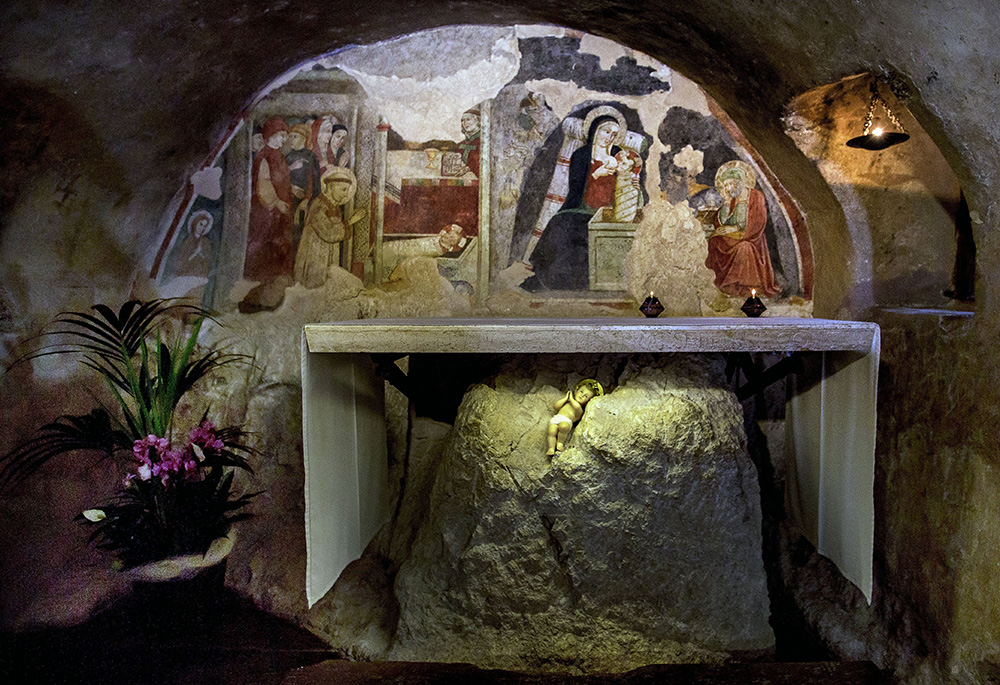
Francis of Assisi is widely credited with creating the first nativity scene as we recognize it today because he staged a living nativity at Greccio in 1223. Instead of carving figurines, Francis arranged a real manger with hay, and included an ox and a donkey, inviting people to contemplate the poverty and tenderness of Jesus’s birth.
It is important to say this with care. Christians had been meditating on the Nativity for centuries through Scripture, preaching, liturgy, hymnody, and art. What Francis did was new in its form: he turned contemplation into a lived, embodied scene that ordinary people could see and enter, not only imagine.
Greccio 1223
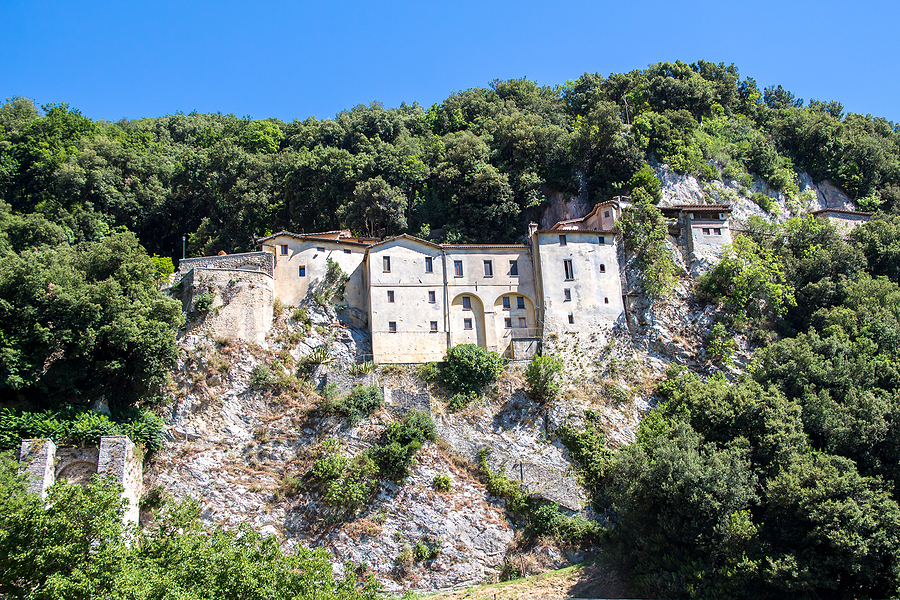
In December 1223, Francis traveled to Greccio, a small town in the hills of central Italy. In the earliest Franciscan accounts, he wanted to kindle devotion by helping people “see with their eyes” what the birth of Jesus might have been like: the roughness, the simplicity, and the humility.
Francis asked a local man, traditionally named John of Greccio, to prepare a place with a manger and hay. An ox and a donkey were brought in, echoing a long-standing current in Christian interpretation that associates the manger animals with Isaiah 1:3. The animals are not named in the Gospel Nativity narratives, but by the Middle Ages they had become familiar in Christian art and preaching. Francis made that inherited symbolism tangible.
In the narrative as Thomas of Celano tells it, people gathered and the scene became a setting for worship, including the celebration of Mass. The point was not entertainment. It was attention, prayer, and a kind of reverent seeing.
What the sources say
The most-cited account of the Greccio nativity comes from Thomas of Celano, one of Francis’s early biographers. Celano describes the event in his Vita Prima (written in the late 1220s), within a few years of Francis’s death in 1226. He gives the basic elements most people associate with the story: the manger, the hay, the ox and donkey, and the gathered community drawn into contemplation of the Incarnation.
In Celano’s telling, Greccio becomes a kind of Bethlehem for one night. The goal is not historical reenactment for its own sake. It is spiritual attention. Francis wanted the Nativity to be felt in the body: the chill in the air, the roughness of straw, the humble setting that makes the Christian claim so startling. God comes small.
Later Franciscan sources, including Bonaventure’s Major Legend (1260s) and collections of stories told within the movement, retell the event with added color and devotional detail. As with many beloved religious stories, the core narrative stays consistent even as the tradition elaborates over time. For readers today, that is a helpful distinction:
- Early historical witness: Celano’s Vita Prima anchors the event in the Franciscan memory closest to Francis himself.
- Devotional development: later retellings expand the scene’s imagery and emotional texture, reflecting how communities prayed with the story.
This does not make the later accounts “false.” It simply means they are doing slightly different work, less like a modern news report and more like a spiritual echo meant to cultivate wonder and tenderness.
Was Francis the first
If we mean “the first Christian depiction of Jesus’s birth,” then no. Long before 1223, Christians were creating Nativity imagery in painting, carving, and mosaic, especially once Christianity became publicly established in the Roman Empire. Early depictions appear in places of burial and worship, and the themes of Mary, Joseph, the child, angels, shepherds, and Magi were already familiar.
But if we mean “the first nativity scene tradition” as a devotional practice that could be set up, entered, and revisited, Francis’s Greccio celebration is the standard Western origin story that many historians point to. It is the seed of what later becomes:
- church crèches arranged seasonally
- three-dimensional nativity sets with figures
- home nativity scenes as part of family devotion
How it spread
Francis was not only a charismatic saint. He was the founder of a movement, and movements travel on the feet and prayers of communities.
1) Franciscans carried the practice
The Franciscans emphasized the humanity of Jesus and the closeness of God to the poor and ordinary. A Nativity devotion fit naturally inside that spirituality. As Franciscan friars traveled, preached, and founded new houses, the Greccio memory went with them.
2) Churches built seasonal displays
Over time, the “living nativity” impulse found other forms. In some places the Nativity was staged with people. In other places, churches began arranging stable settings and figures as part of Christmas devotion. These displays made theological claims in a language accessible to everyone, including those who could not read.
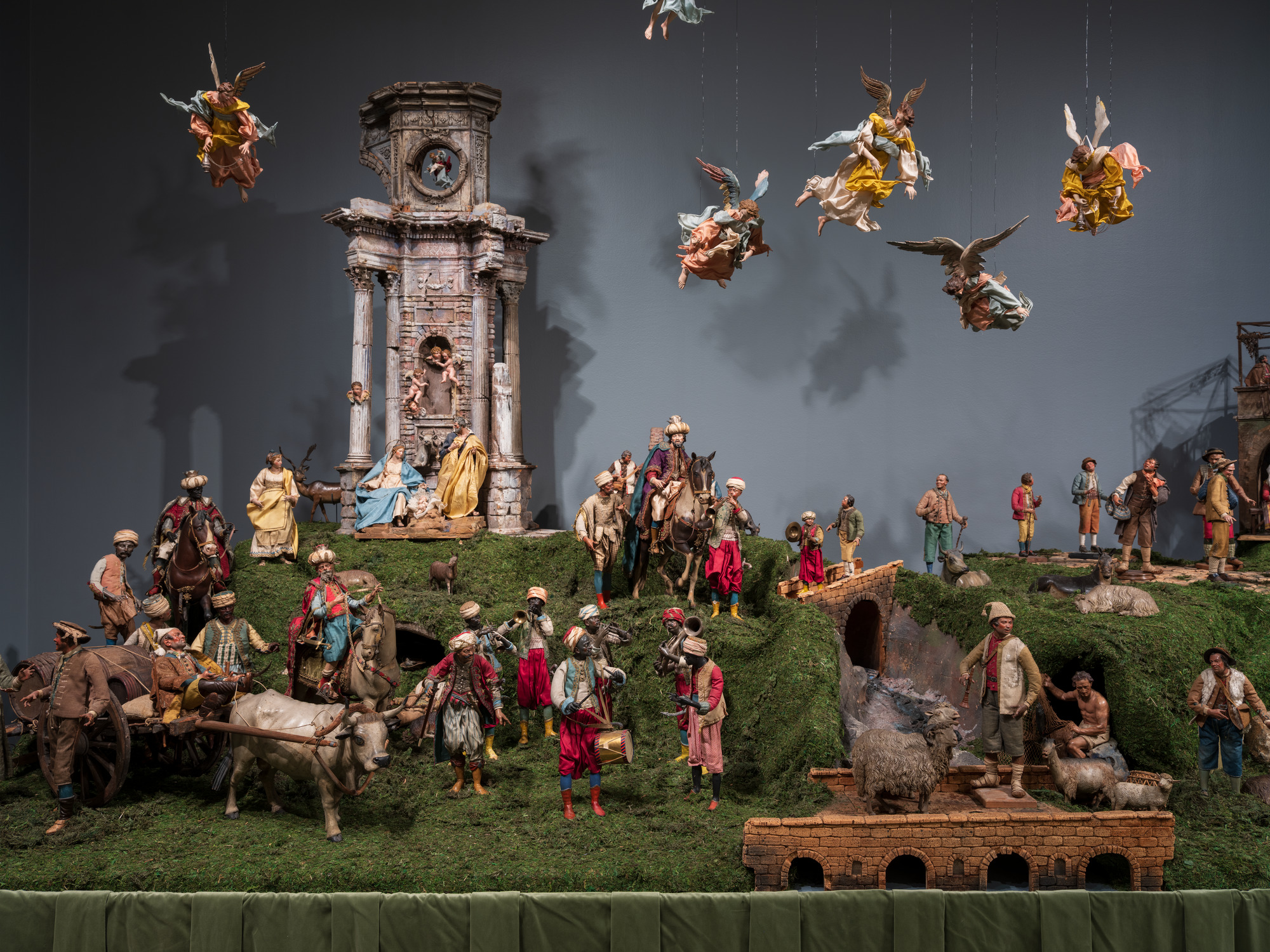
By the early modern period, some regions developed especially rich local traditions, including the Italian presepe, with Naples becoming famous for elaborate, populated scenes that place the holy family within the texture of everyday life.
3) Local culture shaped the details
As the practice moved across regions, local artisans did what artisans do: they made it their own. Clothing, architecture, and even the animals often began to reflect local landscapes. In one town, the stable looks like a Mediterranean ruin. In another, it resembles a cottage. The point was not to “get Bethlehem right,” but to bring Bethlehem near.
From church to home
At some point, the Nativity scene crossed a threshold from being mostly a public, church-centered devotion to becoming something families might place in their own living rooms.
That shift took centuries and had many influences: the growth of lay devotion, the rise of household piety, and the increasing availability of small crafted figures. By the time nativity sets became common in homes, they were doing something beautiful and quiet. They made space for prayer without requiring many words.
When you set out a crèche, you are not just decorating. You are arranging a little theology in the corner of your day.
Why it mattered
It can be tempting to see the first nativity scene as a charming medieval novelty. But for Francis and those who followed him, it was more serious and more tender than that.
The Greccio scene invited people into a particular way of seeing:
- God chooses humility. Not grandeur, not distance, but nearness.
- The material world can carry grace. Straw, wood, animal breath, and human bodies become sites of contemplation.
- Faith is not only thought. It is also imagination, senses, and attention.
In interfaith settings, I sometimes describe this as a universal spiritual instinct expressed through Christian language: we learn with our whole selves. We practice meaning until it becomes part of how we move through the world.
FAQ
Did Francis of Assisi invent nativity figurines?
Not in 1223. The first Greccio nativity is described as a living scene centered on a real manger with hay and animals, set up for worship and contemplation. The widespread tradition of arranging figurines developed later as the practice spread and took on new artistic forms.
Why are an ox and donkey included in many nativity scenes?
They are not named in the New Testament Nativity narratives, but they appear early in Christian tradition and symbolism. They are often associated with Isaiah 1:3 in Christian exegesis and reinforced through centuries of artistic convention. By Francis’s time, the ox and donkey were familiar elements that helped express recognition and reverence at the manger.
Where did the word “crèche” come from?
“Crèche” comes from French and refers to a manger or crib. In French-speaking contexts it commonly names the whole Nativity display, not only the feeding trough at the center. Elsewhere you will often hear “nativity scene” in English or presepe in Italian.
A gentle closing
When I set up a nativity scene now, I think of Greccio. Not because I am trying to reenact medieval Italy, but because I understand Francis’s longing: to make room for the holy in a world that feels too busy, too loud, too crowded with worry.
The first nativity scene was not an ornament. It was an invitation. And, if we let it, it still is.