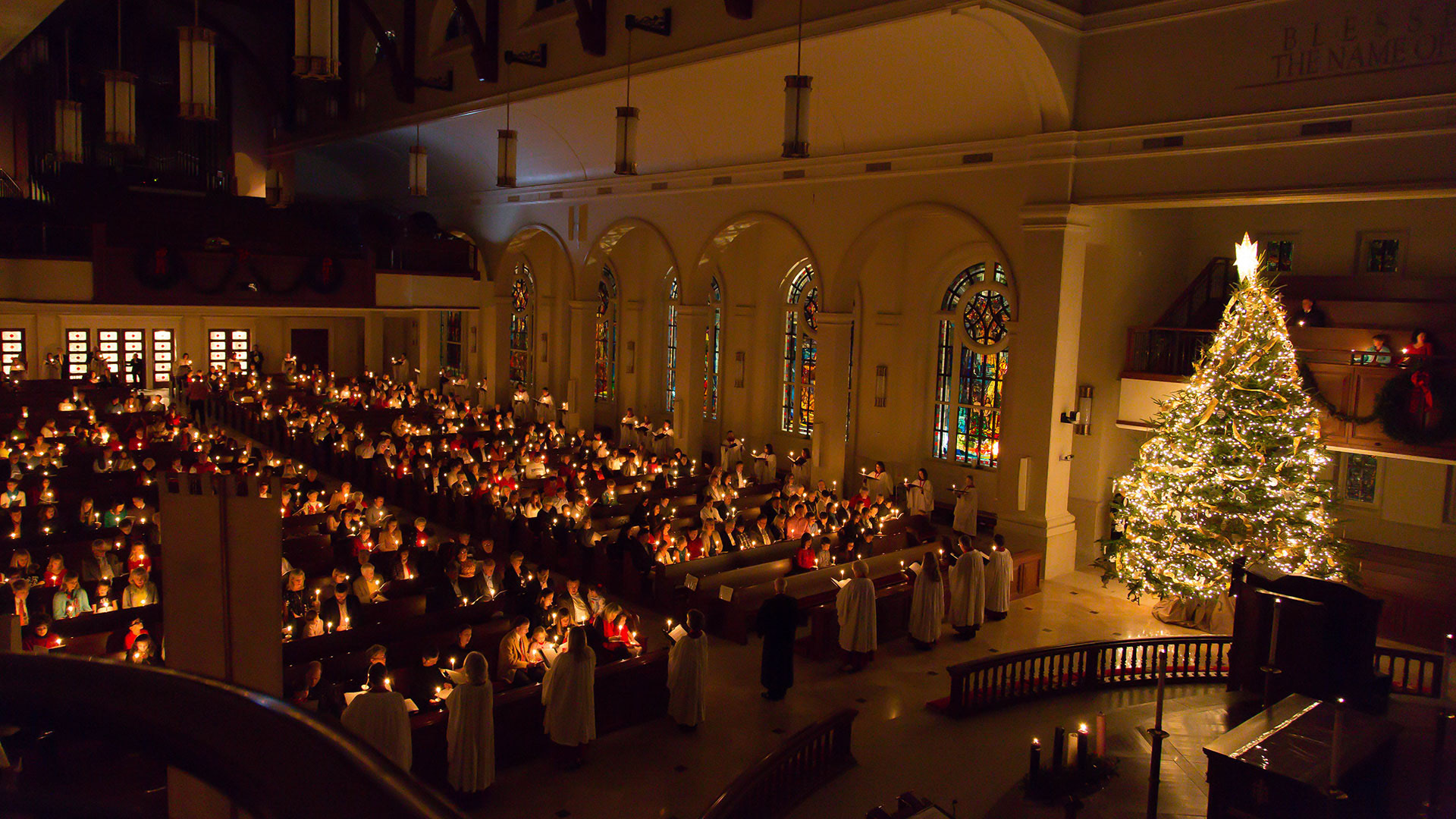
Every year, right as the air starts to sharpen and the daylight thins, I feel an old spiritual instinct rise up in me: the need to slow down. Not to quit preparing, not to opt out of celebrations, but to prepare from the inside out.
That is what Advent is for. Advent is the Christian season of waiting and hope that leads into Christmas. It is less about rushing toward a holiday and more about making room for a promise.
Advent in a nutshell
Advent comes from a Latin word meaning “coming” or “arrival.” In Christian tradition, it refers to the coming of Jesus Christ.
Advent holds two kinds of looking:
- Looking back toward the birth of Jesus at Christmas, preparing to celebrate the Incarnation, meaning God with us in the flesh.
- Looking forward toward Christ’s future coming, a hope expressed in prayers, Scripture readings, and hymns about restoration, justice, and peace.
If you have ever felt torn between nostalgia and longing, between what has been and what you still ache for, you already understand something essential about Advent.
When Advent starts and ends
In most Western churches, including Roman Catholic and many Protestant traditions, Advent begins on the Sunday nearest to St. Andrew’s Day (November 30). Because of that, it can start as early as November 27 and as late as December 3. It always includes four Sundays.
Advent is often described simply as lasting until December 24, but liturgically the “handoff” to Christmas can be a little more specific. In some traditions, Advent ends at Evening Prayer I (First Vespers) of Christmas on the evening of December 24. In others, much of December 24 is still treated as Advent until the Christmas vigil and the night services begin.
Because it begins a new cycle of Sunday readings and feasts, Advent is also the start of the church year in much of Western Christianity. While the calendar year turns on January 1, the liturgical year turns when the story turns, and Advent is the opening page.
In many Eastern Orthodox churches, the preparatory season for Christmas is longer. It is often called the Nativity Fast (or Christmas Fast) and traditionally lasts 40 days. In churches following the Revised Julian calendar (aligned with the Gregorian calendar for fixed feasts), it runs November 15 to December 24. In Old Calendar jurisdictions, those dates correspond to November 28 to January 6 on the Gregorian calendar.
In practice, how it is kept can vary a lot. Some people follow the full fasting guidelines; others keep a simpler rhythm, like avoiding meat and dairy on certain days, adding extra prayer, or giving more intentionally.
The heart of Advent
Advent is sometimes described as “a season of expectation,” but I think that can sound too tidy. Advent hope is not always bright and triumphant. Often it is a candle in a drafty room.
Common Advent themes include:
- Waiting: not passive, but attentive, like keeping watch for dawn.
- Hope: the conviction that God can do something new, even when the world feels stuck.
- Preparation: spiritual readiness, not only shopping lists.
- Repentance: an honest turning of the heart, traditionally connected with John the Baptist’s call to “prepare the way.”
- Joy: a quieter joy that arrives before circumstances change.
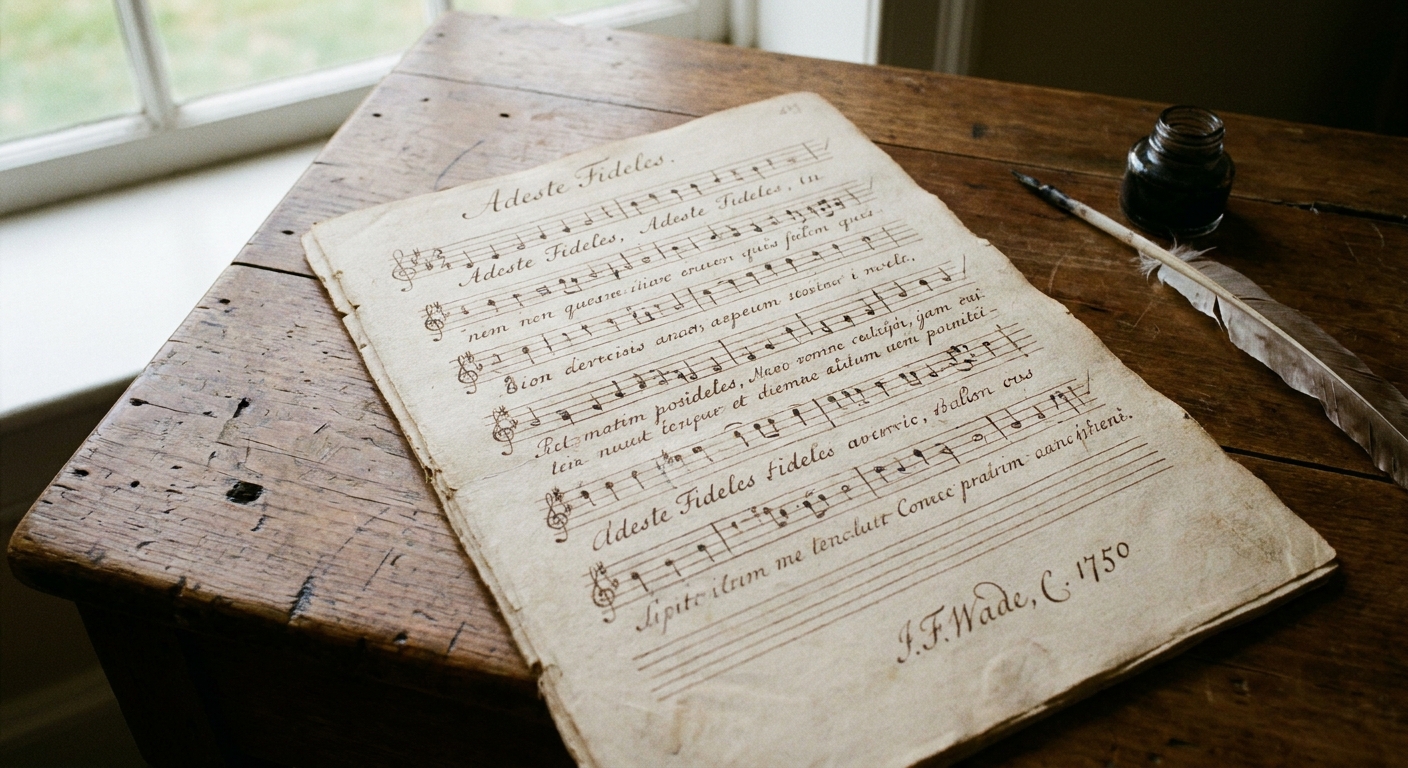
Scripture readings in Advent often include the prophets (especially Isaiah), John the Baptist, Mary’s yes to God, and teachings about watchfulness. Many communities sing hymns that hold longing and promise together, like “O Come, O Come, Emmanuel.”
Advent colors
If you have noticed purple cloths in a sanctuary or candles that shift color during December, you are seeing Advent’s visual language.
Purple (or violet)
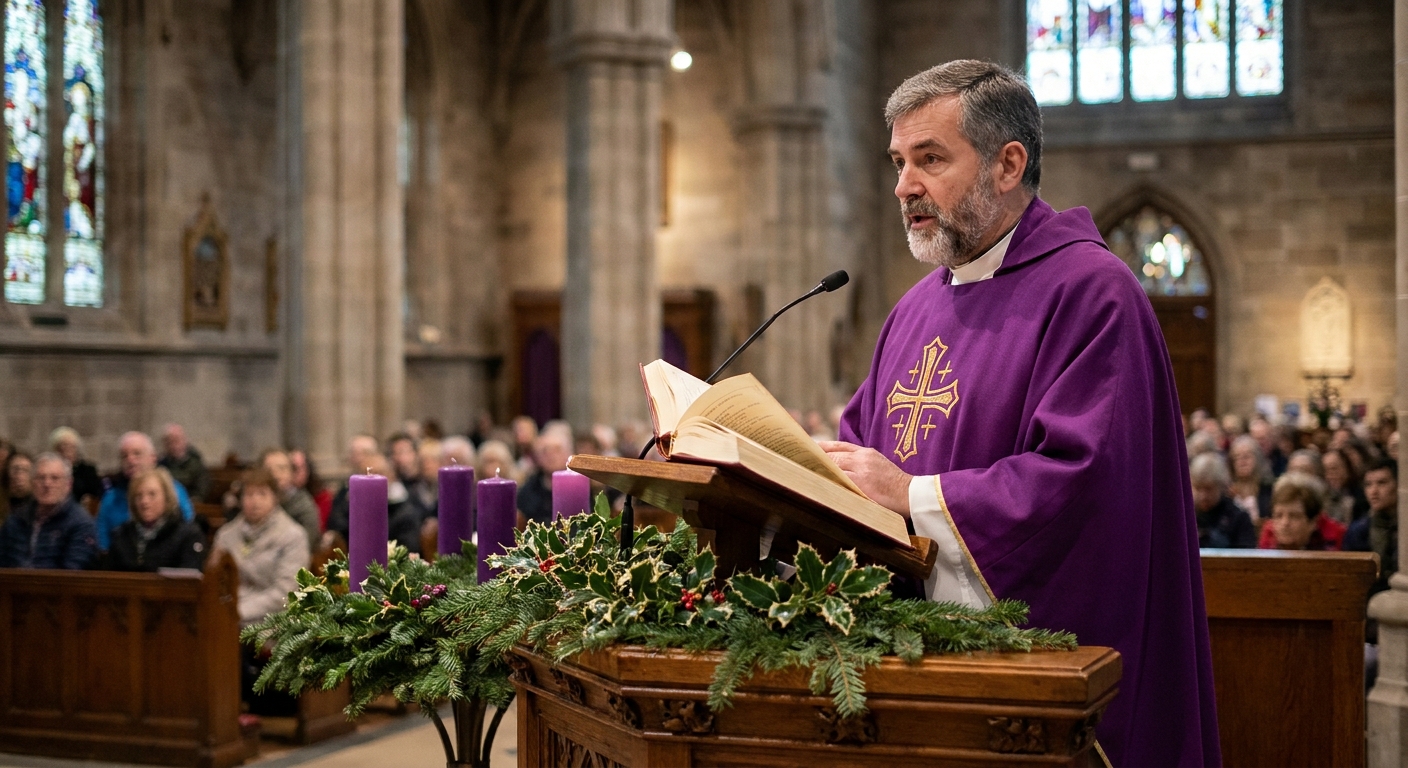
In many Roman Catholic and Protestant churches, purple (often called violet) is used during Advent. It can signal penitence and preparation, similar to Lent, though Advent has its own tone. The point is not gloom. It is depth.
Blue
Some Protestant traditions use blue for Advent, especially where Advent is emphasized as a season of hope rather than penitence. In some Anglican and Episcopal contexts, this is associated with “Sarum” usage, a historical English tradition sometimes linked to “Sarum blue.” Blue can also echo night sky imagery, the long watch before dawn.
Rose (or pink)
On the third Sunday of Advent, many Western churches lighten the mood with rose vestments or a rose candle in the Advent wreath. This Sunday is often known as Gaudete Sunday in the Catholic tradition, from a Latin word meaning “Rejoice.” It is a small exhale of joy in the middle of waiting.
The Advent wreath
The Advent wreath is one of the most beloved Advent practices across many denominations, and it is easy to adapt for home or church.
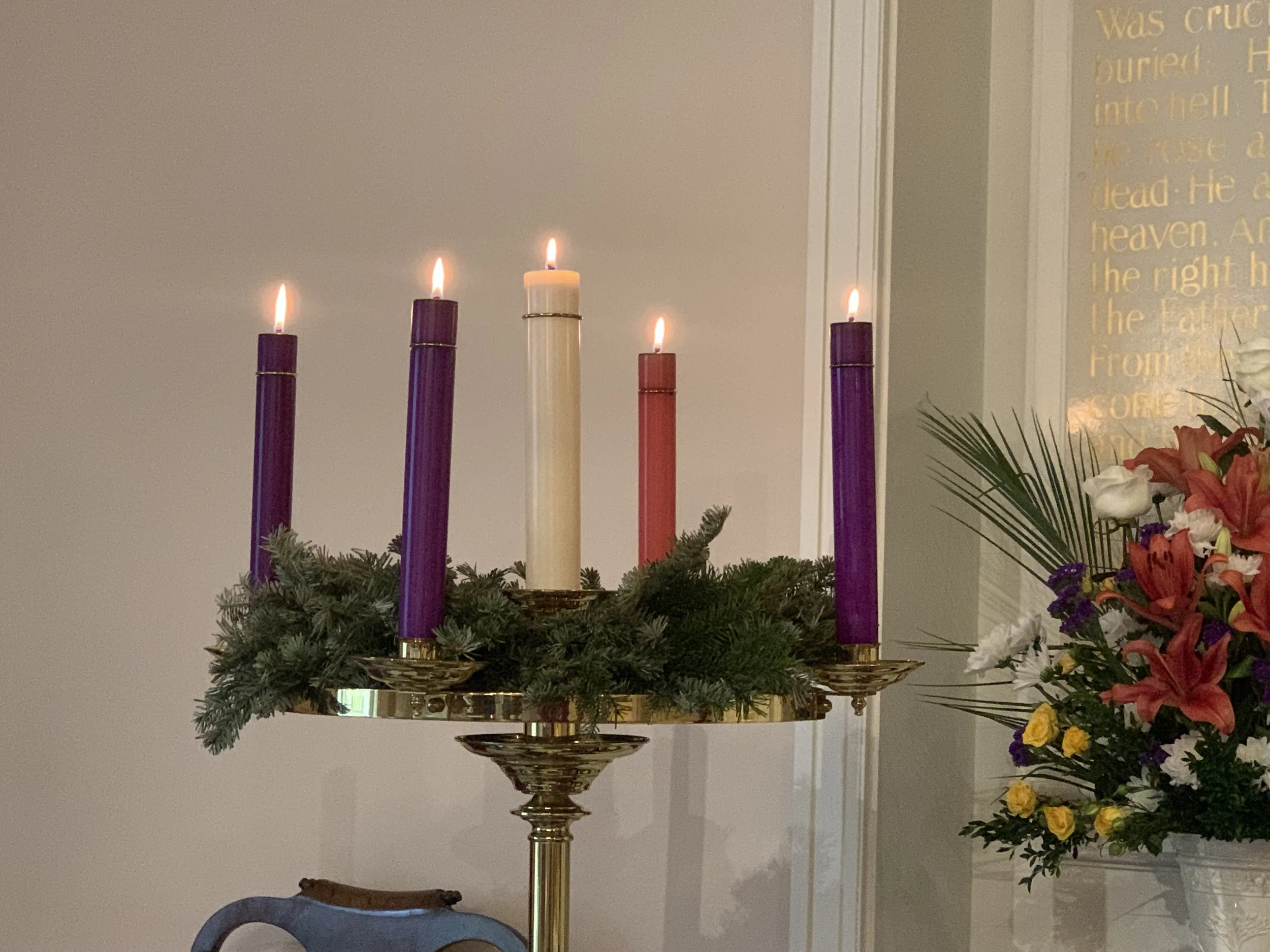
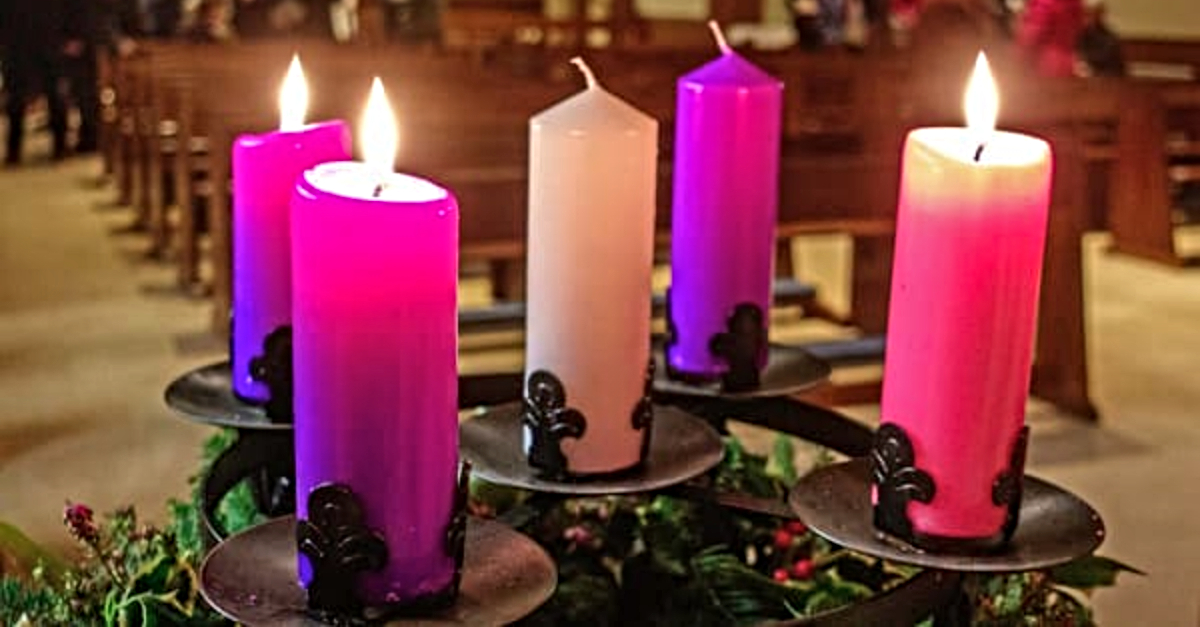
Traditionally, an Advent wreath is a circle of evergreen branches, often with four candles spaced around it. The circle can symbolize eternity. The evergreens can symbolize life that endures through winter. And the candles mark time with light.
What the four candles mean
You will hear different names depending on the church, the family, or the devotional guide being followed. Many communities connect the weeks to themes like:
- Hope
- Peace
- Joy
- Love
Other traditions assign the candles to biblical figures or movements in the story of salvation.
Candle colors
A common Western arrangement is three purple candles and one rose candle for the third week. Some churches that use blue vestments will use three blue candles and one rose candle.
Many wreaths also include a white Christ candle in the center, lit on Christmas Eve or Christmas Day to represent Christ as the light of the world. Whether or not the center candle is used, the slow increase of light week by week is the point: a gentle, embodied way of remembering that hope grows.
How churches observe Advent
Advent is widely observed, but not identically. Here is a grounded overview of how Catholic, Orthodox, and Protestant communities often practice the season.
Catholic
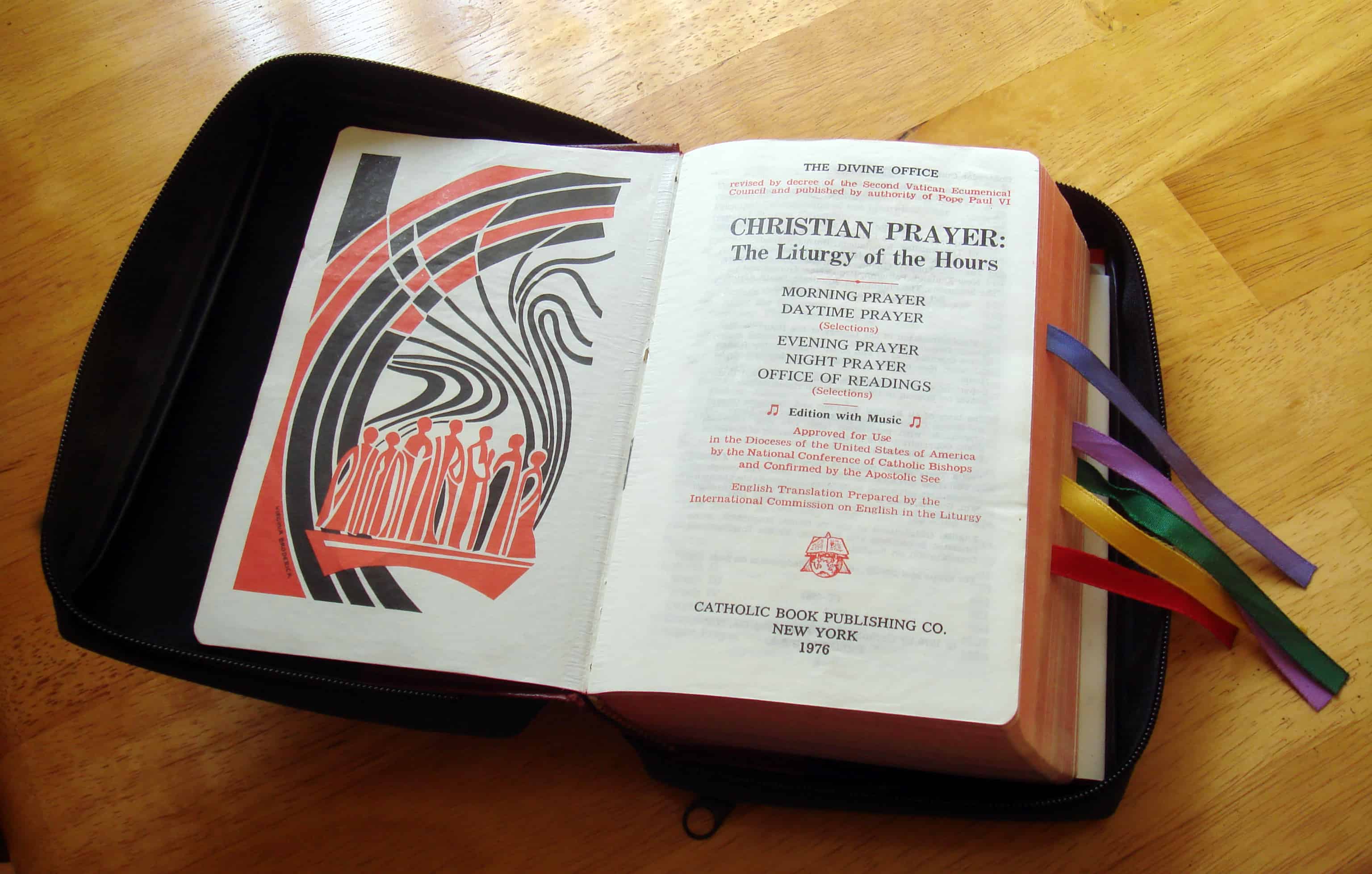
In the Roman Catholic Church, Advent is a full liturgical season with distinct prayers, Scripture readings, and often special devotions. Churches typically use violet vestments and may include a rose option on the third Sunday.
Many Catholics incorporate:
- Advent wreaths at home and church
- Daily Mass or weekday readings for those who attend
- Confession and spiritual reflection as part of preparation
- Devotions such as the Jesse Tree, the O Antiphons (late Advent), and various novenas depending on culture and community
There is also a shift in tone as Christmas approaches. The final days of Advent often focus more intensely on Mary, anticipation, and the near arrival of Christ.
Orthodox
In Eastern Orthodox tradition, preparation for Christmas is commonly centered in the Nativity Fast. It is a season of spiritual attentiveness that often includes fasting, increased prayer, almsgiving, and services that highlight the mystery of the Incarnation.
The Orthodox liturgical rhythm is rich and layered, and local practice can vary. Many Orthodox Christians do not emphasize the four Sunday Advent wreath pattern in the same way Western churches do, but the core spiritual movement is familiar: sobriety, expectation, and joy drawing nearer.
Protestant
Advent is observed in many Protestant traditions, though the level of emphasis differs by denomination and even by congregation. Anglican, Episcopal, Lutheran, Methodist, and many Reformed churches often keep Advent with liturgical colors, Advent hymns, and an Advent wreath.
Other communities that do not follow a formal liturgical calendar may still mark Advent through:
- Advent devotionals
- Scripture reading plans
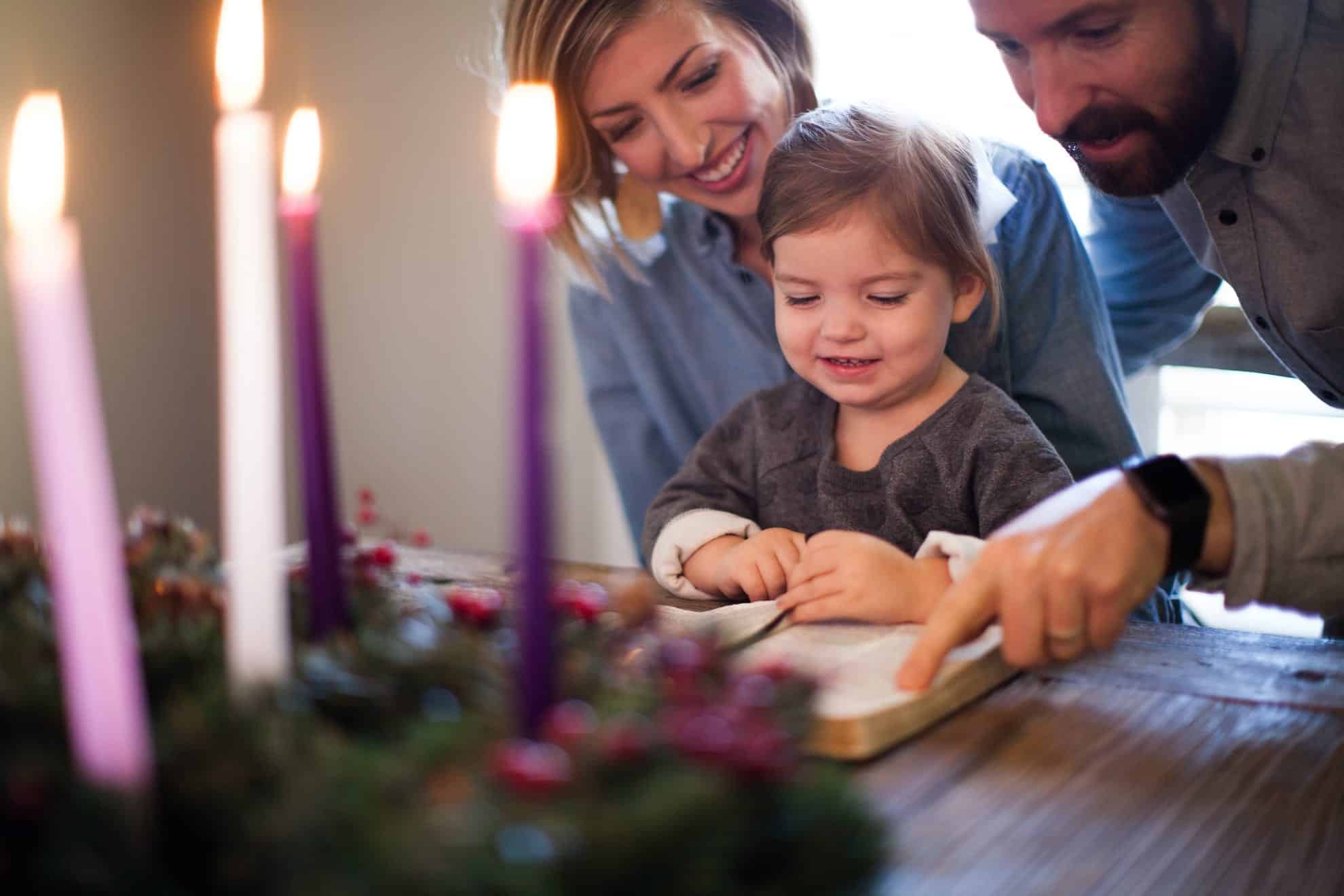
- Family candle lighting
- Service and giving projects
No matter the structure, Advent in Protestant life often centers on formation: the story of Jesus’ coming, the meaning of hope, and the call to watch and prepare.
Advent at home
You do not need a perfect setup or a pristine schedule. Advent is remarkably welcoming to imperfect lives. Here are a few practices that tend to nourish the season rather than crowd it.
Light a candle
If you have an Advent wreath, light one candle the first week, two the second, and so on. If you do not, a single candle can still do the holy work. Let the flame become a small daily pause.
A simple 3 minute ritual
If you want something concrete that does not require planning, here is a simple outline:
- Read a short passage (2 to 6 verses from Isaiah, a Psalm, or the opening chapters of Matthew or Luke).
- Light the candle slowly, without multitasking.
- Pray one honest sentence: “Come, Lord Jesus,” or “Make room in me,” or “Give us your peace.”
- Hold silence for a few breaths.
That is enough. Advent does not need to be complicated to be real.
Pray with longing
Advent prayers often sound like: “Come.” “Restore.” “Make room.” They assume we need help, and that is not a spiritual failure. It is the beginning of honesty.
Read a short Scripture passage
Many people read Isaiah in Advent, or the opening chapters of Matthew and Luke. Even a few verses a day can re-center the season away from noise and toward meaning.
Practice watchfulness
Watchfulness can be as simple as noticing where you feel numb, hurried, or cynical, then asking for a different spirit. Advent invites alertness to God’s quiet arrivals: in conscience, in compassion, in the needs of neighbors, in unexpected peace.
Choose one gentle restraint
Some people fast from a comfort, others limit social media, others commit to less spending and more giving. The point is not punishment. The point is freedom, clearing space so joy is not swallowed by excess.

Solemn or joyful
Both, in the way that real life is both.
Advent can feel more solemn because it includes repentance and the acknowledgment that the world is not yet healed. It can feel deeply joyful because it insists healing is still coming. One of Advent’s gifts is that it refuses shallow cheerfulness while also refusing despair.
Advent teaches the heart to hold longing without letting it harden.
Advent vs. Christmas
In popular culture, “the Christmas season” often begins the moment the decorations go up. In the church calendar, Advent comes first. Advent is the threshold. Christmas is the feast.
- Advent: preparing, waiting, watching, hoping (late November through December 24, with the precise transition to Christmas varying by tradition)
- Christmas: celebrating the birth of Christ and the mystery of God with us (beginning December 25)
If you have ever wished you could savor Christmas more, Advent offers a surprising solution: do not start Christmas too early. Let the waiting do its work.
Advent FAQ
The four Sundays of Advent
In Western Christianity, Advent includes four Sundays leading up to Christmas. Many churches associate each week with a theme such as Hope, Peace, Joy, and Love, though the exact naming can vary.
Why the third candle is pink
The third Sunday of Advent is often a day of rejoicing within the season of preparation. The rose candle and sometimes rose vestments mark that shift in tone.
Do all Christians celebrate Advent
No. Many do, especially in Catholic, Orthodox, Anglican, Lutheran, Methodist, and other liturgical traditions. Some Christian communities do not formally observe Advent, while others keep it primarily at home through devotionals and family practices.
Is Advent 24 days long
It is not always 24 days. In Western churches, Advent always includes four Sundays, so its total length changes from year to year. In many Orthodox churches, the Nativity Fast is 40 days.
A blessing for the waiting
Advent does not ask you to manufacture a perfect mood. It invites you to tell the truth about your life and still light a candle.
If this season finds you tired, grieving, or quietly hopeful in ways you cannot explain, you are in the right place. Advent begins precisely there: with the human heart, awake enough to whisper, “Come.”