When I was a teenager, a friend in my multi-faith household asked a question that still echoes in my work today: “So if you tell a priest something terrible… can he tell the police?” It was not a cynical question. It was a human one, asked with the kind of fear and hope that shows up whenever we talk about guilt, healing, and trust.
In Catholic life, the answer is shaped by what is called the seal of confession. In plain terms, it means that what a person says in the Sacrament of Reconciliation is protected by an absolute duty of secrecy. The priest cannot reveal it. Not to a spouse, not to a bishop, not to a court, not to anyone.
What the seal means
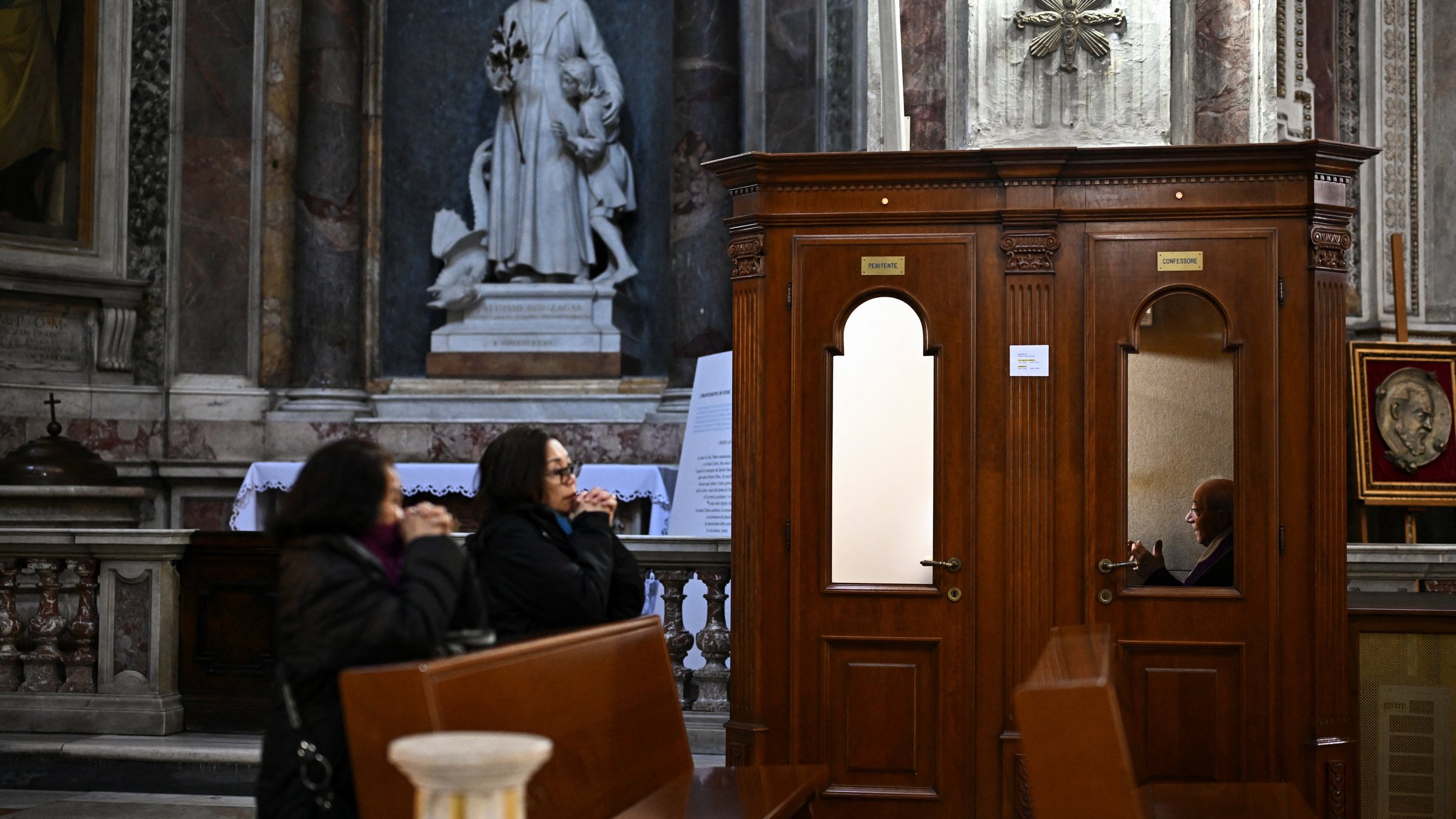
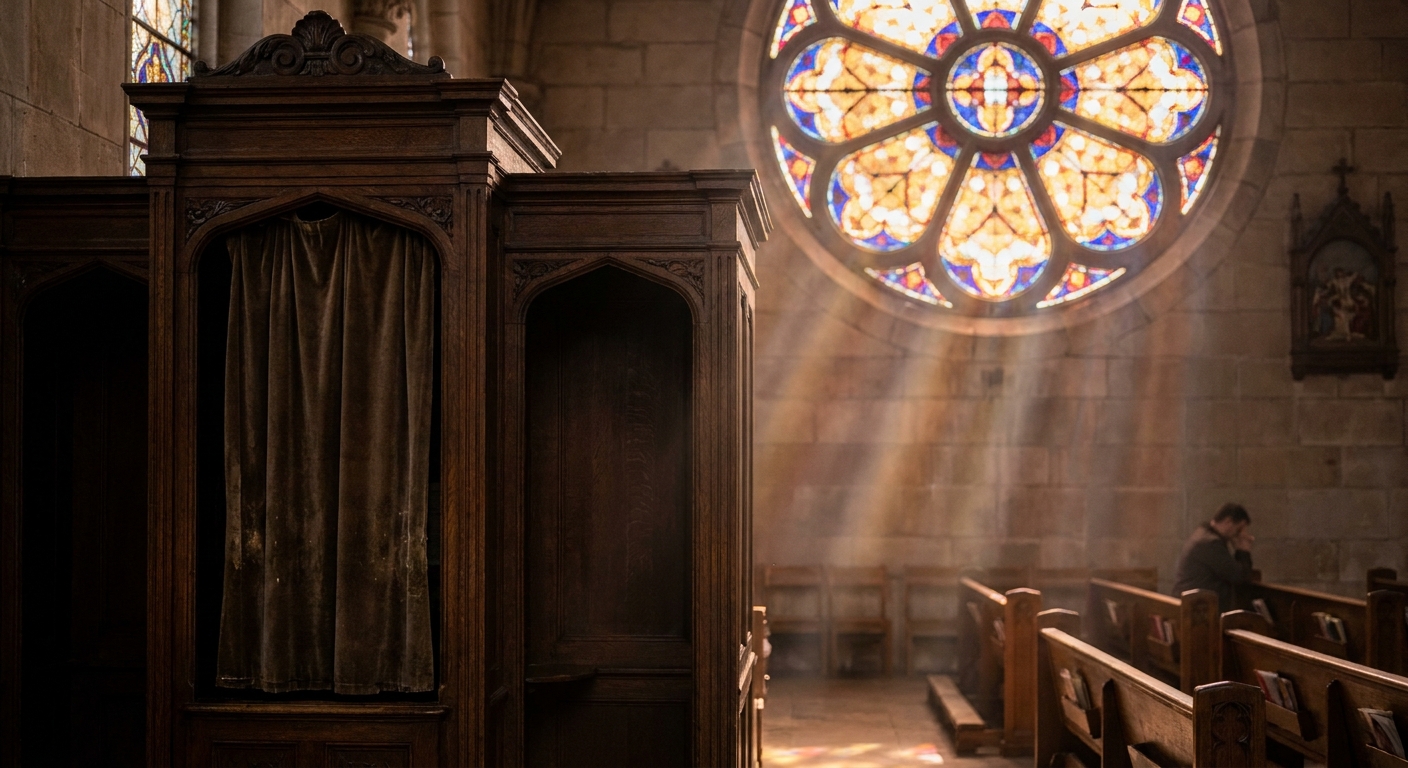
The seal of confession is the Catholic Church’s rule that the contents of a sacramental confession are inviolably secret. In Catholic teaching, confession is not a casual counseling conversation. It is a sacrament. The penitent speaks honestly before God, and the priest hears the confession as a minister of the Church.
It also helps to name what counts as a sacramental confession. It is a person intending to confess sins to a priest acting as a confessor within the sacrament, not simply talking privately with clergy after Mass or in an office.
Because of that, the Church teaches that the confessor has no authority to share what he hears in confession, no matter how serious the sins are, no matter what consequences might follow, and no matter who asks.
This secrecy is not primarily about protecting the priest. It is meant to protect the penitent’s freedom to come to God without fear of exposure. The assumption is that people will only confess what they are truly carrying if they can trust that it will not be used against them.
Who is bound
When people say “the seal of confession,” they usually mean the priest’s obligation. But Catholic canon law also binds others to secrecy when they gain access to a confession in certain ways.
The confessor
The confessor, meaning a priest or bishop hearing a sacramental confession, is bound absolutely. He may not disclose what he heard, and he may not act in a way that effectively reveals it.
Interpreters
If an interpreter is legitimately used so the penitent can confess in a language they understand, that interpreter is also bound to strict secrecy regarding what was said.
Anyone who learns it
If another person overhears a confession, or in any other way comes to know what was said, the Church treats that person as bound to confidentiality as well. The priest’s duty is unique in its scope, but canon law still treats it as a serious wrong for anyone to repeat what they learned from confession.
What is protected
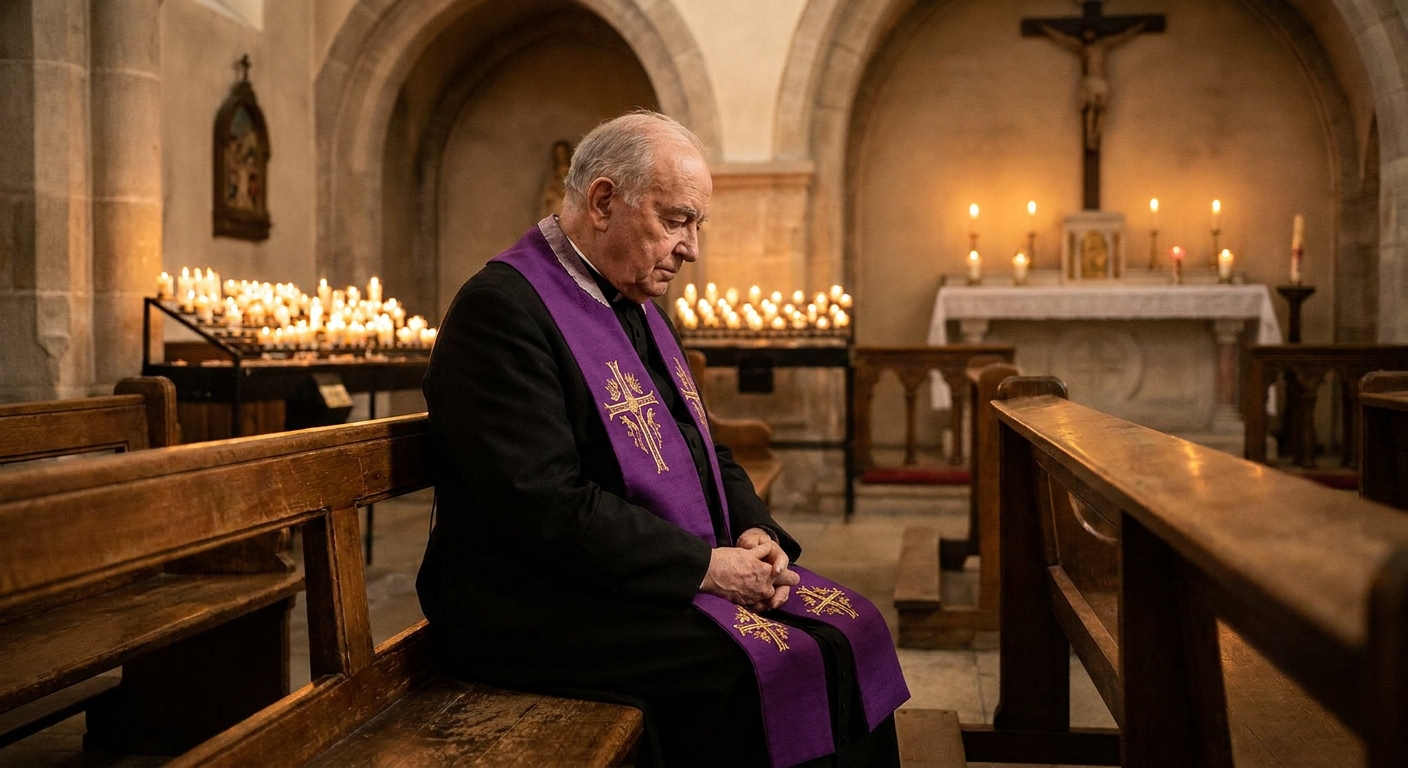
The seal covers the sins confessed and anything that would identify the penitent or connect specific sins to a specific person. It also covers details tied to the confession in a way that would allow others to deduce what was said.
In practice, that means a priest cannot:
- Repeat the confession to anyone, in any form.
- Confirm that a particular person confessed.
- Hint at what he heard, even indirectly.
- Use information from confession to the penitent’s harm, even if he never tells anyone else.
- Let confession shape external decisions about the penitent in a way that reveals or exploits what was confessed.
One detail that surprises many people: the priest also cannot say, “I can’t talk about that because I heard it in confession,” if saying that would effectively reveal the content or identify the person. The protection is meant to be total, not merely “I won’t quote you.”
You will sometimes hear Catholics describe this as the difference between an internal forum and an external forum. Confession belongs to the internal forum, the protected space of conscience before God. It cannot be used as a source for external actions that would expose what was confessed.
Can it ever be broken?
In Catholic teaching, no. The seal is considered absolute. There is no standard exception for danger, criminal activity, public scandal, or legal pressure.
That can be hard to hold in the mind, especially if you come from a tradition where clergy confidentiality has exceptions. Catholicism’s position is that the confessional is not a privileged conversation that the priest controls. It is a sacred forum that belongs to God’s mercy and to the penitent’s conscience.
What if the penitent gives permission?
Even if a penitent says, “Father, you can tell my spouse” or “You can tell the police,” the priest is not permitted to disclose the confession as confession. Permission does not lift the seal.
What can happen, however, is that the priest can encourage the penitent to speak outside confession, and the penitent can choose to share their story themselves.
A priest can also speak with someone outside confession if the penitent freely brings it up again in an ordinary conversation that is clearly separate from the sacrament. Even then, the priest must not treat the confession as his source. He cannot reference that the person confessed, and he must be careful not to rely on or reveal knowledge that only came from the confessional.
What if a priest breaks it?
The Catholic Church treats violating the seal as one of the gravest abuses a priest can commit.
The penalty
Under Catholic canon law, a priest who directly violates the seal of confession incurs automatic excommunication reserved to the Holy See. In other words, it is not treated as a minor disciplinary issue. It is treated as a rupture so serious that the penalty is immediate and its resolution is tightly held by the Church’s highest authority.
Actions that amount to an indirect violation, meaning disclosures that allow people to infer what was confessed or who confessed it, are also gravely punished, though the canonical consequences can differ depending on the circumstances.
From a spiritual perspective, the Church’s strictness here is meant to safeguard a single fragile human hope: that no matter what you have done, you can still step into mercy without being exposed.
Seal vs. confidentiality
It can help to separate two ideas that often get blended together.
- The seal of confession applies to the Sacrament of Reconciliation. It is absolute in Catholic teaching.
- Pastoral confidentiality is the privacy a priest might keep in spiritual direction, counseling, or ordinary conversation. This can be very serious morally, but it is not the same category as the sacramental seal.
Why does that matter? Because a person might tell a priest something heavy in the parish office, after Mass, or during counseling, and assume it is “the same as confession.” In Catholic life, the seal applies specifically to sacramental confession, not every private conversation with clergy.
Common questions
Can a priest be forced to reveal a confession in court?
Catholic teaching holds that a priest must not reveal what was confessed, even under legal pressure. How this plays out legally varies by jurisdiction, but the Church’s expectation of the priest remains the same: the seal is not his to give away.
Can a priest talk about a confession without naming the person?
No, not in a way that could lead to identification or that treats the confession as a story to be retold. Even anonymized retellings can be a betrayal if details allow someone to connect the dots, or if the practice undermines trust in the sacrament.
Does the seal mean a priest approves of crimes?
No. The seal is about protecting the sacrament’s integrity, not endorsing wrongdoing. A priest can urge a penitent to make things right, to seek help, and to take responsibility, including reporting harm to appropriate authorities outside confession. But he cannot turn the confessional into an investigative tool.
Can a priest deny absolution unless someone turns themselves in?
A priest may require genuine repentance and a firm purpose of amendment, meaning an honest intention to change and to repair harm as much as possible. “Taking responsibility” is real, and in some situations it could include self-reporting, but it is not a universal rule applied in every case. Pastoral situations vary.
What the priest cannot do is treat the seal as leverage by making the sacrament depend on his ability to disclose what was said. The sacrament is aimed at conversion and healing, not public punishment.
A closing thought
I have sat in many sacred spaces across traditions, from monasteries to meditation halls, and one thread keeps returning: people heal when they can tell the truth in a place that is safe. Catholics use the phrase “seal of confession,” but beneath it is a simple human need: to be able to confess what is real without being destroyed by exposure.
If you are exploring Catholicism, or returning after a long time away, it may help to know this: the Church’s strict rule of secrecy is meant to make room for honesty, not fear. And for many people, that room is where a life quietly begins again.