Growing up in a multi-faith home, I learned early that most spiritual traditions have some version of “looking back” with honesty. In Catholic life, that backward glance has a particular purpose when it is done before confession. It is called an examination of conscience, and at its best it is not a hunt for self-loathing. It is a practice of truth telling in God’s presence, so healing can be real and specific.
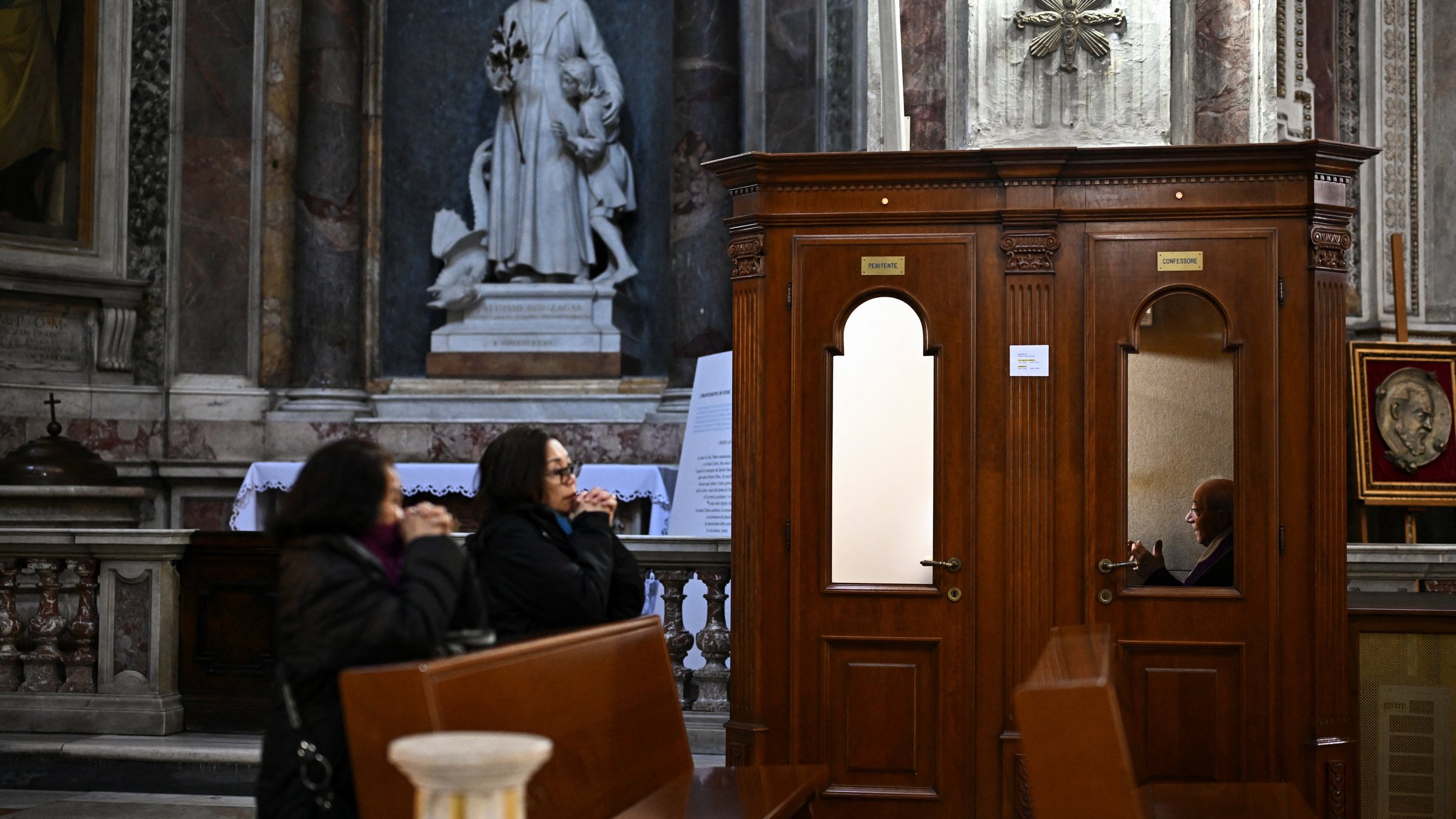
If you have ever walked toward the confessional with a foggy mind, or with the worry that you will forget something important, this practice exists to steady you. It helps you name where you have loved well, where you have failed to love, and what you are actually bringing to the sacrament.
What it means
An examination of conscience is a prayerful review of your life, looking at thoughts, words, deeds, and omissions in light of the Gospel and the Church’s moral teaching.
Very often, Catholics do this by reviewing life since the last confession. Sometimes it is a particular season, a week, or even just the past day, especially if you are going frequently. In simple terms: you slow down, invite the Holy Spirit’s light, and ask, “Where did I freely choose what I knew was wrong, and where did I fail to choose what I knew was right?”
Catholics often use a trusted framework as a guide, such as:
- The Ten Commandments
- The Beatitudes
- The two great commandments (love of God and love of neighbor)
- The capital vices (often called the seven deadly sins) and their opposing virtues
- Precepts of the Church (for example, Sunday Mass obligation)
The point is not to generate an endless list. The point is to see clearly enough to confess honestly.
Why Catholics do it
The Sacrament of Reconciliation is not therapy, and it is not merely a spiritual “reset.” It is a sacrament of conversion, mercy, and restoration of communion with God and the Church.
An examination of conscience helps you:
- Tell the truth without minimizing or exaggerating
- Distinguish patterns (the recurring places you get stuck)
- Remember what matters, especially serious sins you need to name
- Form your conscience over time, learning to recognize sin more clearly and earlier
- Prepare contrition, the sincere sorrow that opens the heart to grace
If confession is medicine, the examination of conscience is the moment you stop guessing about your symptoms.
What you are looking for
Catholic moral reflection takes seriously that sin can show up in more than one channel.
Thoughts
Interior choices matter. Harboring hatred, indulging lust, nursing envy, replaying revenge fantasies, savoring contempt, and choosing dishonesty in your mind all shape the heart even when no one else sees it.
Words
Speech can wound and it can heal. Think of lying, gossiping, detraction, speaking rash judgments aloud, cruelty disguised as “just being honest,” profane speech, and also the failure to speak when someone needs defense.
Deeds
Actions are the most obvious: what you did with your body, your money, your time, your power, your relationships, your responsibilities.
Omissions
This is the one many people forget. An omission is a failure to do the good you reasonably could have done. Ignoring someone in need, refusing to forgive, habitually neglecting prayer despite reasonable opportunity, skipping Sunday Mass without a serious reason, neglecting your duties to family or work, letting fear keep you silent when truth was required.
A simple method
If you are new to this, or if you feel scrupulous and overwhelmed, simpler is usually better. Here is a gentle method that works well right before confession.
1) Ask for light
Begin with a short prayer, in your own words or something like: “Holy Spirit, help me see myself truthfully, with courage and with hope.”
2) Choose one guide
Pick one structure for the review, not five. The Ten Commandments is classic and concrete. The capital vices can help you notice patterns. Use the guide that keeps you honest without spiraling.
3) Review since your last confession
Move through your chosen guide steadily. When something pricks your conscience, pause. Ask:
- What happened?
- What did I choose?
- Did I know it was wrong?
- Was I free to choose otherwise?
- How did it harm my relationship with God and neighbor?
4) Name serious sins plainly
If you recognize something that may involve grave matter, mark it mentally so you can confess it clearly. It can also help to remember the Church’s basic description of mortal sin: grave matter together with full knowledge and deliberate consent. If you are unsure, bring it anyway and say, “I am not sure how serious this was, but here is what happened.” You can also ask the priest to help you sort it out.
If you are trying to confess mortal sins, the usual guidance is to name them by kind and number as best you can, without obsessing.
5) Ask for sorrow and a new heart
Contrition is not primarily a feeling. It is a decision to return. Ask God for the grace to hate the sin and love the good.
6) Choose one concrete amendment
Before you step into confession, pick one practical step of change. Example: “I will stop the gossip loop by changing the subject.” “I will set a boundary with my phone at night.” “I will apologize today.” “I will return to Sunday Mass.”
This keeps confession from becoming vague, and it turns mercy into movement.
Two classic guides
Different seasons call for different lenses. Here are two common ones, with examples of the kinds of questions they raise.
Ten Commandments
- Love of God: Have I prayed? Have I used God’s name carelessly? Have I placed something else at the center?
- Sunday worship: Have I missed Mass without a serious reason? Have I treated the Lord’s Day as disposable?
- Honor and responsibility: Have I neglected family duties, authority, or care for those entrusted to me?
- Life and dignity: Have I harmed others with anger, cruelty, contempt, substance abuse, reckless behavior, or indifference to suffering?
- Sexual integrity: Have I used others or myself as objects? Have I ignored the Church’s call to chastity in my state of life?
- Justice with possessions: Have I stolen, cheated, exploited, or been careless with others’ resources?
- Truth: Have I lied, gossiped, ruined reputations, or withheld needed truth out of fear?
- Desire and coveting: Have envy, greed, or resentment shaped my choices?
Capital vices
- Pride: defensiveness, refusal to apologize, craving superiority
- Greed: hoarding, dishonesty, neglecting generosity
- Lust: using people, pornography, flirting with the edge rather than choosing integrity
- Envy: resentment at others’ blessings, comparing, bitterness
- Gluttony: excess and numbness with food, drink, shopping, scrolling
- Wrath: rage, cutting words, grudges, violent fantasies, simmering hostility
- Sloth: spiritual apathy, procrastination in love, avoidance of responsibility
One reason I like this second guide is that it gently exposes the “engine” behind repeated sins. Confession stays honest about the act, but it also becomes a doorway into deeper conversion.
Examination vs. Examen
These two practices can sound similar because both involve reviewing your day or your life. But their purpose is different.
Examination of conscience
- Primary aim: prepare to confess sins and receive absolution
- Focus: what was sinful, what needs confession, what calls for repentance
- Time frame: often since the last confession, or since a particular season
- Tone: honest moral clarity, naming sin without self-deception
Ignatian Examen
- Primary aim: notice God’s presence and guidance throughout the day
- Focus: gratitude, where you felt drawn toward God, where you resisted grace, what you are learning
- Time frame: usually the past day
- Tone: relational, attentive, learning God’s invitations and your patterns
Many Catholics do both. The Examen forms the heart daily. The examination of conscience prepares you for a particular sacramental moment of forgiveness and reconciliation.
Common concerns
“What if I forget something?”
For most people, forgetting is not a moral failure. Confess what you remember honestly. If you truly forgot a mortal sin, it is still forgiven if your confession was otherwise sincere. When you remember later, you should mention it at your next confession, simply and without panic. God is not playing a “gotcha” game with your memory.
“I’m afraid of being too detailed.”
In confession, you generally do not need graphic details. Name the sin clearly and simply, and if needed the priest will ask a clarifying question. The goal is truth, not shock value.
“I’m afraid I’m not taking it seriously enough.”
A good sign you are taking it seriously is that you are willing to look. If you tend to minimize, use a firmer guide like the commandments. If you tend to spiral, keep the review shorter and more factual.
Scrupulosity
If you constantly fear sin where there is no clear sin, or you repeatedly confess the same doubtful matters with intense anxiety, it may be wise to speak with a priest or spiritual director about scrupulosity. A healthy conscience has tenderness and clarity. It is not meant to become a trap.
A short prayer
If words feel hard right now, you can start here:
God of mercy, help me see my life in your light. Show me where I have turned from love in thoughts, words, actions, or neglect. Give me true sorrow, real hope, and the courage to confess honestly and begin again.
FAQ
Do I have to use a written list?
No. Lists can help, especially if you are nervous or returning after a long time. But an examination of conscience can also be a quiet prayerful review using one simple guide.
How long should it take?
Often 10 to 15 minutes is enough. If you are returning after years away, you might need longer, or you might do a longer review at home and a shorter one right before confession. It is also okay to simply tell the priest, “It has been a long time,” and let him guide you.
Is it only for mortal sins?
No. It includes venial sins, patterns, and omissions too. But it is especially important to identify anything that may be mortal sin so it can be confessed plainly.
Can I do the Ignatian Examen instead?
The Examen is beautiful daily prayer, but it is not the same as preparing for confession. If you love the Examen, you can do it regularly and still do a brief examination of conscience before confession to focus specifically on what you need to confess.