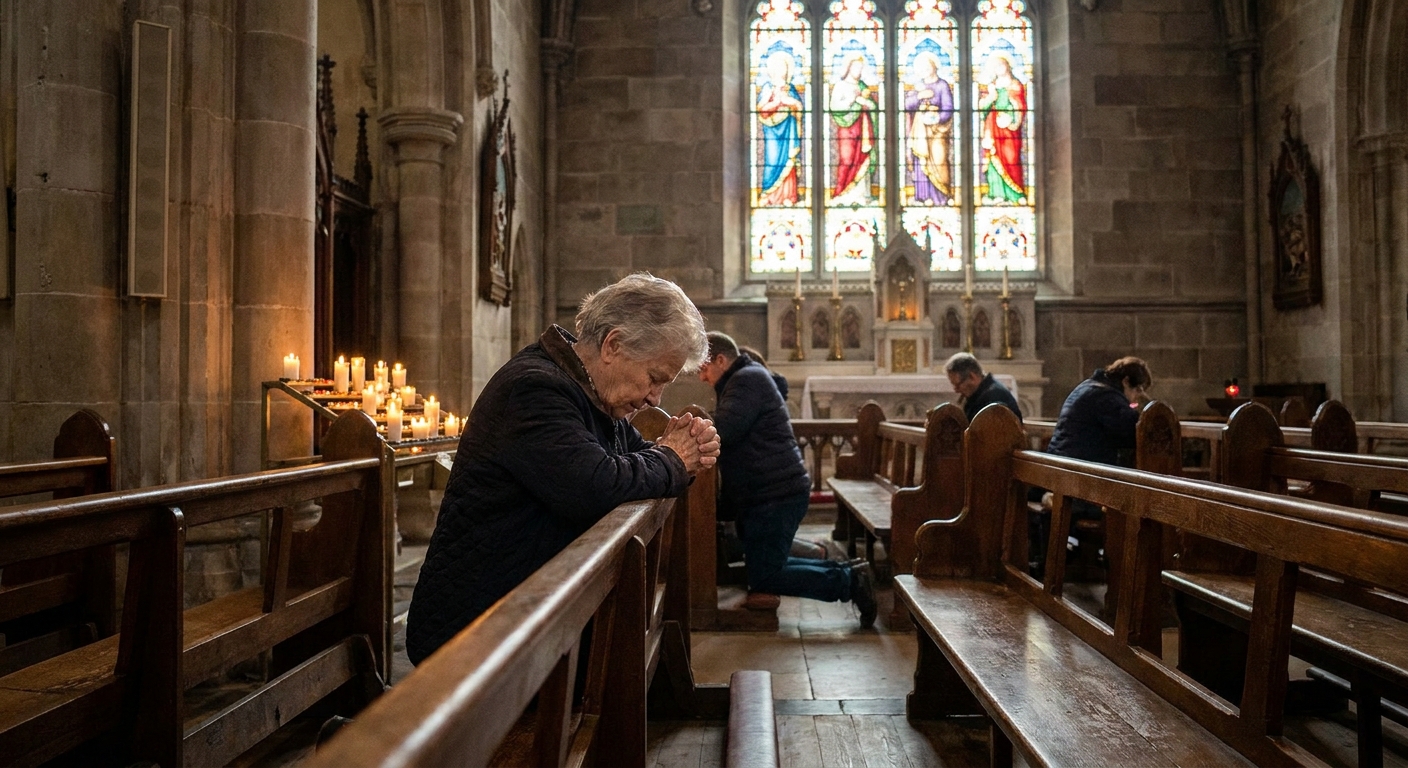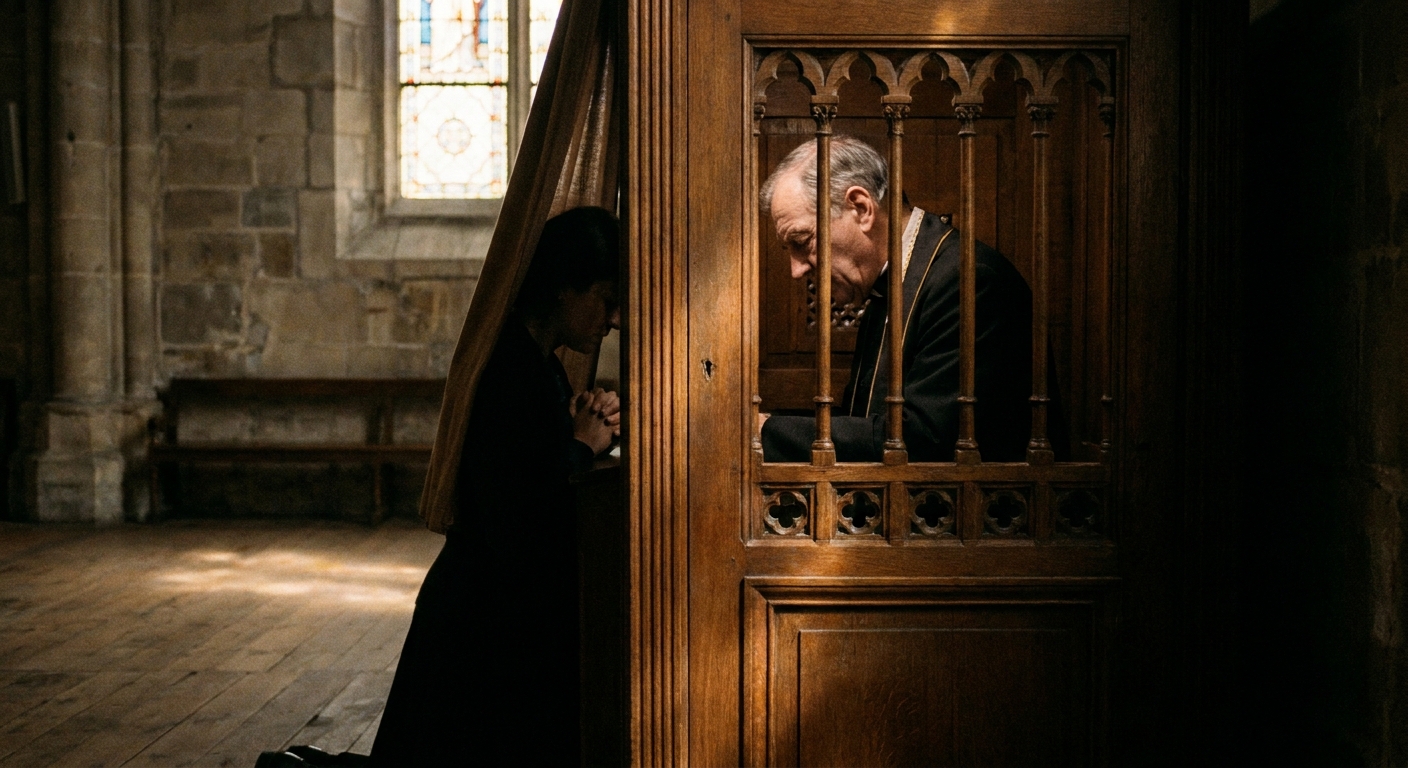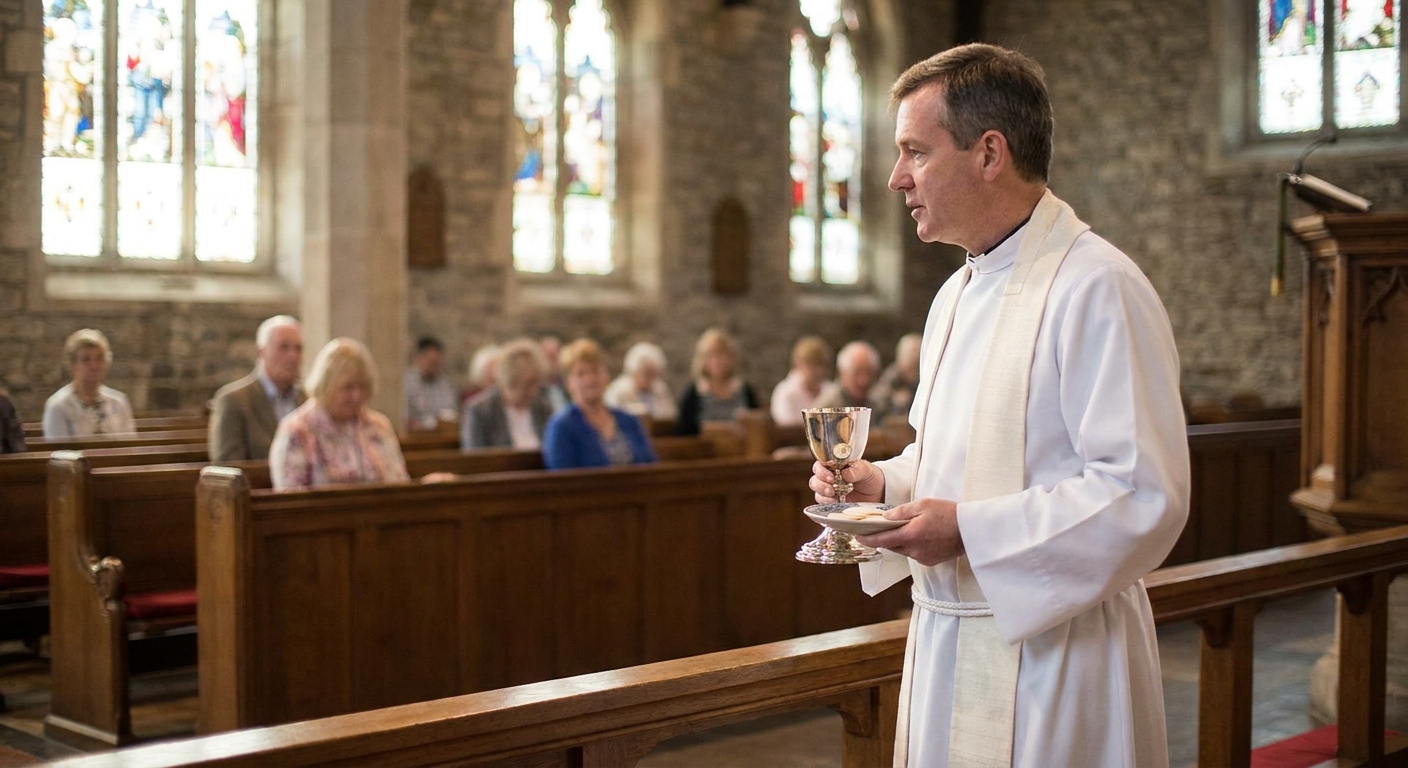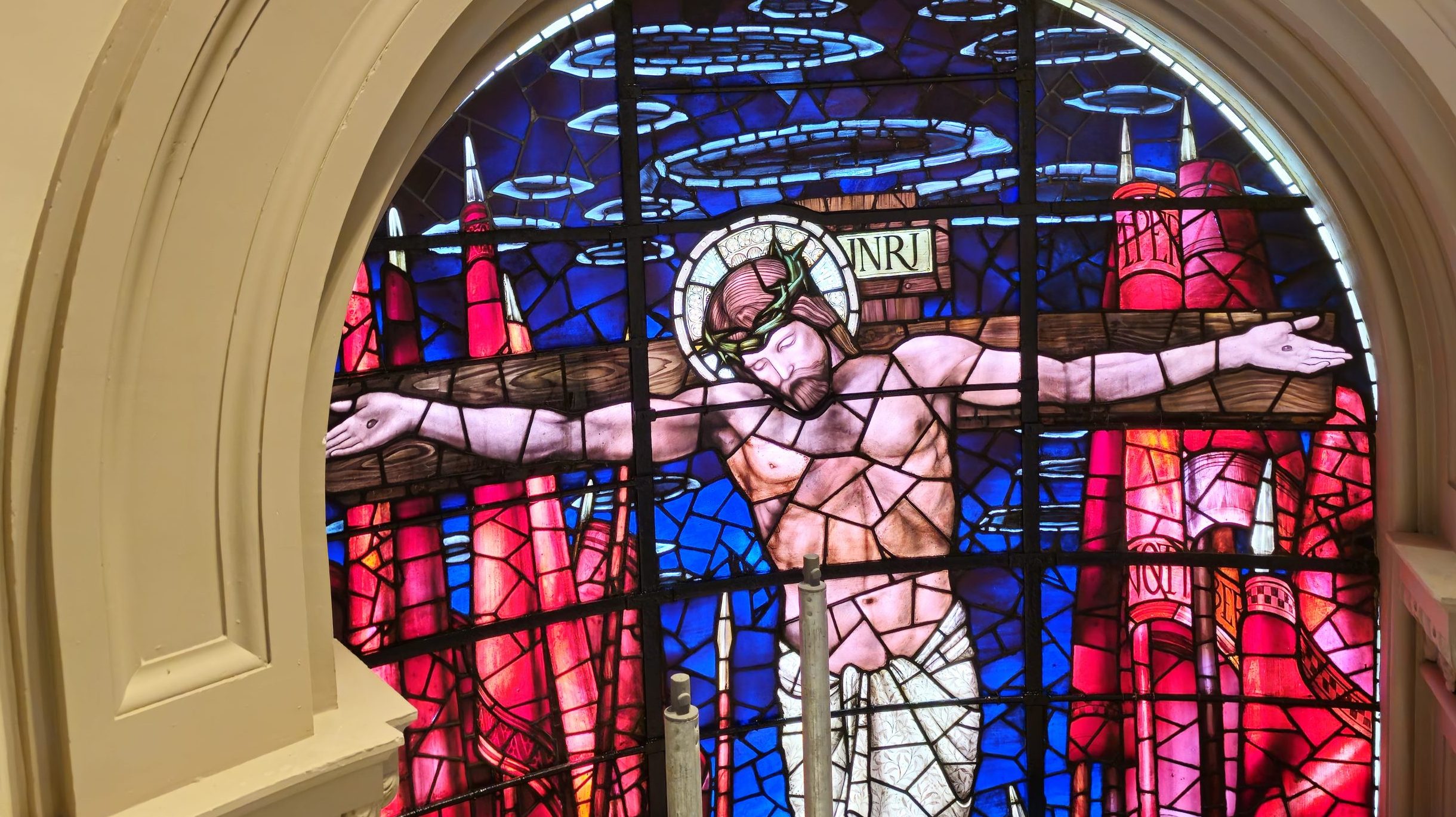
I still remember the first time I sat in the quiet before confession, listening to the soft shuffle of feet in a parish hallway and realizing something surprising: this was not a spiritual “gotcha.” It was a kind of return. In Catholic life, the Sacrament of Reconciliation is meant to be less like a courtroom and more like a homecoming, a place where truth and mercy meet without pretending either one is unnecessary.
Also called confession or penance, the Sacrament of Reconciliation is the Catholic Church’s sacramental way of receiving God’s forgiveness for sins committed after baptism, and of being restored to communion with God and the Church.
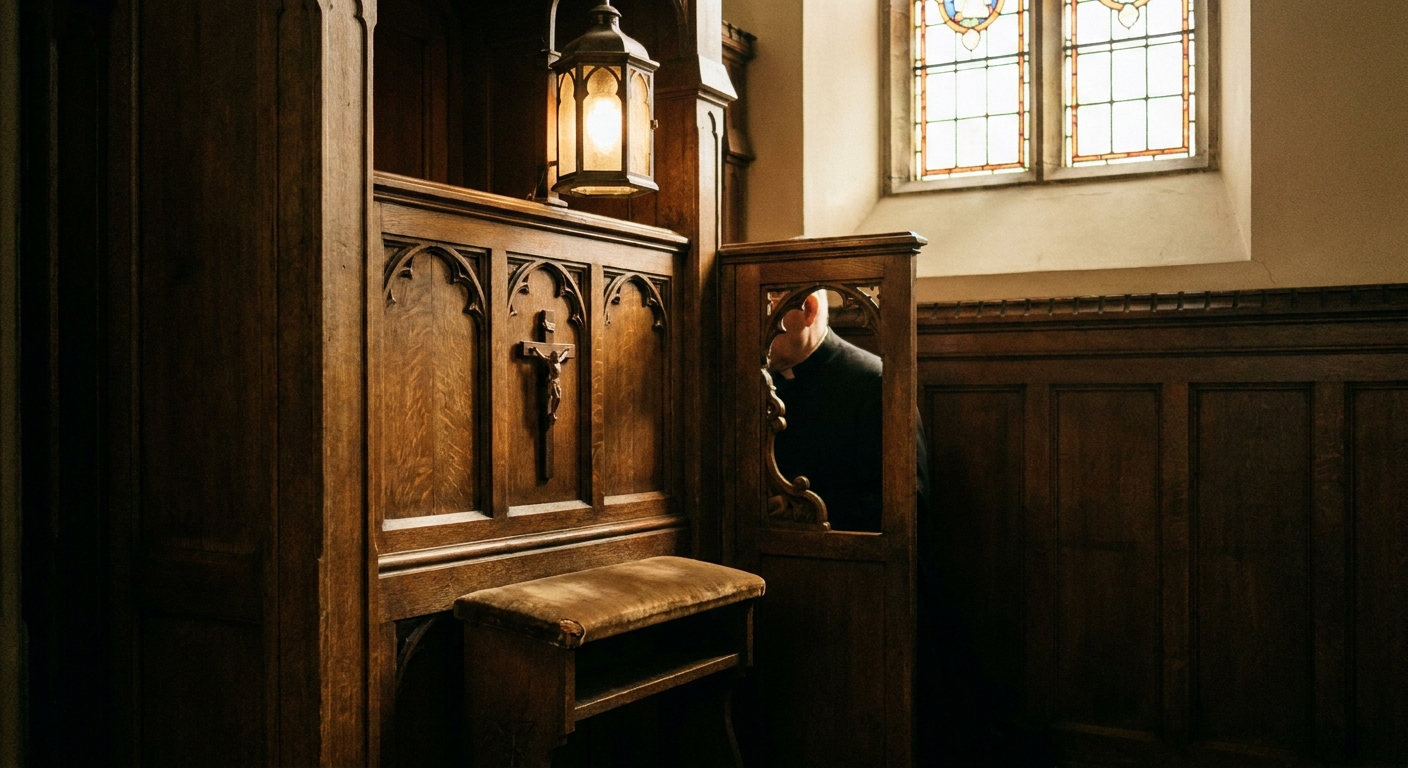
What it is
The Sacrament of Reconciliation is a ritual encounter with God’s mercy, celebrated with a priest who acts in the Church’s name. Catholics believe that in this sacrament Christ forgives sins through the ministry of the priest, not simply as a private reassurance, but as a real restoration of a relationship that sin has damaged.
That restoration matters because Catholic theology treats sin as more than “breaking a rule.” Sin wounds communion: with God, with other people, and within our own hearts. Venial sin wounds that communion; mortal sin ruptures it. Reconciliation is the sacrament that names the wound honestly and receives grace for healing.
The essential parts
You will sometimes hear Catholics describe confession as having four basic movements. To be a bit more technical, the Church often speaks of the acts of the penitent as contrition, confession, and satisfaction (penance), and of the priest’s action as absolution. Either way, these are the core elements you will actually experience.
1) Contrition
Contrition means genuine sorrow for sin, paired with a desire to turn back toward God. It is not the same thing as feeling emotionally crushed or perfectly remorseful. It is a choice of the heart: “I don’t want to live in this direction anymore.”
2) Confession of sins
Confession is the honest admission of sins to a priest. Catholics do not do this because God is unaware, but because truth spoken aloud has spiritual weight. Naming what happened brings the hidden into the light, breaks self-deception, and opens a person to mercy rather than self-justification.
In Catholic practice, you confess the sins you are aware of. For mortal sins (grave matter done with full knowledge and full consent), you are ordinarily expected to say what you did and, as best you can, how often. If a mortal sin is forgotten unintentionally, Catholic teaching holds that it is forgiven in absolution, but you should mention it in a later confession when you remember. If a mortal sin is deliberately concealed, that is a different situation: it undermines the integrity of the confession.
3) Penance
Penance (also called satisfaction) is a concrete act assigned by the priest, often prayerful, sometimes practical, meant to help repair what sin has damaged and to support spiritual healing. It is not a fee, a punishment, or a way to “earn” forgiveness. Forgiveness is given by God’s grace. Penance is our human participation in the work of turning around.
4) Absolution
Absolution is the priest’s spoken prayer of forgiveness. Catholics believe this is the decisive sacramental moment when sins are forgiven and the person is reconciled with God and the Church.
Many people carry a quiet fear that they will be met with disgust or disappointment. Yet the logic of the sacrament is the opposite: absolution is the Church’s way of proclaiming that mercy has the last word.
How it usually goes
If you are anxious about the mechanics, here is the simplest walkthrough. You can arrive a few minutes early, take a breath, and make a brief examination of conscience. When you enter, you begin in some form like, “Bless me, Father, for I have sinned,” and you can add how long it has been since your last confession if you know.
Then you confess your sins plainly. If you are naming mortal sins, say what they were and, roughly, how often. The priest may ask a gentle clarifying question, offer counsel, and assign a penance. You will express contrition, often with an Act of Contrition (many parishes have it printed, and you can always say it in your own words). Then the priest gives absolution. You leave, do the penance, and step back into ordinary life a little lighter.
Who can receive it?
In Catholic teaching, the Sacrament of Reconciliation is for baptized Catholics who desire to confess their sins and be reconciled. It is commonly received regularly, and it is especially encouraged when a person is conscious of mortal sin (often spoken of pastorally as “serious sin”) and wants to return to full communion.
Some people who are not Catholic, or who are preparing to become Catholic, may wonder if they can go to confession. In general, the ordinary practice is that non-Catholics do not receive Catholic sacraments, including Reconciliation, because sacraments are also signs of shared faith and full ecclesial communion. There are limited exceptions defined by canon law, such as certain Eastern Christians who share a valid sacramental priesthood, or situations like danger of death or grave necessity under specific conditions. These are not ad hoc local workarounds. They are pastoral provisions handled directly with clergy.
If you are unsure where you stand, the most respectful next step is simple: call the parish and ask to speak with a priest. You will usually find more gentleness than you expect.
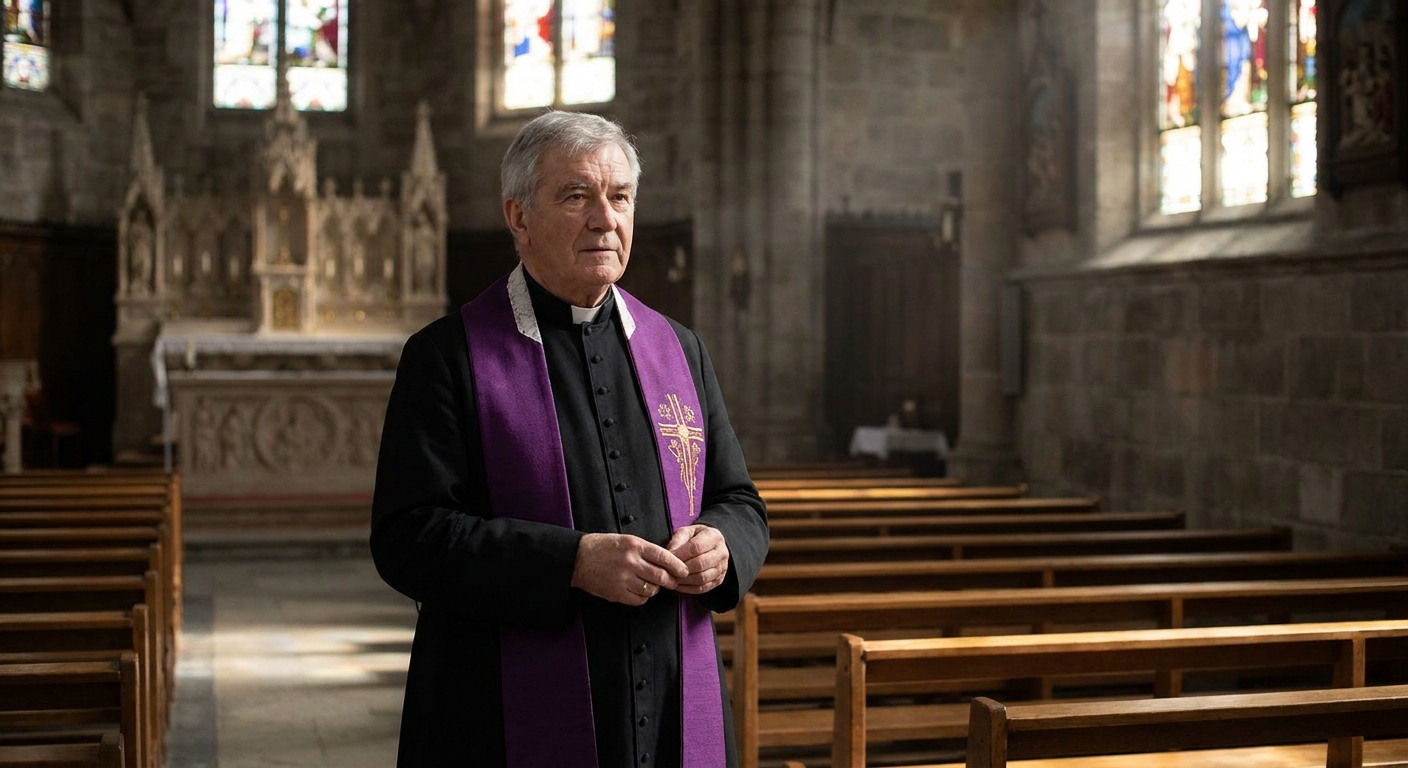
How it differs from a private apology
Apologizing privately can be powerful. A sincere “I’m sorry” can soften pride, repair relationships, and re-humanize people to each other. The Sacrament of Reconciliation does not replace that kind of responsibility. In fact, it often strengthens it.
But the sacrament is different in a few key ways:
- It is directed first to God. Sin is not only interpersonal harm; it is also a rupture in our relationship with the divine.
- It is ecclesial, not only personal. Catholicism understands sin as affecting the whole Body of Christ. Even sins that feel private, like nursing resentment, consuming pornography, or indulging a pattern of dishonesty, shape who we become and what we bring into our families, friendships, and parishes.
- It includes sacramental absolution. Catholics believe forgiveness is not merely a feeling of relief but a grace actually given through the Church.
- It asks for conversion, not just regret. Contrition and penance focus on realignment of life, not only emotional release.
In other words, a private apology can say, “I wronged you.” Reconciliation also says, “I want my whole life re-anchored in love.”
Why a priest?
This is one of the most common questions, especially among Christians from traditions that emphasize confessing directly to God.
Catholics absolutely do pray directly to God for mercy. Reconciliation, though, is rooted in the Church’s understanding that Christ entrusted a real ministry of forgiveness to the apostles and their successors. The priest is not a spiritual gatekeeper competing with God. In Catholic belief, the priest is a servant of God’s mercy, offering an outward sign you can actually hear: words of forgiveness spoken to you, personally, in time and space.
There is also a deeply human wisdom here. Many of us can rationalize in private. Speaking aloud to another person can interrupt our inner loopholes and help us face what is true without drowning in shame.
The seal of confession
One practical reassurance matters enough to name plainly: Catholics believe confession is protected by the Seal of Confession. A priest is absolutely forbidden to reveal what you say in confession, for any reason. This is not “confidential unless…” It is meant to be a place where you can tell the truth without fear of exposure.
What it accomplishes
Catholic tradition speaks about the fruits of this sacrament in several overlapping ways. People often experience:
- Forgiveness of sins and restoration of friendship with God
- Reconciliation with the Church, understood as the community of faith
- Peace of conscience, not as denial, but as relief that truth has met mercy
- Strength to change, since grace is not only pardon but help
When the sacrament is misunderstood, it can look like a revolving door of failure. When it is understood well, it looks more like spiritual rehab: returning again and again to the One who heals, learning to walk differently over time.
Scrupulosity and balance
Because FaithRift readers come from many backgrounds, I want to name a pastoral reality: some people struggle with scrupulosity, a form of religious anxiety that can turn moral life into constant self-monitoring and fear.
The Sacrament of Reconciliation is not meant to trap a person in obsession. At its best, it guides someone toward freedom, honesty, and trust in God’s mercy. If confession triggers panic, looping guilt, or compulsive patterns, it can help to speak with a priest you trust and, when appropriate, a mental health professional. The goal is not perfect self-control. The goal is love.
Common questions
Is confession only for “big” sins?
No. Catholics may confess any sins they are aware of. The sacrament is especially important when a person believes they have committed mortal sin, but many Catholics also bring ordinary, recurring struggles because they want grace and clarity, not because they think they are beyond hope.
Do I have to feel a certain way for contrition to be real?
Contrition is fundamentally a decision of the will: sorrow for sin and a desire to turn back to God. Emotions can accompany that, but Catholic spirituality does not treat intense feelings as the measure of sincerity.
Does penance “pay back” God?
No. Penance is not repayment. It is a healing practice and a participation in change. Catholics understand forgiveness as a gift of grace, not a transaction.
What if I’m nervous about being judged?
That fear is extremely common. The sacrament exists because human beings sin. A priest has heard far more than most people imagine, and the point is mercy and restoration. Many parishes also offer options, like confessing behind a screen, for those who value anonymity.
Closing
In a culture that often swings between denial and self-condemnation, the Sacrament of Reconciliation offers a third way: tell the truth, then receive mercy, then live differently.
Whether you are Catholic returning after years away, someone trying to understand Catholic practice, or simply a spiritual seeker curious about how traditions handle moral repair, Reconciliation holds a quiet message worth hearing: you are not reduced to your worst moment, and you do not have to heal alone.