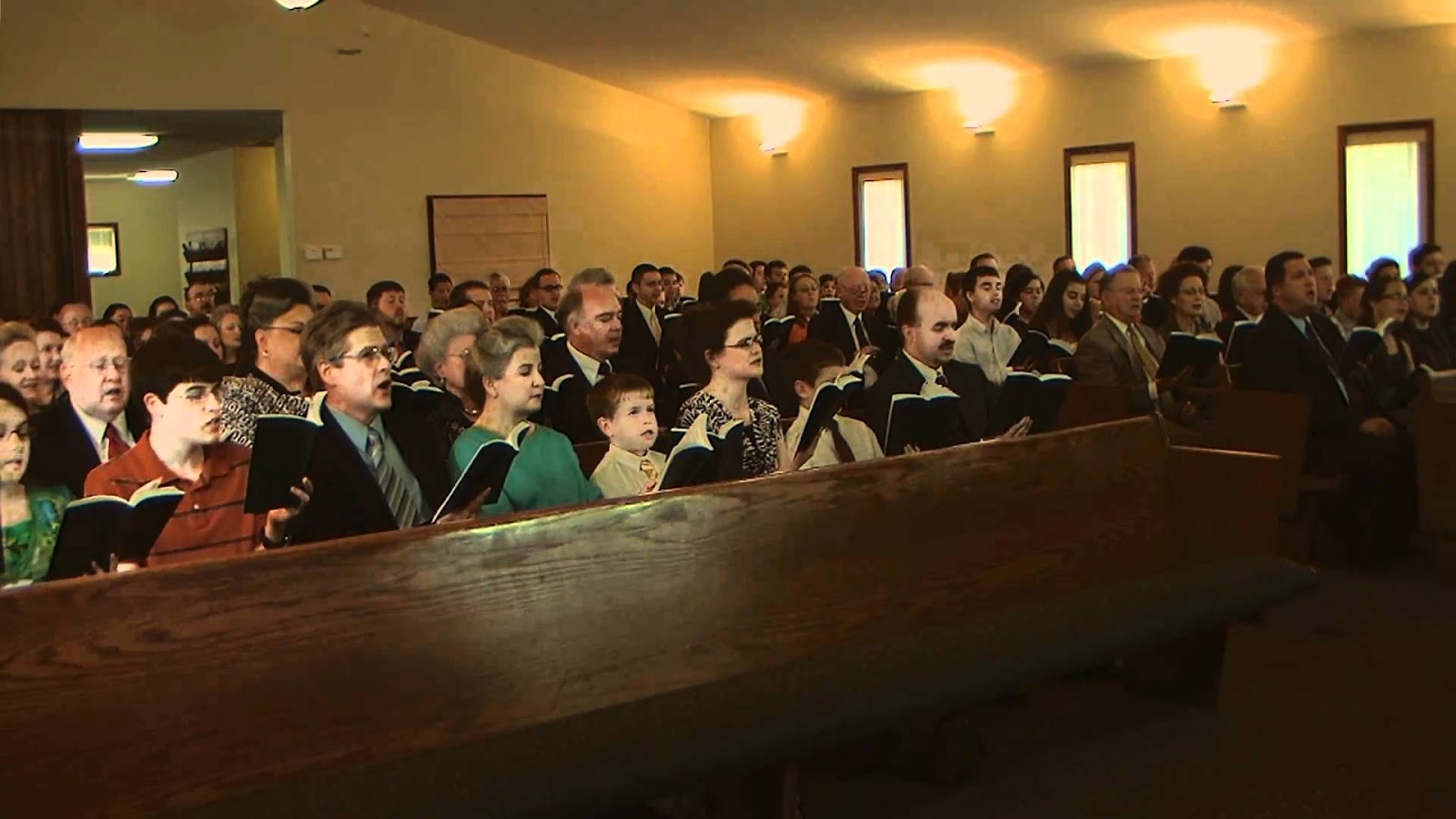
I first learned “Abide with Me” the way many of us do, not in a hymnal study group, but in a room where time felt thin. Someone sang it slowly, almost as if they were making space for grief to breathe. I remember thinking: this is an evening prayer that somehow knows about endings.
It is also a hymn with a shadow-trail of legend. Depending on who tells the story, Henry Francis Lyte wrote it in a single sitting, or on his deathbed, or after preaching his final sermon, or while the tide rolled in outside his window. Some of those details can be moving, and some are simply not well supported. The real story, documented as well as we can document a nineteenth-century parish priest’s last year, is quieter and, to me, more human.
Who wrote it
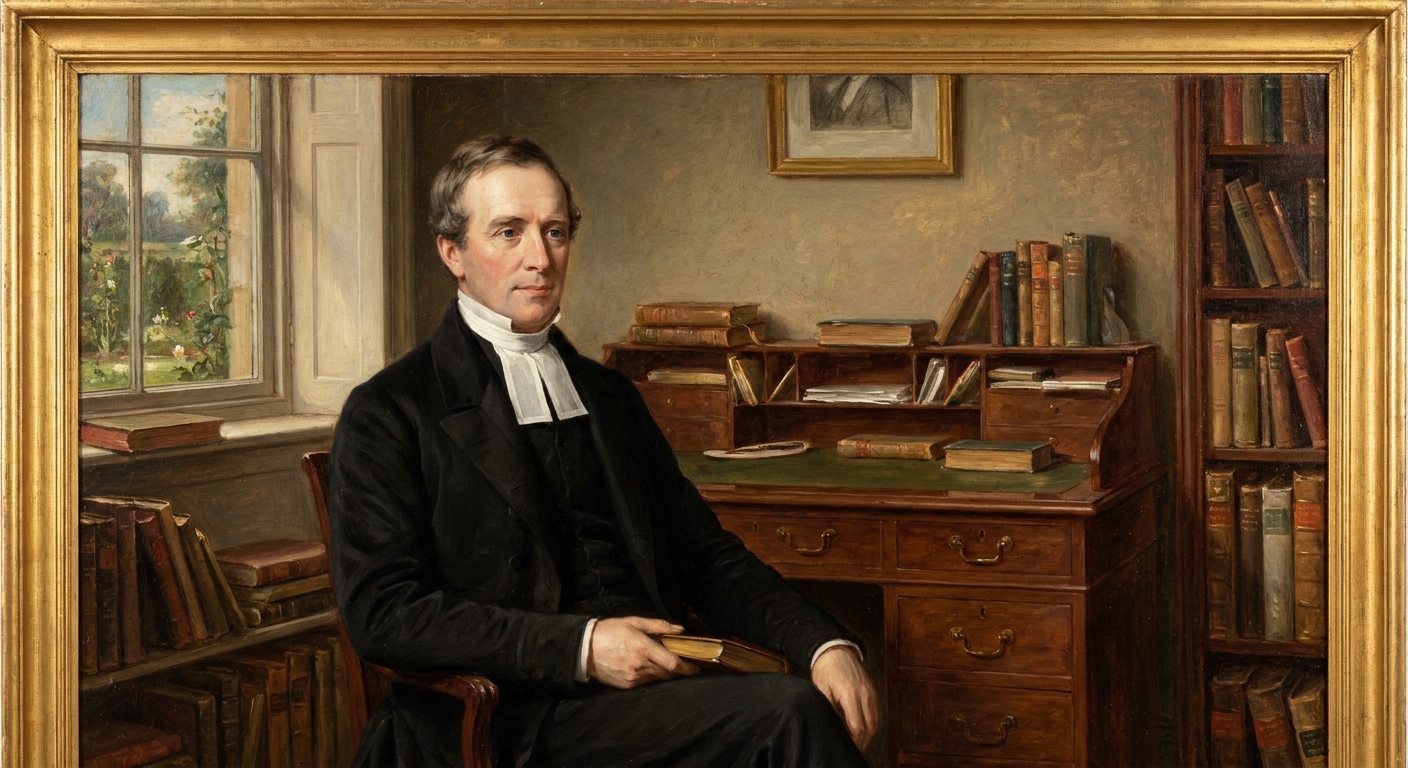
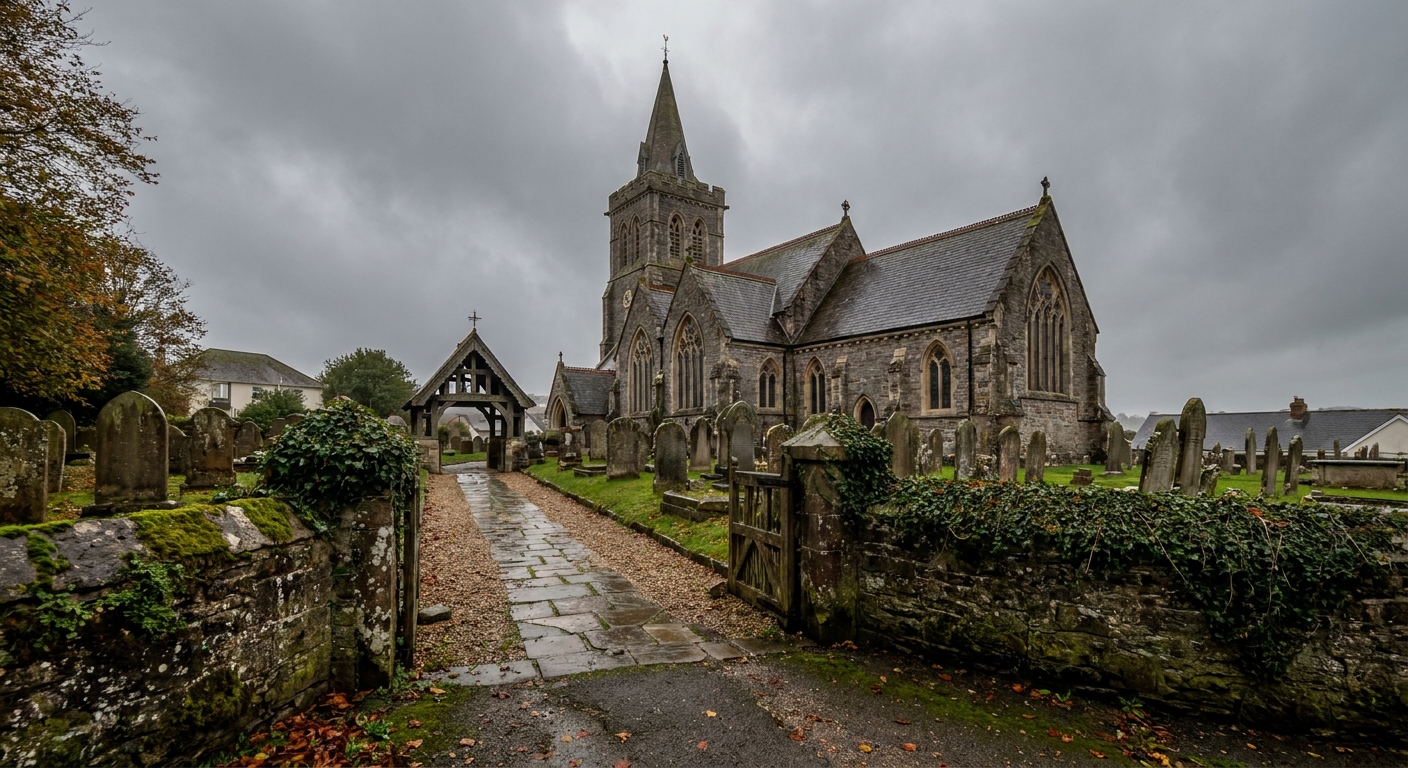
“Abide with Me” was written by Henry Francis Lyte (1793 to 1847), an Anglican priest and poet. Lyte served for many years at All Saints’ Church, Brixham, in Devon, a coastal town whose life and labor were tied closely to the sea.
Lyte was not only a parish pastor but also a gifted writer who produced a range of hymns and devotional poems. “Abide with Me” became his best-known work, in part because it meets people at a universal crossroads: the hour when light fades, strength fails, and what is steady must come from beyond the self.
When he wrote it
Lyte wrote “Abide with Me” in 1847, the year of his death. This date matters because it anchors the hymn in a specific season of his life rather than in a vague, romanticized final moment. By then, Lyte had been struggling with serious illness for some time. He was physically depleted, often unable to carry out his duties as he once had, and was advised to seek a warmer climate.
The hymn is widely associated with his final months, and that association is fair. Where we need to be careful is with the crisp, cinematic versions of the tale, the ones that claim we know exactly what he said and did, and in what order. The sources that survive do not always support that kind of neat sequencing.
His final season
Lyte’s long ministry in Brixham did not end in a dramatic flourish. It ended the way many vocations end: with increasing limitation, a growing awareness of mortality, and the slow handoff of responsibilities. He loved his parish and was loved in return, but his health made continuing work difficult.
Accounts from the period agree on the broad facts:
- Lyte served for many years at All Saints’ in Brixham, building a reputation as a devoted pastor and preacher.
- He suffered from ongoing illness, especially in his later years, which eventually compelled him to leave England for convalescence.
- In 1847 he traveled in hopes that a change of climate would help. It did not. He died later that year in Nice, then part of the Kingdom of Sardinia (now in France).
This is enough to make sense of the hymn without forcing it into an overly polished legend. “Abide with Me” sounds like a person praying with one foot already in the narrowing corridor of time, and that fits what we know of Lyte’s last year.
Why it feels like dusk
The opening line, “Abide with me; fast falls the eventide”, names the spiritual experience directly. Eventide is evening. Light is draining away. The day is ending.
In Christian prayer traditions, evening has long been a threshold hour. It is the time when we take stock, repent, release, and entrust ourselves to God’s keeping through the night. Lyte’s hymn belongs to that lineage. It is not only a funeral hymn. It is an evening hymn that became a funeral hymn because evening is such an honest metaphor for the body’s limits.
Notice how the hymn holds two realities together:
- Change is inevitable: “Change and decay in all around I see.”
- Presence can be stable: “O Thou who changest not, abide with me.”
That combination is why it works both at bedside and graveside. It does not deny loss. It refuses to let loss have the final word.
Legend and record
There are several popular storylines attached to “Abide with Me.” Some may contain a core of truth, but the details often become more confident with each retelling. Here is a grounded way to hold the tradition.
Deathbed claims
What we can say: He wrote it in 1847, near the end of his life, while seriously ill. Whether it was literally composed on a deathbed is harder to prove. The hymn clearly carries the tone of a person preparing for death, but tone is not the same as a timestamp.
The last sermon story
What we can say: Many accounts connect the hymn to his last season of ministry and to a farewell to his parish. It is plausible that the act of leaving, and the pain of not being able to serve as before, shaped the hymn. But the tidy sequence, sermon then hymn then departure, is often asserted more strongly than the surviving documentation warrants.
One dramatic moment
What we can say: The hymn reads like distilled spiritual practice, the kind that is formed over years. Even if it came quickly on the page, it likely came slowly in the soul. That is often how the best devotional writing works.
The tune “Eventide”
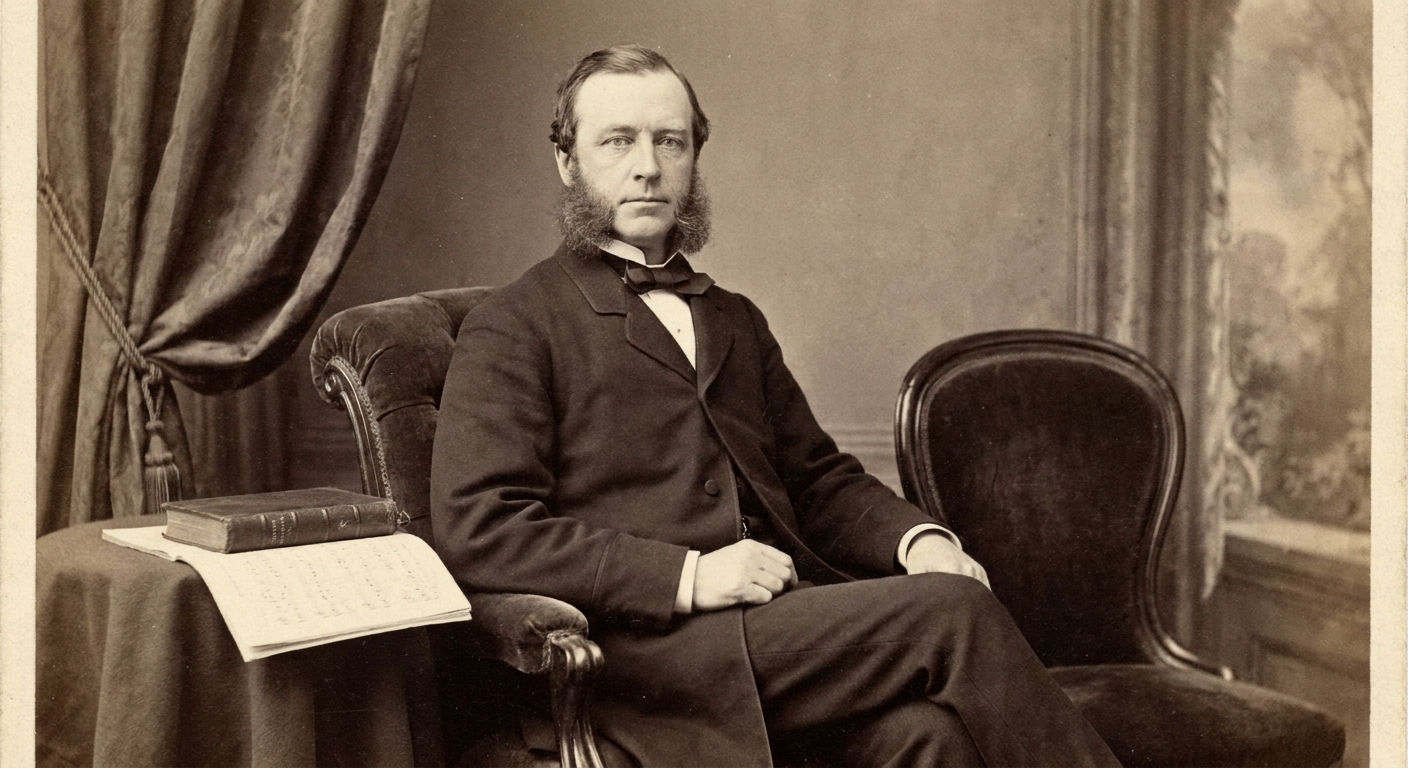
If Lyte gave the hymn its words, William Henry Monk (1823 to 1889) helped give it its lasting musical home. Monk was an English church musician and a key figure in nineteenth-century Anglican hymnody. He composed the tune most commonly paired with “Abide with Me,” known as EVENTIDE.
The pairing is almost too perfect: Lyte writes about eventide, and Monk’s tune is called EVENTIDE. But this is not just clever naming. The music embodies the text’s emotional arc. It moves with the steadiness of a slow walk taken at day’s end, when the goal is not speed but accompaniment.
EVENTIDE is commonly associated with the Victorian hymn revival and the influential compilation Hymns Ancient and Modern (first published in 1861), which helped standardize tunes and texts for wide congregational use. The tune’s strength is its restraint. It does not compete with the words. It carries them like a lamp carried low.
Why it is sung at funerals
Some hymns are beloved because they celebrate. “Abide with Me” is beloved because it stays calm when we cannot.
It is often chosen for funerals for a few reasons that have nothing to do with sentimentality and everything to do with spiritual realism:
- It speaks plainly about impermanence: “Change and decay in all around I see.”
- It asks for presence, not explanations: “Abide with me.”
- It holds fear without feeding it: “I fear no foe, with Thee at hand to bless.”
- It frames death as a passage through shadow, not a fall into meaninglessness: “In life, in death, O Lord, abide with me.”
For interfaith families, I have also seen it function as a bridge. Even when everyone does not share the same theology, many can recognize the human plea beneath the Christian language: Do not leave me alone in the dark.
Its spiritual center
When I return to “Abide with Me,” I find that its deepest comfort is not the promise that pain will disappear. It is the promise that love can remain present inside pain.
The hymn keeps repeating the same request, almost like a breath prayer:
Abide with me.
In the Christian imagination, that request echoes the Emmaus road story in Luke 24, where the disciples say, “Abide with us, for it is toward evening.” But you do not need to know the reference to feel what Lyte is doing. He is refusing isolation.
There is also a kind of mature humility in the hymn. Lyte does not romanticize his own strength. He says, in effect: I cannot hold myself together forever. So I will ask to be held.
Tradition and belonging
Lyte was an Anglican priest, and the hymn first traveled through English Protestant life. Over time it has been welcomed far beyond its origin. You will hear it in a range of Protestant churches, and you will also find it in Catholic settings, especially at funerals and evening services. Its reach is broader than its birth.
If you have ever wondered whether Lyte died immediately after writing it, the plain answer is simpler and, in its own way, more sobering. He wrote the hymn in 1847 and died that same year in Nice. The hymn belongs to his final season, but the commonly repeated versions that locate it in one precisely described final moment are usually firmer than the evidence.
Living with the hymn
I sometimes suggest a gentle practice with “Abide with Me” that has nothing to do with musical ability. Read it at dusk for a week, slowly, without rushing to the most triumphant lines. Let the hymn be what it is: a companion for the hour when our usual defenses are tired.
Lyte did not write a hymn to show off courage. He wrote a hymn to ask for presence. Monk did not write a tune to stir drama. He wrote a tune that stays. That may be why, nearly two centuries later, people still choose it at the edges of day and the edges of life.