I grew up in a household where different faith calendars overlapped. One week might include a synagogue potluck, and the next, a Catholic friend inviting us to Mass. As a teenager I remember thinking: some traditions feel like an open meadow, and others feel like a well-worn footpath. The Catholic Church’s precepts are meant to be that footpath: a small set of minimum practices that keep a person connected to worship, repentance, and the life of the community.
In Catholic language, these are often called the Precepts of the Church or the commandments of the Church. They are not meant to replace the Ten Commandments. They are practical, concrete obligations that help Catholics live the Ten Commandments faithfully, especially the call to worship God and love neighbor in a real community.
If you want to see them grounded explicitly in the Church’s own summary, the Catechism presents them in its section on the life of the faithful (see CCC 2041–2043, where the “precepts of the Church” are listed and explained).
What are the Precepts of the Church?
The Catholic Church traditionally teaches five precepts. You will see them phrased slightly differently depending on the catechism edition or country, but the substance is the same. They are commonly listed as:
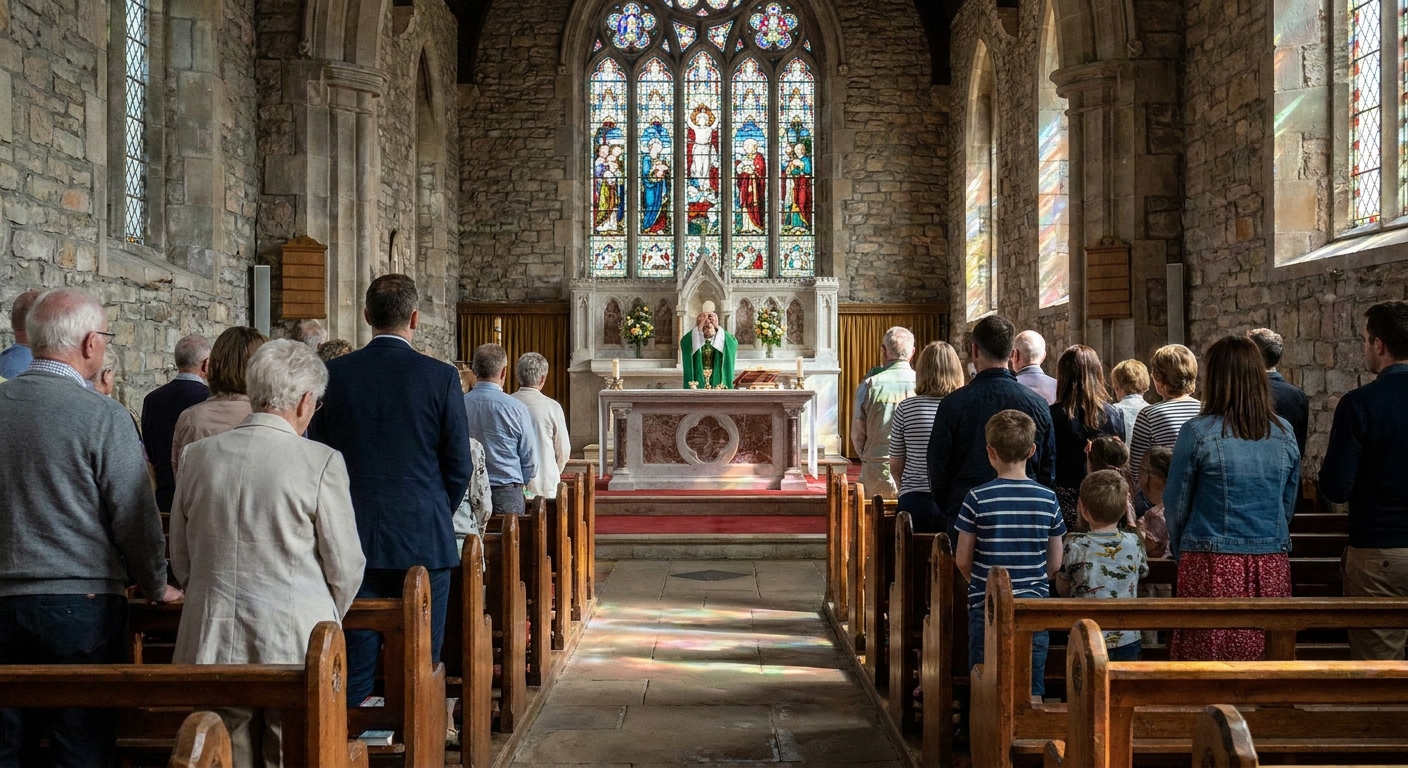
- Attend Mass on Sundays and holy days of obligation (and rest from unnecessary work).
- Confess grave (mortal) sins at least once a year.
- Receive Holy Communion at least once a year, during the Easter season (the “Easter duty”).
- Observe the days of fasting and abstinence established by the Church.
- Provide for the needs of the Church according to your abilities.
The Catechism presents these precepts as the Church’s minimum expectations for a healthy Catholic life, safeguarding a baseline of prayer, sacramental life, and solidarity.
One small note for wider audiences: Eastern Catholic Churches share the same Catholic faith, but some disciplines (fasting rules, holy days) can differ. This article is describing the typical practice in the Latin Church, which is what most people mean when they say “Roman Catholic.”
Precepts vs. the Ten Commandments
It helps to picture the relationship like this:
- The Ten Commandments are divine law. They express foundational moral obligations, like worshiping God, honoring parents, and not stealing.
- The precepts of the Church are church law. They are practical norms the Church sets to support the faithful in living out the Christian life, especially the Third Commandment’s call to keep the Lord’s Day holy.
In other words, the Ten Commandments remain the background and bedrock. The precepts are the Church’s simple guardrails that keep a person from drifting away from worship and the sacraments.
1) Sunday Mass and holy days
What it obliges: Catholics are obliged to participate in Mass on Sundays and on holy days of obligation.
A holy day of obligation is a major feast day when Catholics, like on a Sunday, are obliged to attend Mass. Examples many Catholics will recognize include Christmas and Mary, Mother of God (Jan. 1). The exact list can vary by country: the Church has universal holy days, and local bishops’ conferences can transfer or suppress some observances with approval from the Holy See. If you are unsure what applies where you live, your diocese or parish bulletin usually lists them clearly.
This precept is closely tied to the Eucharist as the “source and summit” of Catholic life. It is also deeply communal. While private prayer is essential, Catholic spirituality is not meant to be only private.
What counts as attending Mass?
Ordinarily, this means being present for the Mass. Many pastors encourage arriving on time and staying through the dismissal, but pastoral conversations usually focus on the heart of the obligation: participating in the Church’s Sunday worship.
When you are excused
Catholic moral teaching recognizes that obligations have limits. Common situations that can excuse someone include:
- Serious illness or caring for someone seriously ill
- Dangerous travel conditions
- Work that truly cannot be avoided (with nuance and pastoral judgment)
- Lack of reasonable access to Mass
Many parishes also speak gently about anxiety, scrupulosity, and complex family realities, encouraging people to talk to a priest rather than carry fear alone.
Dispensations and commutations
There is also a category that is not exactly “excuse,” but dispensation. In emergencies or extraordinary circumstances, a bishop can dispense the Sunday obligation, and pastors can help parishioners understand what to do when they are caught in something genuinely unworkable. During widespread crises, you will sometimes see dioceses issue a clear public notice. In everyday life, if you are uncertain whether you were bound by the obligation in your situation, that is a good moment for a short, practical conversation with your parish.
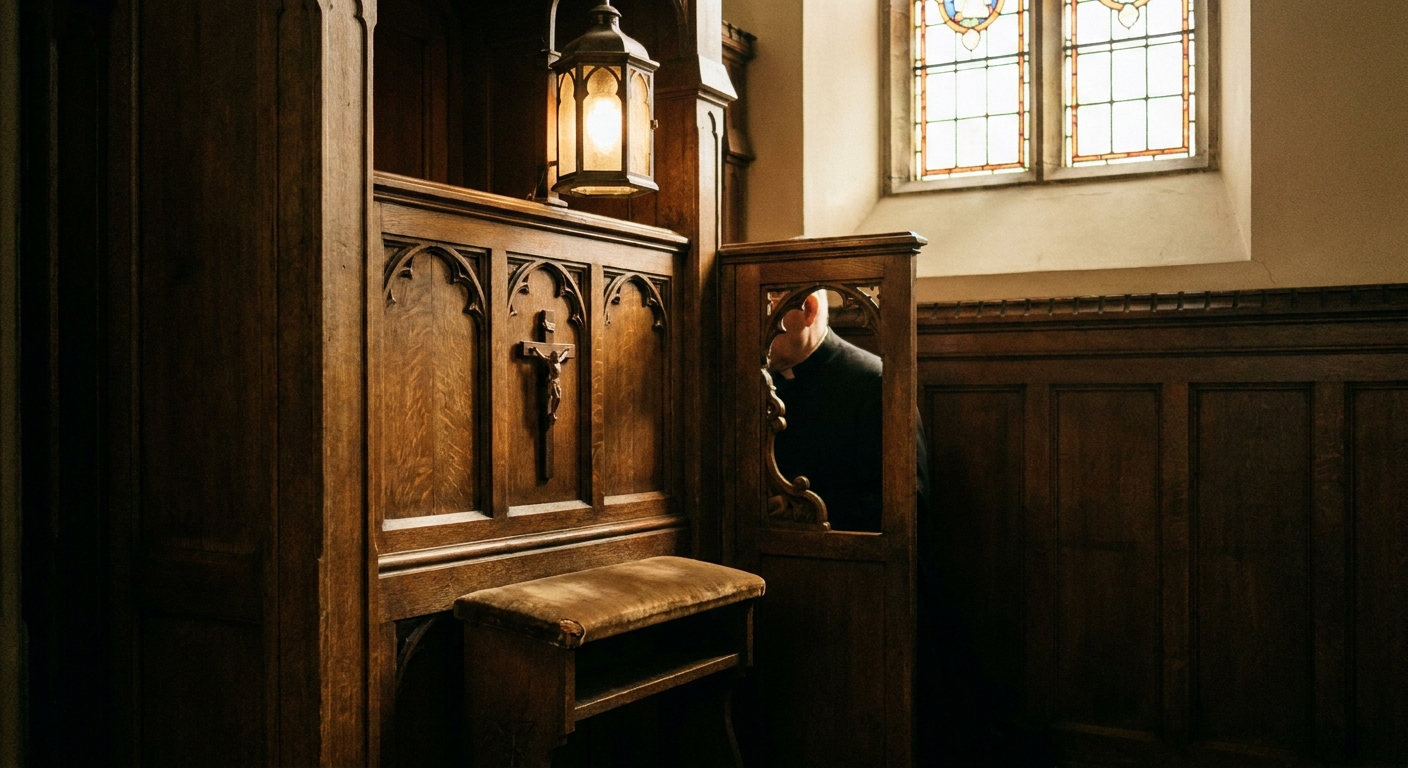
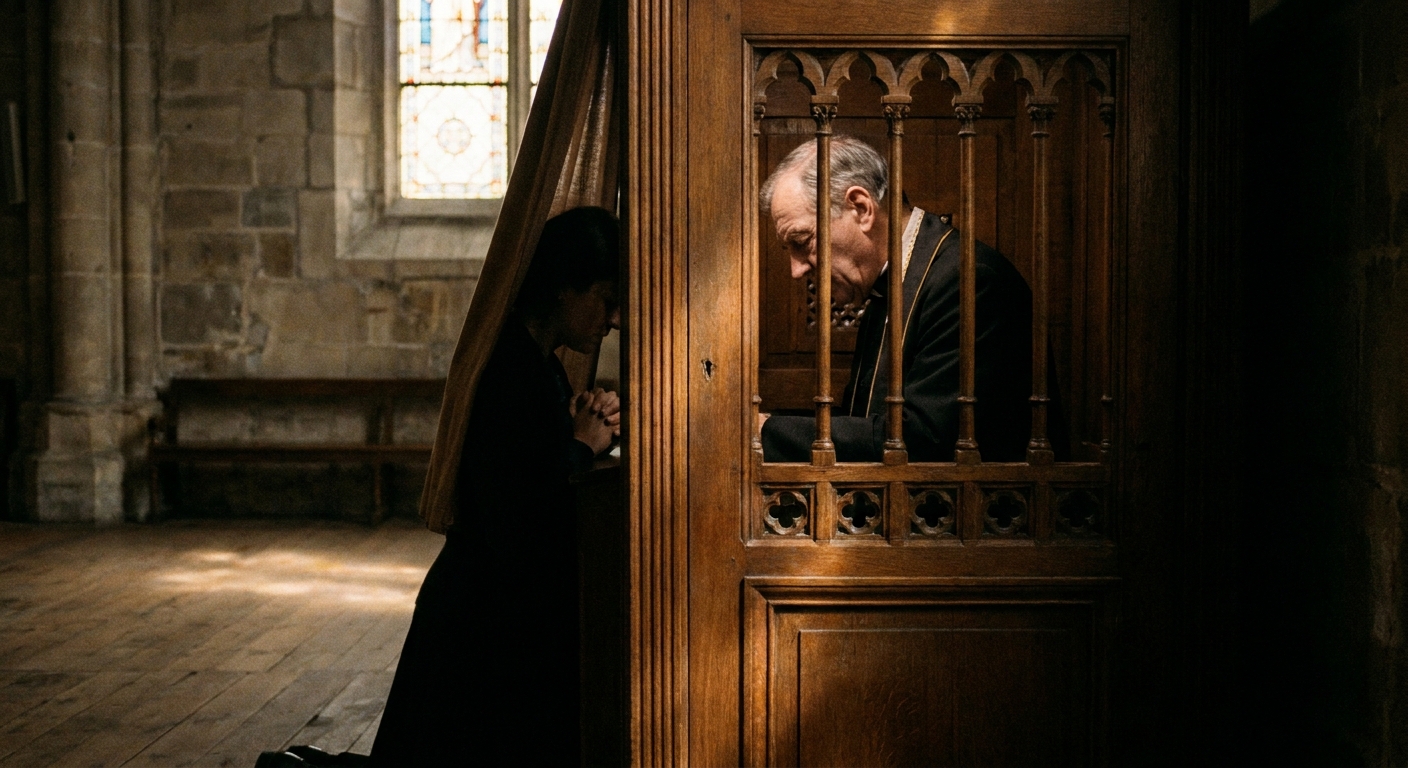
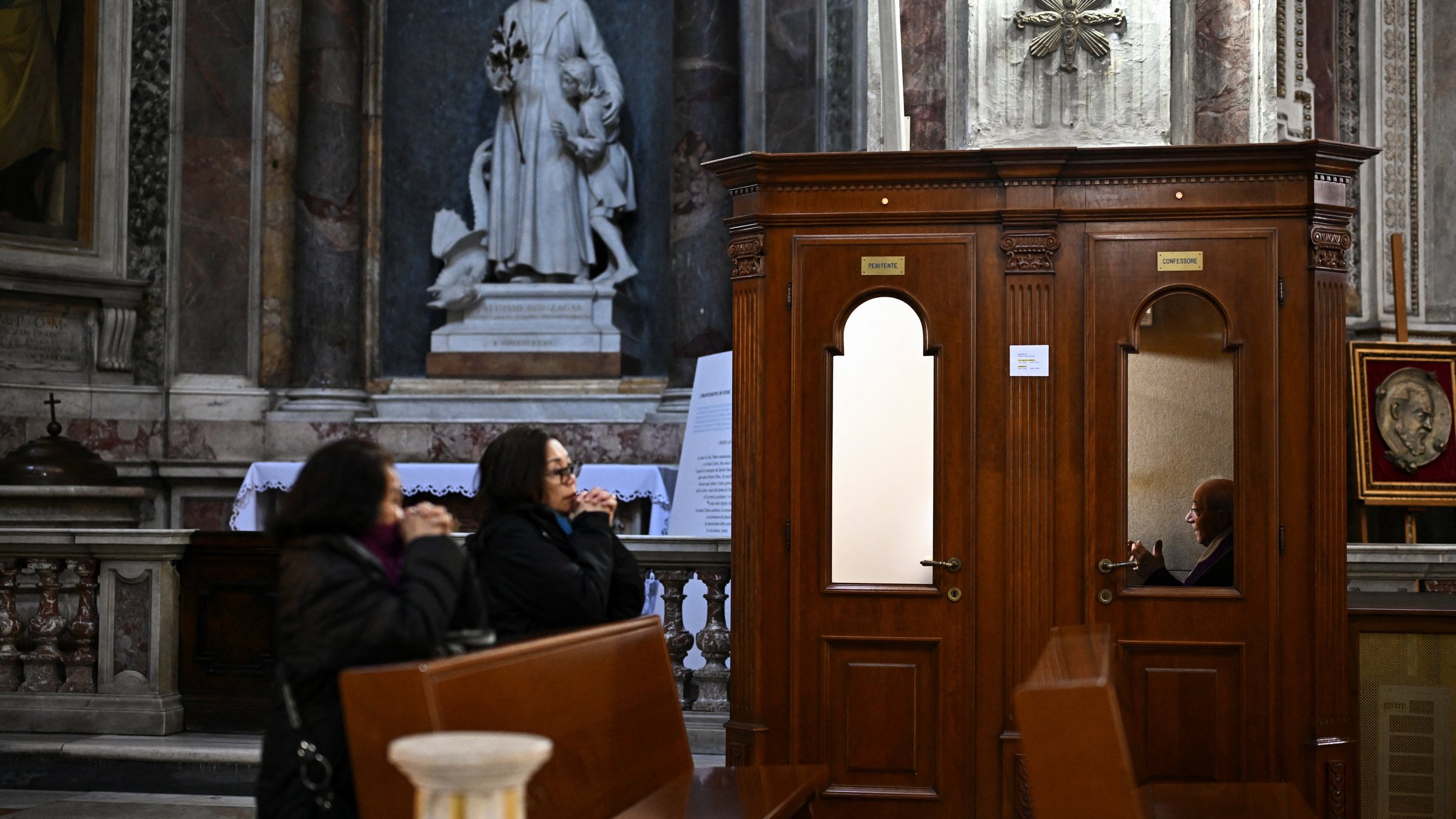
2) Confession once a year
What it obliges: Catholics are to confess grave (mortal) sins at least once a year. You will often hear this described as a “minimum” meant to keep the doorway to mercy from getting boarded up by long silence.
In practice, many Catholics go more often, especially in Advent and Lent. But the precept sets a floor, not a ceiling.
How it is usually explained
Many priests describe regular confession as both spiritual hygiene and spiritual honesty. It keeps a person practiced in examination of conscience, repentance, and receiving grace through the sacrament.
It is also important to note: if a person is conscious of mortal sin, Catholic teaching is that they should not receive Communion until they have been reconciled in confession (unless a rare, serious situation applies and the person has made an act of perfect contrition with the intent to confess as soon as possible). This is not about humiliation. It is about integrity and healing.
3) Easter duty: Communion yearly
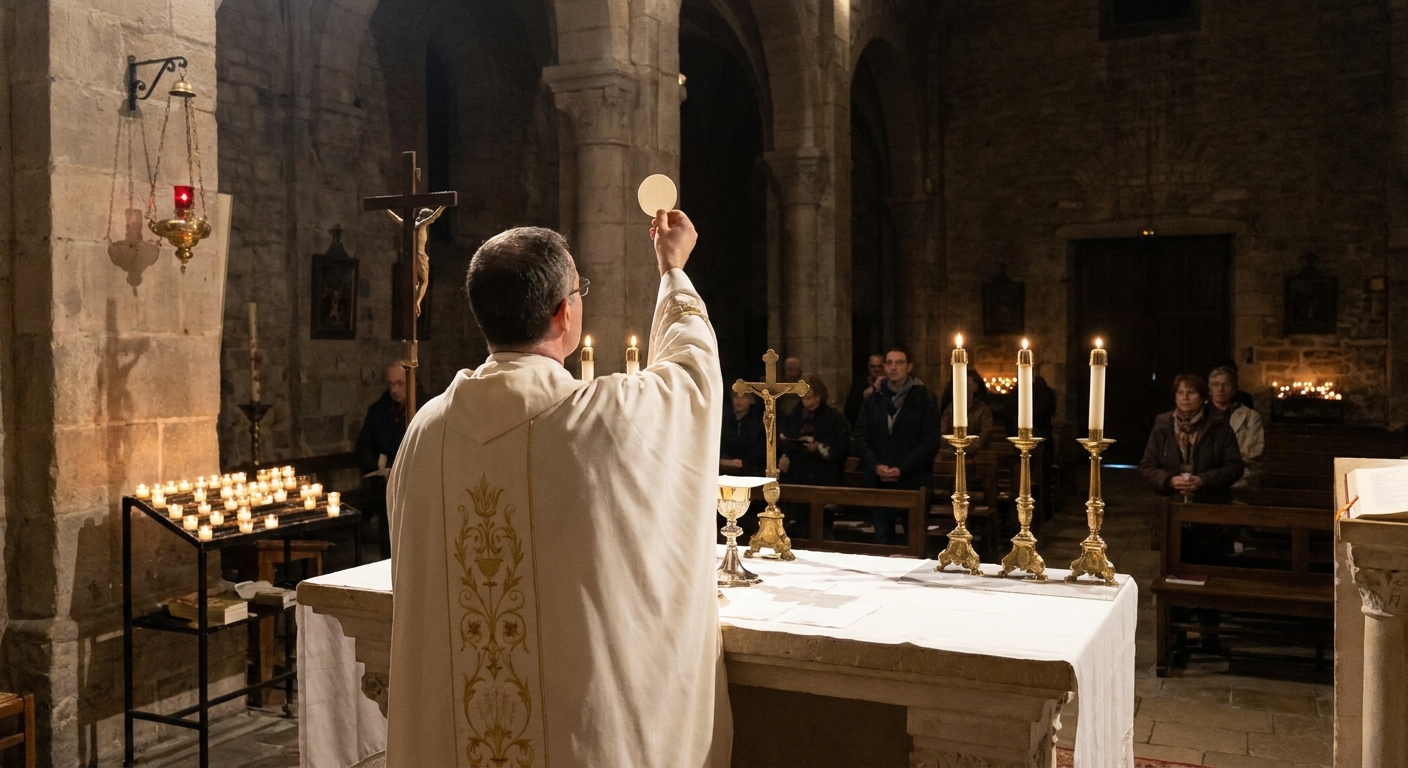
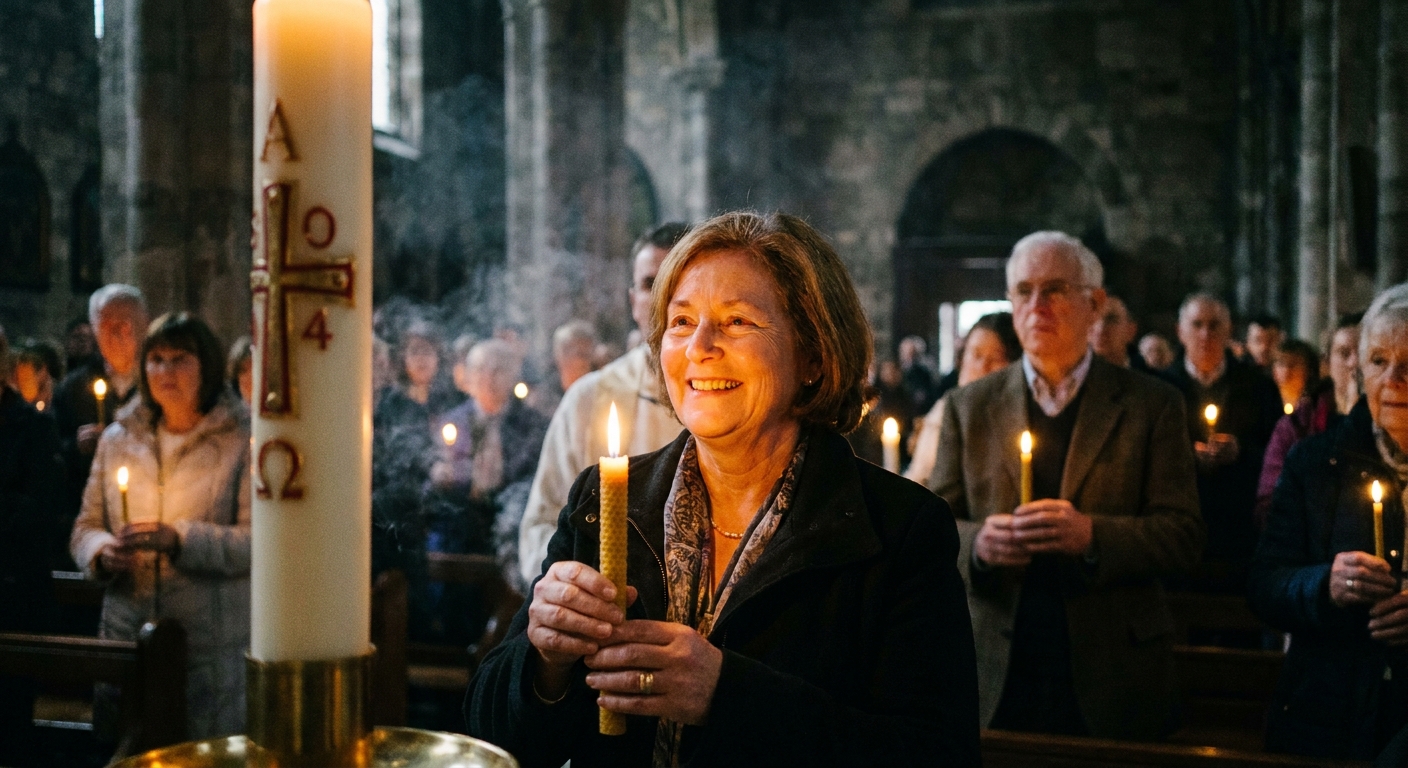
What it obliges: Catholics are obliged to receive Holy Communion at least once a year, during the Easter season. (For a just cause, it may be fulfilled at another time.) This is sometimes called the Easter duty.
This precept exists because it is possible to remain on the “edges” of the Church, attending occasionally but never actually receiving the sacrament that is at the center of Catholic worship. The Church, like a good shepherd, gently insists: at least once a year, come to the table.
A crucial condition: being properly disposed
Catholic teaching also emphasizes that receiving Communion is not a mere checkbox. A person should be in a state to receive, which includes:
- Having observed the Eucharistic fast (normally one hour from food and drink, with exceptions)
- Not being conscious of unconfessed mortal sin
- Approaching with reverence and faith
When priests talk about the seriousness here, they often hold two truths together: the Eucharist is a gift, and it is also holy. The Church wants both welcome and reverence.
4) Fasting and abstinence
What it obliges: Catholics are to observe the penitential practices the Church sets, especially:
- Fasting on Ash Wednesday and Good Friday (for those who are obliged by age and health)
- Abstinence from meat on Ash Wednesday and the Fridays of Lent (and, in many places, Friday penance throughout the year, though the form can vary)
In the Latin Church, the most commonly cited norms are: fasting binds from age 18 through 59, and abstinence binds from age 14 onward, with common-sense exceptions for health. But details can vary by country, and the faithful should follow their local bishops’ conference and diocesan guidelines.
The most pastoral advice is simple: do not fast in a way that harms your body. If you have a medical condition, a history of disordered eating, pregnancy, or other serious concerns, priests routinely encourage choosing another form of penance. In some cases, a pastor can also commute an obligation to a different penance.
Why the Church makes it an obligation
Fasting and abstinence teach the body to pray. They also make room for almsgiving, humility, and solidarity with those who live with involuntary hunger. When someone speaks about the gravity of ignoring these norms, it is usually in the context of willful disregard, not honest confusion, weakness, or health limitations.
5) Support of the Church
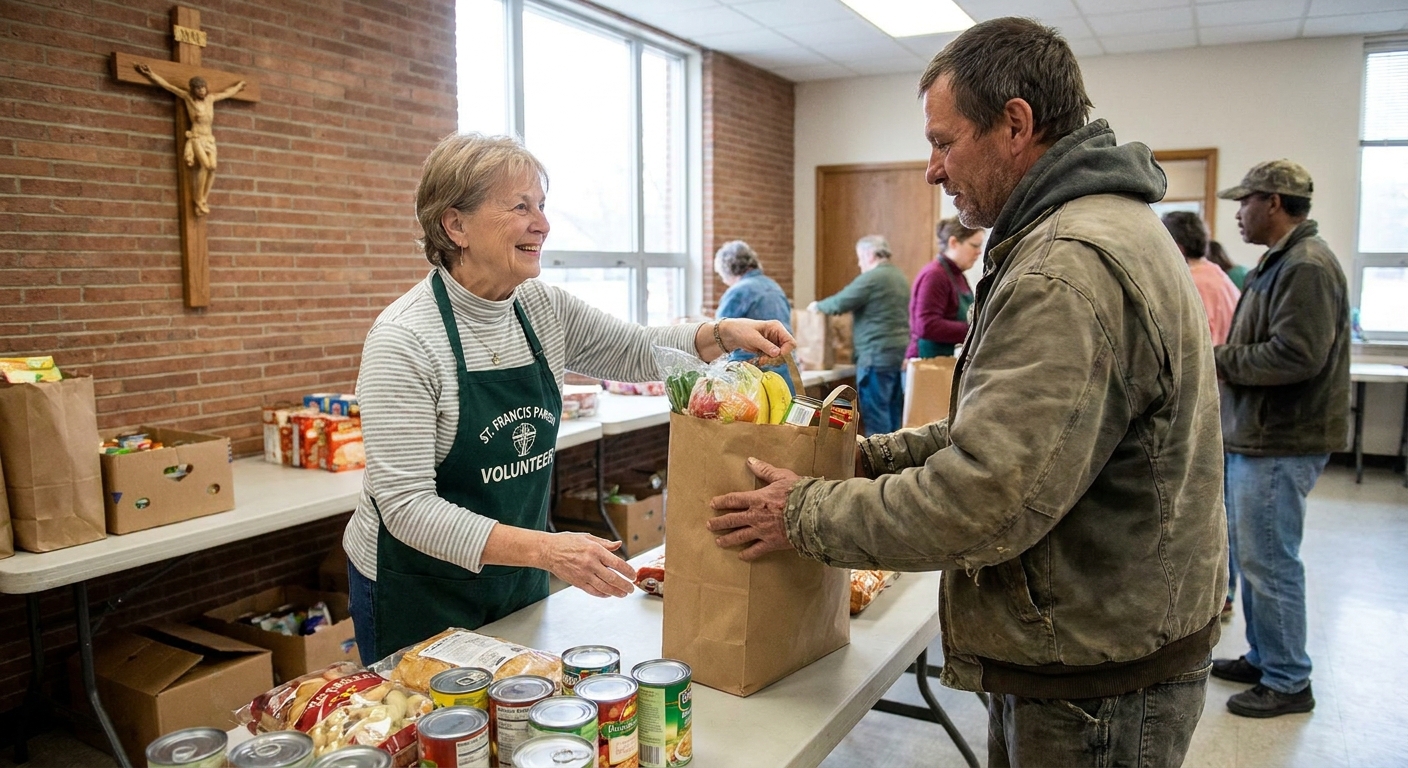
What it obliges: Catholics are obliged to help provide for the Church’s needs according to their ability. This includes material support, but it also points to the broader responsibility of sustaining the Church’s life and mission.
In parish life, this precept often gets reduced to the collection basket. In reality, it is about ensuring that the Church can:
- Maintain worship spaces
- Support clergy and staff
- Provide charitable outreach
- Teach the faith and care for the vulnerable
“According to your ability” matters. For some, support looks like regular giving. For others, it looks like service, caregiving, volunteering, or simply showing up faithfully while rebuilding stability.
Is breaking a precept a mortal sin?
This is where people often feel nervous, especially if they have heard terms like mortal sin and venial sin but are unsure how the pieces fit together.
In Catholic moral theology, an act is considered mortally sinful when three elements come together: grave matter, full knowledge, and deliberate consent.
As a general rule, missing Sunday Mass or a holy day of obligation without a serious reason is typically taught as grave matter. Neglecting the sacraments for a long time can also become spiritually serious, though the personal circumstances that affect freedom and responsibility vary a lot from person to person.
What can lessen culpability
Priests and spiritual directors regularly point out that responsibility can be reduced by many real human factors, including:
- Confusion or genuine lack of formation
- Fear, coercion, or pressure
- Mental health burdens, including scrupulosity
- Exhaustion, trauma, or crises
That is why so many will say some version of: Do not self-diagnose in isolation. Bring it to confession or spiritual direction.
How the Church speaks about it
- Clarity: These obligations matter. Treating them casually can harden the heart and loosen your bond with the Church.
- Mercy: God is not waiting to trap you. If you have fallen away, start with one honest step back.
Common questions
What if I missed Mass because of work?
It depends on the situation. If you had real freedom and simply chose something else, that is different from being scheduled under pressure with no realistic alternative. Many priests encourage talking it through and, where possible, advocating for a schedule that allows Sunday worship. If you are unsure, a brief conversation with a priest can bring a lot of peace and clarity.
What if I am homebound or caring for a child?
Illness, frailty, and serious caregiving responsibilities generally excuse the obligation. Many parishes can arrange Communion visits for the homebound. Asking for help is not a failure. It is the Church being the Church.
Do I have to receive Communion if I go to Mass?
Catholics are not required to receive Communion every time they attend Mass. The precept is at least once a year (ideally during Easter time), with proper disposition. If someone refrains out of reverence, that can be a spiritually mature choice.
What if I cannot fast for health reasons?
Then you should not fast in a way that harms you. Many people choose another penance: giving to the poor, praying the Stations of the Cross, limiting entertainment, or making a specific act of service. When in doubt, ask your parish priest what is appropriate in your situation.
A gentle way to live the precepts
If the word “obligation” brings up resistance or fear, you are not alone. Many of us have complicated histories with religious rules. I have come to appreciate that the best spiritual disciplines are the ones that keep a door open in hard seasons.
One simple way to approach the precepts is to see them as minimums that protect relationship:
- Mass keeps you close to worship.
- Confession keeps you close to mercy.
- Communion keeps you close to Christ’s life in the Church.
- Fasting and abstinence keep you close to humility and solidarity.
- Support of the Church keeps you close to community and mission.
If you are returning after a long time away, start small: pick one Sunday, come early, sit toward the back if you need to, and let it be imperfect. The point is not performance. The point is coming home.