When life speeds up, the body often follows. Shoulders creep toward ears, breath thins out, thoughts begin to hopscotch. Grounding is one of the simplest ways I know to return to yourself. Not by forcing calm, but by remembering you are already held by something steady and ancient.
Across traditions, the language changes, but the gesture is familiar: come back to the present moment. In Christian contemplative prayer, it might be be still. In mindfulness practice, it is return to the breath . In some Indigenous communities and in earth-centered practices, it can include literal, respectful contact with the land. However you name it, grounding is a conversation between your nervous system and the present moment, often helped along by the steadiness of the natural world.
A quick note on “earthing” claims: many people find barefoot time outside calming because of sensory input, attention, and a shift in pace. Research on proposed electrical mechanisms is mixed and still emerging, so this article focuses on what is reliably supportive and widely accessible: attention, sensation, breath, and gentle movement.
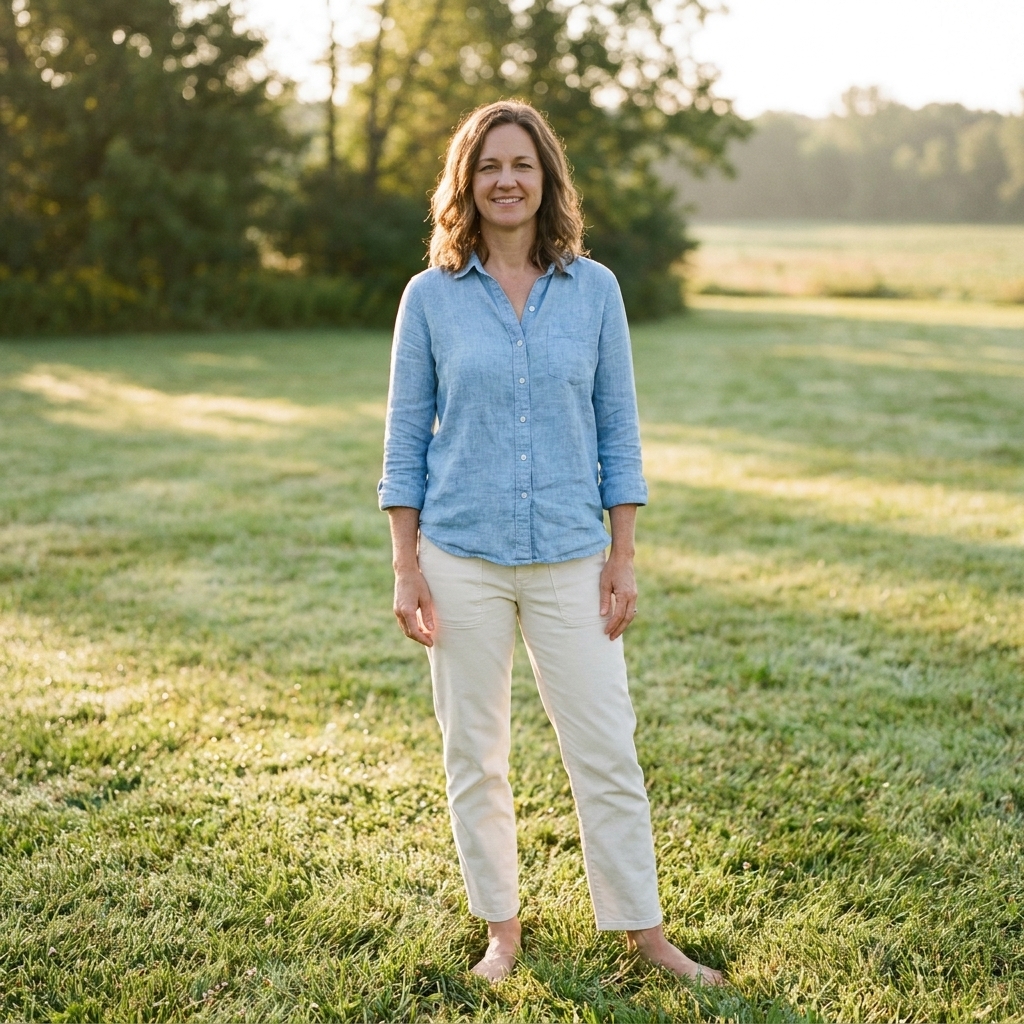
Below are seven grounding techniques you can use during stressful times. You do not need special tools. You only need a few minutes and permission to start small.
1) Barefoot earthing
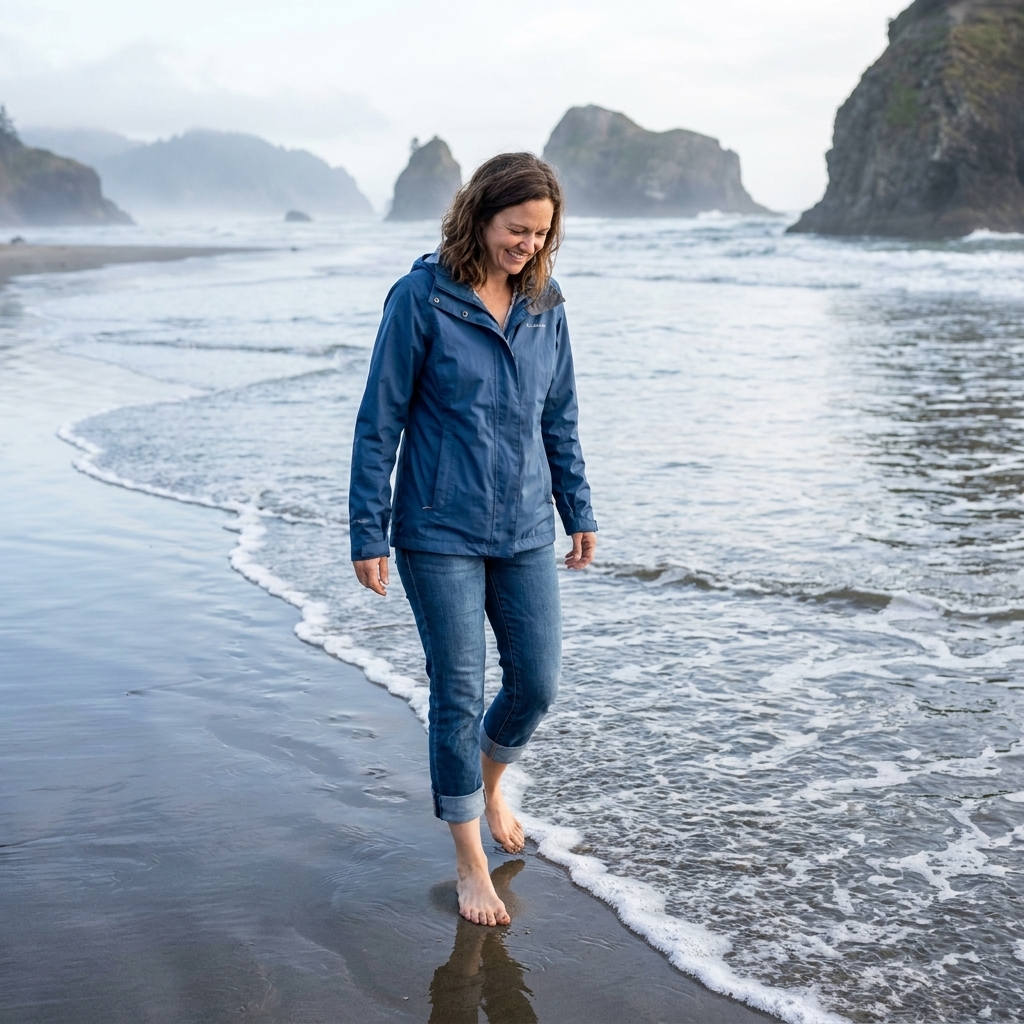
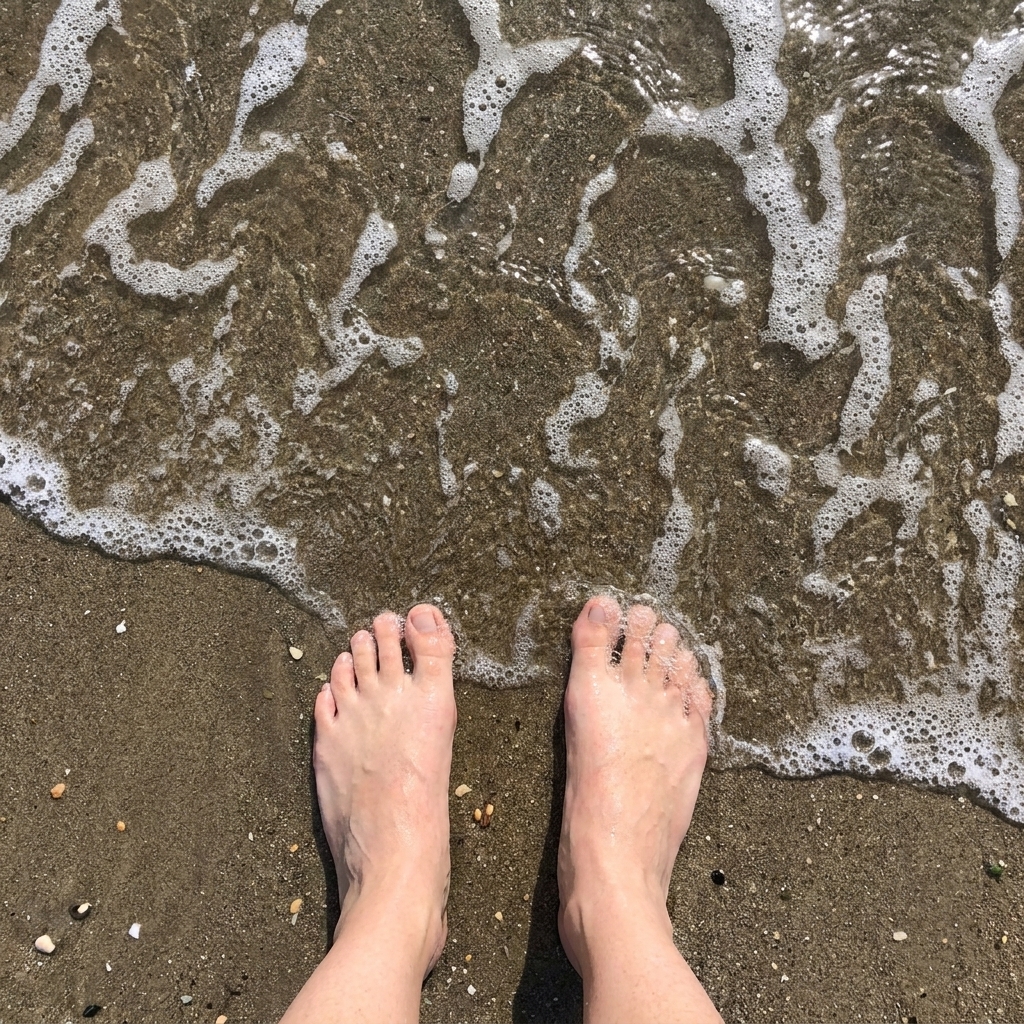
If you can safely step outside, let your bare feet meet the Earth for 2 to 10 minutes. Grass, sand, soil, and smooth stone all work. The point is not perfection. The point is contact.
How to do it
- Step outside and stand with feet hip-width apart.
- Soften your knees and let your weight drop down through your heels.
- Breathe slowly and notice temperature, texture, and pressure.
- On each exhale, silently offer: “Here.”
When anxiety is loud: keep your attention on the soles of your feet like an anchor. If thoughts pull you away, gently return to sensation.
Safety note: watch for sharp objects, insects, extreme temperatures, and any medical needs that make barefoot time risky.
2) The tree practice
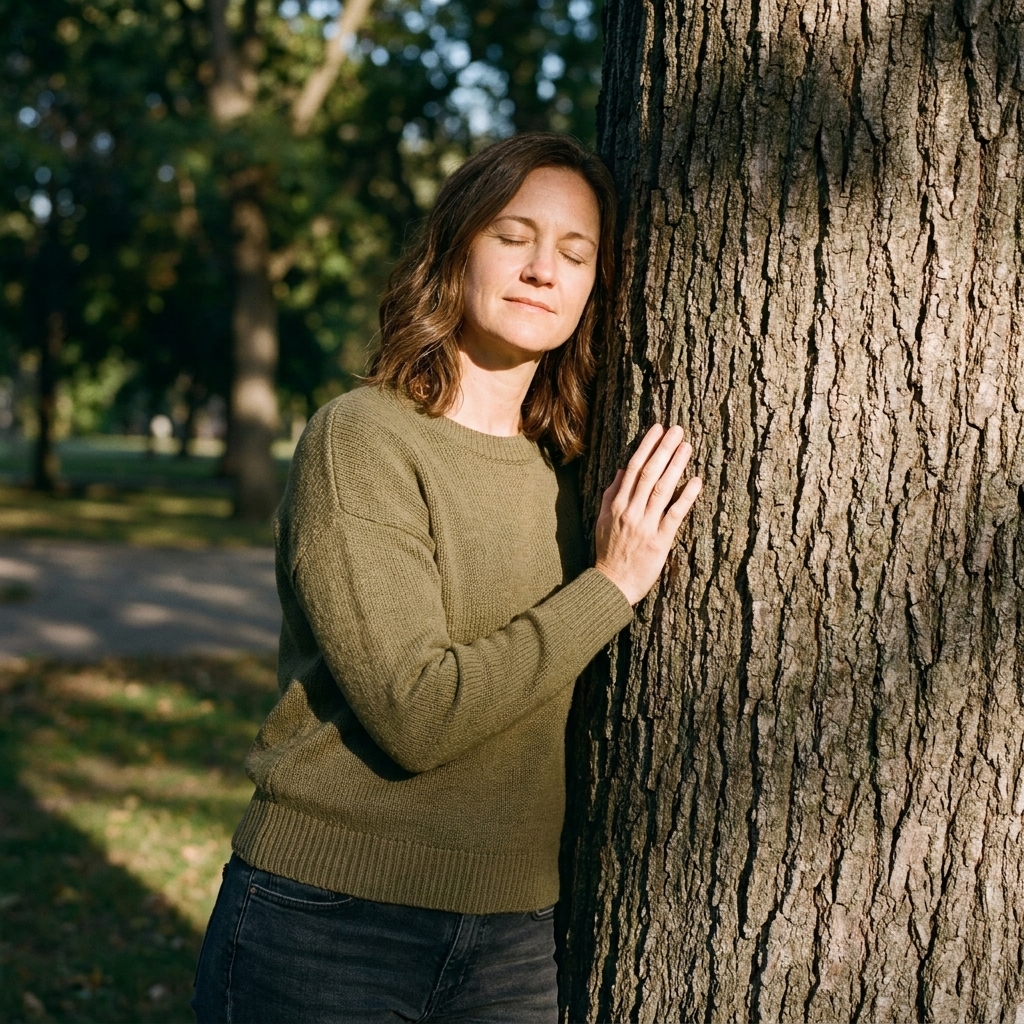
Trees have a quiet, instructive faithfulness. They do not hurry. They do not apologize for taking up space. When I feel scattered, standing near a tree helps my body remember how to be supported.
How to do it
- Stand or sit near a tree, close enough to see bark texture and leaves.
- Place a hand on the trunk if it feels appropriate and permitted.
- Imagine your breath moving like sap: rising on the inhale, settling on the exhale.
- Whisper a simple phrase, such as: “Steady.” or “Rooted.”
Gentle reflection: You do not have to hold yourself up alone. Your posture is supported by breath mechanics, core and back muscles, and the simple reliability of skeletal alignment. You are allowed to lean into what was made to hold you.
3) 5-4-3-2-1 senses
This is one of my favorite techniques to teach in retreat settings because it works anywhere, even in a meeting or on public transit. It guides your attention out of spiraling thoughts and back into the world your senses can actually confirm.
How to do it
- 5 things you can see
- 4 things you can feel (fabric, chair, feet in shoes)
- 3 things you can hear
- 2 things you can smell
- 1 thing you can taste (or one slow breath if taste is unavailable)
If smell or taste is not available: swap in one more thing you can hear or feel. The goal is orientation, not a perfect checklist.
Make it more earthy: include at least one thing in each category that connects to nature, such as light on a leaf, the feel of stone jewelry, or the sound of wind.
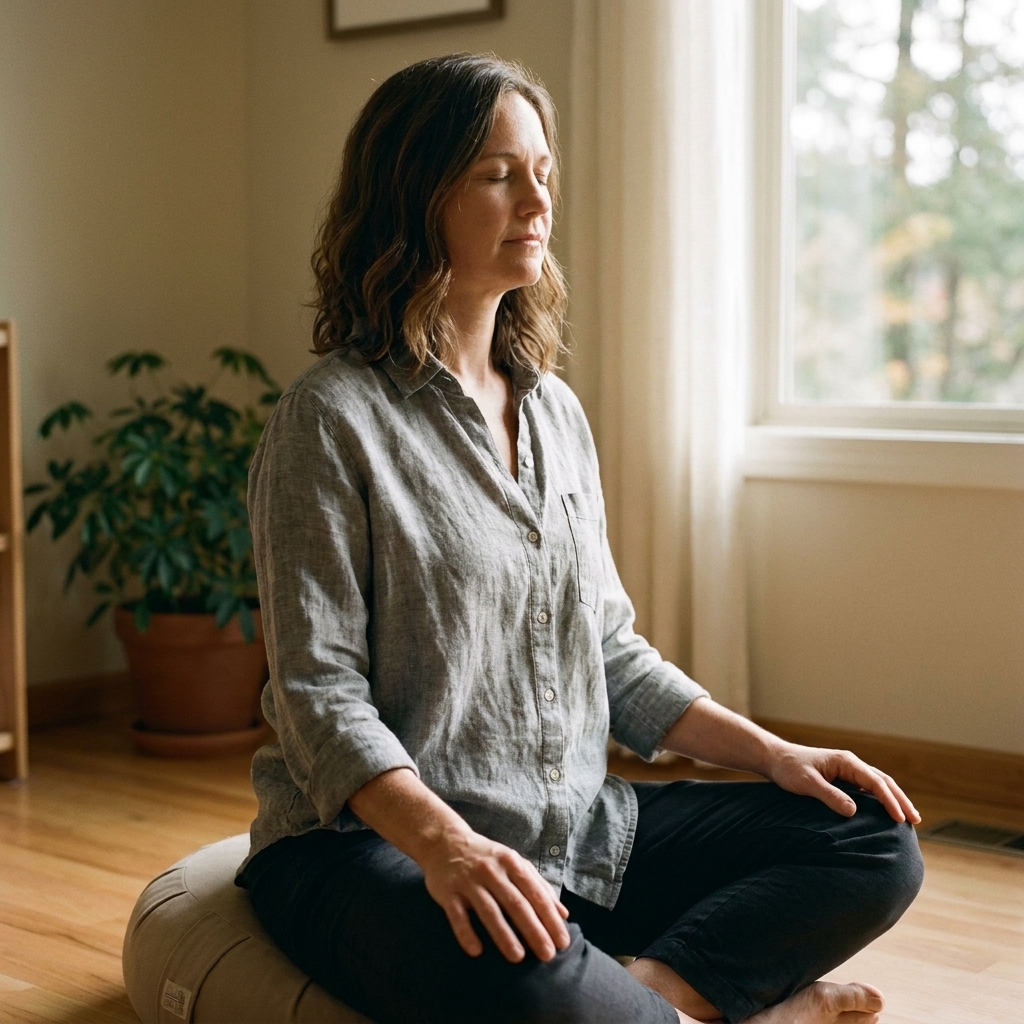
4) 4-2-6-2 calming breath
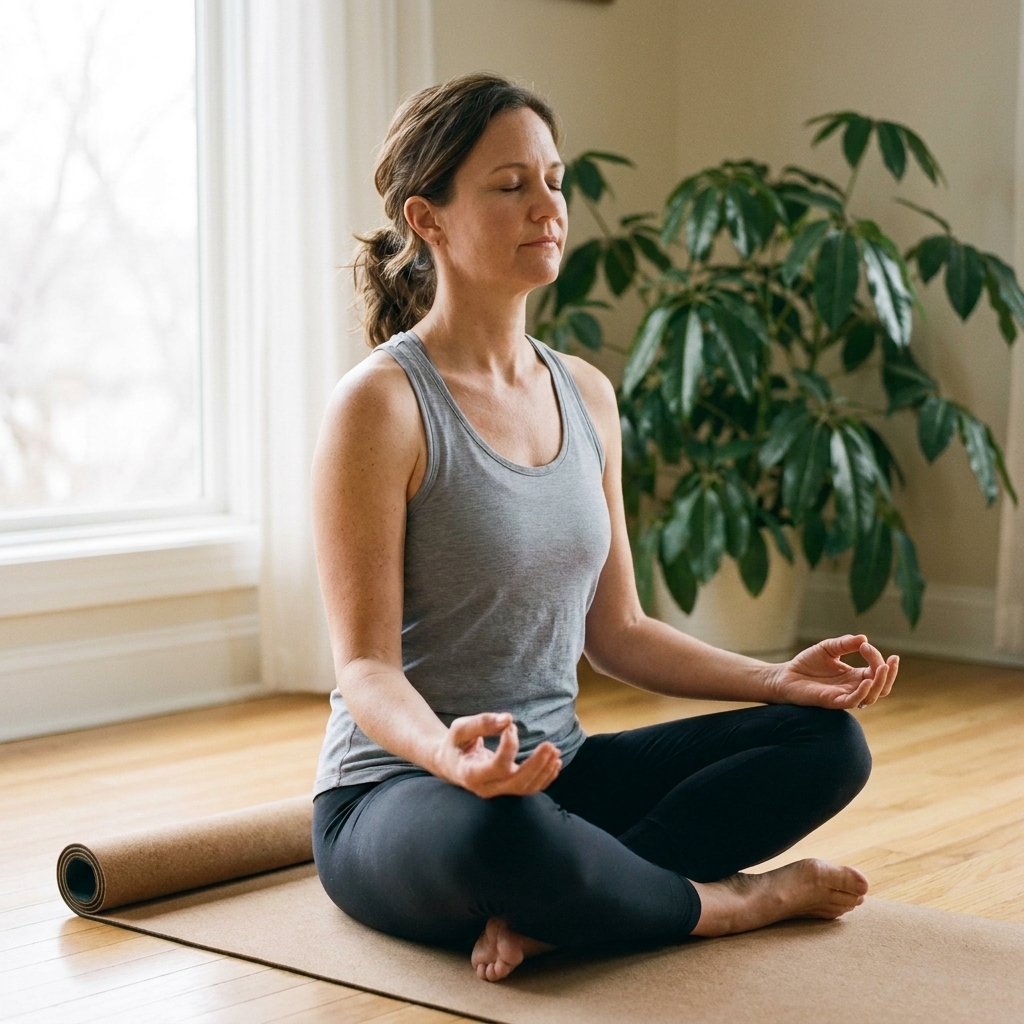
Many spiritual paths use breath as a bridge between body and soul. Breath is wonderfully ordinary, and that is exactly why it helps. A longer exhale can help signal safety to the nervous system and ease arousal, especially when stress is running the show.
How to do it
- Inhale through the nose for a slow count of 4.
- Hold gently for 2.
- Exhale for 6 (longer than the inhale).
- Pause for 2, then repeat 4 to 7 rounds.
If breath holds feel uncomfortable: skip the holds and simply breathe 4 in, 6 out. If you feel dizzy, return to normal breathing and try a sensory technique instead.
Optional prayer bead variation: move one bead or touch one fingertip each round. If prayer is part of your life, pair the inhale with “Receive” and the exhale with “Release.”
5) Stone in hand
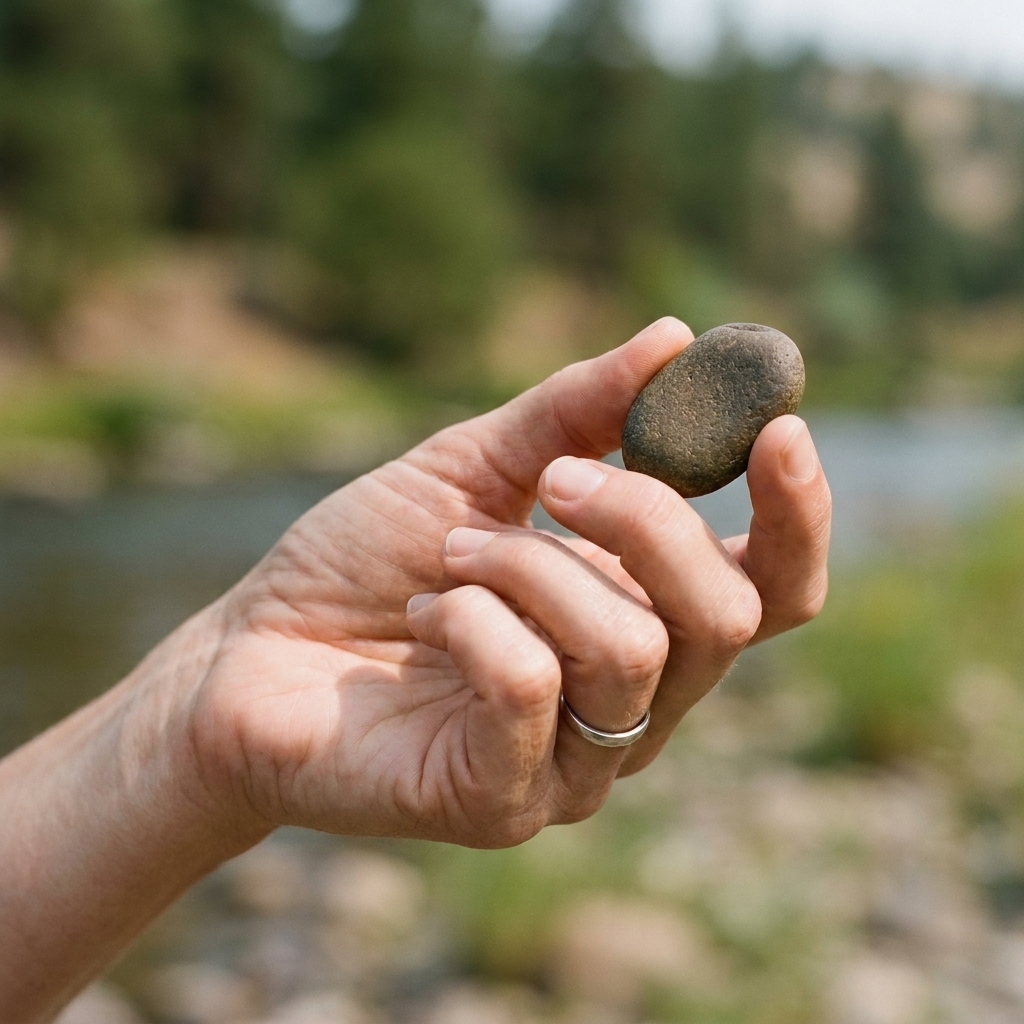
In many cultures, stones are symbols of endurance and sacred memory. A small smooth stone in your pocket can become a tiny altar to the present moment. Not magical in a flashy way, but steady in a practical way.
How to do it
- Choose a small stone that feels calming to touch.
- Hold it in one hand and press your thumb slowly over its surface.
- Name three qualities you want to embody right now, such as “patient, clear, kind.”
- On each exhale, imagine those qualities settling into your body like weight dropping into the hips.
If you do not have a stone: use keys, a mug, a piece of fabric, or anything with texture. The point is mindful contact.
6) Grounding with water
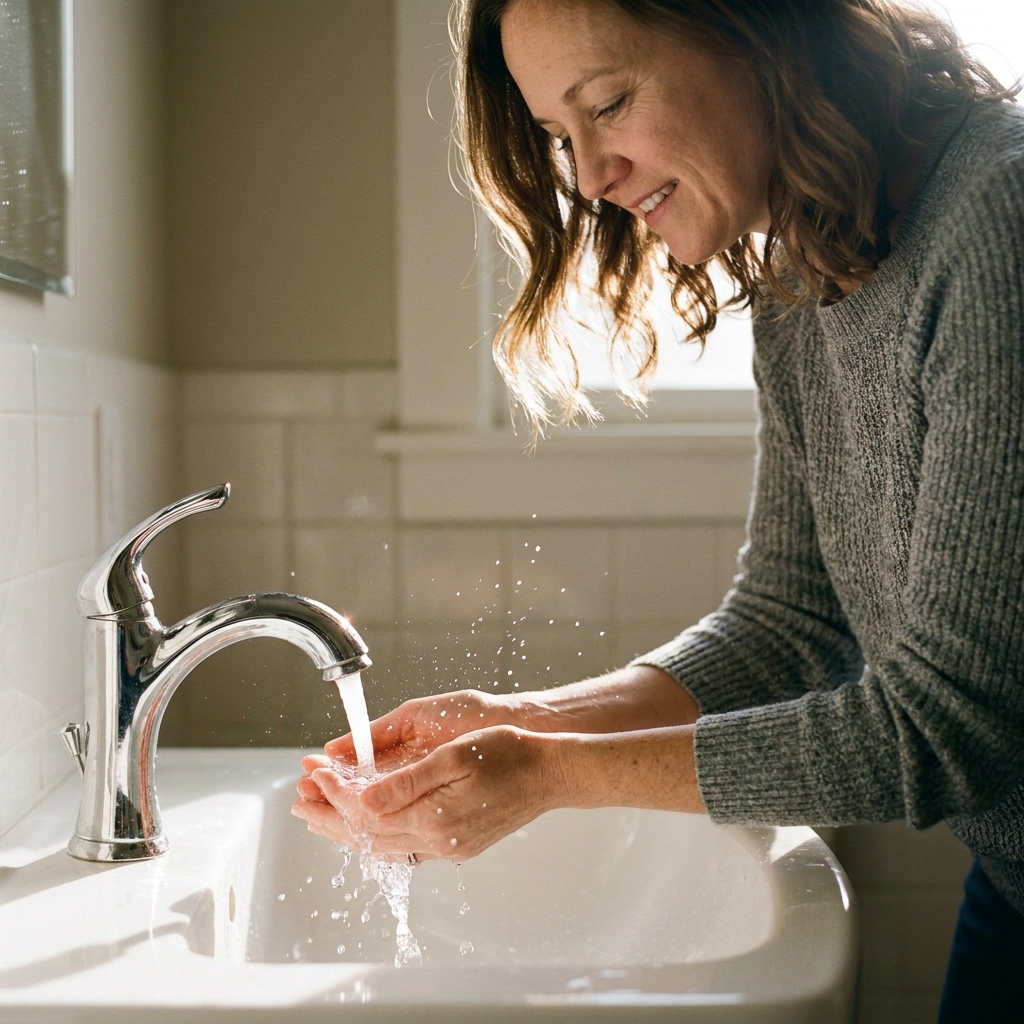
Water practices show up everywhere: ablutions before prayer, baptism, ritual bathing, simple mindful handwashing. Water reminds us we can begin again, even mid-day, even mid-mistake.
How to do it
- Run cool or comfortably warm water over your hands for 30 to 60 seconds.
- Feel the exact temperature and the way it moves across skin.
- As you rinse, silently say: “Let this be enough for now.”
- If you can, step outside afterward and take one deliberate breath of fresh air.
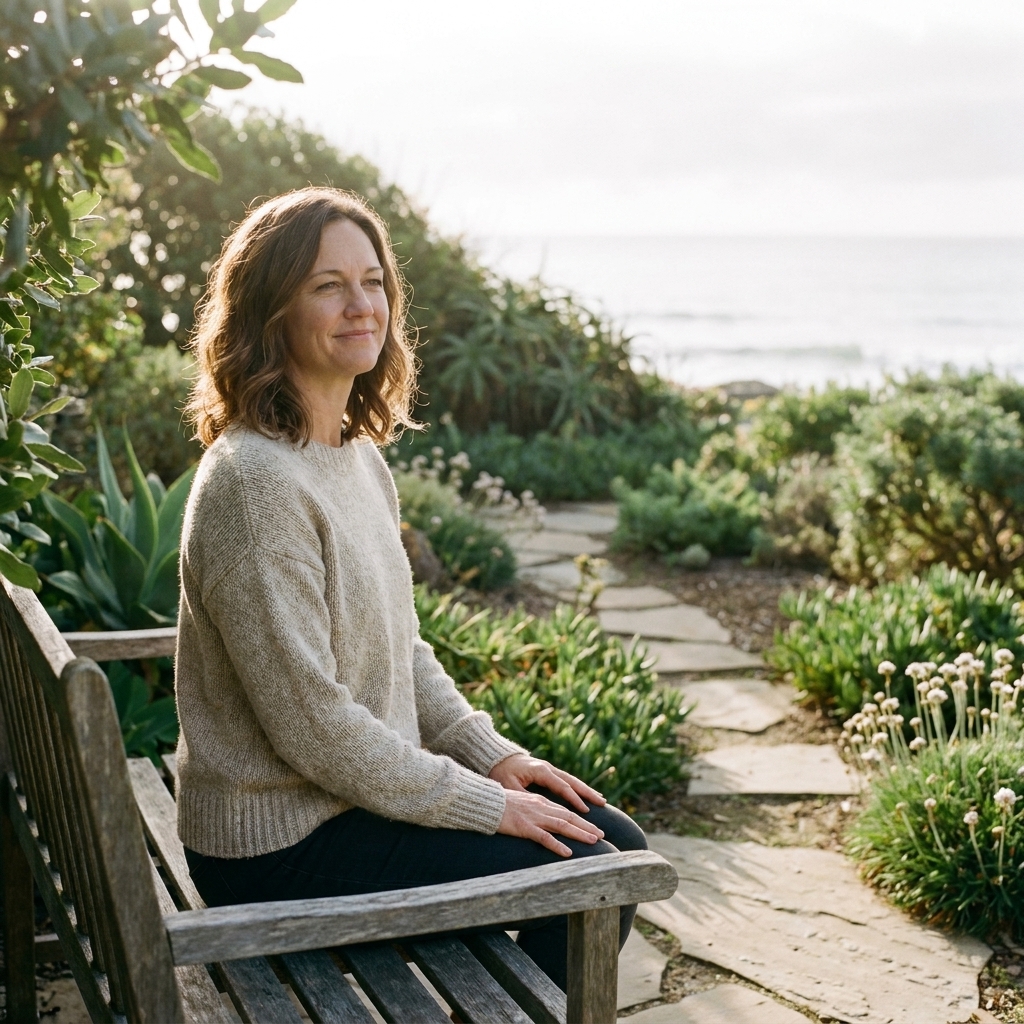
Outdoor option: sit near a stream or ocean and let the sound do the work. You do not have to fix yourself. Sometimes you just need to be near something that keeps moving.
7) Walking meditation
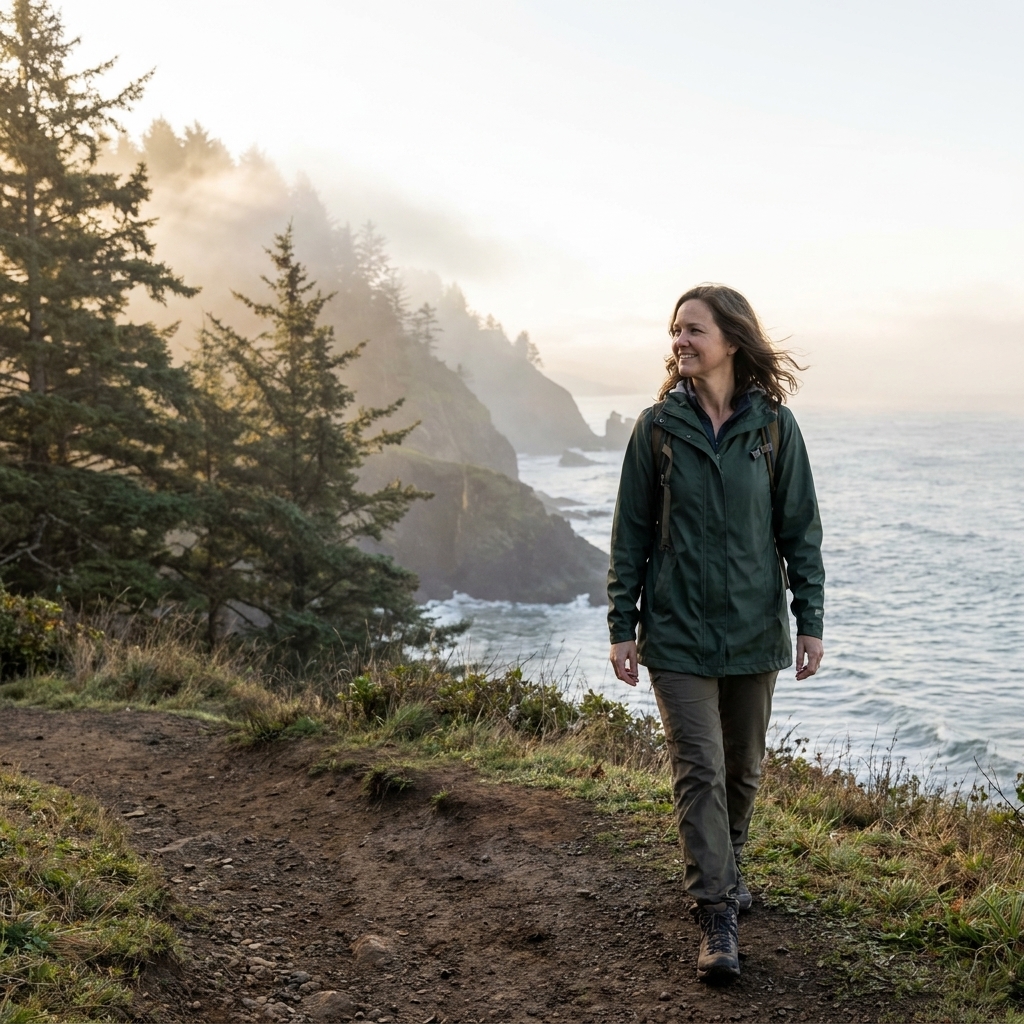
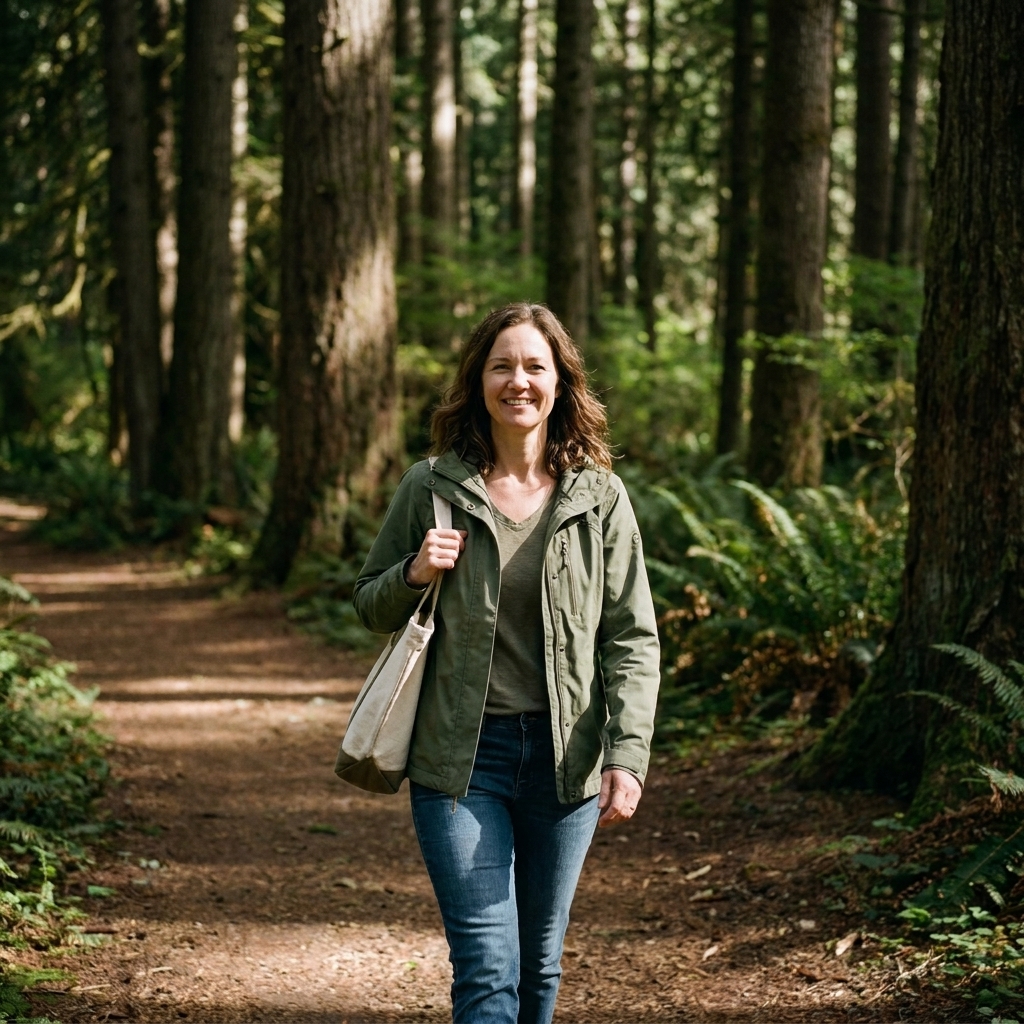
Walking can be a prayer without words. You place one foot, then the other, and the world meets you step by step. When stress makes you feel trapped in your head, walking returns you to the honest reality of having a body on a planet.
How to do it
- Walk for 5 to 15 minutes, indoors or outdoors.
- Match breath to steps: inhale for 3 steps, exhale for 4 steps.
- Let your gaze soften. Notice the horizon, the edges of trees, the shape of clouds.
- Choose a phrase that fits your tradition or your temperament, such as “Peace in, tension out” or “I am carried.”
Small but powerful: even a single lap around your living room can interrupt an anxiety loop. The goal is not distance. The goal is return.
How to choose
If you feel overwhelmed, start with the method that asks the least of you.
- If you can go outside: barefoot earthing or the tree practice.
- If you are stuck indoors: 4-2-6-2 breath, stone in hand, or water grounding.
- If panic is rising: 5-4-3-2-1 first, then breath.
- If your body feels restless: walking meditation.
Grounding is not a performance. It is a relationship. And relationships are built with small, repeated moments of showing up.
Gentle FAQ
Is grounding religious?
It can be, but it does not have to be. Many people experience grounding as a purely nervous-system practice. Others experience it as communion with creation, gratitude to God, or a return to sacred presence. You are allowed to let it be simple.
How long does grounding take to work?
Sometimes you will feel a shift in under a minute, especially with sensory grounding or breath. Other times it is subtle and cumulative. Think of it like watering a plant. The first watering matters, and so does the pattern.
What if grounding feels worse at first?
Sometimes coming back into the body can bring up strong sensations, especially if you are stressed, grieving, or carrying old fear. If that happens, try a gentler approach: orient visually to the room, name five neutral objects, feel your feet in your shoes, or choose water grounding. You get to go slowly.
Can grounding replace therapy or medication?
Grounding can be a helpful support, especially for stress and everyday anxiety, but it is not a substitute for professional care. If your anxiety feels unmanageable, persistent, or unsafe, reaching out for help is a strong and wise step.
A closing blessing
May your breath find its rhythm again.
May your shoulders remember they can soften.
May the Earth beneath you feel steady enough to trust.
And may you return, gently, to the life that is here.
If you try one technique today, let it be the one that feels most compassionate toward the version of you who is struggling. That is where real practice begins.