When people tell me they “can’t meditate,” what they usually mean is: I sat down, my mind did mind things, and I assumed I was doing it wrong. If that is you, let me offer a kinder reframe. Meditation is not the absence of thought. It is the practice of returning, again and again, to what is real and steady in this moment.
You do not need special clothes, a perfect room, or an unusually calm personality. You need a small pocket of time and a willingness to begin.
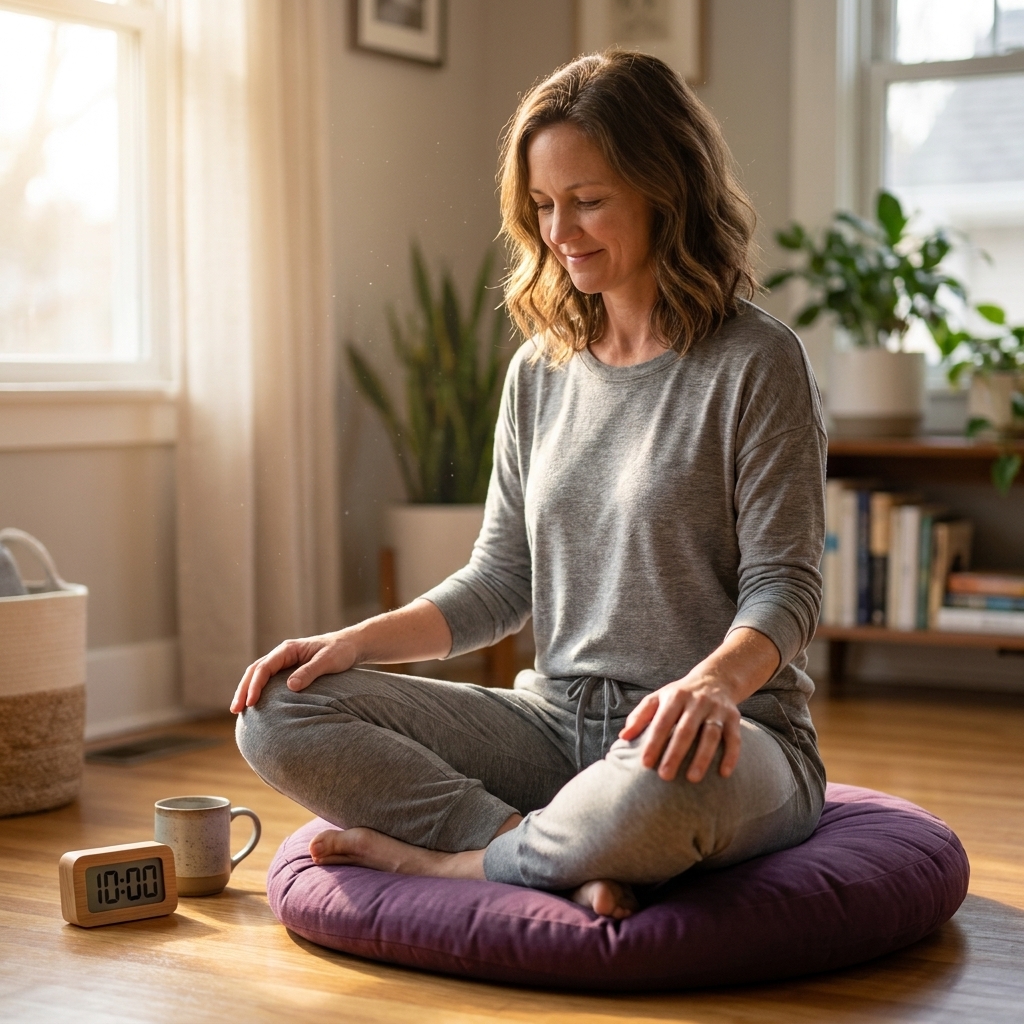
What meditation is, and what it is not
Across traditions, meditation is a way of training attention and cultivating awareness. Many Buddhist traditions emphasize mindfulness, while others also practice concentration, loving-kindness, or insight. Christian contemplatives may speak of stillness or centering prayer. Yogic paths speak of concentration and steadying the mind. The language differs, but the gesture is similar: you practice returning to a chosen anchor, with patience.
Meditation is
- A practice of returning to breath, sound, prayer word, or sensation.
- A relationship with your inner life that grows through consistency.
- Training, not a performance. You are allowed to be a beginner.
Meditation is not
- A blank mind or a trance you must force.
- A test of spiritual worthiness.
- A guarantee you will feel peaceful every single time.
Each time you notice you have wandered and gently come back, that is the practice. That is the moment of meditation.
Choose your “small enough” daily commitment
If you want a practice that lasts, make it almost laughably doable at first. Consistency is the foundation, not intensity.
- Start with 2 to 5 minutes daily for one week.
- Pick one time that is already predictable, like after brushing your teeth or before you check your phone.
- Anchor it to a place, even if it is just “the corner of the couch.”
When your practice feels too small to matter, remember that spiritual life is often built like a shoreline. Tiny waves, arriving again and again, reshape the whole coast.
Set up your space
You can meditate at your kitchen table, on a bus, or seated on the edge of your bed. Still, many people find a little consistency helps the mind and body recognize: Oh, this is the moment we come home.
What you actually need
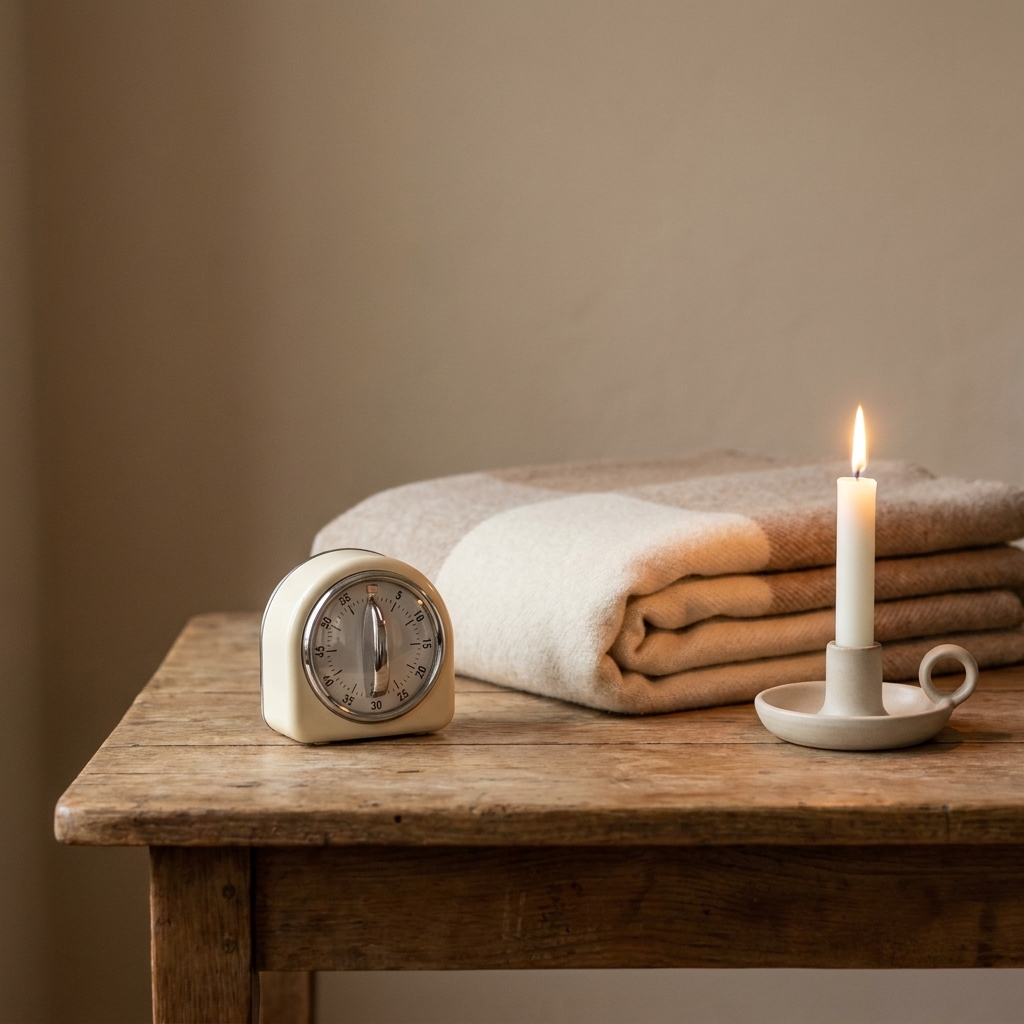
- A stable seat: chair, cushion, folded blanket, or sofa edge.
- A timer: phone timer is fine. If possible, choose a gentle tone.
- Optional comfort: a shawl, a small pillow behind your lower back, or headphones if noise is unavoidable.
Posture: stable and kind
Posture matters, but not in a punishing way. The goal is a position that is both alert and soft: upright like a mountain, relaxed like a tree.
Option A: Sitting in a chair
- Place both feet on the floor.
- Sit a little forward so your spine supports itself.
- Rest hands on thighs or in your lap.
- Let shoulders drop. Unclench your jaw.
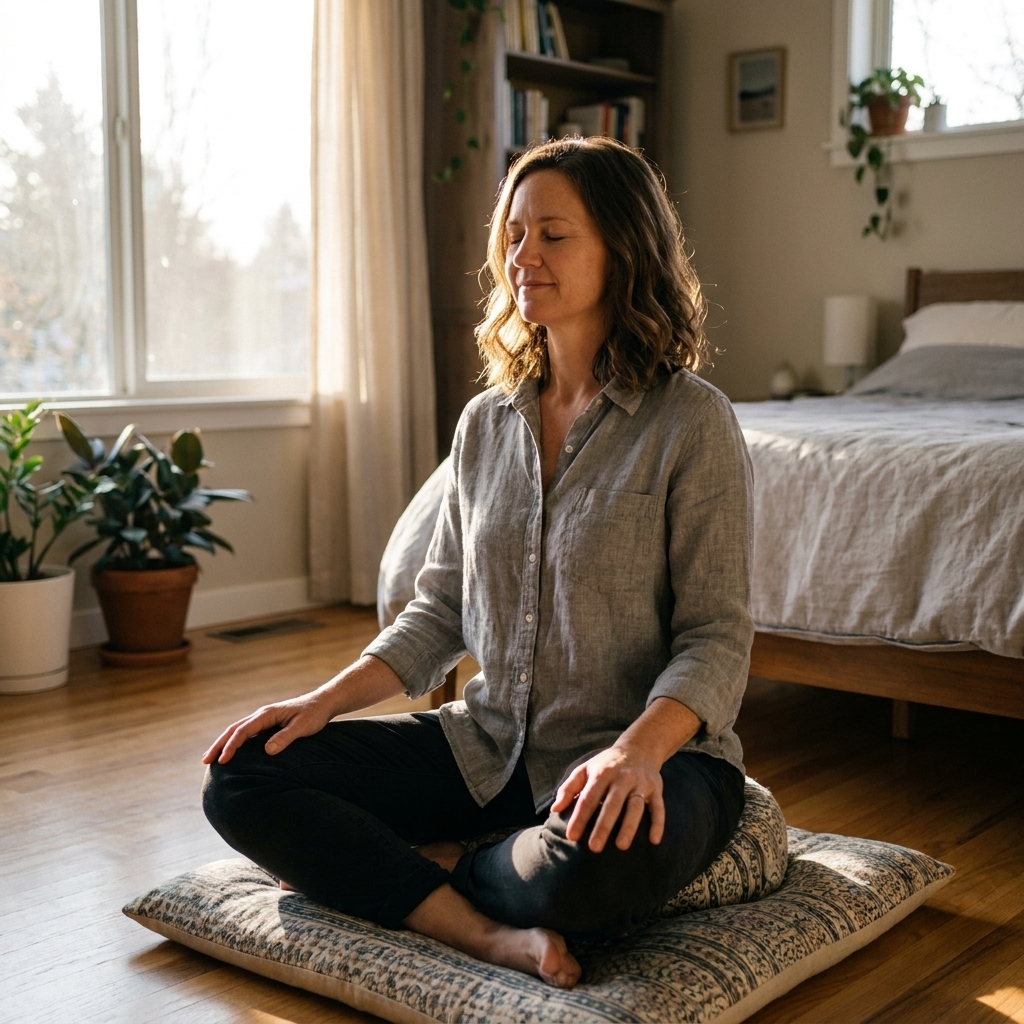
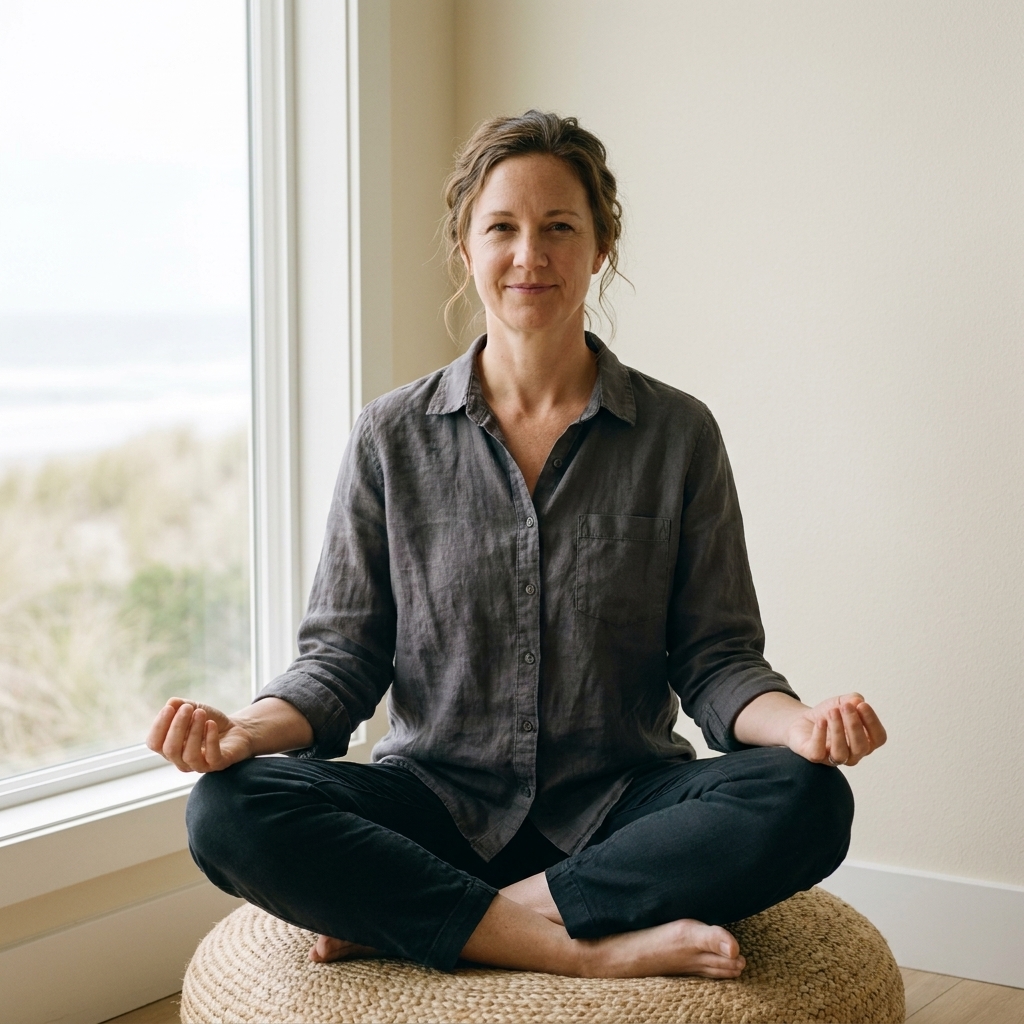
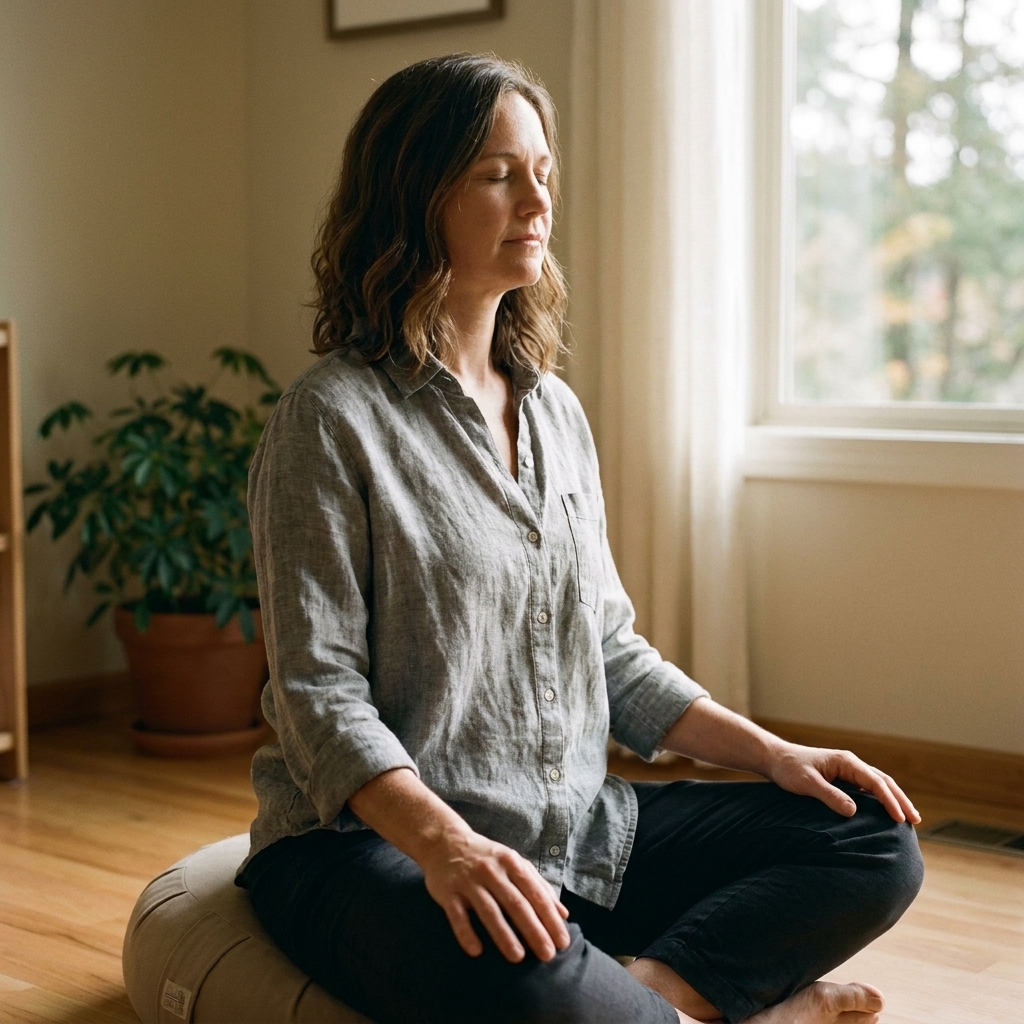
Option B: Sitting on a cushion
- Elevate hips higher than knees using a cushion or folded blanket.
- Cross legs in any comfortable way. There is no prize for discomfort.
- Imagine the crown of the head lifting gently, while the belly stays relaxed.
Option C: Lying down (when sitting is not possible)
Lying down is valid, especially for pain, illness, or burnout. If you tend to fall asleep, bend your knees with feet on the floor, or meditate earlier in the day.
Eyes, mouth, and hands
- Eyes: closed is fine. A soft gaze is also fine. If you feel anxious, try keeping eyes gently open, looking downward.
- Mouth and tongue: let the lips rest softly and the tongue relax, either resting gently against the roof of the mouth or simply at ease.
- Hands: rest on thighs or in your lap, whatever feels steady and uncomplicated.
Your first practice: 2 to 5 minutes
This is a simple, interfaith-friendly practice. If you prefer a devotional tone, you can pair the breath with a sacred word or prayer phrase. The structure stays the same.
Step 1: Set a timer
Choose 2 to 5 minutes. Set it and then give yourself permission to stop thinking about time.
Step 2: Choose an anchor
Use the natural breath. Pick one place to feel it most clearly: the nostrils, the chest, or the rise and fall of the belly.
Step 3: Notice wandering, and return
Your mind will wander. When you notice it, label it gently: “thinking,” “planning,” “remembering,” or simply “wandering.” Then return to the next breath.
Step 4: End with one deliberate breath
When the timer sounds, take one fuller inhale and a slow exhale. Feel your body. Then transition back into your day as if you are carrying a small lamp.
Timing: when to meditate
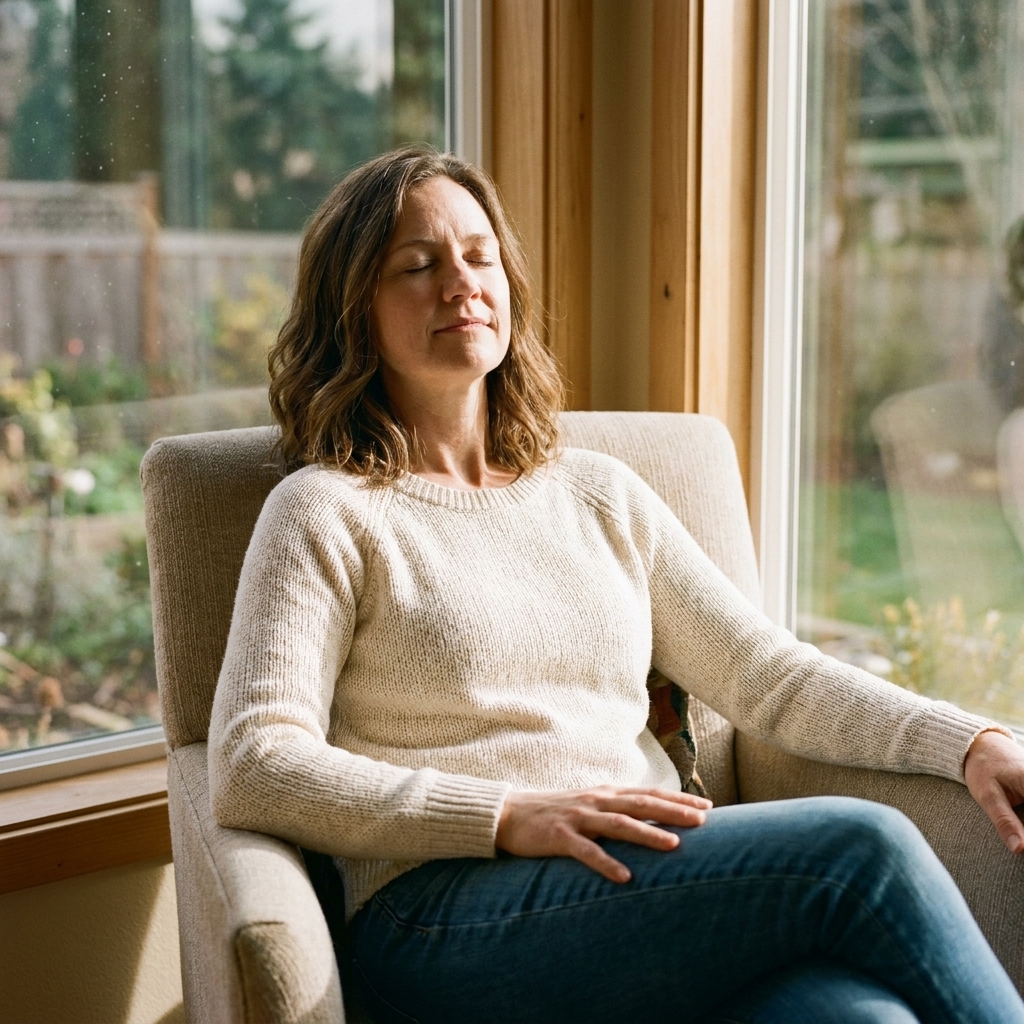
The best time to meditate is the time you will actually do it. That said, a few rhythms tend to support beginners.
- Morning: before messages and obligations crowd in. Even 3 minutes can set a tone.
- Midday reset: a pause between tasks, especially if you feel scattered or reactive.
- Evening: a way to let the day settle. If you get sleepy, keep it short and sit upright.
If you miss a day, do not treat it as a failure. Treat it as information. Ask: What got in the way, and what smaller step would have made it possible?
Common distractions
Distractions are not a sign you are doing meditation wrong. They are the raw material of the practice. Here are a few you will meet often, and compassionate ways to respond.
“My mind won’t stop thinking.”
Good. Minds think. Your job is not to stop thought, but to notice it without following it. Try counting breaths from 1 to 10, then start over. If you lose your place, simply begin at 1 again.
“I feel restless in my body.”
Before you begin, do a 10-second scan: soften the forehead, relax the tongue, drop the shoulders. If restlessness persists, allow one small adjustment, then return your attention to your anchor. Stillness is not something you have to force. You are practicing returning.
“Noises pull me out.”
Instead of fighting sound, include it. Let it be part of the field of awareness. You can silently note: “hearing,” and return to the breath.
“I get emotional.”
This is common. When we slow down, we sometimes finally notice what we have been carrying. If emotion arises, place a hand on your heart or belly and name what is present: “sadness,” “fear,” “grief.” Stay with the physical sensations, not the story. If it feels overwhelming, open your eyes, look around the room, and ground yourself. Consider practicing with a trusted teacher or therapist if intense feelings keep surfacing.
“I keep judging myself.”
When you hear the inner critic, try this phrase: “Ah, judging is here.” Not “I am judging.” This tiny shift creates space. Then return to the breath with the gentleness you would offer a friend.
How to build a habit
Many meditation plans fall apart for one simple reason: they assume you will always feel motivated. A steadier approach is to plan for ordinary days, tired days, and messy days.
Use the “minimum viable practice”
Decide what counts on hard days. For many beginners, it is one minute of breathing with sincerity. If you keep the chain unbroken, your identity as “someone who meditates” grows strong.
Pair meditation with an existing routine
- After coffee or tea
- Right after your shower
- After you put the kids to bed
- Before you open your laptop
Make friction work for you
- Leave your cushion or chair ready.
- Put your timer app on the home screen.
- If your phone derails you, place it across the room and use a simple kitchen timer.

If breath is not your thing
Not everyone connects easily with the breath. If focusing on breathing feels unpleasant or anxiety-producing, try one of these anchors instead.
Sound meditation
Rest attention on ambient sounds. Let them come and go without naming the source. Simply “hearing, hearing.”
Body-based meditation
Place attention on the contact points: feet on the floor, hands on thighs, back against the chair. This can be especially steadying.
Sacred word or prayer phrase
Choose a simple phrase aligned with your tradition or values: “peace,” “mercy,” “here,” “I am held,” or a brief line of prayer. Repeat it gently with the rhythm of your breathing.
Trauma and anxiety notes
If you have a trauma history, panic symptoms, or anxiety that spikes when you close your eyes or focus on breath, go gently. Keep the practice short, try a soft gaze with eyes open, and choose a grounding anchor like feet on the floor or sounds in the room. You can also practice with a qualified teacher or a mental health professional who understands trauma.
Meditation can be a supportive practice, but it is not a substitute for medical or mental health care.
A simple 14-day plan
If you like structure, here is a two-week ramp that keeps expectations realistic.
- Days 1 to 3: 2 minutes daily. Focus on showing up.
- Days 4 to 7: 3 minutes daily. Add a gentle label: “thinking,” then return.
- Days 8 to 10: 5 minutes daily. Try counting breaths 1 to 10.
- Days 11 to 14: 6 to 8 minutes daily. End with one sentence of intention, like “May I meet today with patience.”
If you miss a day, do not restart at zero. Begin again the next day where you left off. Beginning again is the practice.
Afterward: a 10-second close
Before you stand up, take a breath and ask: What is one word for how I feel right now? You can jot it down, or simply name it silently. Then choose one small intention for the next hour: “slow,” “kind,” “steady,” “listen.”
FAQ
Do I need to sit cross-legged?
No. A chair is often the best beginner posture. Comfort and steadiness matter more than tradition-specific shapes.
Should I meditate with music?
For absolute beginners, silence or natural ambient sound tends to build attention more clearly. But if gentle, wordless music helps you start and you actually do it, that is a worthy bridge. Over time, consider practicing sometimes without music so your mind learns to settle on its own.
What if I fall asleep?
Try meditating earlier in the day, sitting more upright, and keeping sessions shorter. Sleepiness can also be your body telling the truth about how tired you are.
How long until I see benefits?
Some people notice small shifts quickly, like a steadier response to stress. Deeper changes come with repetition. Think in weeks and months, not in one perfect session.
A closing blessing
If meditation feels awkward at first, you are not failing. You are meeting yourself honestly. In so many traditions, the beginning is holy precisely because it is humble.
Start small. Return often. And when you forget, begin again with the same compassion you are learning to offer the world.