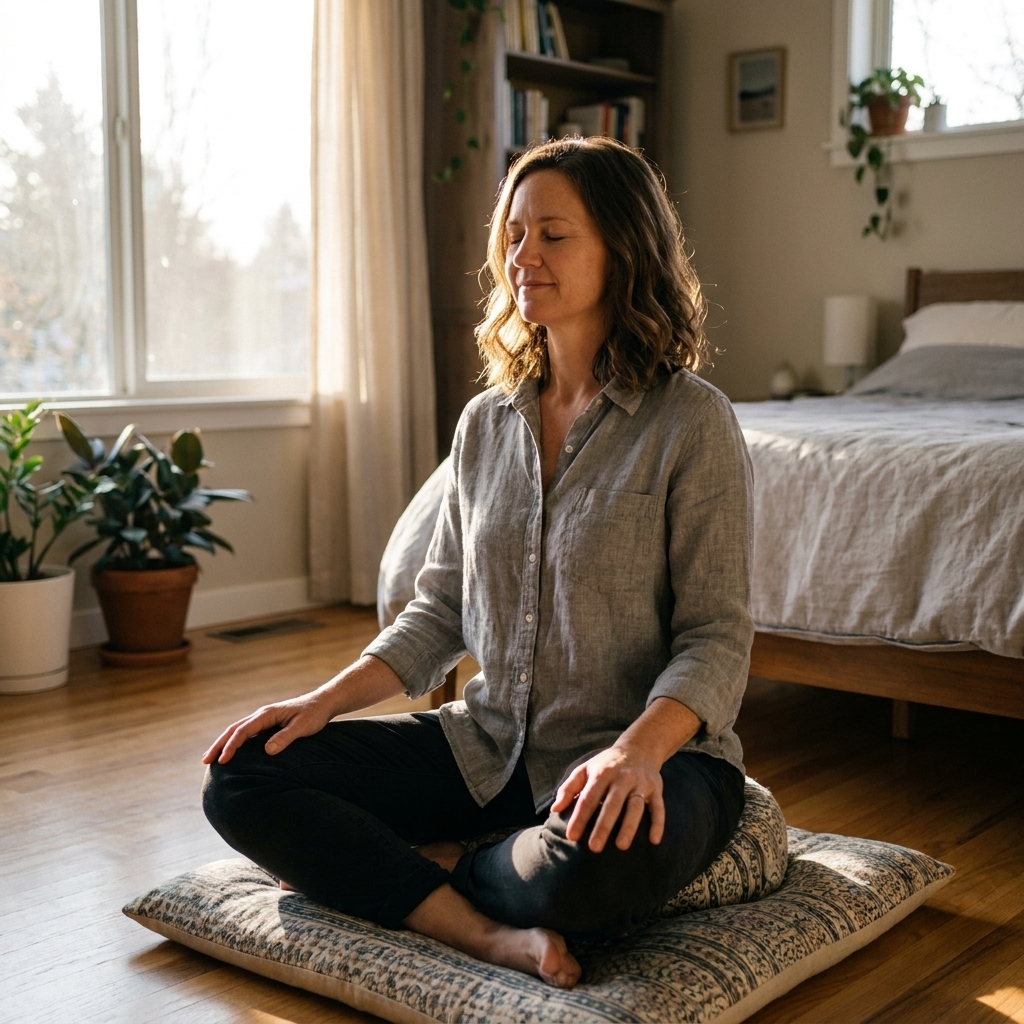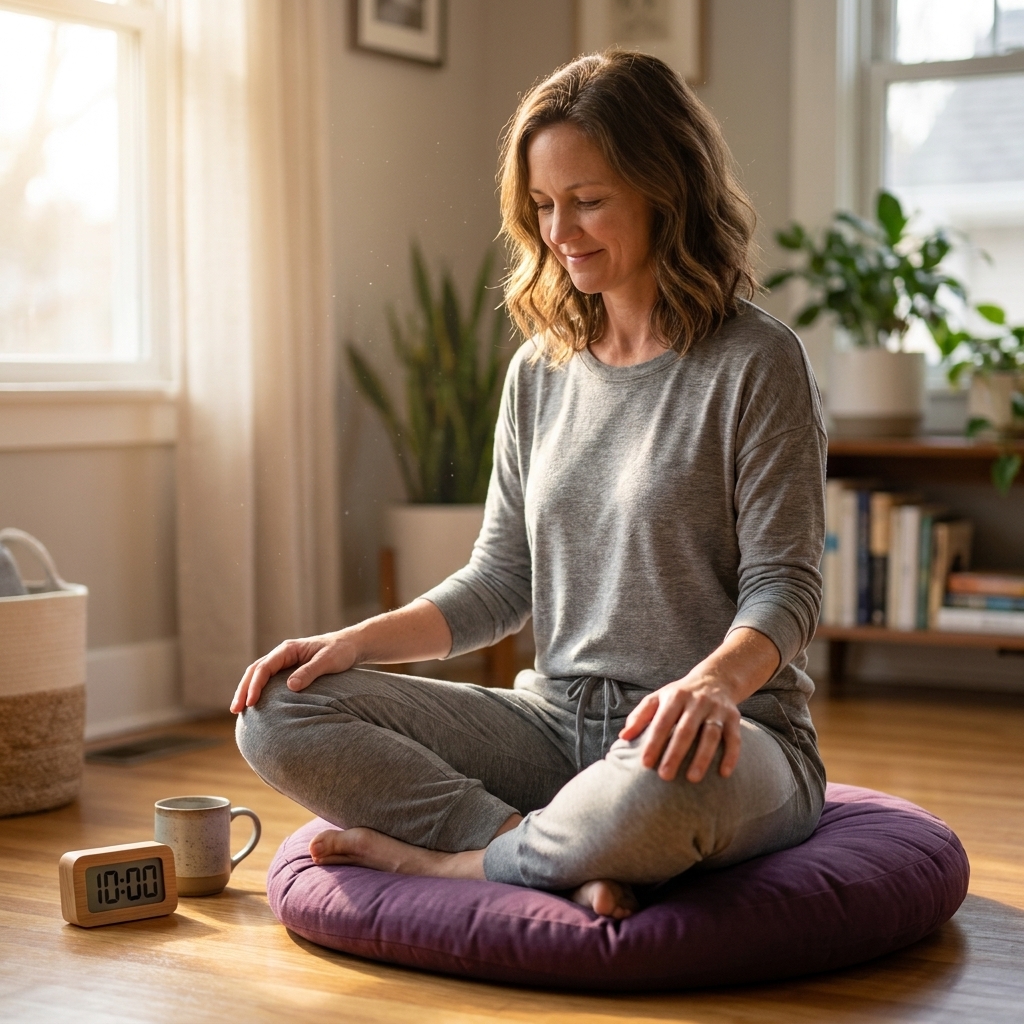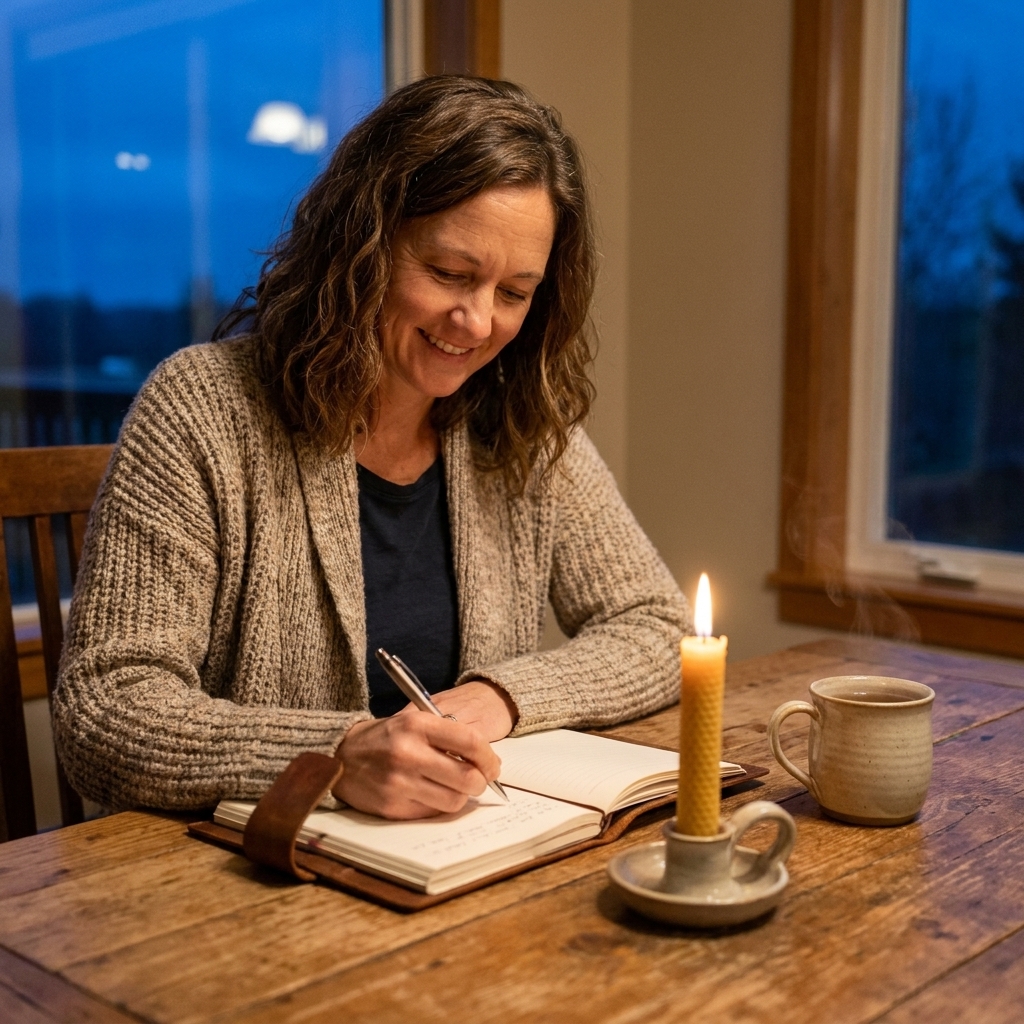
There is a quiet kind of courage in choosing a corner of your home and saying: Here, I will return to what matters. A sacred space does not need to be large, expensive, or aesthetically perfect. It only needs to be sincere. It can live on a windowsill, a shelf, the end of a kitchen table, or a folded blanket at the foot of your bed.
In many traditions, sacred space begins the same way: with intention. In Judaism, an ordinary table can be set apart through blessing and practice, like the Shabbat table that is made holy through candle lighting, prayers, and shared ritual. In Islam, prayer can take place in any clean, suitable area, so long as it is respectful and free of impurity. In many Hindu and Buddhist homes, a small altar often gathers the senses toward devotion or awakening. Your sacred corner can honor any faith, multiple faiths, or no formal faith at all. The point is to create a reliable place that can help you feel more settled and honest, especially when life is loud. Everyone’s experience is different, and that is part of the sincerity.
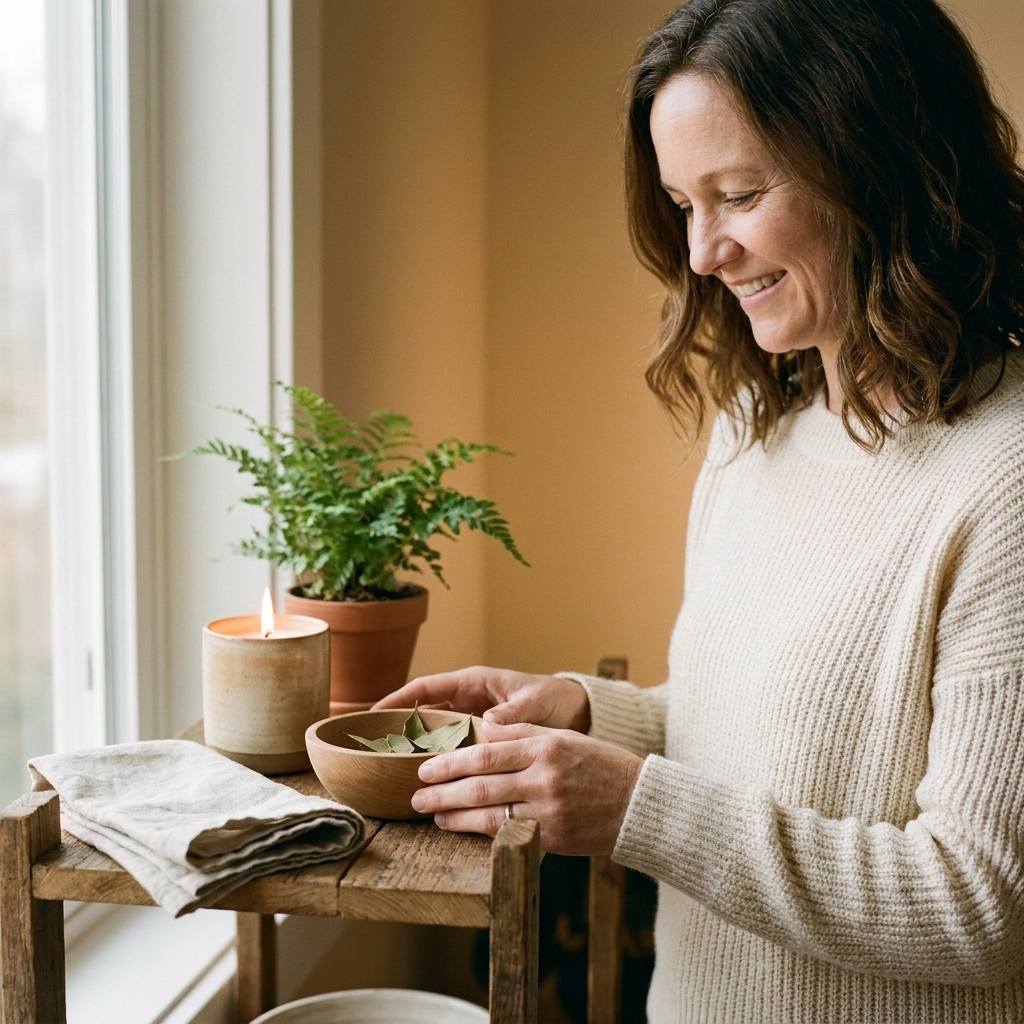
Start with purpose
Before you choose objects, choose the why. Sacred space is not a museum of meaningful things. It is a doorway you can actually walk through.
Pick one main use
- Prayer: a place to speak, ask, confess, praise, or listen.
- Meditation: a place to practice stillness, breath, mantra, or mindfulness.
- Reflection: a place to journal, grieve, read sacred texts, or set intentions.
If you do more than one, that is fine. Just name what matters most right now. Your space can evolve with you.
Choose a feeling
Try one word: peace, courage, forgiveness, gratitude, clarity, belonging. Let that word guide your choices. It becomes your compass when you are tempted to overbuy or overcomplicate.
Choose a spot
The best sacred space is the one you will use. Look for a place with just enough separation from daily chaos to feel distinct, but not so hidden you forget it exists.
Three questions
- Can I be here for five minutes without interruption? If not, choose a time-based boundary, like early morning, rather than a perfect location.
- Can I keep it reasonably clean? Sacred does not mean sterile, but clutter can pull you out of yourself.
- Will my body feel safe here? Safety is spiritual. Consider lighting, temperature, and privacy.
Small-space setups
- A tray altar: arrange items on a tray that can move from closet to coffee table.
- A window ledge: a single candle and a stone can be enough.
- A bedside corner: especially supportive for night prayers or grief.
- A dedicated chair: one chair that signals, “This is where I return.”
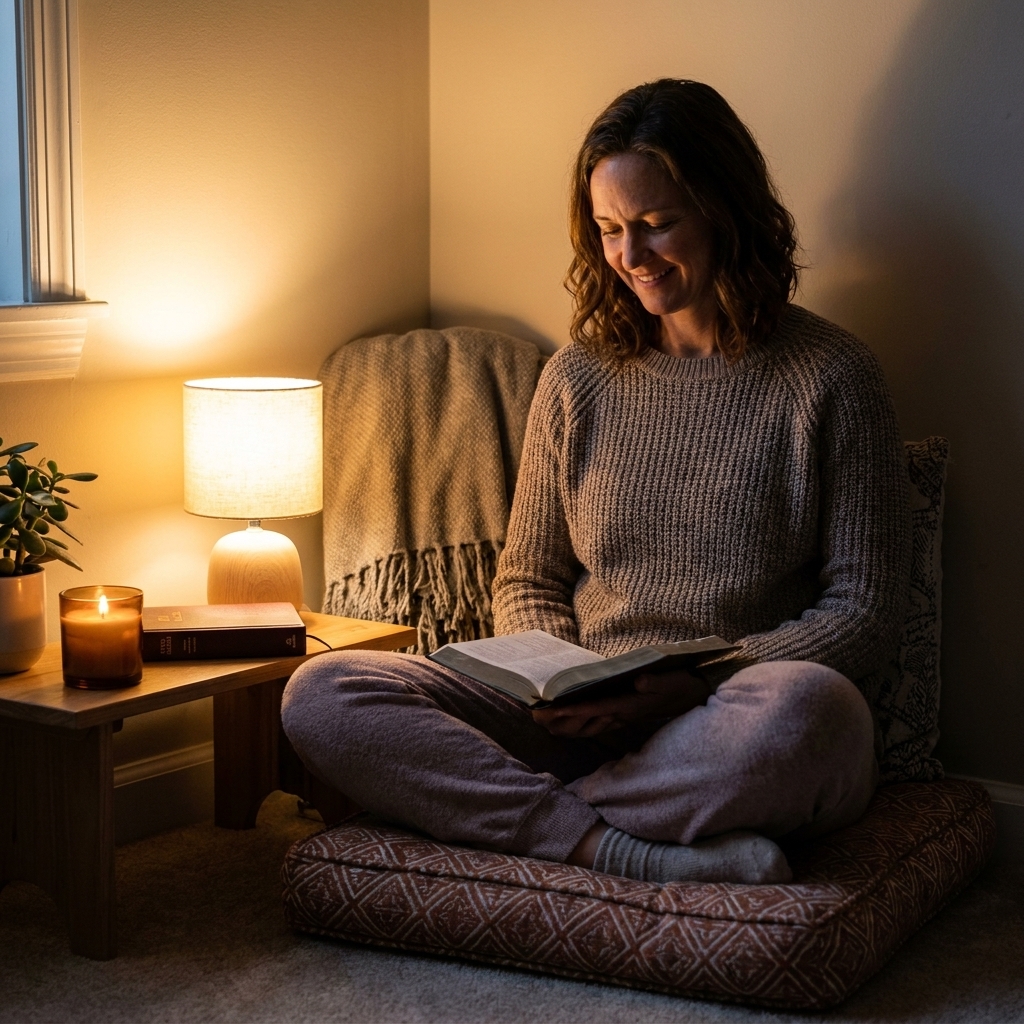
Use the senses
We do not just think our way into reverence. We sense our way there. The senses can gently tell your mind and body: “You are entering a different kind of time.”
Light
Light is one of the oldest spiritual languages. A candle, an oil lamp, a string of warm lights, or simply opening a curtain can mark the shift from ordinary to sacred.
- If you use a candle, consider a dedicated lighter or matchbox to make the act feel intentional.
- If flame is not possible, a small lamp or LED candle can still serve as your “beginning” signal.
Scent
Scent can be powerful because smell is closely tied to memory and emotion for many people. In many traditions, incense and oils are not about performance. They are about presence.
- Incense: sandalwood, frankincense, cedar, or rose.
- Essential oils: a single drop on a cotton ball in a small bowl can be enough.
- Non-product options: a slice of citrus, a sprig of rosemary, or a cup of tea.
If you are scent-sensitive, skip this entirely. Your sacred space should care for your body, not challenge it.
Sound
Sound can hold you when your mind is restless. A bell, a short chant, a playlist of quiet instrumentals, or a few minutes of silence can all be sound cues.
- Try beginning with one bell ring and ending with one bell ring.
- If you share walls, consider soft humming or breath counting instead of music.
Touch
Choose textures that help you settle.
- A folded shawl, prayer rug, or blanket reserved for this space.
- A cushion that supports your hips and knees.
- A smooth stone or prayer beads to hold when you need steadiness.
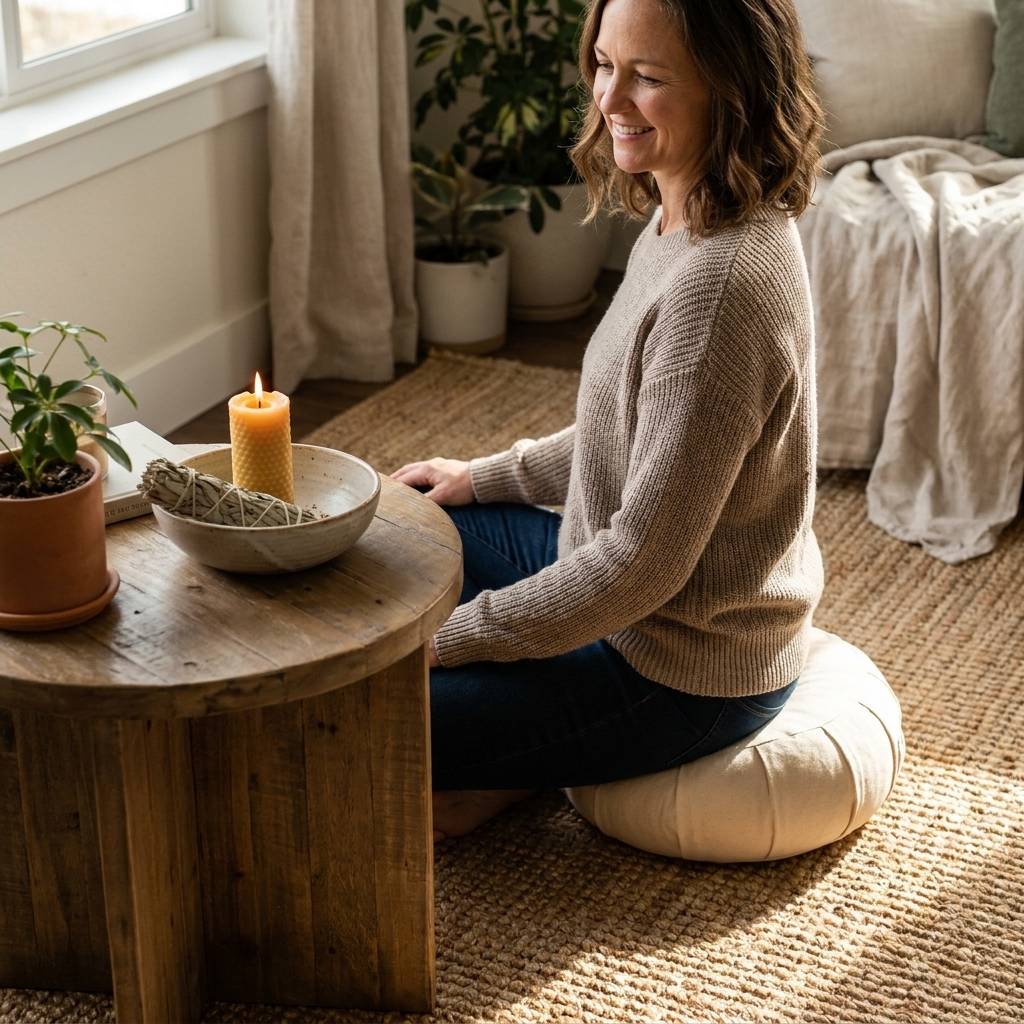
Choose a few objects
It is tempting to keep adding. But a sacred space becomes powerful through relationship, not quantity. Choose a few items that feel like anchors. Leave room for breath.
Object ideas
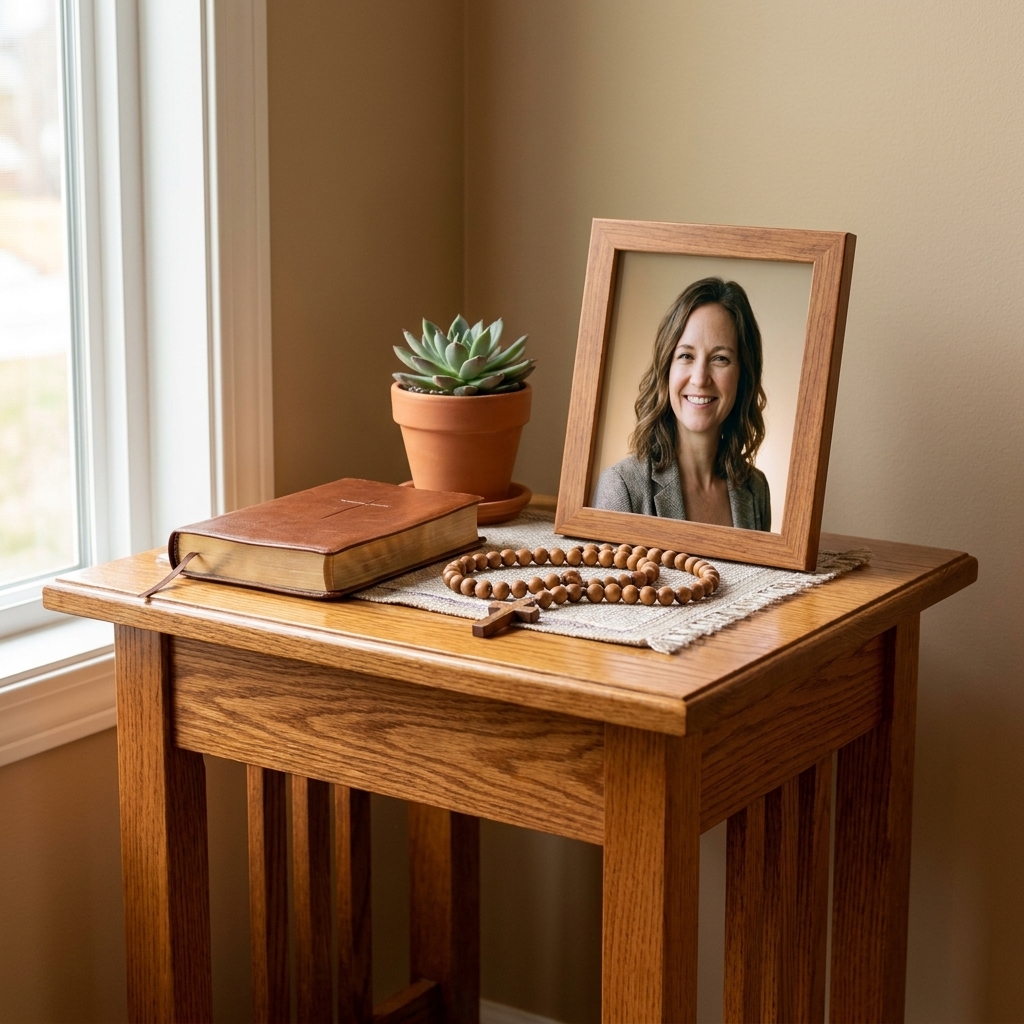
- A text: a Bible, Qur'an, Bhagavad Gita, a book of poetry, or a journal.
- A symbol: prayer beads, a simple icon, a meaningful shape, or an empty bowl representing openness.
- Nature: a shell, pinecone, feather, stone, or a small plant.
- A photograph: a loved one, an elder, a teacher, or a place that reminds you who you are.
- A service reminder: a small donation box, a list of people you pray for, or a note that says, “Let me be kinder today.”
A note on respect
If you are drawn to symbols from a tradition you are not part of, move slowly and respectfully. Learn what the object means, how it is treated, and whether it is appropriate for home use. When in doubt, choose something more universal, like light, water, a stone, or a plain bowl. Reverence is not only what you place on the table. It is how you relate to it.
A gentle rule
If an object makes you feel guilty, obligated, or performative, it may not belong in your sacred space right now. Sacred space should invite honesty, not idealized versions of yourself.
Protect the space
What makes a space sacred is not only what you place inside it, but what you agree to keep outside it.
Clear boundaries
- No multitasking: this is not where you pay bills or scroll.
- A clean-enough practice: a quick wipe once a week, or resetting items after each use.
- Device boundaries: keep your phone out of reach, or use it only as a timer or for sacred music.
Candle and incense safety
- Never leave an open flame unattended, and keep it away from curtains, books, and loose cloth.
- Use a stable holder on a heat-safe surface.
- Consider pets and children, and choose flameless options when needed.
- If you burn incense, ventilate the room and stop if it irritates your lungs or triggers headaches.
If you live with others
Shared homes can still hold private holiness. Try one of these:
- A basket that holds your items and returns to a closet after use.
- A visual cue, like a scarf on a chair, that means “Please give me five minutes.”
- A shared sacred space with shared agreements. For example: no jokes during candle lighting, and everyone gets to add one item that matters to them.
Begin with a ritual
The first time you sit there matters, not because you have to do it perfectly, but because your body learns by repetition. A small opening ritual tells your system: “We are here.”
A five-minute opening
- Clear: remove one piece of clutter. Just one.
- Light: candle, lamp, or open the curtains.
- Breathe: three slow breaths, exhaling slightly longer than you inhale.
- Speak: a short prayer or intention, such as “May I be guided by compassion.”
- Begin: sit, read, pray, or write for two minutes.
A closing ritual
Close with gratitude, even if your practice felt messy.
- One sentence: “Thank you for this moment.”
- Extinguish the candle or turn off the light.
- Reset the space with one small act, like straightening the cloth.
In my own home, the most reliable holiness is not the rare hour-long meditation. It is the tiny ritual of lighting a candle and telling the truth for three minutes.
Keep it doable
A sacred space that requires constant maintenance often becomes another source of pressure. The goal is a space that can hold you on your best days and your tender ones.
Budget-friendly ideas
- Use a small plate as an altar base.
- Choose one tea light and one meaningful stone.
- Repurpose a scarf or cloth you already own.
- Print a beloved quote or prayer and place it in a frame you have.
Two example setups
- Three-item setup: a candle or lamp, a text or journal, and one anchor from nature (stone, shell, or plant).
- Five-item setup: a candle or lamp, a text or journal, a small bowl (for water, notes, or openness), a grounding object to hold (beads or stone), and one photo or symbol that steadies your heart.
Seasonal refresh
Many traditions mark time through small changes: a new prayer, a different color, a different scent. You can do the same.
- Spring: fresh flowers or a sprig of green.
- Summer: a shell, a bowl of water, a brighter cloth.
- Autumn: a fallen leaf, a cinnamon stick, a gratitude list.
- Winter: a heavier blanket, a lantern-like light, a prayer for rest.
Common challenges
“My mind races when I sit down.”
That is not failure. That is information. Begin with a body practice first: feel your feet, soften your jaw, or place a hand on your heart. A sacred space is not only for calm. It is also for meeting yourself with kindness.
“I do not have time.”
Make the space easy to enter. Keep a cushion ready. Keep the book open to your place. Choose a two-minute practice. The smallest consistent practice becomes a path.
“I feel self-conscious.”
Many of us were taught that spirituality must look a certain way to be legitimate. Let your space be private at first. Over time, sincerity can feel less like embarrassment and more like freedom.
“I am interfaith or curious. What belongs here?”
Start with what is universally grounding: light, breath, gratitude, compassion. Then add symbols only if they help you love better. If a symbol creates inner conflict, choose something simpler, like a bowl of water or a stone from a meaningful place.
A gentle checklist
- Purpose: prayer, meditation, or reflection
- Spot: small, consistent, safe
- Light: candle or lamp
- Comfort: cushion, chair, or blanket
- Anchor items: 2 to 5 meaningful objects
- Boundary: no scrolling, no multitasking
- Ritual: a simple opening and closing
If you have only three of these today, that is enough. Sacred space grows the way trust grows: slowly, through showing up.
Closing
In the coastal mornings where I live, fog sometimes covers everything. The ocean is still there, but it takes patience to see it. A sacred space is like that. It does not force clarity. It practices returning until clarity has a chance to arrive.
Start small. Make it real. And when life feels loud, let your sacred corner be the place that whispers, You are still here. You can begin again.