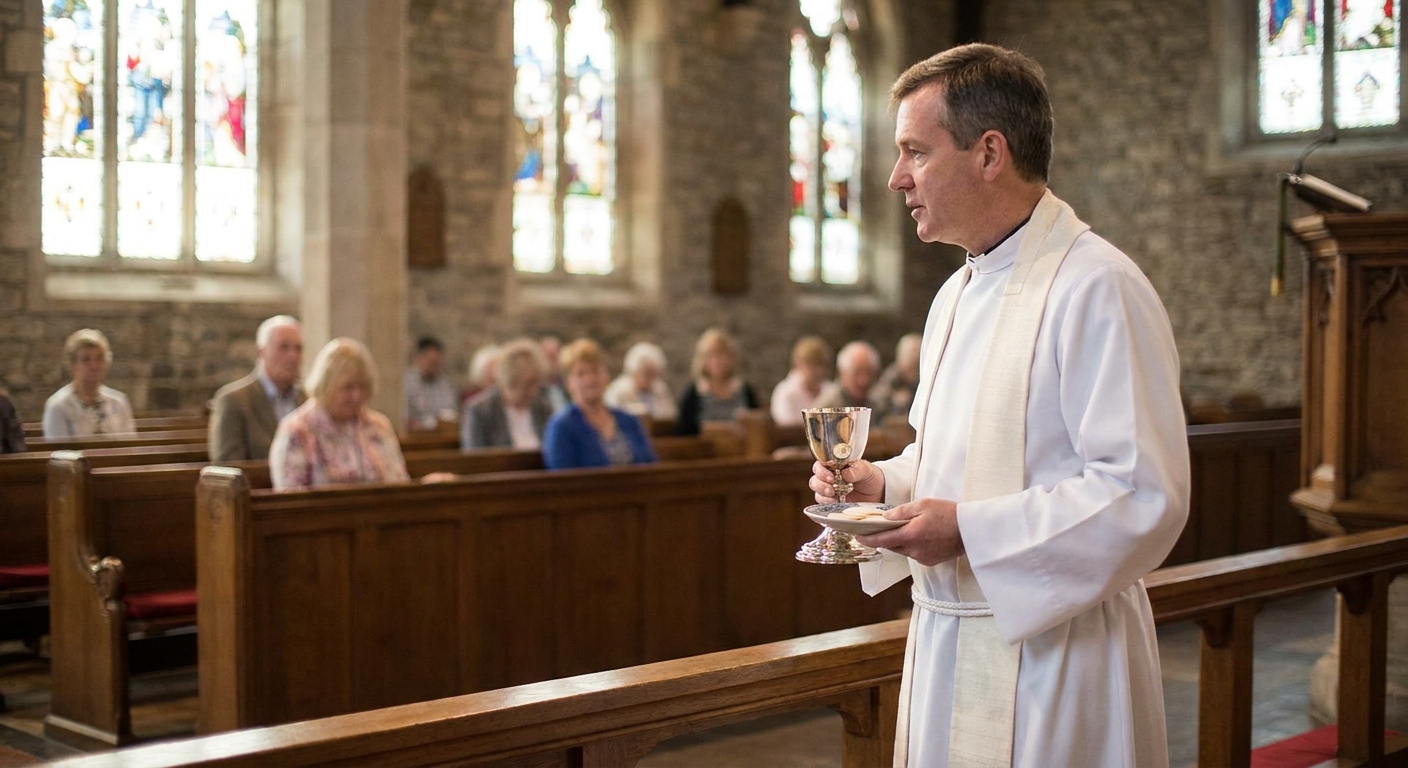
I grew up in a home where more than one prayer was spoken over dinner. Some nights a well-worn Catholic blessing. Other nights a free-form prayer that sounded like it came straight from the heart. As a kid, I learned early that faith can feel steady one day and slippery the next. So when Christians ask, “How do I know I am saved?” I do not hear a debate question. I hear a human question. A late-night question.
In Christian theology, assurance of salvation is a believer’s confidence that they stand in God’s grace through Jesus Christ. It is not the same thing as never struggling with doubt. It is also not the same thing as solving every question about predestination, free will, or whether grace can finally be lost. Those debates matter, but they are not always the first thing a trembling soul needs. Often, the first need is simpler: Where can my heart rest today?
Across much of historic Christianity, when people talk about assurance, they usually locate it in God’s faithfulness and God’s promises, not in a person’s ability to manufacture a strong emotional experience. Different traditions also use the word “assurance” differently, and some prefer to speak more cautiously in terms of hope, perseverance, and staying close to the life of grace.

What it is and is not
Assurance is the settled (though sometimes gentle and growing) confidence that God has truly received you, forgives you, and holds you in Christ. In many traditions, assurance is grounded primarily in God’s character and God’s promises, not in the intensity of a person’s inner experience.
Not constant excitement
Some seasons of faith are bright. Others are foggy. A lack of intense feeling does not automatically mean a lack of grace. Many saints, pastors, and everyday believers describe stretches where they prayed faithfully and still felt very little. That is not unusual. It is human.
Not spiritual perfection
Christians across traditions distinguish between justification (being made right with God by grace) and sanctification (being slowly transformed). Assurance does not mean you never sin again. It means you know where to bring your sin, and you trust the mercy you meet there.
Not the same as “Can it be lost?”
Some traditions teach perseverance in a way that implies the truly regenerate will endure to the end. Others emphasize that believers must continue in faith, and that falling away is a real possibility. Those are meaningful differences. But a person can be asking for assurance without asking to litigate the entire question of final perseverance. Pastoral care often begins with, “What has God promised, and where has God promised to meet you?”
Where confidence rests
Even with real differences, most historic Christian voices circle around three anchors for confidence:
- God’s promise in Christ: the gospel announced and received (see 1 John 5:11 to 13).
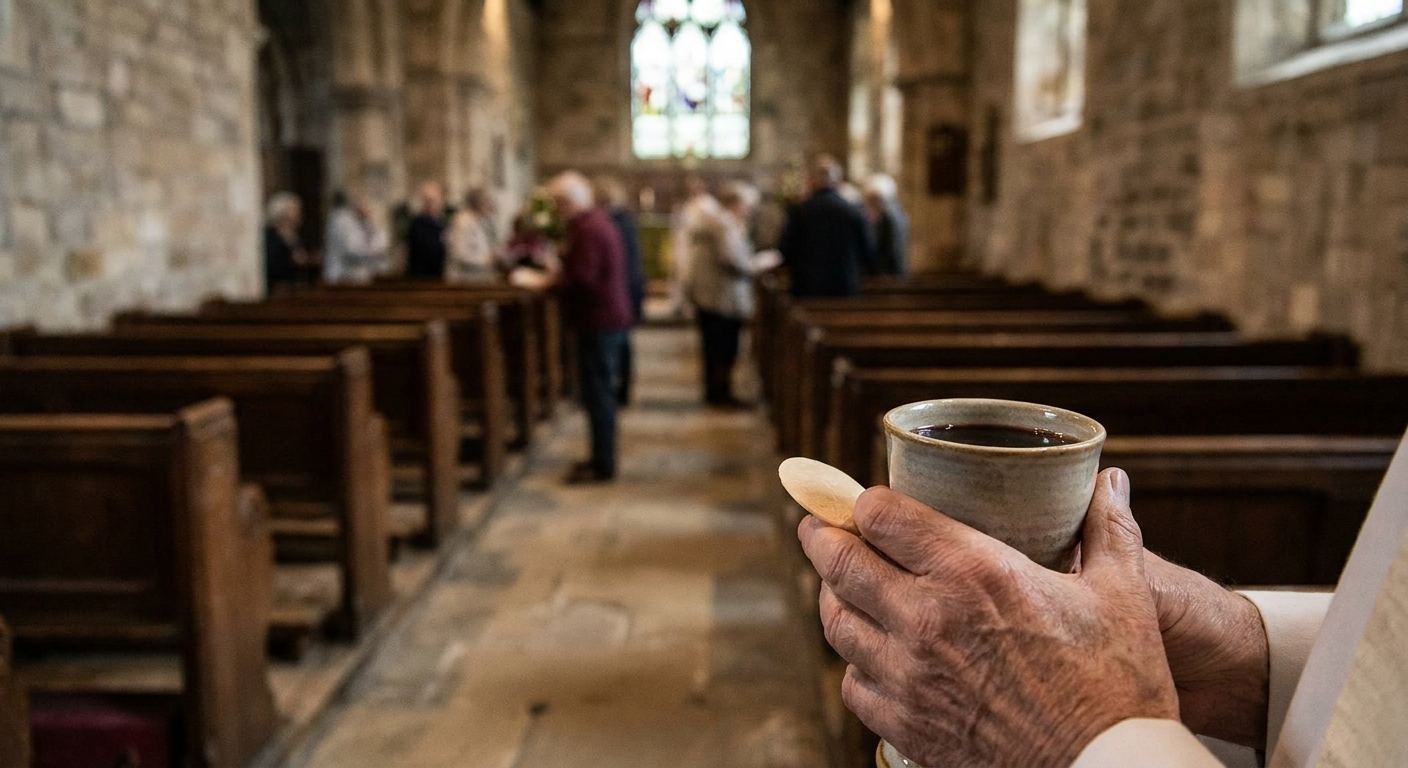
- God’s gifts (often sacramental): visible signs God uses to strengthen faith.
- The fruit of faith: signs of living trust, imperfect but real (see Ephesians 2:8 to 10).
The tension is not whether these matter. It is how they relate and which one carries the most weight when your feelings collapse.
Catholic view
In Catholic theology, salvation is entirely a work of grace. It is received by faith and lived through charity, a real cooperation with grace that is itself enabled by God. Catholics also tend to be careful with the word “assurance,” especially if it sounds like absolute, private certainty apart from the Church’s life of grace.
Grounds for confidence
- God’s mercy and faithfulness: the believer’s confidence is ultimately in God, not in self.
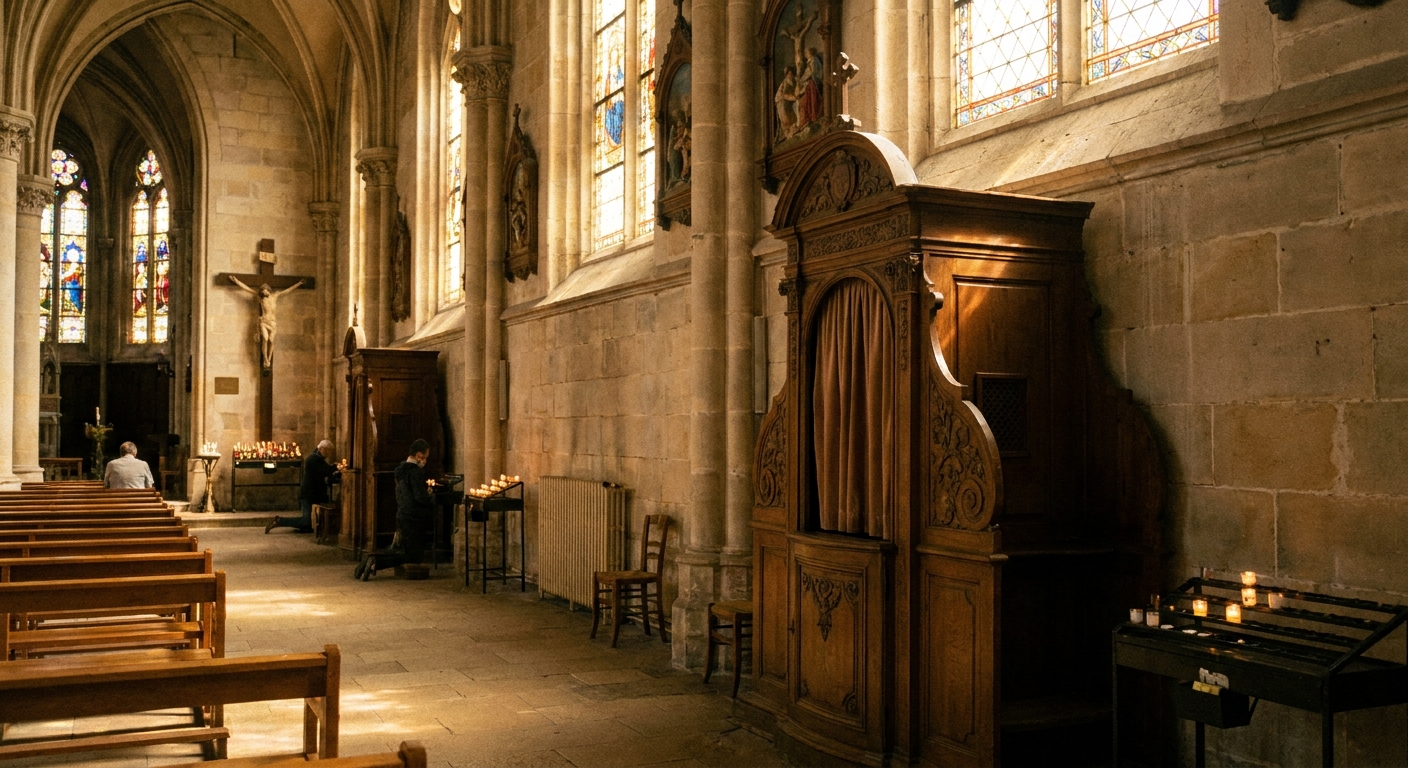
- The sacraments: especially Baptism as entry into Christ, and Reconciliation (Confession) as a concrete return to grace after serious sin.
- Living faith working through love: a life oriented toward God, even with stumbles, is taken seriously as evidence of grace at work.
Catholic spiritual writers often frame assurance as theological hope rather than personal invulnerability. Hope is not denial of weakness. It is a disciplined trust that God is not stingy with mercy.
Pastorally, the Catholic instinct is often to say: when you feel unsure, do not spiral inward. Go outward to the means of grace God has given, and let the Church’s worship carry you when your confidence is thin.
Lutheran view
Lutheran theology is known for insisting that assurance rests on something outside of you: God’s Word and God’s promise in Christ. Martin Luther and later Lutheran teachers were deeply aware of anxious consciences. Their consistent counsel is to stop treating your inner emotional weather as the final authority.
Grounds for confidence
- The gospel promise: Christ for you, not Christ as an idea.
- Baptism: not merely a symbol of your commitment, but a sign and promise of God’s action.
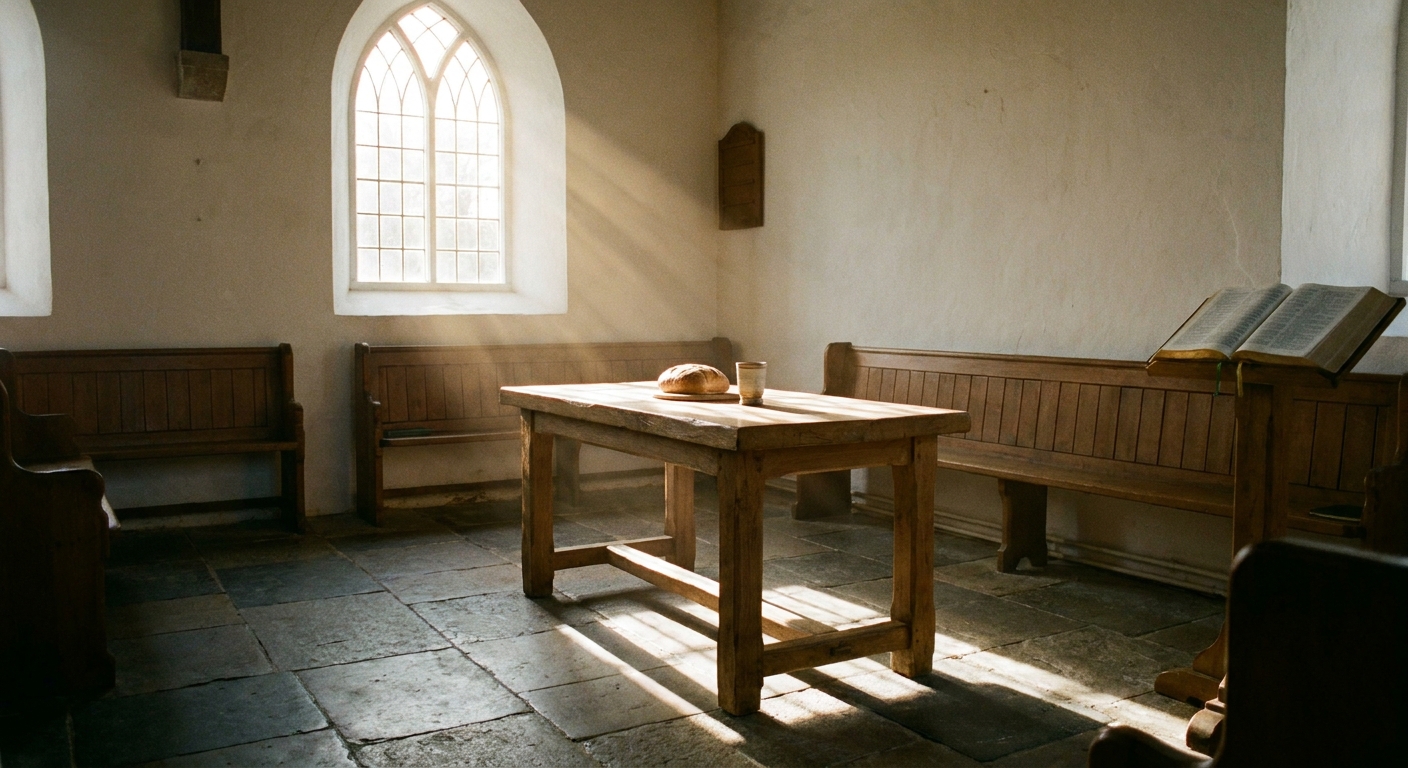
- The Eucharist (Lord’s Supper): Christ given for you, strengthening faith through a tangible gift.
Lutheran writers sometimes speak of “objective” assurance, meaning assurance located in God’s promise rather than in my internal state. The question shifts from “Do I feel saved?” to “What has God said, and where has God attached that promise?”
Reformed view
In Reformed theology, assurance is typically treated as real, meaningful, and available to believers, though not always equally experienced. There is also a spectrum within Reformed communities: some have argued that assurance belongs to the essence of faith, while others stress that it is attainable and precious but not identical to faith itself.
Classic Reformed writers emphasize that faith looks to Christ, that the Holy Spirit bears witness to believers (see Romans 8:15 to 16), and that a changed life can confirm, over time, that faith is living.
Grounds for confidence
- God’s promises in Scripture: salvation rests on God’s covenant faithfulness.
- The Spirit’s witness: a spiritual testimony that believers belong to God.
- The fruit of faith: growth in repentance, love, and obedience as confirming evidence, not a replacement for grace.
Many Reformed pastors try to keep a delicate balance: they want tender consciences to rest in Christ, not in their performance. At the same time, they do not want assurance to be reduced to words that leave a person unchanged. Ideally, Christ is the foundation, and the fruit is the echo.
Wesleyan view
Wesleyan traditions, shaped strongly by John Wesley, are known for emphasizing the assurance given by the Holy Spirit and the lived reality of a heart being renewed in love. Wesley wrote about assurance not as arrogance, but as a gift that helps believers love God and neighbor more freely.
Wesley also distinguished between the Spirit’s direct witness (a Spirit-given confidence of adoption) and an indirect witness (the fruit of a life being reshaped by grace).
Grounds for confidence
- God’s promise received by faith: salvation is God’s initiative and gift.
- The Spirit’s witness: deepened confidence that one is a child of God.
- Ongoing repentance and growth: a life being shaped by grace, often described as moving toward holiness of heart and life.
Wesleyans often speak in a strongly pastoral register: assurance is meant to liberate the believer from fear so they can practice love. It is not merely a doctrinal box to check. It is relational, like realizing you are truly welcomed at a table.
If you feel unsure
Let me offer a composite story, built from the kinds of conversations I have heard in retreats and spiritual direction settings.
Mara is a longtime Christian. She prays. She serves. She has also lived through a few hard years: a parent’s death, a job loss, and a season of depression that made church feel like walking through wet cement. She still believes, but she does not feel much. Then she reads an article online about “false converts” and suddenly her mind will not rest. What if I am not really saved?
Start gently
- Are you exhausted? Burnout can mimic spiritual collapse. A tired nervous system is not a reliable theologian.
- Are you scrupulous? Some people have consciences that latch onto fear. They need reassurance and steady practices, not more threats.
- Are you carrying unconfessed guilt? Sometimes the heart is restless because it is avoiding the simple medicine of repentance and reconciliation.
Three better questions
- What am I trusting? Even weak faith can be real faith if its object is Christ.
- Where is Christ promised to meet me? In the proclaimed gospel, in prayer, in the gathered church, and for many Christians, in the sacraments.
- What direction is my life facing? Not “Am I flawless?” but “Am I turning toward God, even if slowly?”
A practice for anxious faith
If Mara came to me, I would not begin with a systems-level argument. I would begin with a simple returning.
- Speak the promise aloud: “Jesus Christ came to save sinners, and I am receiving his mercy today.”
- Take one concrete step toward grace: talk to a pastor or spiritual director, return to worship, ask for prayer, consider confession if that is your tradition.
- Look for honest fruit, not perfect fruit: a softened heart, a renewed desire to pray, a willingness to forgive, a conviction that leads to repentance rather than hiding.
Assurance often grows the way trust grows in any relationship. Not by staring at your pulse. By returning to the presence of the One who loves you.
Holding it together
Different traditions arrange the pieces differently, but a healthy pastoral approach usually avoids two traps.
Trap one: feelings
Feelings matter, but they fluctuate. If assurance depends on emotional certainty, anxious or trauma-sensitized people will be punished for having a sensitive inner world. Christianity at its best offers something sturdier than that.
Trap two: performance
Fruit matters, but it is not the foundation. When self-examination becomes relentless, people can confuse sanctification with earning. The gospel proclamation is meant to create humility and gratitude, not a spiritual resume.
A balanced picture
- Promises are the ground beneath your feet (see John 10:28 to 29).
- Sacraments (for sacramental traditions) are the embodied reassurance God gives to strengthen faith.
- Fruit is the slow evidence that the seed is alive.
Other voices
Two quick notes, because readers often notice what is not named.
Eastern Orthodox Christians often speak less in terms of “assurance” as a category and more in terms of faithfulness, repentance, and healing communion with God over time. Confidence is real, but it is usually framed as humble trust in God’s mercy while staying close to the life of prayer, confession, and the Eucharist.
Baptist and free-church communities often emphasize a personal trust in Christ and may connect assurance strongly to the clarity of the gospel promise received by faith, sometimes with a memorable conversion story but not always. Some also stress the witness of a changed life and the support of the local church.
Quiet questions
Can I have assurance if I still sin?
Yes. The Christian message assumes ongoing struggle. Assurance is not the claim that you no longer need mercy. It is the confidence that mercy is truly available to you in Christ, and that repentance is a doorway, not a dead end (see Philippians 2:12 to 13 for the way Scripture holds responsibility and God’s work together).
What if I do not remember a conversion moment?
Many believers do not have a dramatic story. Some have a slow awakening. Others were raised in the faith and cannot pinpoint a day. In many traditions, the question is not “Do you have a memorable moment?” but “Are you trusting Christ now, and are you willing to follow him?”
What if I feel nothing in prayer?
Dryness is not always absence. Sometimes it is simply dryness. Consider practical supports: sleep, counseling if needed, companionship in the church, and prayers that give you words when you have none (like the Psalms). Many Christian teachers also recommend short, honest prayers: “God, I am here. Help me.”
Should I constantly examine myself?
Periodic reflection can be healthy. Constant self-interrogation usually is not. Traditions differ in emphasis, but wise pastoral counsel typically includes both: honest repentance and a steady outward gaze toward Christ.
A closing word
If you are reading this because you feel afraid, I want to say this plainly: the desire to be with God is itself often a sign of grace. The anxious question, “Do I belong?” can sometimes be the prayer of a heart that already does.
Assurance, at its best, is not swagger. It is rest. It is the quiet confidence that God’s grace is not an idea you must climb up to reach, but a gift that comes down to meet you, again and again.
When you cannot hold certainty, hold the promise. And if you cannot hold the promise, let a trusted community hold it with you until your hands grow steadier.