When I was growing up in a multi-faith home, I learned early that the same word can carry very different weight depending on who says it. “Baptism” is one of those words. In some churches, baptism is primarily a public sign of a grace already received. In others, baptism is a place where God does something decisive, not just a symbol but a sacrament that actually communicates new life.
That difference is what people mean by baptismal regeneration, and it has shaped Christian worship, family life, and the way believers talk about salvation for centuries.
What “baptismal regeneration” means
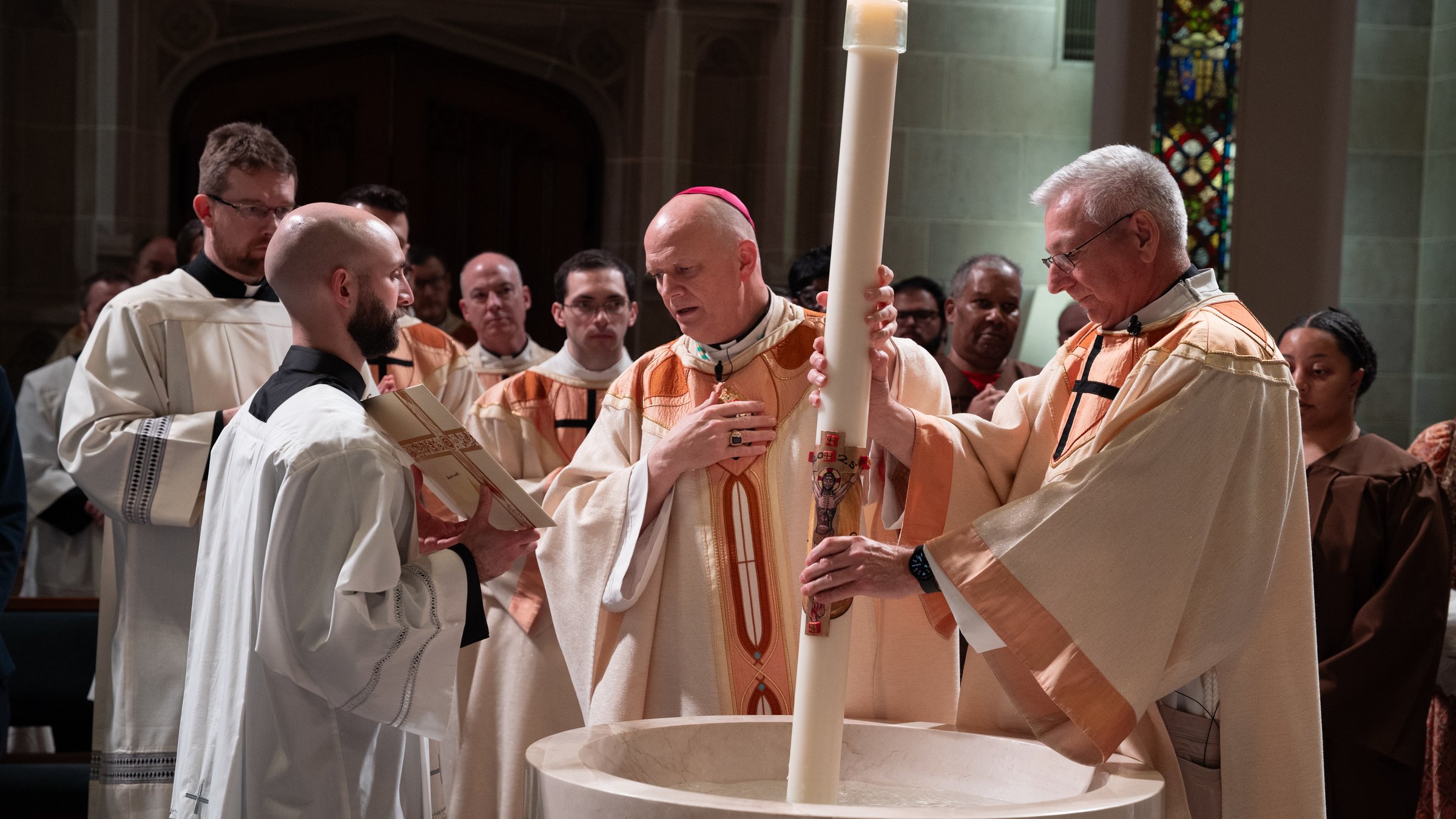
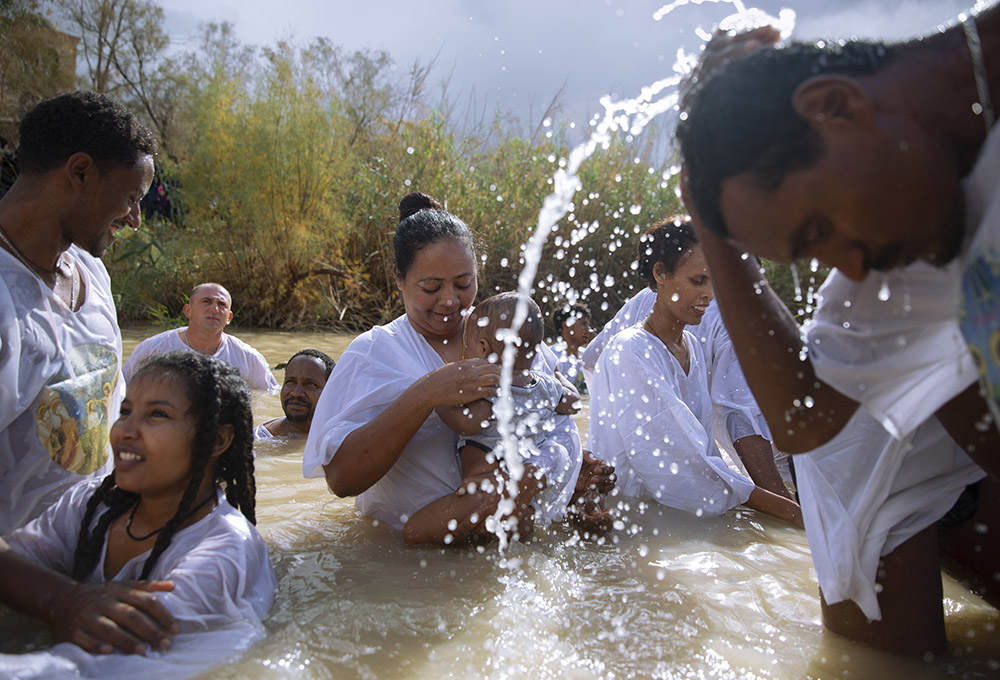
Baptismal regeneration is the belief that God ordinarily gives new birth or regeneration through baptism as his appointed means. In other words, baptism is not merely a testimony about salvation. It is a means God uses to apply salvation, especially the washing away of sins and the gift of the Holy Spirit.
Different traditions define the details differently, but most versions share a core claim:
- Baptism is an instrument of grace, not only a symbol.
- God is the primary actor in baptism, even when a minister performs the rite.
- The new life is tied to the sacrament, while still connected to Christ’s work and received within faith and the life of the church.
A key nuance: many sacramental traditions will say regeneration is truly given in baptism, yet they also warn that baptism can be received fruitfully or unfruitfully (that is, with living faith and repentance versus without them). So the debate is not always “baptism saves no matter what” versus “baptism does nothing.” It is often about how God has promised to give grace, and what exactly baptism accomplishes.
Churches that teach baptismal regeneration
Broadly speaking, baptismal regeneration is taught in many historic, sacramental branches of Christianity, though with important differences among them.
Roman Catholic
Catholic teaching holds that baptism is the sacrament of rebirth, the ordinary means by which a person is cleansed from sin (including original sin) and incorporated into Christ and the Church. Catholic theology also makes room for God’s mercy outside the visible sacrament (for example, “baptism of desire”), but the ordinary, commanded path is baptism with water in the name of the Trinity.
Eastern Orthodox
Orthodox Christianity treats baptism as a genuine participation in Christ’s death and resurrection, normally joined to chrismation (anointing) and the Eucharist. Regeneration is not framed only in legal categories but also as healing, illumination, and union with Christ within the life of the Church. Orthodox writers also commonly speak of God’s mercy in exceptional cases, even while treating baptism as the normal doorway into sacramental life.
Lutheran
Many Lutheran churches explicitly confess that baptism “works forgiveness of sins” and delivers new life, because it is God’s promise joined to water. Lutherans also stress that faith receives what baptism gives, and that God’s promise remains even when a baptized person later rejects it.
Anglican and some Methodist traditions
Anglicans have long affirmed baptism as a means of grace, and in historic Anglican formularies and classic baptismal liturgies, the language of “regeneration” or “new birth” appears plainly. At the same time, contemporary Anglican practice spans a wide spectrum, and not all Anglicans would describe their view in the same way Catholics or Lutherans might.
In Methodism, there is likewise diversity, but classic Methodist theology treats baptism as a means of grace and a sign and seal of God’s work, often with a sacramental realism that stops short of claiming automatic salvation.
Churches of Christ and some Restorationist traditions
Many Churches of Christ strongly connect baptism with forgiveness of sins and new life, often emphasizing baptism as the moment when sins are washed away. The Stone-Campbell movement is not governed by a centralized magisterium, and there is real diversity across congregations and related streams (including Christian Churches and independent Christian Churches), so it is always worth listening carefully to local teaching.
Churches that emphasize faith before baptism
Many Protestant traditions reject baptismal regeneration, teaching instead that:
- Regeneration happens by the Holy Spirit through faith (and often through the Word preached).
- Baptism is an outward sign that points to the inward grace already given.
- Baptism is an act of obedience and public identification with Christ and his people.
This view is common in:
- Baptist churches (baptism as an ordinance for believers, not a saving act)
- Non-denominational evangelical communities
- Pentecostal and many charismatic churches, while noting important exceptions (for example, some Oneness or “Jesus Name” groups tightly connect water baptism to salvation, though their view of the Trinity differs from Nicene traditions)
- Reformed traditions in their “sign and seal” emphasis (some Reformed Christians speak strongly of baptism as a covenant sign while still denying that baptism itself regenerates)
Even here, you will find careful distinctions. For example, many Reformed theologians call baptism a means of grace in some sense, but they deny that the moment of baptism is necessarily the moment of regeneration. Meanwhile, many evangelicals speak of baptism as profoundly important, just not causative of new birth.
The heart of the disagreement
At the center is a question that sounds simple but goes deep: When the New Testament links baptism and salvation, is it describing a symbol that points to grace, or a sacrament through which God gives grace?
Closely related questions include:
- How do faith and baptism relate? Does baptism give what faith receives, or does baptism testify to what faith already has?
- What does baptism actually “do”? Is it regeneration, forgiveness, incorporation into the church, the pledge of a new life, or some combination of these?
- What is the role of the church and the body of Christ? Is baptism primarily incorporation into the church, or primarily an individual act of discipleship?
A short history
Part of what makes this debate so persistent is that it is not new. Early Christian writers routinely spoke of baptism using strong language about washing, forgiveness, and new birth. Over time, the church’s sacramental practice and theological vocabulary became more settled, and baptism was treated as a primary doorway into Christian life.
The Reformation did not create the importance of baptism, but it did reframe the argument by pressing hard questions about how grace is received, how sacraments relate to faith, and how to speak about justification without turning God’s gifts into human achievements. In many ways, Christians today are still living inside those same questions, even if the tone is often more charitable than it was in the sixteenth century.
Key terms
It also helps to name a few terms that often get blended together in ordinary conversation.
- Regeneration means new birth, the beginning of new spiritual life by the Holy Spirit.
- Justification is God’s declaration that a sinner is righteous in Christ (how this is explained varies by tradition).
- Incorporation is being brought into Christ’s body, the church.
Some traditions speak as if baptism does all of these at once. Others distinguish them more sharply. And even churches that speak very strongly about baptism still typically insist on ongoing faith and repentance as the shape of a baptized life.
Main Bible passages used to support baptismal regeneration
Christians who affirm baptismal regeneration typically read several passages as straightforward: baptism is associated with washing, forgiveness, and the gift of new life.
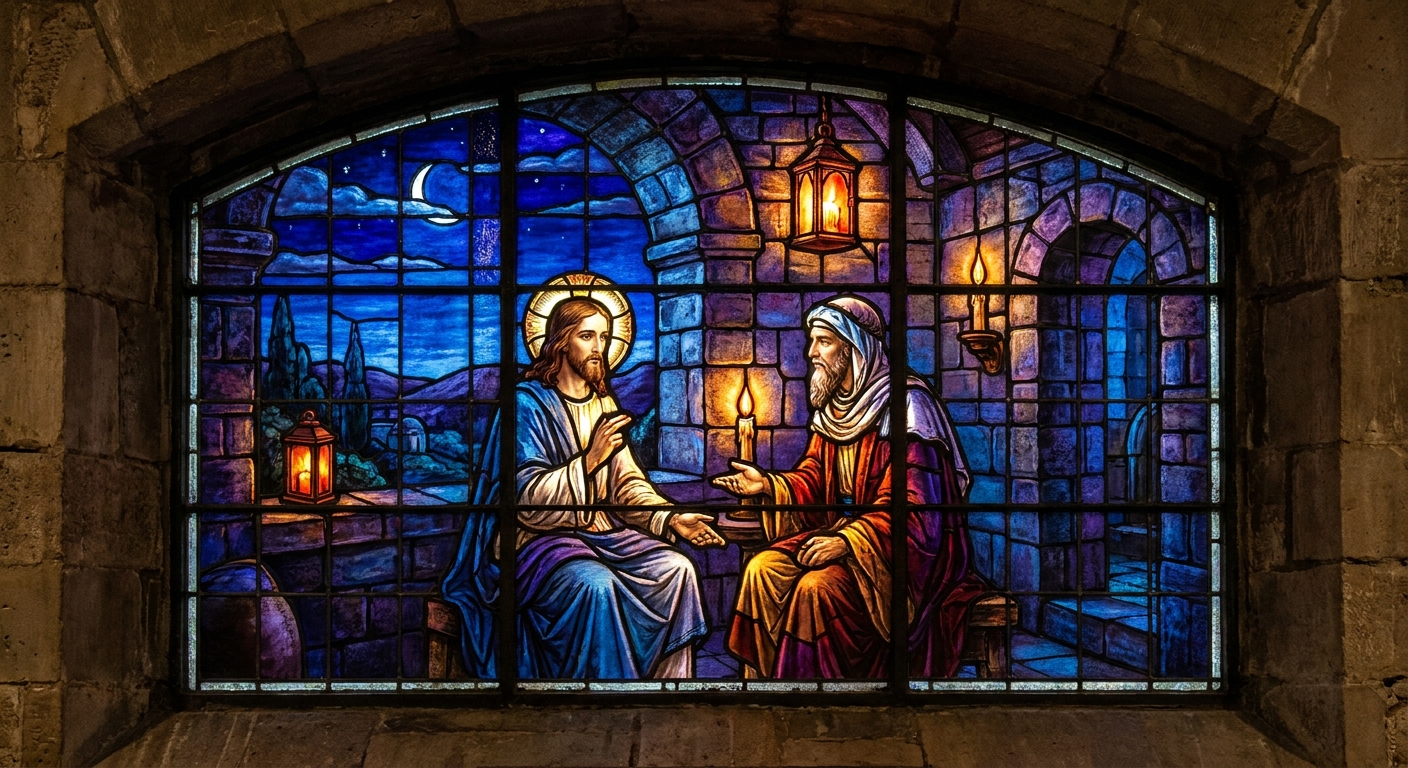
John 3:5
“Unless one is born of water and the Spirit, he cannot enter the kingdom of God.”
Many sacramental readers understand “water and Spirit” as a reference to baptism, where water and the Spirit’s work are joined in God’s act of new birth. Others interpret “water” differently (more on that below), but John 3 is one of the central texts in the debate.
Titus 3:5
“He saved us… by the washing of regeneration and renewal of the Holy Spirit.”
Those who affirm baptismal regeneration often see “washing of regeneration” as baptismal language. The emphasis falls on God’s mercy and action, not human merit, which fits sacramental theology that views baptism as God’s gift, not our achievement.
Acts 2:38
“Repent and be baptized… for the forgiveness of your sins, and you will receive the gift of the Holy Spirit.”
This is often read as a tight linkage: repentance and baptism are joined to forgiveness and the Spirit’s gift. Traditions differ on whether “for” means “in order to obtain” or “because of,” but baptismal regeneration advocates tend to read the plain sense as sacramental.
Acts 22:16
“Rise and be baptized and wash away your sins, calling on his name.”
The “wash away your sins” language is frequently cited to argue that baptism is not merely symbolic, but instrumentally connected to cleansing.
1 Peter 3:21
“Baptism… now saves you… through the resurrection of Jesus Christ.”
Sacramental interpretations emphasize that Peter says baptism “saves,” while also noticing that Peter clarifies it is not mere outward washing but a deeper reality connected to Christ’s resurrection and the conscience before God.
Romans 6:3-4
“All of us who have been baptized into Christ Jesus were baptized into his death… so that… we too might walk in newness of life.”
This passage is central for traditions that see baptism as participation in Christ’s death and resurrection. Critics sometimes argue Paul is speaking about spiritual union rather than the ritual act, but sacramental readers see the two as intentionally linked.
Main Bible passages used to argue baptism does not regenerate
Christians who deny baptismal regeneration tend to agree that baptism is important, commanded, and meaningful. Where they differ is whether it is the moment God gives new birth. They often emphasize passages that connect salvation to faith apart from works, and passages where the Spirit is received apart from baptism.
John 3 (another reading)
Many non-sacramental interpreters read “born of water and Spirit” in John 3 as, for example:
- One proposal: natural birth and spiritual birth (water as a reference to birth), or
- Cleansing and renewal imagery drawn from the Hebrew Scriptures, not necessarily the rite of baptism, or
- One unified phrase meaning spiritual rebirth characterized by cleansing and the Spirit.
They often point out that John 3 stresses the Spirit’s sovereign work, like wind that “blows where it wishes,” which they see as resisting any claim that grace is tied to a particular moment or ritual.
Titus 3 (another reading)
Those who deny baptismal regeneration may agree Titus 3 uses washing imagery, yet argue Paul is speaking of the Spirit’s cleansing and renewal, not identifying that washing with baptism in a strict cause-and-effect way. They may also emphasize that salvation here is “not because of works,” and classify baptism as an act of obedience that follows salvation rather than causes it.
Ephesians 2:8-9
“By grace you have been saved through faith… not a result of works.”
This is frequently used to argue that adding baptism as a saving instrument threatens the sufficiency of faith. Sacramental Christians respond that baptism is not a human work but God’s work, but the passage remains a pillar for faith-alone frameworks.
Romans 3:28 and Galatians 2:16
These texts stress justification by faith apart from “works of the law.” Non-sacramental interpreters often extend that principle to include any ritual act as a necessary condition for regeneration. Sacramental traditions typically counter that Paul is opposing reliance on the law, not rejecting sacraments as God’s gracious gifts.
Acts 10:44-48
In Cornelius’s household, the Holy Spirit falls on Gentile hearers before they are baptized, and then they are baptized afterward. Many readers take this as evidence that receiving the Spirit and the new life of salvation can precede baptism, making baptism a sign of what has already happened.
1 Corinthians 1:17
“Christ did not send me to baptize but to preach the gospel.”
Some argue that if baptism were the decisive moment of regeneration, Paul would not separate gospel preaching from baptizing in this way. Others answer that Paul is addressing divisions and emphasizing his primary mission, not downplaying baptism’s importance.
Why John 3 and Titus 3 matter
John 3 and Titus 3 show why this debate persists: both speak with rich, physical imagery about the Spirit’s inward work.
- John 3 gives us the language of new birth, “water and Spirit,” and the mystery of the Spirit’s movement.
- Titus 3 gives us the phrase “washing of regeneration” alongside God’s mercy and the Spirit’s renewing action.
If you already expect God to work through material signs (water, bread, wine, oil), these passages naturally sound sacramental. If you expect the new birth to be an inward miracle received by faith, these same passages can sound like metaphor, shorthand, or poetry pointing beyond the rite.
Common misunderstandings
Misunderstanding 1: “The water is magic”
Most sacramental traditions reject the idea that baptism is mechanical or magical. They frame baptism as God’s promise acted out in a concrete, embodied way. The power is not in the minister’s technique or the chemical properties of water. The power is in God’s action and promise.
Misunderstanding 2: “If baptism does not regenerate, it is optional”
Churches that deny baptismal regeneration typically still treat baptism as commanded by Jesus and spiritually significant. They may call it an ordinance rather than a sacrament, but they still view it as an act of obedience, a public confession, and a sign of union with Christ and his people.
Misunderstanding 3: “This debate is only about infants”
Infant baptism often enters the conversation because if baptism regenerates, many Christians see strong reasons to baptize infants. But baptismal regeneration is not only about infant baptism. Many people baptized as adults also wrestle with what exactly happened to them in that moment.
Infants and believers
It helps to separate two questions that get tangled together. One question is whether baptism is a means by which God gives new birth. The other is who should be baptized.
Some traditions that affirm baptismal regeneration practice infant baptism because they see baptism as God’s gift to be received into the covenant community. Many traditions that reject baptismal regeneration practice believer’s baptism because they see baptism as the public confession of a faith already present. But the overlap is not perfectly neat, and you can find real-world cases where people agree on one question and disagree on the other.
So where does this leave an ordinary believer?
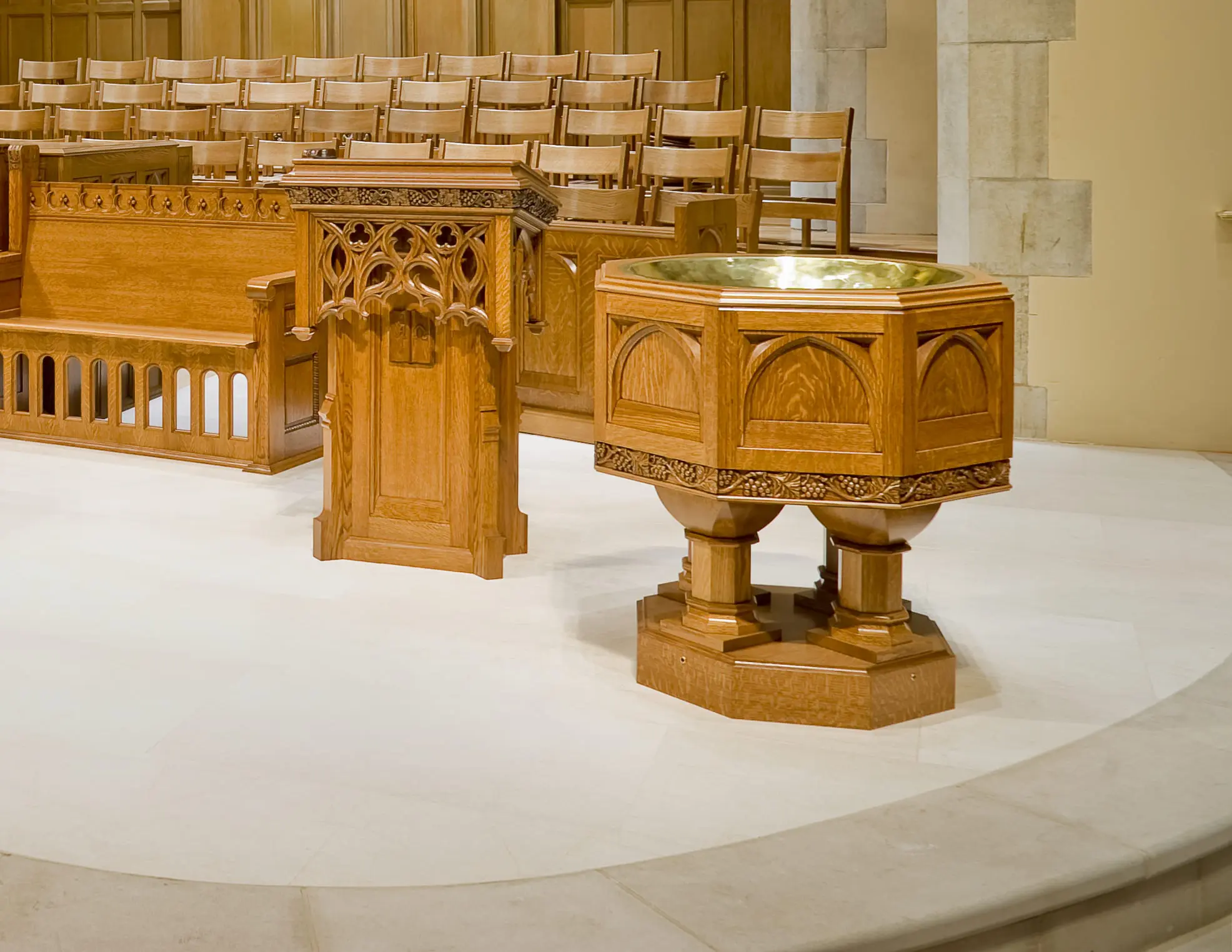
I have sat in baptism services where tears fell on the sanctuary floor, and I have stood near quiet fonts where a baby’s cry filled the room like a trumpet. In both settings, Christians were trying to honor the same basic conviction: God is not far away. God meets us. God saves us. God draws us into the life of Christ.
If you are sorting out what you believe, a gentle next step is to ask:
- When my tradition says “baptism saves” or “baptism is a symbol,” what do they mean by save and symbol?
- How does my church read John 3 and Titus 3, and why?
- What role do repentance and ongoing faith play in a baptized life?
For many Christians, the most faithful approach is not to minimize baptism, but to let it be what the New Testament repeatedly shows it to be: a commanded act, a communal doorway, and a profound place where grace is proclaimed, and for some traditions, a place where grace is bestowed.
Quick comparison
- Baptismal regeneration view: God ordinarily gives regeneration through baptism as a means of grace. Key texts often include John 3:5, Titus 3:5, Acts 2:38, Acts 22:16, 1 Peter 3:21, Romans 6:3-4.
- Faith-prior view: Regeneration occurs by the Spirit through faith; baptism testifies to that new life and publicly marks discipleship. Key texts often include Ephesians 2:8-9, Romans 3:28, Galatians 2:16, Acts 10:44-48, 1 Corinthians 1:17, plus alternative readings of John 3 and Titus 3.
FAQ
Do all Christians agree baptism is important?
Most Christians across traditions treat baptism as important and commanded by Christ, even when they disagree about whether it is the moment new life is given.
Is baptismal regeneration the same as “salvation by works”?
Traditions that teach baptismal regeneration usually say no, because baptism is not a human achievement that earns grace. It is God’s gift and promise, received within the life of faith. Critics still worry that making baptism necessary for regeneration can function like a condition that competes with faith, which is why the debate remains lively.
If someone has faith but dies before baptism, what would baptismal-regeneration churches say?
Answers vary by tradition. Many sacramental churches emphasize God’s mercy in extraordinary cases while still teaching baptism as the ordinary commanded means of entering the life of Christ and the Church.