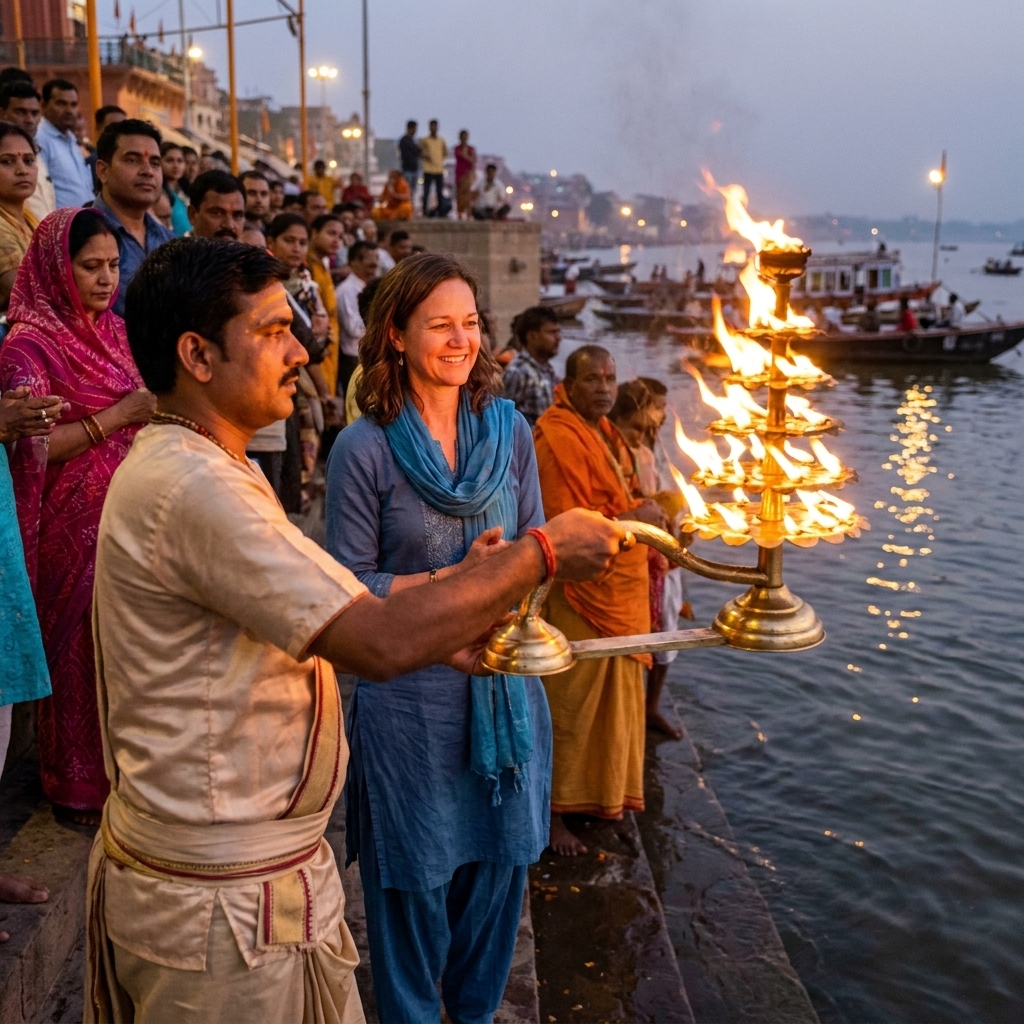
In my multi-faith childhood, the word fast meant different things depending on whose kitchen you were standing in. In one home it meant no food from dawn to sunset. In another it meant a simpler plate, given with gratitude. In another it meant an entire day set apart, held with prayer and quiet. The external forms varied, but I kept noticing the same inner motion: a gentle clearing of space so the heart could listen.
This guide compares fasting practices in Islam, Christianity, Judaism, and Hinduism with an eye toward three practical questions most of us have: Why do people fast? What are the physical rules? and When does it happen? My aim is not to flatten differences, but to help you understand them with respect and to offer guidance if you are participating yourself or supporting someone who is.

What fasting is for, across traditions
Fasting is often misunderstood as spiritual self-punishment or a test of willpower. In practice, most traditions frame it as a tool, not a trophy. The emphasis tends to fall into a few shared purposes, expressed in different languages:
- Remembrance and devotion: returning attention to God, the Divine, or ultimate reality through embodied practice.
- Repentance and moral repair: acknowledging harm, seeking forgiveness, and recommitting to a more truthful life.
- Solidarity and compassion: identifying with the hungry, the vulnerable, and the unseen.
- Self-discipline and clarity: loosening the grip of habit so prayer, study, or service can take the lead.
- Ritual preparation: entering holy time or approaching sacred acts with heightened intention.
One more note that matters pastorally: fasting is also frequently paired with generosity. Many communities emphasize that hunger without kindness misses the point.
Islam
Spiritual purpose
In Islam, fasting is most widely practiced during Ramadan, the ninth month of the Islamic lunar calendar, and it is one of the Five Pillars. The heart of the fast is taqwa, often translated as God-consciousness or mindful reverence. The hunger is not meant to be the main event. It is meant to turn down the volume on distraction so prayer, patience, and compassion can be practiced more deliberately.
Ramadan is also deeply communal. Even when someone fasts alone, the rhythm of sunset meals, nightly prayers, and shared acts of charity ties many lives together. Many Muslims also observe voluntary fasts at other times of year, but Ramadan remains the central shared season.
Physical rules
During Ramadan, adult Muslims who are able typically fast daily from true dawn to sunset. In everyday speech people often say “from fajr to maghrib,” and in practice these times usually align with the beginning of dawn and sunset. While details can vary by legal school and personal circumstance, the fast commonly includes:
- No food or drink during daylight hours
- Abstaining from sexual activity during fasting hours
- Extra care with speech and conduct, since the spiritual dimension is inseparable from the physical one
Fasting is traditionally broken with iftar at sunset, often beginning with dates and water, followed by a meal. Before dawn, many eat suhoor, a sustaining pre-fast meal.
Timing and seasonality
Because the Islamic calendar is lunar, Ramadan shifts earlier by about 10 to 11 days each solar year. That means some years bring long summer fasts and other years bring shorter winter fasts, depending on latitude.
Compassionate exemptions
Islamic practice includes clear mercy provisions. Those who are ill, traveling, pregnant or nursing, menstruating, elderly or frail, or otherwise unable may be exempt. What happens next depends on whether the limitation is temporary or ongoing. Many make up missed days later when they are able, while those who are permanently unable often fulfill the obligation through charitable feeding or an equivalent form of support, guided by local scholarship and community practice.

Christianity
Spiritual purpose
Christian fasting is diverse because Christianity is diverse. Across many traditions, the core aims include repentance, deeper prayer, and preparation to receive grace more attentively. The fast is often paired with almsgiving and acts of mercy, echoing a long biblical insistence that devotion should soften the heart toward neighbors.
Many Christians also understand fasting as a way to join, in a small and human way, the self-emptying life of Christ. In that sense, fasting becomes less about deprivation and more about making room for love.
Physical rules
Rules vary significantly by denomination and region. A few common patterns include:
- Lenten fasting or abstinence: giving up particular foods (often meat) or simplifying meals, such as choosing a plain soup-and-bread supper instead of a richer spread
- Partial fasts: eating less, or eating one full meal and two smaller meals
- Personal fasts: individuals may fast from certain comforts, media, or habits as a spiritual discipline
In the Roman Catholic tradition, for example, many observe fasting and abstinence on certain days such as Ash Wednesday and Good Friday, with abstinence from meat on Fridays of Lent. In the Latin Church, abstinence on Fridays of Lent is the norm, while practices for Fridays outside Lent can differ by local bishops’ conferences. Eastern Orthodox traditions often keep more extensive fasting seasons with specific food guidelines, commonly reducing or avoiding meat, dairy, and sometimes oil and wine on designated days. Some Protestant communities do not observe formal fasting seasons at all, while others practice elective fasting as part of personal or congregational life. Because practice can be local and pastoral, it is wise to check one’s parish or community norms.
Timing and seasonality
The best-known Christian fasting season is Lent, the period leading up to Easter. Lent’s timing shifts each year because Easter’s date moves, but it generally falls in late winter and spring. Some traditions also fast during Advent or on weekly days such as Fridays.

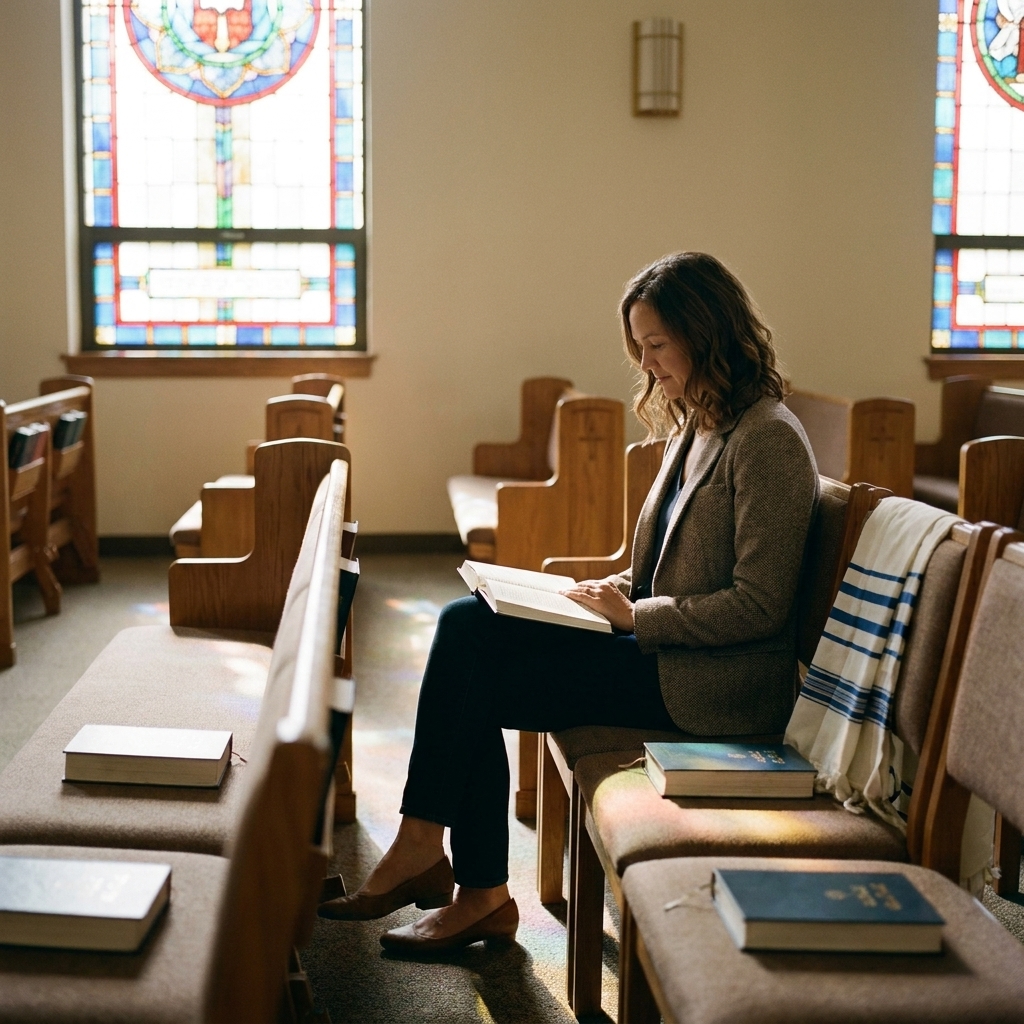
Judaism
Spiritual purpose
Jewish fasting often centers on teshuvah, a returning: returning to God, returning to integrity, returning to the community with a repaired heart. Fasts can be tied to repentance, mourning, historical memory, and communal vulnerability. They are rarely framed as private self-improvement projects. Even when practiced individually, they carry a communal story.
Physical rules
Judaism includes several fast days with different levels of strictness. Two broad categories are helpful:
- Complete fasts: Yom Kippur, the Day of Atonement, and Tisha B’Av, a day of national mourning, traditionally involve a complete fast (no food or drink) for approximately 25 hours, alongside prayer, reflection, and communal memory.
- Dawn-to-nightfall fasts: several other communal fasts, such as the Fast of Esther or Tzom Gedaliah, are commonly observed from dawn to nightfall, with practices varying by community and circumstance.
On complete fast days, additional restrictions may be observed in many communities, such as refraining from bathing, wearing leather shoes, or marital relations, though details differ between Yom Kippur and Tisha B’Av and can vary by community. As with all Jewish practice, it is best learned within one’s community and guidance.
Timing and seasonality
Because the Jewish calendar is lunisolar, fast days move relative to the Gregorian calendar but remain in consistent relationship to Jewish months and festivals. The most widely known are:
- Yom Kippur in early autumn (Hebrew month of Tishrei)
- Tisha B’Av in midsummer (Av)
In many congregations, these fasts are supported by a communal atmosphere of prayer, reflection, and memory, which can make the practice feel held rather than merely endured.
Hinduism
Spiritual purpose
Hindu fasting, often called vrat or उपवास (upavas), is richly varied across regions, lineages, and household traditions. Fasting can be devotional, karmic, and deeply personal: an offering to a chosen deity, a vow for guidance or healing, a way to refine the senses, or a method of focusing the mind for prayer and mantra.
In many Hindu contexts, fasting is less about a single universal rule and more about intentional restraint, guided by tradition, the chosen deity or festival, and the realities of the body.
Physical rules
Hindu fasting practices range from very light to quite strict. Common forms include:
- Full fast: sometimes water-only, or occasionally without water for limited periods in specific vows, depending on tradition
- Fruit and milk fast: consuming fruits, milk, yogurt, or nuts
- One-meal fast: eating once during the day, often a simple sattvic meal
- Avoidance fast: abstaining from certain foods such as grains, salt, onions, garlic, or specific stimulants
Many devotees also avoid alcohol, tobacco, and overly spicy or heavy foods, viewing the fast as a holistic practice that includes thoughts, speech, and behavior.
Timing and seasonality
Rather than one universal season, Hindu fasting often follows a tapestry of lunar days, festivals, and weekly observances. A few widely recognized examples include:
- Ekadashi: observed twice monthly on the 11th lunar day, often involving avoidance of grains and beans
- Navaratri: a festival spanning nine nights, with many observing dietary restrictions or partial fasting, often with a focus on sattvic foods
- Maha Shivaratri: dedicated to Shiva, sometimes observed with fasting and night vigil
- Karva Chauth: observed by some married women in North India, traditionally involving a day fast with regional variations
Because timing is tied to lunar calendars and local tradition, families often learn their fasting rhythm through elders, temples, and community calendars.

At-a-glance comparison
If you are supporting a friend, planning a multi-faith gathering , or simply trying to keep the details straight, here is a simple overview.
- Islam (Ramadan): daily true-dawn-to-sunset fast; no food or drink in daylight; lunar month that shifts through seasons; strong communal rhythm.
- Christianity (often Lent): widely differing practices; commonly abstinence from certain foods or simplified eating; often late winter to spring; paired with prayer and charity.
- Judaism (Yom Kippur and Tisha B’Av, plus other fasts): two complete communal fasts of about 25 hours; additional dawn-to-nightfall fasts; tied to repentance, mourning, and memory; dates shift on a lunisolar calendar.
- Hinduism (vrat): many forms from partial restriction to water-only; linked to lunar days, festivals, deities, or vows; guided by regional and devotional tradition.
How to fast respectfully and safely
If you are fasting
- Choose intention before intensity. Ask what you are making space for: prayer, study, service, reconciliation, gratitude.
- Prepare your body. Hydrate beforehand when your tradition allows. Aim for balanced meals with fiber, protein, and healthy fats.
- Be attentive to health. If you have a medical condition, history of disordered eating, are pregnant, nursing, or on medications, seek medical advice and religious guidance. Most traditions include compassionate alternatives.
- Plan the re-entry. Breaking a fast gently is often more sustainable than overcompensating with a heavy meal.
If you are hosting or supporting someone who is fasting
- Ask, do not assume. “What does fasting look like for you?” is a simple kindness.
- Offer discreet options. Provide water, dates, fruit, or simple foods at appropriate times if you know the schedule.
- Schedule thoughtfully. Consider energy dips late afternoon for dawn-to-sunset fasts, or plan gatherings after sunset when possible.
- Honor privacy. For many, fasting is intimate. Support without spotlighting.
Common questions
Is fasting always about food?
No. Food is the most visible form, but many communities also fast from habits that dull compassion or awareness, such as gossip, anger, excess entertainment, or spending. Even then, most traditions caution against treating non-food fasts as a substitute for care of the vulnerable.
Do children fast?
In many communities, children participate gradually, often with partial fasts or symbolic practices, guided by parents and community norms. Health and development are typically prioritized.
What if I cannot fast for health reasons?
Across these traditions, there are established allowances or alternative practices, often involving charity, prayer, or other forms of devotion. If fasting is part of your faith, consult a trusted religious leader and a medical professional when needed.
What is the most respectful way to learn from a tradition that is not mine?
Start with humility and specificity. Learn the name of the fast, ask how your friend practices it, and avoid turning their observance into a debate or a spectacle. If you are invited to participate, follow the guidance of the host community and keep your posture curious and grateful.
A closing reflection
Fasting is a strange kind of gift. It asks us to feel what we usually smooth over. Hunger can reveal impatience, tenderness, and honesty in the same afternoon. Done well, fasting is not a performance of toughness. It is a practice of relationship: with God, with the community, with the body, and with those who live with scarcity every day.
If you choose to fast, may it make you gentler. If you do not, may your life still include the same inner movement that fasting points toward: attention, compassion, and a little more space for what is sacred.