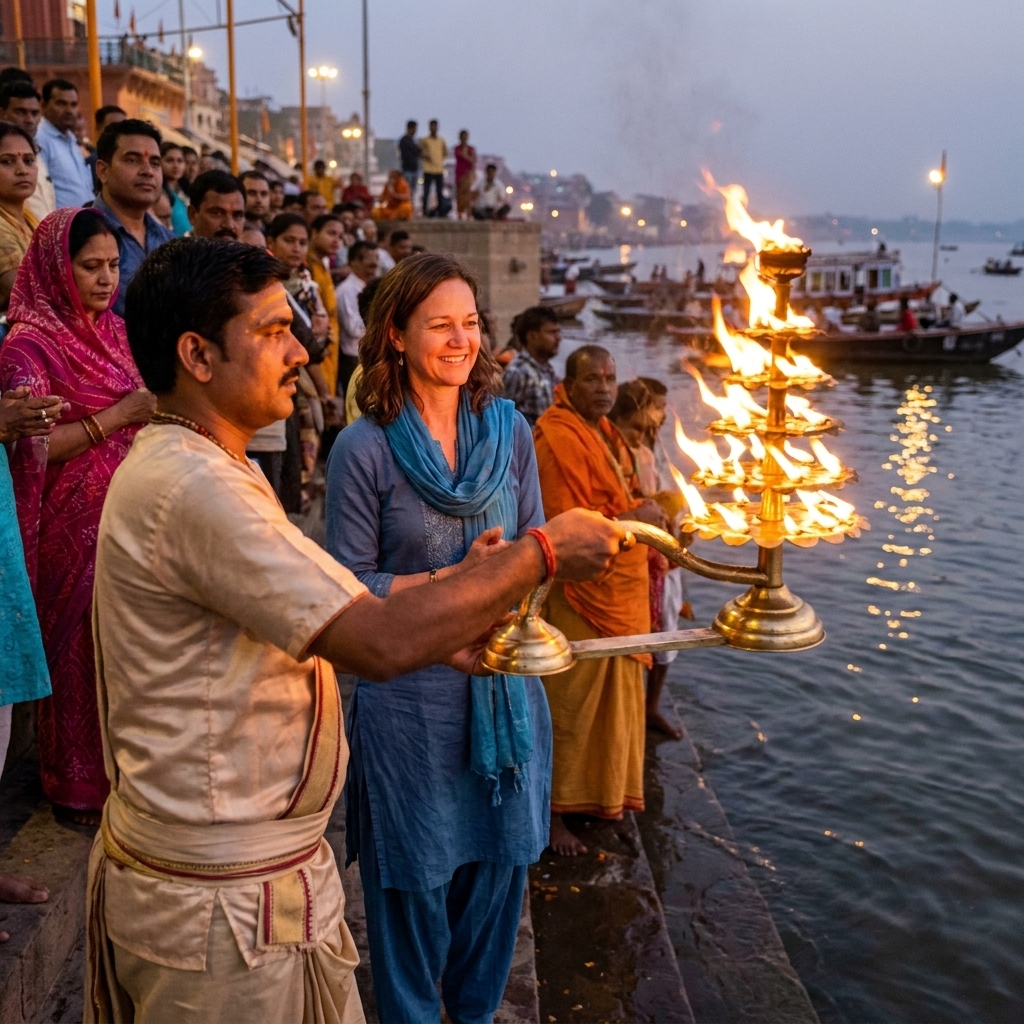
Fasting is one of those spiritual practices that looks simple from the outside and feels surprisingly deep from the inside. On paper, it is abstaining from food, drink, or certain comforts. In the body, it can be a reset in appetite and attention. In the heart, it can be an offering. And in community, it is often a shared rhythm that quietly says, “We are trying, together.”
I have sat with fasting in very different rooms: pre-dawn meals in Muslim homes, Lenten soup suppers in church basements, silent days at Buddhist retreat centers, and Hindu fast days where the whole calendar seems to breathe in and out. The methods vary. The spiritual aim often rhymes: humility, attention, compassion, and a reordering of desire.
It also helps to name the landscape. Some fasts are absolute for a set window (no food and no drink). Others are partial (simplified foods, or abstaining from certain items). Some are time-restricted each day, while others last a full day or more. What changes is the method. What matters is the meaning.

What fasting is for
Most traditions do not treat fasting as a spiritual stunt or a punishment. At its best, fasting is a way to practice freedom: freedom from automatic habits, from constant consumption, and from the quiet belief that we cannot be uncomfortable and still be okay.
In spiritual language, fasting tends to do a few core things:
- It sharpens attention. When you step back from a routine comfort, you notice the mind reaching, grasping, bargaining.
- It makes space for prayer or contemplation. Less time eating can become more time listening, if you choose it.
- It builds empathy. Even a mild hunger can soften the heart toward those who live with scarcity every day.
- It clarifies desire. You learn what you actually want beneath what you usually reach for.
That said, fasting is not automatically holy. The inner posture matters. The same practice can foster tenderness or pride, generosity or self-obsession. Intention is the difference.
Fasting across faiths
Islam: Ramadan and voluntary fasts
In Islam, fasting during Ramadan is a central practice, observed from true dawn (fajr) to sunset (maghrib). It includes abstaining from food and drink, and it also includes abstaining from sexual relations during fasting hours. Many Muslims will describe Ramadan as a month of spiritual recalibration: more prayer, more generosity, more mindfulness of God, and more care with speech and character.
Outside Ramadan, some observe voluntary fasts, like Mondays and Thursdays or the Day of Arafah. The thread is consistent: fasting is worship, and worship is meant to shape the self toward compassion and integrity.

Christianity: Lent and other fasts
Christian fasting takes many forms, often tied to the church calendar. Lent is the best-known season of fasting and self-examination, echoing Jesus’ forty days in the wilderness. Some fast from certain foods, others abstain from meat on Fridays, and many choose a meaningful “giving up” that reveals attachment and invites prayer.
In some traditions and in some churches, Advent also carries a quieter tone of fasting or restraint, historically and in contemporary practice. In older and more liturgical streams, fasting is paired with almsgiving and repentance. The point is not spiritual grit for its own sake, but an opening of the heart: to God, to neighbor, to the needs of the world.
It is also worth noting that in many Orthodox Christian communities, fasting is often practiced as extensive seasonal dietary restraint. Less about dramatic deprivation, more about steady, communal discipline.
Judaism: Yom Kippur and memory
In Judaism, fasting often holds collective memory and ethical intention together. Yom Kippur, the Day of Atonement, includes a full fast for many adults, traditionally about 25 hours from sunset to nightfall, and is centered on repentance, reconciliation, and returning to what is right. Tisha B’Av is a fast of mourning that remembers historical tragedies and invites sober reflection.
There are other Jewish fast days as well, including the Fast of Esther and the fast of the Seventeenth of Tammuz, each holding different facets of communal story, vulnerability, and moral attention.
What moves me here is how fasting becomes a communal container for grief, accountability, and clarity. It is not only personal self-improvement. It is a shared vow to remember and to repair.
Buddhism: restraint and clarity
Many Buddhist communities practice forms of fasting or food restraint, often through limiting eating to certain hours. In some monastic settings, for example, one traditional practice is not eating after noon. The emphasis is frequently on reducing desire, supporting meditation, and learning directly how craving arises and passes.
In retreat environments, simpler meals and less stimulation often work together. The “fast” is not always dramatic. It is a quiet training in non-attachment.
Hinduism and dharmic traditions
In Hindu traditions, fasting can be devotional and varied: skipping certain foods, eating only once, taking fruit and milk, or fasting on particular days devoted to certain deities. In some communities, fasting also has astrological or planetary associations, such as Saturdays connected with Shani observances. For many, it is an offering that strengthens discipline and devotion, and it is often paired with prayer, chanting, and service.
Across Sikh, Jain, and other communities, there are additional practices and interpretations, with different emphases on asceticism, ethics, and devotion. Jain fasting, in particular, can be rigorous and highly structured, and it is often framed as a path of purification and non-harm. The common wisdom is worth repeating: the body is involved, but the heart is the real altar.
Modern abstinence
Not everyone can or should do a traditional food fast. Our bodies, medical realities, work demands, and histories differ. Modern spiritual practice has responded in a practical way: many people are choosing intentional abstinence that still cultivates the core fruits of fasting.
Here are a few “modern fasts” I have seen bear good fruit when done gently:
- Digital fasting: a day without social media, or no phone for the first and last hour of the day.
- Noise fasting: a morning of silence, no podcasts, no background TV, just presence.
- Convenience fasting: cooking simple meals instead of ordering in, to practice patience and gratitude.
- Spending fast: a week of buying only essentials and redirecting the saved money to giving.
- Complaint fasting: not suppressing feelings, but practicing speech that is honest and constructive rather than reactive.
These can sound small, but they reveal the same inner pattern: “I can choose. I can pause. I can come back to what matters.”

Traditional vs modern
Sometimes people ask which is “better.” I think a wiser question is: which one helps you grow in compassion, clarity, and integrity without harming your body or your spirit?
- Traditional fasting often offers strong community support and a sacred storyline. You are held by a calendar, a ritual, and shared meaning.
- Modern mindful abstinence is flexible and accessible, especially for people with health concerns or complex schedules. It can also be more tailored to the places you actually get stuck.
Both can become shallow if they are performed for approval or aesthetic. Both can become luminous when they are rooted in intention, humility, and care.
Safety first
Because fasting is spiritual, people sometimes ignore very practical realities. Please do not. If a practice meant to bring you closer to wholeness is damaging your health, it is no longer devotion. It is harm wearing sacred clothing.
If you have a medical condition, take medication, or are considering a longer or stricter fast, consult a qualified clinician first.
Consider avoiding or modifying fasting and consulting a qualified clinician if you:
- Have a history of eating disorders or disordered eating patterns
- Are pregnant, breastfeeding, or supporting fertility treatments
- Have diabetes, blood sugar regulation issues, kidney disease, gout, or other conditions affected by food or hydration
- Take medications that require food or consistent timing
- Are recovering from illness, surgery, or chronic stress burnout
- Are under 18, or caring for someone who is
Many traditions already make compassionate room for this. In Islamic jurisprudence, for example, exemptions exist and alternative forms of devotion are encouraged. In many Christian communities, pastoral guidance suggests other disciplines when fasting would be unsafe. Spiritual maturity includes discernment.
How to start
1) Choose your intention
Before you choose what to abstain from, name why. Keep it simple and human.
- “I want to practice patience.”
- “I want to remember people who go hungry.”
- “I want to quiet the constant reaching for distraction.”
2) Pick a form that fits
Start smaller than your ambition. A good beginning is one you can complete without resentment.
- Skip one indulgence that is truly habitual
- Fast from snacks after dinner
- Choose one day of simplified meals
- Try a half-day digital fast on a weekend morning
3) Add something life-giving
Fasting is not just subtraction. Replace the space with a practice that nourishes.
- Prayer, meditation, chanting, or sacred reading
- A walk without headphones
- Writing a letter of apology or gratitude
- Volunteering or giving what you saved
4) Plan your boundaries
Fasting works best when it is clear.
- What exactly are you abstaining from?
- For how long?
- What will you do if you feel shaky or unwell?
- Who can support you if this stirs up anxiety?
5) Break the fast gently
How you end matters. Eat slowly. Start with something light if you have been fasting for longer than usual. Hydrate in a way that fits your tradition and your body. Offer thanks. Notice what you learned. Many people discover that the truest “break fast” is not food at all, but a softened heart.

Try this week
- Sunrise pause: Before coffee or phone, sit for five minutes and ask, “What do I want to be guided by today?”
- One meal simplicity: Eat one plain meal in silence, noticing gratitude, impatience, and craving without judging them.
- Evening screen release: Put your phone away after dinner and replace it with a book of poetry, scripture, or a quiet walk.
- Generosity fast: Skip a purchase you would normally make and donate that amount, or buy groceries for a neighbor.
Common questions
Will fasting make me more spiritual?
Not automatically. Fasting tends to reveal what is already there. If you pair it with honesty, prayer or contemplation, and compassion, it can become transformative.
What if I feel irritable or anxious when I fast?
That is common. Treat it as information, not failure. You are meeting your coping strategies in real time. If the anxiety is intense or destabilizing, modify the fast or choose a non-food version.
Is intermittent fasting the same?
Sometimes the schedule looks similar, but the intention and container differ. Intermittent fasting is often pursued for metabolic goals. Spiritual fasting is oriented toward inner freedom, ethical living, and reverence. You can combine them, but it helps to name which aim is primary.
How often should I fast?
Enough to learn something, not so much that it becomes obsession or harm. Many people find a seasonal rhythm meaningful, or a monthly practice, or a weekly “tech Sabbath,” meaning a screen-free day or a set window of disconnection.
A closing blessing
If you decide to fast in a traditional way, may you feel carried by the wisdom of those who have practiced before you. If you choose a modern form of abstinence, may you feel permission to meet God, the Holy, or simple human goodness exactly where your life is unfolding.
May your fasting make you kinder. May it make you more awake. And may what you release become space for something truer to grow.