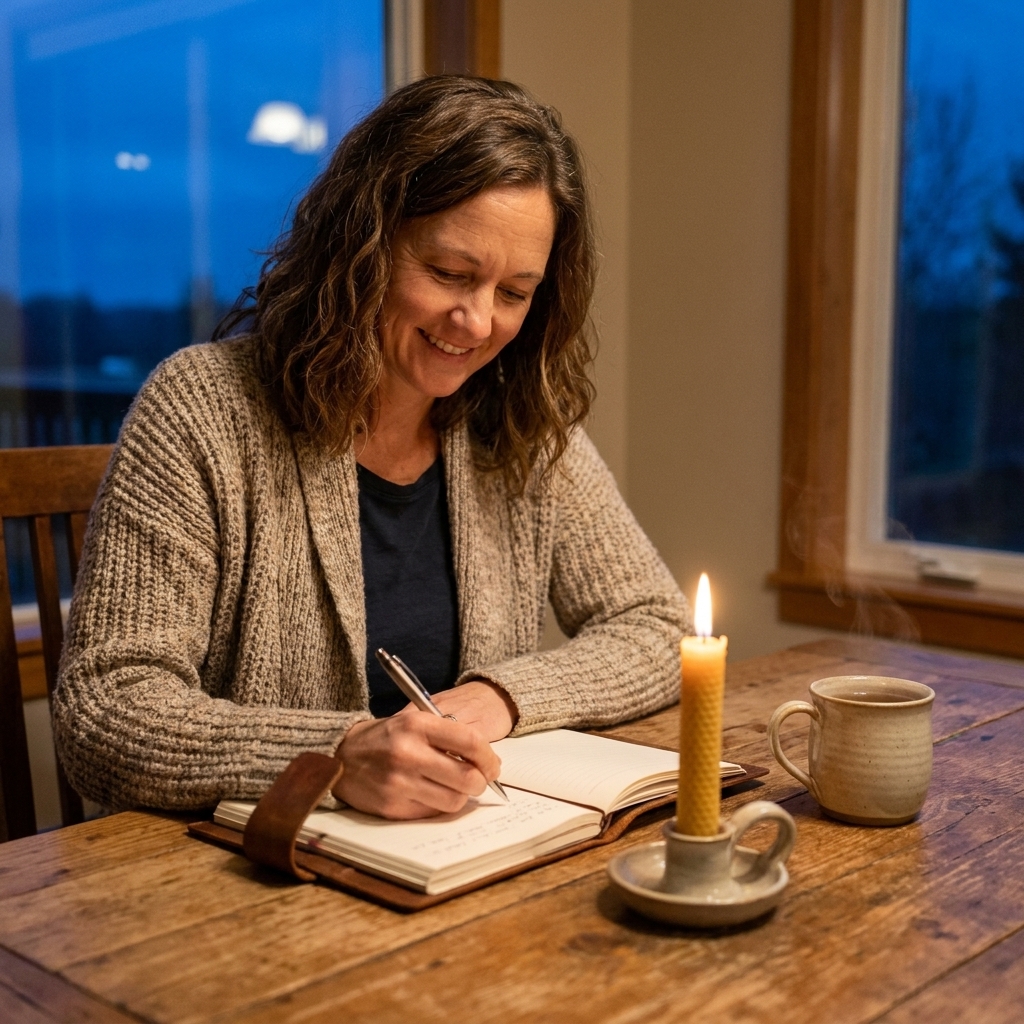
In many spiritual traditions I have studied, fasting shows up as a quiet doorway. Not a punishment, not a purity contest, not a way to “win” at holiness. More often, it is a gentle un-cluttering, a temporary loosening of our grip on what we usually reach for without thinking.
Spiritual fasting can be as simple as skipping one meal with intention, or as involved as a day of water-only practice under appropriate guidance. The goal is not suffering. The goal is clarity, receptivity, and a more tender relationship with your own body and with the Sacred, however you name it.

If you take only one thing from this guide, let it be this: a spiritually meaningful fast should leave you more compassionate, not more brittle.
What spiritual fasting is and is not
What it is
- A voluntary practice that temporarily changes how you eat or what you consume in order to deepen spiritual attention.
- A container for prayer and reflection, using hunger or simplicity as a bell of mindfulness.
- A way to reorient desire, noticing what you crave when comfort is unavailable.
What it is not
- A medical detox or a guaranteed cure for anything.
- A moral yardstick to measure your worth or willpower.
- A substitute for treatment for mental health or physical illness.
- A safe practice for everyone. Some bodies should not fast, and that is not a spiritual failure.
Who should not fast (and safer alternatives)
Because fasting affects blood sugar, hydration, electrolytes, and mood, there are seasons of life where it is wise to choose another form of spiritual restraint. Please consult a licensed clinician if you are unsure, especially if you take any medications.
Strong reasons to avoid fasting without medical supervision
- Current or past eating disorder, disordered eating patterns, or obsessive calorie control
- Pregnancy or breastfeeding
- Children and teens who are still growing
- Diabetes or blood sugar disorders, including a history of hypoglycemia, or use of insulin or sulfonylureas
- Kidney disease, gout, history of kidney stones, or significant liver disease
- Heart conditions, history of fainting, or electrolyte imbalance
- Anyone on medications that require food or stable hydration
- Active infection, recovery from surgery, or frailty in older age
- Active substance use disorder, or early recovery where restriction could destabilize mood or sleep
Spiritual alternatives that carry the same “fasting” spirit
- Media fasting: step away from social media, streaming, or news for a set period.
- Speech fasting: keep a half-day of silence, or a “gentle speech” vow.
- Luxury fasting: simplify one comfort item (dessert, alcohol, shopping) while adding prayer or service.
- Additive fasting: keep your meals steady, but add a practice: morning prayer, an evening examen, or a gratitude ritual.
Types of spiritual fasting
In my retreat work, I encourage people to start with the lightest effective practice. You can always deepen later, but there is no prize for rushing.
Common approaches
- Time-bound fasting: fasting for a set window (for example, sunrise to sunset fasts in Ramadan) or keeping a simple overnight fast of 12 to 14 hours.
- Partial fast: one simple meal, or abstaining from certain foods (meat, sweets, alcohol, caffeine).
- One-meal fast: skipping one meal and using that time for prayer, journaling, or service.
- Liquid-only fast: sometimes broth or juice, sometimes water-only. These are materially different in how they affect energy and electrolytes, and both should be approached with caution and ideally with guidance.
- Traditional fast days: such as Yom Kippur, Ramadan, Lent, Ekadashi, or Buddhist uposatha days. These often come with spiritual framing and communal support. Some traditions allow water and some do not, so follow the guidance of your community and adjust for heat, travel, illness, and work demands.

How fasting affects the body
Understanding what is happening physically can keep you grounded and safe. The body is not an obstacle to spirituality. It is the place where spirituality is lived.
What you may notice in the first 24 hours
- Hunger waves: hunger often comes in cycles and may ease after a short period, often 10 to 30 minutes.
- Energy shifts: some people feel clear, others feel foggy, especially if they are used to frequent snacks or caffeine.
- Mood sensitivity: irritability can rise as blood sugar and stress hormones fluctuate.
- Headaches: often related to caffeine withdrawal or dehydration.
What is happening inside
- Glycogen use: the body first uses stored carbohydrate (glycogen) for fuel.
- Metabolic switching: if fasting continues, the body gradually leans more on fat stores, producing ketones. This varies widely by person and diet.
- Hydration and electrolytes: reduced food intake can mean less sodium and potassium coming in. Many people also lose extra water and sodium early in a fast, which can contribute to lightheadedness, headaches, or a shaky feeling, especially in heat or with exercise.
A note on “cleansing”: Many traditions speak of purification, and that language can be meaningful. Biologically, your liver and kidneys already detoxify continuously. A spiritual fast is less about forcing toxins out and more about changing your relationship to craving, attention, and gratitude.
Preparation: intention and boundaries
Preparation is where spiritual fasting becomes spiritual, rather than just a change in eating. Before you begin, take 10 quiet minutes and write down your intention in one sentence.
Three questions to ask
- Why am I fasting? For clarity? Repentance? Grief? Guidance? Solidarity with the hungry?
- What am I willing to feel? Restlessness, boredom, desire, tenderness.
- What are my safety boundaries? What symptoms will prompt me to stop?
Practical prep (the day before)
- Eat balanced meals with protein, fiber, and healthy fats to reduce dramatic hunger swings.
- Hydrate well and consider reducing caffeine gradually if headaches are likely.
- Plan your schedule: avoid intense workouts, long drives, or stressful meetings if possible.
- Tell a trusted person, especially if you are new to fasting.
Prayer and mindfulness
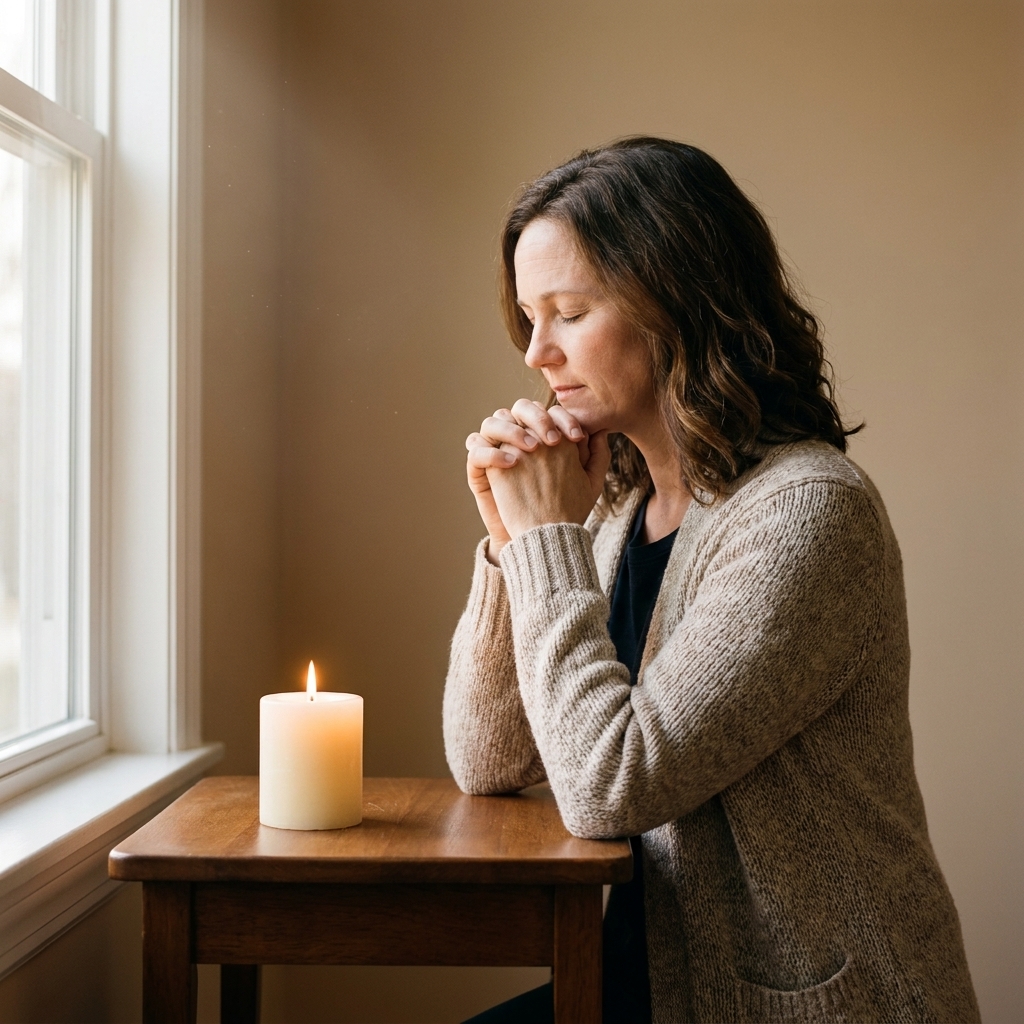
Fasting can create empty space. The question is what you place in that space. In many traditions, the “no” of fasting is paired with a “yes” to prayer, compassion, and remembrance.
A simple rhythm for a one-day fast
- Morning: Set intention. Offer a short prayer such as “May this practice soften me.”
- Midday: When hunger rises, pause for three slow breaths. Ask: “What am I really longing for?”
- Afternoon: Read a sacred text, poem, or teaching for 10 minutes. Journal one line that stays with you.
- Evening: Break the fast slowly, with gratitude. End with a brief examen: “Where did I feel close to love today?”
Prayer prompts for hunger moments
- “Let my emptiness become spaciousness.”
- “Teach me what is enough.”
- “May those who are involuntarily hungry be held in mercy and justice.”
- “Help me release what I cling to.”
If you do not pray
You can still fast spiritually through mindful attention. Replace prayer with breath practice, a walking meditation, or a vow of kindness. The heart of the practice is intention and awareness.
Breaking the fast
The way you break a fast matters. Rushing can cause nausea, stomach cramps, or rebound overeating that leaves you feeling discouraged. Think “gentle re-entry.”
How to break your fast kindly
- Start with water or a warm drink.
- Choose something simple: soup, yogurt, eggs, rice, fruit with nut butter, or steamed vegetables with protein.
- Eat slowly and stop at comfortable fullness.
- Offer a short gratitude practice before the first bite.
If your fast is part of a tradition, honor the customary breaking practices when they feel life-giving. Shared meals can transform fasting from an individual project into a communal act of tenderness.

Common challenges
“I cannot stop thinking about food.”
This is not failure. It is the practice. When the mind loops, bring it back to a single anchor: breath, a short mantra, or a psalm, sutra, or poem you love. Sometimes hunger is also thirst or fatigue, so check hydration and rest.
“I feel dizzy or shaky.”
Stop and assess. Sit down. Drink water. If symptoms persist or intensify, end the fast and eat something balanced. If you experience severe weakness, confusion, fainting, chest pain, or any alarming symptom, seek urgent medical care. Spiritual growth does not require risking your safety.
“I got irritable with people I love.”
Fasting often reveals what is already there. Consider building in extra quiet time and apologize quickly if you snap. A compassionate fast should increase your capacity to love, even if it starts by showing you where love is thin.
“I feel strangely emotional.”
Very common. We often use food to soothe, celebrate, or numb. When it is temporarily removed, feelings can rise. Let them rise. Journal. Pray. Walk. If emotions feel overwhelming, choose a gentler fast next time.
A safe fasting checklist
- I have considered my health conditions and medications, and sought guidance if needed.
- I chose a fasting style appropriate for my body and season of life.
- I set a clear intention and a clear end time.
- I planned hydration and a gentle way to break the fast.
- I know my stop signs: fainting, chest pain, confusion, severe weakness, persistent vomiting, or any alarming symptom.
- I paired the fast with prayer, reflection, or service.
Fasting as compassion
One of the most beautiful threads across traditions is this: fasting is meant to soften our hearts toward others. Consider pairing your fast with a concrete act of compassion.
- Donate the cost of a meal to a local food pantry.
- Volunteer for one hour where hunger is being addressed in your community.
- Write a letter or make a call you have been avoiding, offering repair.
- Practice “secret kindness” that no one will notice.
When fasting becomes a doorway into service, it stops being about self-improvement and becomes what it has always been at its best: an offering.
FAQ
How long should a beginner fast?
Start small. A single missed meal with intention is enough to learn a great deal. If that goes well, consider a sunrise-to-sunset fast in a supportive context, or a partial fast (simple foods) before attempting anything more demanding.
Can I drink coffee during a spiritual fast?
It depends on your intention and your body. If caffeine prevents severe headaches or your work requires alertness, you might keep a small amount and still fast from other comforts. If your goal is to notice craving and dependence, reducing or skipping coffee can be a meaningful part of the practice.
Is fasting supposed to hurt?
Some discomfort is normal, especially early on. But pain, significant dizziness, confusion, or worsening mental health symptoms are signs to stop. A wise fast is firm but kind.
What if fasting triggers obsessive thoughts?
Please choose a different practice. Media fasting, added prayer, or a “simplicity vow” can be powerful without activating harmful patterns. If you have a history of disordered eating, it is especially important to seek support and avoid restrictive practices.
After the fast
The day after a fast can be as revealing as the fast itself. Notice what lingered: a sharper gratitude, a tender sadness, a clearer sense of what you have been avoiding, or a surprising ease.
Choose one small integration step. It might be eating one meal a day without distractions, keeping a weekly hour of silence, donating regularly to hunger relief, or simply pausing for three breaths before reaching for comfort. Let the insight become a gentle habit, not a dramatic proclamation.
A closing reflection
Spiritual fasting is, in the end, a practice of listening. Listening to the body. Listening to the soul’s quieter hungers. Listening for God, or Truth, or simple wisdom, beneath the constant static of consumption.
If you decide to fast, do it gently. Do it safely. Let it make you kinder. And when you eat again, let that first bite be a small sacrament of gratitude, an ordinary miracle you are finally present enough to notice.