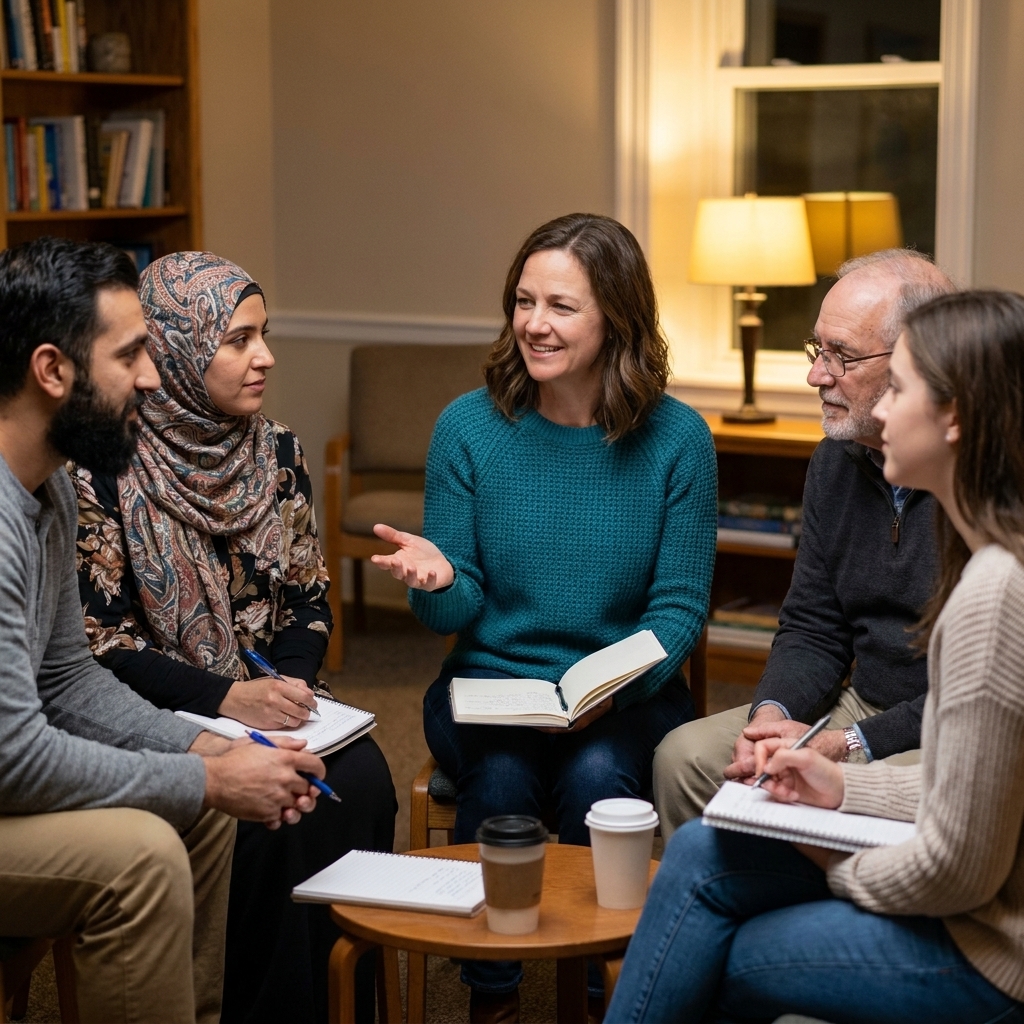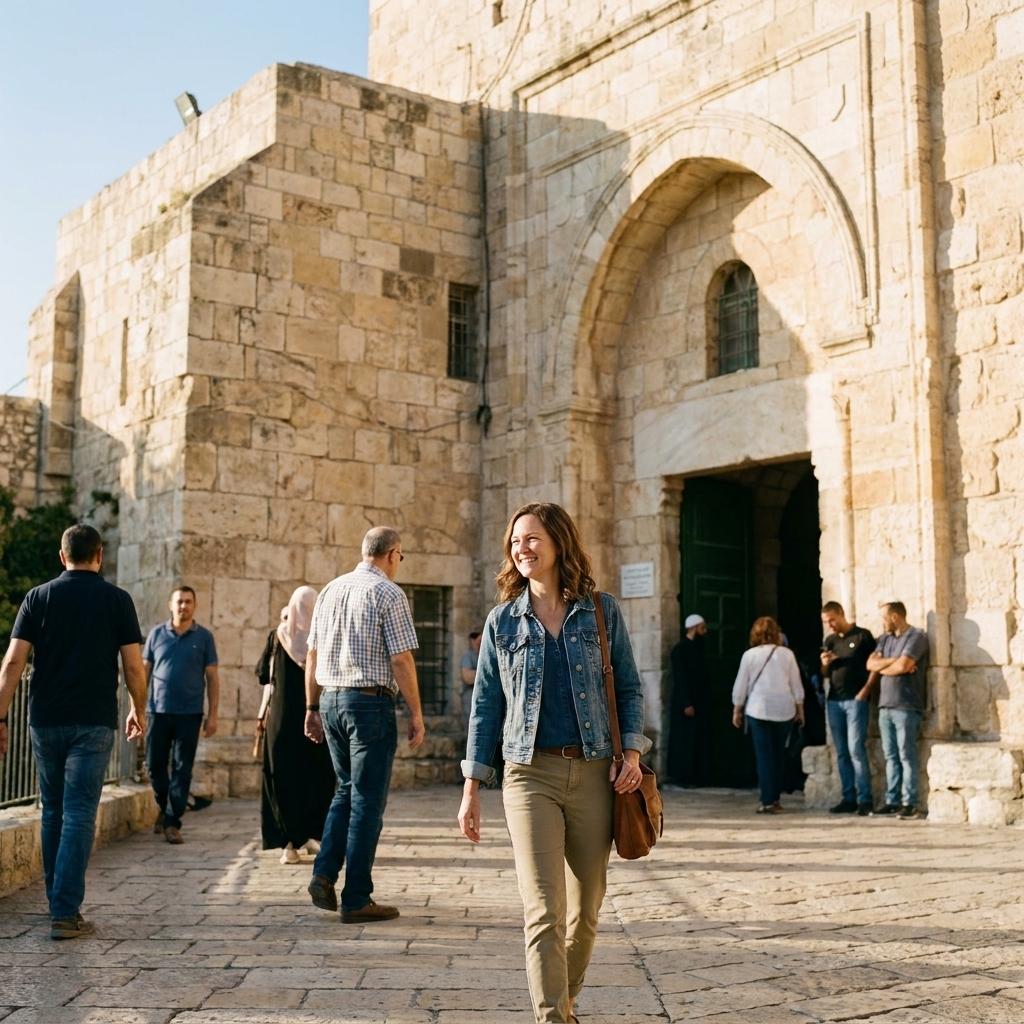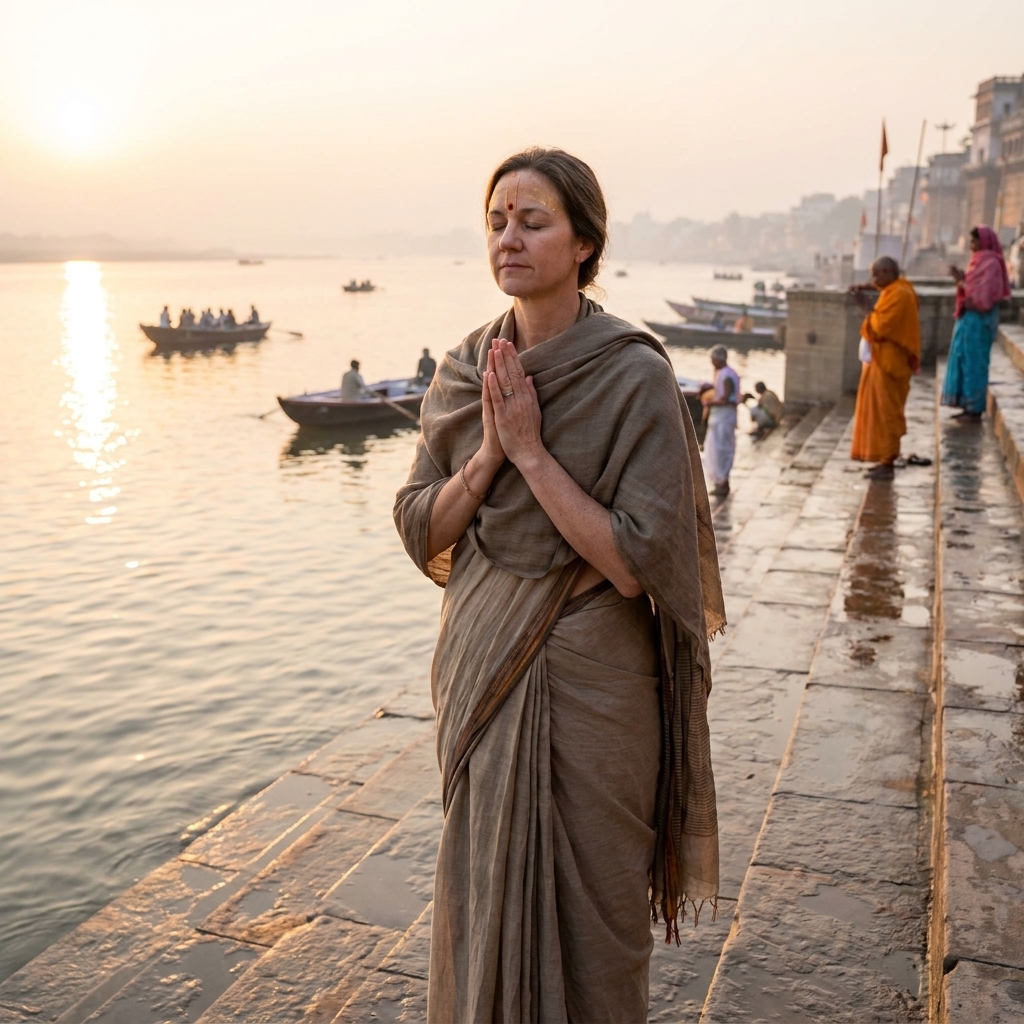
When I was growing up in a multi-faith home, dinner conversations could move from the Bhagavad Gita to the Gospels to questions about prayer rugs and Sabbath candles, sometimes in the span of ten minutes. What stayed with me was not a sense of competition between traditions, but a quieter recognition: human beings keep reaching for meaning, and we do it in beautifully different languages.
This guide is a beginner-friendly walk through five major world religions: Hinduism, Buddhism, Judaism, Christianity, and Islam. We will look at origins, core beliefs, and everyday practices in a way that honors both shared values and real differences. If you are here out of curiosity, for a class, or because you are trying to understand someone you love, you are in the right place.
A quick note on respect
Religions are not monoliths. Each includes many denominations, cultures, and personal interpretations. What follows is an overview, not an attempt to capture every school of thought. When in doubt, I lean on widely accepted scholarship and on how many practitioners describe their own faith.
- Origins points to formative time periods and early communities.
- Core beliefs highlights central teachings, often shared by many branches.
- Practices focuses on what people may do day to day or week to week.
Hinduism
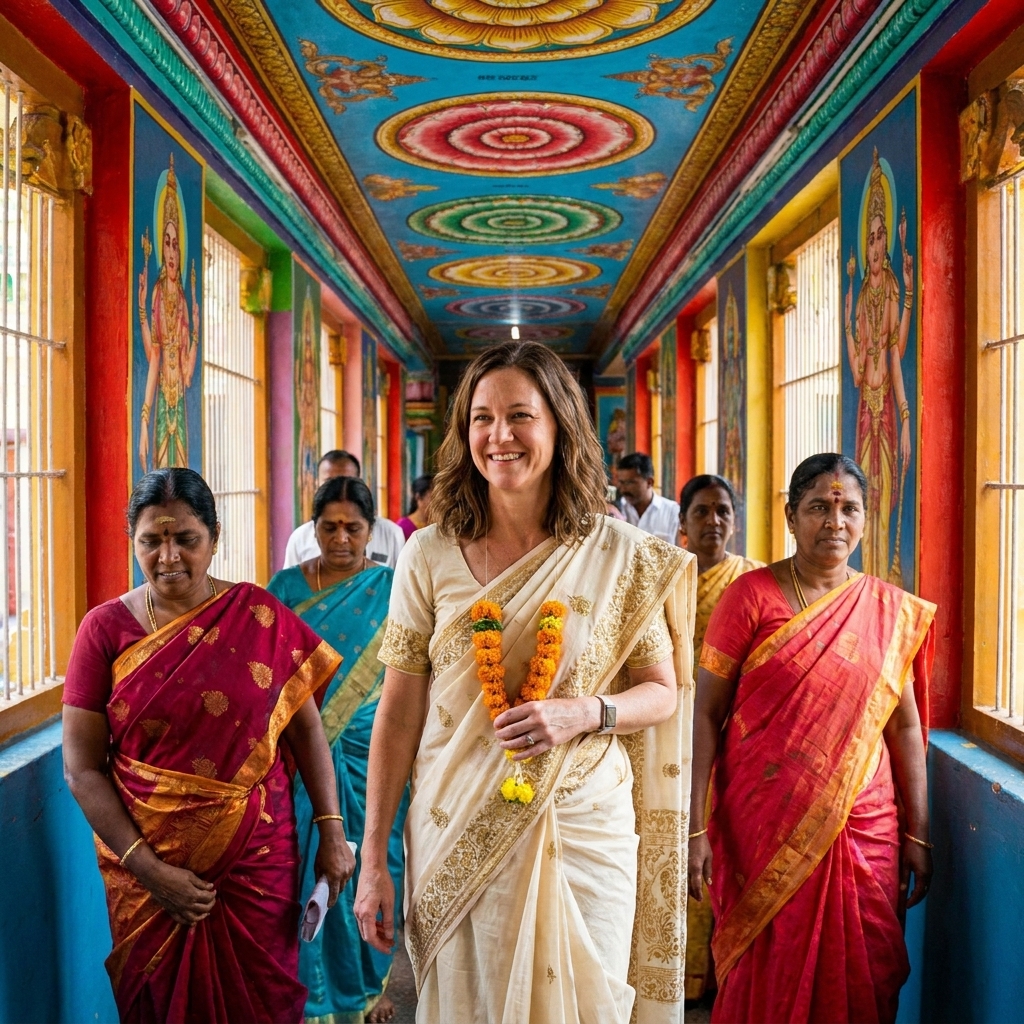
Hinduism is often described as among the world’s oldest living religious traditions. It is less a single founder-led faith and more a family of philosophies, rituals, stories, and devotional paths that developed over millennia on the Indian subcontinent.
It is also wonderfully diverse. For example, many Hindus practice devotion focused on Vishnu (Vaishnavism), Shiva (Shaivism), or the Goddess in her many forms (Shaktism), while others emphasize philosophy, meditation, or ritual life in different blends.
Origins
Hinduism’s roots reach back to ancient India, especially the Vedic period (roughly 1500–500 BCE), while many of its beloved epics, devotional movements, and philosophical schools grew over centuries after that. There is no single origin story. There is an evolving stream of revelation, commentary, poetry, temple culture, and lived devotion.
Core beliefs
- Dharma: Living in alignment with truth, duty, and moral order, shaped by one’s stage of life and responsibilities.
- Karma: Actions have consequences, ethically and spiritually, influencing one’s life and future circumstances.
- Samsara: The cycle of birth, death, and rebirth.
- Moksha: Liberation from samsara, often described as realization of ultimate reality.
- Brahman: Ultimate reality in many Hindu philosophies, beyond any single name or form.
- The divine: Brahman is expressed and approached through diverse forms of the divine such as Vishnu, Shiva, Devi, and others. Some traditions are devotional and theistic, some more nondual or philosophical, and many blend both.
Sacred texts and stories
- The Vedas and Upanishads (foundational scriptures and philosophical reflections)
- The Bhagavad Gita (a dialogue on duty, devotion, and liberation)
- The Ramayana and Mahabharata (epic narratives shaping ethics and devotion)
Common practices
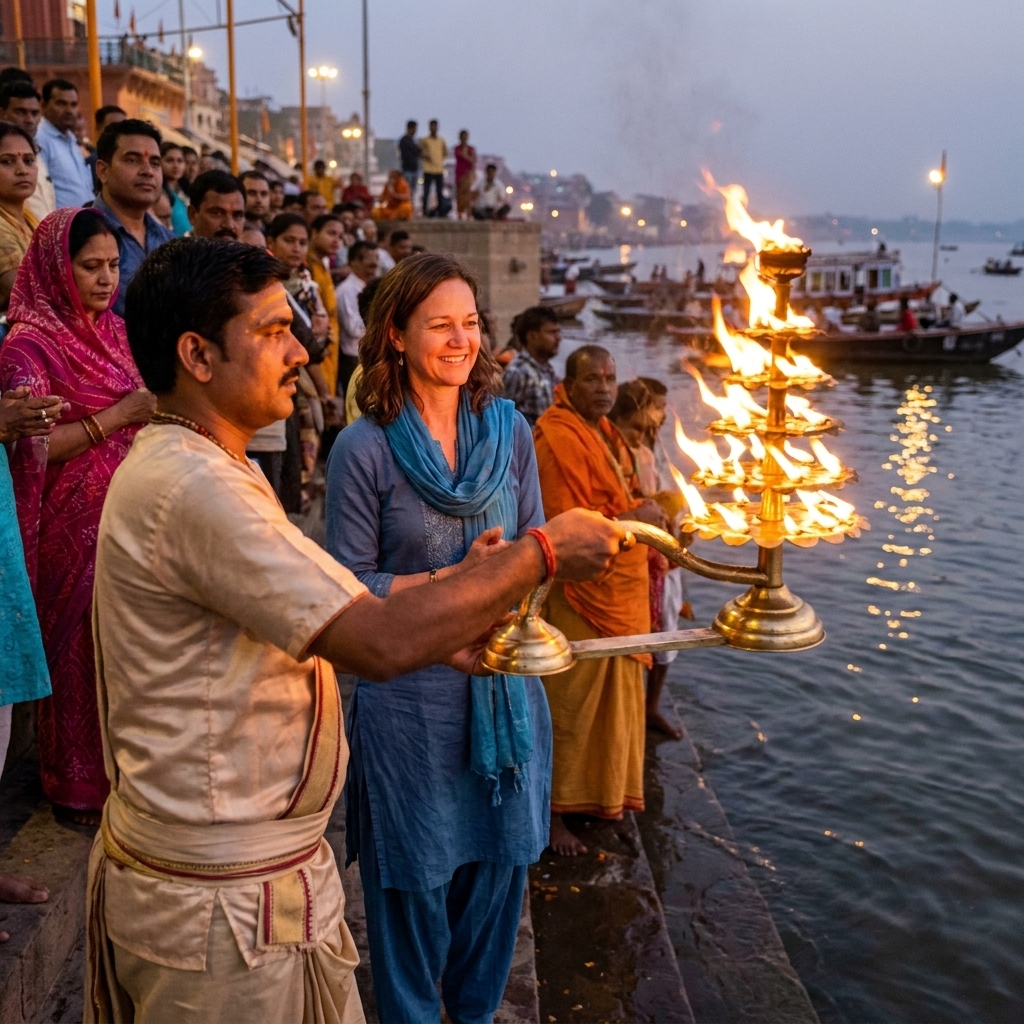
- Puja: Prayer and offerings at home shrines or temples, often involving lamps, incense, flowers, and food offerings.
- Mantra: Repetition of sacred sounds or names of the divine.
- Yoga: A broad spiritual discipline that can include meditation, ethical practices, breathwork, and devotion. In Hindu contexts, yoga is not only exercise.
- Festivals: Such as Diwali, Holi, Navaratri, and many regional celebrations.
- Pilgrimage: Journeys to sacred rivers, temples, and sites.
Buddhism
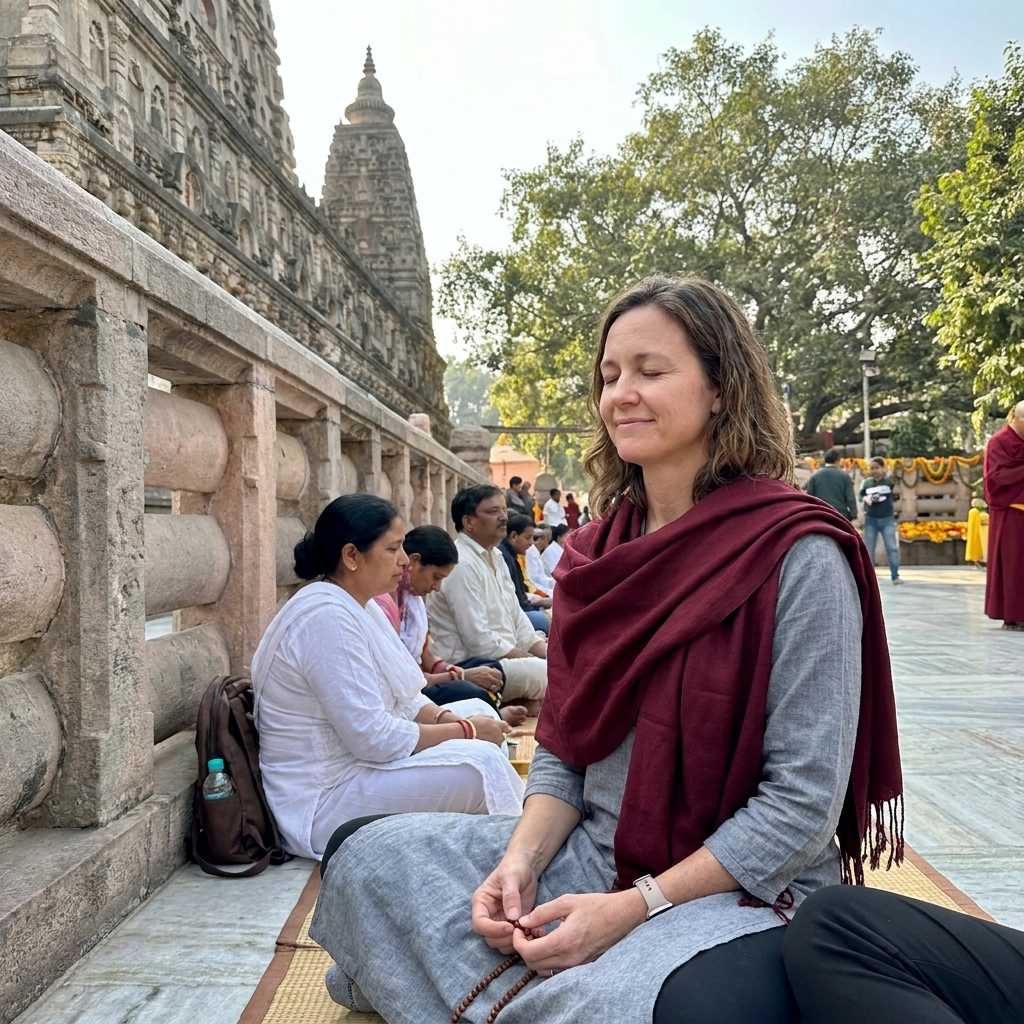
Buddhism began as a path of awakening, shaped by the teachings of a historical figure and carried across Asia in many forms. While Buddhism includes rituals and devotion in many cultures, at its heart is a practical question: What causes suffering, and how can it end?
Depending on where you encounter Buddhism, it may look quite different. A Theravada community might emphasize monastic discipline and insight meditation, while Mahayana and Vajrayana communities may also include bodhisattva devotion, chanting, and rich ritual life.
Origins
Buddhism traces to Siddhartha Gautama (the Buddha), who lived in ancient India (often dated around the 5th century BCE). After his awakening, he taught a way of liberation that spread through monastic communities and later into diverse traditions such as Theravada, Mahayana, and Vajrayana.
Core beliefs
- The Four Noble Truths: Suffering (dukkha) exists, it has causes, it can cease, and there is a path leading to its cessation.
- The Noble Eightfold Path: A framework for ethical living, mental discipline, and wisdom.
- Impermanence (anicca) and non-self (anatta): Reality is changing, and the self is not a fixed, independent essence.
- Karma and rebirth: Many Buddhist traditions teach a continuity of consequences and rebirth, though interpretations vary.
- Nirvana: Liberation or awakening, often described as freedom from craving and ignorance.
Texts and teachings
- The Pali Canon (central in Theravada)
- Mahayana sutras (such as the Lotus Sutra, Heart Sutra)
- Commentaries and practice manuals across traditions
Common practices
- Meditation: Mindfulness (vipassana), concentration (samatha), loving-kindness (metta), and other methods.
- Ethical precepts: Commitments such as non-harming, truthfulness, and mindful conduct.
- Chanting: Sutras, mantras, or devotional recitations depending on the tradition.
- Monastic life: A vital part of many Buddhist cultures, alongside lay practice.
- Ritual and offerings: Candles, incense, and symbolic gestures that cultivate gratitude and awareness.
Judaism
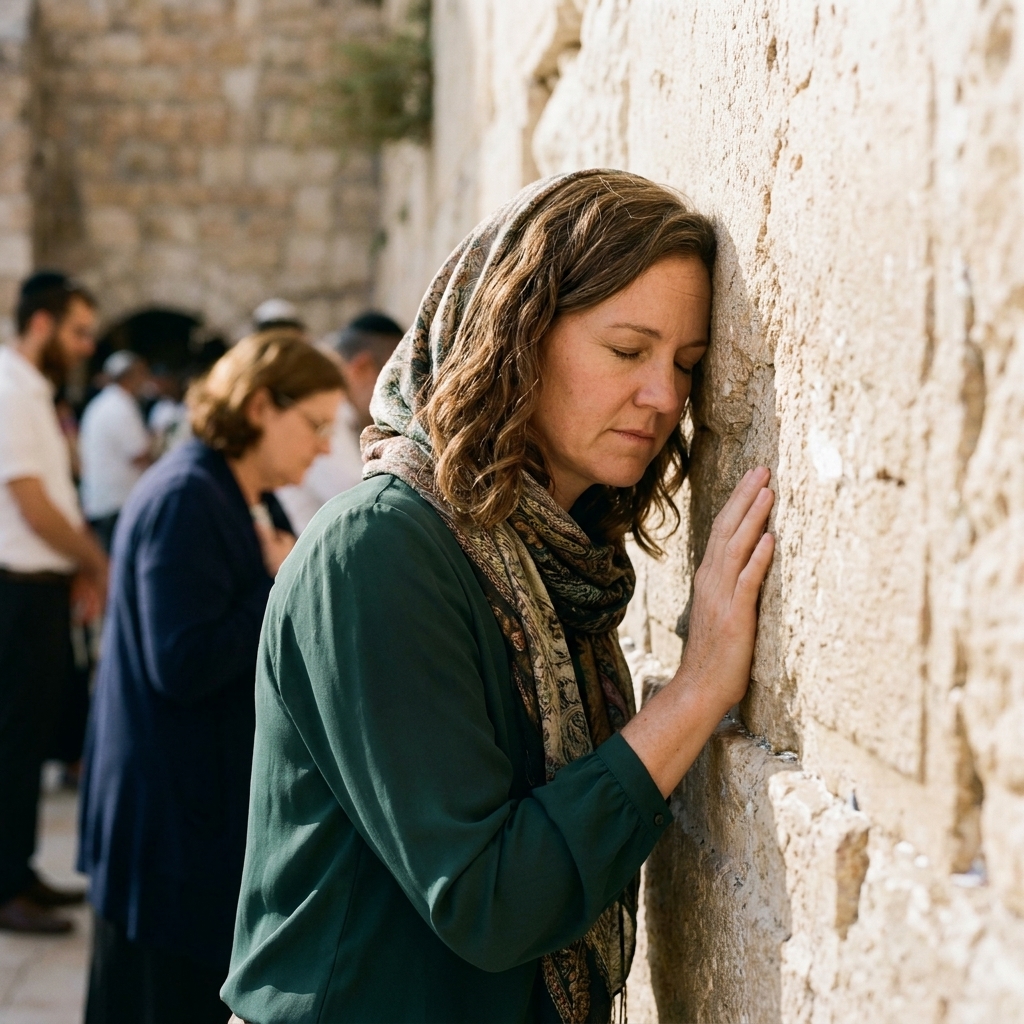
Judaism is both a religion and a peoplehood, rooted in covenant, memory, and an ongoing conversation with God through scripture, law, ethics, and community life. It is deeply shaped by sacred time: weekly rhythms, seasonal festivals, and the practice of remembrance.
Jewish life also varies across communities. You may hear people describe themselves as Orthodox, Conservative, Reform, Reconstructionist, or secular and culturally Jewish, among other identities and movements.
Origins
Judaism traces its foundational narratives to the Hebrew Bible, beginning with the patriarchs and matriarchs and the covenantal relationship associated with Abraham, and later the formative liberation story of the Exodus under Moses. Historically, ancient Israelite religion developed over centuries, with major turning points including the First and Second Temple periods and the later rise of Rabbinic Judaism after the destruction of the Second Temple in 70 CE.
Core beliefs
- One God: Judaism is strictly monotheistic.
- Covenant: A sacred relationship between God and the Jewish people, expressed through commandments and communal identity.
- Torah: Teaching and law, guiding both ethics and daily life.
- Tikkun olam: Often translated as “repairing the world.” In some contemporary Jewish communities, especially in North America, it is a prominent way of describing Judaism’s ethical responsibilities.
- Life, holiness, and practice: In many Jewish approaches, belonging and doing can be as central as believing.
Sacred texts
- Tanakh (Hebrew Bible)
- Talmud (Rabbinic discussions of law, ethics, and interpretation)
- Prayer books (siddur) and later rabbinic writings
Common practices
- Shabbat: A weekly Sabbath from Friday evening to Saturday evening, marked by rest, prayer, and family meals.
- Prayer: Often three daily services in traditional practice, with communal prayer holding special significance.
- Kashrut: Dietary laws observed in varying degrees across communities.
- Festivals: Passover, Rosh Hashanah, Yom Kippur, Sukkot, Hanukkah, Shavuot, and others.
- Lifecycle rituals: Brit milah, bar and bat mitzvah, marriage rites, mourning practices such as shiva.
Christianity
Christianity centers on the life and teachings of Jesus of Nazareth and the conviction that God’s love is revealed through him in a way that changes how people live, forgive, and hope. Across its many denominations, Christians share scripture, worship, and a desire to follow what they understand as the way of Christ.
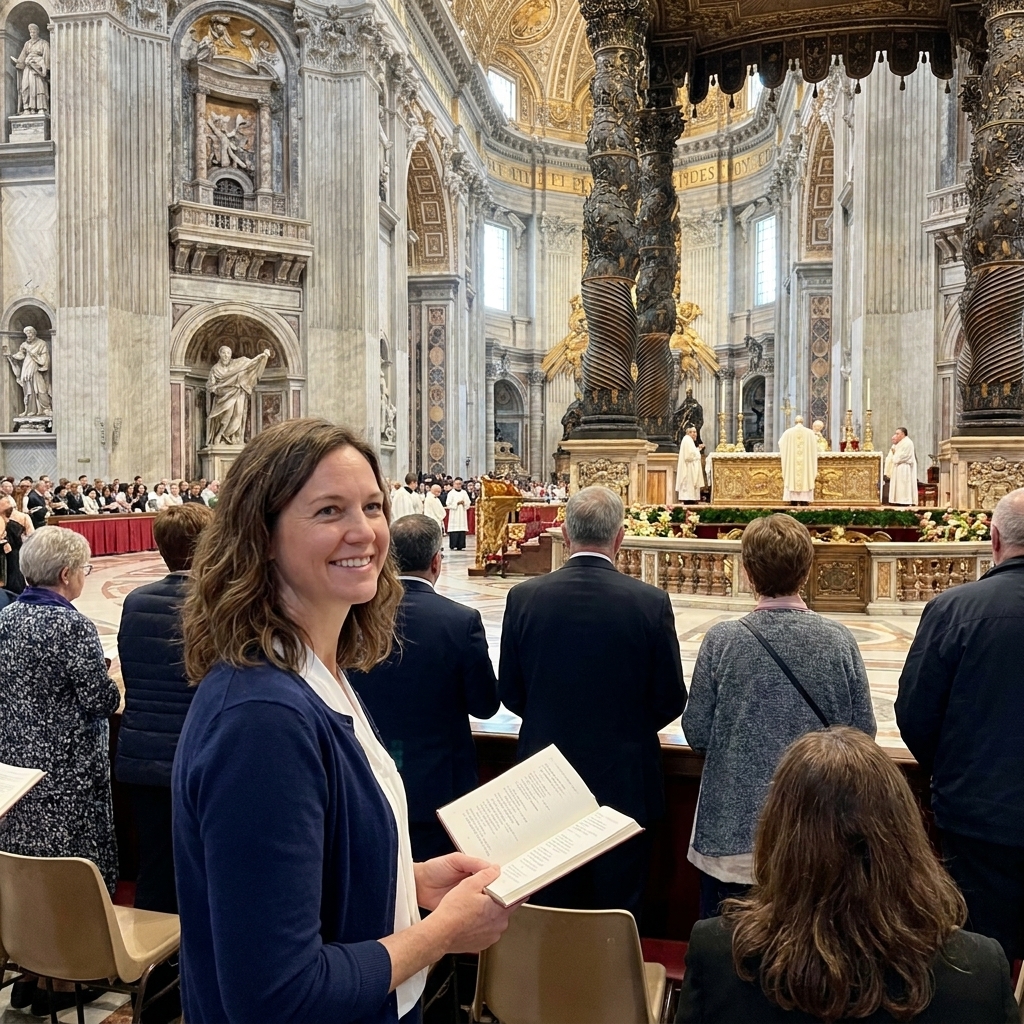
Christian practice can feel quite different across traditions. A Catholic Mass, an Orthodox Divine Liturgy, and a Protestant worship service may share core scripture and prayer, but differ in structure, theology, and style.
Origins
Christianity emerged in the 1st century CE within the Jewish world of Roman-occupied Judea. Early followers of Jesus came to believe he was the promised Messiah and, in most Christian traditions, the incarnate Son of God. The movement spread through the Mediterranean world, shaped by communities, councils, and theological developments over centuries. Major branches today include Roman Catholic, Eastern Orthodox, and a wide range of Protestant traditions.
Core beliefs
- God: Most Christians affirm the Trinity, God as Father, Son, and Holy Spirit, though some Christian groups are non-Trinitarian.
- Jesus Christ: Central to Christian faith. In traditional doctrine, he is fully divine and fully human, and his life, death, and resurrection are central to salvation.
- Grace: God’s unearned gift, often emphasized as the foundation of salvation.
- Scripture and discipleship: The Bible guides faith and practice, alongside tradition in many denominations.
- Love of God and neighbor: A moral heart of Christian living, expressed through forgiveness, service, and justice.
Sacred texts
- The Bible: The Old Testament (shared with Judaism in different arrangements) and the New Testament (Gospels, letters, and other writings).
Common practices
- Worship: Sunday services often include scripture readings, preaching, prayer, and music.
- Sacraments or ordinances: Commonly baptism and Eucharist (Communion), with additional sacraments in Catholic and Orthodox traditions.
- Prayer: Both personal and communal, sometimes including set prayers and contemplative forms.
- Holy seasons: Advent, Christmas, Lent, Holy Week, Easter, and Pentecost are central in many traditions.
- Service: Charity, community care, and social justice work are major expressions of faith for many Christians.
Islam
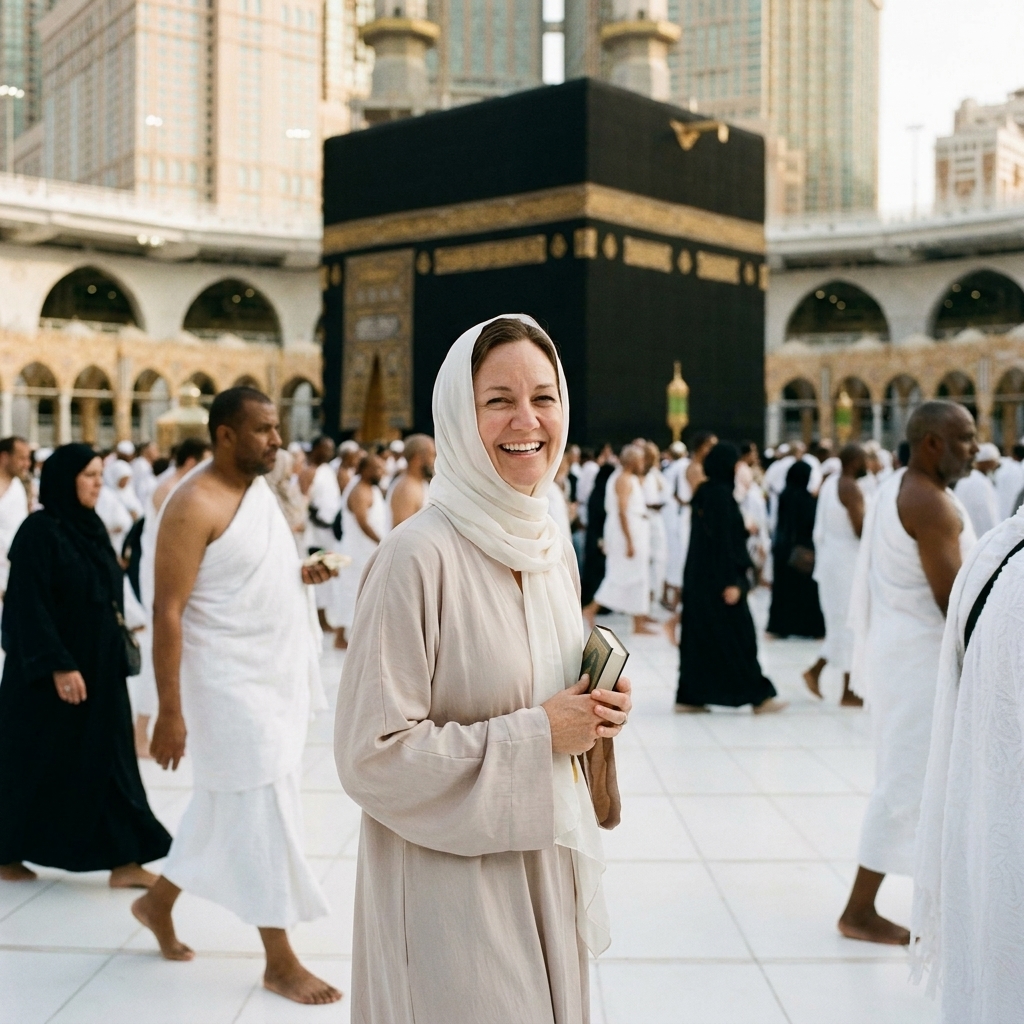
Islam is rooted in devotion to the one God, expressed through daily prayer, ethical living, and a deep sense of community. Many Muslims describe Islam as a path of submission and surrender to God’s guidance. The word is related to an Arabic root associated with peace and wholeness, but it is best understood through lived practice, not slogans.
Muslim life is also diverse. Sunni and Shia communities share core commitments while differing in history and religious authority, and many Muslims are also shaped by Sufism as a mystical current of devotion and remembrance.
Origins
Islam began in the 7th century CE in the Arabian Peninsula through the revelations received by the Prophet Muhammad in Mecca and Medina. These revelations form the Qur’an. Islam spread rapidly across regions, developing rich legal, theological, philosophical, and mystical traditions. The two largest branches today are Sunni and Shia, alongside other communities.
Core beliefs
- Tawhid: The absolute oneness of God (Allah).
- Prophets: Reverence for prophets including Adam, Noah, Abraham, Moses, and Jesus, with Muhammad understood as the final prophet.
- Revelation: The Qur’an as God’s word, with the Hadith recording sayings and actions of Muhammad that help guide practice.
- Angels, Judgment, and the afterlife: Accountability, mercy, and moral seriousness are central themes.
- Ummah: The global community of Muslims.
Sacred texts
- The Qur’an
- Hadith collections (varying in authority across traditions)
Common practices
- The Five Pillars: Shahada (declaration of faith), Salah (five daily prayers), Zakat (almsgiving), Sawm (fasting in Ramadan), Hajj (pilgrimage to Mecca if able).
- Friday prayer: Communal worship and sermon (Jumu’ah).
- Ramadan: A month of fasting, prayer, and generosity, ending with Eid al-Fitr.
- Daily remembrance: Supplications, Qur’an recitation, and mindful ethical conduct.
Shared and different
It is tempting to flatten religions into “all the same” or “nothing alike.” The truth is more human than that. Many traditions share ethical concerns like compassion, honesty, generosity, and self-discipline. Many offer practices that steady the mind and soften the heart.
Shared themes you may notice
- Prayer or meditation as a way of realigning the self
- Community through worship, festivals, and mutual care
- Story as a vessel for meaning and moral imagination
- Service as spirituality made visible
Key differences to hold with care
- Views of God: From strict monotheism (Judaism, Islam) to Trinitarian theology (most Christianity) to diverse theistic and nondual frameworks (Hinduism) and non-theistic approaches (many forms of Buddhism).
- Salvation and liberation: Different understandings of what “freedom” is and how it is attained.
- Authority: Scripture, tradition, law, teachers, and community play different roles across faiths.
- Cosmology and afterlife: Some traditions emphasize rebirth and liberation from cycles, while others emphasize resurrection, judgment, and life with God.
One of the most faithful ways to learn is to let each tradition speak in its own terms before we translate it into our own.
Beginner FAQ
Are these the only major religions?
No. This article focuses on five that have large global presence and deep historical influence, but many other traditions are profoundly significant, including Sikhism, Jainism, Bahá’í, Indigenous spiritualities, Confucianism, Daoism, Shinto, and more.
Which is the oldest?
Among these five, Hinduism is often described as among the oldest living traditions, with roots reaching back to ancient India. Judaism is also ancient, with a long historical development tied to the people of Israel.
Do Buddhism and Hinduism believe the same thing about karma and rebirth?
They share some vocabulary, but they frame it differently. Many Hindu traditions speak of an enduring self (atman) and ultimate reality (Brahman), while classical Buddhism emphasizes non-self and focuses on ending suffering through awakening.
Do all Christians believe the same things?
Christians broadly share devotion to Jesus and the Bible, but beliefs and practices vary across Catholic, Orthodox, and Protestant traditions, and among many denominations within each. Some Christian communities are also non-Trinitarian, which can shape how they describe God and Jesus.
What is the best way to learn without being disrespectful?
- Start with reputable sources and practitioner voices.
- Ask questions with humility, not as a debate trap.
- Visit a service or festival if invited and follow basic etiquette.
- Remember that a person is never a spokesperson for an entire religion.
A closing thought
In my retreat work, I have seen people find peace through chanting, through silent sitting, through kneading challah dough on Friday afternoon, through kneeling in a candlelit church, and through the simple steadiness of daily prayer. The forms differ. The longing is familiar.
If you take anything from this overview, let it be this: you do not need to master every doctrine to practice respect. Often, the first step is simply paying attention with an open heart.