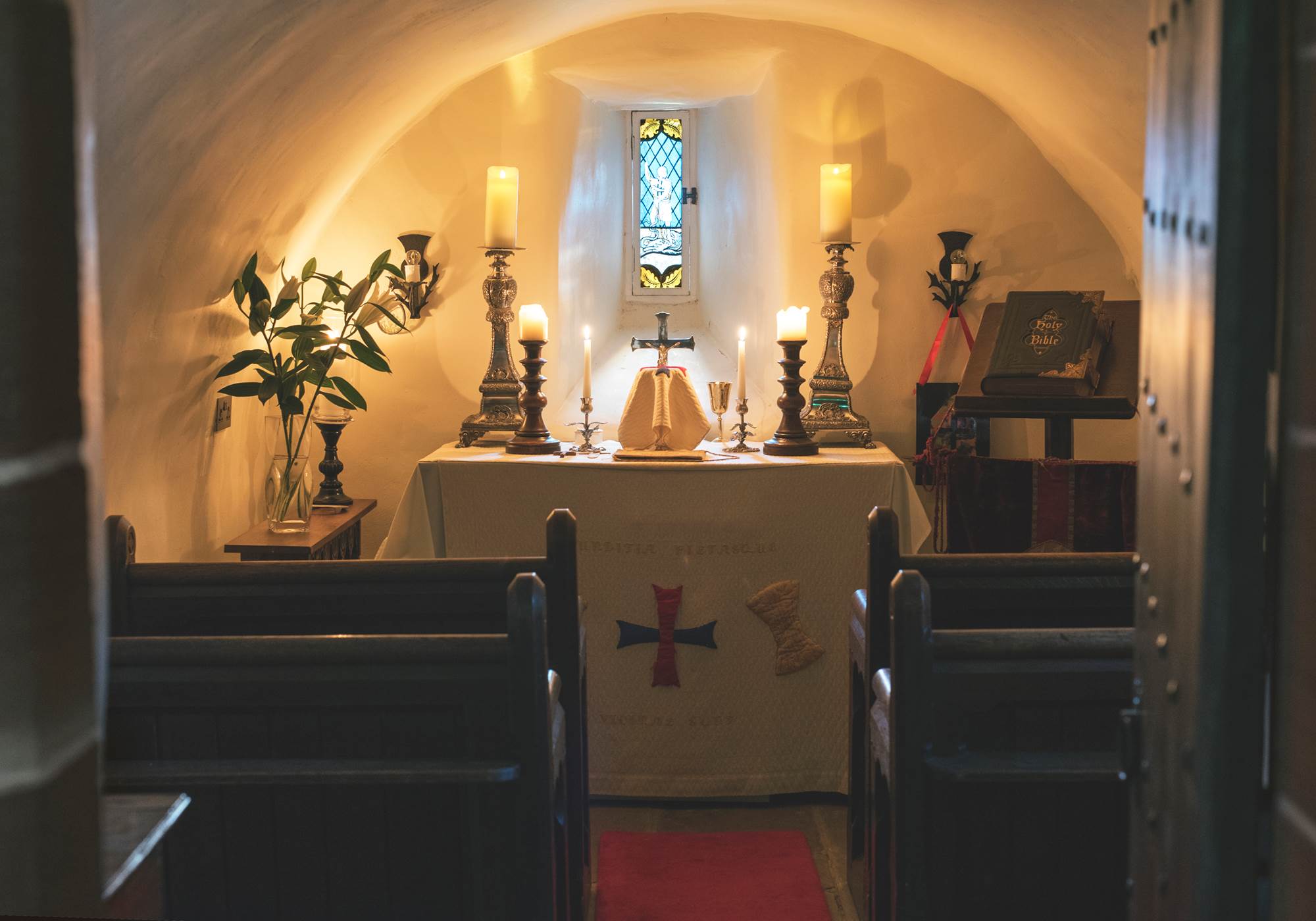
Some seasons of life feel like a rushing river. You wake up, do your best, collapse into bed, and wonder where your soul went in the commotion. A personal rule of life is not a rigid schedule meant to control you. It is a gentle set of promises that brings you back to what matters, again and again.
In monastic Christianity, a “rule” can mean a way of living: a shared pattern that supports prayer, work, and relationship. Think of it like a trellis for a growing vine. The trellis does not force the plant to grow. It gives the growth a shape and support so it can reach for sunlight without snapping in the wind.

What it is
A rule of life is a short, written plan for how you want to live spiritually and ethically in everyday life. It answers questions like:
- What practices keep me connected to the Holy, to truth, to love?
- What protects my limits so I can be faithful without burning out?
- What helps me return when I drift, numb out, or spiral?
It is not a productivity hack. It is not a moral scorecard. And it is not a way to prove you are “good enough” at spirituality.
A healthy rule of life has two qualities that can peacefully coexist:
- Clarity: it is concrete enough that you can actually do it.
- Compassion: it is forgiving enough that you can actually keep returning to it.
Where it comes from
The phrase “rule of life” is often associated with Christian monastic traditions, especially communities shaped by the Rule of St. Benedict. The term comes from that world. The underlying human wisdom, though, is broader: we tend to flourish with rhythm.
You can see that instinct across religions and wisdom paths, each with its own language and theology:
- Judaism: daily blessings, prayer cycles, Shabbat rest, ethical mitzvot that sanctify ordinary time.
- Islam: the five daily prayers as anchors, fasting as spiritual training, charity as embodied mercy.
- Hindu traditions: daily sadhana, mantra, puja, and practices shaped by one’s stage of life and duties.
- Buddhist traditions: precepts, meditation periods, chanting, mindful livelihood, compassion practices.
- Sikh tradition: remembrance of the Divine Name (Naam Simran), community service (seva), and daily prayers (Nitnem) for many Sikhs.
- Secular spiritual paths: meditation, time in nature, restorative rest, service, and reflective journaling.
Different practices, similar purpose: a patterned life that helps you remember what you already know in your deepest self.
Five anchors
If you are new to the idea, start with five anchors. They are broad enough to fit most traditions and flexible enough to fit real life. Treat them as categories, not boxes.
1) Prayer (or connection)
This is the practice of turning toward the Sacred, however you understand it. It might look like formal prayer, chanting, breath prayer, sitting meditation, walking in nature with intention, or simply speaking honestly to God.
- Beginner-friendly: 2 minutes of stillness each morning and one sentence of gratitude at night.
- When life is loud: a pause before meals, or a short prayer before opening your email.
2) Study (or learning)
Study is how we let wisdom reshape us. It can be scripture, poetry, theology, philosophy, commentaries, or teachings from a trusted teacher. It can also be learning that makes you more compassionate and awake.
- Beginner-friendly: one page a day from a sacred text or a short teaching.
- Keep it grounded: ask, “What would change in my choices if I took this seriously?”
3) Rest (or Sabbath)
Rest is spiritual, not optional. Many traditions teach, in different ways, that you are not infinite, and you do not have to prove your worth through exhaustion.
- Beginner-friendly: a 20-minute tech-free break each day.
- Sabbath option: a half-day weekly where you do not do chores or work that drains you, if possible.
4) Service (or compassion in action)
Service is how spirituality becomes tangible. It can be formal volunteering, caring for family, showing up for a neighbor, or choosing ethical spending. Service is also one way we keep spirituality from collapsing into self-absorption.
- Beginner-friendly: one small act of kindness each day, done quietly.
- Make it specific: “I will text one person encouragement on Fridays.”
5) Reflection (or examen)
Reflection helps you notice where life is opening and closing inside you. Many Christians practice the Examen. Buddhists may reflect on intention and reactivity. Muslims may practice muhasabah, self-accounting. In any language, reflection is how you learn from your own days.
- Beginner-friendly: at night, answer: “Where did I feel most alive today? Where did I feel most numb?”
- If journaling is hard: speak your reflections aloud on a short walk.

Write yours in 7 steps
Step 1: Start with your real life
Before you write anything, take an honest inventory. Consider your work hours, caregiving responsibilities, health, commute, and current spiritual capacity. A rule that requires a different life than yours can quietly shame you. We are aiming for a rule that meets you where you are and gently guides you forward.
Step 2: Name your values
Try: “I want to live with…” and finish the sentence with 3 to 5 words.
- “I want to live with attention, kindness, simplicity, courage.”
- “I want to live with devotion, integrity, hospitality.”
This becomes your compass when you are choosing practices.
Step 3: Choose one practice per anchor
Pick the smallest sustainable version first. You can always grow later.
- Prayer: 3 minutes morning silence
- Study: read one short passage at lunch
- Rest: screen-free first 15 minutes after work
- Service: one weekly act of care for someone outside your household
- Reflection: two questions before bed
Step 4: Set a rhythm
Not everything has to be daily. Forcing everything into “every day” often breaks a rule of life before it begins.
- Daily: brief prayer, one small reflection
- Weekly: extended study, community gathering, longer rest
- Monthly: half-day retreat, service project, confession or spiritual direction
Step 5: Add boundaries
Many of us write only “do more” rules. A mature rule also includes “do less” commitments that protect your spirit.
- “I do not check email before prayer.”
- “I stop work at 6:00 pm three nights a week.”
- “I do not say yes to a new commitment without 24 hours to reflect.”
Step 6: Use warm language
Your rule should sound like a promise made in love, not a contract written in fear. If your inner voice becomes harsh, rewrite it until you can breathe.
“I will return, gently and again, to the practices that make me more loving.”
Step 7: Pick a review date
Choose a date 4 to 6 weeks from now. Your first version is a draft. You are learning what is realistic and life-giving.
Beginner examples
Example 1: Two-minute trellis
For very busy seasons.
- Prayer: Two minutes of quiet breathing upon waking
- Study: One paragraph of sacred text or a short daily reading
- Rest: One 10-minute pause without phone
- Service: One intentional kindness daily
- Reflection: At night: “What opened my heart today? What closed it?”
Example 2: Steady week
For those craving structure.
- Prayer: Morning prayer plus a brief pause at midday
- Study: 20 minutes, three days a week
- Rest: One evening a week reserved for quiet and early sleep
- Service: Volunteer or community care once a week
- Reflection: Sunday evening weekly review and planning
Example 3: Healing rule
For grief, anxiety, or recovery.
- Prayer: A simple repeating phrase: “Mercy, be near” for 1 minute at a time
- Study: Read only what comforts and steadies for now
- Rest: Protect sleep as sacred, with a gentle bedtime ritual
- Service: Service begins at home: hydration, nourishment, asking for help
- Reflection: Track one thing that helped and one thing that hurt each day

A finished sample
If it helps to see one full version end to end, here is a simple example you can copy and adjust:
- Daily, morning: 3 minutes of quiet prayer or meditation before checking my phone.
- Daily, midday: One slow breath before eating lunch.
- Daily, evening: Two reflection questions: “What gave me life today?” and “What drained me?”
- Weekly: 30 minutes of study and one concrete act of service outside my usual circle.
- Weekly rest: One screen-light evening (no scrolling after dinner).
- Boundary: I do not add a new commitment without sleeping on it.
Across traditions
You do not need to borrow language that feels unnatural to you. Keep the structure, translate the vocabulary. And if you are adopting a practice outside your tradition, it can help to check in with a trusted clergy member, teacher, or elder, especially if you want to do it with integrity and care.
Christian
- Prayer: Morning prayer, lectio divina, breath prayer
- Study: Gospel reading, psalms, a commentary
- Rest: Sabbath practice, worship, digital fasting
- Service: works of mercy, church community care
- Reflection: Examen, confession, spiritual direction
Jewish
- Prayer: Modeh Ani, Amidah, blessings through the day
- Study: Torah portion, Pirkei Avot, commentary study
- Rest: Shabbat boundaries and delight
- Service: tzedakah, acts of chesed
- Reflection: Cheshbon HaNefesh (soul-accounting)
Muslim
- Prayer: salah as the central rhythm, du’a, dhikr
- Study: Qur’an reading, tafsir, seerah
- Rest: intentional pauses between prayers, healthy sleep
- Service: zakat and sadaqah, community care
- Reflection: muhasabah (self-reckoning), gratitude practice
Buddhist
- Connection: sitting meditation, metta practice, chanting
- Study: a short sutra passage, a dharma talk
- Rest: mindful rest without stimulation
- Service: compassion practice in action, mindful speech
- Reflection: review of intention, noticing craving and aversion
Spiritual but not religious
- Connection: meditation, nature walks, breathwork
- Study: a wisdom book, poetry, philosophy
- Rest: digital boundaries, sleep rituals
- Service: mutual aid, volunteering, everyday kindness
- Reflection: journaling, therapy-informed check-ins, gratitude
The point is not to copy someone else’s devotion. The point is to create a rhythm that reliably makes you more loving, awake, and grounded.
Common pitfalls
Too ambitious
If your rule requires heroic willpower, it will not survive an ordinary Tuesday. Shrink it until it is doable on your hardest day. And if you are in an acute crisis, you may need to simplify even further for a while. That is not failure. That is wisdom.
Self-judgment
A rule of life is a support, not a verdict. When you miss a practice, let it become information, not condemnation.
Forgetting community
Even solitary practices thrive with support. If you can, share one part of your rule with a friend, mentor, clergy person, or small group. Accountability is not about pressure. It is about being seen.
Ignoring your body
Your nervous system is part of your spiritual life. If you are constantly dysregulated, you might need rest and safety more than you need another discipline.
When it becomes compulsive
If you notice a rule of life feeding scrupulosity, anxiety, OCD tendencies, or old religious trauma, treat that as a signal to seek support. A trusted therapist, spiritual director, or wise leader can help you reshape the rule so it serves love rather than fear.
A simple rule for today
If you want a starting point you can write on a sticky note, try this:
- Morning: 3 minutes of prayer or quiet
- Midday: one mindful breath before eating
- Evening: two questions of reflection
- Weekly: one hour of study and one act of service
- Boundary: one screen-free block each day
Then live with it for two weeks. Not perfectly, just honestly. Notice what softens your heart and what drains it.
FAQ
Do I have to follow it every day for it to count?
No. A rule of life is meant to form you over time, not to produce daily perfection. Consistency matters, and mercy matters too. When you miss a day, the practice can be simply returning the next day without drama.
How long should it be?
Short enough that you will read it. Many people do well with 5 to 12 bullet points. If it sprawls into pages, it becomes a document you admire instead of a life you live.
Should I include health habits like exercise?
You can, especially if they support your spiritual steadiness. A walk, strength training, or physical therapy can be holy when it helps you be present, patient, and well. Just avoid turning your rule into a comprehensive self-improvement plan.
What if my tradition already has set practices?
Beautiful. Your rule of life can be your personal way of inhabiting those practices realistically. You are not replacing tradition. You are creating a livable rhythm within it.
What if I do not know what I believe right now?
You can still build a rule of life around attention, compassion, truthfulness, and rest. Start with practices that help you become more awake and kind, then let belief unfold as it will.