
Some spiritual practices ask us to climb. The Examen asks us to notice.
Examen prayer is a short, reflective prayer practice often done daily, especially in the evening. It helps you look back over the day with honesty and tenderness, paying attention to where you felt most alive, most drained, most grateful, most reactive, and most in need of grace. For many people, it becomes a steady way of finding God not only in the “holy moments,” but also in the messy ones.

The heart of the Examen
The word Examen comes from Latin examen, meaning a “weighing” or “examination” (like the needle of a balance). In the Christian tradition it is most closely associated with St. Ignatius of Loyola, who popularized a distinctive daily review of the day in God’s presence. Some people practice it once a day, while others return to it twice daily (midday and evening).
At its core, the Examen is not a moral scorecard. It is a relational practice. You are not simply analyzing your behavior. You are asking, “Where were You with me today?” and “How can I respond with more love tomorrow?”
Many people experience the Examen as a bridge between ordinary life and prayer. It is ideal for anyone who wants a practice that is simple, repeatable, and grounded in compassion rather than perfectionism.
A simple 10-minute Examen
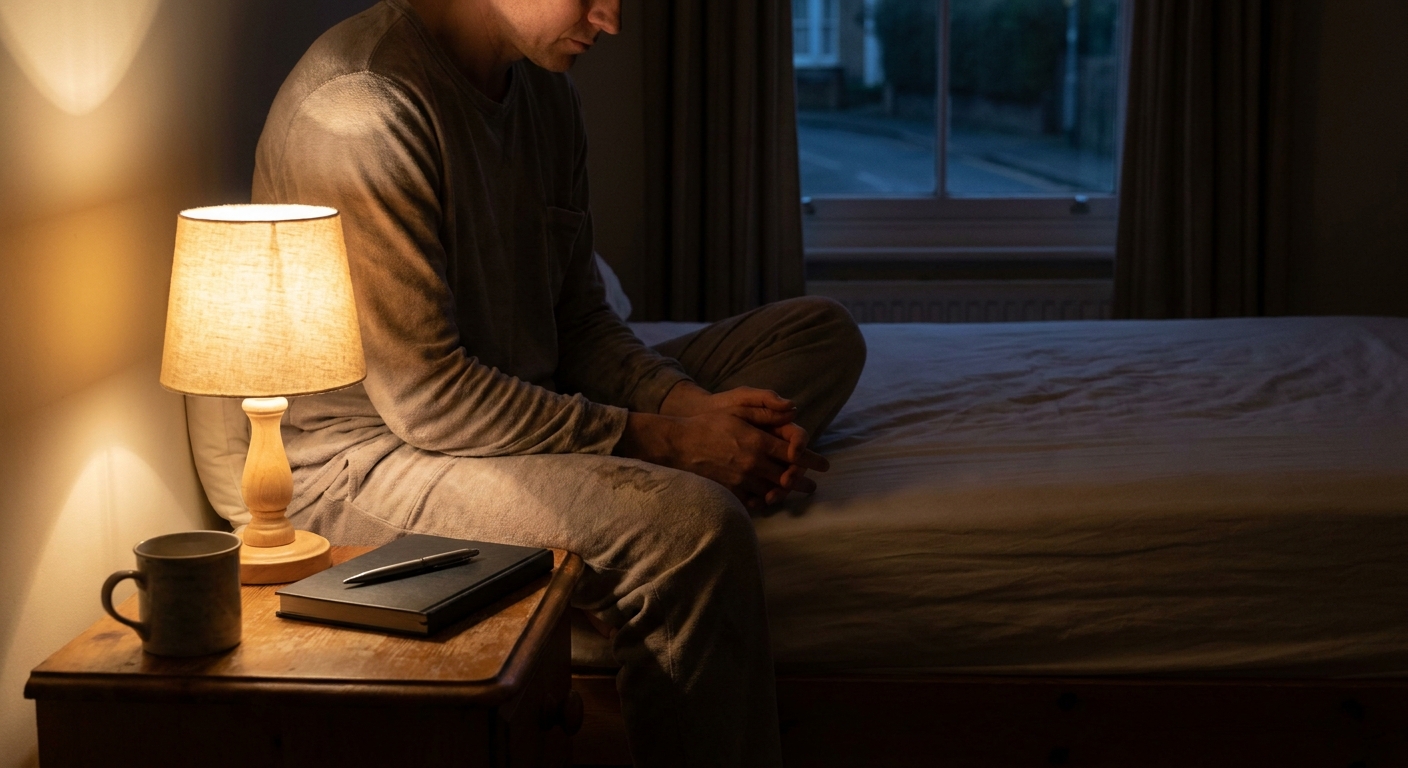
You can pray the Examen sitting on the edge of your bed, on a couch, at your kitchen table, or on a quiet evening walk. What matters most is a posture of willingness.
1) Settle and ask for light
Take a slow breath. Let your shoulders drop. Then offer a simple request, such as:
- “God, help me see this day the way You see it.”
- “Spirit of Truth, show me what matters here.”
- “Help me notice where love was present.”
2) Give thanks for specific gifts
Scan your day for concrete moments of goodness. Aim for the particular, not the generic.
- A text that steadied you
- A laugh you did not force
- A meal that nourished you
- A patch of sky that softened your thoughts
Gratitude in the Examen is not denial. It is training your attention to recognize grace alongside everything else.
3) Review the day in God’s presence
Gently replay the day like a quiet film. Start where you woke up and move forward, or begin with the strongest moment and work outward. As you review, watch for interior movements, not just events: your emotions, impulses, resistances, desires, and fears.
You do not have to remember everything. Simply notice what stands out, what lingers, or what keeps returning to your attention.
If it helps, focus on two questions:
- Where did I feel most alive today?
- Where did I feel least alive today?
4) Notice what needs healing or forgiveness
Without self-punishment, name what felt off. This might be a sharp word, an anxious spiral, avoidance, resentment, people-pleasing, or a choice that did not match your values.
Bring it into prayer plainly:
- “Here is where I lost patience.”
- “Here is where I numbed out.”
- “Here is where I judged.”
Then ask for forgiveness, help, or clarity. Many people find it meaningful to include a brief moment of self-compassion here too, especially if shame tends to rush in.
5) Look toward tomorrow with one concrete intention
The Examen ends facing forward. Choose a small, realistic next step.
- “Tomorrow, help me pause before I respond.”
- “Tomorrow, help me tell the truth kindly.”
- “Tomorrow, help me rest without guilt.”
If you like, close with a familiar prayer from your tradition, or simply sit for a few breaths in silence.
Questions for the Examen
If you are not sure what to look for, the right questions can gently open the day. Here are a few you can rotate through.
For gratitude
- What moment today felt like a gift, even a small one?
- Where did I feel supported, seen, or protected?
- What did I enjoy without rushing past it?
For awareness
- When did I feel pulled toward love, generosity, courage, or patience?
- When did I feel pulled toward fear, control, resentment, or withdrawal?
- What situation kept tugging at my heart after it happened?
For repair
- Where do I need to apologize or make amends?
- What am I carrying that is not mine to carry alone?
- Is there someone I need to forgive, including myself?
For direction
- What is one invitation I sense for tomorrow?
- What boundary, rest, or support do I need?
- What would faithfulness look like in one ordinary moment?
Examen vs. journaling
Because the Examen is reflective, it can look like journaling or mindfulness at first glance. The differences are subtle, but important.
Examen vs. journaling
Journaling often focuses on expression and exploration. You process, narrate, vent, remember, plan, and make meaning on the page.
The Examen can include writing, but it is primarily prayerful listening. The intent is not to capture the day in detail. It is to notice spiritual movement and relationship: where God felt near or far, where love expanded or contracted, and what response is being asked of you.
If you like to write, try a “two line Examen”:
- One line of gratitude
- One line of honest request for tomorrow
Examen vs. meditation
Meditation often emphasizes present moment awareness, training attention, and observing thoughts without attachment. Many forms are nonverbal and not directed toward God in a personal sense, though some are.
The Examen includes mindfulness, but it is deliberately relational and retrospective. You are not only watching your thoughts. You are reviewing your day with God, asking for insight, receiving mercy, and choosing a next faithful step.
In practice, many people pair them beautifully: a few minutes of quiet breathing to settle, then the Examen to review the day with clarity and compassion.

Common concerns
If you missed a day
Just begin again tonight. The Examen is built for real life. The point is not streaks. The point is attention and return.
If you tend toward scrupulosity or shame
Keep the practice brief and mercy-forward. Spend more time on gratitude and noticing than on fault-finding. When you name what went wrong, name it plainly, receive forgiveness, and release it. If this practice consistently intensifies anxiety or distress, consider shortening it, practicing with a trusted guide, or talking with a therapist or spiritual director.
If your days are exhausting or emotionally heavy
Simplify the steps:
- One gratitude
- One hard moment
- One request for help
Even two minutes of honest prayer can be an Examen.
If you are not Christian
The Examen is rooted in Christianity, but the basic posture of the practice can be meaningful across traditions: end the day with gratitude, review, accountability, compassion, and intention. If “God” language does not fit, you might address the practice toward “Holy Presence,” “Spirit,” “Divine Wisdom,” or simply hold the review as a sacred listening.
A short Examen prayer
Holy One, thank You for carrying me through this day.
Help me see where love was present, and where I turned away.
Meet me with mercy in what I regret, and with joy in what was good.
Give me one small step of wisdom for tomorrow.
Amen.
If you keep showing up to the Examen, something quiet begins to happen. Your days feel less like a blur. Patterns become visible. Gratitude becomes more specific. Repair can come a little faster. And over time, faith becomes less about getting it “right,” and more about staying in relationship, one ordinary day at a time.