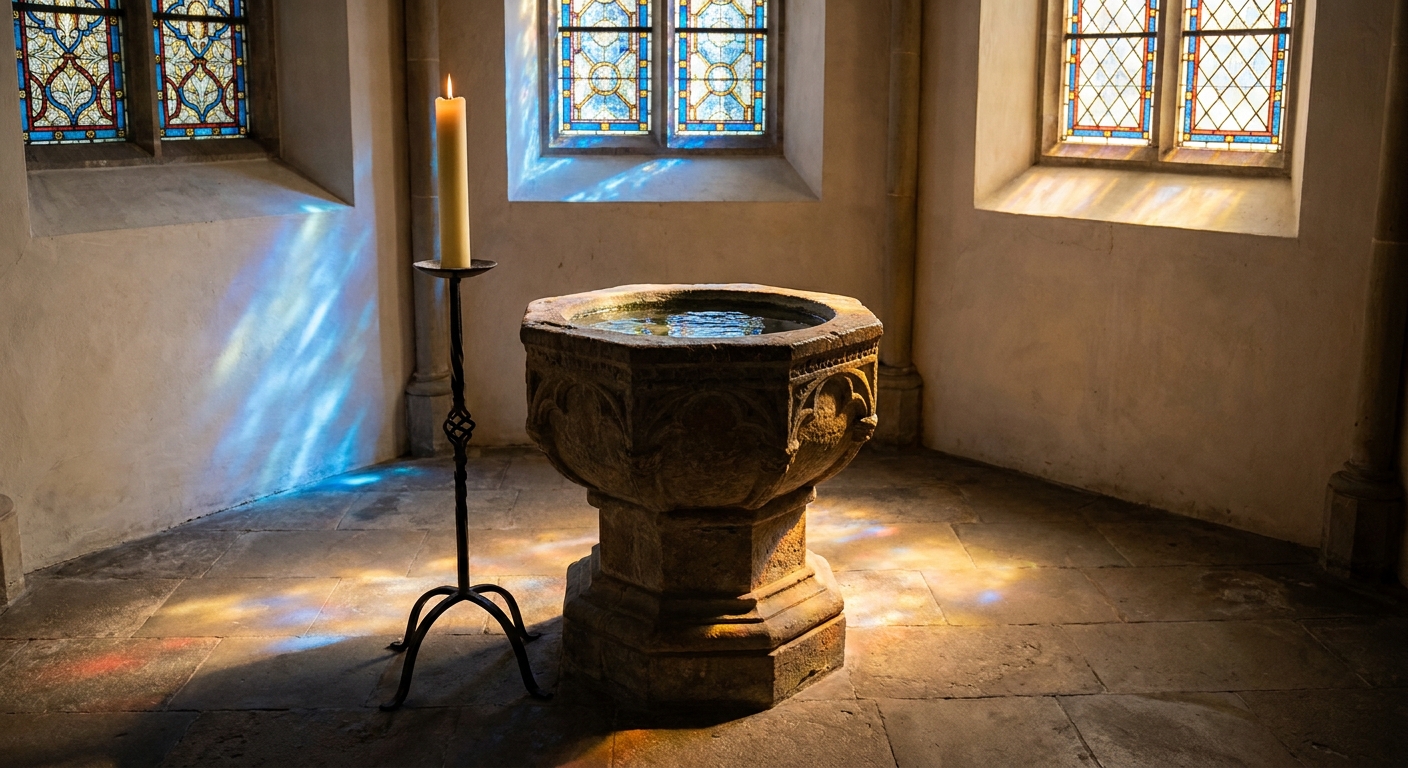
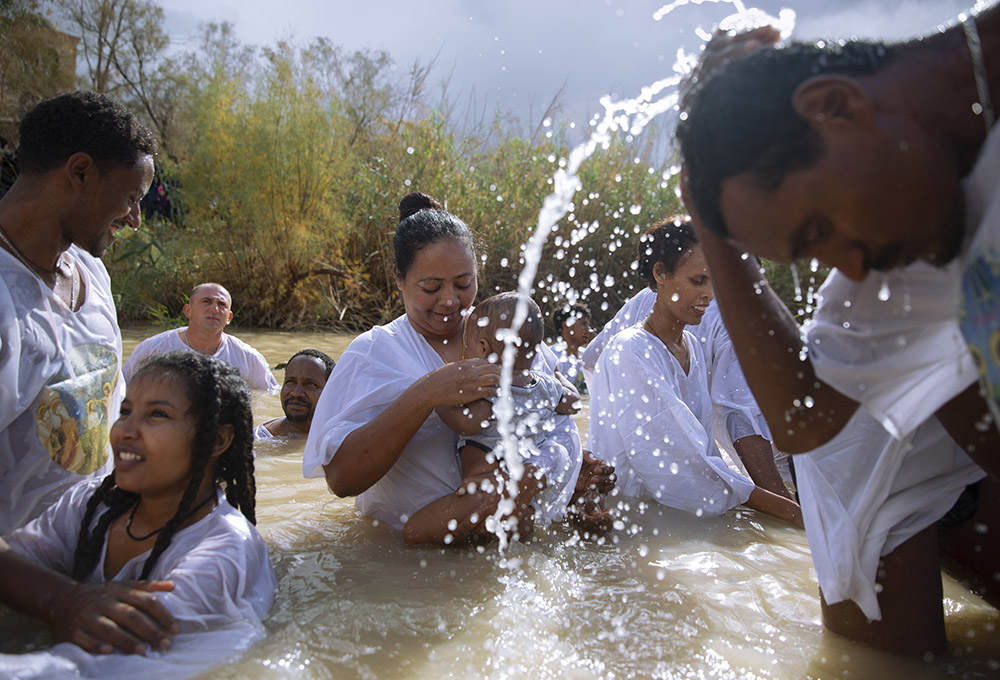
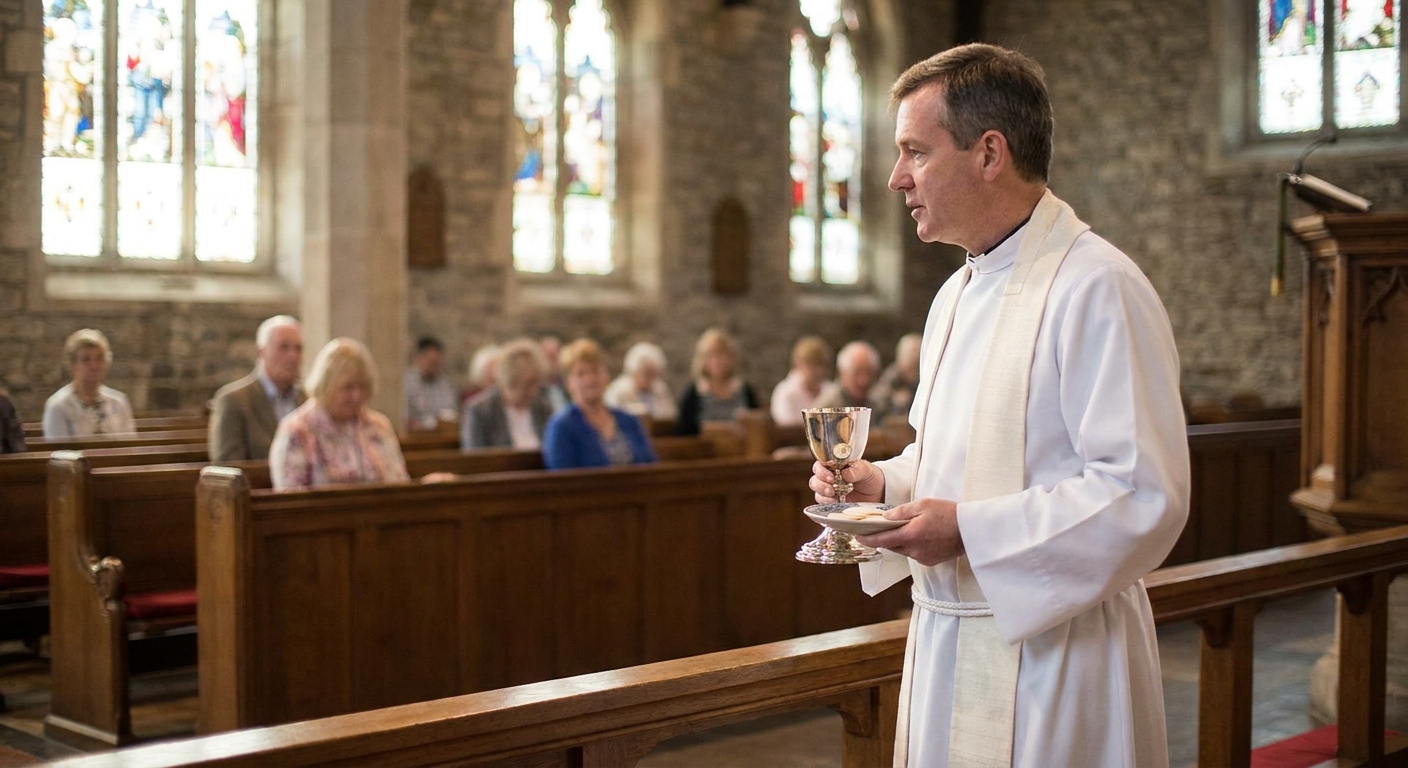
Years ago, I attended two baptisms within a single month. One was a newborn, cradled in her mother’s arms while the congregation promised to help her grow into faith. The other was a middle-aged man, trembling as he told his story into a microphone, then stepped into the water with a quiet, radiant courage. Both moments felt holy. Both communities believed they were being faithful to Jesus. Both would have had serious questions about the other.
The debate between infant baptism and believer’s baptism is, at its heart, a question of who should be baptized. It is not primarily about whether baptism itself gives new life. Christians disagree about that too, but that belongs in a separate conversation. Here, we stay focused on the proper subjects of baptism: infants of believing households, or those old enough to personally profess faith.
Two baptism views in plain language
Infant baptism
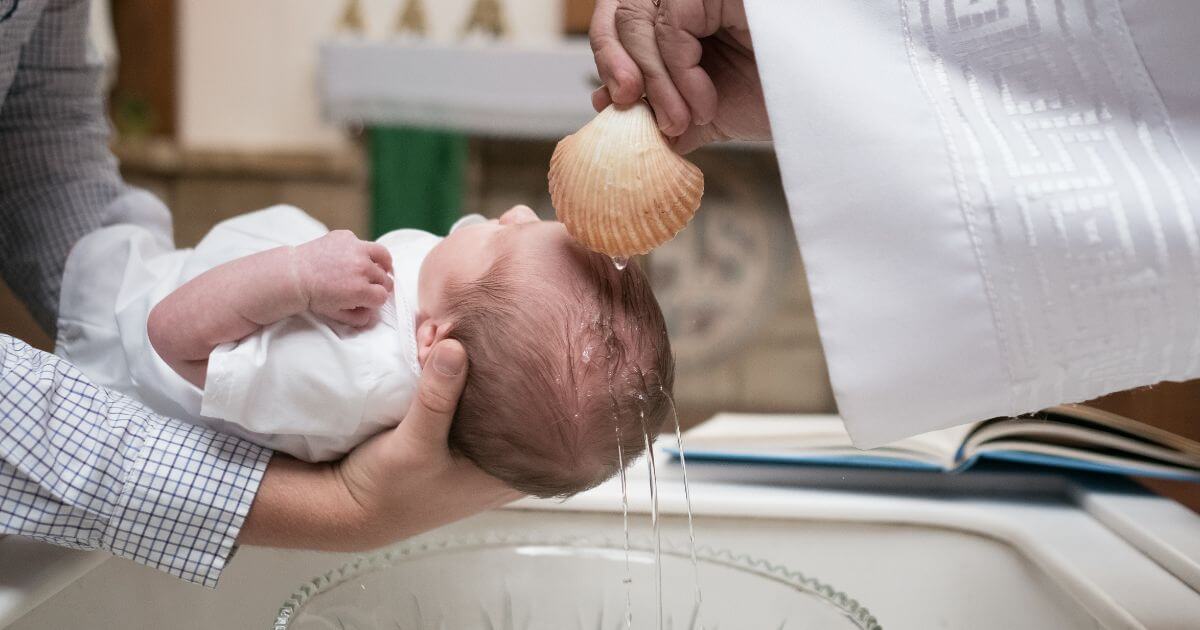
Infant baptism is the practice of baptizing the babies of Christian parents, and in some traditions it can also include very young children. Churches that do this often speak of baptism as a sign and seal of God’s covenant promises, a mark of belonging to the visible people of God, and the beginning of a child’s formation within the church.
This view is common in Catholic, Orthodox, Lutheran, Presbyterian, and many Reformed traditions, and it is also widely practiced in Anglican churches, though local practice can vary.
Believer’s baptism
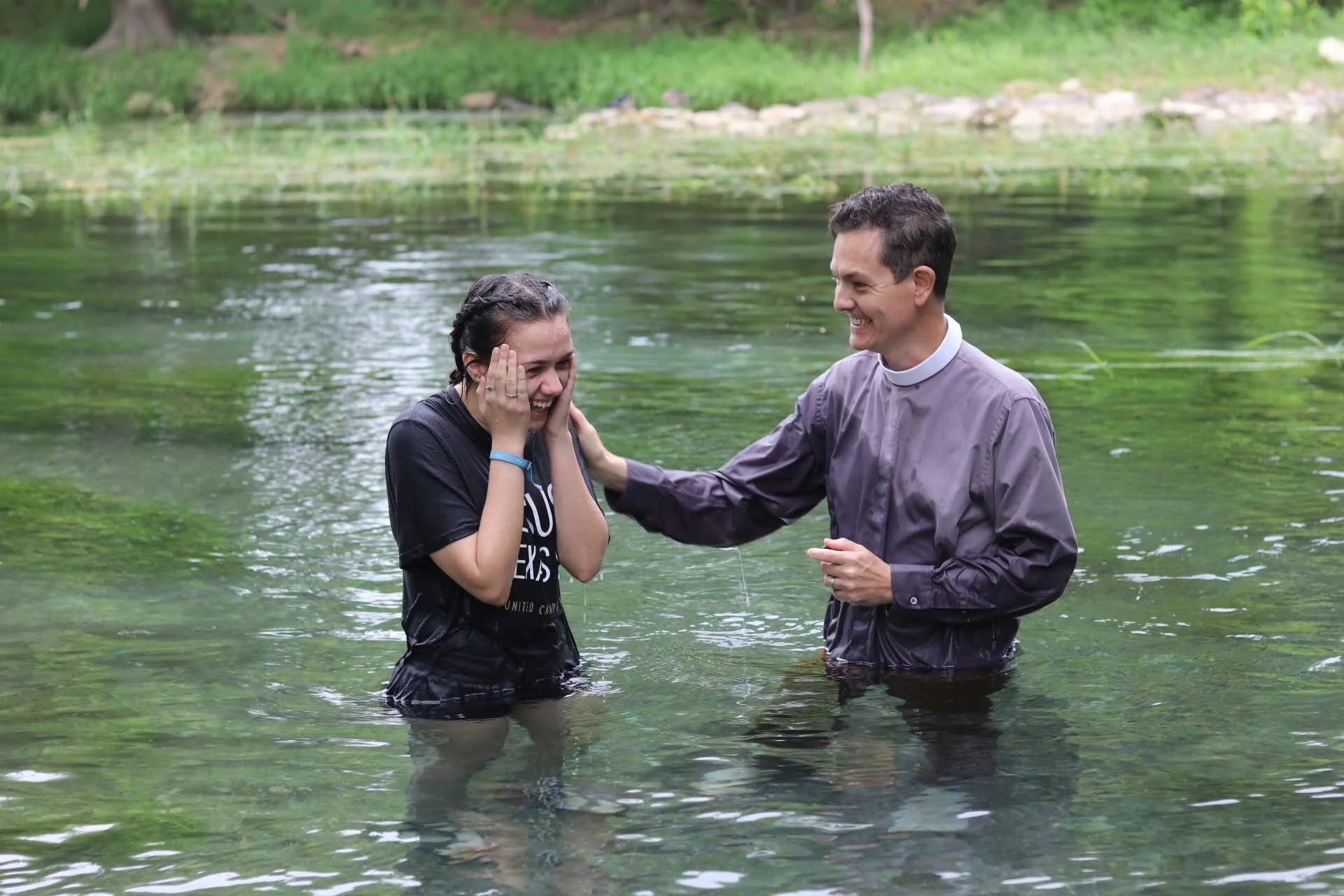
Believer’s baptism is the practice of baptizing those who personally repent and profess faith in Christ. In this view, baptism is closely tied to an individual’s conscious response to the gospel and is therefore reserved for those able to believe, confess, and commit.
This view is common in Baptist, many evangelical and non-denominational churches, and most Pentecostal traditions (with real theological diversity about what baptism signifies and how it relates to salvation).
The covenant case for infant baptism
The strongest argument for infant baptism is often called the covenant or household view. It does not rest on a single verse that says “baptize infants,” but on a broader storyline: God forms a people through covenant, and covenant signs are given not only to adult converts, but also to their children.
1) Covenant patterns include children
In the Old Testament, God’s covenant with Abraham explicitly included children. The sign of belonging to the covenant community was given to infant males.
- Genesis 17:7 to 14: God establishes a covenant with Abraham “and your offspring after you” and commands circumcision as the covenant sign, administered to infants on the eighth day.
Many paedobaptist (infant-baptizing) Christians see baptism as the new covenant counterpart to the old covenant sign. The logic is not “circumcision equals baptism in every detail,” but “God’s covenant way of forming a people is family-shaped, and the sign of belonging has historically included children.”
2) Jesus welcomes children
Infant baptism advocates often point to Jesus’ posture toward children: he does not treat them as spiritual outsiders who must first reach a threshold of understanding before they can belong.
- Mark 10:13 to 16 (parallels in Matthew 19 and Luke 18): Jesus says, “Let the children come to me… for to such belongs the kingdom of God.”
This passage does not mention baptism. Still, it shapes the instinct that the church should not “guard the door” in a way Jesus did not.
3) Household baptisms
Several times the New Testament records whole households being baptized. Defenders of infant baptism argue that this suggests family inclusion, possibly including children, and at minimum shows that the gospel moves through relational networks, not only isolated individuals.
- Acts 16:14 to 15: Lydia and “her household” are baptized.
- Acts 16:30 to 34: The Philippian jailer and “all his family” are baptized.
- 1 Corinthians 1:16: Paul mentions baptizing “the household of Stephanas.”
Critics respond that the texts do not explicitly name infants. Supporters answer that the repeated household pattern is meaningful, especially when read alongside covenant themes. One flashpoint is the jailer narrative: Acts 16:32 says “they spoke the word of the Lord to him and to all who were in his house,” which credobaptists often cite to suggest those present were able to hear and respond. Paedobaptists reply that “all” does not settle who was present, and that the household framing still fits a family-shaped covenant instinct.
4) The promise is “for you and your children”
At Pentecost, Peter calls people to repentance and baptism, then speaks of the scope of the promise.
- Acts 2:38 to 39: “Repent and be baptized…” and “the promise is for you and for your children and for all who are far off.”
Those who baptize infants often read this as covenant language, echoing the intergenerational shape of God’s dealings with his people.
The faith case for believer’s baptism
The strongest argument for believer’s baptism is often called the credobaptist or profession view. It emphasizes the New Testament’s consistent rhythm: the gospel is preached, people repent and believe, and then they are baptized.
1) The Great Commission order
Jesus’ commissioning words are central for nearly every baptism theology. Credobaptists emphasize the “disciple first” pattern.
- Matthew 28:19 to 20: “Make disciples… baptizing them… teaching them to observe all that I have commanded you.”
They argue that baptism is given to disciples, and discipleship implies some measure of teachability and personal response.
2) Acts: belief precedes baptism
Acts provides multiple narratives in which people respond in faith and then receive baptism. Credobaptists see this as the clearest “normal” apostolic practice.
- Acts 2:41: “Those who received his word were baptized.”
- Acts 8:12: In Samaria, “when they believed… they were baptized.”
- Acts 8:36 to 38: The Ethiopian eunuch asks to be baptized after hearing and responding to the gospel.
- Acts 10:44 to 48: In Cornelius’ household, the Spirit falls and they are baptized afterward.
From this angle, baptism is not merely a family marker. It is a personal confession of belonging to Christ.
3) Baptism language tied to repentance and confession
Credobaptists also note how baptism is frequently spoken of alongside conscious faith responses.
- Mark 16:16: “Whoever believes and is baptized will be saved…” (textual questions surround Mark 16:9 to 20, and Christians also debate how to interpret the verse’s second clause).
- Acts 22:16: “Rise and be baptized… calling on his name.”
- 1 Peter 3:21: Baptism is connected with an “appeal” (or pledge) toward God, language that seems to assume personal intent.
Again, this is not a debate about what baptism accomplishes spiritually. It is an argument about what baptism expresses: a conscious appeal, pledge, or confession that an infant cannot yet make.
Key texts and how each side reads them
Because both positions aim to be biblical, the conversation often turns on a handful of passages and interpretive instincts. Here are several of the most common.
Household baptisms (Acts 16; 1 Corinthians 1)
- Infant baptism reading: “Household” naturally includes children, and the New Testament keeps showing whole-family inclusion.
- Believer’s baptism reading: The texts never specify infants. In some cases, the narrative mentions hearing the word and rejoicing in belief, suggesting those baptized were capable of faith (for example, Acts 16:32 to 34).
Acts 2:38 to 39
- Infant baptism reading: Peter’s language sounds like covenant continuity. The promise still embraces believers and their children.
- Believer’s baptism reading: The command is “repent.” The promise extends broadly, but baptism follows repentance and receiving the word.
Colossians 2:11 to 12
- Infant baptism reading: Paul places circumcision and baptism in close conceptual proximity, and he also speaks of a “circumcision made without hands,” which many read as pointing to covenant continuity at the level of meaning, not a simple one-to-one ritual swap.
- Believer’s baptism reading: The text links baptism with faith and union with Christ. Whatever the circumcision connection means, it does not automatically imply infant baptism.
Jesus and the children (Mark 10:13 to 16)
- Infant baptism reading: Children belong in the sphere of Jesus’ welcome and blessing. The church should embody that welcome with its covenant sign.
- Believer’s baptism reading: Jesus blesses children without baptizing them. The passage supports valuing children, not necessarily baptizing infants.
“Repent and be baptized” in Acts
- Believer’s baptism reading: The pattern is consistent and explicit. Baptism follows repentance and belief.
- Infant baptism reading: Acts often depicts mission settings with adult converts. The question of believers’ children is not always foregrounded, and covenant logic may still apply in the background.
What each side worries about
When people talk past each other on baptism, it is often because they are protecting different spiritual goods.
Concerns about infant baptism
- Empty ritual: If someone is baptized as a baby, they may assume they are spiritually safe without ever personally trusting Christ.
- Blurring church and world: If baptism marks entrance into the visible church, it may be harder to maintain a church of professing disciples.
- Lack of explicit command: Many Christians find it difficult to baptize infants without a direct New Testament instruction or clear example.
Concerns about believer’s baptism
- Making belonging too individual: Families and communities matter in Scripture. Some worry believer’s baptism can unintentionally imply faith is only a private choice.
- Treating children as outsiders: If children of believers are not baptized, are they viewed as “not yet part of us” in a way the Bible does not require?
- Instability of assurance: If baptism is postponed until someone can articulate faith, anxious believers may wonder if they believed sincerely enough at the moment of baptism.
Shared ground
Even in disagreement, there is a lot of shared ground among Christians who love Scripture.
- Baptism matters. Both camps see it as instituted by Jesus and practiced by the early church.
- Faith matters. Infant-baptizing churches still call baptized children to personal trust in Christ. Believer-baptizing churches still nurture children with prayer, teaching, and community until they profess faith.
- The church is responsible for formation. Whether baptism comes early or later, discipleship is not optional.
If you are sorting this out personally, it can help to ask two gentle questions: How does my tradition understand the relationship between covenant belonging and personal faith? And what did the apostles consistently do when the gospel took root?
FAQ
Is infant baptism biblical?
Christians who practice infant baptism argue it is biblically grounded through covenant continuity (Genesis 17), household patterns (Acts 16; 1 Corinthians 1), and the church’s understanding of children as included within the community of promise (Acts 2:39). Christians who reject it argue the New Testament pattern consistently links baptism to personal repentance and belief, and that no text explicitly records an infant being baptized.
Is believer’s baptism biblical?
Yes, in the sense that Acts repeatedly shows people hearing the gospel, believing, and then being baptized (for example Acts 2, Acts 8, Acts 10). Infant-baptizing Christians typically agree that adult converts should be baptized upon profession of faith. The disagreement is whether the children of believers should also receive the covenant sign.
What about immersion vs sprinkling?
Many people assume the infant vs believer debate is the same as immersion vs sprinkling or pouring. Often the topics overlap, but they are not identical. Some churches practice infant baptism by pouring or sprinkling, while many believer’s baptism churches practice immersion. Still, the central question in this article is the subject of baptism, not the mode.
Did the early church baptize infants?
References to infant baptism appear very early in Christian history, though Christians interpret that evidence differently. For some, it supports the idea that the practice reflects apostolic teaching. For others, it shows a developing tradition that still must be tested by Scripture.
If I was baptized as a baby, should I be baptized again?
Churches that practice infant baptism usually discourage “re-baptism,” viewing infant baptism as a valid baptism that should be received with faith later in life, often affirmed through confirmation or public profession. Churches that practice believer’s baptism often encourage baptism upon profession of faith if a person was only baptized as an infant, because they do not consider infant baptism to meet the New Testament’s intended subject.
This can be tender territory, especially when families or spouses come from different traditions. A wise next step is to speak with a pastor or elder in your local community and ask, plainly, what your church teaches and why.
What about child dedications?
In believer’s baptism churches, infant or child dedication is often practiced as a way for parents to commit to raising a child in the faith and for the congregation to promise support, without calling the act “baptism.” Infant-baptizing churches typically see baptism itself as the fitting sign of welcome and covenant belonging.
A quiet closing reflection
In my multi-faith childhood home, I learned early that people can use the same words and mean different things by them. In the Christian family, “baptism” is one of those words. For some, the most faithful posture is to place the sign of God’s promise on a child and then spend years patiently teaching them to live into it. For others, the most faithful posture is to wait until a person can say, with clear intention, “Jesus is Lord,” and then let baptism be the embodied yes.
Whichever way you lean, it is worth approaching the other side with curiosity rather than caricature. Most Christians are not trying to water down Scripture. They are trying to honor it, and to shepherd real people through the mystery of belonging to God.