When I was growing up in a multi-faith household, I learned early that the same word can carry very different weight depending on who is speaking it. “Covenant” was one of those words. It sounded formal and distant, like something etched in stone. Then I encountered Jeremiah 31 and later the words of Jesus at the table, and I realized the Bible uses “new covenant” less like a cold contract and more like a relationship being renewed from the inside out.
This is a phrase study, not a later theological label. We are going to stay close to the places Scripture actually uses the words “new covenant,” especially Jeremiah 31, the Last Supper sayings, and Hebrews 8.

What does “covenant” mean in the Bible?
In the Bible, a covenant is a solemn, binding commitment that establishes a relationship. It often includes:
- Parties (God and a people, or sometimes people with people)
- Promises (what is pledged)
- Stipulations (how that relationship is lived)
- Signs (sometimes a tangible marker)
When Jeremiah and Hebrews speak of a “new covenant,” they are not merely offering a new spiritual tone. They are describing a renewed form of God’s committed relationship with God’s people, marked by forgiveness and deep internal change.
Jeremiah 31: a promised “new covenant”
The phrase “new covenant” appears directly in Jeremiah 31:31-34. Jeremiah even names the intended recipients: it is promised “with the house of Israel and the house of Judah” (Jeremiah 31:31). The setting matters. Jeremiah speaks to a people battered by exile, dislocation, and the consequences of collective unfaithfulness. Into that spiritual wreckage comes a promise that is tender, bold, and surprisingly intimate.
1) “Not like the covenant… they broke”
Jeremiah frames the new covenant by contrast: it will be “not like” the earlier covenant, because “they broke my covenant” (Jeremiah 31:32). That contrast is not God abandoning Israel. It is God addressing the problem that keeps repeating: the covenant is known, but it is not kept.
Jeremiah does not present the issue as lack of information. The issue is the human heart and will, the inward center where faithfulness either takes root or withers.
2) God’s ways written “on their hearts”
Here we reach the line many people remember: God will put the law “within them” and write it “on their hearts.” In other words, God’s instruction is no longer only external, sitting on tablets or scrolls as something you consult when you remember. It becomes internalized, lived, carried.
This is not a rejection of moral life or obedience. It is a promise of inner transformation, so that covenant faithfulness becomes less like performing under pressure and more like a changed instinct.
3) “They shall all know me”
Jeremiah also says, “They shall all know me, from the least of them to the greatest.” In the Bible, “know” often means relational knowing, not just knowing facts about God. The promise points toward a community where access to God is not hoarded by status, education, or social power.
4) Forgiveness at the center
Jeremiah 31:34 ends with the beating heart of the promise: “I will forgive their iniquity, and I will remember their sin no more.” Forgiveness is not an afterthought. It is the foundation that makes the rest possible, because a relationship cannot be renewed from the inside while shame and debt are still running the show.

The Last Supper: “new covenant” at the table
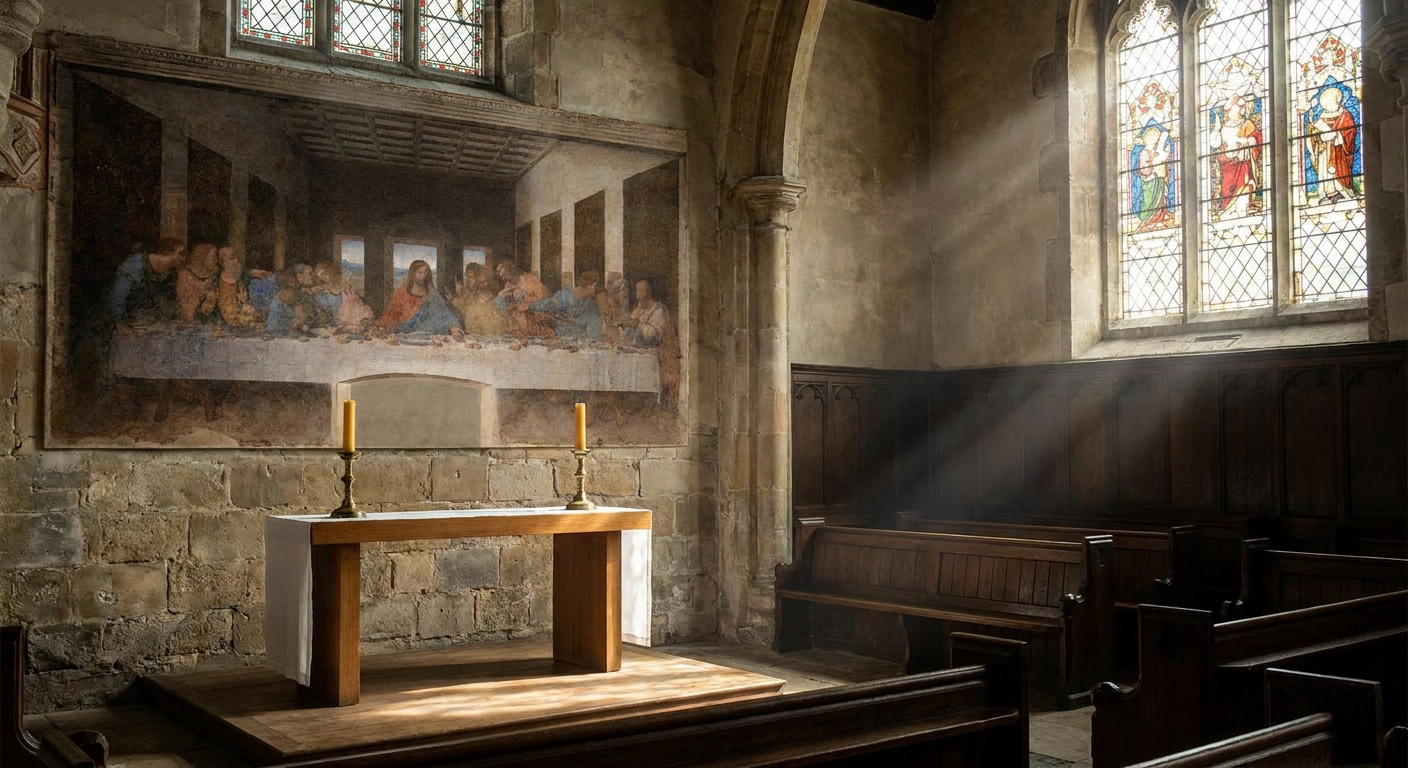
In the Gospels, Jesus draws Jeremiah’s promise into the most intimate setting possible: a shared meal on the night of the Last Supper. Here we need to be precise about the wording.
Luke 22:20 explicitly records Jesus saying, “This cup… is the new covenant in my blood.” Paul echoes the same phrasing in 1 Corinthians 11:25. In Mark 14:24 and Matthew 26:28, the phrase is “my blood of the covenant” (with “new” appearing in some manuscript traditions of Matthew). Either way, the center is consistent: Jesus identifies the cup, and his coming death, with covenant-making and covenant-renewal.
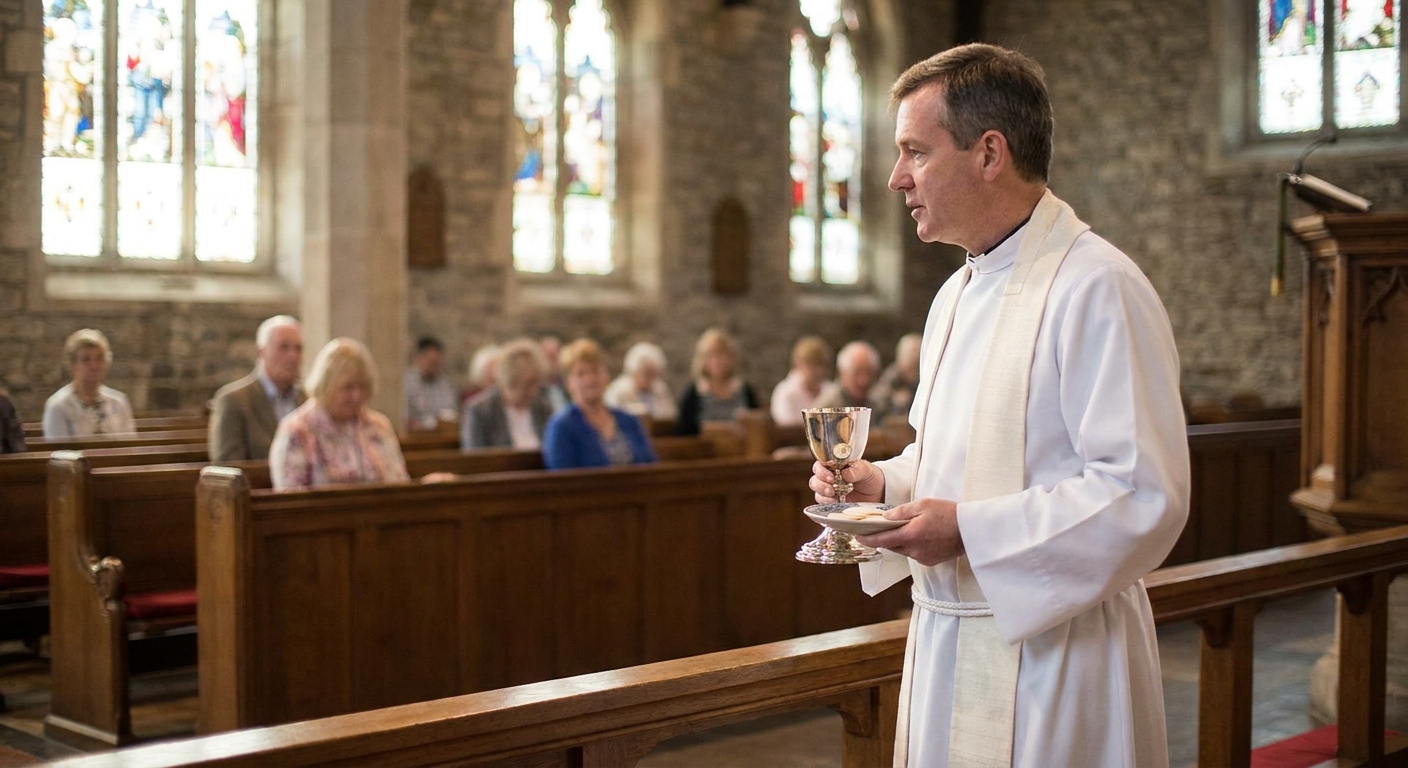
Even if you have heard these words many times, pause long enough to feel how startling they are. At a table, in the shadow of arrest and execution, Jesus speaks as though Jeremiah’s promised renewal is arriving through what is about to happen to him.
What does “in my blood” mean?
In biblical thought, blood is bound up with life, sacrifice, and covenant-making. Jesus’ words connect the new covenant to his impending death, and they do so with a clear purpose: “for many” and “for the forgiveness of sins” (especially explicit in Matthew).
That means the new covenant is not simply a fresh start powered by human willpower. It is inaugurated through an act that deals with sin and rupture at their roots.
Is this replacing Israel?
The Last Supper takes place in a Jewish setting thick with covenant memory. Jesus is not speaking as an outsider taking over someone else’s story. He is speaking from within Israel’s Scriptures, invoking Jeremiah’s promise of restoration and intimacy with God.
Different Christian traditions have debated how to relate Israel and the church. A careful phrase study can at least say this: the new covenant language in the Gospels is intentionally anchored to Israel’s prophetic hope, not detached from it.

Hebrews 8: Jeremiah quoted and applied
If Jeremiah 31 is the promise, and the Last Supper is the moment Jesus names that promise over bread and cup, Hebrews 8 is where the New Testament lingers over Jeremiah’s text at length and draws conclusions from it.
Hebrews 8 quotes Jeremiah 31:31-34 almost in full (Hebrews 8:8-12). For readers who like textual details, it is Jeremiah as rendered in the Greek Old Testament (the Septuagint), so the phrasing has small differences from the Hebrew text many English Bibles follow. The point remains the same: Hebrews is building an argument on the actual wording of Jeremiah’s promise, not loosely borrowing an inspiring line.
Why Hebrews emphasizes “better”
Hebrews frames Jesus’ priestly work as connected to a “better covenant” with “better promises” (Hebrews 8:6). “Better” here is not casual superiority language. It is about effectiveness.
As Hebrews argues, the former priestly arrangement and its sacrifices could not bring the worshiper to full, inward completeness, especially at the level of the conscience (a theme developed most fully in Hebrews 9 to 10). Hebrews presents Jesus’ work as doing what the prior system could not finally do: open true access to God and deal decisively with sin.
The themes Hebrews pulls from Jeremiah
- Internalization: “I will put my laws into their minds, and write them on their hearts.”
- Relationship: “I will be their God, and they shall be my people.”
- Direct knowledge of God: “They shall not teach… saying, ‘Know the Lord,’ for they shall all know me.”
- Forgiveness: “I will be merciful… and I will remember their sins no more.”
Notice how forgiveness is not isolated. In Hebrews, it is interwoven with transformation and belonging.
Jesus as “mediator” of the new covenant
Hebrews’ distinctive claim is that Jesus mediates this new covenant (Hebrews 8:6; see also Hebrews 9:15). In Hebrews’ terms, a mediator is not merely a go-between with good intentions. Jesus is the one through whom the covenant is inaugurated and secured, and the one whose ongoing priestly work sustains the relationship Hebrews says God has opened.
So when Christians say “Jesus brings the new covenant,” Hebrews is one of the places they mean. It is not just a poetic idea. It is a textual claim grounded in Jeremiah’s promise and applied through Jesus’ death and priesthood.

What changes and what does not?
People often ask this in practical terms: If the covenant is “new,” does that mean the old one was bad? Does it mean God changed character? Does it mean morality dissolves?
Staying with Jeremiah 31, the Last Supper words, and Hebrews 8, here is what we can say with confidence, and what we should say with humility.
What changes
- The location of the law: from primarily external command to internal inscription, “on hearts” and “in minds.”
- The covenant’s durability in practice: Jeremiah’s focus suggests a covenant that addresses the repeated pattern of breaking through inner transformation.
- The basis of forgiveness: the New Testament ties covenant forgiveness explicitly to Jesus’ sacrificial death, named at the table and explained in Hebrews.
- Access to knowing God: Jeremiah envisions a widened, leveled knowledge of God “from the least to the greatest.” Hebrews uses that vision as part of its new covenant framing.
What does not change
- God’s intention to be in relationship with a people: “I will be their God, and they shall be my people.”
- God’s moral seriousness: the “law” is not erased. It is internalized.
- God’s mercy as central: forgiveness is not a side benefit but the covenant’s foundation.
It is also worth naming plainly that Christians disagree on how the new covenant shapes Torah practice, especially in the day-to-day details. This article is not trying to settle that wider debate. It is staying close to the phrases as Jeremiah promises them, Jesus names them, and Hebrews argues from them.
A gentle way to read Jeremiah 31 with Hebrews 8
When I lead retreats, I sometimes invite people to read Scripture with two simple questions: “What is being promised?” and “What is being healed?” With the new covenant passages, those questions open a lot.
- What is being promised? A renewed relationship, internal transformation, shared access to knowing God, and real forgiveness.
- What is being healed? The fracture of betrayal, the cycle of brokenness, the distance between knowing what is right and being able to live it.
Jeremiah speaks hope into exile. Jesus speaks covenant at a table on the edge of death. Hebrews speaks to a community tempted to lose heart, insisting the promise is not only beautiful, it is effective.
Common questions
Is the new covenant only in the New Testament?
No. The phrase “new covenant” is promised in the Old Testament in Jeremiah 31. The New Testament then presents Jesus as the one through whom that promise is enacted and mediated.
Where else does the New Testament say “new covenant”?
In addition to Luke 22:20, the phrase appears in 1 Corinthians 11:25, and Paul also speaks of being a “minister of a new covenant” in 2 Corinthians 3:6.
Is the new covenant mainly about forgiveness?
Forgiveness is central in Jeremiah 31 and Hebrews 8, but it is not alone. The promise also includes God’s ways written inwardly and a community where people “know” God in a direct, relational sense.
Does “law written on the heart” mean I just follow my feelings?
Jeremiah’s language is about God placing God’s instruction within a person, not about replacing divine guidance with personal impulse. In context, it is a promise that the covenant life becomes internal and lived, not merely recited.
Why does Hebrews quote Jeremiah so extensively?
Because Hebrews wants to show continuity between Israel’s prophetic hope and the claim that Jesus mediates the new covenant. The long quotation signals that the author is grounding his argument in Scripture, not inventing a new slogan.
A closing reflection
“New covenant” can sound like theological machinery until you sit with the ache it addresses: our tendency to break what we genuinely want to keep, and our longing to belong without being crushed by our own failures. Jeremiah imagines a faith that moves from stone to heart. Jesus speaks of a covenant sealed in his blood. Hebrews insists this is not wishful thinking but a mediated reality, anchored in forgiveness and carried inward.
If you want to read just one short portion slowly this week, try Jeremiah 31:33-34. Read it once for what it says about God, and once for what it suggests about you. Then let the silence after the words be part of the study.