In my early twenties, I spent a season in a quiet monastery where the morning bell meant one thing: sit down, notice your breath, and keep returning. A few years later, in a city apartment with thin walls and a loud radiator, I met someone who swore by a very different approach: repeating a mantra until the mind slipped, almost on its own, into stillness.
Both were “meditation.” Both helped. And yet they felt like two different doorways into the same house.
If you have been wondering whether mindfulness or Transcendental Meditation (TM) is a better fit for you, I want to offer a comparison that is practical, respectful, and human. Not a contest. More like a map.
The simplest difference
Mindfulness meditation trains attention by noticing present-moment experience as it is, including breath, sensations, thoughts, emotions, and sounds, without needing to force them away. The heart of the practice is gentle awareness and returning, again and again.
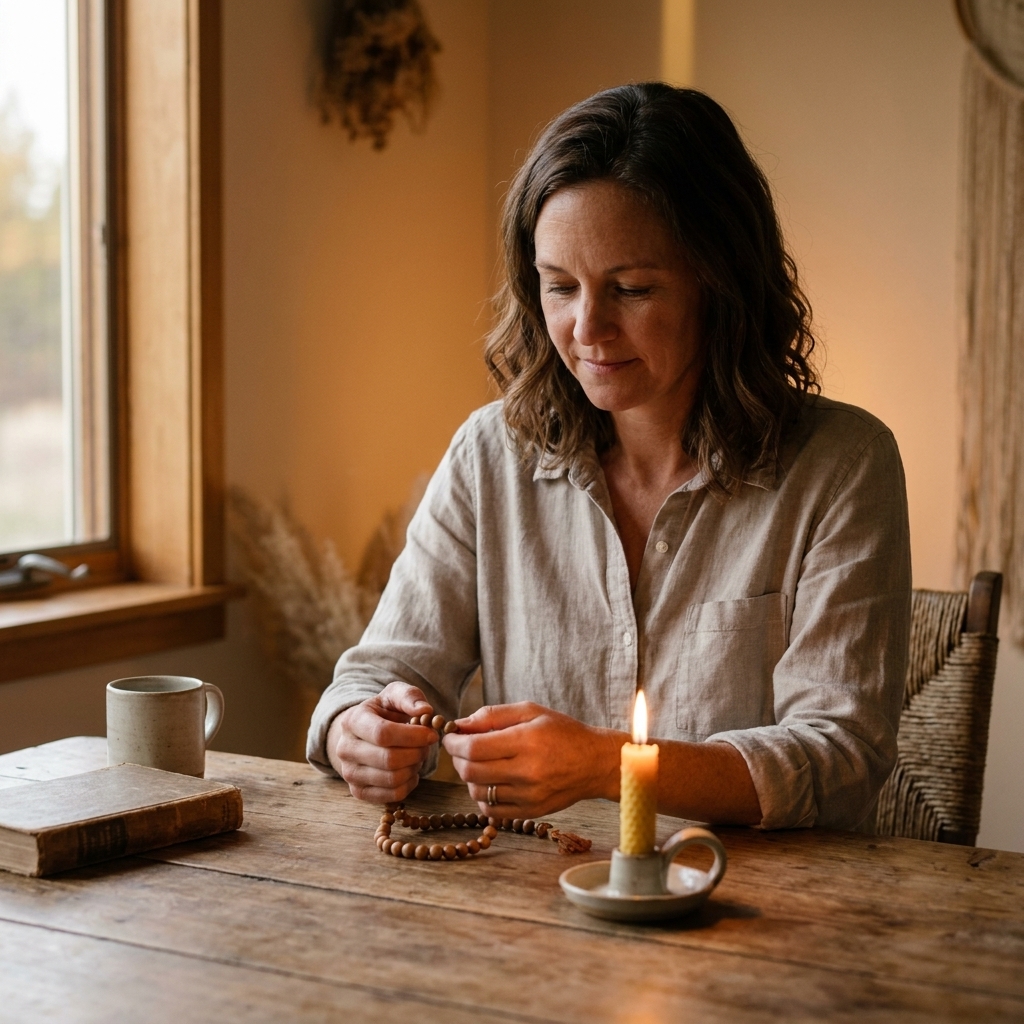
Transcendental Meditation uses a mantra, a specific sound, silently repeated in a way meant to allow the mind to settle beyond ordinary thinking into a restful, wakeful state. The heart of the practice is effortless repetition and “going inward.”
Here is another way to say it:
- Mindfulness: “I am here with what is happening.”
- TM: “I am allowing the mind to settle into quiet.”
What mindfulness looks like
Mindfulness is often taught in a secular way today, but its roots run deep in Buddhist traditions and in wider contemplative lineages that value clear seeing and compassionate presence.
It also comes in a few families. Some styles emphasize focused attention (steadying the mind on the breath). Others emphasize open monitoring (noticing whatever arises). Programs like MBSR and MBCT are common modern expressions, and traditional approaches may include additional ethical or spiritual frameworks.
A basic technique
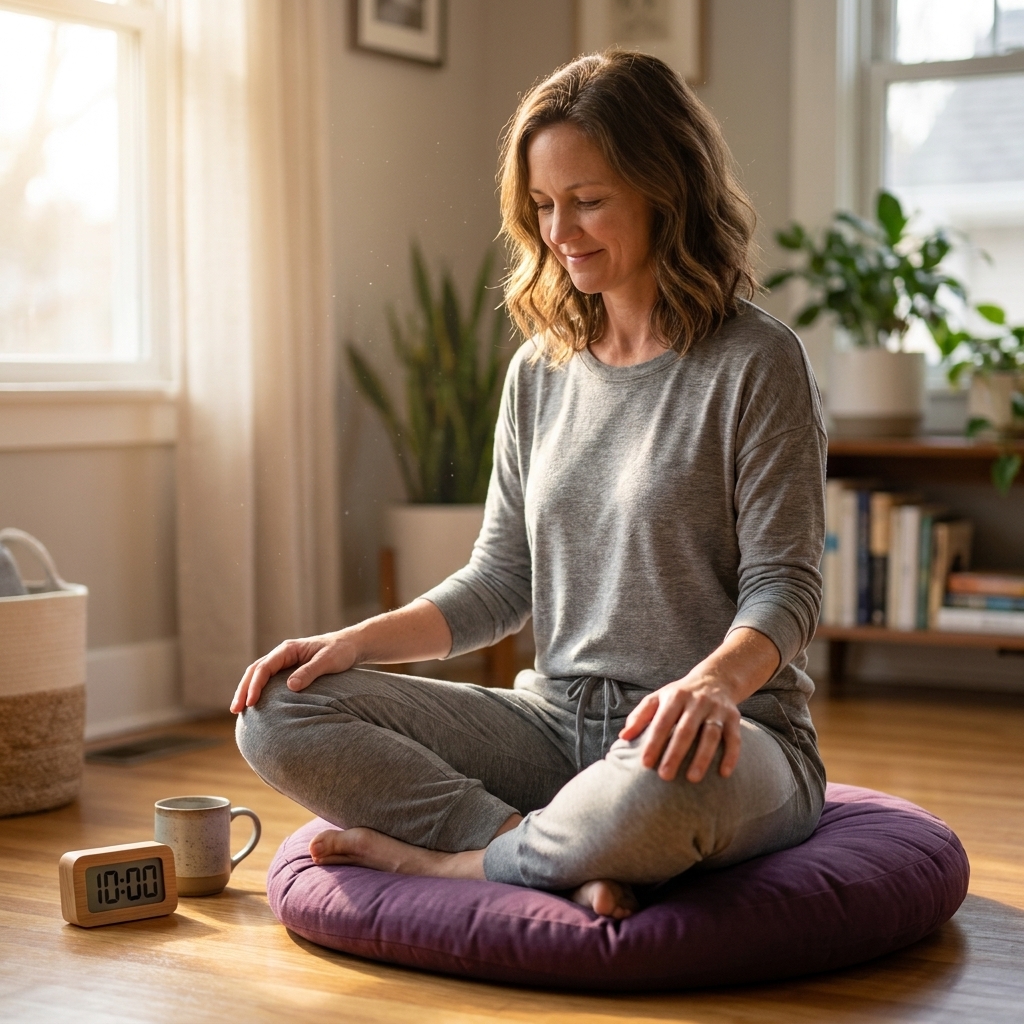
- Sit comfortably with a dignified posture. You do not need to sit on the floor. A chair is fine.
- Choose an anchor, often the breath at the nostrils, chest, or belly.
- Notice what arises: thoughts, emotions, itchiness, planning, memories.
- Return gently to the anchor without scolding yourself. The returning is the practice.
What it feels like
Mindfulness can feel surprisingly ordinary. Sometimes peaceful. Sometimes restless. Often both in the same five minutes. Over time, many people report a growing ability to respond rather than react, especially in moments of stress.

What TM looks like
TM is a specific method rooted in older Indian mantra traditions and systematized and popularized in the 20th century through the teaching of Maharishi Mahesh Yogi. In TM, practitioners use a mantra in a particular way that is traditionally learned from a certified teacher.
In the official TM system, the mantra is typically assigned to the individual and is generally kept private. The technique is also taught with specific guidance about effortlessness, meaning it is not meant to feel like concentrating.
A common outline
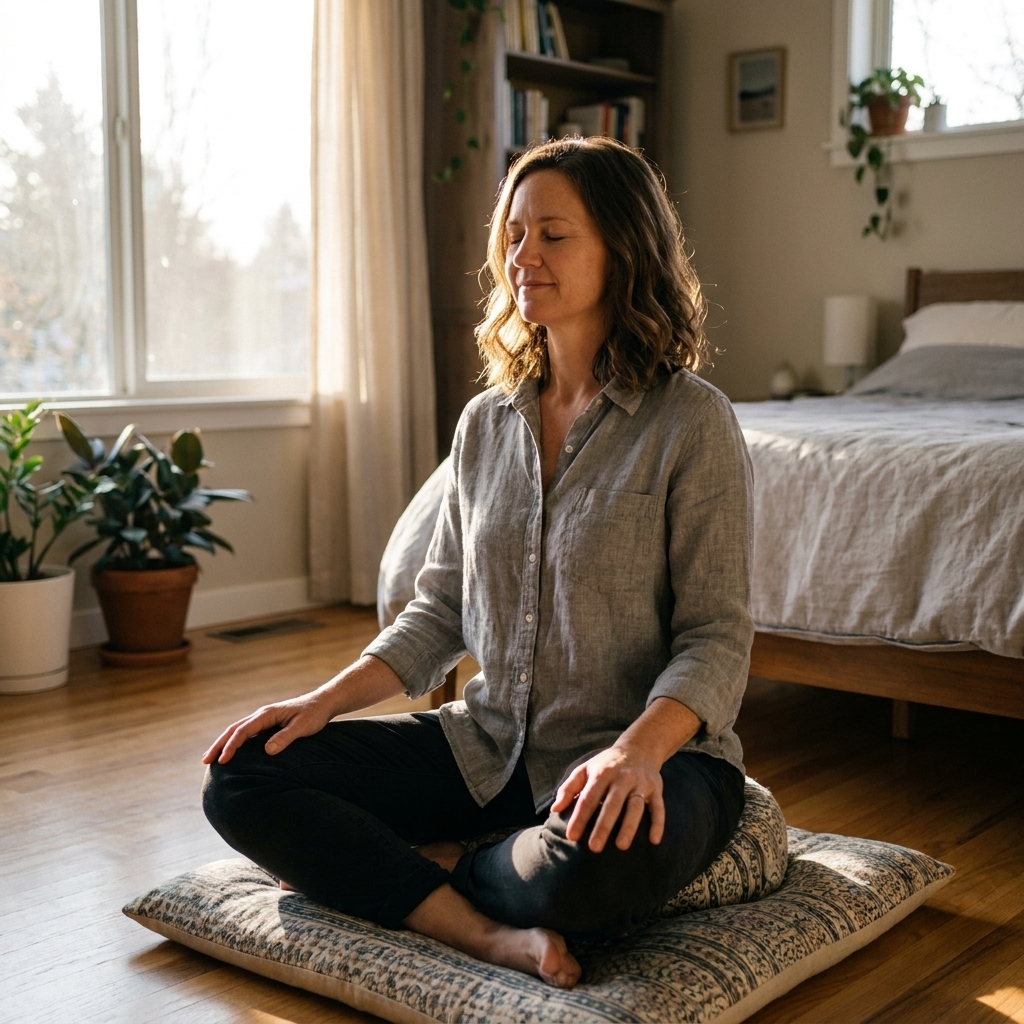
- Sit comfortably with eyes closed.
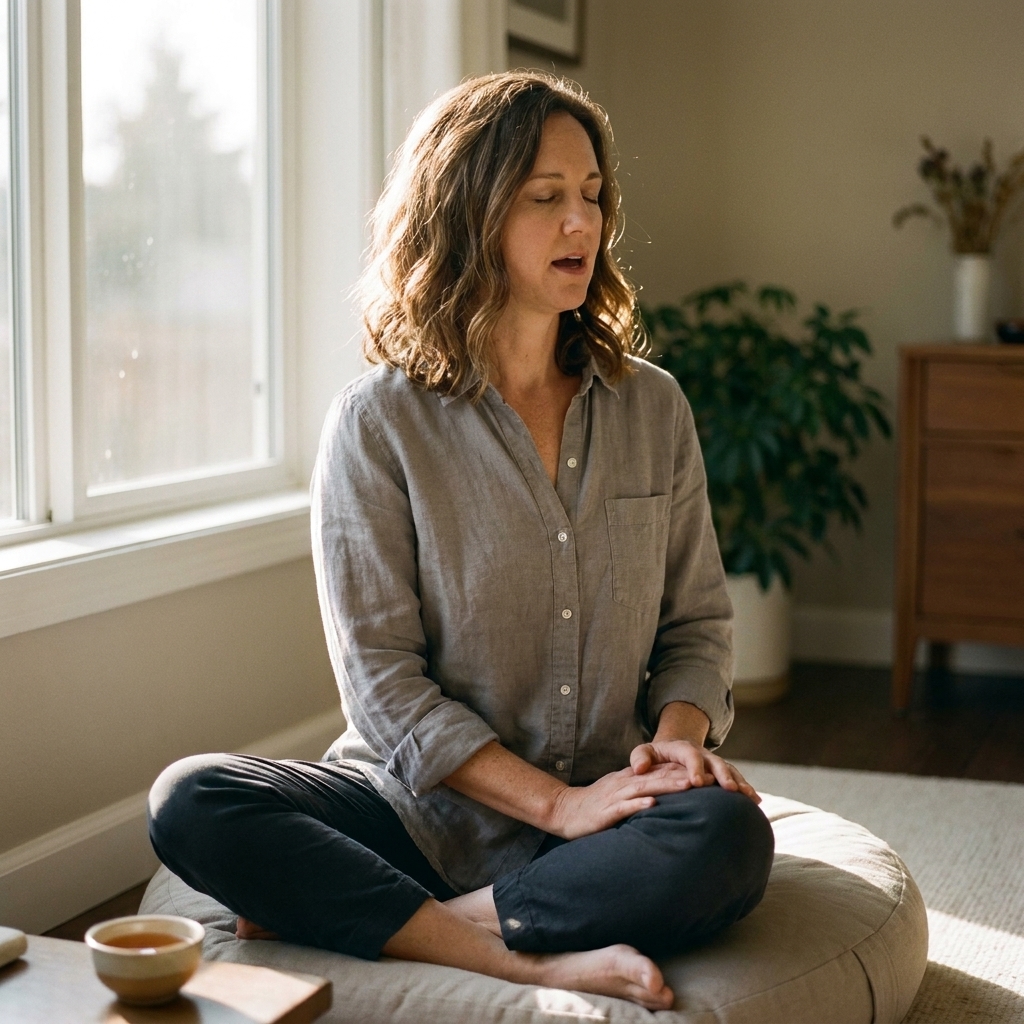
- Silently repeat a mantra in an easy, natural way.
- When attention wanders, you gently return to the mantra, without forcing focus.
- Practice duration is often taught as about 20 minutes, twice daily, though personal guidance varies.
What it feels like
Many people describe TM as deeply restful, sometimes with a sense of the mind settling beneath surface thought. Others experience it as subtle and quiet, less like concentrating and more like allowing.
Benefits
Both practices are widely used for stress reduction and mental clarity. Both can support emotional regulation and overall wellbeing. The differences are often less about what is “better” and more about how each practice trains the mind.
Shared benefits people report
- Lower day-to-day stress and improved stress regulation
- Improved focus over time
- Better relationship with thoughts and emotions
- More patience and self-awareness
- A stronger sense of inner space, even when life is busy
Benefits that stand out in mindfulness
- Clarity and insight: noticing patterns like rumination, avoidance, or harsh self-talk
- Emotional literacy: learning to name feelings and feel them without being overtaken
- Everyday integration: mindful walking, eating, listening, parenting, working
Benefits that stand out in TM
- Deep rest: many practitioners emphasize the restorative quality of the practice
- Simplicity: a consistent, repeatable method that some find easier than open monitoring
- Effortlessness: the intention is not to watch the mind closely, but to let it settle
A gentle reminder: if you are navigating trauma, severe anxiety, or depression, meditation can still be supportive, but it is wise to choose a trauma-informed teacher or integrate the practice with professional care.
Also, while meditation helps many people, it can occasionally intensify distress for some. If you feel worse, flooded, panicky, or ungrounded, it is okay to stop, shorten the session, open your eyes, and seek qualified support.
How to choose
When people ask me, “Which one should I do?” I usually ask a few questions back. Not to complicate things, but to bring the choice closer to your real life.
Choose mindfulness if you want to
- Build awareness of thoughts, emotions, and habits in real time
- Bring practice into daily moments, like conversations, commuting, or cooking
- Work skillfully with difficult emotions by learning to stay present
- Explore a range of methods such as breath, body scan, loving-kindness, or mindful movement
Choose TM if you want to
- Follow a structured method that is often taught in a consistent format
- Emphasize restful settling rather than observing content of mind
- Have a simple routine you can repeat even when you are tired
- Learn from a dedicated instructor and value that guided container
If you feel stuck
Consider what you need most right now. Not forever. Right now.
- If you feel scattered and overstimulated, either practice can help. TM’s simplicity may feel like relief.
- If you feel emotionally reactive or caught in repeating inner stories, mindfulness may offer more tools for meeting what arises.
- If you are burned out and simply need rest, TM may feel more accessible.
Practical notes
Cost and access
Mindfulness instruction ranges from free apps and community sittings to paid courses and retreats. TM is typically learned through official organizations and certified teachers, and that training often has a fee structure. For some, that investment feels supportive and motivating. For others, it is a barrier.
Community and culture
Mindfulness is taught in many settings: Buddhist sanghas, hospitals, schools, corporate programs, and secular studios. TM has a more centralized teaching lineage. Ask yourself what kind of community you want around your practice, if any.
Your relationship with effort
Some people hear “mindfulness” and turn it into self-improvement pressure. Others hear “effortless mantra” and worry they are doing it wrong if their mind is active. Both practices benefit from the same ingredient: kindness toward yourself.
Meditation is not a performance. It is a relationship, with your own mind, your own body, your own life.
Can you do both?
Many people do. Some keep one primary practice and use the other as a complement.
- You might practice TM in the morning for deep settling, then use mindfulness during the day to stay present in conversations and stress triggers.
- Or you might maintain a mindfulness foundation and occasionally use mantra meditation as a soothing, devotional element.
The only caution is not to overload yourself with too many methods at once. A practice needs time to become a trusted path instead of a revolving door.
A two-week experiment
If you are genuinely unsure, try a small experiment. The goal is not to judge yourself. The goal is to listen.
Week 1: Mindfulness
- 10 minutes daily
- Breath as the anchor
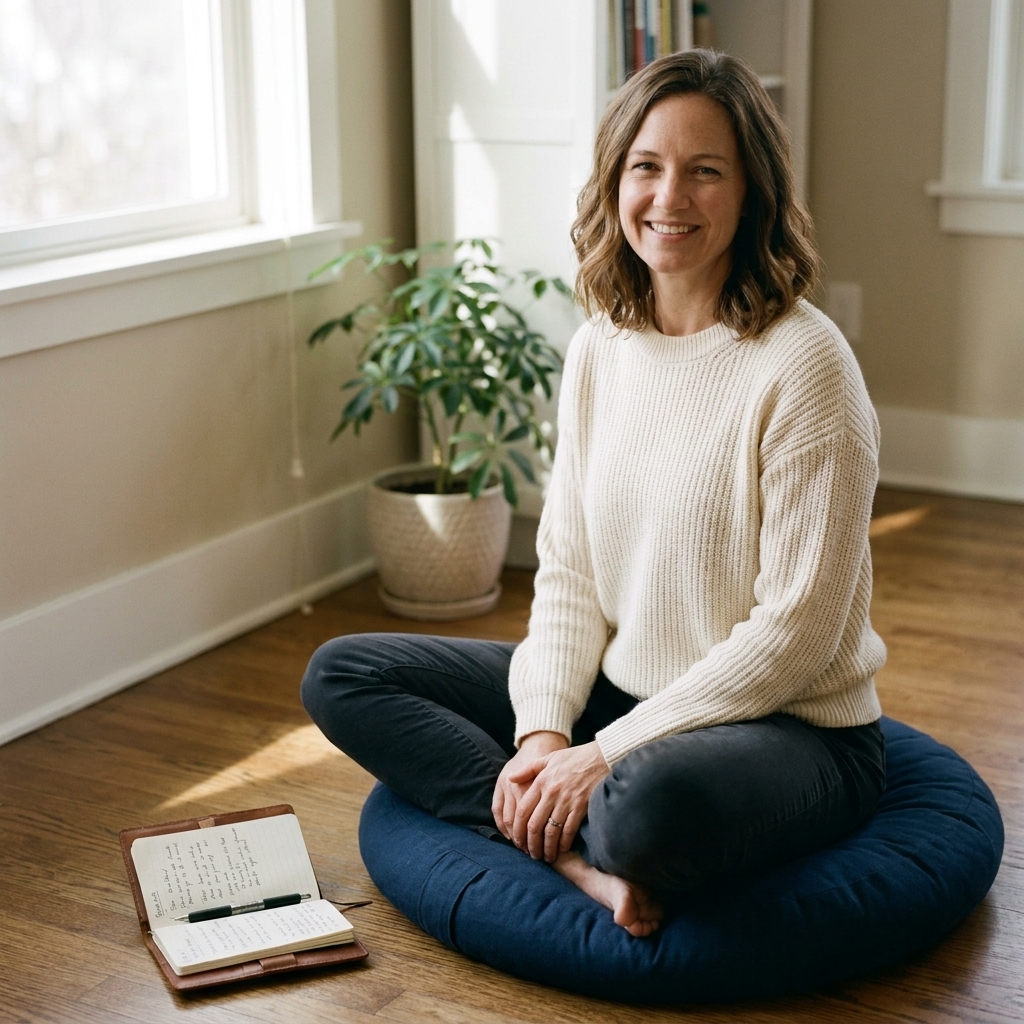
- Afterward, jot down two notes: What did I notice? and How do I feel right now?
Week 2: Mantra meditation
If you have access to proper TM instruction, follow that guidance. If not, you can still explore a simple non-TM mantra meditation experiment with a neutral sound, gently repeated, for 10 minutes daily. Keep it easy, not forced. This is not TM, but it can give you a feel for mantra-based practice.
- 10 minutes daily
- Mantra repeated softly in the mind
- Afterward, the same two notes: What did I notice? and How do I feel right now?
If you miss a day, simply begin again the next day. Consistency is built by returning, not by being perfect.
At the end, ask: Which practice am I more likely to continue? Consistency, more than perfection, is what changes a life.
FAQ
Is TM just mindfulness with a mantra?
They can look similar from the outside, but they are taught with different intentions and mechanics. Mindfulness often emphasizes observing experience clearly. TM emphasizes effortless mantra repetition as a vehicle for settling into quieter states, and it is taught in a specific, standardized way.
Which one is better for anxiety?
Both can help. Some people find mindfulness helps them relate differently to anxious thoughts. Others find TM’s emphasis on rest feels regulating. If anxiety is intense or linked to trauma, seek trauma-informed support and go gently.
Do I need a spiritual framework for either one?
No. Both are practiced in secular settings. And both can also be practiced as spiritual disciplines, as ways of cultivating compassion, reverence, and inner freedom. Your intention matters.
What if I cannot stop thinking during meditation?
Then you are human. In mindfulness, you notice thinking and return. In TM, you return to the mantra easily. The point is not to eliminate thoughts by force, but to change your relationship with them.
Meet yourself here
I have watched people blossom through mindfulness, through TM, and through combinations that fit their lives like a well-worn sweater. The “right” meditation is the one that helps you become more awake to your own life, more compassionate toward yourself and others, and more able to meet the day without armor.
If you want a place to begin today, begin small: sit down, breathe, and offer yourself five minutes of sincere attention. In a world that constantly asks you to be elsewhere, that alone is a quiet act of devotion.