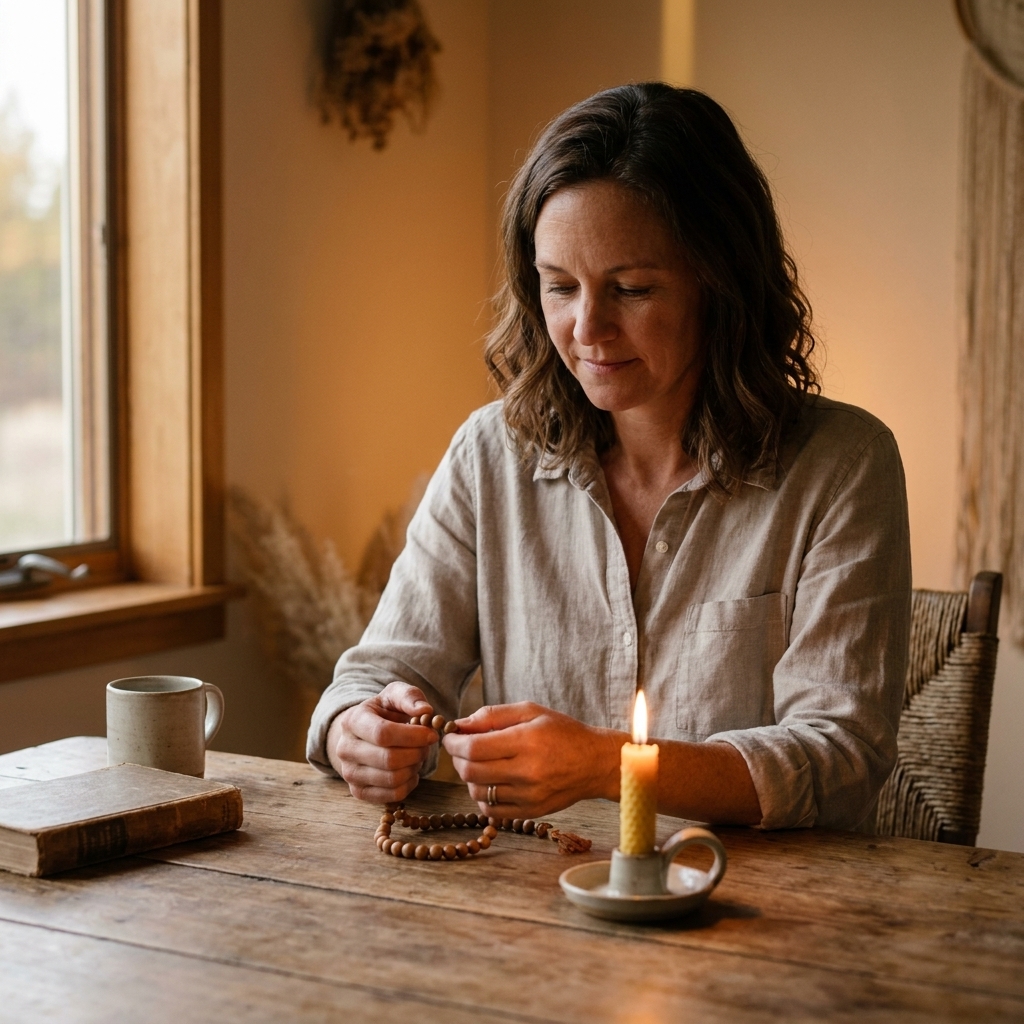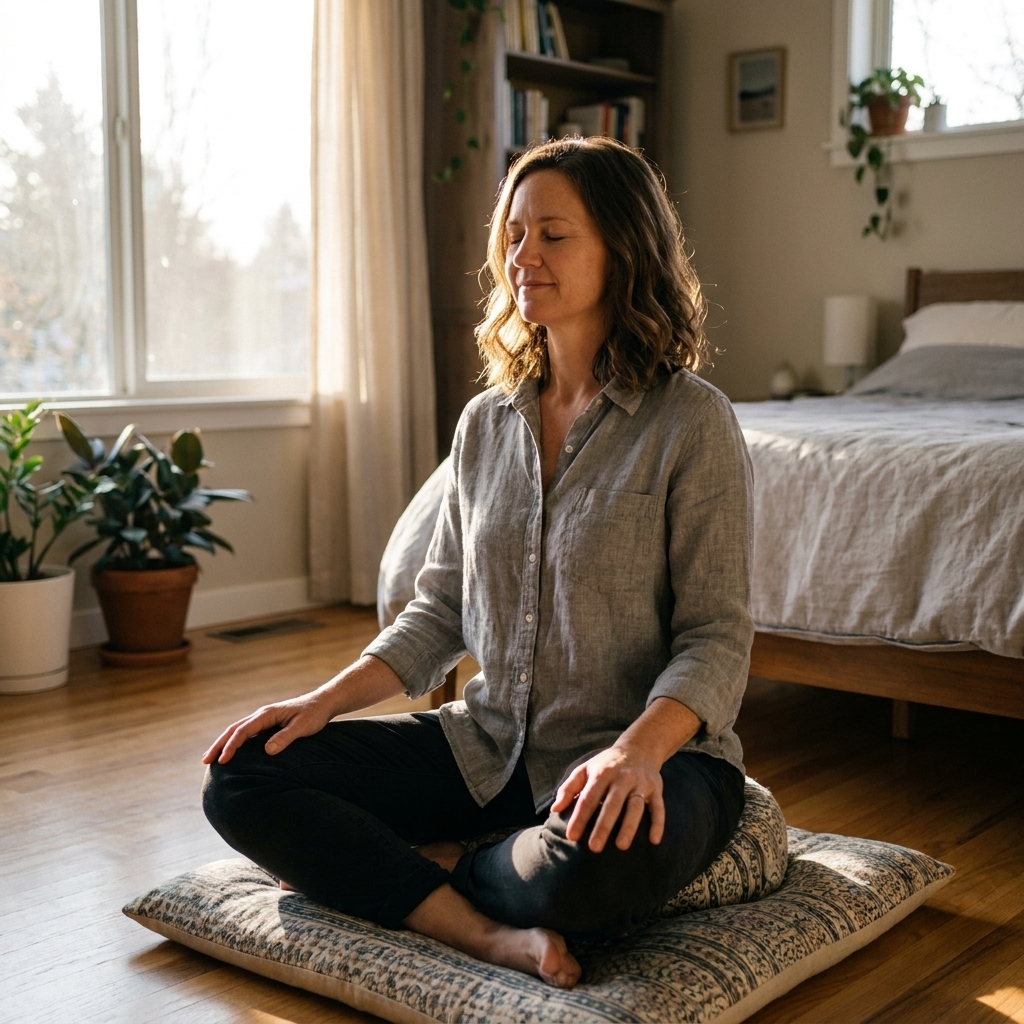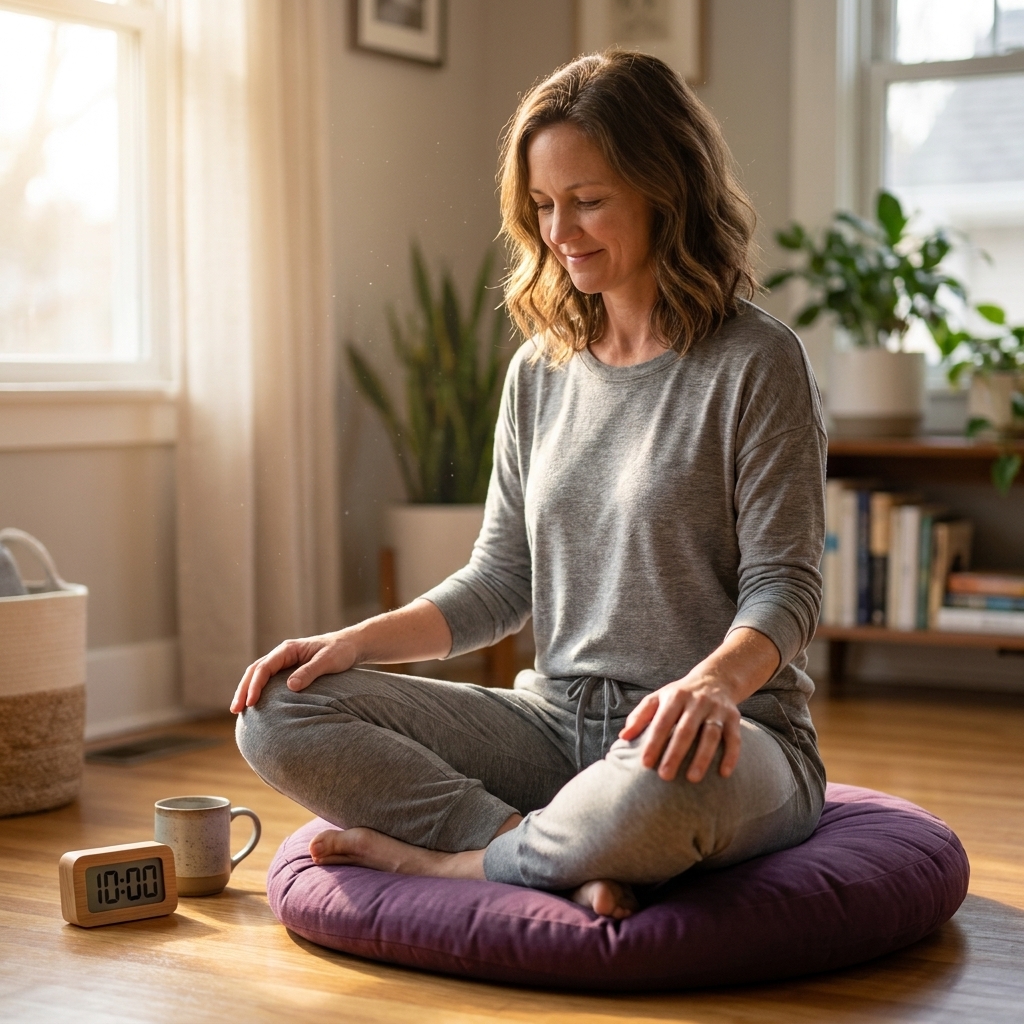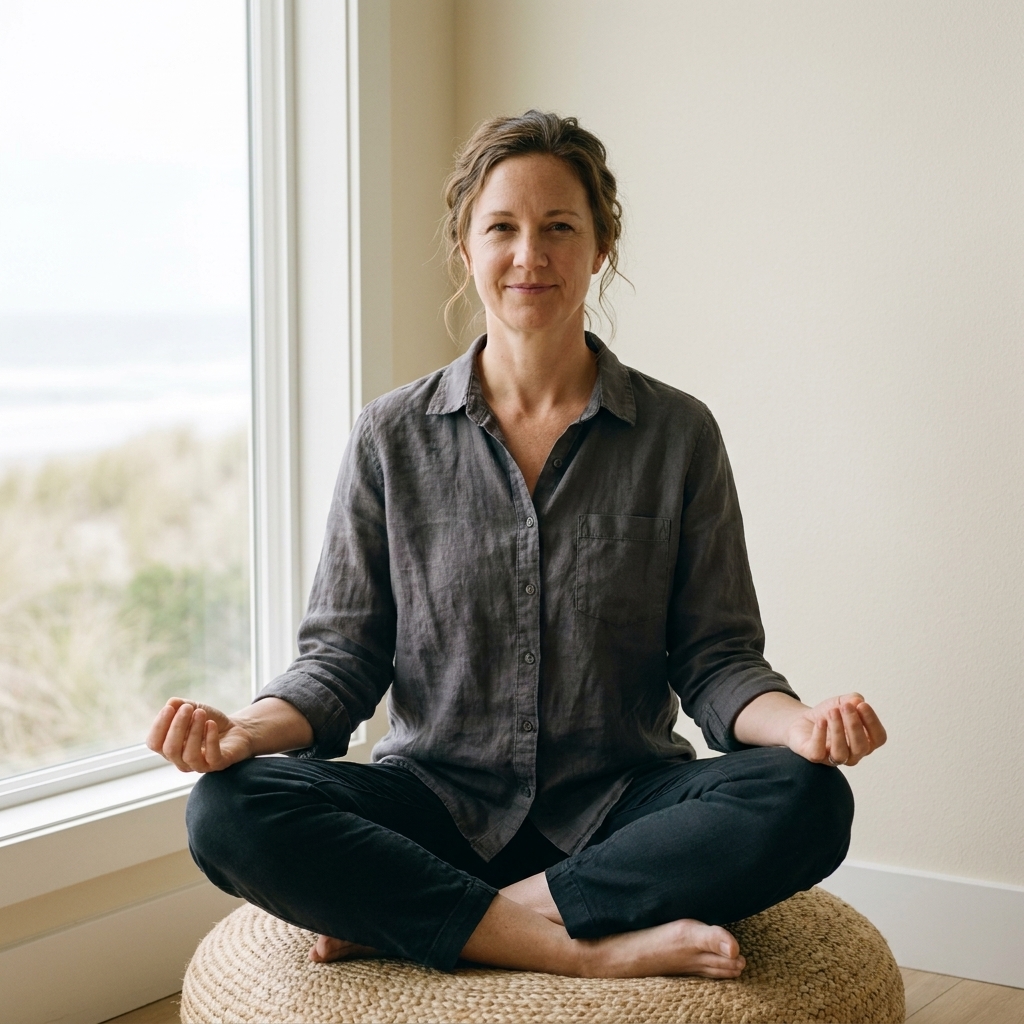
In my childhood home, prayer sounded like many things. A whispered bedtime request. A sung blessing over dinner. A moment of gratitude offered in silence because words felt too small.
Later, I learned meditation in places where no one used the word “God” at all. Yet the room felt full of reverence. People sat quietly, breathed gently, and seemed to be listening for something deeper than their own thoughts.
It can be confusing because prayer and meditation sometimes share the same posture: stillness, eyes closed, hands folded, a softened heart. But while they can overlap, they are not always the same thing. Often they are two different spiritual muscles. And when you learn how each one works, they can become beautiful companions.
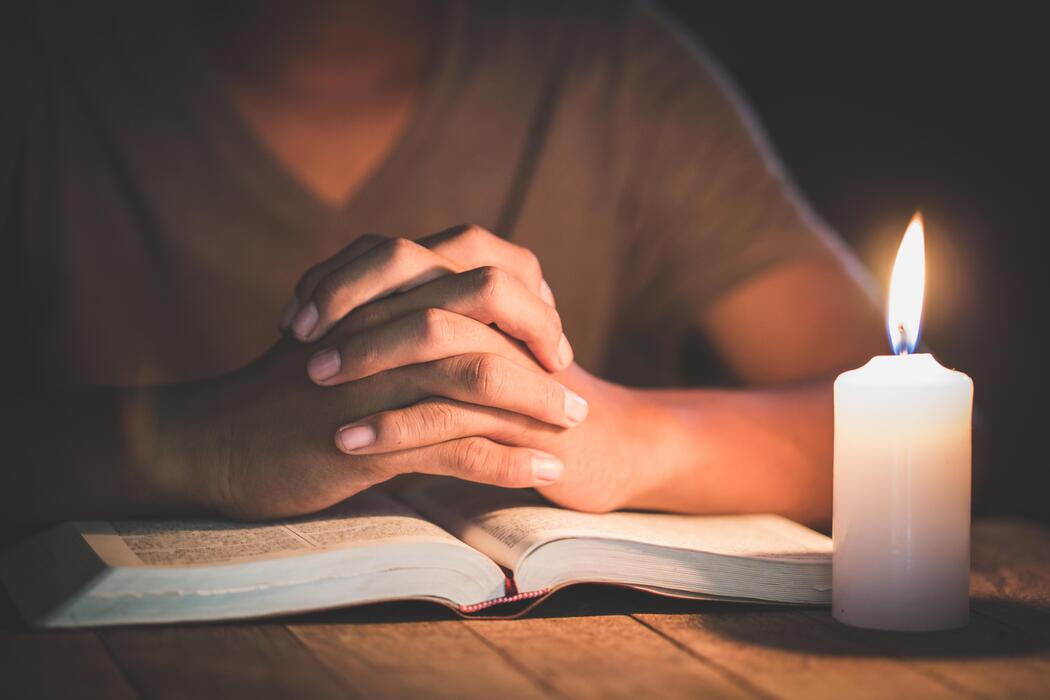
What prayer is
Prayer is communication. It is a way of turning toward the sacred and speaking, whether you speak out loud, silently, or through song.
In many traditions, prayer includes:
- Addressing the Divine (God, Spirit, the Beloved, the Holy)
- Expressing gratitude, sorrow, longing, hope, praise
- Asking for help, guidance, healing, forgiveness
- Offering yourself: “Here I am. Use me. Teach me.”
Prayer can be structured, like the Lord’s Prayer, the Amidah, Salah, the Rosary, or scripted mantras. It can also be utterly informal: “Please help me get through this day.”
What prayer can do in us
Prayer tends to work through relationship. Even if you are unsure what you believe, prayer can function like leaning toward trust. It can organize the heart around meaning and belonging. For many people, it also gives worries a place to go besides looping endlessly in the mind.
Many people report that prayer can:
- Soften isolation by creating a sense of being accompanied
- Clarify values: what you love, what you want to protect
- Support resilience during grief, fear, or uncertainty
- Move you toward repentance, repair, and compassion
What meditation is
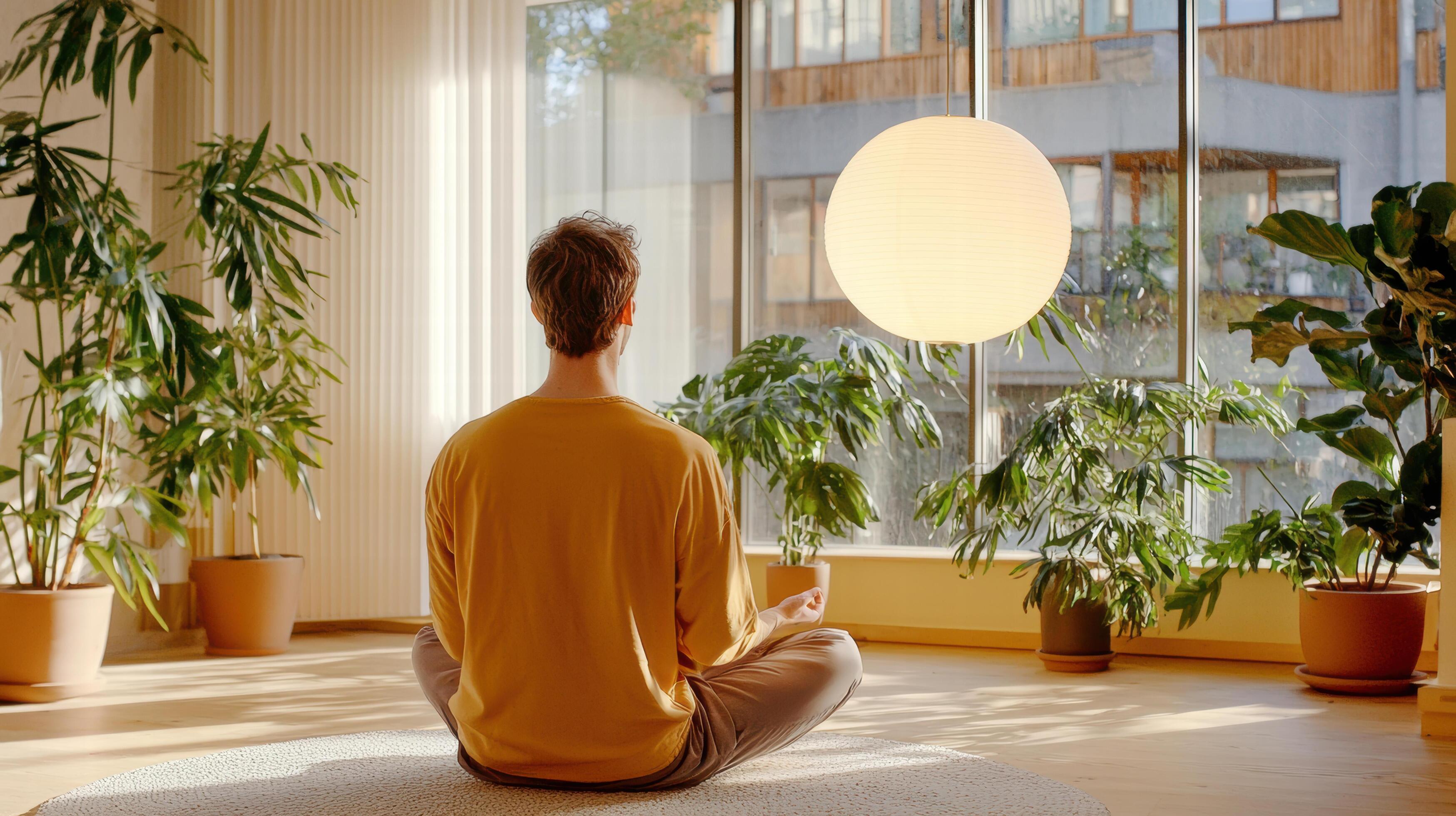
Meditation is attention training. It is a practice of learning to be with your experience without immediately reacting to it.
It also helps to name something up front: “meditation” is an umbrella term. Different traditions train attention in different ways, and not every method feels the same in the body.
Depending on the tradition, meditation might look like:
- Breath awareness (resting attention on the breath)
- Body awareness (noticing sensations without judging them)
- Mantra or sacred word (repeating a phrase to steady the mind)
- Compassion practice (sending goodwill to yourself and others)
- Contemplation (resting with a spiritual truth or sacred image)
Meditation is often quieter than prayer, but it is not “empty.” It is more like creating interior space so you can see clearly what is already there.
What meditation can do in us
Meditation tends to work through awareness. It teaches you to notice thoughts and feelings as events in the mind rather than commands you must obey.
Many people notice, and research on mindfulness practices often suggests, that meditation can support:
- Less mental clutter and rumination
- More patience and steadier emotion regulation
- More compassion by softening harsh self-judgment
- A steadier inner anchor during stress
The simplest difference
If I had to explain it without academic language, I would say:
- Prayer is speaking and listening in relationship.
- Meditation is paying attention and practicing presence.
Another helpful way to frame it is direction:
- Prayer often turns toward the Holy: “You.”
- Meditation often turns within experience: “Here.”
They overlap, of course. Many prayers include long silences. Many meditations include devotion. Some practices even live squarely in the overlap, like contemplative prayer or mantra repetition. Still, the core intention often differs, and intention shapes what you carry back into your day.
How they fit together
When prayer and meditation are paired, they can form a gentle rhythm:
- Meditation clears the water. You learn to settle, notice, and stop rehearsing every worry.
- Prayer directs the water. You pour your clarified attention toward love, truth, and service.
Or, in a more human way: meditation helps you hear what is actually happening inside you, and prayer helps you bring that honesty into your relationship with the Divine.
Three simple pairings
- Prayer then meditation: Speak what is on your heart, then sit quietly and breathe. This can feel like being held after you have told the truth.
- Meditation then prayer: Settle the nervous system first, then pray from steadiness rather than panic.
- Prayer as meditation: Repeat a short sacred phrase slowly until it moves from the head into the body.
Solo and communal practice
Both prayer and meditation can be deeply personal, and both can be practiced with others.
- Communal prayer (liturgy, call and response, shared songs) can carry you when you feel tired or numb. The community lends you its words.
- Group meditation can strengthen consistency and calm. Sitting with others often makes it easier to stay present, even in silence.
If you have only practiced alone, it can be healing to try the communal form, even once. Not because it is better, but because it is different.
Simple daily practices
You do not need special cushions, perfect quiet, or a dramatic spiritual backstory. Start small and let consistency do the heavy lifting.
Practice 1: Two and three
- Prayer (2 minutes): Name three things you are grateful for. Name one thing you need help with. Offer one blessing for someone else.
- Meditation (3 minutes): Sit comfortably. Notice five slow breaths. When the mind wanders, return without scolding yourself.
This is short enough to do on a hard day, which is exactly why it works.
Practice 2: A sacred word
Choose a phrase that feels honest in your body. Keep it simple.
- “Peace, be still.”
- “Here I am.”
- “God, have mercy.”
- “Abba.” “Beloved.” “Shalom.”
Repeat the phrase on the exhale for five minutes. If it becomes dry or mechanical, do not panic. Gently return. This is both prayer (devotion) and meditation (attention training).
Practice 3: Walking and noticing
If sitting still makes you restless, walk.
- As you walk, coordinate a simple prayer with your steps: “Guide me” on one step, “Keep me” on the next.
- Every few steps, switch to pure noticing: wind on skin, the feel of the ground, the color of the sky.
This practice is wonderfully supportive during anxious seasons because it engages the body and the heart together.

Matching the practice to your life
If you feel stressed and scattered
Start with meditation first. Even three minutes of breathing can ease the feeling of being chased by your thoughts. Then pray briefly and plainly, without performing: “Help me do the next right thing.”
If you feel lonely or spiritually numb
Try prayer first, especially gratitude and honest lament. Speak to the Holy as you would to someone you trust. Afterward, sit quietly for a few minutes, not to force a feeling, but to make room for one.
If you are exploring but unsure about God-language
Meditation can be a respectful entry point. You can also experiment with prayer as “addressing the Good” or “speaking to Life.” What matters most is sincerity. If traditional language feels loaded, borrow language that is true for you.
If you come from a prayer-rooted tradition
You do not have to choose between your heritage and meditation. Many faiths have deep contemplative streams, including Christian contemplative prayer, Jewish hitbodedut (especially in Breslov Hasidism), Sufi dhikr, Buddhist metta, and Hindu japa. Meditation can be a way of returning to prayer with a calmer mind and a softer heart.
Common questions
Is meditation a religion?
Meditation is a practice found inside many religions and also used in secular settings. The intent matters. You can meditate as mental training, as spiritual devotion, or as contemplative prayer depending on your framework.
Is prayer “less effective” than meditation?
They do different work. Meditation often supports clarity and steadiness. Prayer often supports trust, meaning, and moral courage. Many people find the deepest transformation when both are present.
What if my mind will not stop during meditation?
That is not failure, that is the human mind. The practice is not stopping thoughts. The practice is noticing and returning, again and again, with kindness.
What if prayer feels like talking to the ceiling?
Try honesty instead of certainty: “I do not know if anyone hears this, but this is what is true for me.” You can also pray through a text, a psalm, a poem, or a simple written letter to God. Sometimes faith returns through the side door of practice.
Can meditation feel uncomfortable or intense?
Yes. For some people, especially those living with trauma, grief, or high anxiety, silence and stillness can initially amplify distress. If that happens, you can adapt: keep your eyes open, shorten the time, focus on sound or touch, try walking meditation, or use a gentle guided practice. If meditation consistently spikes panic or dissociation, consider practicing with a trauma informed teacher or speaking with a mental health professional.
Try this tonight
If you want one small experiment, try this before bed:
- One sentence of prayer: “Thank you for the strength I had today, even if it did not feel like much.”
- Ten breaths of meditation: Feel the inhale and exhale. Let the day loosen its grip.
- One sentence of prayer: “May I rest. May others rest. May tomorrow bring what is needed.”
Over time, you may notice something subtle but profound. Prayer can help your life feel held by love. Meditation can help you notice that love with less noise in the way.