It is surprisingly common to feel unsure about where prayer ends and meditation begins, or to wonder whether contemplation is simply a “more advanced” version of either. Part of the confusion is that many traditions use these words differently, and many people practice some blend of all three without naming it.
Here is a simple way to start: prayer is usually relational, meditation is usually attentional, and contemplation is usually receptive. Each can be devotional or secular, structured or spontaneous, and rooted in a particular faith or practiced in a broadly spiritual way.
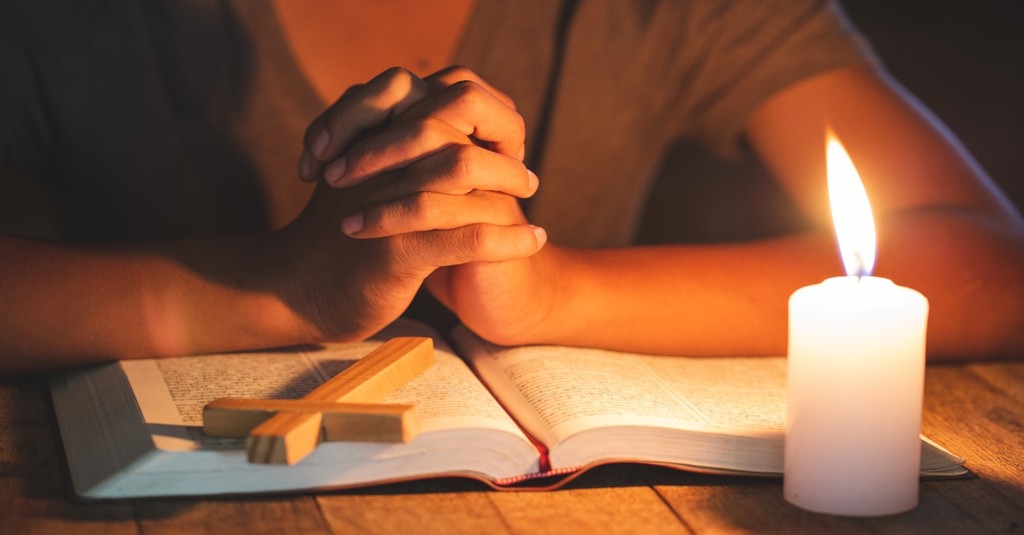
Definitions in plain language
Prayer: speaking and listening in relationship
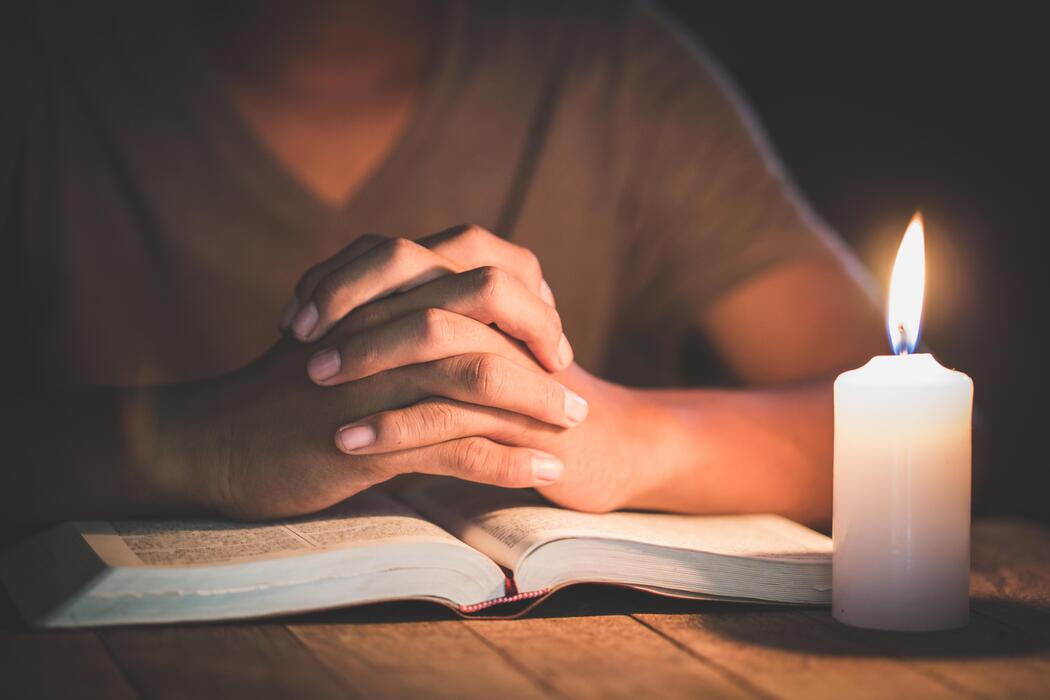
Prayer is communication with the sacred, however you understand the sacred. That communication can look like asking, thanking, confessing, grieving, praising, arguing, lamenting, or simply sitting in honest presence.
Many people think prayer always means “asking for things,” but in most living traditions it is broader than that. Prayer can be:
- Conversational: words you speak aloud or silently.
- Ritual: memorized prayers, liturgy, or set times of day.
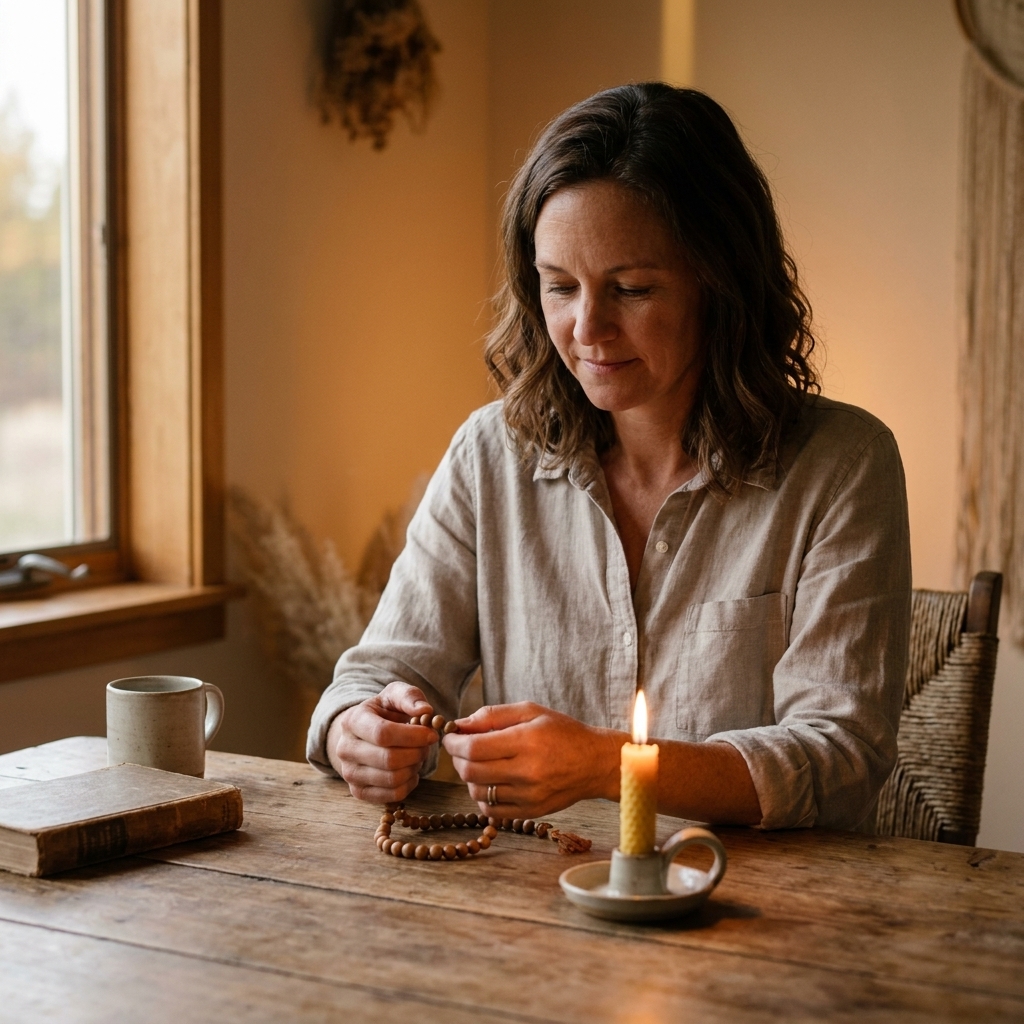
- Embodied: kneeling, bowing, prostration, lighting candles, using beads.
- Wordless: tears, sighs, awe, or a simple inward turning toward God.
A helpful question: Am I addressing the sacred as a “You”? If yes, you are likely in the realm of prayer.
Meditation: training attention and awareness
Meditation is the practice of training the mind, usually by returning attention to an anchor. That anchor might be the breath, a sacred word, a mantra, a phrase from scripture, bodily sensation, sound, or a chosen object of reflection.
Meditation often includes noticing thoughts without chasing them. Over time, this builds steadiness, clarity, and a little more space between you and the mental weather of the day.
A helpful question: Am I practicing how I pay attention? If yes, you are likely meditating.
Contemplation: resting in presence
Contemplation is a receptive, unforced awareness that rests in presence. In many theistic traditions, it is described as “being with God” beyond words and concepts. In non-theistic or philosophical traditions, it can be described as direct seeing, such as resting in awareness itself or abiding with what is.
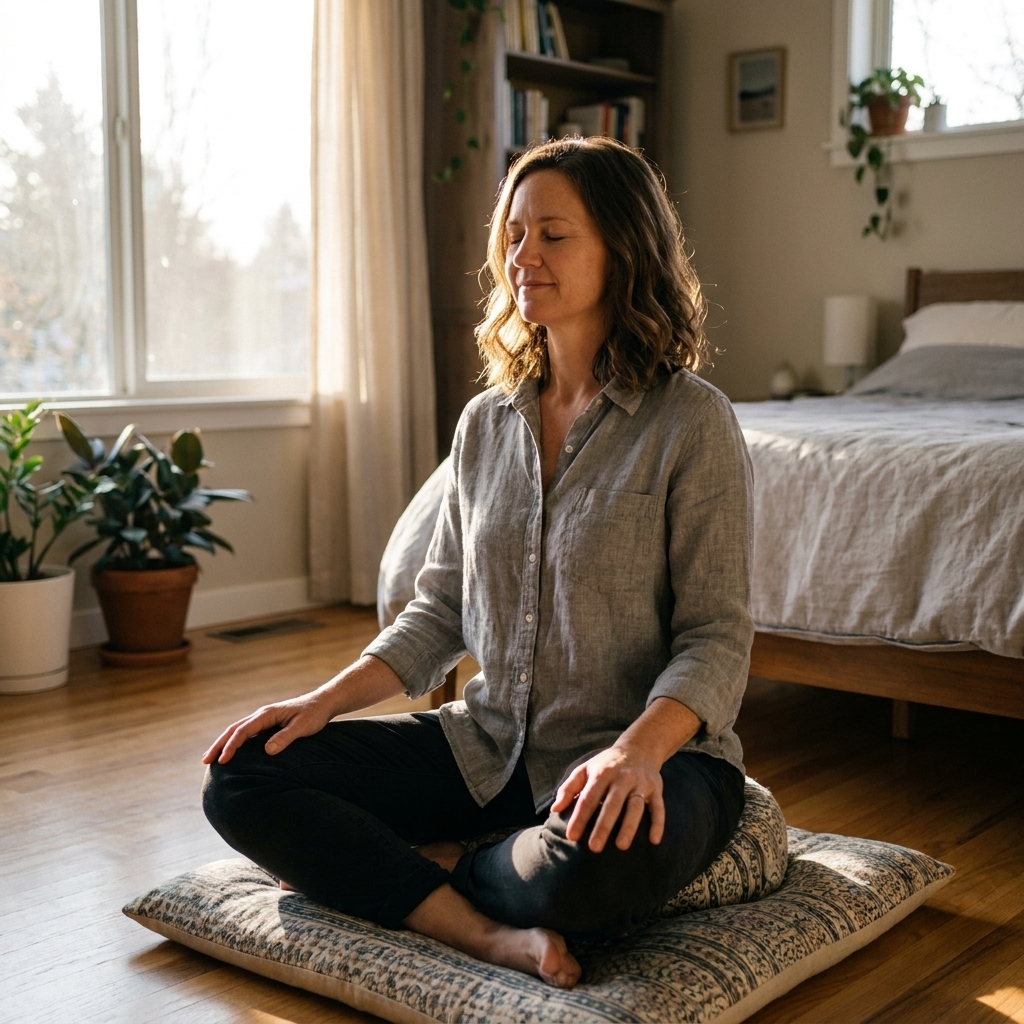
Contemplation is not about achieving a special state. It is more like consenting to stillness, allowing yourself to be met, and letting the heart settle. In practice, this might look like sitting quietly and offering a simple wordless attention toward God, or gently resting awareness on the felt sense of being here.
A helpful question: Am I less “doing” and more “being”? If yes, you are likely contemplating.
A simple comparison
Most of us move between these practices naturally. The distinctions below are not walls. They are handrails.
- Primary direction: Prayer tends to move toward the sacred in relationship. Meditation tends to move inward toward steady attention. Contemplation tends to rest in presence, beyond effort.
- Typical tools: Prayer often uses words, gestures, song, or ritual. Meditation often uses a chosen anchor and gentle repetition. Contemplation often uses silence, spacious attention, or a simple wordless turning toward the sacred.
- Common fruit: Prayer often grows trust, humility, gratitude, and honesty. Meditation often grows calm, clarity, and resilience. Contemplation often grows spacious compassion, surrender, and a sense of communion.
- How it feels: Prayer can be tender, raw, joyful, or restless. Meditation can be focused, wandering, or quietly disciplined. Contemplation can feel simple, quiet, and sometimes surprisingly ordinary.
If you only remember one thing: Prayer talks, meditation trains, contemplation rests.
How traditions use these practices
Every tradition has its own vocabulary and emphasis. Below are broad strokes, offered with respect. Individual communities and practitioners will vary.
Christian traditions
Prayer includes spontaneous prayer, the Lord’s Prayer, intercession, confession, and liturgical prayer in traditions like Catholicism, Orthodoxy, and Anglicanism.
Meditation can mean reflecting on scripture, such as lectio divina, where a short passage is read slowly and allowed to speak to the heart.
Contemplation shows up in practices like Centering Prayer and in the writings of contemplatives such as Teresa of Ávila and John of the Cross, where the emphasis is on loving attention rather than many words. You will also hear the bridge term contemplative prayer, meaning prayer that is less about speaking and more about silent, loving awareness of God.
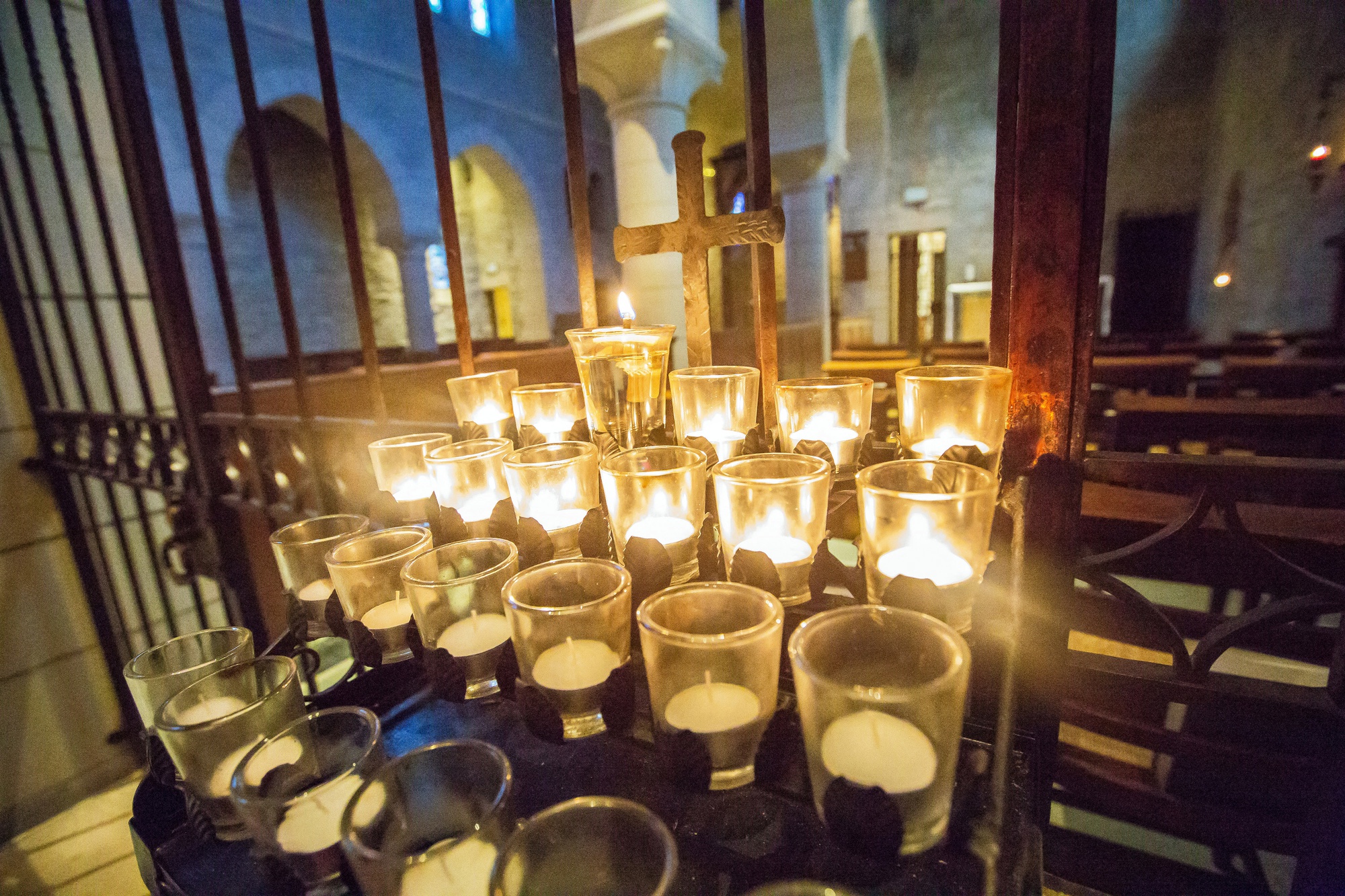
Judaism
Prayer is often structured and communal, including the Shema and the Amidah, with rhythms that mark the day and week.
Meditative approaches appear in various streams, including focused practices around Hebrew letters, sacred phrases, and mindful inner stillness. Many of these approaches emphasize kavanah, meaning intentionality and heartfulness in prayer and mitzvot.
Contemplation can be found in mystical traditions such as Kabbalah and Hasidic teachings, where the aim may be devekut, cleaving to God, or resting in divine closeness.
Islam
Prayer is central, especially salat, the five daily prayers, which combine recitation, bodily movement, and attentiveness. Personal supplication, dua, is also a vital form of intimate prayer.
Meditation often takes the form of remembrance, dhikr, which can include repeating divine names or phrases with the tongue and the heart.
Contemplation is present in practices of inward watchfulness and reflection, including muraqabah, particularly within Sufi lineages, emphasizing awareness of God’s nearness.
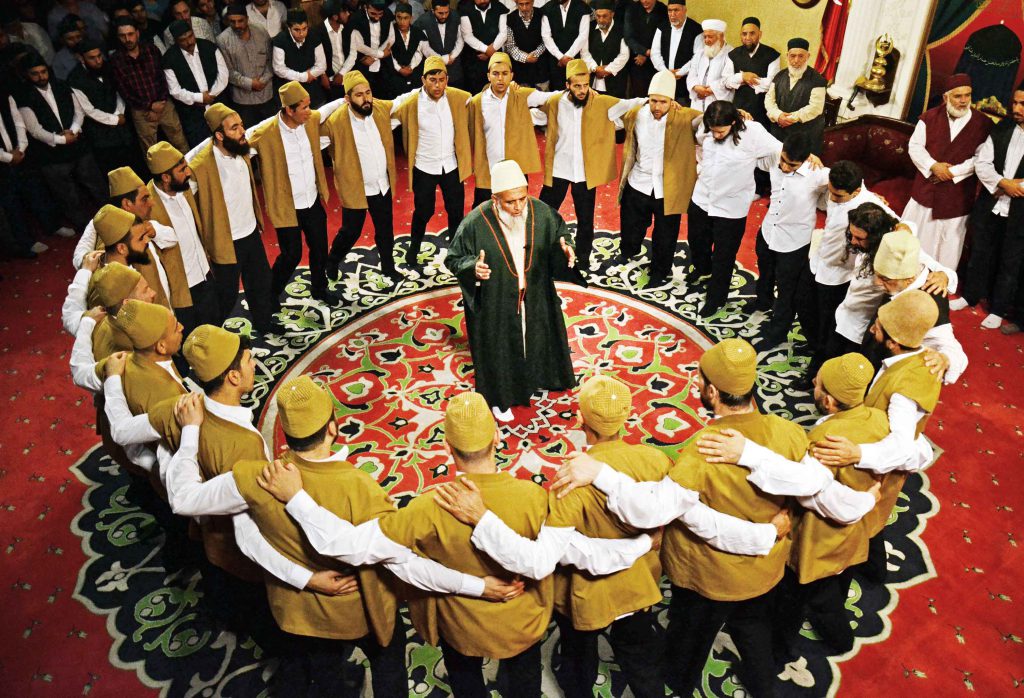
Hindu traditions
Prayer includes puja (devotional worship), offerings, and devotional songs, often oriented toward a personal form of the divine.
Meditation includes mantra repetition (japa), breath practices, and methods from yoga philosophy that steady attention and refine awareness.
Contemplation can appear as self-inquiry in Advaita-influenced lineages, such as the question “Who am I?”, or as resting in the felt sense of the sacred beyond forms.
Buddhist traditions
Some schools do not use the word “prayer” in the theistic sense, yet devotional practices exist widely, including chanting, bowing, and aspiration prayers dedicated to the wellbeing of all beings.
Meditation is foundational, including mindfulness practices and concentration practices. Compassion practices, such as loving-kindness, also function as a form of heart training.
Contemplation can include open awareness practices and deep inquiry into impermanence, suffering, and not-self. In Zen, this may look like shikantaza, just sitting.
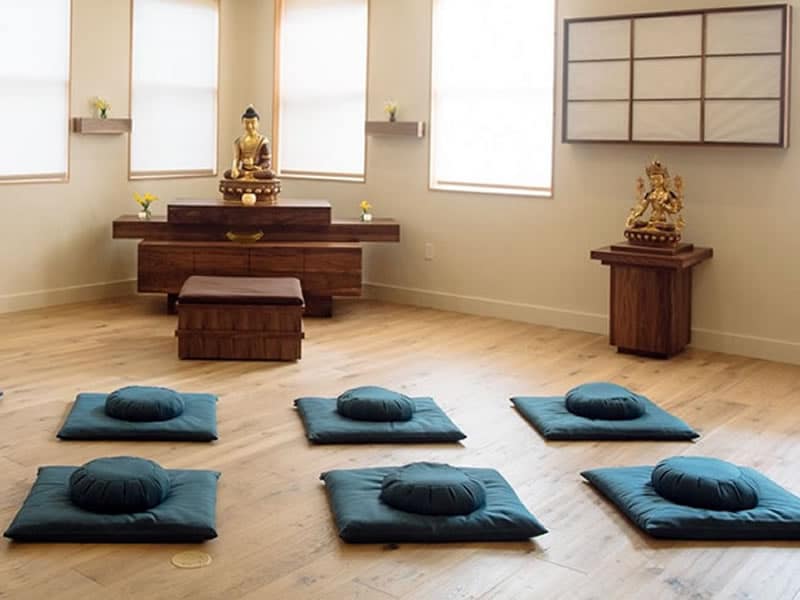
Indigenous and earth-centered paths
Many Indigenous and earth-honoring traditions hold spirituality as woven into daily life, land, ancestry, and community.
Prayer may be offered through spoken gratitude, song, dance, offerings, or ceremonial practices tied to seasons and place.
Meditation may look like attentive listening in nature, repetitive singing or drumming that steadies awareness, or disciplined practices of noticing dreams and symbols.
Contemplation often appears as long, quiet presence with the natural world, where the aim is not to “think about” the sacred but to sit, listen, and remember belonging.
When to choose each practice
If you are deciding what to do today, it helps to choose based on what your inner life is asking for, not what sounds most impressive.
Choose prayer for relationship
- You feel alone, afraid, or grateful and want to speak from the heart.
- You are carrying someone else’s pain and need words for intercession.
- You want structure, such as a set prayer in the morning or before sleep.
Try this: In one sentence, say what is most true right now. Then add, “Help me be faithful in the next right step.” Sit for 60 seconds and let yourself be held.
Choose meditation for steadiness
- Your mind is racing and you cannot find your center.
- You want to build a daily practice that supports mental clarity.
- You keep reacting the same way and want more choice and space.
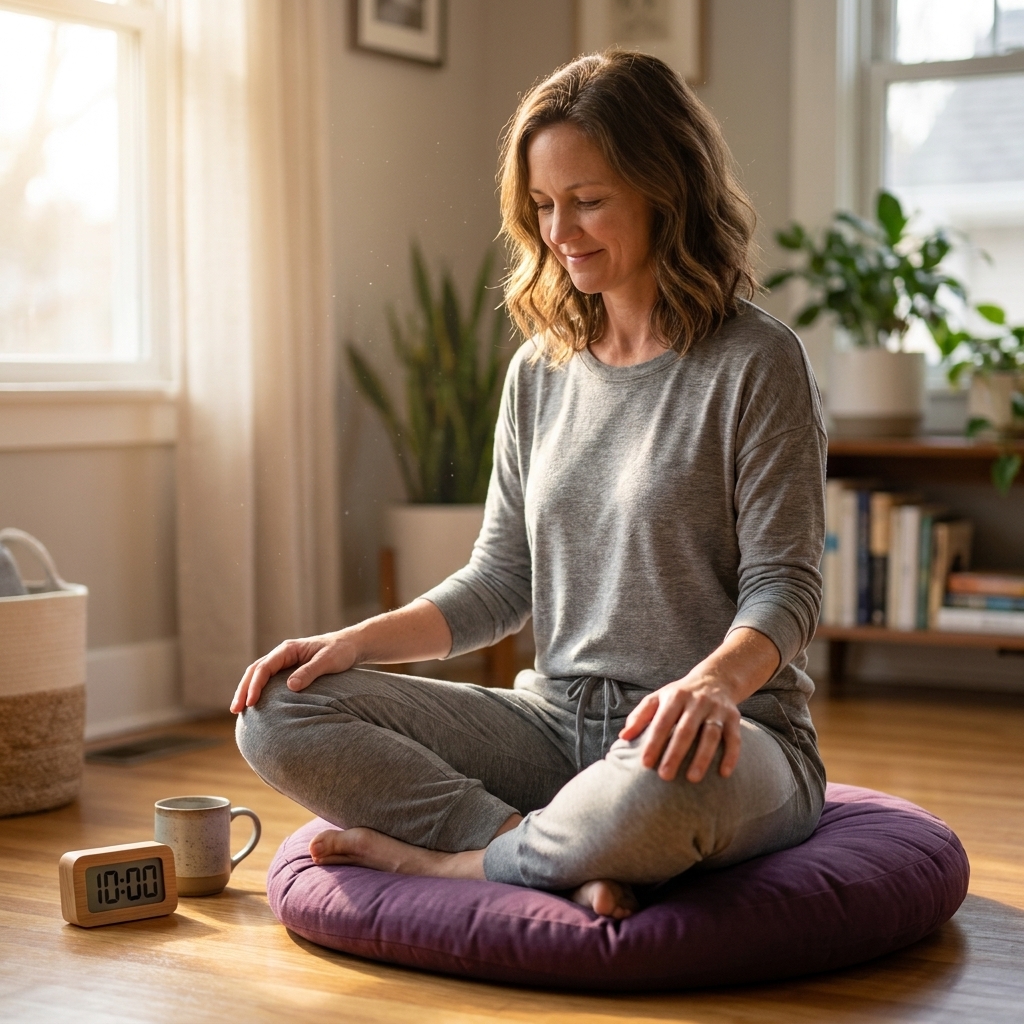
Try this: Set a timer for 5 minutes. Feel the breath at the nostrils or belly. Each time you drift, return gently. No scolding. Returning is the practice.
Choose contemplation for spaciousness
- You are tired of overthinking and want to rest in presence.
- You have prayed and meditated and sense an invitation to silence.
- You want to be with mystery without trying to solve it.
Try this: Sit comfortably. Let your attention be soft, like you are listening from the heart. If thoughts arise, let them pass without wrestling. Return to a simple inward “yes” to the moment. If it helps, keep one gentle anchor, like the feeling of your hands resting or a quiet sacred word you do not force.
How they work together
You do not have to pick one lane for life. In many mature spiritual paths, these practices become a gentle sequence:
- Prayer opens the heart and tells the truth.
- Meditation steadies the mind and makes space.
- Contemplation rests in what is deepest, beyond the need to manage.
Many real-world practices are hybrids. Lectio divina can feel like meditative prayer. Repetitive prayers can function like mantra meditation. Loving-kindness practice can feel like devotion and attention training at the same time.
A simple rhythm might look like this:
- Morning: a short prayer of intention.
- Midday: 3 minutes of breath meditation to reset.
- Evening: quiet contemplation, even if only for a few breaths, to release the day.

Common misconceptions
“Prayer is religious, meditation is not.”
Meditation has deep roots in many religions, and prayer can be practiced by people who do not identify with a formal faith. The deeper distinction is intention, not label.
“Contemplation is only for monks or mystics.”
Contemplation can be as simple as sitting quietly and consenting to presence for two minutes. You do not need special experiences. You need willingness.
“If my mind wanders, I am failing.”
Wandering is part of being human. In meditation, returning is success. In prayer, honesty is success. In contemplation, beginning again is success.
A gentle starting point
If you are new or returning after a long time away, start small and kind.
- Pick one practice for a week.
- Keep it brief, 3 to 7 minutes.
- Attach it to something you already do, like morning coffee or brushing your teeth.
- Notice the fruit: Are you a little more patient, present, or compassionate?
And if you are in a season of grief, trauma, or intense anxiety, please be gentle with yourself. Sometimes the most spiritual thing we can do is seek support from a trusted friend, spiritual leader, or mental health professional while keeping practice very simple. Also, note that some meditation practices can feel destabilizing for some people, especially when there is unresolved trauma. If that is true for you, shorter sessions, eyes-open practice, more grounding, or guided support can be wiser than pushing through.
FAQ
Can prayer be meditation?
Yes. Repetitive prayer, such as the Jesus Prayer, the rosary, or mantra-like remembrance, often functions as meditation because it trains attention through repetition and rhythm.
Is mindfulness the same as contemplation?
They overlap. Mindfulness is often described as nonjudgmental awareness of present experience. Contemplation, especially in theistic traditions, usually includes a relational or sacred dimension, even when wordless. But in practice, the felt experience can be very similar.
What if I do not believe in God?
You can still meditate and contemplate. You can also practice prayer-like speech as a form of intention, gratitude, or honest yearning directed toward life, love, the universe, or your deepest values. What matters is sincerity and the way the practice shapes your heart.
How long should I practice?
Consistency matters more than duration. For many people, three minutes daily tends to be more beneficial than one hour once a month. If you want a simple goal, try 5 minutes a day for two weeks.