When I first started studying Scripture in its original languages, I remember feeling quietly startled by how often our English word “hell” is doing heavy lifting for several very different ancient terms. It is not just a vocabulary issue. The word choices shape imagination, prayer, and even how we talk about God’s justice and mercy.
In the Bible, Sheol, Hades, and Gehenna overlap at the edges, but they are not the same thing. One is the Hebrew realm of the dead, one is the Greek term often used to render it, and one is Jesus’ most vivid warning word, rooted in a real valley outside Jerusalem and commonly read in the direction of judgment.
Quick definitions
- Sheol (Hebrew Bible): the shadowy “realm of the dead,” the place people go when they die, portrayed as down below, silent, and beyond ordinary human life.
- Hades (New Testament Greek): the Greek word for the abode of the dead, frequently used in the Septuagint to translate Sheol.
- Gehenna (in Jesus’ teaching): a term tied to the Valley of Hinnom near Jerusalem, used as a severe image of judgment and warning.
Because English translations sometimes render more than one of these words as “hell,” it can sound like the Bible speaks with one single, settled vocabulary. Instead, Scripture uses a small cluster of words, each carrying its own history and emotional tone.
Sheol
What Sheol means
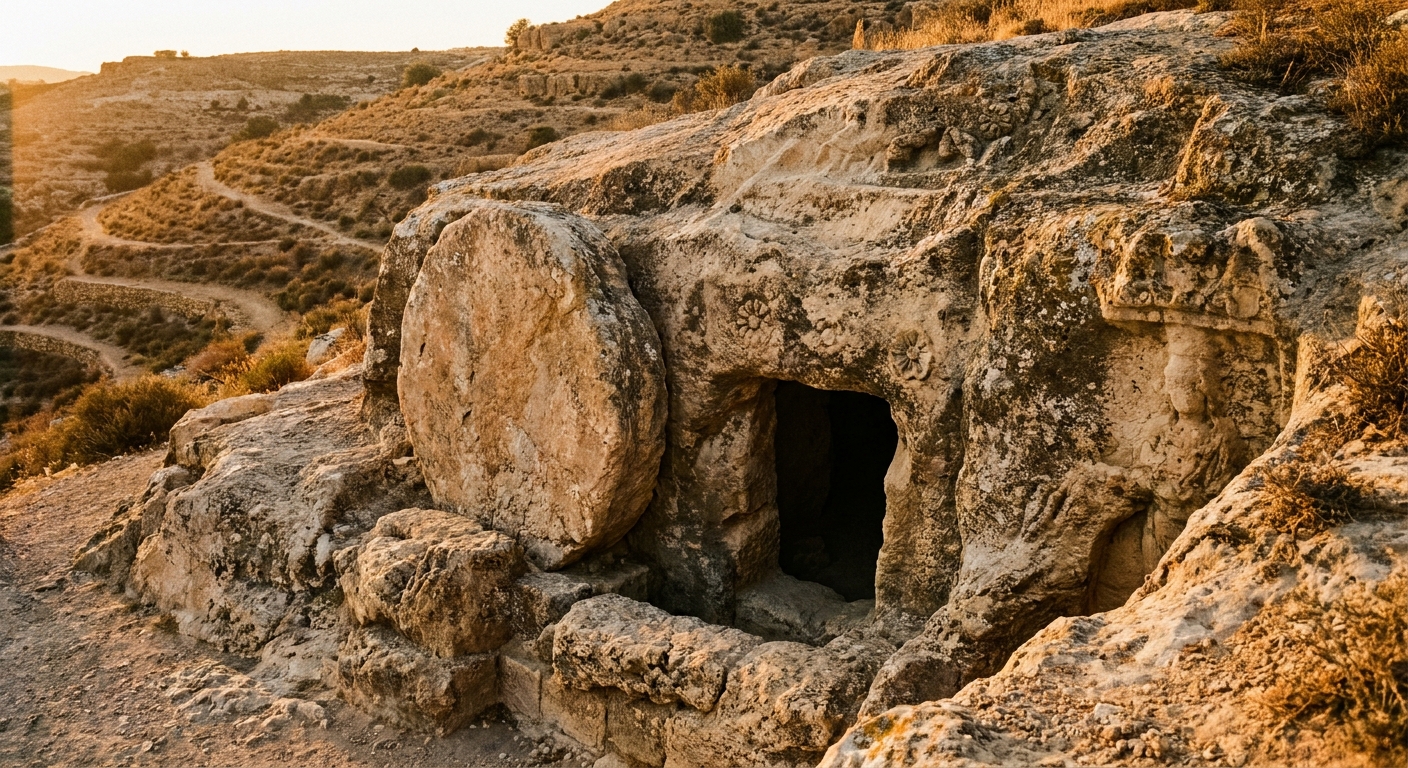
Sheol is a Hebrew word that describes the place of the dead, or the grave, envisioned as a kind of underworld where human vitality is diminished. In many passages it is not portrayed as a place of fiery torment. It is portrayed as the destination of the dead in general, with imagery of depth, darkness, silence, and being “brought down.”
In the Old Testament, people can speak of going down to Sheol in grief, in fear, or simply as the expected end of mortal life.
Key passages
- Genesis 37:35 (Jacob mourns and expects to go down to Sheol)
- Numbers 16:30-33 (the rebels go down alive into Sheol)
- 1 Samuel 2:6 (God brings down to Sheol and raises up)
- Job 7:9 (the one who goes down to Sheol does not come up)
- Psalm 6:5 (in death there is no remembrance; in Sheol who gives praise?)
- Psalm 16:10 (God will not abandon to Sheol)
- Ecclesiastes 9:10 (no work or knowledge in Sheol)
- Isaiah 38:18 (Sheol does not thank or praise)
Notice the recurring themes: Sheol is a place of diminished agency and praise, a poetic way of speaking about death’s domain. That is why the Psalms can mention Sheol without necessarily making a detailed claim about final judgment.
Hades
What Hades means
Hades is a Greek word. In wider Greek culture it could refer broadly to the underworld, but in the biblical world an important bridge is the Septuagint, the ancient Greek translation of the Hebrew Scriptures. The Septuagint frequently uses Hades to translate Sheol, although it can also render Sheol with other terms depending on context.
With that Sheol background, the New Testament’s Hades often reads like the Greek-language continuation of the Old Testament’s “realm of the dead.” In other words, Hades is often about death’s holding place, not automatically the same as the final destination of the wicked. Some New Testament passages portray Hades as temporary and ultimately defeated.
Key passages
- Matthew 11:23 (Capernaum brought down to Hades)
- Matthew 16:18 (the gates of Hades will not prevail)
- Acts 2:27 (quoting Psalm 16:10: not abandoned to Hades)
- Revelation 1:18 (Christ holds the keys of Death and Hades)
- Revelation 6:8 (Death and Hades follow)
- Revelation 20:13-14 (Death and Hades give up the dead; then Hades is thrown into the lake of fire)
That last set of lines in Revelation matters for simple clarity: Hades is not presented as the final endpoint in that vision. It is something that can be emptied and then abolished.
One gentle caution, especially if you are reading devotionally: it is easy to import later cultural images into the word Hades. In the New Testament, it frequently functions as “the realm of the dead,” and its role depends on the immediate context.
Gehenna
What Gehenna means
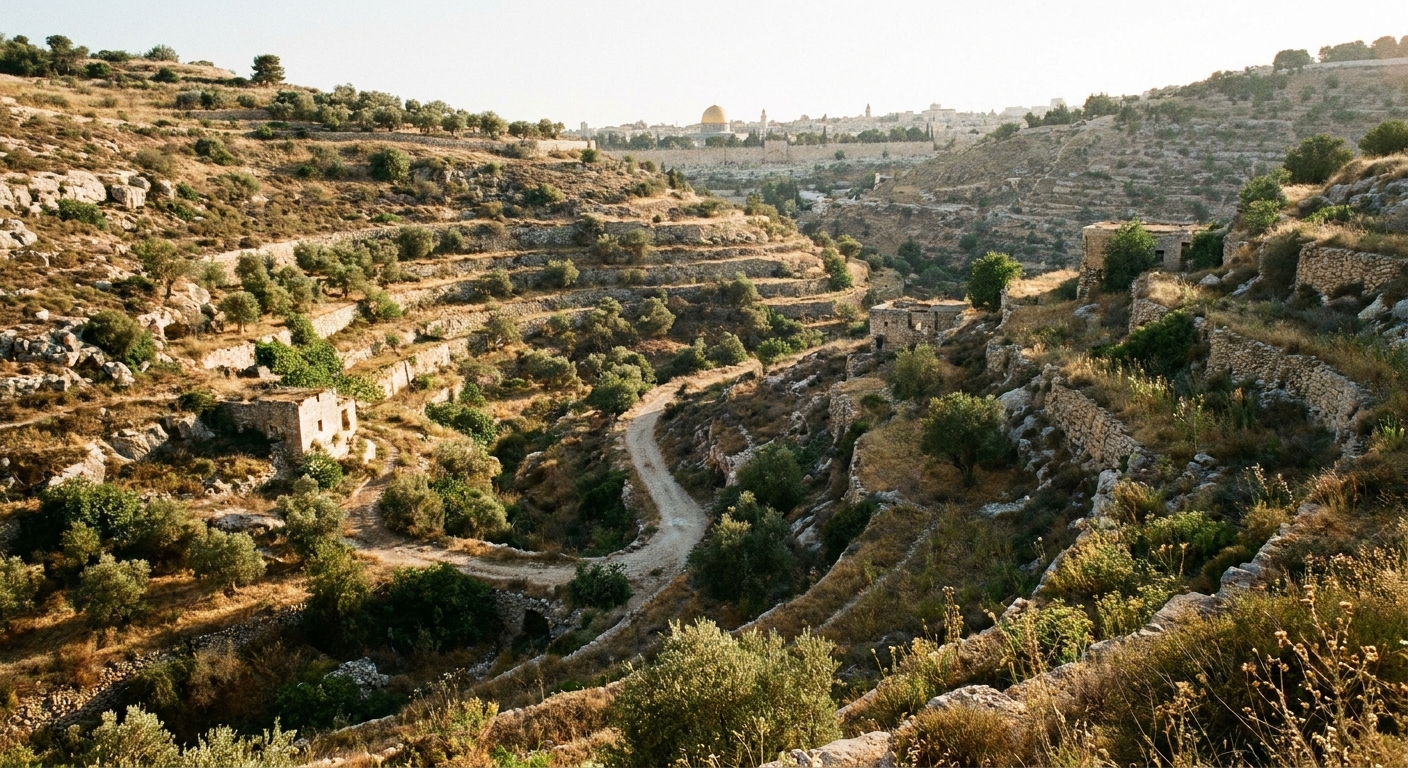
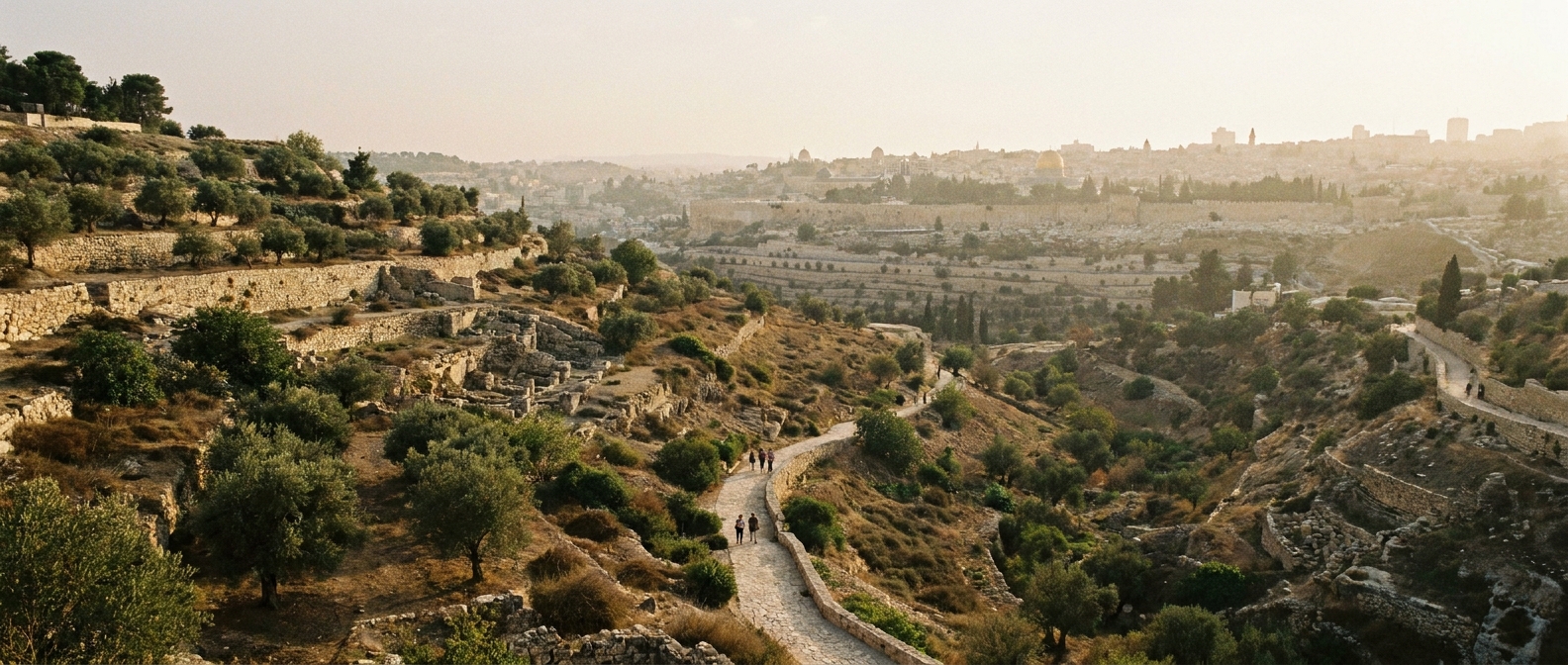
Gehenna is the New Testament Greek form (γέεννα) of a Hebrew place-name, “Valley of Hinnom.” It refers to a real valley outside Jerusalem associated in the Old Testament with grievous wrongdoing, including child sacrifice in some periods of Judah’s history. Over time, that location becomes a powerful moral symbol.
By the time of Jesus, and in some Second Temple Jewish texts, Gehenna is used as vivid judgment language. In the Gospels it appears on Jesus’ lips as a warning. Unlike Sheol and Hades, which often function as general “death realm” vocabulary, Gehenna is typically used for severe warning and is commonly read as pointing toward God’s judgment. Faithful readers still disagree on what, exactly, that judgment entails in duration and nature, but the difference in vocabulary is real.
Key passages
- Matthew 5:22 (warning language connected with Gehenna)
- Matthew 5:29-30 (hyperbolic warnings about avoiding Gehenna)
- Matthew 10:28 (fear the one who can destroy both soul and body in Gehenna)
- Matthew 18:9 (warning about being thrown into Gehenna)
- Matthew 23:33 (sharp rebuke: “How are you to escape being sentenced to Gehenna?”)
- Mark 9:43-48 (Gehenna imagery and warning language)
- Luke 12:5 (fear the one who has authority to cast into Gehenna)
- James 3:6 (the tongue set on fire by Gehenna)
In the Gospels, Gehenna is not primarily a geography lesson. It is moral and spiritual speech with teeth in it, a way of naming a serious end, not merely the fact of dying.
Why English says “hell”
Partly because English inherited an older habit: using “hell” as a general bucket for “the underworld,” “the realm of the dead,” and “the place of punishment.” That is not always malicious or careless. Translators make difficult choices, and sometimes the surrounding verse really is about judgment, even if the underlying term is Sheol or Hades.
Still, if you are trying to read attentively, it helps to remember this rule of thumb:
- Sheol: the Old Testament’s most common word for the grave, the underworld, or death’s domain.
- Hades: the New Testament’s most common word for the abode of the dead, often echoing Sheol.
- Gehenna: a term used for urgent warning and judgment, commonly read in the direction of final accountability.
If your Bible has footnotes, you will often see them here. A small note like “Greek: Gehenna” can open a whole world of nuance.
At a glance
- Language: Sheol (Hebrew), Hades (Greek), Gehenna (Greek form of a Hebrew place-name).
- Basic sense: Sheol and Hades are “the realm of the dead,” Gehenna is “judgment warning language.”
- Typical tone: Sheol and Hades often sound like sorrow, inevitability, or cosmic humility. Gehenna often sounds like urgent warning.
- Common confusion: Treating Sheol or Hades as identical to the punishment imagery associated with Gehenna.
How to read well
When I sit with these texts in a slow, prayerful way, I try to do two things at once: take the warnings seriously, and take the vocabulary seriously.
- Let the word keep its own “weather.” A Psalm that mentions Sheol may be expressing grief and finitude, not offering a map of the afterlife.
- Follow the author’s argument. In Revelation, “Death and Hades” are portrayed as powers that can be overcome and removed.
- Notice who is speaking. Gehenna shows up most sharply in Jesus’ moral teaching, often aimed at hypocrisy, harm, and the corrosion of the soul.
This is not about dodging hard passages. It is about hearing them clearly before we decide what conclusions to draw from them.
FAQ
Is Sheol the same as hell?
Not in a simple one-to-one way. Sheol is the Hebrew Bible’s common term for the realm of the dead, frequently described with imagery of darkness and silence. It is often broader than the later idea of “hell” as final punishment.
Is Hades the same as Sheol?
Often, yes in function. The Septuagint frequently uses Hades to translate Sheol, and many New Testament uses of Hades align with “the realm of the dead.” Context still matters, and the mapping is not perfectly uniform, but they overlap significantly.
Is Gehenna a literal place?
Gehenna is rooted in a real location, the Valley of Hinnom near Jerusalem. In the Gospels, it is used primarily as a potent term of warning and judgment, not as a travel destination or a simple geography reference.
What about Tartarus?
Tartarus appears in 2 Peter 2:4 (as a verb, “to cast into Tartarus”) for a prison-like fate of rebellious angels. It is rare in the New Testament and does not function the same way as Gehenna in Jesus’ sayings, or as Hades as the general realm of the dead.
What about the lake of fire?
The “lake of fire” is Revelation’s own image and wording (for example, Revelation 20:10, 20:14-15). It is not the same word as Gehenna, even if some Christian traditions connect the ideas when describing final judgment.
Where should I start if I want to study this carefully?
Read a handful of passages for each term in one sitting. For Sheol, try Psalm 16 and Ecclesiastes 9. For Hades, read Acts 2 alongside Revelation 20. For Gehenna, read Matthew 5 and Mark 9. If you can, compare a couple translations and check their footnotes.