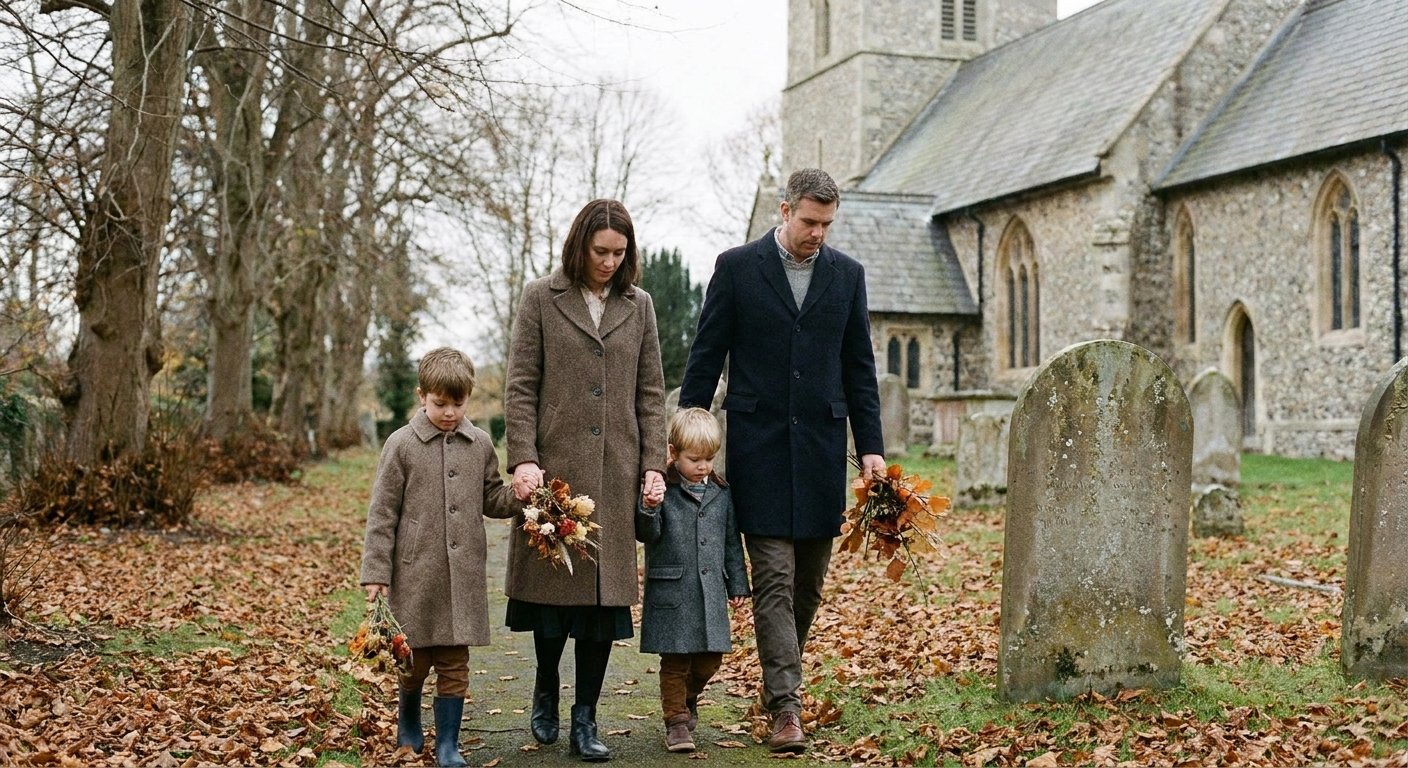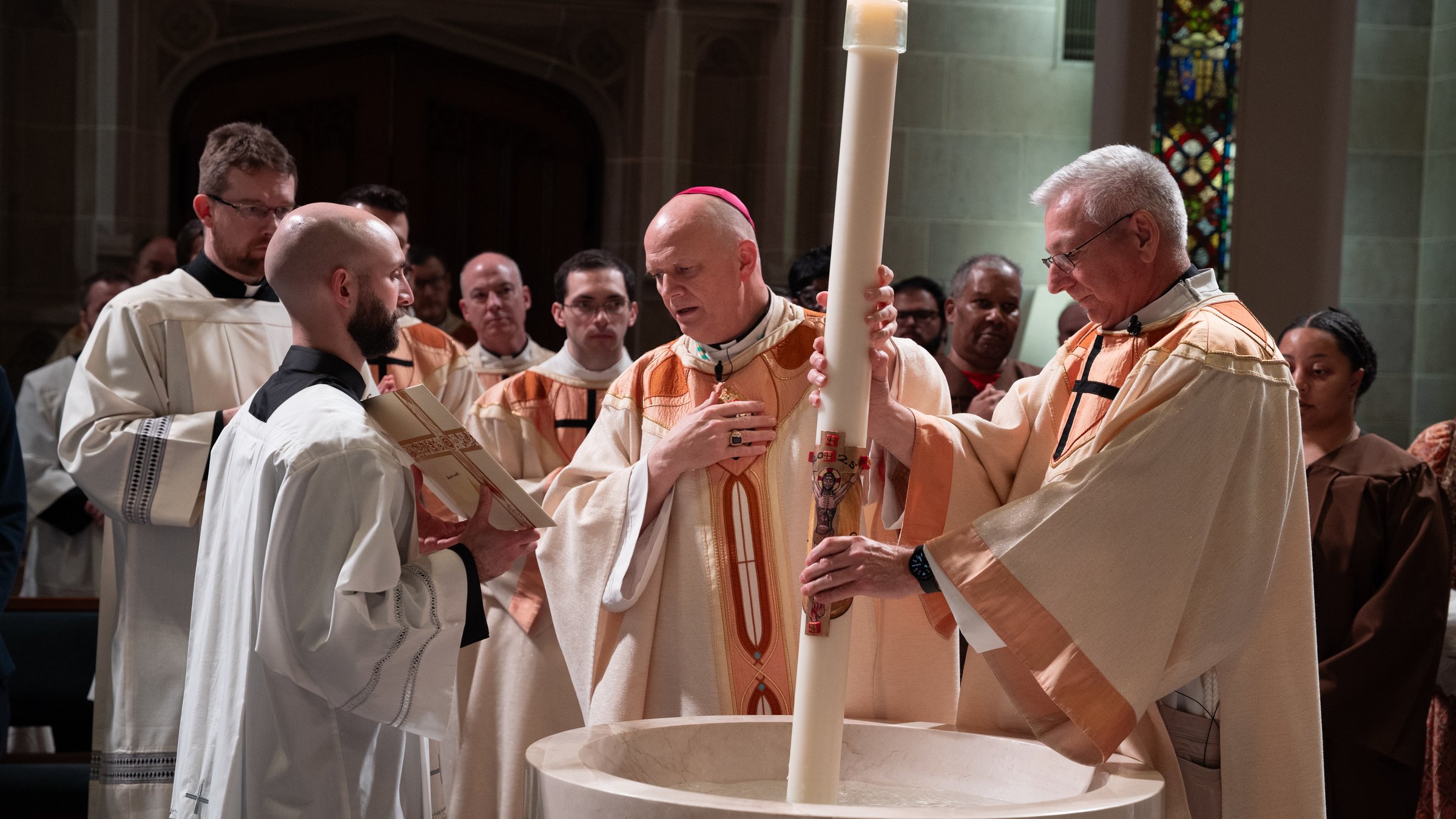
Every autumn, as the air sharpens and the days shorten, I notice a particular tenderness settle over people. We remember the ones who shaped us. We visit graves. We light candles because language feels too small for gratitude and grief. In many churches, that season of memory has a name on the calendar: All Saints’ Day.
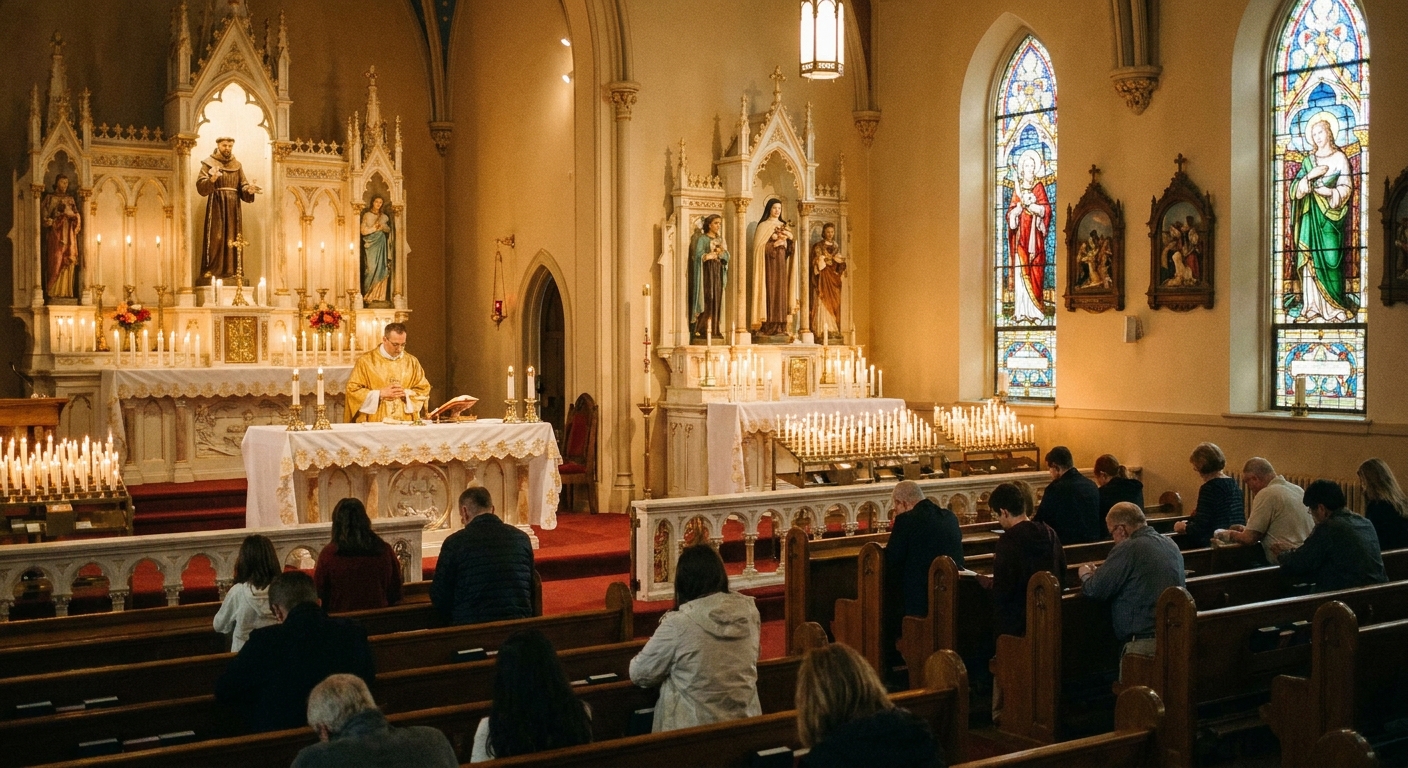
All Saints’ Day is a Christian feast that honors all the saints, meaning all those believed to be in heaven, including famous saints and countless holy lives known only to God. In the Western liturgical calendar, it is traditionally observed on November 1, though some communities mark it on the nearest Sunday.
All Saints’ Day in plain terms
At its heart, All Saints’ Day is a day of joyful remembrance and hope. Instead of focusing on sin or sorrow, the feast looks toward the finished story: lives transformed by love, now gathered in God’s presence.
Different traditions define “saint” with different degrees of formality. In Roman Catholic and Orthodox contexts, there are saints officially recognized by the church. Many Protestants use “saints” more broadly for all believers. All Saints’ Day, especially in its historic and liturgical form, is aimed at the communion of the blessed, those understood to be already in glory.
If you have ever heard the Beatitudes read in church or listened to Revelation’s vision of “a great multitude” worshiping before God, you have touched the day’s heartbeat. The feast is not only about names in a calendar. It is about the holiness God is able to grow in ordinary human lives.
Why is it on November 1?
Christians honored martyrs and exemplary believers very early on, often by remembering them on the day of their death. Over time, communities began keeping collective commemorations for groups of martyrs or for “all saints” together. But the date was not always uniform everywhere.
How the Western date took hold
In the Latin West, a key step came in the early Middle Ages as a feast honoring all saints became closely associated with Rome. By the ninth century, it was widely established on November 1 across Western Europe, shaped by the spread of Roman liturgical practice and church leadership encouraging a common observance.
In Eastern Christianity, the timing developed differently and is not the same everywhere. In the Byzantine tradition, many Orthodox and Eastern Catholic churches celebrate All Saints on the first Sunday after Pentecost, tying the feast to the outpouring of the Spirit and the sanctification of the faithful. Other Eastern traditions follow their own calendars and emphases.
What churches do on All Saints’ Day
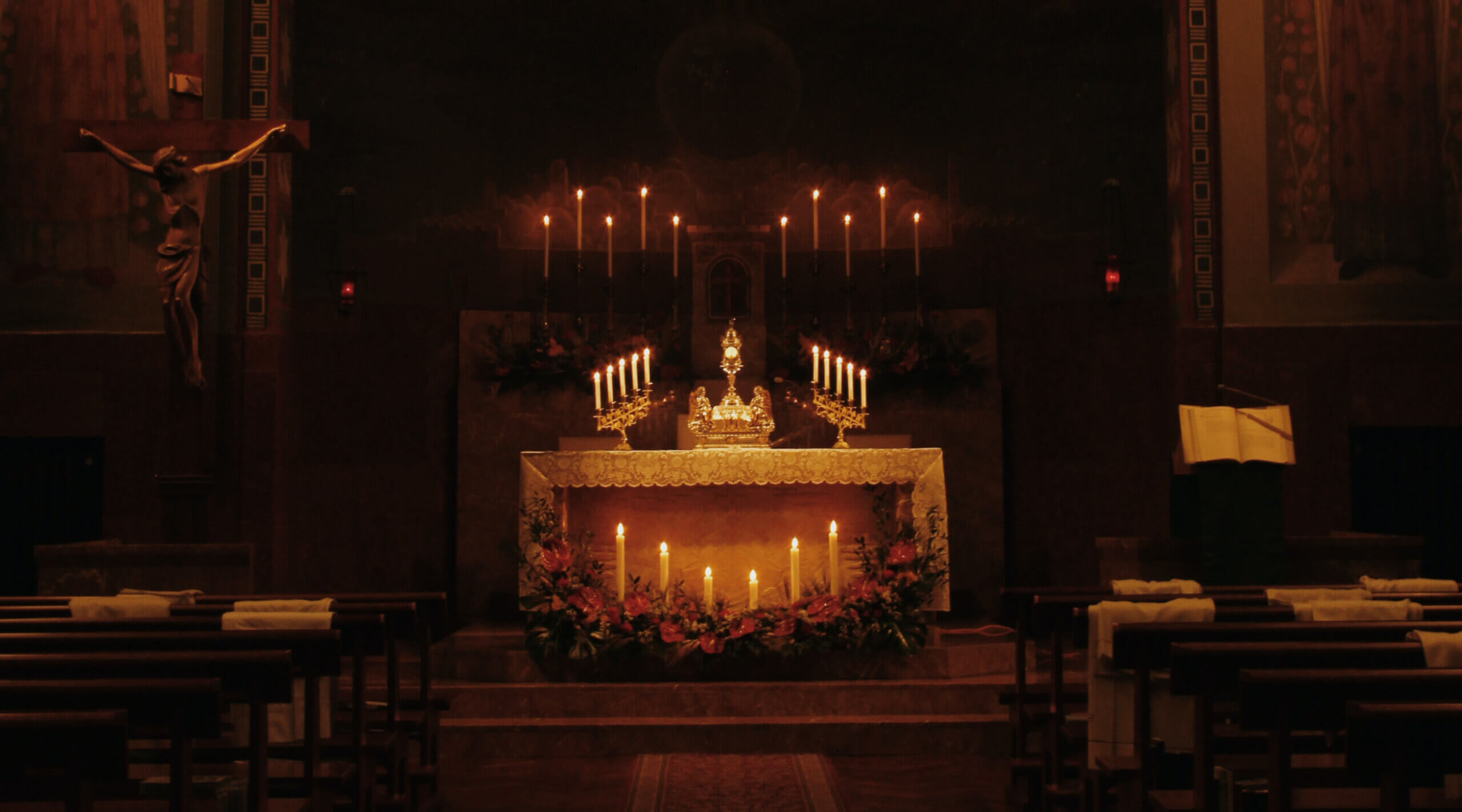
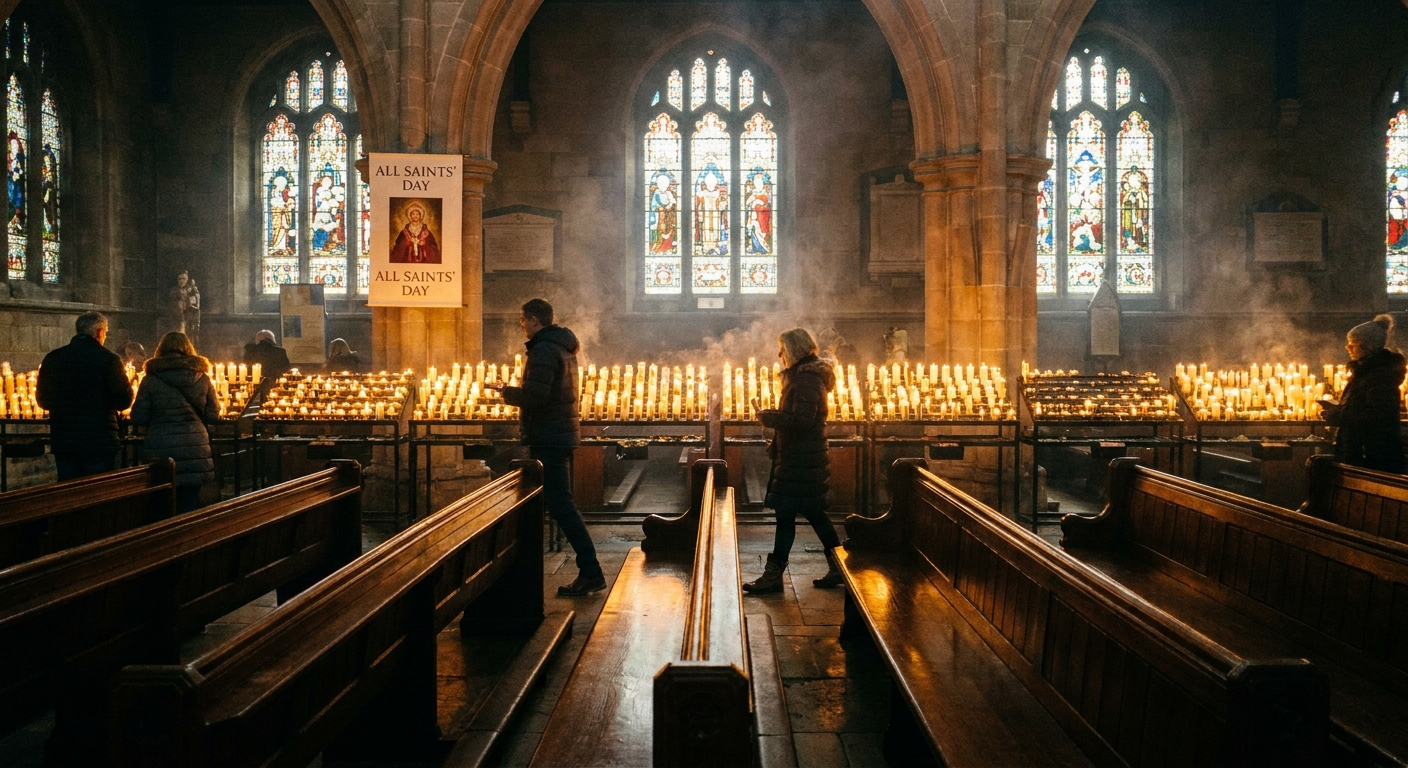
Even when the theology is similar, the mood can vary from place to place. Some congregations feel celebratory. Others are hushed and luminous, like a sanctuary full of candles against early darkness. Common practices include:
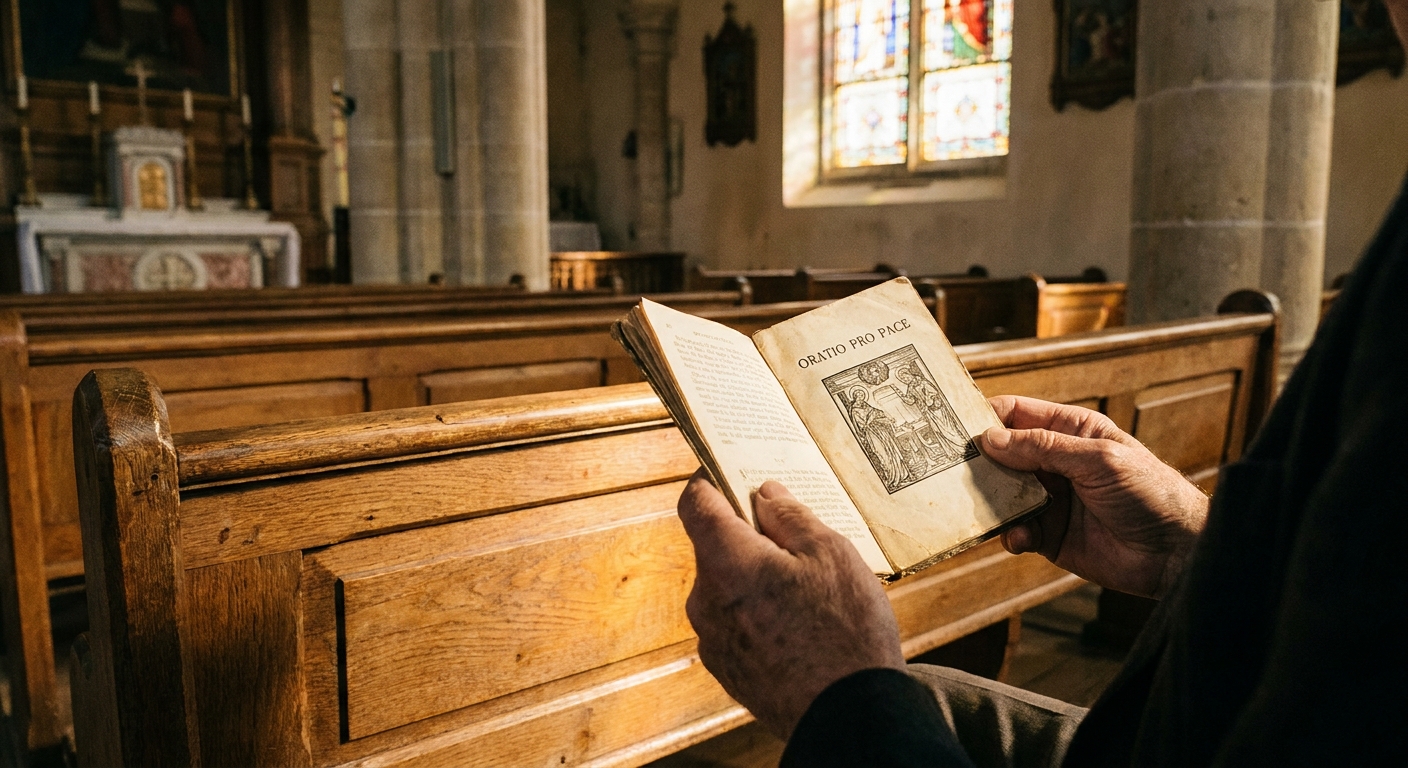
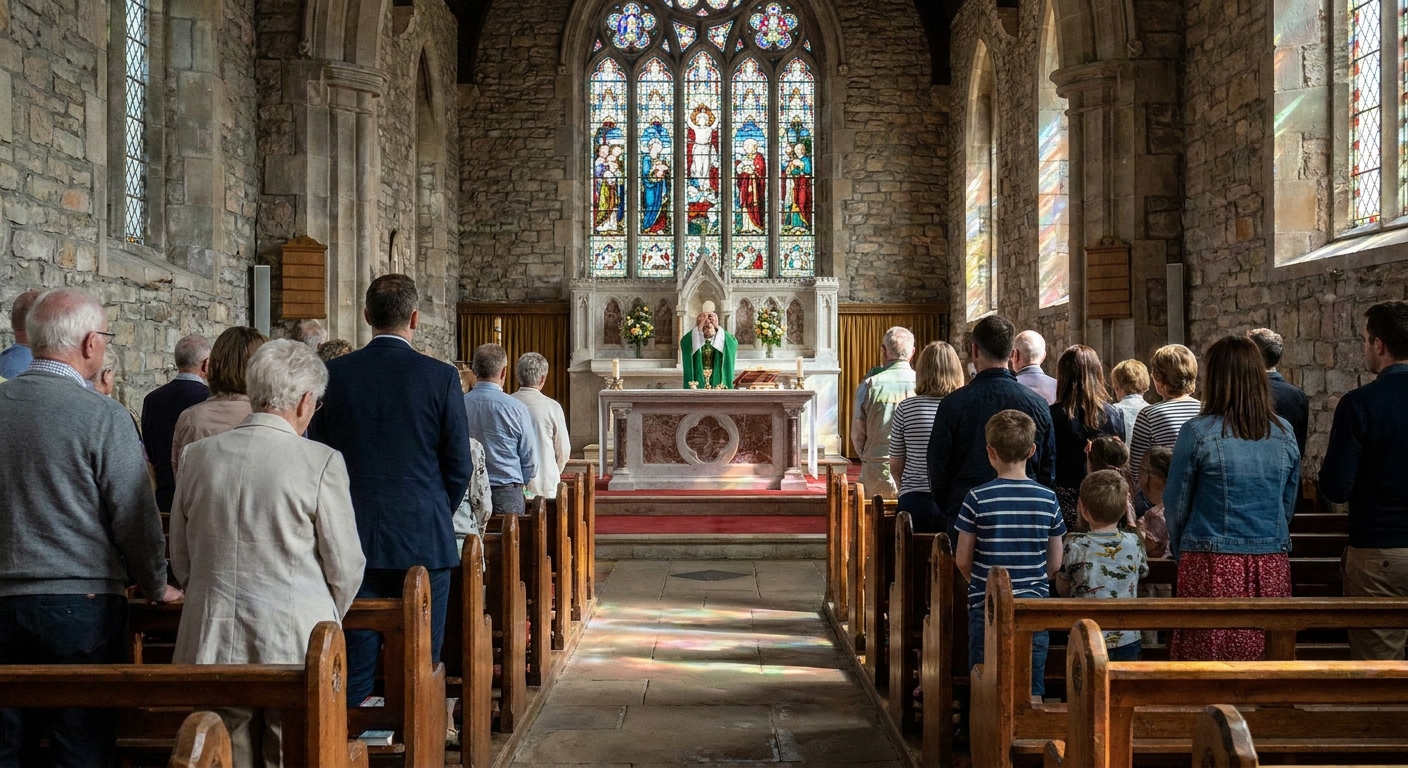
- Special liturgies and prayers focused on the saints and on the hope of eternal life.
- Reading lists of names, especially the names of church members who have died in the past year.
- Candle lighting or placing flowers as acts of remembrance and prayer.
- Singing hymns that celebrate the “cloud of witnesses,” the holiness of ordinary lives, and the promise of resurrection.
- Visiting cemeteries or blessing graves, a practice that often blends with local custom and family tradition.
In the Roman Catholic Church, All Saints’ Day is a holy day of obligation in many countries, with details set by local bishops’ conferences. In some places the obligation can shift or be dispensed when it falls near a weekend, so the local calendar matters. In Anglican, Lutheran, and Methodist calendars, it is often marked on November 1 or transferred to the nearest Sunday so more of the congregation can participate.
In some Catholic cultures, the days from October 31 to November 2 are experienced almost like a single season of prayer. Cemetery visits and blessings may happen on All Souls’ Day, on the nearest weekend, or throughout November.
Is it the same as Halloween?
They are related on the calendar, but they are not the same observance. The evening before All Saints’ Day is traditionally called All Hallows’ Eve, which is where the word “Halloween” comes from.
In churches that keep the liturgical calendar closely, October 31 functions as a vigil, an evening watch that prepares for a feast. Over centuries, local folk customs, harvest-season traditions, and later pop culture layered their own meanings onto that night.
Some families embrace both by enjoying costumes and community fun, and then attending worship the next day. Others prefer to keep the religious observance distinct. Either way, All Saints’ Day itself remains focused on honoring the holy ones in heaven.
All Saints vs. All Souls
All Saints’ Day (November 1) honors those believed to be already in heaven, while All Souls’ Day (November 2) is a commemoration of the faithful departed.
In Catholic teaching, All Souls’ Day includes prayer for those who have died and are still being purified on the way to full glory. Other churches that keep All Souls may frame the day more simply as prayerful remembrance and entrusting the dead to God’s mercy.
Why it matters
When I was in my twenties, I spent time in places where holiness looked nothing like a museum statue. It looked like a nun quietly folding laundry for the elderly. It looked like a monk sweeping a walkway before dawn. It looked like people who were not famous and were not trying to be, practicing love in small, repeatable ways.
All Saints’ Day can do something gentle for us: it widens our sense of what a human life can become. It tells the truth that goodness is not wasted. It reminds us that sanctity is not only for the dramatic and the canonized. It is also for the patient, the courageous, the merciful, the faithful, and the unseen.
All Saints’ Day is not just about looking back. It is about remembering what is possible.
Quick questions
Do Protestants celebrate All Saints’ Day?
Some do, especially in liturgical traditions like Anglicanism, Lutheranism, and Methodism. Other Protestant communities may not keep it formally, but many still practice a version of it through remembrance services for those who have died, often on the nearest Sunday.
Is it only for canonized saints?
In Roman Catholic usage, the day includes the canonized saints and also all the blessed in heaven, including those never formally recognized by name.
How can I observe it at home?
Light a candle, say a prayer of gratitude for the holy people who shaped you, read a short biography or prayer from a saint you admire, or reach out to someone who is grieving. In the spirit of the day, let remembrance turn into compassion.