I grew up in a home where prayer sounded different depending on which room you were in. In one corner, there was a rosary and a quiet confidence in God’s mercy. In another, there was a deep concern that anything “extra” beyond Scripture might distract from grace. If you have ever felt that same tension when the topic of purgatory comes up, you are not alone.
Purgatory is one of those teachings that can feel either tender or terrifying depending on how it is presented. At its best, it is meant to be a message of hope: that God finishes what God begins, and that love is strong enough to heal what still needs healing.
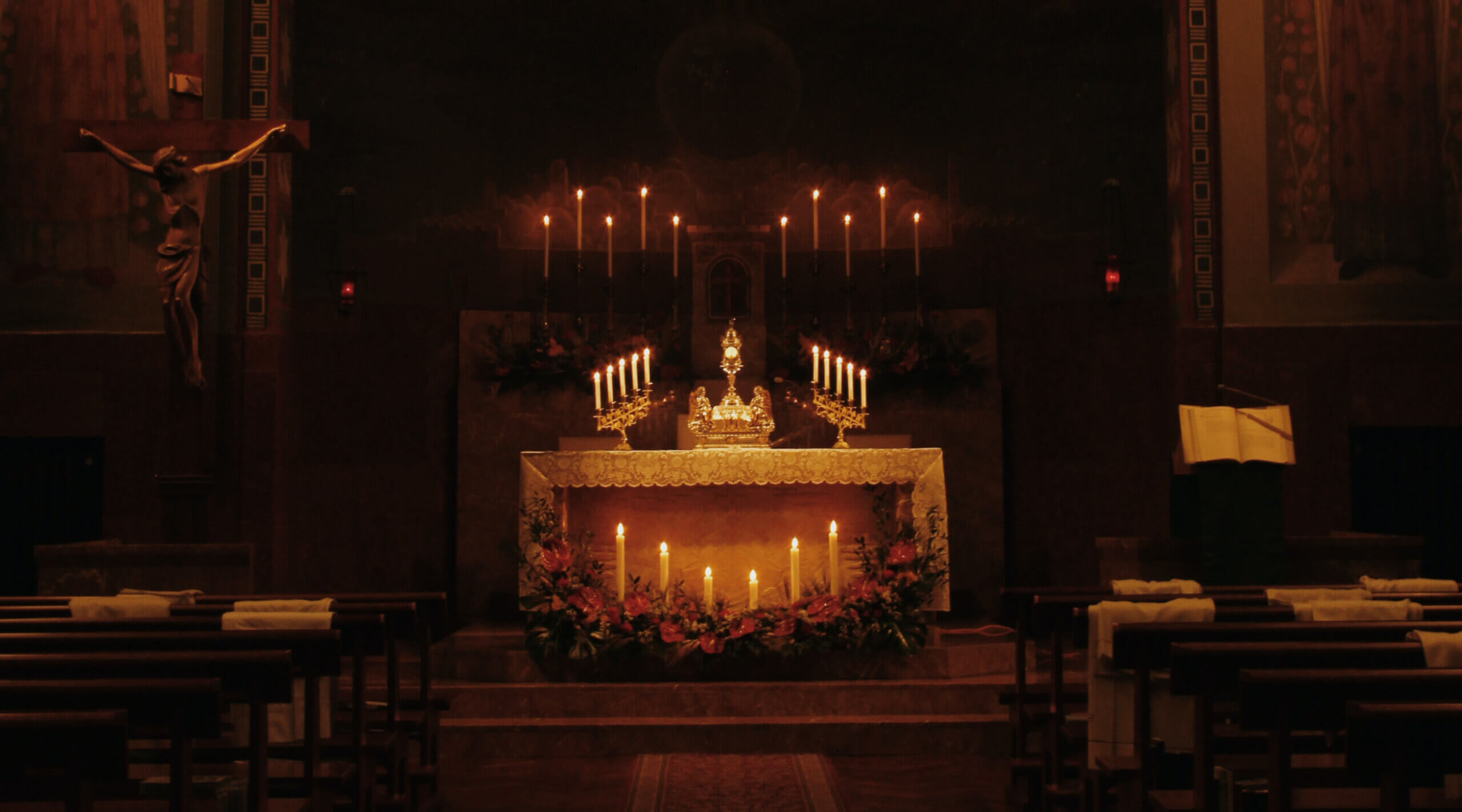
Purgatory in Catholic teaching
In Catholic theology, purgatory is a state of purification after death for those who die in friendship with God but still need cleansing from the lingering effects of sin before entering the fullness of heaven. The Catechism summarizes this teaching in CCC 1030–1032.
The Catechism also describes this purification as distinct from the punishment of the damned. In other words, purgatory is not a “second chance” for someone who rejected God entirely. It is for people who are ultimately saved, but not yet fully healed.
What purgatory is not
- Not a “mini-hell”: Catholic teaching insists purgatory is ordered toward heaven. The end is union with God.
- Not a way to earn salvation: Salvation is by God’s grace. Purgatory is about the transformation of the saved, not a payment plan.
- Not a place the Church has mapped: Catholics may use figurative or spatial language, but the doctrine itself does not define purgatory’s “geography.” The claim is about purification, not a location you can diagram.
- Not contrary to mercy: The idea is that mercy does not only forgive, it also restores.
If heaven is perfect communion with God, then purgatory is the mercy that prepares a person for that communion. Many Catholics picture it like a final cleansing of the heart, the way saltwater and time can smooth a jagged stone on the Oregon coast near where I live now: the stone remains itself, but it becomes more itself, less sharp, more whole.
Judgment and purgatory
One common confusion is to imagine purgatory as a suspenseful middle category, as if God has not decided where a person belongs yet. That is not how Catholic teaching frames it.
In Catholic theology, every person faces God’s judgment. Purgatory is not a delay in deciding heaven or hell. It is a mercy for those who die in God’s grace, already destined for heaven, who still need purification to enter fully into that joy.
Why purification after death?
Even people who sincerely love God often carry inner fractures into the end of life: ingrained habits, selfish reflexes, unresolved harm, half-healed wounds, attachments that still tug the heart away from love.
Catholic theology distinguishes between:
- Forgiveness of sin, which reconciles a person with God.
- Healing from sin’s effects, sometimes described as the “temporal consequences” of sin.
To put that in everyday language: forgiveness can be instantaneous, but formation often takes time. If God’s goal is not only to pardon but to remake us in love, then purgatory is understood as the completion of sanctification.
Scriptural roots Catholics cite
Catholics do not claim the word “purgatory” appears in the Bible. Instead, they point to a cluster of biblical themes that, taken together, suggest post-death purification and the value of prayer for the dead.
2 Maccabees and prayer for the dead
A key text is 2 Maccabees 12:44–46, which describes prayers and offerings made for the dead, calling it “a holy and pious thought” that the dead might be loosed from sins. This passage is included in Catholic Bibles and in many Orthodox canons, though Orthodox biblical canons can vary by church. It is not included in most Protestant Bibles, which becomes important when we talk about the Reformation.
“Saved, but only as through fire”
Catholics often connect purgatory with 1 Corinthians 3:11–15, where Paul speaks of a person whose work is tested by fire. The person may suffer loss, yet “will be saved, but only as through fire.” Many Catholic interpreters see here an image of purification that is not damnation.
Nothing unclean enters God’s presence
Texts like Revelation 21:27 emphasize that nothing unclean will enter the heavenly city. The Catholic argument is not, “Therefore purgatory is proven,” but rather, “If holiness is required, how does God complete holiness in someone who dies imperfectly purified?”
Jesus on forgiveness “in the age to come”
Some also cite Matthew 12:32, where Jesus speaks of sins not forgiven “either in this age or in the age to come.” Historically, some Christians read that as at least leaving room for forgiveness or cleansing beyond death.
None of these verses function like a simple definition. The Catholic case is cumulative: Scripture, early Christian practice, and theological reflection together support the doctrine.
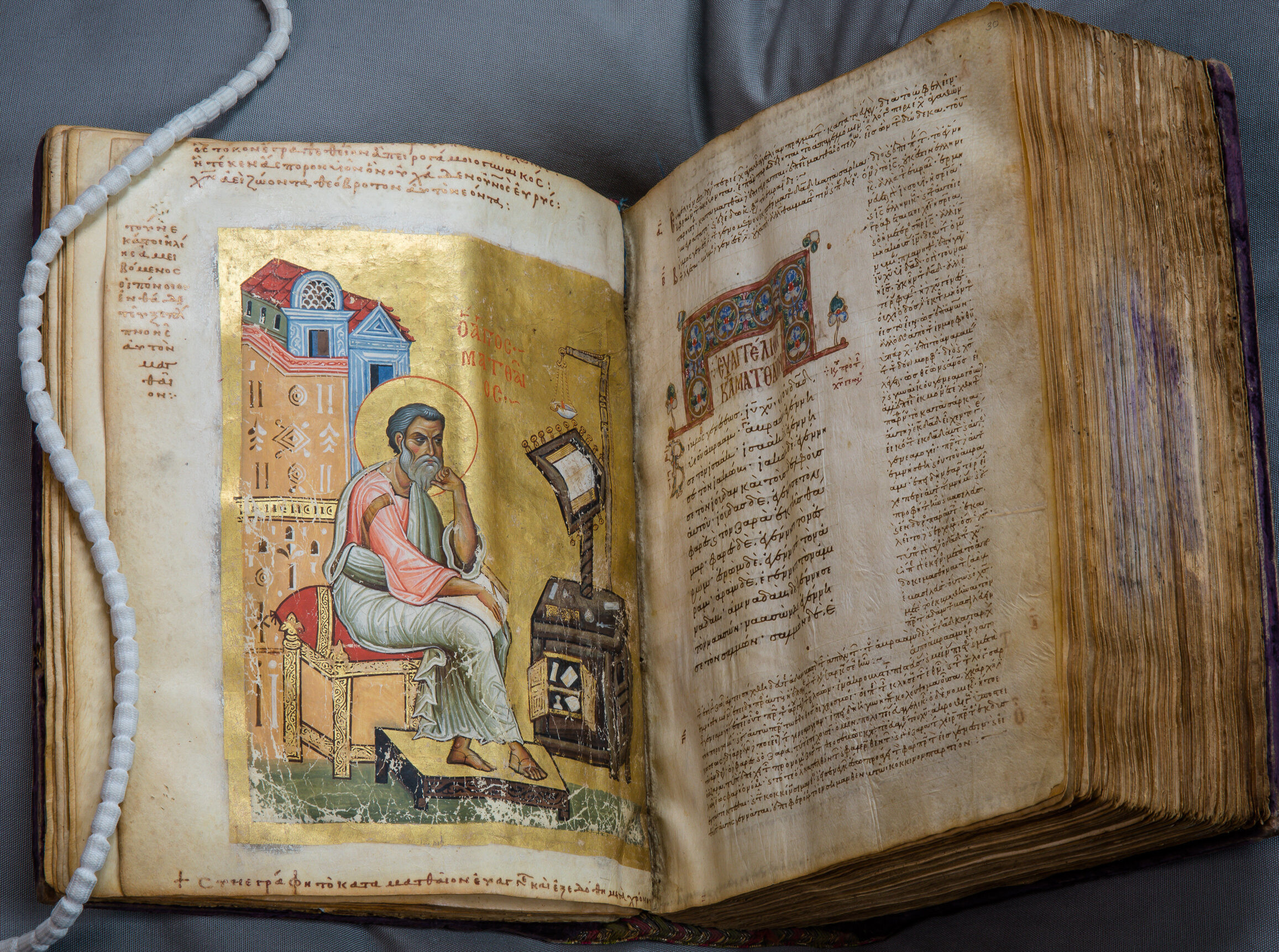
Historical roots
Long before medieval debates, early Christians practiced prayer for the dead. You can see traces of this in early Christian funerary inscriptions, and in the way some ancient liturgies include commemorations of the departed, asking God to grant rest and mercy.
Church fathers wrote in ways that resonate with purgatory’s logic, even if the terminology varied:
- Augustine at times speculated about a purifying fire for some who are saved, and he encouraged prayer for the departed.
- Gregory the Great helped shape Western imagination about post-death purification in late antiquity.
Over centuries, Western theology clarified distinctions: heaven, hell, and a purifying state for the saved. Later councils, including Florence (15th century) and Trent (16th century), articulated the doctrine more explicitly in response to controversy.
It is also true that popular preaching, art, and piety sometimes painted purgatory with a harsher brush than official teaching requires. Many misunderstandings, then and now, grow in that gap between doctrine and the images people carry in their gut.
Indulgences and purgatory
In Catholic teaching, an indulgence is connected to what the Church calls the “temporal punishment due to sin” that remains after forgiveness. This language can feel foreign, but the basic idea is that sin has consequences that may require purification.
Catholic theology links indulgences to:
- Christ’s merits and grace, not human self-salvation.
- The communion of saints, meaning the Church as a spiritual body that spans the living and the dead.
- Prayer, repentance, and concrete acts of devotion, mercy, and conversion.
Just as important is what the Church insists an indulgence is not: it is not something you can buy, and it does not bypass repentance. In official Catholic practice, indulgences are tied to conversion of heart, and (for plenary indulgences) include familiar dispositions like sacramental life and prayer.
Because purgatory is understood as purification for the saved, indulgences have historically been discussed in relation to purification after death. The Church also acknowledges past abuses in the way indulgences were preached and monetized, abuses that became a flashpoint in the Reformation.
Why the Reformers rejected it
Many Protestant Reformers did not reject the idea of holiness or growth into Christlikeness. They rejected purgatory as a defined doctrine for several intertwined reasons.
1) Biblical authority
Reformers argued that purgatory was not taught clearly enough in Scripture to be binding doctrine. Because 2 Maccabees was not accepted as canonical by many Protestants, one of the most direct supports for prayer for the dead was removed from their Bible.
2) The sufficiency of Christ
A central Protestant concern was that purgatory could imply Christ’s saving work was incomplete. Reformers emphasized that believers are justified by grace through faith, and that Christ’s sacrifice is fully sufficient.
3) Abuse and coercion
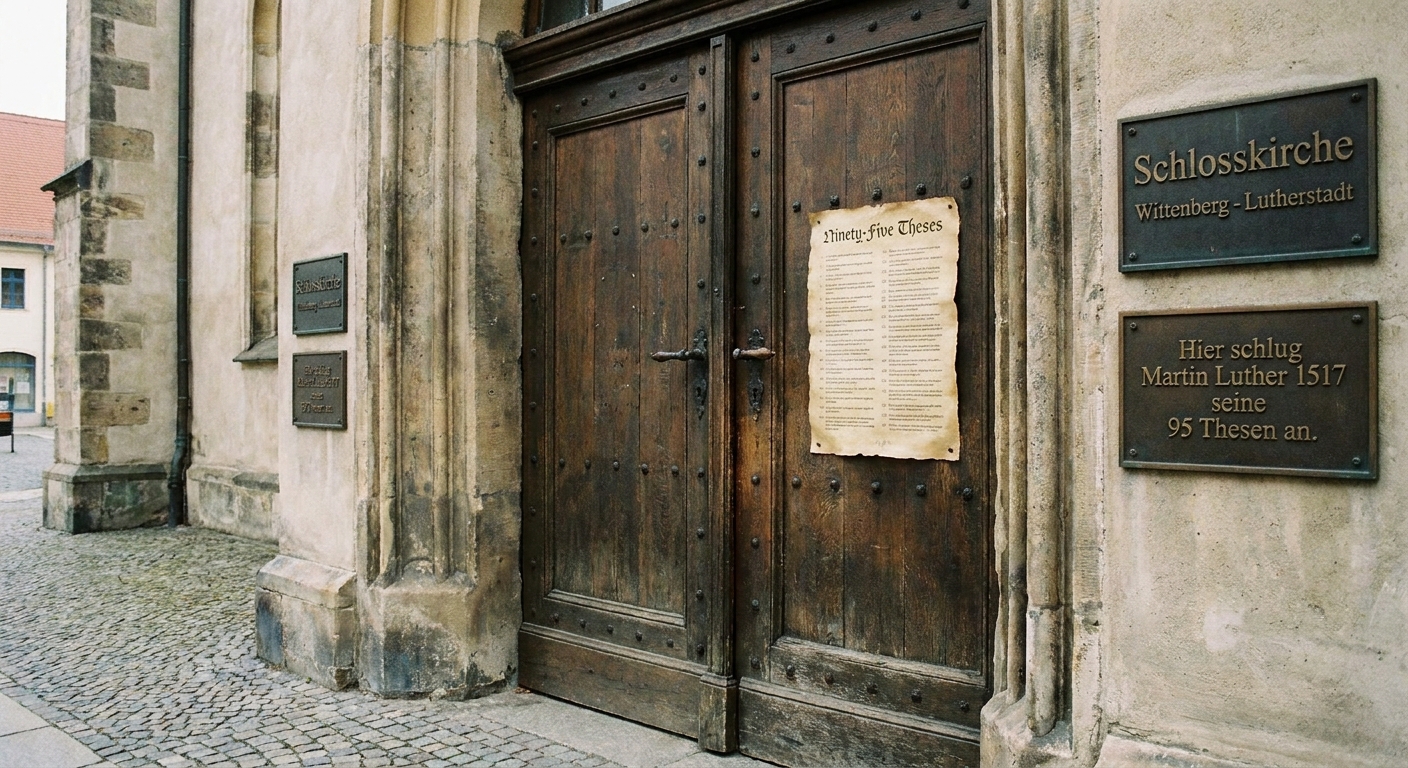
The selling of indulgences and fear-based preaching about purgatory created real spiritual harm. Even when Catholic theology distinguished authentic teaching from distortion, the pastoral damage was already done in many places. For Martin Luther, this was not merely theoretical. It was a crisis of conscience about how grace is proclaimed.
4) Different sanctification framework
Many Protestants teach that sanctification continues throughout life, and that after death believers are made perfect by God’s direct act, without a distinct intermediate state like purgatory. The emphasis is often on immediate entrance into the presence of Christ upon death.
It is worth noting that Protestant views are diverse. Some reject purgatory entirely; others are open to mystery about how God completes healing after death while still avoiding purgatory language.
Eastern Orthodox perspectives
This is where conversations often get tender and nuanced. The Eastern Orthodox churches generally do not teach purgatory in the same way the Catholic Church does. Many Orthodox writers resist the Western habit of defining a distinct post-death “state” with specified mechanisms, especially when it is explained using categories like quantified satisfaction or “time owed.”
And yet, Orthodoxy is not indifferent to the underlying human question: What happens if someone dies loving God but still not fully healed?
Prayer for the dead
Orthodox Christians pray for the departed, sometimes with a strong sense that these prayers matter. The Church entrusts the dead to God’s mercy and continues to ask for their repose and forgiveness.
Range of Orthodox views
Orthodox approaches vary. Some Orthodox are comfortable speaking about post-mortem purification in a general, mysterious sense. Others prefer not to frame it that way at all, even while affirming prayer for the dead and God’s mercy beyond what we can see. What is consistent is a reluctance to treat the after-death life as a system we can control or calculate.
Legal and therapeutic language
One gentle way to name the difference is language. Western Christianity has sometimes spoken in more juridical terms (debt, punishment, satisfaction). Eastern Christianity often prefers more therapeutic terms (healing, illumination, the restoration of the image of God).
There is overlap, too. Catholics also speak of healing and transformation, and many Orthodox would recognize the hope behind the Catholic doctrine even if they do not accept the doctrine as defined in the West. Often the disagreement is not only about “what happens,” but about how confidently the Church defines the process.
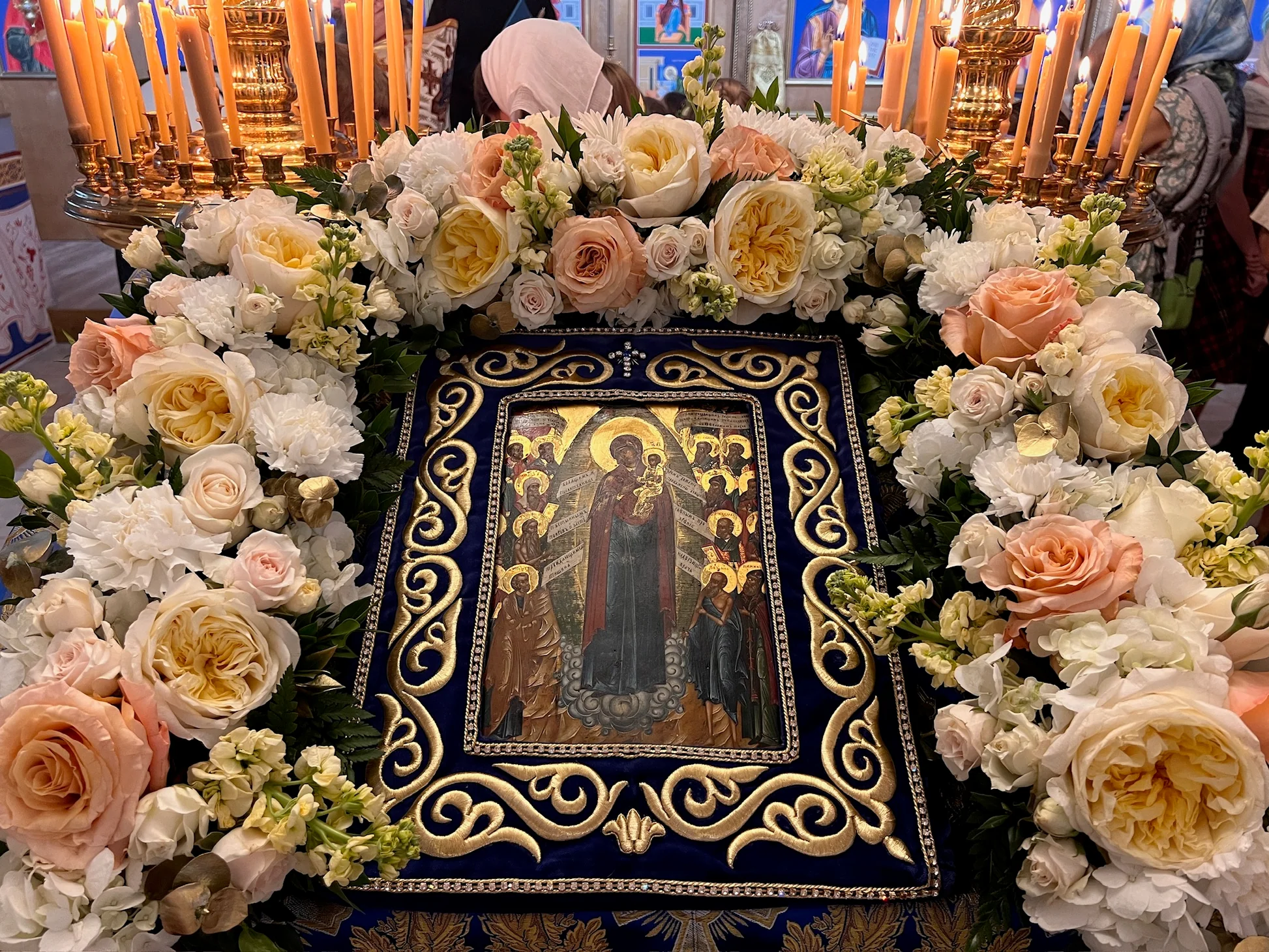
Common questions
Is purgatory in the Bible?
The term is not in the Bible. Catholics argue the teaching is consistent with biblical themes and early Christian practice, especially prayer for the dead, and supported by passages like 2 Maccabees 12 and 1 Corinthians 3. Many Protestants find this insufficient or tied to books they do not recognize as Scripture.
Do Catholics believe you can “work your way” out of purgatory?
Officially, no. Catholic teaching presents purification as God’s work of grace. Human prayer and intercession are understood as participation in grace, not earning salvation.
How long does purgatory last?
Catholic teaching does not define a literal timeline. Because purgatory concerns the soul’s purification, many theologians caution against imagining it as measured in earthly clocks.
Can you pray for someone in purgatory?
Yes, Catholics commonly pray for the dead, especially during All Souls’ Day and at funerals. This practice expresses love and solidarity, entrusting the deceased to God’s mercy.
Do Orthodox Christians believe in purgatory?
Generally, Orthodox Christians do not accept purgatory as defined in Catholic dogma. They do, however, pray for the dead. Orthodox views differ on how, or whether, to describe any post-death change as “purification,” and many prefer to leave the mechanics in the realm of mystery.
A gentle way to hold it
Whether you embrace purgatory, question it, or feel caught between traditions, the deeper spiritual longing beneath the debate is something most Christians recognize: we want God’s mercy to be real, and we want God’s holiness to be real.
When purgatory is taught well, it points to a love that refuses to leave us half-healed. When it is taught poorly, it can become a mechanism of fear. If you have inherited fear, I hope you can hear this clearly: the Catholic doctrine, at its heart, is meant to say that God’s grace is patient enough to finish the work of transformation.
And if your tradition does not use purgatory language, you may still resonate with the hope behind it: that the God who meets us in forgiveness also meets us in cleansing, until love is complete.