There are songs that feel less like compositions and more like company. “Precious Lord, Take My Hand” is one of them. It does not rush to explain suffering or tie pain up with a neat bow. It simply reaches out and asks for guidance when the ground is gone beneath your feet.
That honesty is not accidental. This hymn grew out of a very specific moment in the life of Thomas A. Dorsey, a musician who helped shape what we now call Black gospel music. In 1932, grief found him in a way that no amount of musical training could outplay. What emerged was a prayer that would travel far beyond his own story, into sanctuaries, marches, hospital rooms, and funerals, becoming a shared language for sorrow and endurance.
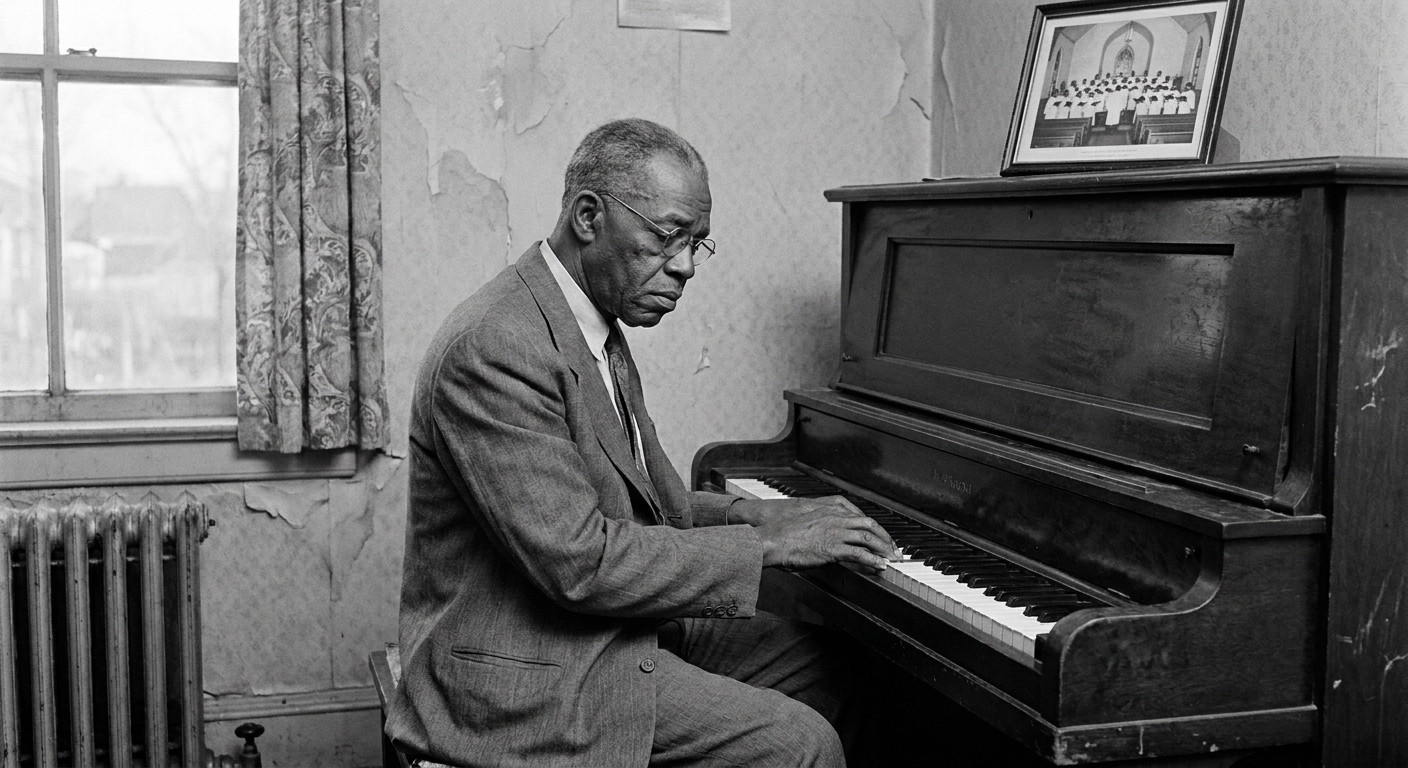
Before “Precious Lord”
To understand why “Precious Lord” landed the way it did, it helps to know who Dorsey was before 1932.
Born in Georgia in 1899 and later based in Chicago, Thomas A. Dorsey carried more than one musical world inside him. He played and wrote secular music, including blues, and for a time he was known in that realm as “Georgia Tom.” He also had deep roots in the church. Those two streams, sometimes in tension, would eventually converge into a sound that was devotional without being delicate, emotionally direct without being shallow.
Black churches in the early twentieth century already had rich musical traditions, spirituals and hymns that held the weight of history. Dorsey’s gift was to bring the musical vocabulary of the blues, its phrasing, its harmonic turns, its willingness to tell the truth, into gospel. Not as a gimmick, but as a vessel for testimony. That blend was not universally welcomed at first. Some church leaders heard “the blues” and assumed worldliness. Dorsey heard it as a language people already spoke in their bones, and he believed God could be addressed in that language too.
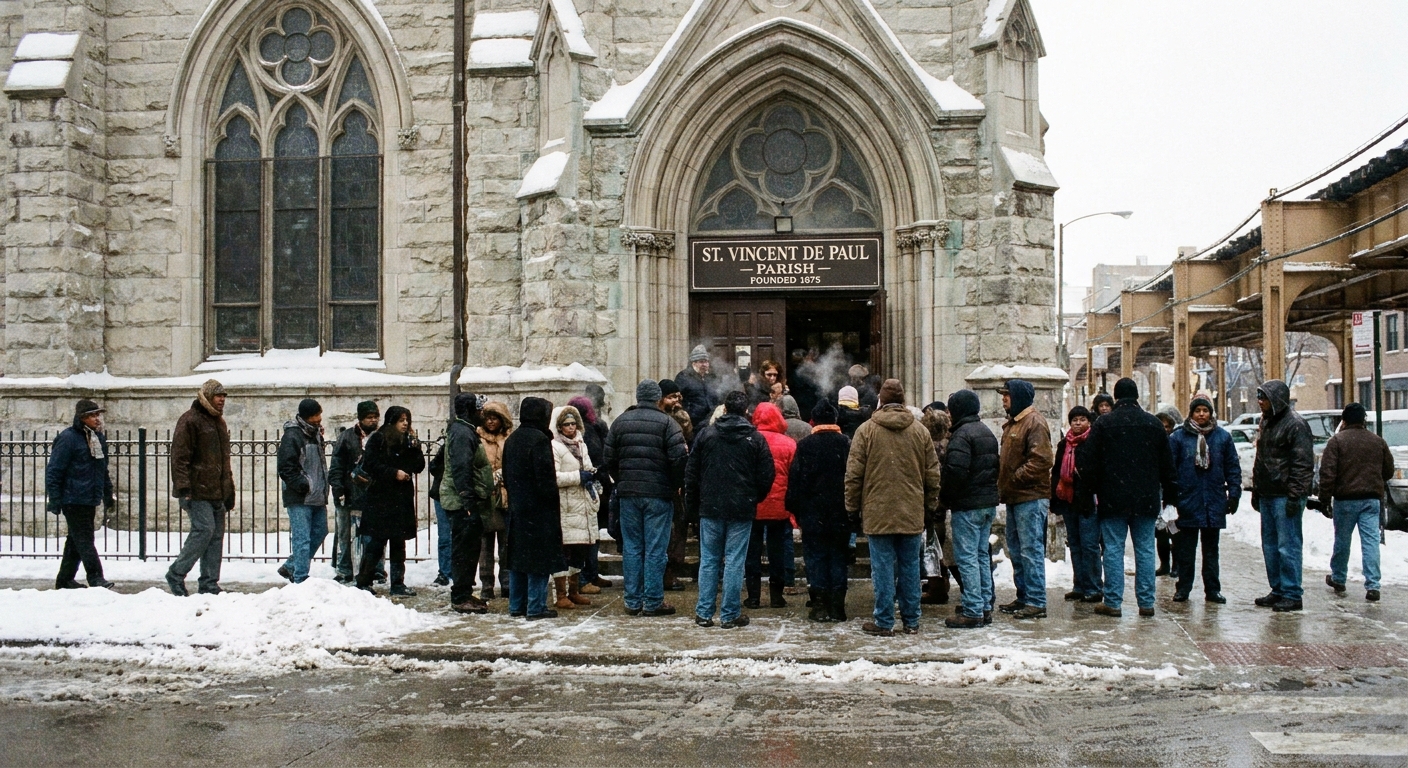
The loss in 1932
In 1932, Dorsey was away from Chicago on the road when tragedy struck at home. His wife, Nettie, was pregnant, and complications arose during childbirth.
According to many retellings, Dorsey received a telegram with devastating news. Nettie had died. Their baby boy also died shortly after. In a single turn of events, his home became a place he could not return to unchanged.
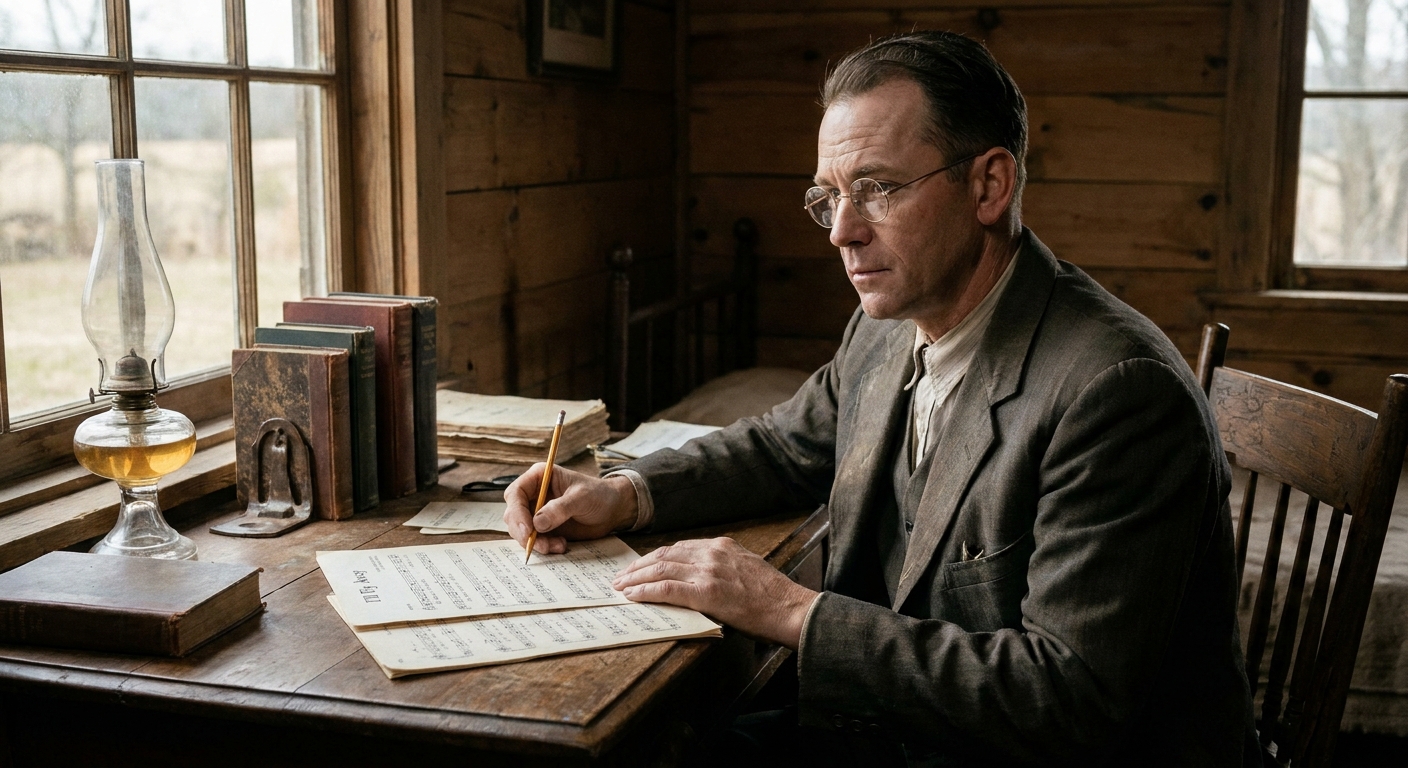
Accounts of what happened next often return to one detail: Dorsey sitting at the piano, overwhelmed, and letting a prayer take shape as melody. Whether you imagine it as a flood or as a slow drip, the core is the same. “Precious Lord, Take My Hand” was born from acute, personal grief, not from an abstract idea about suffering.
The lyrics do not pretend the world is bright. They name weariness and fear plainly: “I am tired, I am weak, I am worn.” And then they ask for what grief often makes difficult to ask for: presence. Guidance. A hand to hold.
“Precious Lord, take my hand, lead me on, let me stand.”
Hymn roots
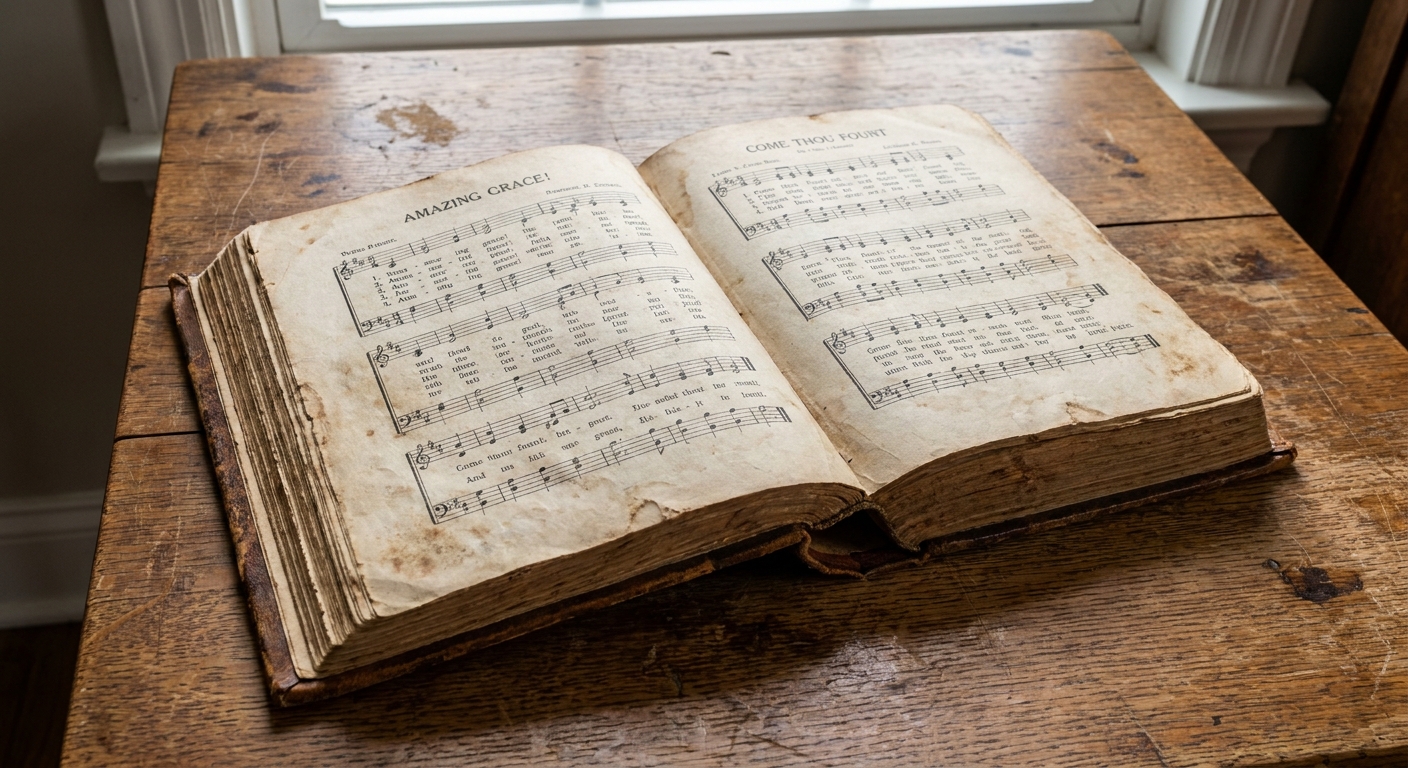
Like many beloved gospel songs, “Precious Lord, Take My Hand” did not appear out of thin air. It is often discussed as melodically related to older hymn material, especially the tune commonly called “Maitland,” which many American hymnals pair with the text “Must Jesus Bear the Cross Alone?” The text is widely credited to Thomas Shepherd, while “Maitland” is frequently attributed to George N. Allen in hymn collections.
Put simply, there is a difference between a hymn text and a hymn tune, and Dorsey’s relationship here is more about musical DNA than photocopying. He drew from familiar church sound, then reshaped it through his own harmonic instincts and gospel phrasing until it became something distinct. If you listen closely across different renditions of “Precious Lord,” you can hear a hymn-like backbone holding the song upright, even as the bends in the notes, the pacing, and the space between lines speak the language of Black gospel.
This is part of what makes the song so durable. It has the familiarity of older hymn tradition and the emotional immediacy of the gospel blues stream Dorsey helped pioneer. It sounds like a bridge because it is one.
Why it mattered
It would be easy to say the song became famous because it is beautiful. It is. But “Precious Lord” did not become foundational in Black gospel music merely because it is musically strong. It became foundational because it functioned like a communal tool.
Black gospel, at its heart, has never been only about individual inspiration. It is also about collective survival, memory, and hope spoken in community when private hope is hard to locate. “Precious Lord” offers a vocabulary for that. It is lament that does not collapse into despair. It is faith that does not deny pain.
In many Black church settings, the song is not treated like a performance piece. It is treated like a prayer you can enter. Soloists may stretch phrases, choirs may answer, congregations may hum and moan along. The structure allows for testimony without requiring anyone to explain themselves in prose. You can simply sing the truth: tired, weak, worn. And then keep singing: lead me on.
Dorsey’s larger legacy, often summarized with the title “father of Black gospel music,” is bound up with this kind of spiritual realism. “Precious Lord” helped legitimize gospel as music that could hold modern life, urban life, working life, grieving life, rather than keeping church music sealed off in idealized purity.
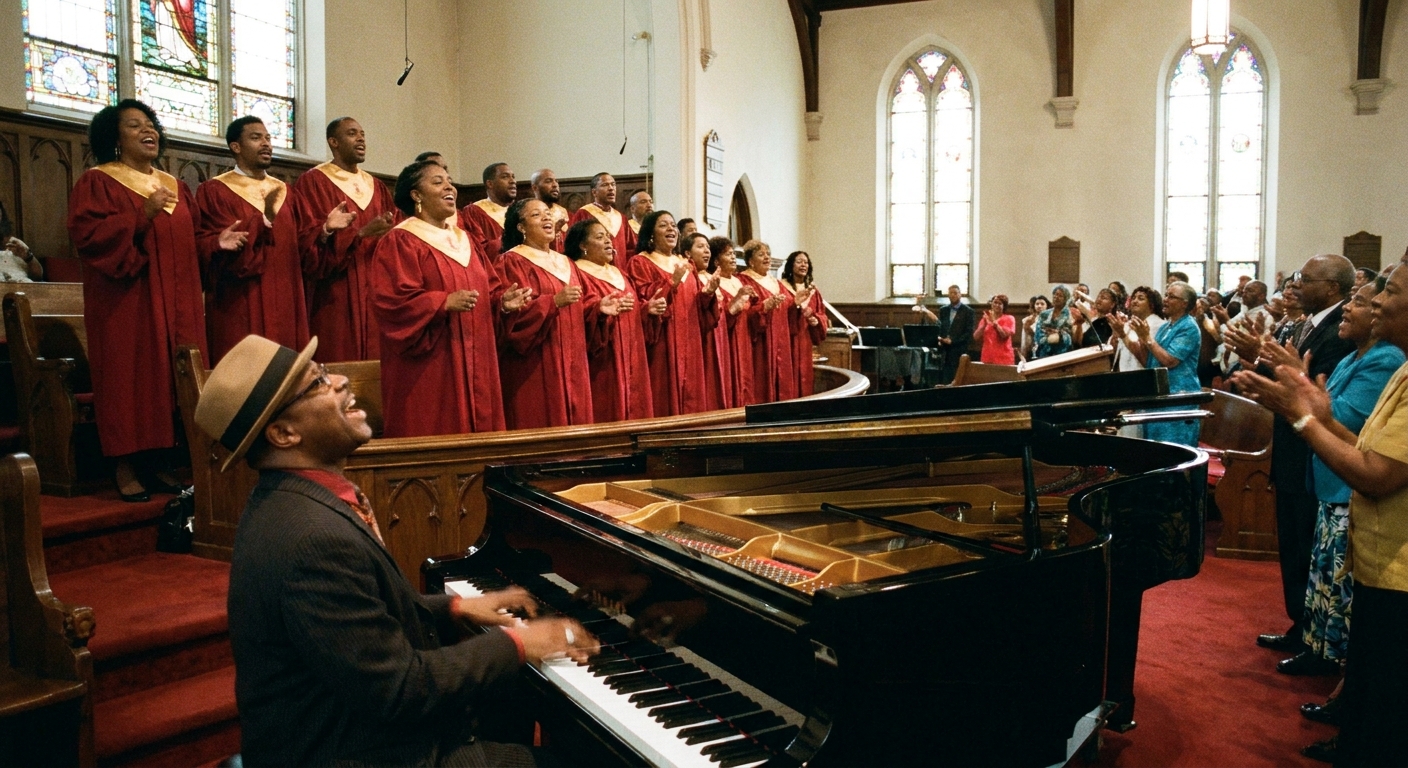
How it spread
After its first emergence in Dorsey’s own grief, “Precious Lord” did what living songs tend to do. It moved by being carried. Dorsey spent years traveling on the church circuit, teaching and introducing gospel songs in congregations and gatherings, and the hymn’s reach grew as other singers and choirs took it up and made it their own.
Even without a single, tidy origin moment you can reduce to a caption, the pattern is clear. It spread through performance, repetition, and need. People returned to it because it met them where they were.
From church to movement
As the decades moved on, “Precious Lord, Take My Hand” traveled with Black America through both ordinary heartbreak and public crisis. It became a staple at funerals because it speaks directly to the body’s exhaustion and the soul’s yearning. It also took on a prominent place in the Civil Rights era, when faith and protest often met in song.
Martin Luther King Jr. was known to love the hymn and to request it, and the song’s plea for strength and steadying resonated in the movement’s worship meetings and mass gatherings. One widely reported touchpoint came at the end of King’s life. Mahalia Jackson, among the hymn’s most influential interpreters, sang “Precious Lord” at King’s funeral in 1968, giving voice to grief that was both personal and national.
It is also a song that followed gospel into the wider American ear through voices that could not be ignored. Jackson’s performances helped fix it in the public imagination, and later artists, including Aretha Franklin, carried it forward with their own spiritual authority. The hymn proved it could live in many places and still remain what it was at the beginning: a prayer set to music.
What to listen for
If you grew up with “Precious Lord,” you may not need instructions. Your body already knows where the song breathes. But if you are meeting it for the first time, here are a few cues that can deepen the experience:
- The pacing: Many singers take it slowly, not for drama, but because lament has a tempo. It lets the words land.
- The “take my hand” line: It is a request, not a declaration. Notice how often singers soften there, as if asking more quietly.
- The communal response: In gospel tradition, a song is rarely only solo voice. Listen for hums, chords, and the subtle ways a congregation joins the prayer.
- The hymn and blues blend: You can often hear older hymn DNA in the contour of the melody, and Dorsey’s gospel imprint in the harmonies and vocal turns.
FAQ
Who wrote “Precious Lord, Take My Hand”?
Thomas A. Dorsey wrote “Precious Lord, Take My Hand,” shaping it in 1932 in the wake of devastating personal loss.
What happened to Thomas Dorsey’s wife?
Dorsey’s wife, Nettie, died in 1932 due to complications during childbirth while Dorsey was traveling. Their newborn son also died shortly afterward.
Was “Precious Lord” based on another hymn?
It is often noted as melodically related to hymn material associated with “Must Jesus Bear the Cross Alone?” especially the tune commonly called “Maitland,” frequently attributed in hymnals to George N. Allen, with the text commonly credited to Thomas Shepherd. Dorsey drew from familiar hymn sounds and transformed them through gospel harmony and phrasing into the form most people know today.
Why is “Precious Lord” important in Black gospel music?
It embodies the heart of Black gospel: truth-telling, communal lament, and resilient faith. It also reflects Dorsey’s blending of hymn tradition with the emotional language of the blues, a blend that helped define modern gospel.
A final reflection
When I hear “Precious Lord, Take My Hand,” I think about the courage it takes to ask for help without pretending we are fine. That is one of the song’s quiet gifts. Dorsey did not write a lecture about suffering. He wrote a handhold.
In a world that often pressures us to move on quickly, this hymn gives permission to move slowly, one line at a time, toward the next breath. And sometimes, for a weary heart, that is exactly what grace sounds like.