In my family, words like purgatory and hell were said with caution, like names you did not toss around lightly. Limbo, though, carried a different mood. It sounded hazy, unfinished, like a waiting room where no one knew the hours.
That feeling is not accidental. Limbo has never been a single, settled “place” with a map and rules. It is better understood as a theological proposal, an attempt to speak carefully about God’s justice and mercy when Scripture does not give a simple, explicit answer. Over the centuries, Western Latin Christian theology used the word in two main ways: the “limbo of the fathers” and, later, the idea of a limbo for unbaptized infants.
Limbo in plain language
The word limbo comes from the Latin limbus, meaning “edge” or “border.” In Christian theological conversation, limbo has generally meant a state on the “edge” of the final destinies traditionally described as heaven and hell.
Two clarifications matter right away:
- Limbo is not the same as purgatory. Purgatory (as Catholics define it) concerns purification for those who die in God’s friendship. Limbo, by contrast, was proposed to answer different questions.
- Limbo is not defined Catholic doctrine. Many Catholics have heard it taught as if it were official. Historically it was discussed by respected theologians, and it shaped popular imagination, but it was never proclaimed as dogma.
The limbo of the fathers
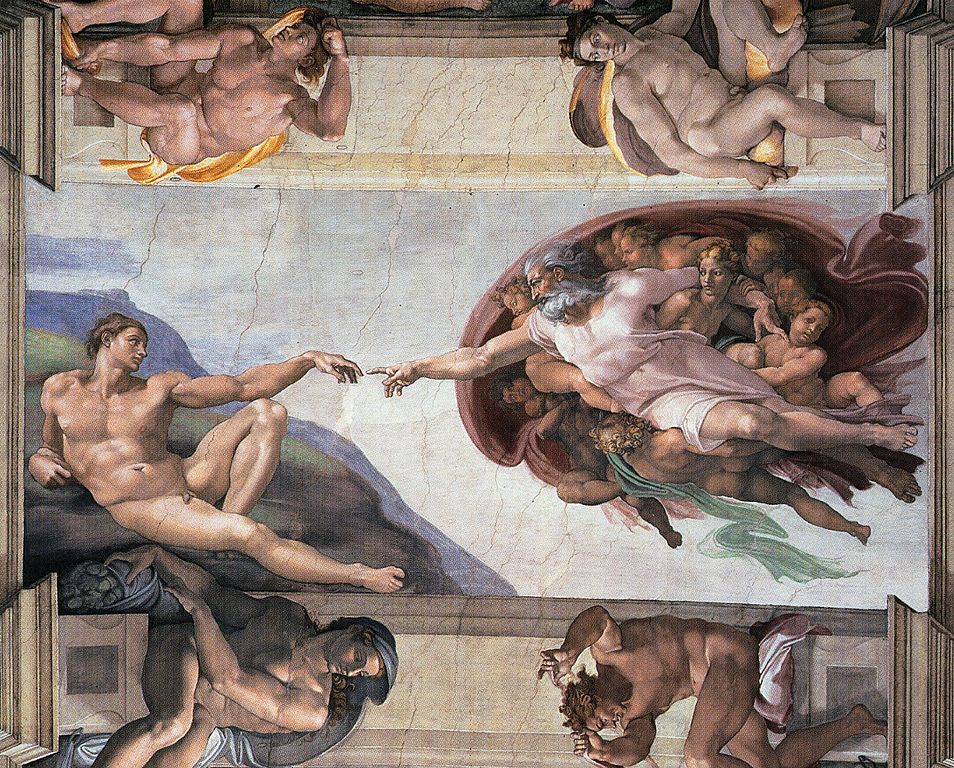
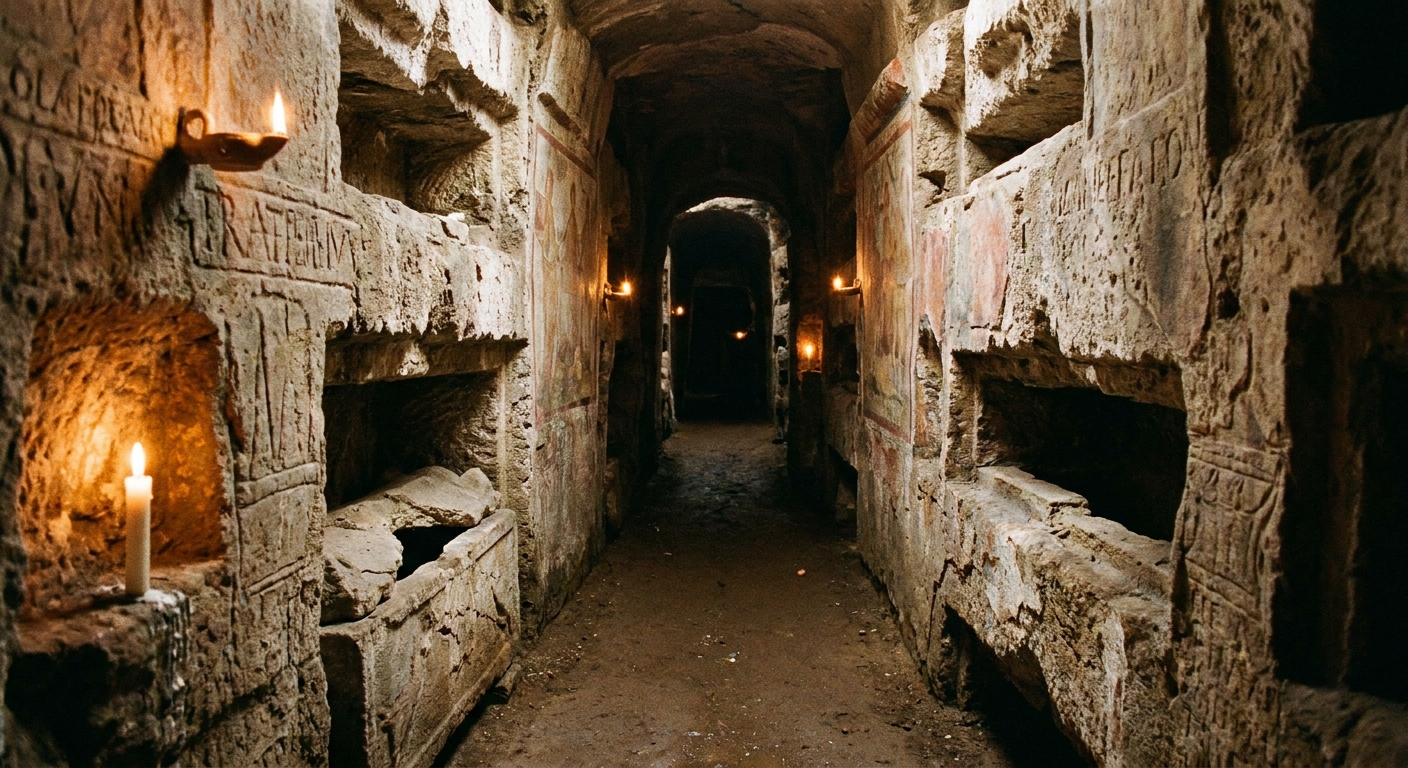
When older Catholic and medieval Western sources speak of limbo, they often mean what is sometimes called the limbo of the fathers (also phrased as “limbo of the patriarchs”). This refers to the condition of the righteous who died before Christ, such as figures like Abraham and the prophets, who were understood to be awaiting the fulfillment of redemption.
Many readers connect this with the Creed’s language about Christ who “descended to the dead,” and with the older Christian imagination of Sheol or Hades. However the details are pictured, the point is steady: God is faithful, and the people who trusted God before the coming of Christ were not forgotten.
“Limbo” language offered a way to say, “They are not suffering punishment, but the fullness of heaven was not yet opened to them.” It is also worth saying plainly what this is not. This “limbo” is not purgatory, and it is not hell. It is a way of describing a waiting, not a purifying or punitive suffering.
Limbo and unbaptized infants
The phrase that usually troubles modern readers is “limbo of infants”, a later theological proposal meant to address a different question: What happens to babies who die without baptism?
To understand why this proposal emerged, it helps to see the tension theologians were trying to hold:
- Baptism matters. In Catholic theology, baptism is not merely symbolic. It is understood as a real gift of grace and incorporation into Christ.
- God is just and merciful. A newborn has committed no personal sins. Many Christians rightly recoil from the idea that an infant would suffer the pains of hell.
- Heaven is sheer gift. Older theological systems often assumed the “beatific vision” (the direct seeing of God that is heaven’s heart) is a supernatural gift ordinarily given through grace.
Limbo of infants was proposed as a way to say: these children do not suffer punishment, but they also do not enjoy the fullness of heaven as traditionally described. In some accounts, it was imagined as a natural happiness, a peaceful state without the vision of God.
It is important to name what this was and what it was not:
- It was an attempt to reason carefully from certain premises about baptism, grace, and salvation.
- It was not a revealed “third destination” clearly spelled out in Scripture.
- It was not a defined teaching required of Catholic belief. It belonged to the realm of theological opinion and speculation, even when many found it persuasive.
What the Church says today
In recent decades, Catholic teaching has spoken with more restraint about limbo, especially regarding infants. The Church has never defined limbo as doctrine, and contemporary Catholic guidance tends to emphasize hope in God’s mercy rather than certainty about a specific “place” called limbo.
If you want a clear anchor for that shift, it helps to know two reference points. The Catechism of the Catholic Church, in its section on baptism and salvation (CCC 1257 to 1261, especially 1261), entrusts children who die without baptism to God’s mercy. And a 2007 study by the International Theological Commission, The Hope of Salvation for Infants Who Die Without Being Baptised, discusses limbo as a theological hypothesis and again leans toward hope rather than firm claims.
Here is the heart of the current Catholic caution, in everyday language:
- The Church continues to urge baptism for infants as a profound gift and an act of trust in God’s promises.
- At the same time, the Church entrusts infants who die without baptism to the mercy of God. The logic is pastoral as well as theological: God is not bound by the sacraments, though we are bound to them.
- The emphasis is on God’s desire to save and God’s freedom to act beyond our limited categories, even as the Church holds fast to the ordinary importance of the sacramental life.
If you have ever sat with grieving parents, this shift in tone matters. It does not erase sorrow, and it does not pretend we can answer every question. But it does refuse to treat a loved child as a theological problem to be solved. It places that child where Christian faith is meant to place every person we cannot “figure out”: in the hands of a good God.
Is limbo in the Bible?
The word limbo does not appear in the Bible. The idea grew as Western Christians tried to interpret Scripture and tradition together, asking careful questions about salvation, grace, and the timing of redemption.
That is why limbo has always had a provisional feel. It belongs to the long history of believers trying to speak responsibly when revelation leaves room for mystery.
Related ideas you may hear
In Catholic conversations about salvation and baptism, you may also hear phrases like “baptism of desire” and “baptism of blood.” These are traditional ways of expressing that God can give the grace of baptism apart from the sacramental rite, for example, when someone desires baptism but dies before receiving it, or when someone dies for Christ. They are not the same question as infants who die without baptism, but they help explain why Catholic theology can affirm both the necessity of baptism and God’s freedom to save.
Common confusions
Is limbo the same as purgatory?
No. Purgatory, in Catholic thought, is about purification for those already destined for heaven. Limbo was proposed for different cases, especially those thought to lack baptism or to have lived before Christ.
Is limbo “official Catholic teaching”?
It is better to call it a long-standing theological opinion rather than official doctrine. It has been widely discussed by Catholic theologians, and it influenced popular preaching and imagination, but it has not been defined as dogma that Catholics must believe.
Did the Church “abolish” limbo?
Because limbo was never officially defined, it is not quite accurate to say it was abolished. What has changed is the tone and emphasis in official Catholic teaching: greater caution about asserting limbo as an answer, and greater confidence in entrusting unbaptized infants to God’s mercy.
How to hold the question
I often think the desire for limbo language comes from a compassionate instinct. People want to protect two truths at once: that God is not arbitrary, and that God is not cruel.
But there is another spiritual practice hidden here, one that shows up in many traditions I have studied: learning to live with reverent uncertainty. Not agnostic uncertainty, not shrugging. Reverent uncertainty that still prays, still hopes, still entrusts.
If limbo has ever frightened you, or if it has brushed up against your grief, let this be the takeaway: within Catholic Christianity, limbo is not a sentence. It is a historical proposal. And the Church’s present posture, especially toward infants, leans toward hope, mercy, and humility before mystery.
FAQ
What is limbo, simply?
Limbo is a theological idea describing a state “on the edge” of heaven and hell. In Western tradition it has been used to talk about the righteous who died before Christ and, later, as a proposed answer for what happens to infants who die without baptism.
Do Catholics have to believe in limbo?
No. Limbo has never been defined as Catholic dogma. The Catechism instead emphasizes entrusting unbaptized infants to God’s mercy (see CCC 1261).
Why did people ever believe in a limbo for infants?
It was an attempt to reconcile the importance of baptism with God’s justice and mercy, while avoiding the claim that infants suffer punishment. It proposed a peaceful natural happiness without the full vision of God.
What should I say to someone worried about an unbaptized baby?
With tenderness: “We entrust this child to God’s mercy.” The Catholic Church encourages hope and prayer, and it avoids definitive claims that go beyond what has been revealed.