Some hymns feel like they were written for stained glass and Sunday mornings. And then there is “It Is Well with My Soul”, which reads like it was written with a trembling hand, in the kind of quiet that follows terrible news.
I grew up hearing it sung as a reassurance, sometimes almost as a victory song. Only later did I learn the story underneath it, and I began to hear something else inside those familiar lines: not denial, not spiritual bravado, but a grief that refuses to let go of God.
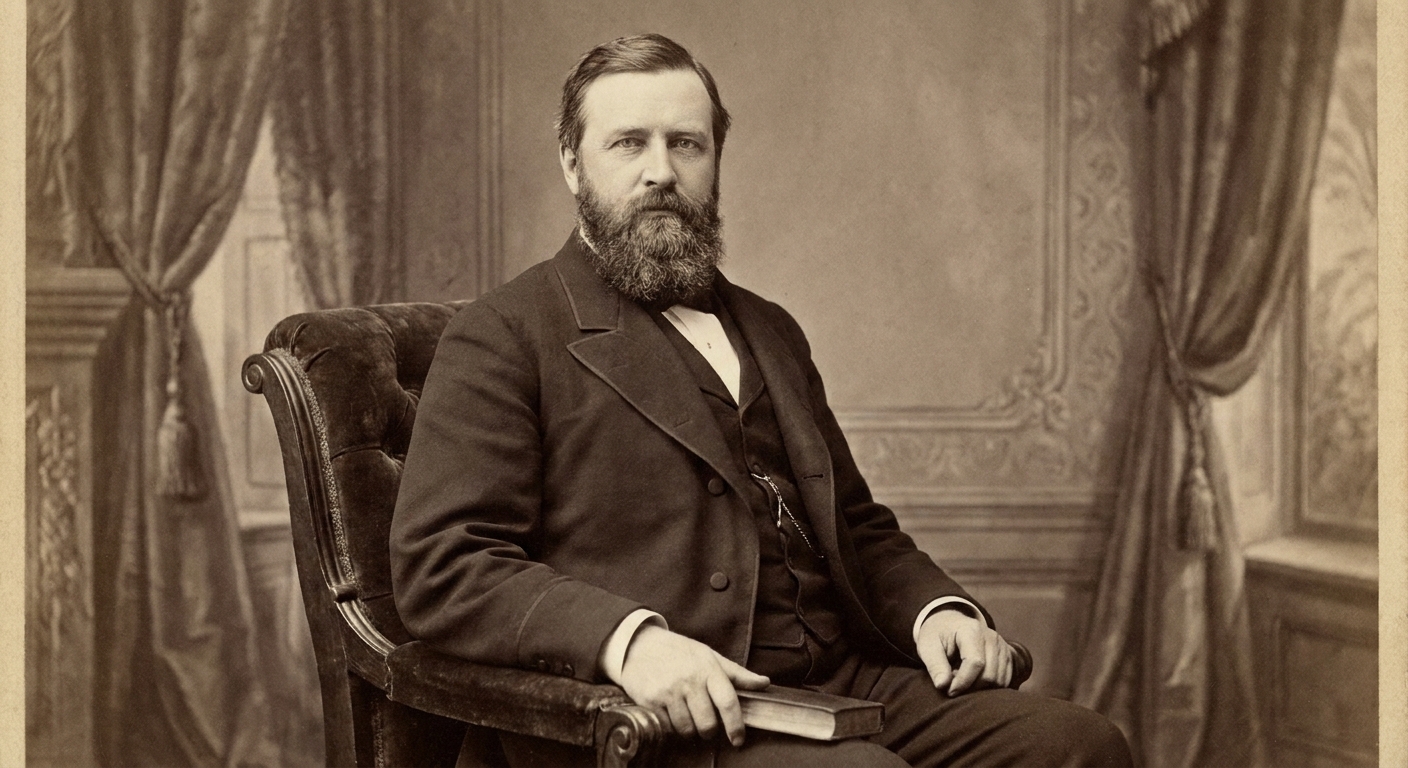
Who wrote it?
The text was written by Horatio Gates Spafford, a Chicago lawyer and Presbyterian layman. The melody most people sing today was composed by Philip Paul Bliss, one of the era’s best-known hymn writers and evangelistic musicians.
You will sometimes see the hymn labeled as if it appeared out of nowhere as a generic “traditional” song. It is not. It has names, dates, and a trail of sorrow behind it.
What happened before the hymn
The Chicago fire and losses
In 1871, the Great Chicago Fire devastated the city. Spafford, like many, suffered major financial losses, including investments tied to Chicago real estate. The fire was not his only heartbreak, but it set the stage for a season where stability was stripped away piece by piece.
It is tempting to romanticize this kind of beginning, as if suffering is merely dramatic backdrop for a future masterpiece. In real life, it is paperwork, ash, and the weary work of starting over.
The death of his son
That same year, the Spaffords also endured the death of their young son, Horatio Jr., widely reported to have died of scarlet fever at age four. Even without what came next, that alone would have changed the shape of their family’s days.
The Atlantic crossing
Why they went
In 1873, the Spaffords planned to travel to Europe. Horatio was delayed by business matters, so Anna and their four daughters went ahead on the French ocean liner Ville du Havre, with the intention that he would follow soon after.
For many families then, transatlantic travel was a serious undertaking, but not an unusual one. The journey was supposed to be a change of air and scenery, a chance to recover after years of loss.

The shipwreck
On November 22, 1873, the Ville du Havre collided with another vessel, the iron sailing ship Loch Earn, in the Atlantic Ocean. The damage was catastrophic. The Ville du Havre sank, and many lives were lost.
Among those who did not survive were all four of the Spaffords’ daughters.
Anna survived the disaster. In later retellings, Horatio received a brief telegram from her that reportedly read: “Saved alone.”
Those two words do not try to explain anything. They simply state the new shape of the world.
Where the words began
After receiving the news, Horatio traveled across the Atlantic to meet his wife. The most widely repeated account, preserved in hymn tradition, says that as his ship passed near the place where his daughters died, Spafford was moved to write the words that became “It Is Well with My Soul.”
Even if we hold that detail gently, recognizing that such stories can gather a little sacred polish over time, the core truth remains steady: this hymn was born directly out of fresh grief, not out of a calm philosophical reflection on suffering.
The opening line often surprises people who know the backstory:
When peace like a river attendeth my way,
When sorrows like sea billows roll…
He does not choose peace instead of sorrow. He places them side by side. That is one reason the hymn has endured. It speaks in both registers at once.
What it meant in grief
Spafford’s lyrics do not read like a man trying to talk himself out of despair. They read like a man practicing the oldest, hardest form of faith: continuing to address God honestly.
Notice what the hymn does and does not do:
- It does not minimize loss. “Sorrows like sea billows” is not a small metaphor for a parent who has just buried four children. It is exactly the right size.
- It does not explain the tragedy. There is no attempt to tidy God into a theory.
- It does claim an inner ground. “It is well with my soul” is not the same sentence as “everything is well.” It is the language of spiritual survival.
In many Christian traditions, that distinction matters. The hymn is not saying the circumstances are good. It is saying there is a deeper tether that has not been severed.
How the music came
The words eventually reached Philip Paul Bliss, a prominent gospel musician associated with late 19th-century revival preaching and hymn publishing. Bliss composed the tune that is now inseparable from the text, and he gave it the name “Ville du Havre”, anchoring the melody to the tragedy that inspired the lyrics.
The hymn was published in 1876 in Gospel Songs No. 2, a collection associated with Ira D. Sankey’s work in the Moody revivals. Bliss died later that same year, which gives the hymn’s early history a certain starkness: both the grief that formed it and the voice that carried it into song are close to the surface.
That naming is easy to miss, but it is significant. It keeps the hymn from floating away into abstraction. Every time a hymnal prints “Ville du Havre,” the music itself quietly testifies: This was written at a cost.

Timeline
- 1871: The Great Chicago Fire brings widespread devastation, including major financial losses for Spafford.
- 1871: The Spaffords’ young son, Horatio Jr., dies, commonly reported as scarlet fever.
- November 22, 1873: The Ville du Havre sinks after a collision at sea. The Spaffords’ four daughters die.
- Late 1873: Anna Spafford survives and reportedly sends the brief message remembered as “Saved alone.”
- 1873 to 1874: Spafford writes the text that begins, “When peace like a river…” in the wake of the tragedy, with tradition placing it during his Atlantic crossing.
- 1876: Philip Bliss composes the tune “Ville du Havre,” and the hymn is published in Gospel Songs No. 2.
Why it still lands
When people sing “It Is Well with My Soul” today, they may be thinking of a hospital room, a graveside, a divorce, a relapse, a lonely move to a new city. The details change, but the spiritual posture feels familiar: holding sorrow in one hand and trust in the other, refusing to drop either.
The origin story matters because it prevents us from misreading the hymn as a cheery slogan. It was forged in the very kind of pain it names. That does not make grief holy. It does make Spafford’s words honest.
If you find this hymn difficult to sing, you are in good company. It was never meant to be easy. It was meant to be true.
FAQ
Did Spafford write it on the ocean?
The traditional account says he wrote it as he crossed the Atlantic and passed near the place where his daughters died. Not every detail is equally documented, but the hymn was written in direct response to that loss during the period immediately following the shipwreck.
What does “Saved alone” mean?
It refers to Anna Spafford surviving the Ville du Havre disaster while her four daughters did not. The wording is commonly quoted in hymn histories, though it is often repeated through later retellings. Either way, its remembered force is the same: stark brevity that leaves no room to soften the blow.
Why is the tune called “Ville du Havre”?
Philip Bliss named the melody “Ville du Havre,” linking the music to the shipwreck that shaped the hymn’s creation.
Is the hymn saying everything is fine?
No. “It is well with my soul” is a statement about inner grounding and faith, not a claim that life is painless or that tragedy has been explained.