
I first fell in love with “Come Thou Fount of Every Blessing” not because it felt tidy, but because it did not. It sings like a prayer whispered by someone who knows both gratitude and drift. Some hymns feel like polished testimony. This one feels like a heart that keeps needing to be gathered back in.
When people ask about “Come Thou Fount,” they often mean one of two lines. What is an “Ebenezer,” and why are we so “prone to wander”? Both questions open the door to the hymn’s real story, a story rooted in Scripture, personal upheaval, and the way later worship traditions tried to sand down language that felt too strange or too sharp.

Who wrote it
“Come Thou Fount of Every Blessing” was written by Robert Robinson (1735 to 1790), an English preacher. Hymn histories commonly report that Robinson came to faith as a teenager after hearing the evangelist George Whitefield preach, a turning point Robinson later described as the beginning of a new spiritual direction in his life.
Robinson’s early life was not gentle. He lost his father young, got pulled into rough company, and by his own later telling, he knew what it meant to feel spiritually restless and morally unmoored.
In 1758, when Robinson was in his early twenties and serving in ministry, he wrote the text for use in worship. Many sources connect the hymn’s first use to the church calendar season around Pentecost, though the details vary depending on the account. What feels certain is the hymn’s practical origin: it is crafted to be sung by ordinary people who needed words for praise and words for help in the same breath.
It also reads, unmistakably, like a self-portrait. Not an autobiography of dates and facts, but a spiritual self-portrait: a person who believes God is generous, and also knows how quickly the human heart can wander off and forget.
The tune
One small point of confusion follows this hymn around: people often blend the text and the tune together, as if they were born as a matched set. Robinson wrote the words. The melody many of us know today is most commonly the American tune NETTLETON, which is frequently paired with Robinson’s text in hymnals and church tradition. Other tunes exist, but NETTLETON is the one that tends to live in the bones.
Why he wrote it
Robinson frames the hymn as a prayer. The opening line is an address to God, “the fount of every blessing,” a fountain that never runs dry. Then the hymn immediately moves into response: teach me to sing, tune my heart, bind my wandering.
If you listen closely, the logic is almost like a set of steps:
- God gives (every blessing, streams of mercy)
- We respond (songs of praise)
- We remember (Ebenezer, the stone of help)
- We admit our weakness (prone to wander)
- We ask for ongoing grace (bind my heart, seal it)
That mix of celebration and confession is part of why the hymn has traveled so well across centuries and denominations. It does not ask you to pretend you are stronger than you are. It asks you to bring your whole self to God, including the part that slips away.
What “Ebenezer” means
The word “Ebenezer” is a biblical reference, not an old-timey oddity Robinson invented. It comes from 1 Samuel 7:12. After a decisive deliverance, the prophet Samuel sets up a stone and names it Ebenezer, saying, “Hitherto hath the Lord helped us.” In Hebrew, the name is commonly understood as “stone” plus “help,” often summarized as “stone of help.”
In other words, an Ebenezer is a marker of remembrance. It is a physical sign that says: God helped us here. God met us at this point on the road.
When Robinson writes, “Here I raise mine Ebenezer,” he is not talking about raising a person or an abstract mood. He is picturing the act of setting up a memorial stone in the landscape of the soul. The next line explains why: “Hither by Thy help I’m come.”
I have always loved the humility of that phrase. It does not say, “Look what I overcame.” It says, “I made it here, and I did not do it alone.”

Ebenezer is not a person
It is worth saying plainly, because the word is so unfamiliar now: Ebenezer is not a person in this hymn. Robinson is not invoking a biblical character by name, and he is not asking anyone to “raise an Ebenezer” as if it were a living thing. He is reaching for the image of a stone set in place to mark help received.
Even if you never use that word elsewhere, the instinct behind it is deeply human. Most of us keep some form of Ebenezers. A date written in the margin of a Bible. A photograph from a hard season you survived. A sentence in a journal that still tells the truth years later. The hymn gives that instinct a scriptural anchor.
Why it says “prone to wander”
“Prone to wander, Lord, I feel it, prone to leave the God I love” is one of the most honest lines in English hymnody, and also one of the most uncomfortable. It refuses the common fantasy that faith is a straight line once you have had a powerful spiritual experience.
In Robinson’s world, as in ours, spiritual life could be vivid one day and dull the next. Temptations returned. Old habits resurfaced. Doubts crept in. To say “prone to wander” is to confess an inward leaning, a tendency, a gravity in the wrong direction.
The line also echoes biblical language about wandering hearts. Scripture often describes God’s people as sheep that stray, or as a community that forgets its deliverer and chases other loyalties. Robinson condenses that whole theme into one sentence that many of us recognize immediately, sometimes painfully.
And then he turns the confession into prayer: “Here’s my heart, O take and seal it, seal it for Thy courts above.” The point is not self-shaming. The point is dependence.
How hymnals edited it
As “Come Thou Fount” spread, editors in various church traditions adjusted Robinson’s words. Sometimes the reason was theological preference. Sometimes it was a desire for smoother English. Sometimes it was simply that unusual words made congregational singing harder. That is why you will hear different versions, even when everyone in the room thinks they are singing the same hymn.
Ebenezer changes
Because “Ebenezer” is unfamiliar to many modern worshipers, some hymnals and contemporary arrangements substitute a clearer phrase. You may hear variations that replace the memorial-stone image with wording about blessing or grace. The aim is to remove a stumbling block, but the tradeoff is that the specific biblical scene of 1 Samuel can fade into the background.
Language updates
Editors have occasionally modernized phrasing like “streams of mercy, never ceasing.” This is often not controversial, but it can shift the hymn’s texture. Robinson’s language is lush on purpose. Mercy does not trickle in his imagination. It pours.
Softening the confession
In some settings, the “prone to wander” confession has been altered or omitted because it feels too negative for a praise hymn. Yet for many singers, that is the line that makes the praise believable. It admits, with clear eyes, that we need help not only once, but continually.
The debated line
The third stanza includes vivid rescue imagery: “Jesus sought me when a stranger, wandering from the fold of God; He, to rescue me from danger, interposed His precious blood.” Some modern hymnals and worship adaptations have modified or removed “interposed His precious blood” because atonement language can feel difficult, especially to people with painful experiences of violent imagery or coercive religious teaching.
It is worth noting what Robinson is doing in that line. He is not aiming for shock. He is drawing on New Testament themes of Christ’s sacrificial love, using the vocabulary that made sense in his tradition. Whether one embraces that phrasing or prefers different metaphors, the stanza’s core remains: the singer is not self-rescued.
How it moves
When I hear “Come Thou Fount” sung well, I notice how it moves from music to memory to surrender:
- Music: “Teach me some melodious sonnet.” Faith begins as response.
- Memory: “Here I raise mine Ebenezer.” Faith remembers particular help, not vague inspiration.
- Surrender: “Bind my wandering heart to Thee.” Faith admits ongoing need.
That movement is why the hymn still feels so modern. Many of us are trying to live meaningful lives with distracted minds and divided loves. Robinson gives us a way to tell the truth about that, without giving up on hope.
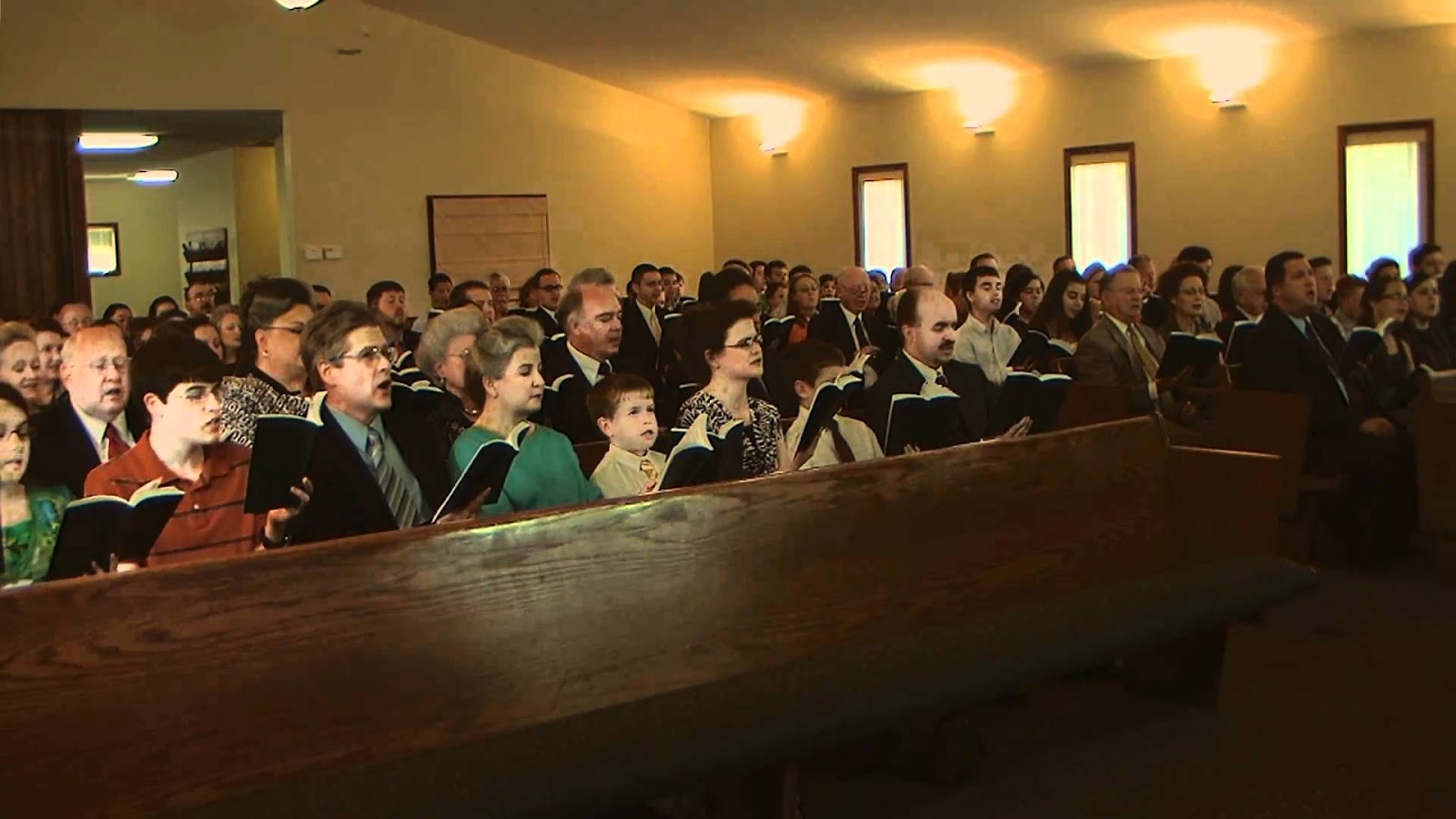
A note on the words
If you grew up singing “Come Thou Fount,” you might carry it like a family heirloom. If you did not, the older words can feel like a locked door. Either way, I have found it helpful to approach the hymn the way we approach many ancient prayers: slowly, with curiosity, letting the images explain themselves.
An Ebenezer is a stone of help. “Prone to wander” is not a declaration of failure, but a confession that love needs tending. The hymn is not asking you to be flawless. It is asking you to come home again, and to let grace do what grace does best: keep meeting you on the road.