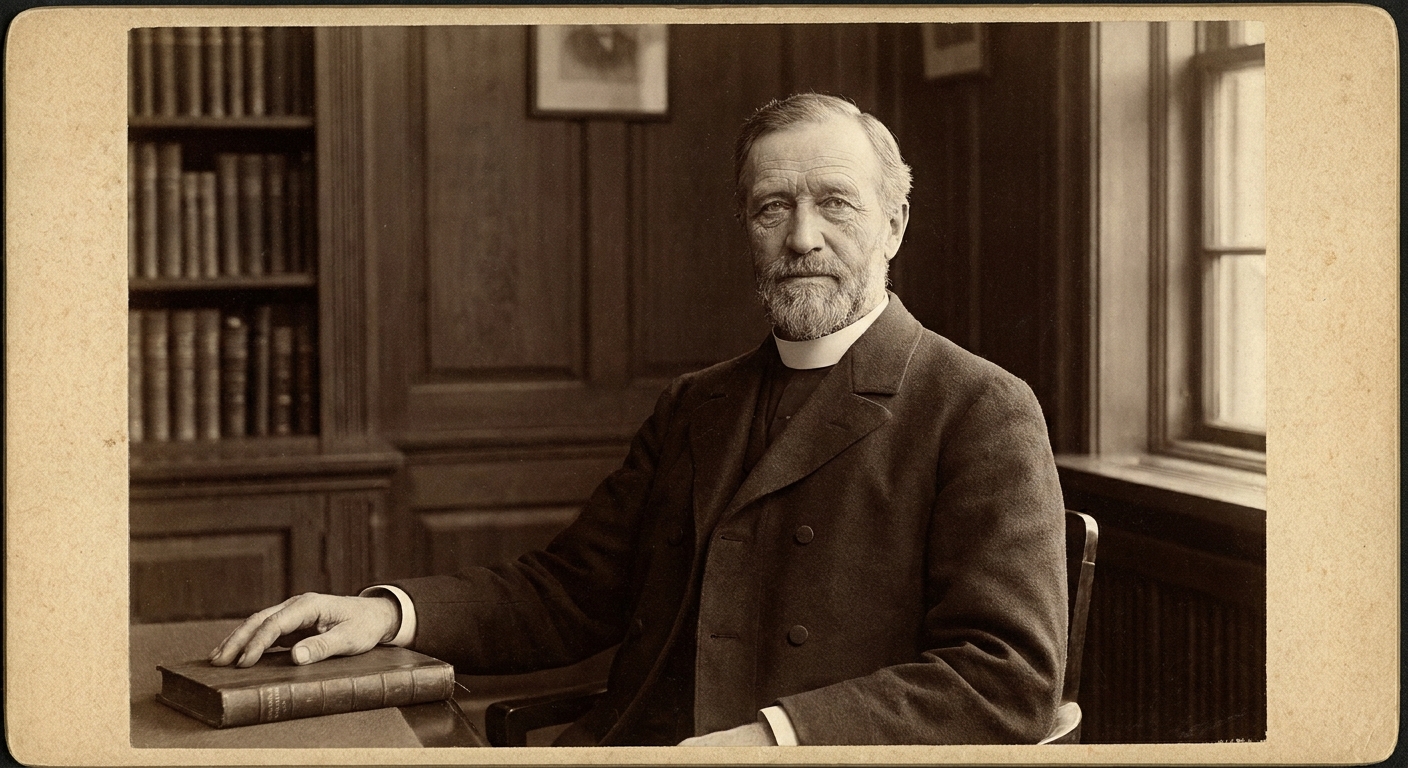
Some hymns arrive like polished stones, already smoothed by time. Others feel like they were formed in the hand, pressed into shape through struggle, prayer, and repetition. “The Old Rugged Cross” belongs to that second kind. It carries the fingerprints of a preacher, songwriter, and revival worker named George Bennard, and it grew outward from the places he served: small churches, tent meetings, and the restless spiritual landscape of early twentieth-century America.
If you have ever wondered why this hymn lingers so stubbornly in the memory, it helps to know how it was made. Not in a committee. Not in a cathedral. It was forged on the road, in the cadence of sermons, and in one man’s attempt to say plainly what the cross meant to him.
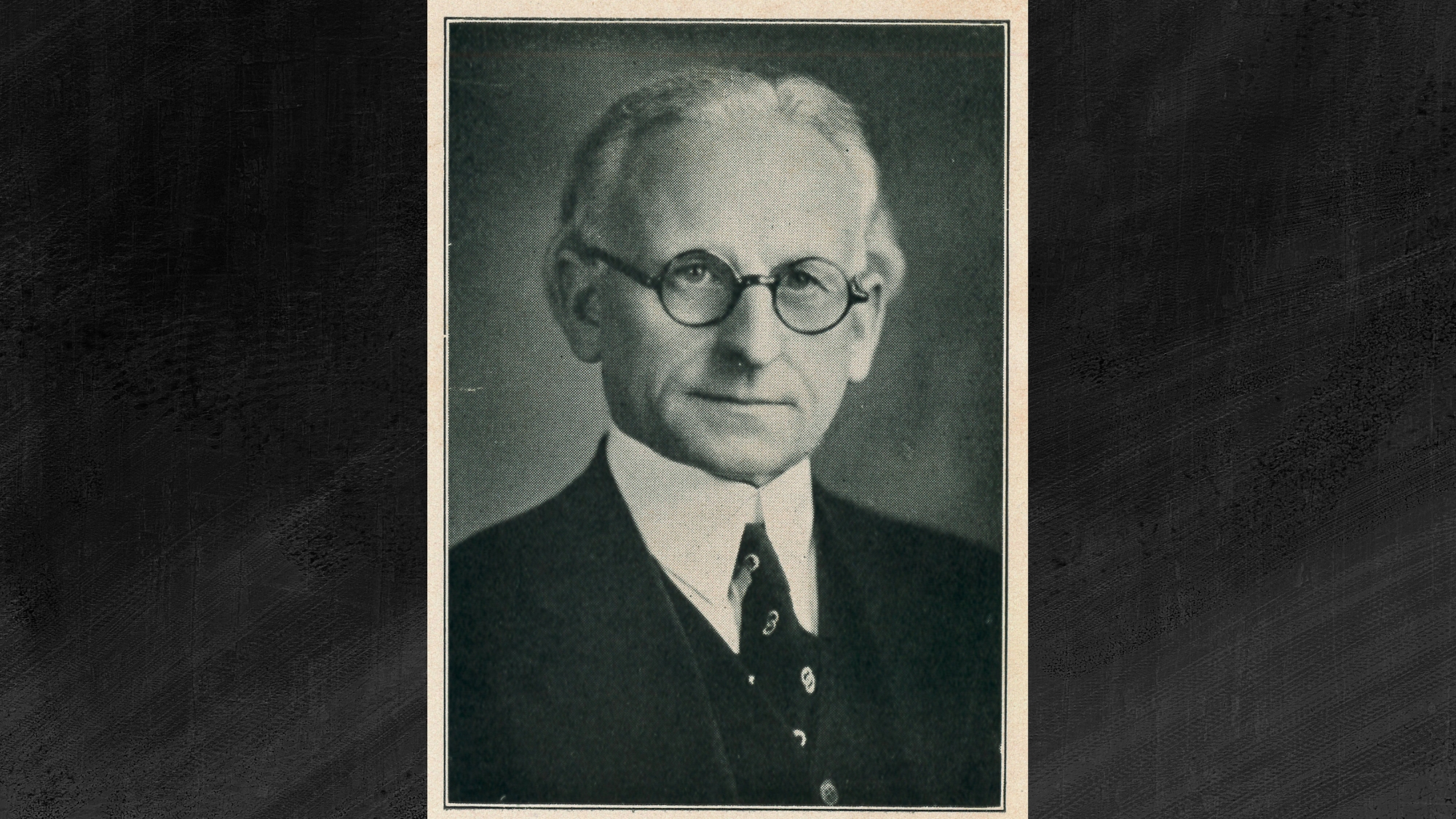
Who wrote “The Old Rugged Cross”?
“The Old Rugged Cross” was written by George Bennard, an American evangelist and song leader associated with the revival movement of the early 1900s. Bennard spent years traveling and preaching in church settings where music was not a decorative extra, but a central part of spiritual response. In that world, a hymn needed to be singable by ordinary people, memorable after one hearing, and emotionally honest enough to meet listeners where they were.
Bennard was not writing from a distance. The cross for him was not only a theological symbol, but a lived spiritual anchor. Accounts of the hymn’s beginnings consistently point back to a season when Bennard was meditating on the meaning of the crucifixion and trying to find language that held together two realities at once: the cross as shame and the cross as glory.
How the hymn took shape
One of the most striking things about “The Old Rugged Cross” is how sermon-like it is. It unfolds almost like a message delivered in four short movements.
- Verse 1 introduces the image: an “old rugged cross” marked by “suffering and shame.”
- Verse 2 lingers on the paradox: the cross is despised by the world, yet cherished by the singer because it represents love and sacrifice.
- Verse 3 personalizes devotion: “I will cling to the old rugged cross.”
- Verse 4 turns hope-forward: the cross leads toward exchange, “till my trophies at last I lay down.”
That structure makes sense if you imagine Bennard testing these lines in his own mouth first, then in public. Revival preaching and revival singing often braided together. A phrase that landed in a sermon could return as a refrain. A refrain could become a congregational confession.
The hymn’s central image is intentionally physical: not a jeweled cross, not an abstract doctrine, but something wooden, weathered, and rough. “Rugged” is not a decorative adjective. It is a way of insisting that redemption happened in real conditions, on a real execution device, in the plain violence of history.
The text and its imagery
In a multi-faith home like the one I grew up in, religious symbols could sometimes feel like they belonged to separate rooms of the house. The cross, especially, carried a weight some people found comforting and others found unsettling. Bennard’s hymn does not try to make the cross palatable. It names the discomfort and then refuses to abandon the symbol.
Notice the emotional pivot that happens early in the hymn:
“The old rugged cross, so despised by the world,
Has a wondrous attraction for me.”
This is classic revival spirituality: plainspoken and personal. There is no attempt to prove the cross intellectually. The singer testifies to attraction, to being drawn. That is one reason the hymn has traveled so well across denominations and generations. It does not require a specialized vocabulary. It asks one question: what do you do with the cross?
Another line that helps explain the hymn’s staying power is the promise of exchange:
“And exchange it someday for a crown.”
The hymn is not only about sorrow, but about endurance. It offers a spiritual storyline many believers recognize: carry, cling, bear, and then, in time, release. Even for those who do not share Bennard’s theology, the emotional arc is easy to understand. It is the human pattern of holding onto what is hard because it is meaningful.
The tune and the refrain
Bennard paired his text with a tune designed for immediate participation. The melody is straightforward, moving in a way that feels natural to the voice. It supports the refrain, which is where the hymn’s emotional center sits:
“So I’ll cherish the old rugged cross,
Till my trophies at last I lay down;
I will cling to the old rugged cross,
And exchange it someday for a crown.”
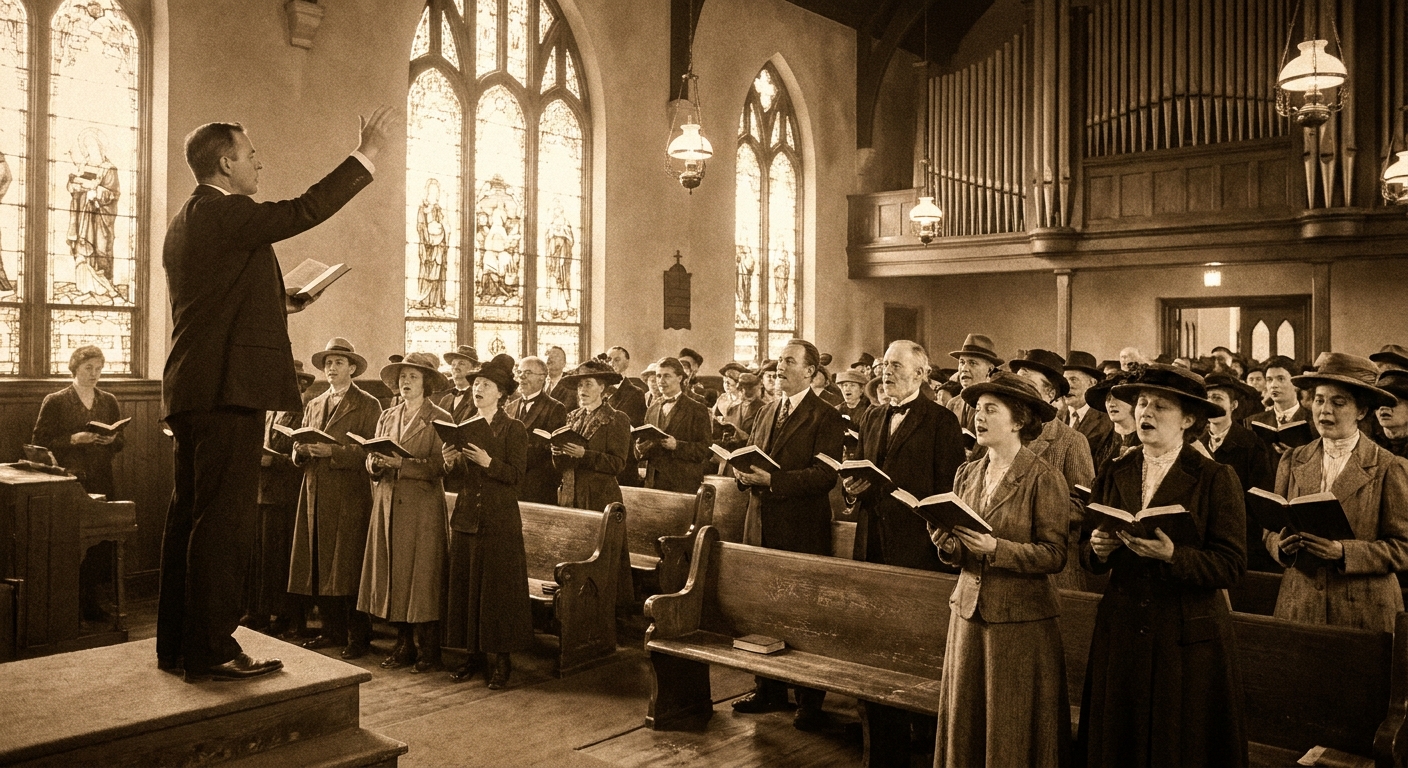
In revival settings, the refrain matters. It is the part people can sing even if they miss a verse. It is the part that can repeat softly as an invitation, or swell in unison as a commitment. “The Old Rugged Cross” is engineered, in the best sense, for that moment when a room full of strangers becomes a single voice.
How the song spread
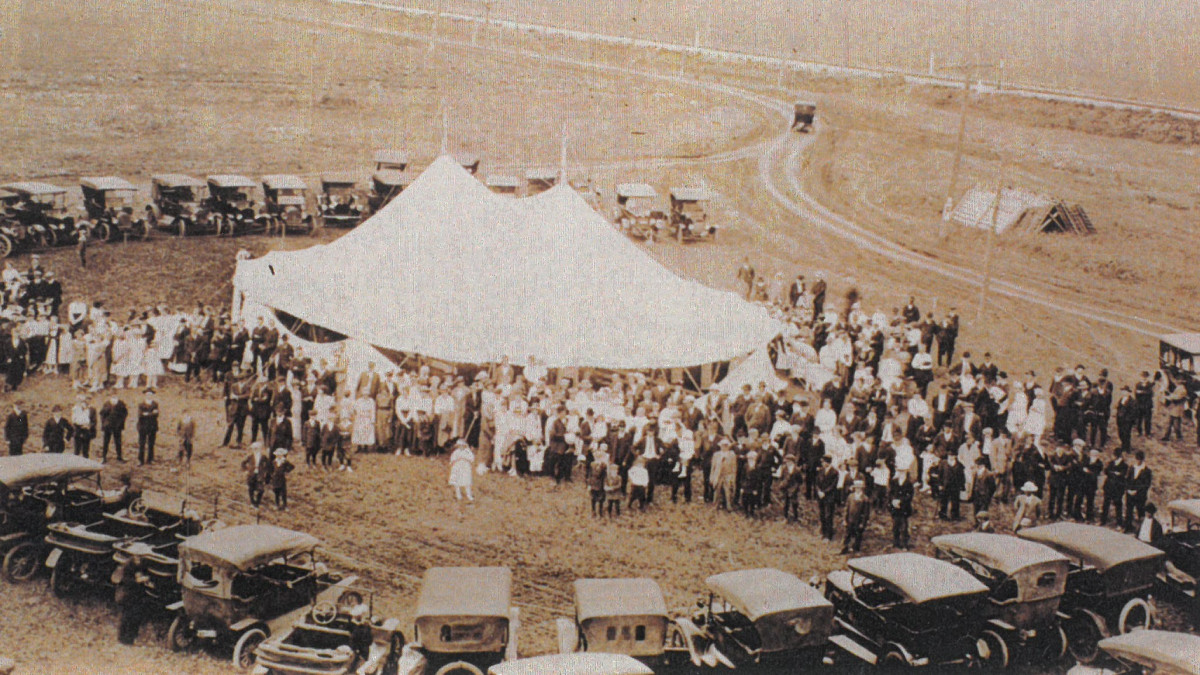
Before radio made certain songs nationally familiar overnight, hymns often spread the way news used to travel: person to person, town to town, carried by itinerant preachers, singing evangelists, and local churches that shared music across networks.
“The Old Rugged Cross” moved through exactly those channels. Bennard used it in the contexts he knew best, where a hymn could be introduced, sung repeatedly over a week of meetings, and then taken home by people who had felt it in their bones. A song learned that way does not remain merely “a piece of music.” It becomes tied to an altar call, a funeral, a conversion story, a reconciliation, a night of weeping and relief.
Its language helped it travel. It is vivid but not complicated. It is emotional but not vague. And it centers a symbol that, within Christian communities, is instantly recognizable. That combination makes for a hymn with unusual portability. It can be sung slowly and tenderly or with the firm tempo of conviction.
Why it resonated then
Every hymn has a cultural climate, a kind of weather it was written in. The early twentieth century in America included rapid change: urban growth, industrial pressures, immigration shifts, and the ongoing rise of revivalism as a widespread spiritual language. People were hungry for steadiness, for something older than the churn of modern life.
The hymn’s title alone offers that steadiness. Old and rugged do a lot of work. The cross is not presented as trendy, polished, or newly discovered. It is presented as enduring, worn, and still trustworthy. For many singers then and now, that is not nostalgia. It is spiritual grounding.
Reading it today
When I hear “The Old Rugged Cross” sung now, I think about how different communities carry different relationships to suffering and symbols. Some people need the cross named plainly because their pain is plain. Others need time, because the cross has been used in ways that felt heavy-handed or harmful.
Bennard’s hymn does not solve that complexity, but it does invite a personal choice: not whether the cross is easy, but whether it is cherished. For those who sing it with faith, the hymn is a vow: I will cling. For those who sing it with questions, it can be a doorway into reflection: what do I cling to, and why?
Either way, its power comes from its honesty. It admits the cross looks like shame. Then it dares to say it is beloved.
Quick facts
- Writer: George Bennard
- Era: Early twentieth century
- Genre and setting: Revival hymn, shaped for congregational singing
- Core image: The cross as both suffering and sacred devotion
- How it spread: Through revival meetings, preaching circuits, and church singing communities
FAQ
Is “The Old Rugged Cross” based on a specific Bible verse?
Not in a direct, single-verse way. It draws from the broader New Testament emphasis on the crucifixion and the call to take up the cross, expressed in the devotional language common to revival preaching.
Did George Bennard write both the lyrics and the music?
Yes. Bennard is credited with writing the hymn’s text and composing the tune that carries it.
Why does the hymn call the cross “rugged”?
“Rugged” emphasizes the cross as a rough, splintered instrument of execution, not a refined religious ornament. The word keeps the image grounded in suffering and shame, which the hymn then reinterprets through love and redemption.
Why did it become so popular so quickly?
It was easy to sing, built around a memorable refrain, and it fit the spiritual atmosphere of revival meetings where repeated singing helped a new hymn take root fast.