The first time I visited a Hindu temple, I worried about doing something wrong: standing at the wrong time, wearing the wrong thing, not knowing where to look. What I found instead was a rhythm that gently carries you. A temple, or mandir, is a living space of devotion, community, and beauty, and newcomers are usually welcomed with more kindness than you expect.
This guide is here to help you arrive with confidence. I will walk you through temple etiquette, dress, common rituals, and a few quiet cultural cues that make a big difference.
Before you go
Choose a good time
Many temples are busiest on weekends and festival days. If you want a calmer first visit, consider a weekday morning or early evening. If you want to see the temple at its most vibrant, go when there is a scheduled aarti (a lamp offering ceremony), which is often held in the morning and or evening depending on the temple. Some temples also have midday services.
Check the temple website or signboard
Local customs vary by region and temple tradition. Some temples have specific guidelines about photography, where to place shoes, or whether non-Hindus may enter certain inner areas. A quick look online, or a call, can spare you uncertainty at the door.
Bring a small offering if you wish
Offerings are optional, never a fee to be “allowed” into worship. If you would like to participate, common offerings include:
- Flowers (fresh, simple)
- Fruit (bananas, apples, oranges)
- Coconut (common in many South Indian traditions)
- Incense (only if the temple uses it and allows it)
- A small cash donation for the temple upkeep or charitable work
Avoid bringing meat, fish, eggs, alcohol, or tobacco. Many temples maintain a vegetarian and purity-oriented environment.
What to wear
Think “modest, clean, and comfortable enough to sit or stand for a while.” You do not need to dress in Indian clothing, though you are welcome to if you have it. The goal is respect and ease, not perfection.
General dress code
- Cover shoulders and knees when possible. Loose sleeves, longer skirts, trousers, or longer shorts are a safe choice.
- Avoid very tight or sheer clothing, deep necklines, and clothing with large slogans.
- Choose breathable fabrics. Temples can be warm, and you may be removing footwear and walking slowly through crowds.
- Bring a light scarf or shawl if you are unsure. It can cover shoulders, serve as a head covering if requested, or simply help you feel more at home.
Footwear and socks
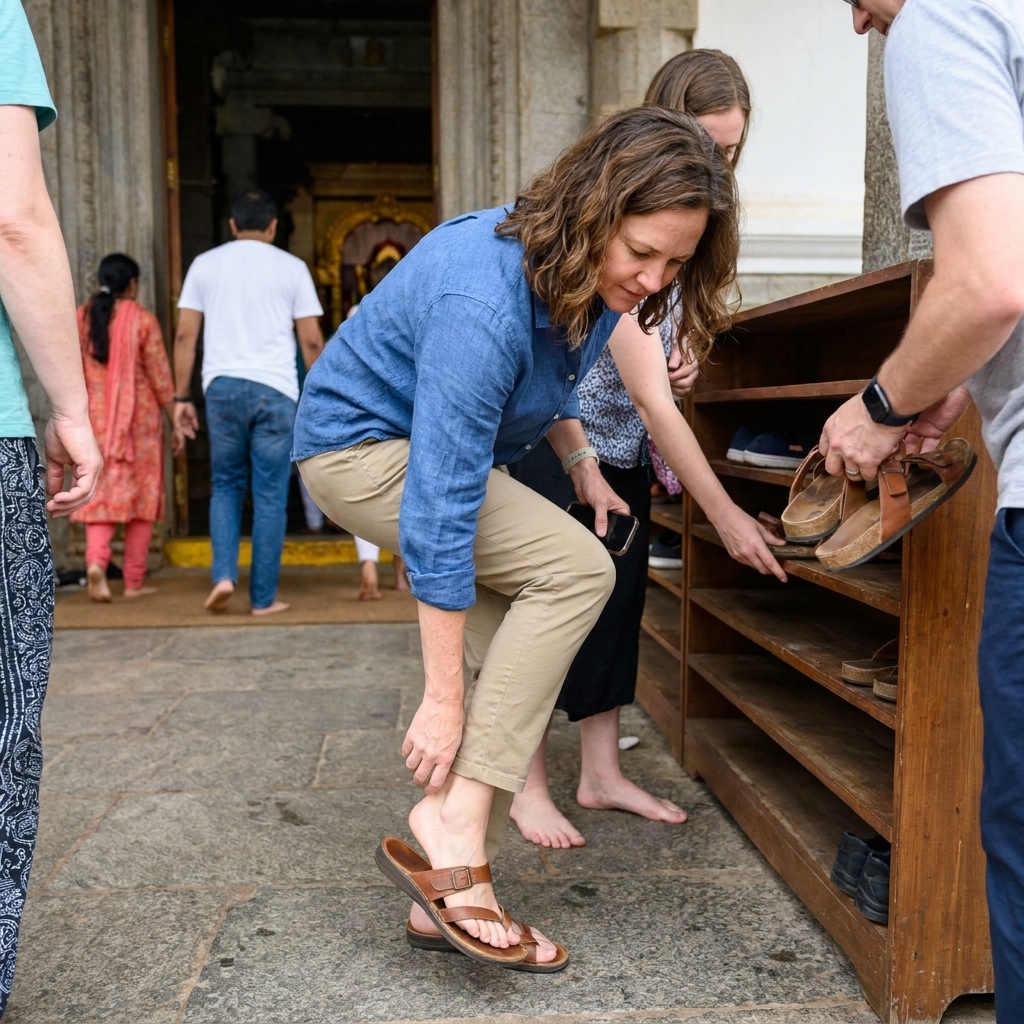
In most temples, you remove shoes before entering the prayer area. Some have racks or a shoe room. Wear footwear that slips on and off easily. Socks are often fine in common areas, but some temples ask for bare feet in the shrine area. If you see a sign, or notice most people are barefoot, follow that lead.
Head coverings
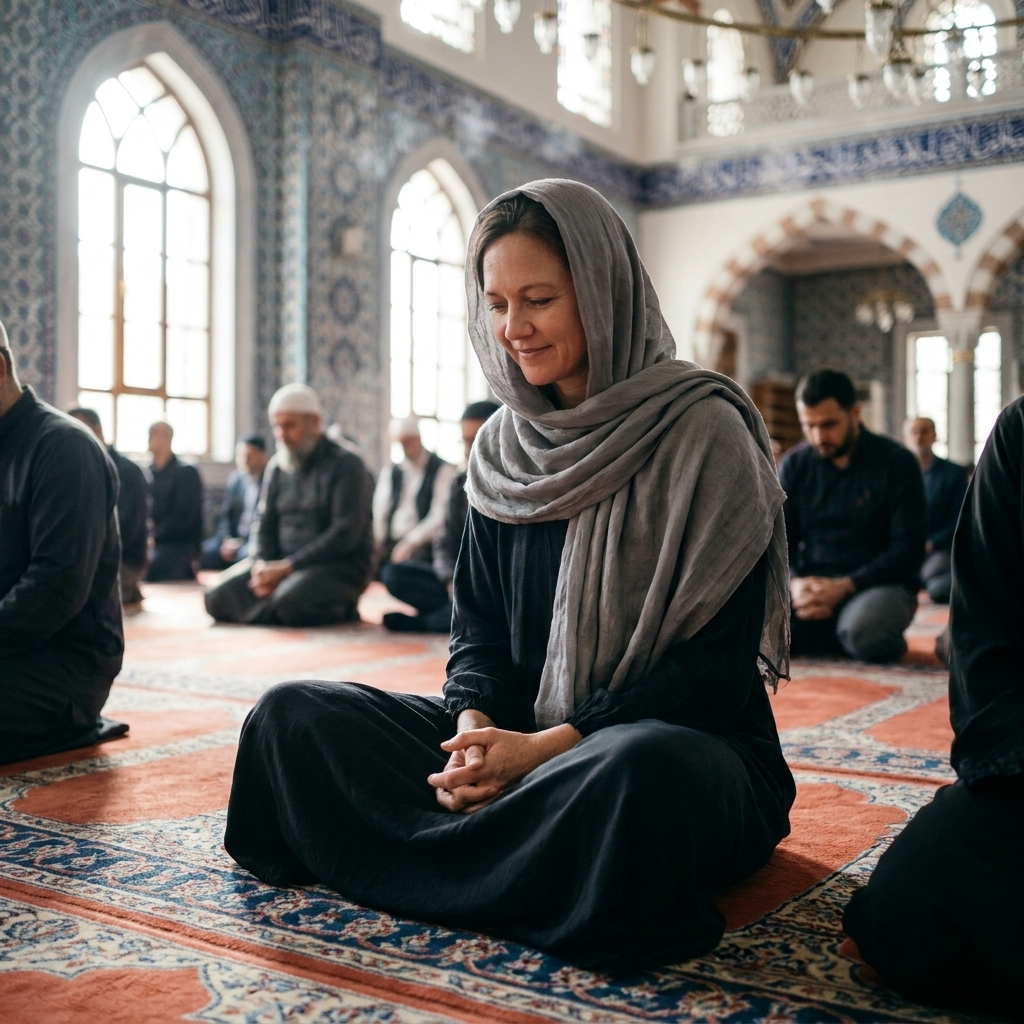
Head covering practices vary. Many Hindu temples do not require head coverings, while some communities encourage it as a sign of humility, especially in certain regions or during specific ceremonies. If you see most devotees covering their heads, you can follow suit with a scarf. If you are unsure, you can politely ask a volunteer.
Temple etiquette
Enter quietly and observe
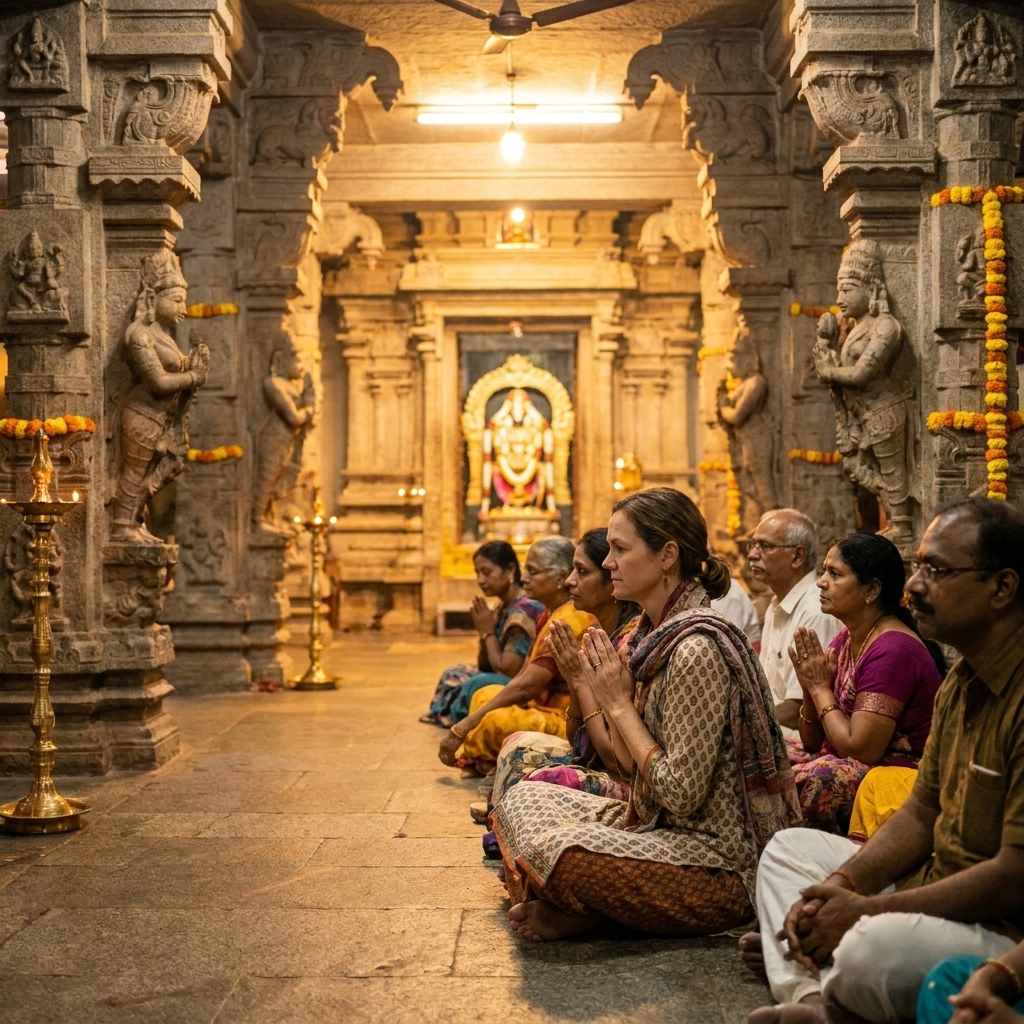
A useful spiritual practice anywhere new is the same: pause and watch. People will be moving with intention, pausing at shrines, circling, bowing, or standing with hands folded. Give yourself permission to be a respectful witness before you try to participate.
Hands, posture, and where to stand
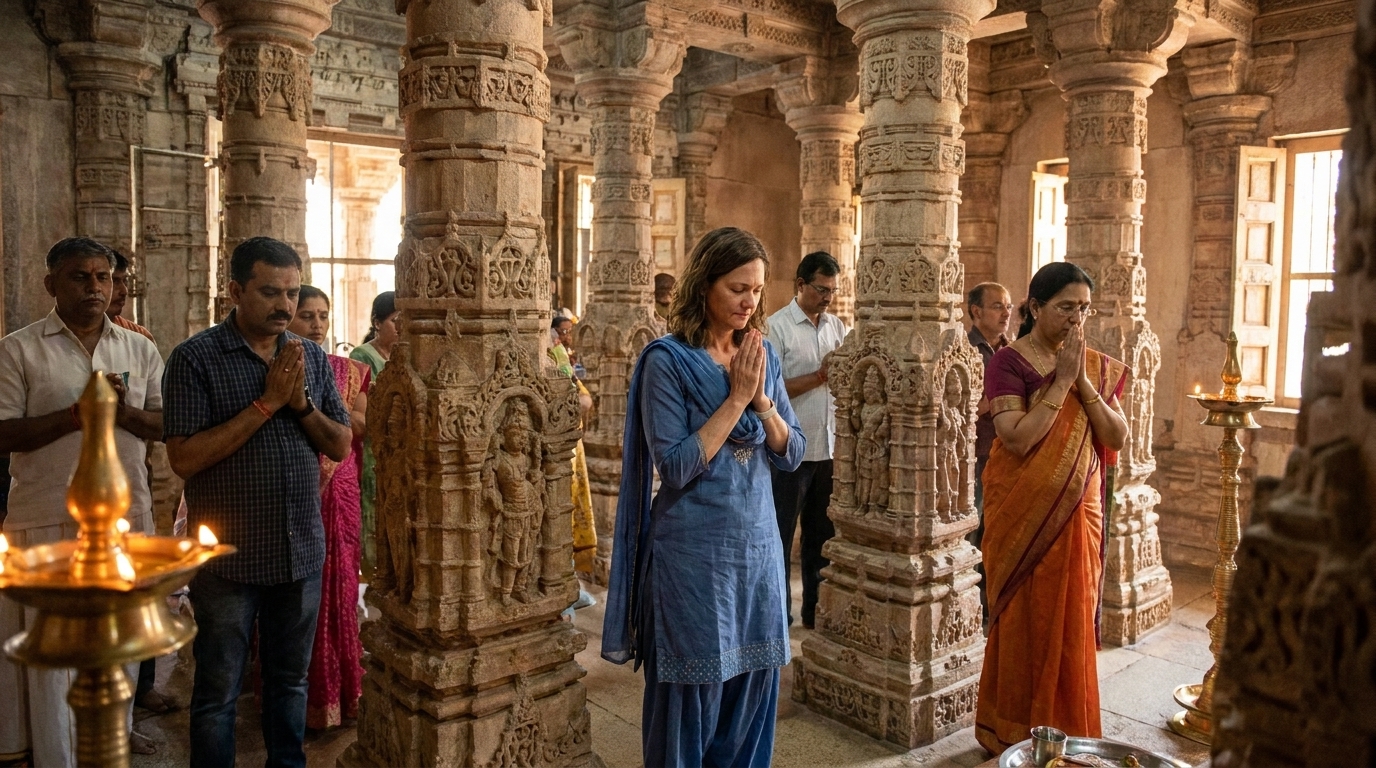
You will often see palms together at the heart in namaste or anjali mudra. You can mirror this if it feels natural. In many temples, people stand facing the main shrine for a few moments of darshan, then step aside to make room for others.
Silence and phones
Keep your voice low, silence your phone, and avoid taking calls inside. A temple is not only a cultural site. For devotees, it is a place of intimate prayer.
Photography
Some temples allow photos outside but not inside, especially not of the deities or during worship. If there is any doubt, do not take photos until you have asked. The safest assumption is no flash, and no photography in the sanctum or during active services.
Respectful movement
- Avoid pointing your feet toward the deities or toward people seated on the floor when you can.
- Step around prayer items rather than over them.
- Follow lines if there is a queue for darshan or prasad.
Sensitivity notes
You may hear that some families follow traditional restrictions during menstruation or certain life transitions. Practices vary widely, and many contemporary Hindu communities interpret them differently or not at all. As a visitor, you are not expected to disclose personal information. If a temple has explicit guidelines posted, follow them. Otherwise, simply arrive with respect and care.
When you arrive
The threshold
Removing shoes is the first cue that you are crossing from ordinary space into sacred space. Often, you will wash hands, or you may see a small area for rinsing. Temples sometimes have a bell at the entrance. Ringing it is a way of marking arrival and presence, but it is optional. If others are ringing it, you may ring it once gently.
Shoes and valuables
If there is a staffed shoe room, use it. If shoes are left on open racks, keep valuables with you. A small crossbody bag can help, and it is usually fine as long as it stays close and does not block walkways. If your temple has a security policy or bag check, follow the posted rules.
The layout
Many temples have:
- A main shrine with one or more deities
- Side shrines for other forms of the divine
- A hall where people sit, chant, or listen to teachings
- A priest area where rituals are prepared
- A community space for meals, classes, and festivals
You might notice the air scented with incense or flowers, the soft percussion of bells, and the steady flow of people. In many temples, devotees may move clockwise around a shrine for pradakshina (circumambulation), though not every layout makes this possible. If you are ever unsure where to go, it is completely appropriate to ask, “Where should visitors begin?”
Sanctum access
In many temples, the innermost sanctum is primarily for priests, and devotees receive darshan from just outside or at the threshold. In other temples, you may be invited closer. Follow the barriers, signage, and the flow of the line.
Seating and accessibility
Some temples have floor seating, some have chairs, and some have both. If there is signage for seating, including any men and women sections, follow it. If you need a chair, ramp access, or assistance, ask a volunteer. Most communities are glad to help.
Key rituals
Hindu practice is wonderfully diverse, and not every temple does every ritual in the same way. Still, a few experiences are very common. I will name them and translate them into everyday language.
Darshan
Darshan is often described as “seeing and being seen” by the divine. People approach the deity, pause, offer a prayer, and move along. You do not need special words. A simple inward intention is enough: gratitude, a request for guidance, a prayer for someone you love.
Aarti
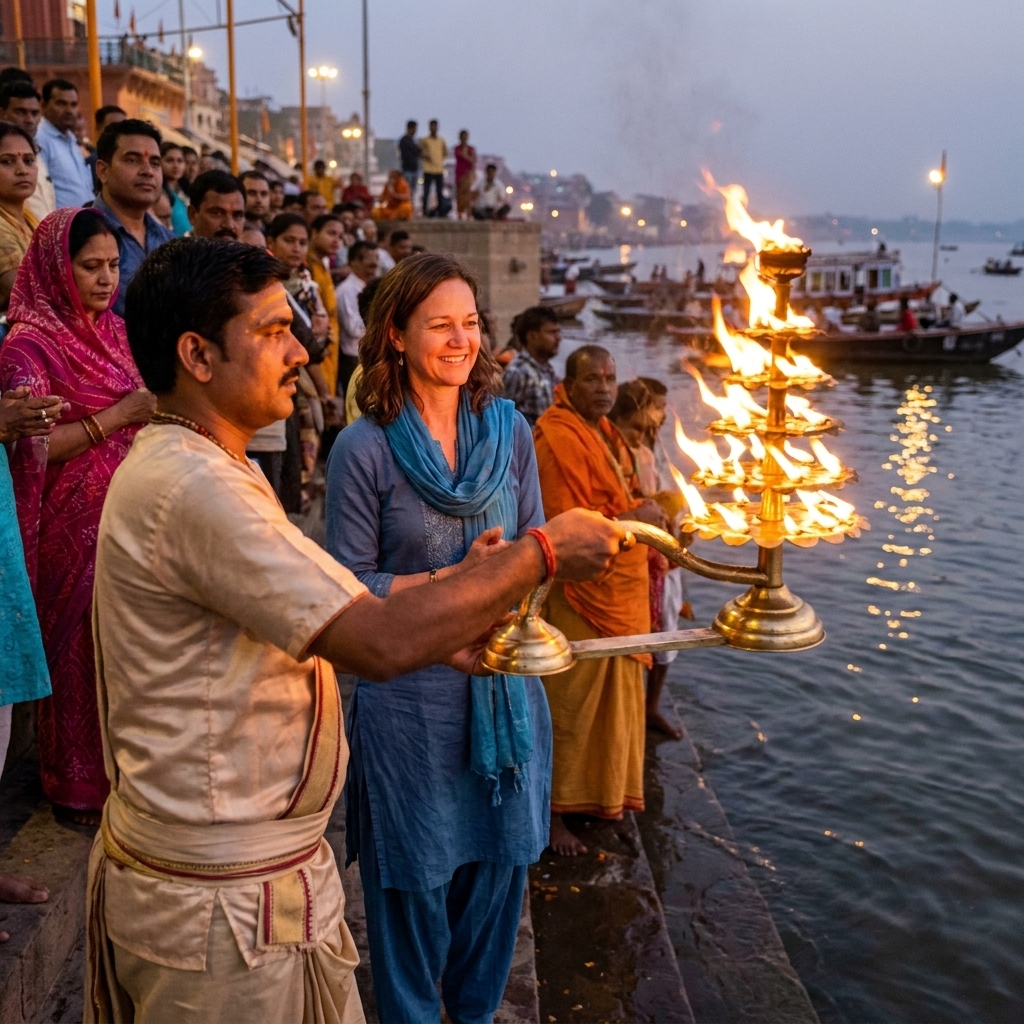
Aarti is a lamp offering. A priest or devotee circles a flame in front of the deity while bells ring and hymns are sung. It can feel like a wave of warmth passing through the room. At the end, the flame may be brought to the congregation. People often cup their hands over the warmth and touch their hands to their eyes or forehead as a gesture of receiving blessing.
Prasad
Prasad is blessed food, often sweets, fruit, or a small snack. If someone offers you prasad, it is generally respectful to accept it with your right hand when possible. If you are left-handed, or if a right-hand custom feels unfamiliar, simply do your best without self-consciousness. If you cannot eat it for dietary reasons, you can accept it and take it with you, or quietly ask a volunteer where to place it rather than discarding it.
Tilak and kumkum
You may be offered a small mark on the forehead using sandalwood paste (tilak) or red powder (kumkum). Accepting is optional. If you do accept, you can simply bow your head slightly. If you prefer not to, a small smile and a hand raised politely is usually understood.
Abhishekam
Sometimes you will witness abhishekam, a ritual bathing of a deity with water, milk, yogurt, honey, or other offerings, depending on the tradition. It is a sensory ritual, meant to express love and devotion through careful, attentive action.
Bhajans and kirtan
Many temples include sung devotional music. You can listen quietly, hum along, or join in if you feel comfortable. Clapping is common in some communities. If others are seated, you can sit too, usually on the floor. Chairs are sometimes available for elders and those who need them.
Join in sincerely
One of the most respectful things you can do is be sincere about where you are. You do not have to perform someone else faith perfectly to show reverence. Here are a few ways to participate with integrity:
- Follow the room. Stand when others stand, sit when others sit, and step aside after a brief moment at the shrine.
- Keep gestures simple. Folded hands, a slight bow, or quiet stillness are universally understood.
- Ask one gentle question. If a volunteer or regular attendee seems available, try: “Is there a customary way visitors should offer respects?”
- Let devotion be theirs. You can witness with warmth even if you do not share the theology. Curiosity plus humility travels well.
In many traditions, reverence is less about knowing the right script and more about showing up with a clean heart and a quiet mind.
Do and do not
Do
- Remove shoes where indicated.
- Dress modestly and comfortably.
- Use your right hand when receiving prasad or offering items, when possible. If you are left-handed, it is okay to do your best and follow what feels respectful in the moment.
- Make space for others at the shrine.
- Arrive sober and clean. In some traditions, bathing beforehand is ideal, but as a visitor, the simplest guideline is to come fresh, avoid strong perfumes, and treat the space with care.
- Donate if you feel moved, especially if you receive a meal or attend an event.
Do not
- Touch deities or ritual items unless invited.
- Bring non-vegetarian food, alcohol, or intoxicants.
- Assume all Hindu practice is the same. Regional and sect traditions can differ significantly.
- Take photos inside without clear permission.
Festivals and meals
Festivals
Festival days can be loud, crowded, and utterly joyful. You might see processions, drums, dance, special clothing, and longer lines for darshan. If you are sensitive to sound or crowds, bring earplugs and give yourself breaks outside.
Annadanam and temple meals
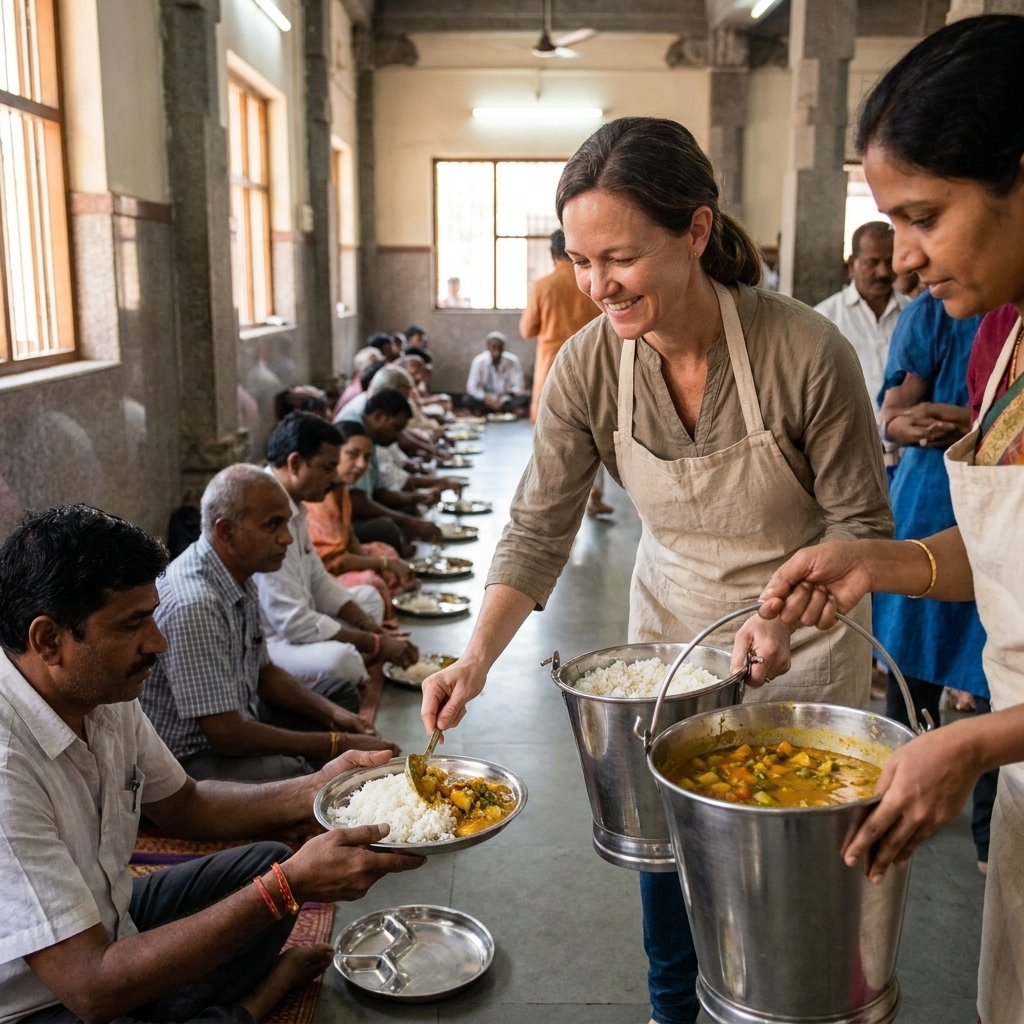
Some Hindu temples offer free community meals as a form of service. You may hear this described as annadanam (the giving of food), or in some communities as a bhandara (a communal feast). Receive it as hospitality. Wash hands if a station is provided, follow seating directions, and avoid wasting food. If you can, consider donating or volunteering in return.
A note on “langar”
You may also hear people casually use the word “langar” to mean any free community meal. Strictly speaking, langar is a Sikh tradition associated with gurdwaras. In a Hindu temple setting, annadanam or bhandara is usually the more precise term.
Frequently asked questions
Can non-Hindus visit a Hindu temple?
In many places, yes. Some temples welcome all visitors, while a few restrict access to certain inner areas. If a temple limits entry, it is not a personal rejection. It is a boundary rooted in that community understanding of sacred space. You can still be respectful from the areas open to visitors.
What should I do when I see the deity?
Pause. Let others have their turn. You can fold your hands, bow your head, or simply stand quietly for a few seconds. If people are offering flowers or touching their forehead to the floor, you do not have to imitate. Your reverence can be simple and sincere.
Do I need to bring money?
No, but donations are common and appreciated. If you attend a special service, receive prasad, or eat a community meal, a small donation is a kind way to support the temple.
Is it okay if I do not know the prayers?
Absolutely. Many people come to temples carrying private burdens or silent gratitude. You can listen. You can breathe. You can let the atmosphere do what sacred atmosphere often does: soften the edges of the day. If you want one practical anchor, choose a simple intention such as “May all beings be well,” and return to it whenever you feel unsure.
What if I make a mistake?
Most mistakes are met with gentle correction, or not noticed at all. If you realize you have stepped out of line, simply adjust without drama. In my experience, humility is the best etiquette.
How to leave
When you are ready to go, some people offer one last bow from the back of the hall or pause to receive prasad. You can do the same, or simply exit quietly, retrieve your shoes, and step back into the world with a little more steadiness than you arrived with.
If you would like, take one small practice home: light a candle, offer a moment of gratitude, or speak a short prayer for the well-being of all beings. Many temple visits end not with a conclusion, but with a continuation.