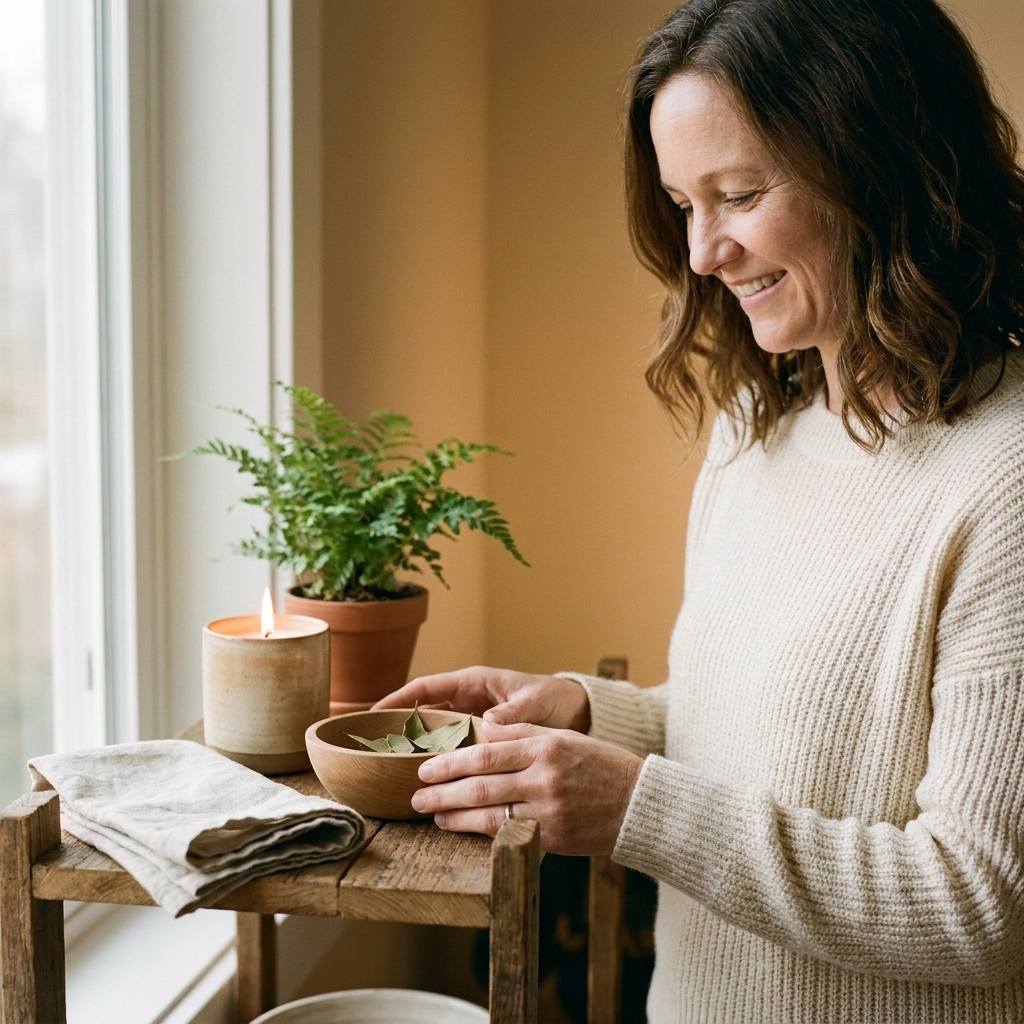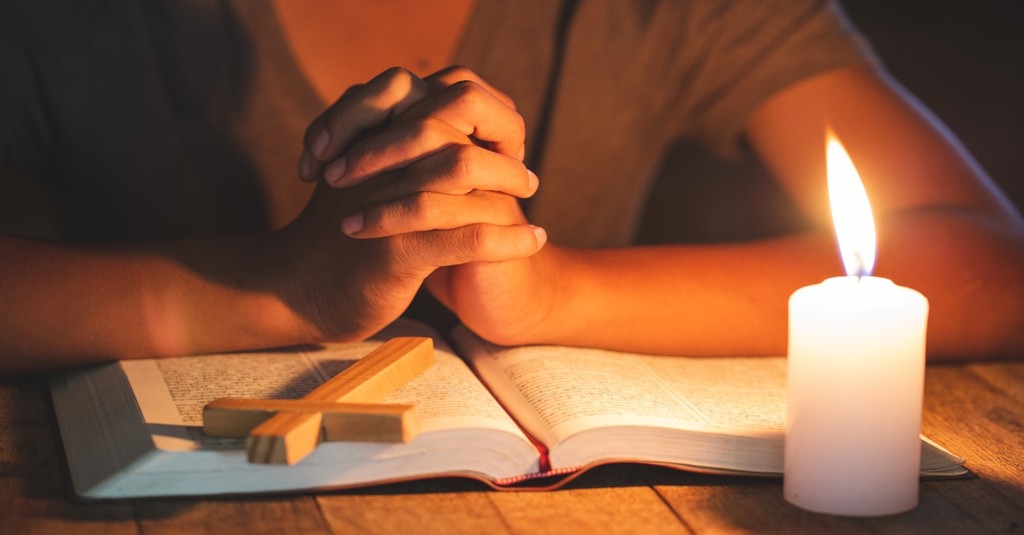
In my multi-faith childhood home, the same action could carry very different weight depending on what we called it. Lighting a candle before dinner might be a quick, practical habit on a busy weeknight. On Friday evening, that same flame could feel like a threshold into sacred time. At my grandmother’s house, it was also “just what our family does.”
Ritual, tradition, and routine often overlap, and that is why they get tangled in conversation. They can look identical from the outside. The difference is not primarily what you do, but why you do it, how it is held by community and memory, and whether it is meant to transform you or simply support your day.
Quick definitions
Routine
A routine is a repeated practice that supports daily life. Its goal is usually efficiency, stability, or health. Routines can be spiritual, but they do not have to be. A routine answers the question: How do I keep my life functioning?
- Making coffee the same way every morning
- Brushing your teeth before bed
- Doing a 10-minute breathing practice after work because it helps your nervous system unwind
Tradition
A tradition is a practice handed down through time and shared by a community, family, or lineage. Traditions carry story. They are often tied to identity. A tradition answers the question: Who are we, and where do we come from?
- Attending Easter services, Eid prayers, or Diwali celebrations each year
- Reciting a family blessing taught by an elder
- Singing the same hymns, qawwali, or nigunim that shaped earlier generations
Ritual
A ritual is a practice performed with intentional symbolic meaning, often marking a transition, offering devotion, or making space for reverence. Rituals can be ancient or brand new. What makes something a ritual is not its age, but its purposeful “set apart” quality. A ritual answers the question: What is happening in my soul, and how do I meet it with presence?
- Lighting a candle and naming a grief you have not had words for
- Taking communion, making wudu, chanting a mantra, or bowing in prayer
- Creating a short blessing before you start caregiving or begin a difficult conversation
How they differ in real life
Here is the simplest way I know to sort them, without making any of them “better” than the others.
Routine is about repetition
Routine is the spine of a day. It can reduce the number of daily decisions you have to make. It can be deeply kind to the mind and body, especially in seasons of anxiety, depression, new parenting, grief, or chronic illness.
A routine can be spiritual, but it does not require symbolism. For example, “I read a psalm every morning because it steadies me” can be routine, even though the content is sacred.
One way to tell you are in routine mode is that it still helps, even when you are too tired to feel inspired.
Tradition is about belonging
Tradition locates you. It says, “You are not alone in time.” Even when you practice privately, tradition connects you to ancestors, teachers, and communities who shaped the words and gestures you inherited.
Tradition also carries responsibility. It invites us to ask: Are we repeating something because it nurtures life, or because we are afraid to disappoint our group?
Sometimes tradition is as simple as showing up to the same meal, on the same day, with the same people, and letting the repetition hold you.
Ritual is about meaning-making
Ritual is how humans speak in symbol when ordinary language is too small. It is especially common around thresholds: birth, coming of age, marriage, death, illness, reconciliation, relocation, recovery.
A ritual can be part of a tradition, but it can also be personal and spontaneous. You can invent a ritual for the anniversary of a loss, and it is still ritual if it is held with intention and reverence.
One way to tell you are in ritual mode is that you are not just completing an action. You are paying attention to what the action is pointing toward.
Examples from worship, prayer, and devotion
Example 1: Morning prayer
- Routine: You sit with tea and read a short prayer daily at 7 a.m. because it keeps you grounded.
- Tradition: The prayer is from your religious community’s daily office, siddur, or devotional manual, and you pray it in continuity with others.
- Ritual: Before you begin, you pause, place a hand over your heart, and dedicate the prayer to a specific intention, like mercy for someone who hurt you. The moment is marked as sacred.
Example 2: Weekly worship service
- Routine: You go to services every week because it structures your weekend and keeps you socially connected.
- Tradition: The liturgy, readings, and calendar are inherited and shared. You are participating in a living stream.
- Ritual: The service includes deliberate symbolic actions, like receiving communion, offering salat in congregation, chanting, or prostration. These gestures can do something internally, not just externally.
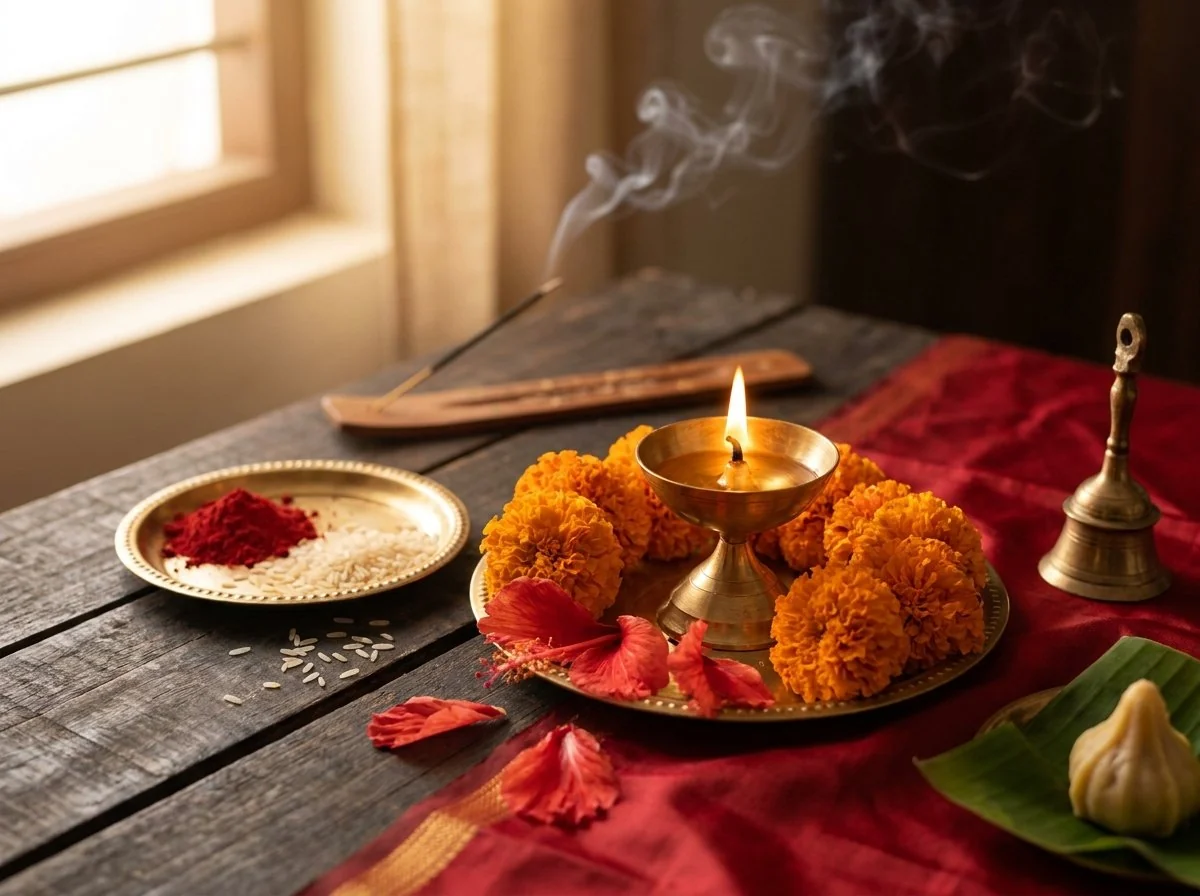
Example 3: A home altar or sacred corner
- Routine: You light incense every night because the scent cues relaxation.
- Tradition: The objects on your shelf reflect your lineage, like a rosary, a Buddha image, prayer beads, a mezuzah nearby, or a framed verse.
- Ritual: You light the incense as an offering, speak gratitude aloud, and sit for three breaths in conscious presence, treating the act as a threshold.
When each one gives life
Routine helps when you need steadiness
If your spiritual life feels scattered, routines can be merciful. A small repeatable practice, like three deep breaths before checking your phone, can be more spiritually effective than an ambitious plan you never keep.
Tradition helps when you need roots
Tradition offers language when your own words run out. It also holds wisdom about seasons of the soul. Fasting periods, festivals, sabbaths, and pilgrimages are historically complex, but they often function as shared reminders of what matters, especially when life gets noisy and forgetful.
Ritual helps when you need transformation
Ritual shines when life changes shape. It helps you metabolize transition. It can also help you reclaim agency, especially when the world has made you feel powerless. Even a simple ritual, like washing your hands slowly while releasing a difficult day, can become a quiet act of spiritual resistance.
Beyond religion: everyday examples
Even outside explicitly religious life, you can see these categories at work.
- Routine: A pre-game warm-up that keeps your body safe and ready.
- Tradition: Singing the same school song at graduation, year after year, because it marks who “we” are.
- Ritual: A moment of silence after a tragedy, where the point is not efficiency but collective presence.
When meaning leaks out
Any of the three can go numb. That does not mean you are doing it wrong. It means you are human.
Signs a routine has become hollow
- You do it automatically and feel nothing, but also feel no nourishment afterward.
- You keep increasing intensity or complexity because the basic practice feels bland.
- Skipping it makes you anxious or guilty, even when rest would be healthier.
Signs a tradition is being carried without care
- You feel pressured to perform belonging rather than actually belong.
- The practice reinforces shame, superiority, or exclusion that clashes with your core values.
- You cannot explain what the tradition points to anymore, only that it must be done.
Signs a ritual has turned into superstition or performance
- You believe the gesture “works” mechanically, even if your heart is absent.
- You are more focused on doing it correctly than on what it is meant to awaken.
- You use ritual to avoid real repair, like offering prayers instead of apologizing, or lighting candles instead of setting a needed boundary.
Presence is what makes a practice sacred. Without presence, even the most beautiful ceremony can become noise.
How to restore depth
If you recognize yourself in any of the signs above, you do not need to start over. Often, you only need a small return to intention.
1. Name the purpose
Before you begin, quietly say what this practice is for.
- “I’m doing this to remember I’m not alone.”
- “I’m doing this to offer gratitude.”
- “I’m doing this to ask for courage.”
2. Slow down one part
You do not have to slow everything. Choose one moment and give it your full attention: the first breath, the opening phrase, the washing of hands, the bow, the first note of a song.
3. Add a living element
Living elements wake us up. A bowl of water. A real candle. A flower from the yard. A spoken name. A moment of silence long enough to be slightly uncomfortable.
4. Invite honest emotion
Many people think spirituality requires a certain mood: calm, reverent, uplifted. In reality, ritual is strong enough to hold grief, anger, confusion, and joy. Bring what is real. That is where meaning returns.
5. Let tradition breathe
If you are part of a tradition, you can honor it and still let it meet your actual life. Sometimes that looks like learning the history behind a practice. Sometimes it looks like adapting gently: different music, a different posture, a shorter reading, a new accessibility need being honored.
Care, consent, and borrowing
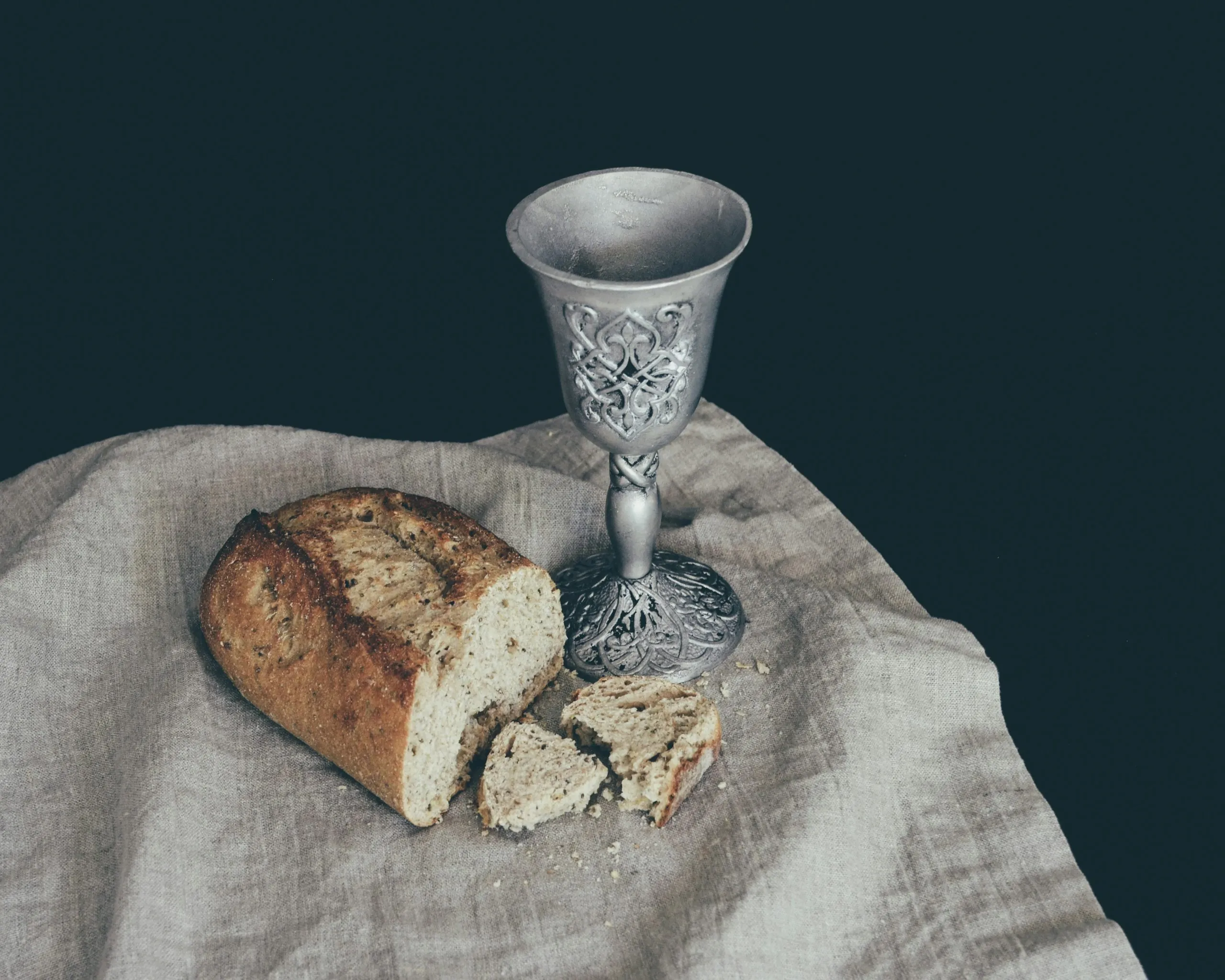
One more layer matters, especially when we talk about “creating your own ritual.” Participation should be chosen, not coerced. And if you are borrowing symbols from a culture or faith that is not yours, slow down and ask whether you are learning with humility, permission, and context, or simply taking what feels beautiful. A meaningful ritual should not come at the cost of someone else’s dignity.
A simple way to tell
When you are unsure whether something is a ritual, tradition, or routine, try these questions:
- If I stopped tomorrow, would my day fall apart? If yes, it is likely a routine.
- If I stopped tomorrow, would I feel disconnected from my people or my past? If yes, it is likely tradition.
- If I stopped tomorrow, would I feel like I skipped a sacred encounter or failed to honor a threshold? If yes, it is likely ritual.
Sometimes the honest answer is “all three.” That is not a problem. It is often a sign that a practice has matured and woven itself into your life.
FAQ
Can something be both a ritual and a routine?
Yes. Many daily prayers begin as ritual, then become routine through repetition. The invitation is not to panic when it feels routine, but to gently reintroduce intention. Even one mindful breath can turn the key.
Is tradition always religious?
No. Traditions can be cultural, familial, or communal without being explicitly religious. A yearly meal, a remembrance walk, or a shared song can be tradition. It becomes spiritual when it helps you live with more reverence, compassion, or meaning.
Do rituals have to be ancient to “count”?
No. Some of the most healing rituals I have witnessed were created in living rooms and hospital rooms. What matters is clarity of intention, respect for what the ritual symbolizes, and care for the people involved.
How do I keep a practice from becoming performative?
Try a small private version occasionally, with no audience and no pressure. Performance thrives on being watched. Presence thrives on honesty. If you can do the practice when nobody sees it, meaning often returns.
What if a tradition conflicts with my values?
You are allowed to wrestle with what you inherited. Sometimes the faithful act is to stay and help the tradition grow. Sometimes the faithful act is to set boundaries, practice differently, or step away. If you can, talk with trusted elders, clergy, or wise friends who can help you discern without shame or panic.
A closing reflection
Routine keeps us steady. Tradition keeps us connected. Ritual keeps us awake.
When your spiritual life feels thin, you do not necessarily need something new. You may simply need to remember what the familiar thing was trying to say. Light the candle again, if you want, but this time linger long enough to feel the warmth and ask: What am I really here for?