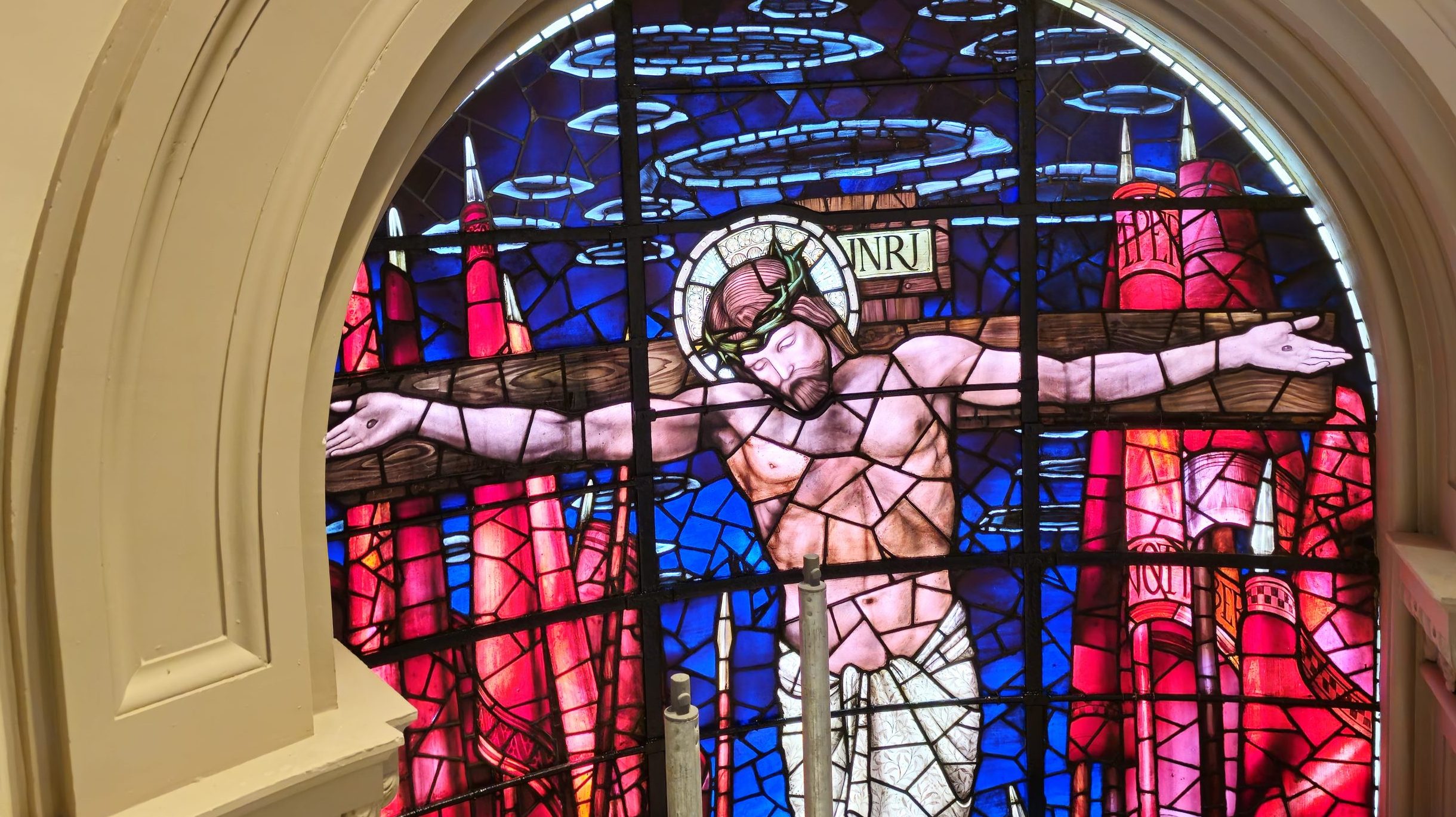
I learned early, in my multi-faith home, that forgiveness is one of those words everyone uses and almost no one defines the same way. In some traditions it sounds like emotional release. In others it feels like a moral duty. In Christianity, forgiveness is deeply personal, but it is also sturdy and specific. It names wrong, releases vengeance, and invites a different future.
So what is forgiveness in Christianity? At its heart, it is the act of pardoning a genuine wrong. Christians speak of forgiveness first as something God does for us, and then as something we are commanded and empowered to practice with others.

A simple definition
Forgiveness in Christianity is the decision to release a wrong as a debt owed to you, refusing to hold it against the offender, and entrusting justice to God. That does not mean the wrong was imaginary, small, or acceptable. It means you are choosing not to be the one who makes the offender pay you back in resentment, revenge, or ongoing condemnation.
The New Testament uses several words for forgiveness. One common verb is aphiēmi, which can carry the sense of releasing or sending away. And Jesus often teaches forgiveness using the language of debts and accounting, especially in Matthew (for example, Matthew 6:12; 18:21 to 35). Forgiveness is not denial. It is release.
Forgiveness starts with God
In classic Christian teaching, forgiveness is not primarily self-improvement. It is rescue. Christians believe sin is a real rupture, not only between people, but between humanity and God. The heart of the gospel is that God does not ignore sin, but deals with it through Jesus.
Key texts on God’s forgiveness
- 1 John 1:9: “If we confess our sins, he is faithful and just to forgive us our sins and to cleanse us from all unrighteousness.”
- Forgiveness is tied to confession and cleansing, not pretense.
- Ephesians 1:7: “In him we have redemption through his blood, the forgiveness of our trespasses.”
- Forgiveness is costly grace, not cheap amnesia.
- Psalm 103:12: “As far as the east is from the west, so far does he remove our transgressions from us.”
- God’s forgiveness is described as removal, not endless replay.
- Isaiah 1:18 (wording varies by translation): Though sins are “like scarlet” or “red like crimson,” God promises cleansing and renewal.
- Forgiveness is not only pardon. It is also God’s commitment to make people clean and new.
This is one reason Christians talk about forgiveness with such seriousness and such hope. If God is willing to forgive, Christians understand themselves as people who live by mercy, not by merit.
The call to forgive others
Christian forgiveness does not stop at “God forgave me.” It moves outward. Jesus makes forgiving others a central practice of discipleship, not an optional advanced course.
Key texts on forgiving others
- Matthew 6:12: In the Lord’s Prayer, Jesus teaches us to pray, “forgive us our debts, as we also have forgiven our debtors.”
- Forgiveness is not abstract. It is meant to shape daily life, right down to how we handle what others “owe” us.
- Matthew 6:14 to 15: Jesus links our willingness to forgive with our openness to receiving God’s forgiveness.
- This is not a simple transaction. It is about belonging to the kind of life God is creating.
- Matthew 18:21 to 22: When Peter asks about limits, Jesus answers with a number that signals “do not keep score.”
- Forgiveness is not meant to be rationed.
- Luke 23:34: Jesus prays from the cross, “Father, forgive them.” (Some manuscripts omit this line, but it is widely received and taught in the church.)
- Christians treat it as both revelation and example: God’s heart is forgiving even in the face of grievous wrongdoing.
- Colossians 3:13: “As the Lord has forgiven you, so you also must forgive.”
- The pattern is not our own stamina, but God’s prior mercy.
Notice what is assumed in these passages: that harm is real. Forgiveness is not a performance for polite society. It is an act of spiritual strength that faces reality and chooses a different future.
Mercy, grace, and forgiveness
These words overlap, but they are not identical. In everyday Christian speech, people mix them, and that is understandable. Still, a little clarity helps.
- Mercy is compassion shown to someone who deserves judgment. It is a withholding of punishment.
- Grace is undeserved gift. It is receiving good you did not earn.
- Forgiveness is pardon of a wrong. It is the cancellation of a moral debt, and it often includes mercy and makes room for grace.
You can think of it like this: mercy speaks to what is not done to you (judgment withheld), grace speaks to what is given to you (undeserved help), and forgiveness speaks to what is released (the debt of wrongdoing).
What forgiveness is not
Many people avoid forgiveness because they confuse it with things Scripture does not require. Naming what forgiveness is not can be a relief, especially for people healing from betrayal, spiritual abuse, or long family histories.
Not excusing
To forgive is not to call evil “not so bad.” Jesus names sin as sin. Christians forgive precisely because the wrong matters.
Not forgetting
Some memories fade, others do not. The Bible’s language is often covenantal: God does not “remember” our sins against us, meaning he chooses not to treat us according to them (see Jeremiah 31:34). That is different from a mind that never recalls the event.
Not instant trust
Forgiveness can be immediate, but rebuilding trust is usually gradual, and sometimes it is not wise or possible. Scripture distinguishes between forgiveness and relationship closeness. Reconciliation requires repentance, change, and safety.
Not removing consequences
Canceling a debt of condemnation does not erase every outcome. In Christian teaching, many believers hold that God can forgive and still use consequences for growth and wisdom. In human relationships, boundaries and legal accountability can be appropriate even when forgiveness is genuine.
Not tolerating ongoing harm
Forgiveness does not mean staying in a situation where you are being harmed. Seeking protection, support, and distance can be compatible with a forgiving heart.
Forgiveness and repentance
This is one of the tender questions people ask in pastoral settings: “Do I have to wait for an apology?” Christianity holds two truths in tension.
- God’s forgiveness is offered to repentant sinners. Texts like Acts 2:38 and 1 John 1:9 tie forgiveness to repentance and confession.
- Christians are also called to cultivate a forgiving posture. Jesus models forgiveness in the face of hostility, and believers are taught to relinquish vengeance (Romans 12:19).
Practically, many Christians distinguish between forgiving (releasing the debt and refusing revenge) and reconciling (restoring relationship). Reconciliation typically requires repentance and changed behavior. Forgiveness can be extended even when reconciliation is not possible or safe.

Feeling or choice?
In Christian spirituality, forgiveness is fundamentally a choice of the will, not a mood you wait for. Feelings matter, and they often lag behind the decision.
When people tell me, “I can’t forgive because I still feel angry,” I usually respond gently: anger can be a sign that something precious was violated. Forgiveness does not require you to feel nothing. It asks you to stop feeding the desire to punish and to begin handing the case, little by little, to God.
Two clarifying sentences
- Unforgiveness says: “You owe me, and I will collect, even if only internally, through contempt.”
- Forgiveness says: “You did wrong, and I release my right to revenge. God will be judge, and I will pursue healing.”
That shift may come with relief, grief, trembling, or nothing at all at first. In Christianity, forgiveness is often practiced before it is felt.
Forgiveness and justice
One of the most common misconceptions is that forgiveness and justice are enemies. In Christianity, forgiveness is grounded in the belief that justice belongs to God, and therefore vengeance does not have to belong to you.
Paul writes, “Beloved, never avenge yourselves, but leave it to the wrath of God” (Romans 12:19). That verse is sometimes misused to silence victims, so let me say this clearly: leaving room for God’s justice is not the same as refusing accountability. It can include reporting crimes, telling the truth, seeking restitution, and setting firm boundaries.
Forgiveness is not a denial of justice. It is a refusal to let justice mutate into personal vengeance that corrodes your soul.
A gentle practice
Forgiveness is rarely a single moment. More often, it is a series of small surrenders. Here is a simple Christian-shaped practice you can try, especially if you are not ready for big declarations.
- Name the wrong honestly. In prayer or journaling, state what happened without minimizing it.
- Name what it cost you. Forgiveness is easier when you acknowledge the grief underneath the anger.
- Release the debt to God. You can pray: “God, I release my right to revenge. Hold this with your justice and mercy.”
- Choose one wise boundary. Forgiveness is not boundarylessness. Decide what health requires right now.
- Repeat as needed. Many hurts resurface. Re-forgiving is not failure. It is practice.
If your story includes trauma or ongoing danger, forgiveness work is best done with trusted support: a therapist, pastor, spiritual director, or safe community.

Different traditions
Christians share a core vision of forgiveness, but they do not all practice it in identical ways. Protestants often emphasize confession directly to God through Christ. Catholics and Orthodox also stress confession and repentance, often practiced sacramentally with a priest as part of the church’s life of healing. Across these differences, the center holds: forgiveness is God’s mercy toward real sin, and a way of life for forgiven people.
Common questions
Do Christians have to forgive everyone?
Jesus’ teachings press Christians toward a broad, generous forgiveness. That said, forgiving does not mean granting access, trust, or relationship. You can forgive and still keep distance.
What if the person never apologizes?
Christian practice often encourages releasing the debt to God even without an apology, so that bitterness does not become a second wound. Reconciliation, however, generally requires repentance and change.
Does forgiveness mean I stop feeling hurt?
Not necessarily. Forgiveness is compatible with grief. Over time, many people find the intensity changes, but Christianity does not treat pain as proof you have failed to forgive.
Is God’s forgiveness automatic?
Christians believe God is eager to forgive, and that forgiveness is grounded in Christ. The New Testament consistently invites repentance, faith, and confession as our response to that gift (see Acts 2:38; 1 John 1:9).
Forgiveness as a life
In Christianity, forgiveness is not a sentimental idea. It is a discipline anchored in the character of God. God pardons real wrongs, and then teaches forgiven people how to live without endlessly keeping score.
If forgiveness feels impossible today, you are not alone. Start small. Tell the truth. Ask God for help. And remember that in Christian faith, forgiveness is not something you manufacture out of thin air. It is something you receive, and then slowly, sometimes tremblingly, learn to pass on.