
The first time I heard the Jesus Prayer prayed slowly, I was sitting near the back of a small Orthodox chapel. No spotlight. No stage. Just the quiet rhythm of breath, candlelight, and a few voices returning again and again to one sentence: “Lord Jesus Christ, Son of God, have mercy on me, a sinner.”
It struck me as both bracing and tender. Bracing because it tells the truth about me. Tender because it entrusts that truth to mercy.
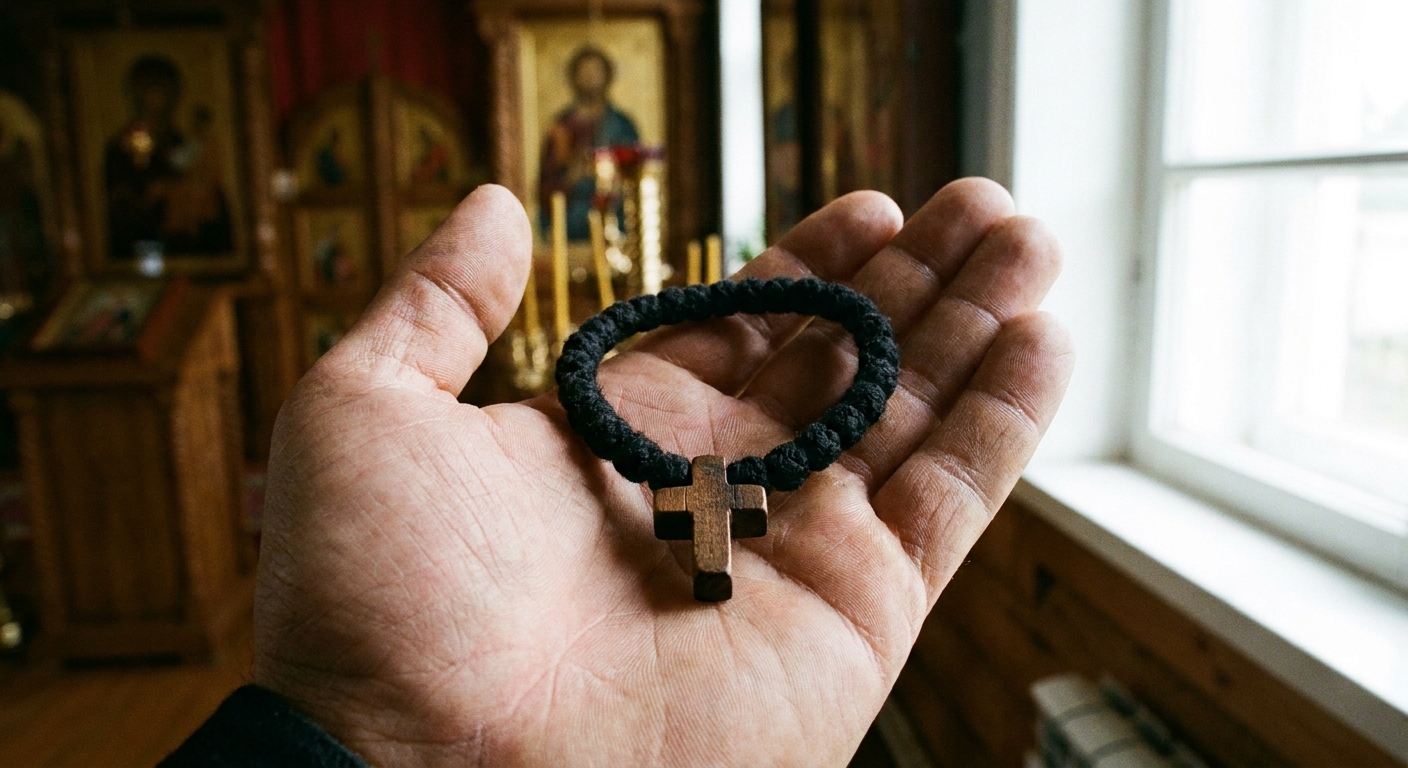
If you are curious about what this prayer is, where it comes from, and how to practice it without overthinking, you are in the right place.
The Jesus Prayer in one sentence
The Jesus Prayer is a short, repetitive Christian prayer that calls on Jesus by name and asks for mercy:
“Lord Jesus Christ, Son of God, have mercy on me, a sinner.”
In Eastern Orthodox and Eastern Catholic traditions, it is often prayed many times, gently, with attention to the heart and the breath. The goal is not to rack up repetitions, but to become more awake to God’s presence and more honest about our need.
You may also hear shorter versions, such as:
- “Lord Jesus Christ, have mercy on me.”
- “Jesus, Son of God, have mercy.”
- “Lord, have mercy.”
The words are simple. The work is lifelong.
Where it comes from in the Gospels
The Jesus Prayer is not a random spiritual mantra. It is stitched together from Gospel language and Gospel posture, especially the stance of humble, persistent prayer.
Its exact phrasing developed over time in the Church’s life of prayer, especially in monastic settings. Still, its roots are thoroughly biblical.
1) The tax collector’s plea for mercy
In Jesus’ parable of the Pharisee and the tax collector, the tax collector prays without flourish:
“God, be merciful to me, a sinner!” (Luke 18:13)
Jesus says this man goes home justified (Luke 18:14). The prayer is direct, honest, and relational. Not self-hatred, not performance. Just truth offered to God.
2) The cry of the blind man
In Luke 18:38, a blind man calls out:
“Jesus, Son of David, have mercy on me!”
He refuses to be shushed. He keeps asking. Mercy is not an abstract idea for him. It is hope with a voice.
3) Confessing who Jesus is
The opening lines, “Lord Jesus Christ, Son of God,” echo the Church’s confession about Jesus’ identity. You can hear resonances of Peter’s confession (Matthew 16:16) and the language of faith that runs through the New Testament.
So the Jesus Prayer holds two truths together: who Jesus is, and who I am.
Why Eastern Christians pray it
In Eastern Christianity, the Jesus Prayer is closely associated with hesychasm, a tradition of inner stillness. “Hesychia” in Greek points to stillness, quiet, and silence, not as emptiness but as attentive presence.
At the same time, you do not have to be a hesychast, or even living anything like a monastic life, to pray it. Many ordinary believers pray the Jesus Prayer simply because it is short, honest, and can be carried into the middle of real days.
You will sometimes hear the phrase “prayer of the heart”. That does not mean prayer that is sentimental. It means prayer that moves from the head, where we analyze and defend ourselves, down into the deeper place where we can repent, receive, and be made whole.
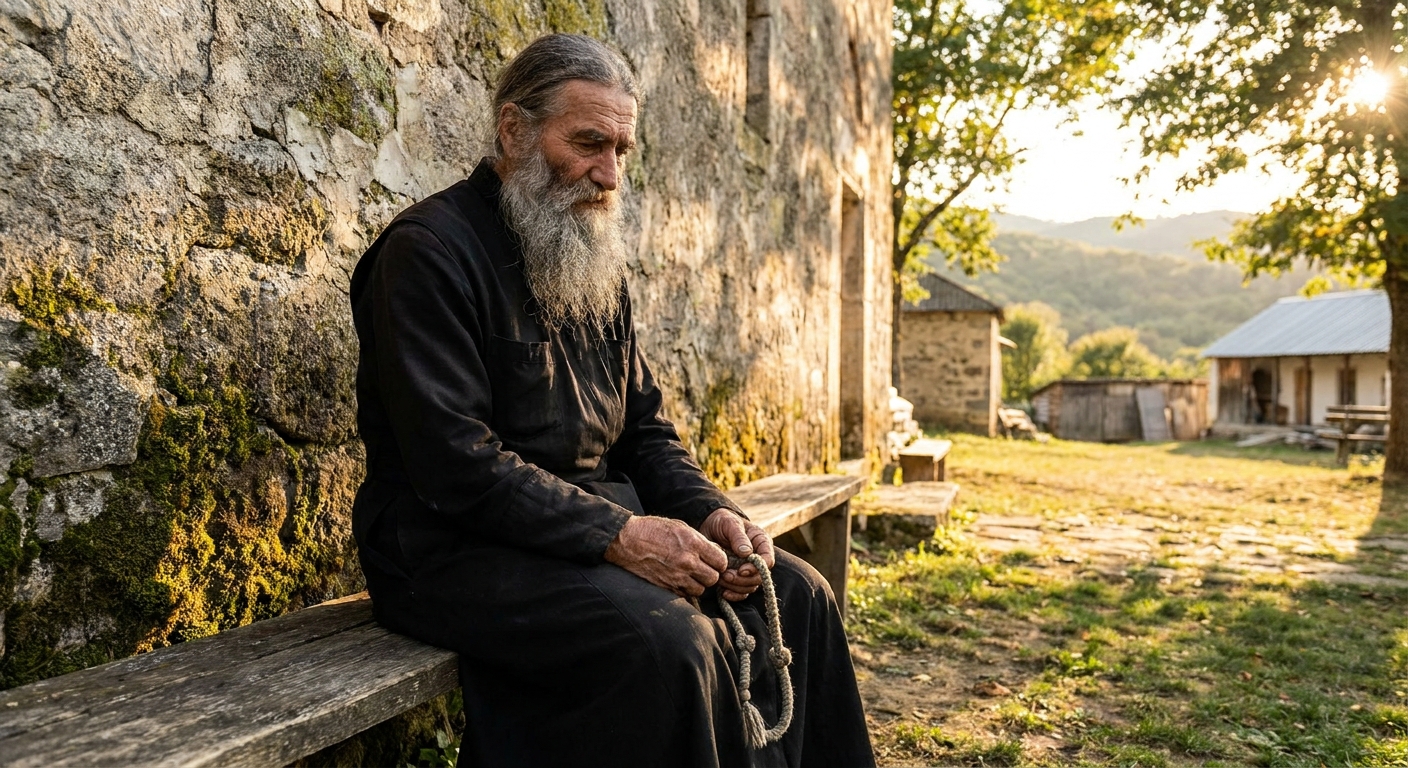
What the words actually mean
“Lord”
This is allegiance and trust. I am not the center. I am not the final authority on my life. It is a small word that reorders the room inside me.
“Jesus Christ, Son of God”
This is both intimacy and theology. The name “Jesus” makes the prayer personal. The titles “Christ” and “Son of God” anchor it in Christian faith, not vague spirituality.
“Have mercy on me”
Mercy is more than “letting me off the hook.” In the biblical sense, mercy is God’s active compassion toward someone in need. It includes forgiveness, yes, and also healing, help, and restoration.
“A sinner”
This line can be misunderstood. In healthy spiritual practice, it is not a way to rehearse shame. It is a way to stop pretending. It says: I miss the mark. I am not self-sufficient. I need grace.
If the word “sinner” feels too charged right now, you can start with “have mercy on me” and let the fuller form come with time. God is not testing your vocabulary. God is meeting your honesty.
A simple way to pray the Jesus Prayer
You do not need special equipment, a perfect mood, or a monastery schedule. You need a few minutes and a willingness to return when you get distracted.
Step 1: Choose a small, realistic time
Start with 2 to 5 minutes. More is not always better at the beginning. Consistency matters more than intensity.
Step 2: Sit or stand with steadiness
Let your body be honest. Feet on the floor, shoulders soft. If you are able, keep your spine upright. If you are tired or unwell, pray lying down without guilt.
Step 3: Breathe naturally and pray gently
You can simply repeat the prayer at a calm pace. Some people pair it with the breath, without forcing it:
- On the inhale: “Lord Jesus Christ, Son of God”
- On the exhale: “have mercy on me, a sinner”
The breath is not magic. It is just a humble way to stay present.
One gentle caution, especially if you are anxious or prone to over-focusing: do not strain, hold, or manipulate your breathing. Keep it light. If you ever want to make breath coordination more deliberate or intense, it is wise to seek guidance from a trusted priest or spiritual director.
Step 4: When you wander, return without scolding yourself
Your mind will wander. That is not failure, it is human. Each return is part of the prayer.
Step 5: End simply
When your time is up, pause for one quiet breath. You might add “Amen,” or make the sign of the cross if that is part of your tradition. Then carry on with your day, a little less clenched.
Do I need a prayer rope?
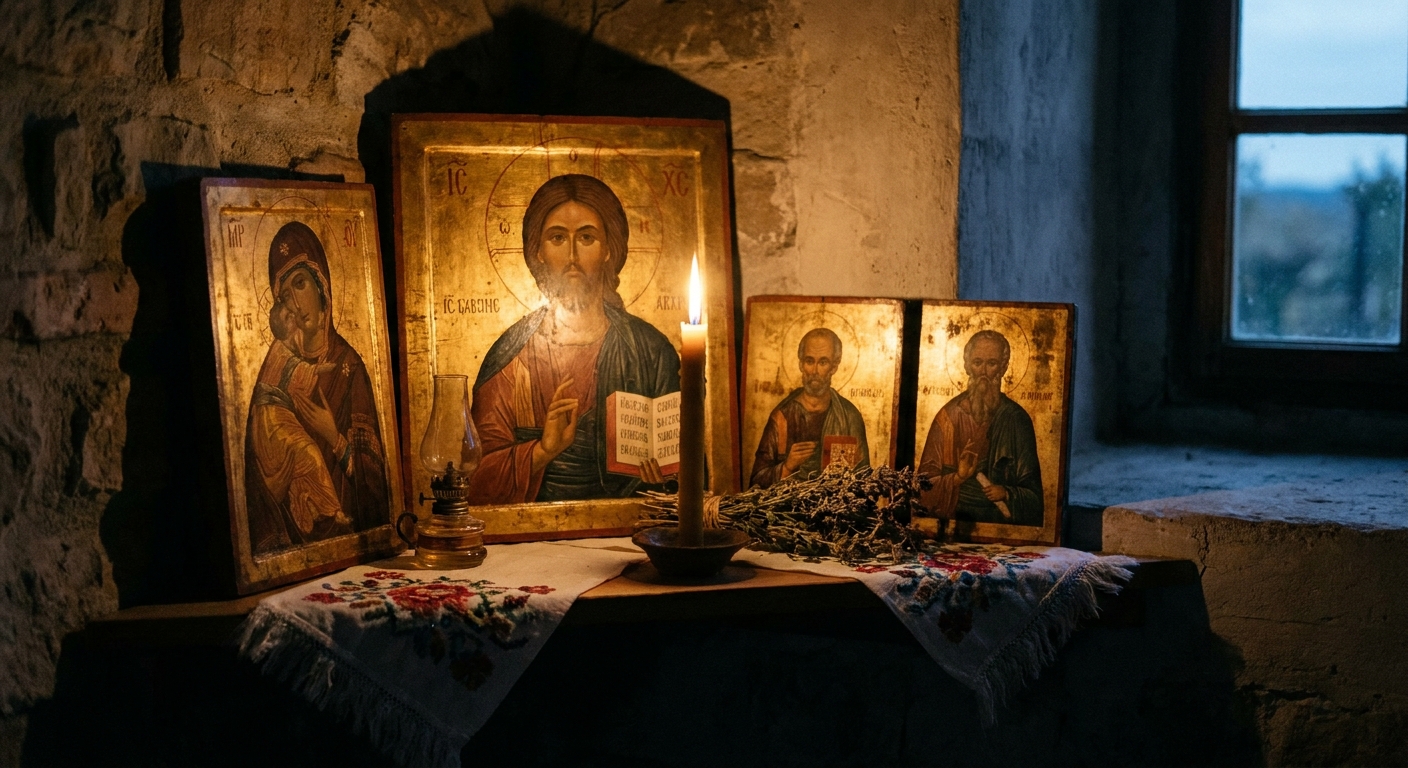
No. A prayer rope, often called a komboskini (Greek) or chotki (Slavic), is a tactile aid used to keep count and to help the hands settle. Depending on region and tradition, you may hear other names as well. If you have one, you can move one knot per prayer. If you do not, you can use your fingers, beads you already own, or no counter at all.
The heart of the practice is not counting. It is consenting to mercy.
How this relates to the Rosary and the Examen
Faith is full of simple practices that return us to God through repetition, reflection, and attention. For orientation:
- The Rosary is a Western Christian devotion that prays set prayers while meditating on key events in the lives of Jesus and Mary. Like the Jesus Prayer, it uses repetition, often with beads.
- The Ignatian Examen is a reflective daily practice from the Jesuit tradition that reviews the day with God, noticing consolation, desolation, gratitude, and where you may be invited to change. Unlike the Jesus Prayer’s brief repeated phrase, the Examen is more like a guided review of your inner life.
All three can deepen a life of prayer. They simply do so with different rhythms and emphases.
Common questions and gentle cautions
Is the Jesus Prayer “vain repetition”?
Jesus warns against empty, performative prayer (Matthew 6:7). The Jesus Prayer is not meant to be empty. It is meant to be full, full of attention, humility, and love. If repetition becomes mechanical, that is a cue to slow down, shorten the time, or pause in silence for a moment.
Is it only for Orthodox Christians?
It belongs especially to Eastern Christian practice, but many Christians across traditions have found it nourishing when approached respectfully. If you are not Orthodox, it can be wise to learn from Orthodox sources and, if possible, speak with a trusted spiritual director or pastor about integrating it into your prayer life.
What if “a sinner” triggers shame?
Then go slowly. The prayer is not asking you to despise yourself. It is inviting you to bring your real self to a merciful God. You can start with “Lord Jesus Christ, have mercy on me,” and let the fuller words come later, or speak them with the emphasis on God’s mercy rather than your self-judgment.
What if repetition increases anxiety?
For some people, repetition is steadying. For others, especially those prone to scrupulosity or spiraling thoughts, it can feel like pressure. If that happens, shorten the time, simplify the words, or pray it once and then sit quietly. If you feel stuck, reach out to a trusted priest, pastor, or spiritual director for guidance.
Can I pray it during anxiety?
Many people do, quietly, in a waiting room, on a walk, during insomnia, or in the swirl of caregiving. It is not a substitute for professional mental health care when that is needed, but it can be a steadying companion, especially when your thoughts feel louder than your faith.
A closing way to begin today
If you want a simple starting point, try this tonight or tomorrow morning:
- Set a timer for 3 minutes.
- Sit comfortably.
- Pray, slowly: “Lord Jesus Christ, Son of God, have mercy on me, a sinner.”
- When your mind wanders, return gently.
And if all you can manage is one sincere whisper, that still counts. Mercy does not require momentum. It requires openness.