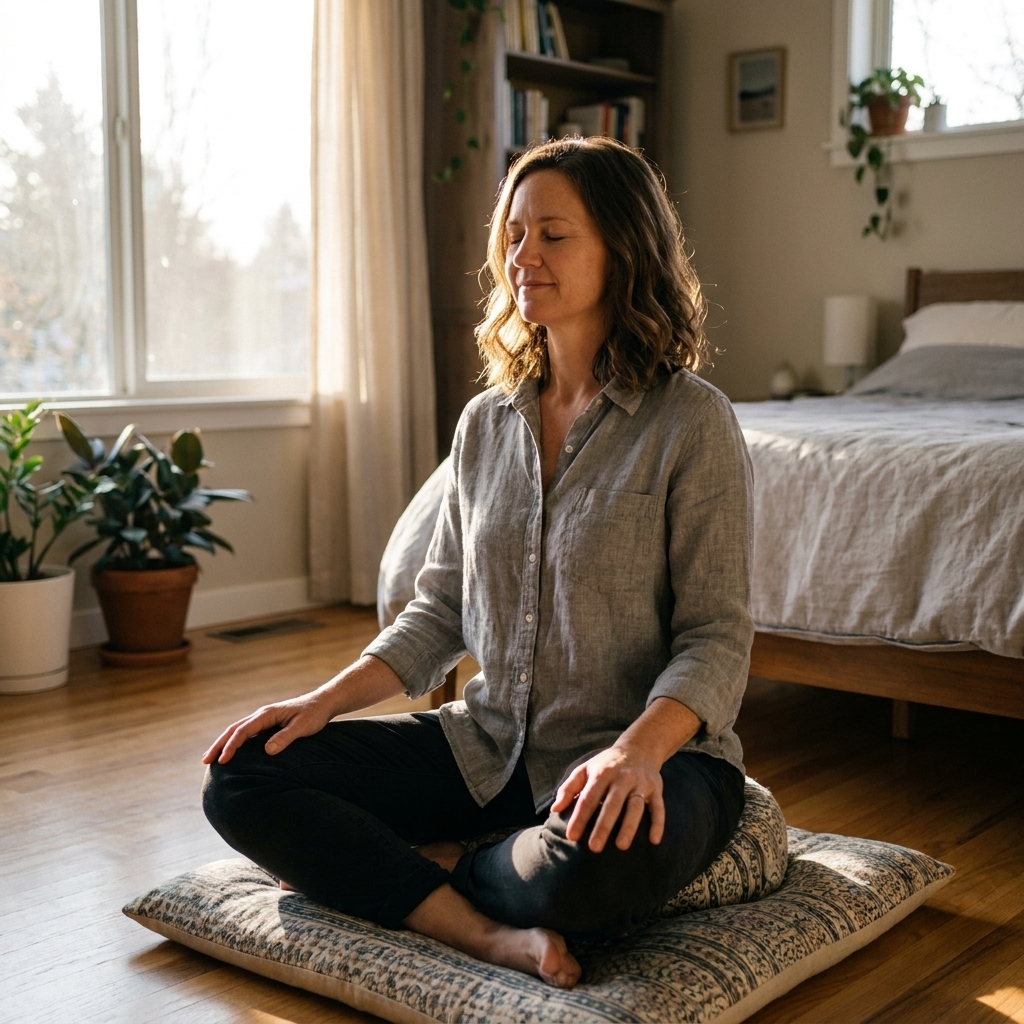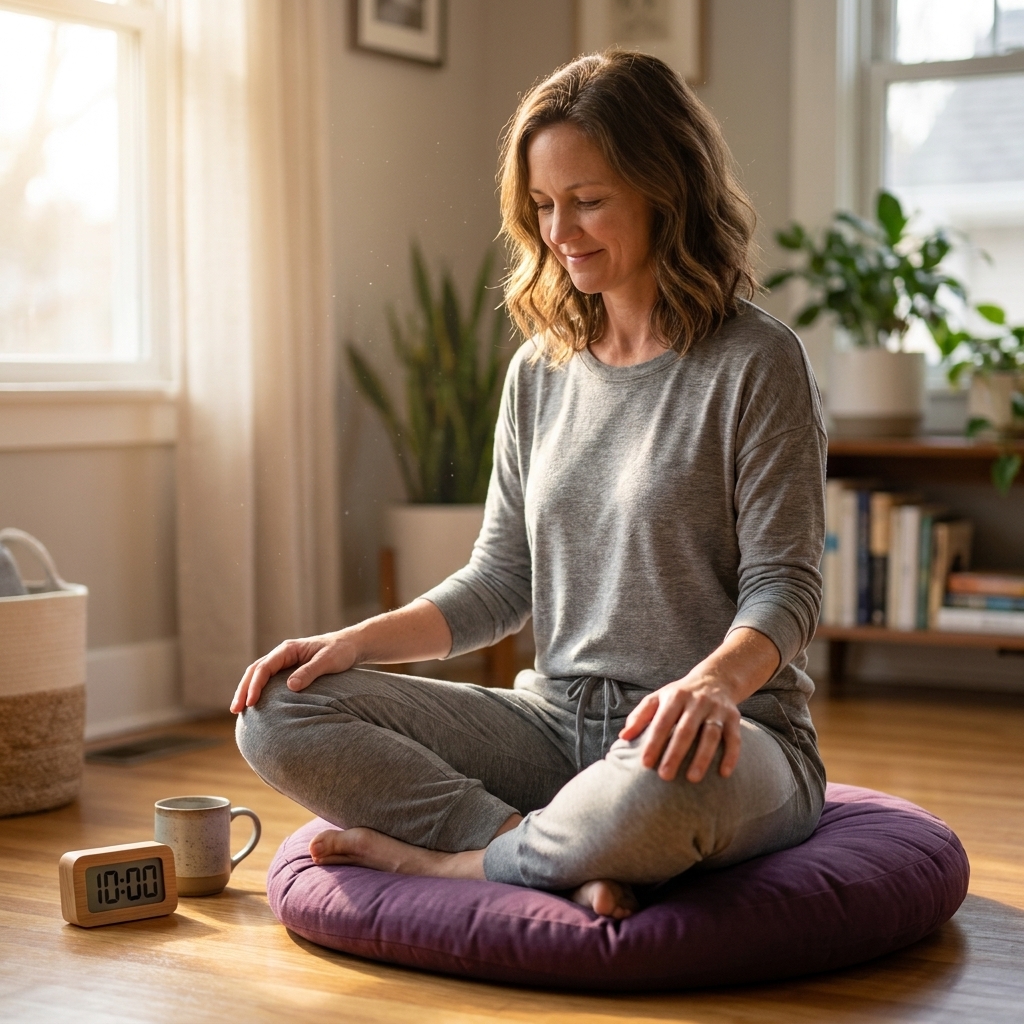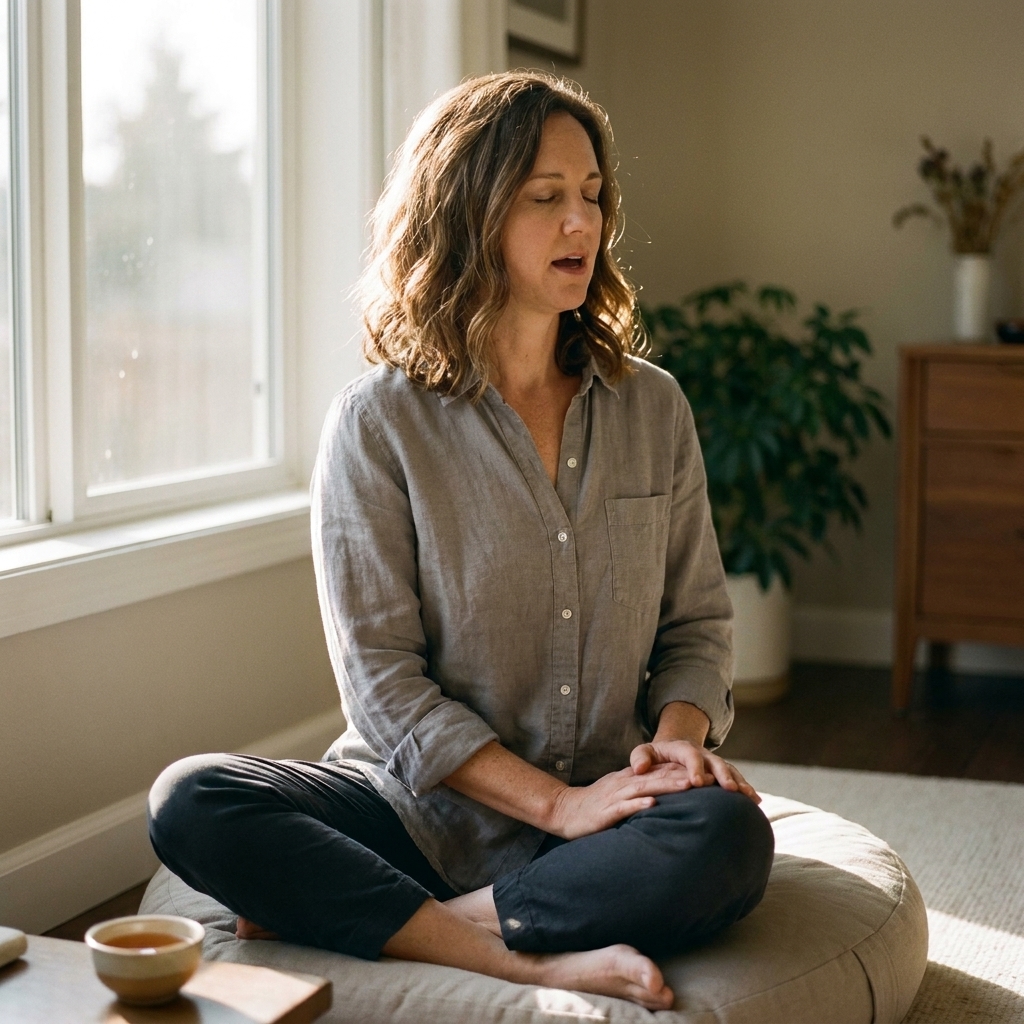
Some days, prayer feels like a clear river. Other days it feels like trying to cup water in your hands: thoughts spill out, the to-do list interrupts, and your heart arrives late to its own devotion. Mindfulness does not replace traditional prayer. It simply helps you arrive more fully for it.
In many traditions, this is not new at all. Monastics have long practiced recollection, Sufis remember the Divine through dhikr, Hindus and Buddhists anchor attention with mantra or japa, and Jewish and Christian contemplatives return again and again to the simplicity of a sacred phrase, such as the Jesus Prayer. Mindfulness is the skill of returning, kindly, without drama.
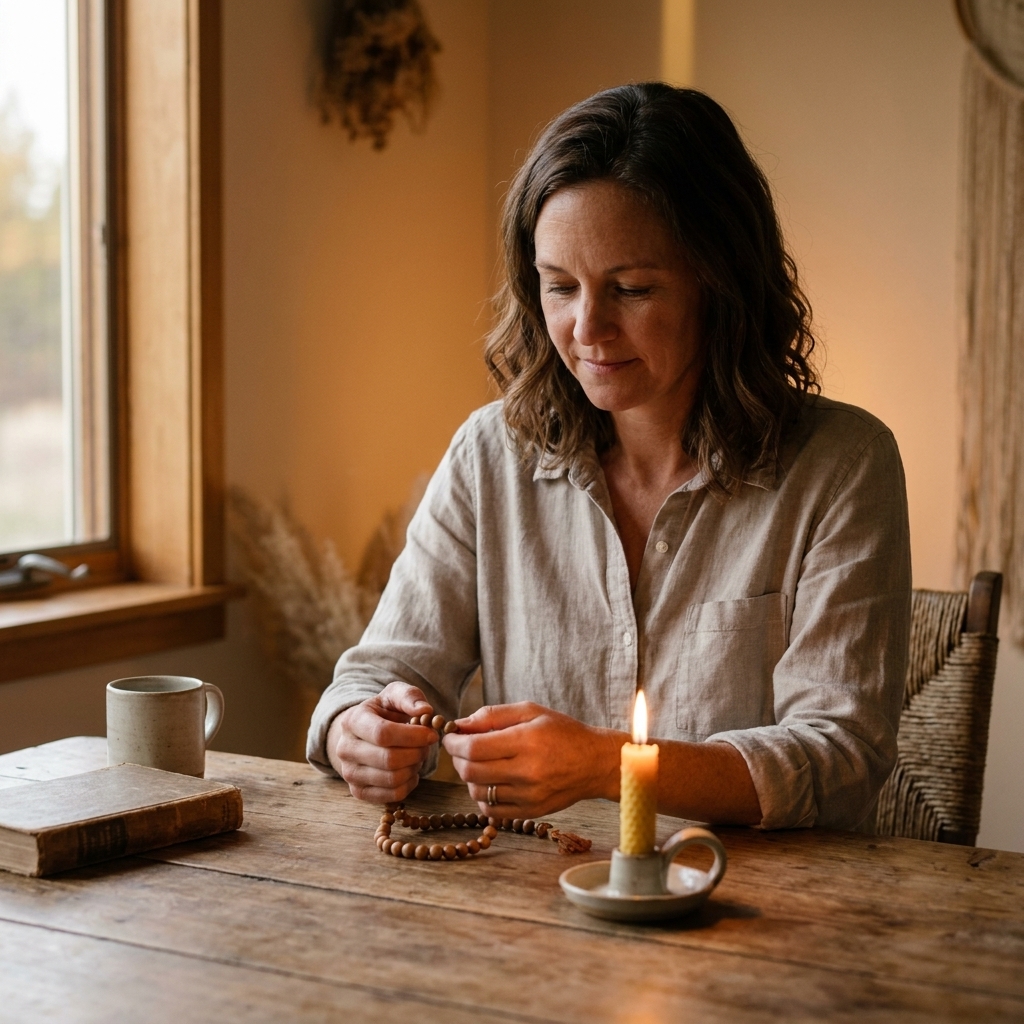
Below are five techniques you can start today, whether your prayer is formal or spontaneous, scripted or spoken, kneeling or walking. Take what serves you. Leave what does not. And let gentleness be your teacher.
1) Start with one minute of breath
Most of us rush into prayer the way we rush into everything else, carrying the noise of the day on our shoulders. A single minute of mindful breathing creates a threshold between ordinary busyness and sacred attention.
How to do it
- Settle your posture in whatever way is respectful in your tradition: seated, standing, or kneeling.
- Inhale for a slow count of four, exhale for a slow count of six, if comfortable. Repeat for about a minute.
- On each exhale, silently offer a simple intention such as Here I am, Peace, or Receive me.
If counting feels too technical, simply feel the breath at the nostrils or the rise and fall of the chest. The point is not perfect calm. The point is consent: you are choosing to be present.
Prayer often begins not with words, but with willingness.
2) Pray with your body
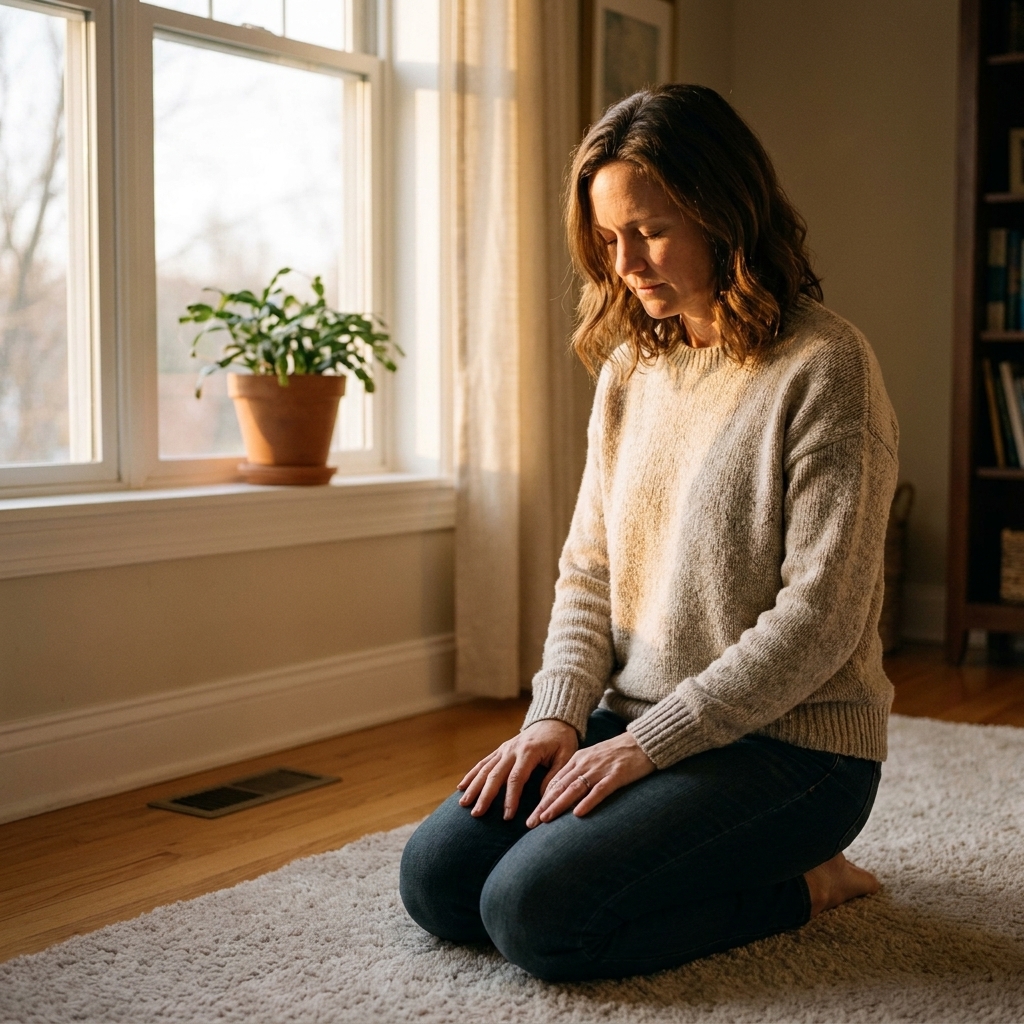
Traditional prayer already has an embodied language: bowing, kneeling, lifting hands, touching the forehead, prostrating, lighting a candle, washing, facing a direction. Mindfulness makes these gestures less automatic and more alive.
A quick body scan
Before you begin your usual words, take 20 to 30 seconds to notice:
- Where your feet meet the floor
- The softness or tension in your jaw and shoulders
- The temperature of your hands
- Any emotion present in the chest or belly
Then let the prayer meet what you found. If there is tightness, you can pray from that place honestly: May I be held in this. If there is gratitude, let it fill the gesture you make.
3) Use a sacred phrase
Minds wander. That is not a failure. That is the human condition. The mindful move is the return, and traditional prayer offers beautiful anchors for returning.
Choose an anchor that fits
- A name of the Divine (spoken softly or silently)
- A short line from scripture you already love
- A prayer of the heart passed down in your community
- A simple devotional phrase such as Lord, have mercy, Jesus, mercy, Allah or Ya Latif (in dhikr), Om, or a line such as Shema Yisrael...
When you notice you have drifted into planning, replaying, or worrying, do not scold yourself. Gently return to your anchor as if guiding a child back by the hand. This is mindfulness inside prayer: attention rooted in love.
If your prayer is longer, you can treat the anchor like a refrain, returning to it between paragraphs or after each section of a liturgy.
4) Practice listening prayer
Many of us were taught that prayer is primarily speaking. But many traditions also honor prayer as listening: stillness, receptivity, contemplation, waiting. You can see this in Quaker silence, Christian contemplative prayer, and Islamic practices of inward watchfulness such as muraqabah. Mindfulness helps you stay with the silence long enough to notice what is true and present.
A simple rhythm
- Speak one honest sentence of prayer.
- Pause for three slow breaths.
- Receive whatever arises: an image, a feeling, a softening, a resistance, or simply quiet.
- Respond with one sentence: gratitude, request, confession, or trust.
If nothing arises, that is also something. Let the quiet be the prayer. In listening prayer, we are not chasing mystical experiences. We are practicing faithful presence.
5) Close with one small act
Mindfulness becomes transformative when it leaves the cushion, the prayer rug, the pew, the bedside. A closing practice seals your prayer into the body and helps it travel with you.
Choose one closing action
- Dedicate the fruits of your prayer for someone who is suffering.
- Name one next kind step: a message you need to send, a boundary you need to keep, an apology you need to make.
- Touch a sacred object briefly with attention: beads, a text, a candle, a mezuzah, a cross, a prayer mat.
- Bless your ordinary life with one sentence: May my work be service or Let my words be gentle.
Then take one slow breath before you stand. Let the transition be unhurried. You are not leaving prayer behind. You are carrying it forward.
Common concerns
What if mindfulness feels too "Eastern"?
Mindfulness, at its simplest, is careful attention with compassion. That skill can serve any devotional path. If certain language feels foreign, translate it. Instead of mindfulness, you might use recollection, watchfulness, presence, or remembrance.
What if I fall asleep?
Try praying with a more upright posture, open your eyes softly, or pray while standing or walking. You can also shorten the silent pauses and lengthen them gradually over time.
What if my mind is anxious?
Start smaller: 30 seconds of breath, one anchor phrase, one gentle return. Anxiety can soften when it is met with steadiness rather than force, but results vary from day to day. If intense distress persists, it can help to speak with a trusted spiritual leader or mental health professional alongside your prayer practice.
What if hard feelings surface?
Sometimes quiet makes buried emotion more noticeable. If you feel overwhelmed, ground in something simple and physical: feel your feet on the floor, open your eyes, name five things you can see, and return to a shorter practice. If mindfulness or prayer activates trauma, seek support from a qualified therapist or a trusted pastoral caregiver.
A 7 minute prayer flow
If you want a single structure that includes all five techniques, here is a short flow:
- 1 minute: mindful breathing as a threshold.
- 1 minute: body scan, soften jaw and shoulders.
- 2 minutes: pray your usual words or read a short passage slowly.
- 1 minute: repeat a sacred word or phrase as an anchor.
- 1 minute: listening pause, three breaths at a time.
- 1 minute: dedicate, bless, and choose one mindful act to carry into the day.
Over time, prayer becomes less like performing for the Divine and more like meeting the Divine in the real terrain of your life: breath, body, attention, love.