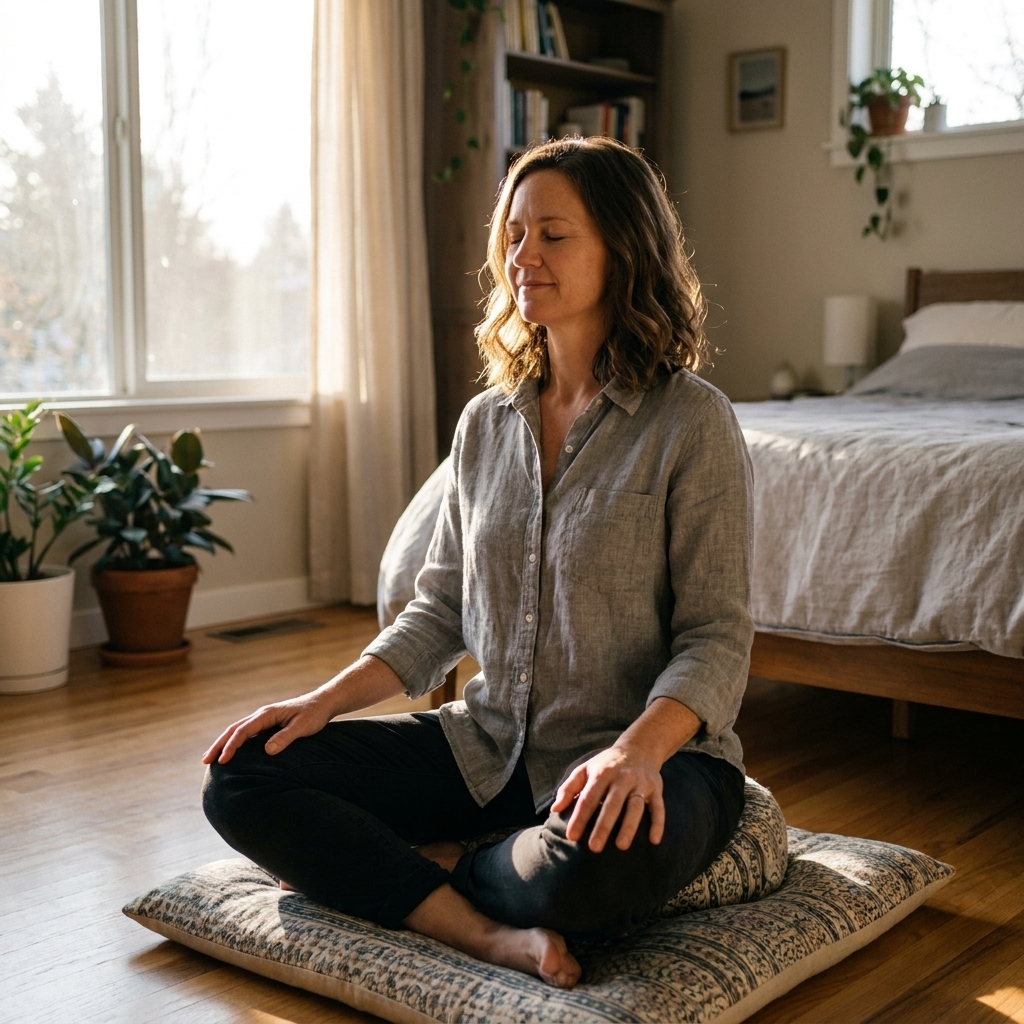
Prayer does not have to be long, fancy, or perfectly worded to be real. If you are new to praying, or returning after years away, the best place to begin is the place you actually are. Busy. Tender. Curious. Maybe a little unsure.
This guide is a simple way to start, with steps small enough to carry into ordinary mornings and tired evenings. Think of it like lighting a candle. The flame can be tiny and still change the room.
Step 1: Choose a time you can keep
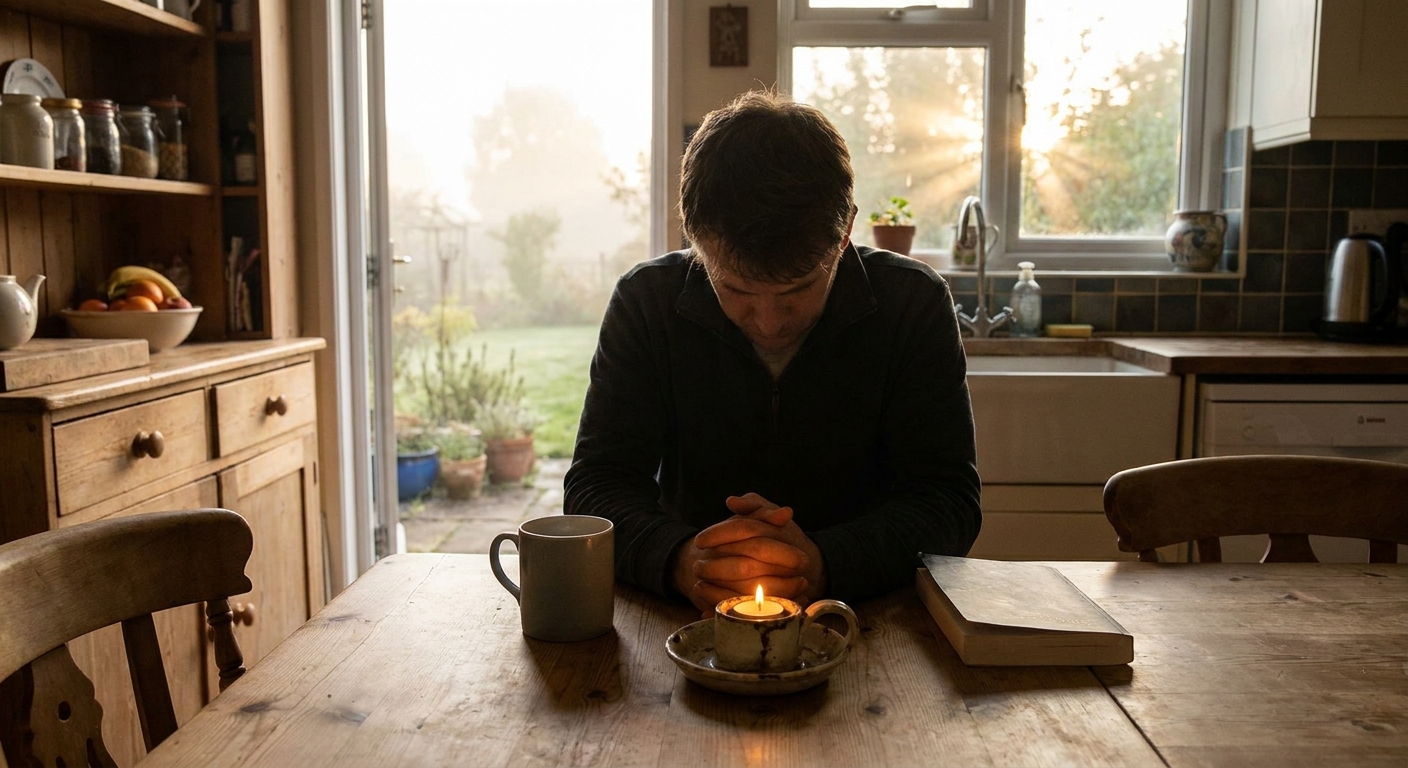
Consistency is more important than intensity. If you pick a time that fights your actual life, your prayer practice will quietly become another guilt project. Instead, choose a moment that already exists.
Three beginner-friendly options
- Morning: before checking your phone, while coffee or tea is brewing, or right after brushing your teeth.
- Midday: a one-minute pause before lunch, in your car, or during a short walk.
- Evening: when you turn off the kitchen lights, after you plug in your phone, or as you get into bed.
If you are unsure, start with the smallest, least heroic version: one minute at the same time each day. You can always grow from there.
Tip: Link prayer to an existing habit. This is one of the gentlest ways to build a routine. For example: “After I pour my coffee, I pray.”
Step 2: Set an intention, not a performance
Many beginners get stuck because they think prayer is a speech they must get right. A healthier beginning is to decide what you are doing prayer for.
Your intention can be simple:
- “I want to be open to guidance today.”
- “I want to feel less alone.”
- “I want to practice gratitude.”
- “I want to bring my worry somewhere safe.”
- “I want to learn how to listen.”
If you come from a specific faith, you may name God in the language of your tradition. If you are unsure what you believe, you can still pray honestly. You might address “God,” “Holy One,” “Creator,” “Spirit,” “Divine Love,” or simply speak into silence with sincerity. In many traditions, sincerity is already a form of reverence.

Step 3: Keep it short on purpose
Short prayer is not “less spiritual.” It is often more truthful, especially when you are learning. For many people, a consistent one-minute prayer tends to shape them more over time than a fifteen-minute prayer they only attempt when life is calm.
Try a one-minute prayer format
- Arrive (10 seconds): breathe in, breathe out, let your shoulders drop.
- Speak (30 seconds): say what is real right now.
- Ask or offer (10 seconds): request help, offer thanks, or entrust someone to care.
- Release (10 seconds): “Amen,” “So be it,” “Thank you,” or one quiet breath.
This is enough. Really.
Step 4: Use a short prayer you can repeat
When you are beginning, repeating a simple prayer can be a steadying gift. Many traditions have short daily prayers, fixed prayers, or repeated phrases, words you return to when you have no words of your own.
Short prayers you can borrow
- For the morning: “Holy One, guide my steps today. Help me choose love over fear.”
- For anxiety: “God, hold what I cannot hold. Give me the next right thing.”
- For gratitude: “Thank you for this day. Help me notice what is good.”
- For compassion: “Bless those who are suffering. Make me a small part of healing.”
- For peace: “Let my mind be quiet. Let my heart be clear.”
If you prefer a traditional prayer, that can be beautiful too, like the Lord’s Prayer, the Shema, a simple breath prayer, a mantra, or a line from a cherished liturgy. The point is not originality. The point is attention.

Step 5: Create a small, simple space
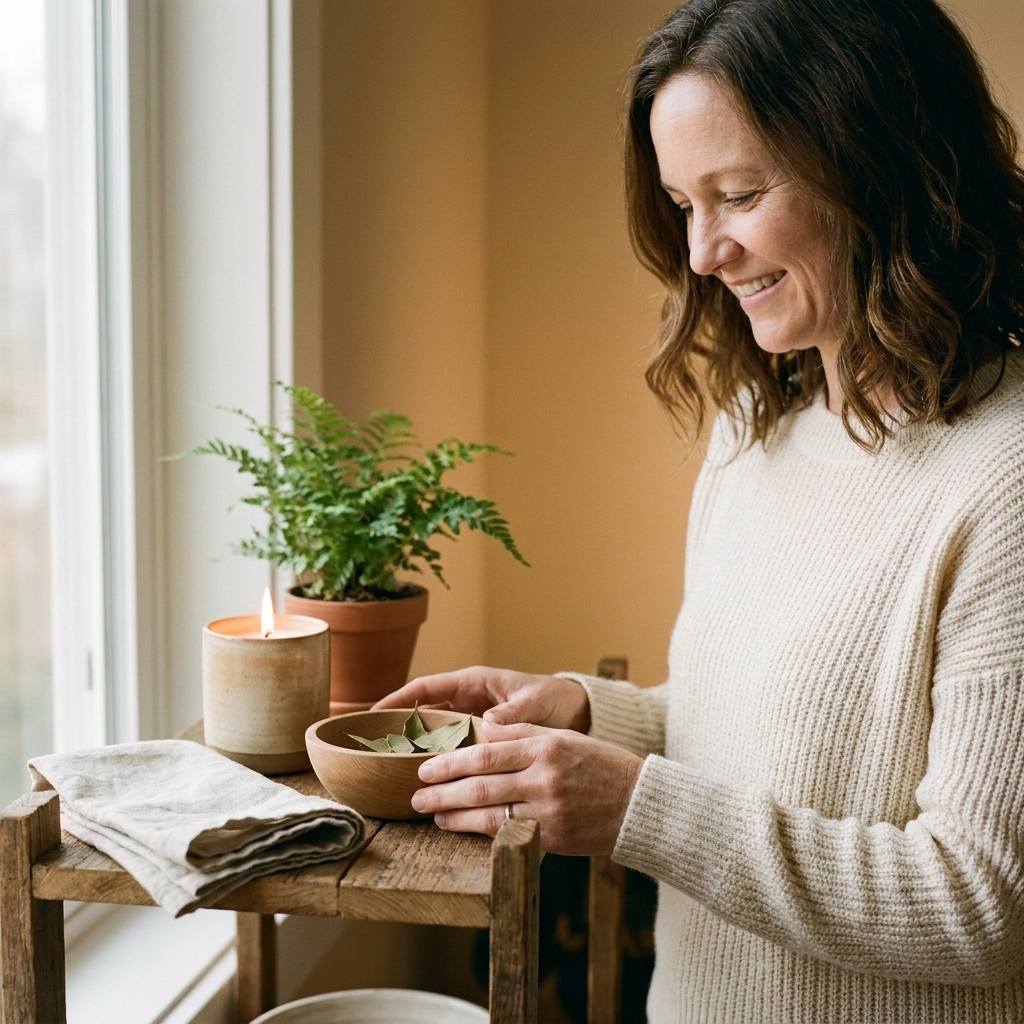
You do not need a home altar, but it helps to have a small visual cue that says, “Here, we pause.” This can be as minimal as a single object on a shelf.
Ideas for a beginner-friendly prayer corner
- a candle (or a battery candle if safety is a concern)
- a small bowl or stone from a meaningful place
- a sacred text, devotional, or book of poems
- a notebook for writing prayers
- a photo of someone you want to hold in compassion
Keep it uncomplicated. The purpose of the space is not decoration. It is remembrance.
Step 6: Decide what “daily” means for you
Daily prayer can mean many things. For some, it is a set time. For others, it is a rhythm of brief pauses. If you tend to be all-or-nothing, define “daily” in a way that protects you from perfectionism.
Three sustainable options
- The steady minute: one minute, once a day, same time.
- The bookends: a short morning prayer and a short evening prayer, even 30 seconds each.
- The three-breath pause: a micro-prayer at set points, like meals or commuting.
If you miss a day, the practice is not broken. It is simply waiting for you to return.
Step 7: Try a gentle structure
Many people stop praying because they only know how to ask for things, then feel uncomfortable when they cannot “prove” prayer worked. A balanced structure can make prayer feel more grounded.
The ACTS pattern (simple and time-tested)
- Adoration: name what is good about God or the sacred (love, mercy, wisdom).
- Confession: admit what is true (impatience, fear, avoidance), without self-hatred.
- Thanksgiving: name specific gifts (a friend, a meal, one moment of relief).
- Supplication: ask for help for yourself and others.
You can do this in two minutes. One sentence per letter is enough.
Step 8: Use a tiny tracking method
Tracking is not about earning spiritual points. It is about noticing what helps you show up.
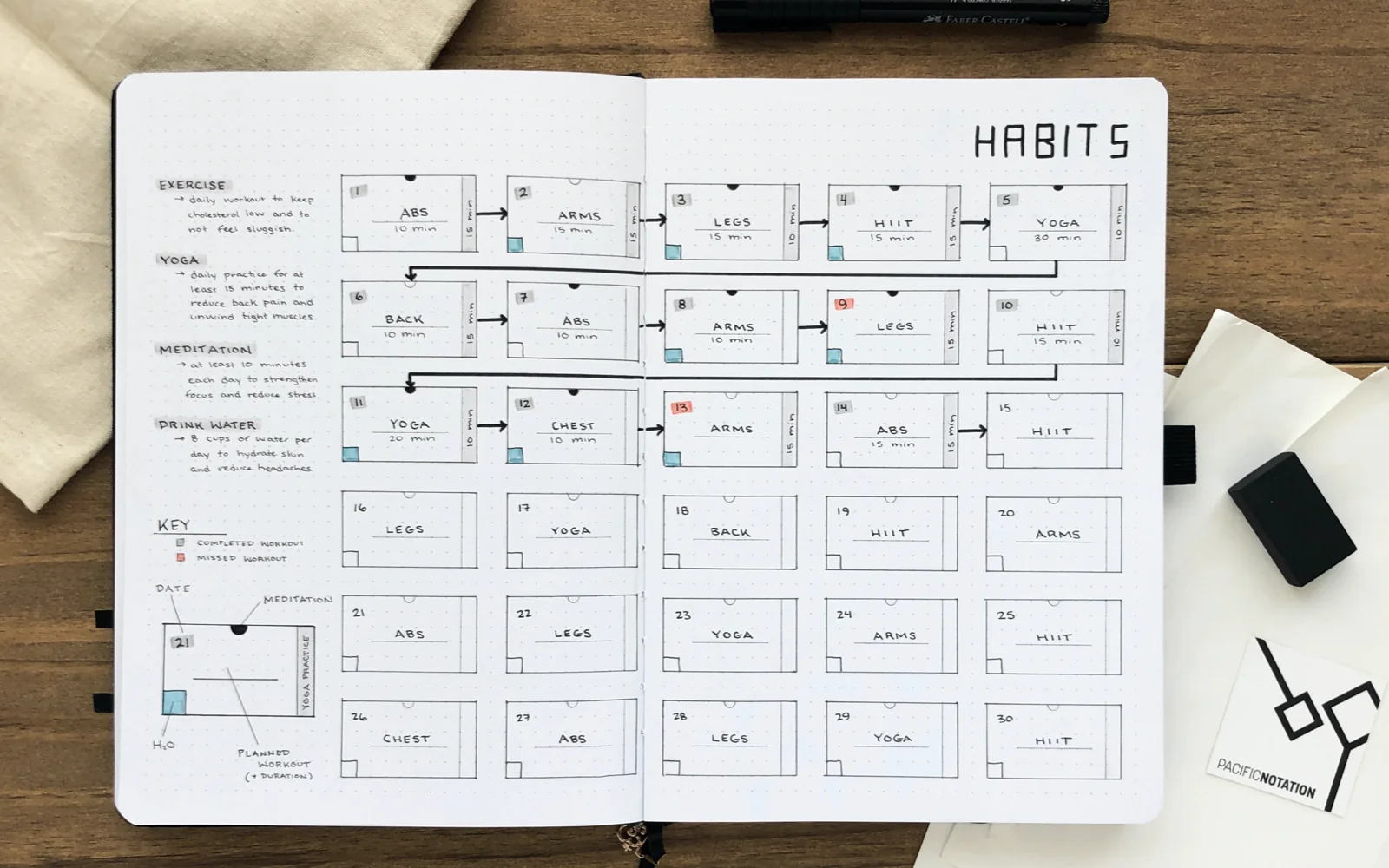
- Put a small dot on your calendar each day you pray.
- Keep a one-line prayer journal: “Today I prayed for...”
- Set a quiet daily reminder with a compassionate label, like “Pause and breathe.”
After two weeks, look back and ask: What made prayer easier on the days I actually did it?
When prayer feels awkward or empty
This is normal. Many spiritual traditions acknowledge seasons of dryness. Sometimes prayer feels warm. Sometimes it feels like showing up to a quiet room and sitting down anyway.
When you do not know what to say
- Pray one honest sentence: “I do not know what I am doing, but I am here.”
- Use a written prayer from your tradition, or a psalm, poem, mantra, or sacred reading that steadies you.
- Sit in silence for 30 seconds and let that be your prayer.
One of the most healing shifts is realizing that prayer is not primarily about producing a feeling. It is about practicing relationship, attention, and trust.
A beginner routine for this week
If you want something you can implement immediately, here is a seven-day plan that stays small on purpose.
Seven days, one minute a day
- Day 1: Choose your time and place. Breathe and say, “I begin.”
- Day 2: Light a candle or hold a small object. Say one sentence of gratitude.
- Day 3: Ask for help with one specific thing.
- Day 4: Pray for one person by name.
- Day 5: Use a short repeated prayer (choose one from above).
- Day 6: Add 30 seconds of silence after your words.
- Day 7: Reflect: What time worked best? What made it hard? Adjust gently.
At the end of the week, do not increase the time yet. First, let consistency become kind of automatic. Then, if you want, add another minute.
FAQ
Do I have to pray out loud?
No. Silent prayer is honored in many traditions. You can whisper, speak in your mind, write a prayer, or sit in attentive quiet. What matters is presence.
What if I do not know what I believe about God?
You can still pray. You might frame it as an experiment in honesty: addressing “God,” “the Divine,” or “the Good,” or simply offering your words into silence. A sincere question can be a prayer, too.
Is it okay to use written prayers?
Yes. Written prayers, liturgy, psalms, chants, and daily devotionals exist because many people need shared words, especially in seasons when personal words are hard to find.
What if I miss a day?
Begin again the next day without punishment. If you want a gentle rule: never miss twice in a row if you can help it. And if you do, still return with kindness.
How long should daily prayer be?
For beginners, 1 to 5 minutes is plenty. A sustainable practice beats an impressive one.
A closing blessing
If you are starting a daily prayer practice, you are not late. You are not behind. You are simply arriving.
May your prayer become less like a test and more like a shelter. May it teach you to tell the truth with tenderness. May it slowly, quietly, make you a more compassionate person in the life you are already living.