The first time I heard the word transubstantiation, it sounded like something you would need a lab coat to discuss. But the question underneath it is tender and human: What, exactly, is happening at the altar when Christians share bread and wine?
In Catholic teaching, the answer is bold and specific. In the Eucharist, the bread and wine become Jesus Christ’s body and blood, even though everything your senses can detect still looks, tastes, and feels like ordinary bread and wine. Transubstantiation is the Church’s term for this claim, and for the philosophical framework used to state it precisely.
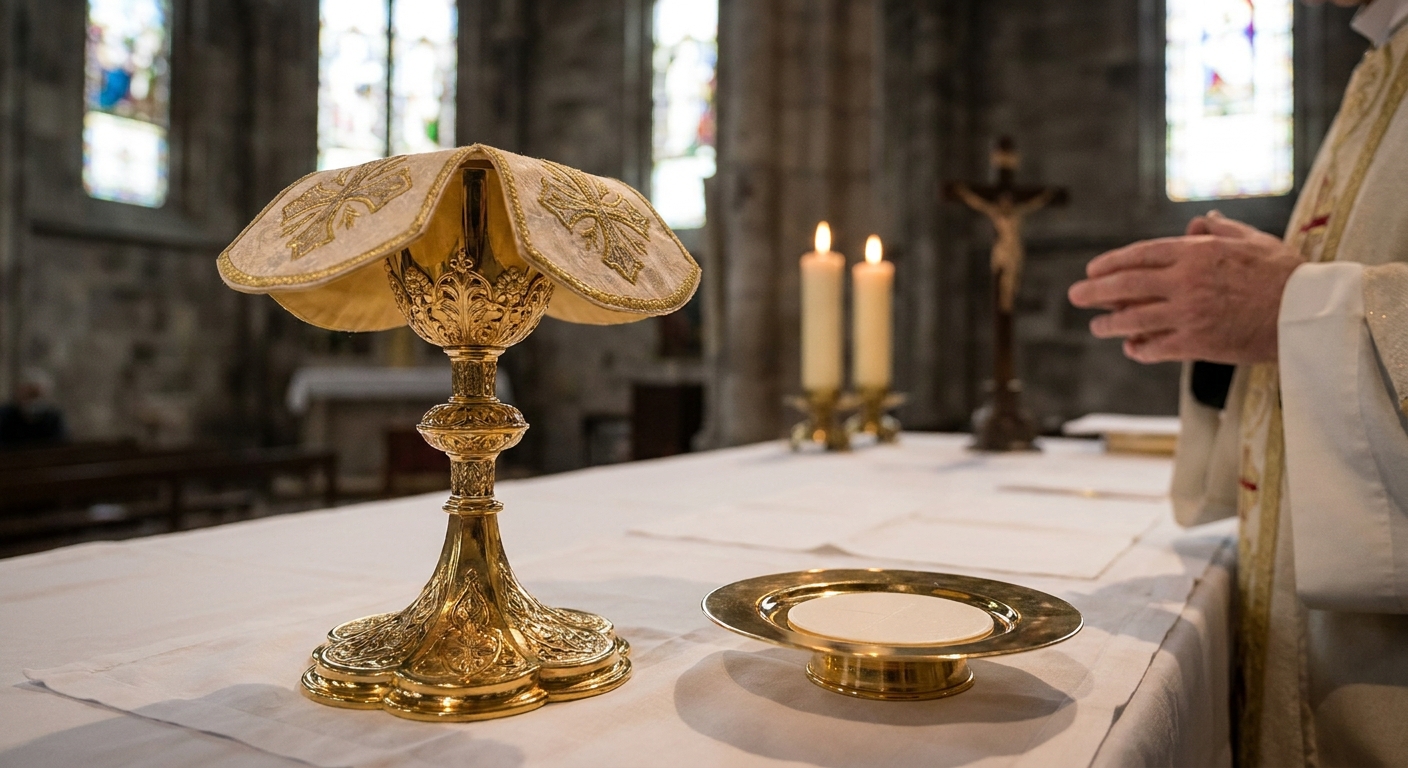
The Catholic claim
Transubstantiation means that at the consecration in the Eucharist:
- What the bread and wine are changes completely into the body and blood of Christ.
- What the bread and wine look like does not change. They still appear to be bread and wine in every outward, physical way.
So Catholics are not saying the Eucharist is “just a symbol,” and they are not saying it turns into something visibly different, like meat and blood. They are saying a deeper change has taken place, one that is real even if it is not measurable by ordinary sense perception.
If you want a simple official anchor for where Catholics say this comes from, the Catechism of the Catholic Church teaches the Church’s “transubstantiation” language as the fitting way to describe the change that occurs at consecration.
Substance and appearances
The phrase you may see in older catechisms or theology books is “substance” and “accidents”. It can feel foreign, but it is simply an attempt to speak carefully about two layers of reality.
What Catholics mean by “substance”
Substance means what a thing is most deeply, at the level of its true reality. In the Eucharist, Catholic teaching says the substance of bread and wine is changed into Christ himself.
What Catholics mean by “accidents”
Accidents means the qualities you can observe, like taste, texture, color, weight, and everything detectable to the senses, including what instruments can measure. In transubstantiation, those outward qualities remain the same. It still presents as bread and wine on every observable level.
This is why people sometimes summarize the doctrine as: the reality changes, the appearances remain.
Transubstantiation is not a claim that the Eucharist changes in a way your eyes can verify. It is a claim about what it truly is, by God’s action.
And to prevent another common misunderstanding: Catholic teaching does not say “nothing remains.” What remains are the species or appearances of bread and wine. What does not remain, Catholics say, is the substance of bread and wine.
Why this language
If Catholicism simply said, “Christ is really present,” many people could agree and still mean very different things. The word transubstantiation is meant to make the claim precise:
- It guards against the idea that the Eucharist is only a mental reminder.
- It avoids the idea that the bread and wine are a mixture of bread plus Christ.
- It explains why Catholics can say, without ambiguity, that what is received is truly Christ’s body and blood.
Historically, the term became especially important in the medieval West as theologians drew on Aristotelian philosophy to articulate what the Church believed it was receiving from Scripture and worship.
What it is not
A lot of confusion clears when we name what the doctrine is not claiming.
- Not cannibalism. Catholic teaching does not say the Eucharist is received in a crude, biological way. It is Christ truly present in a sacramental mode.
- Not a lab-test change. The “accidents” remain, which means everything observable and measurable remains what it appears to be: bread and wine.
- Not “Jesus is present because we are thinking about him.” The change is understood as God’s action, not our psychological focus.
- Not a visible transformation. If you are expecting a dramatic shift in outward appearance, you will miss what the doctrine is actually trying to say.
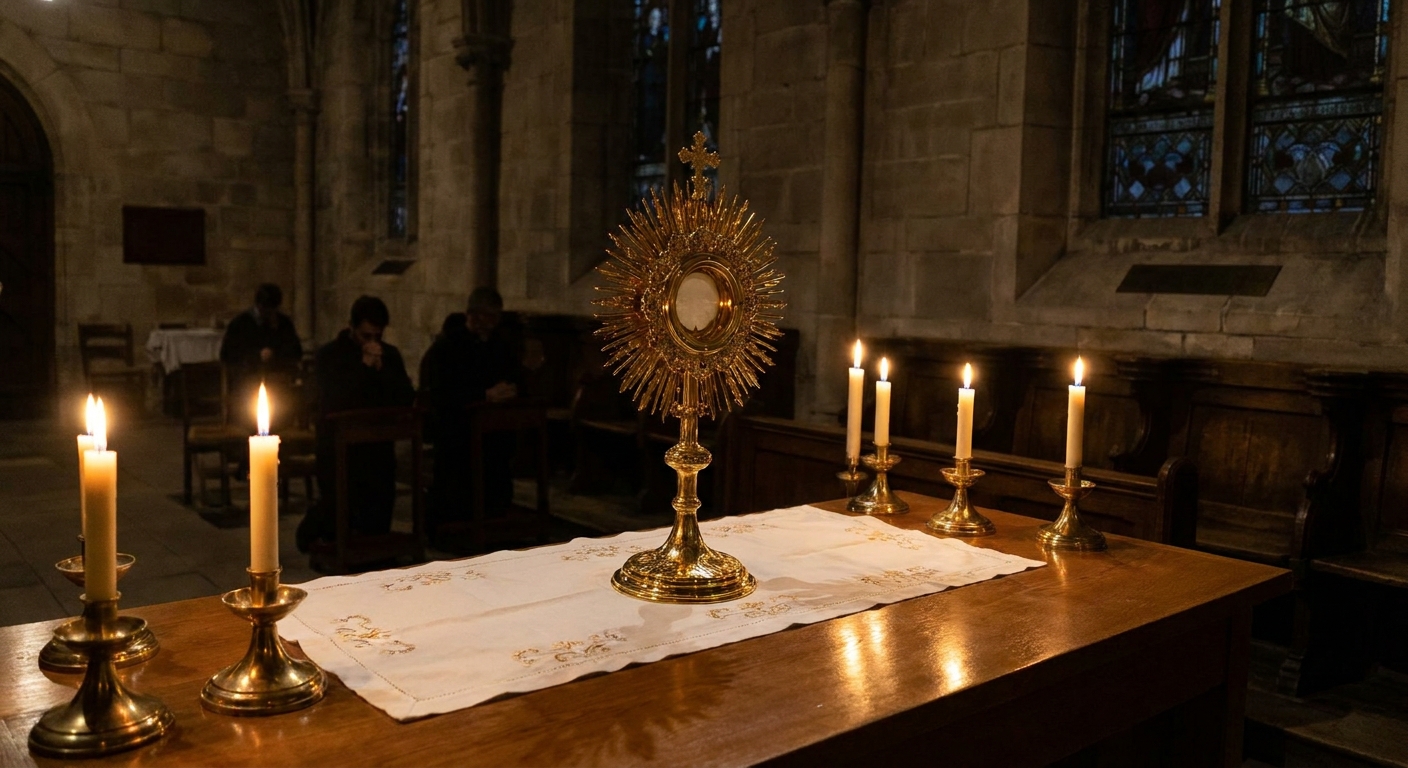
Why Catholics worship
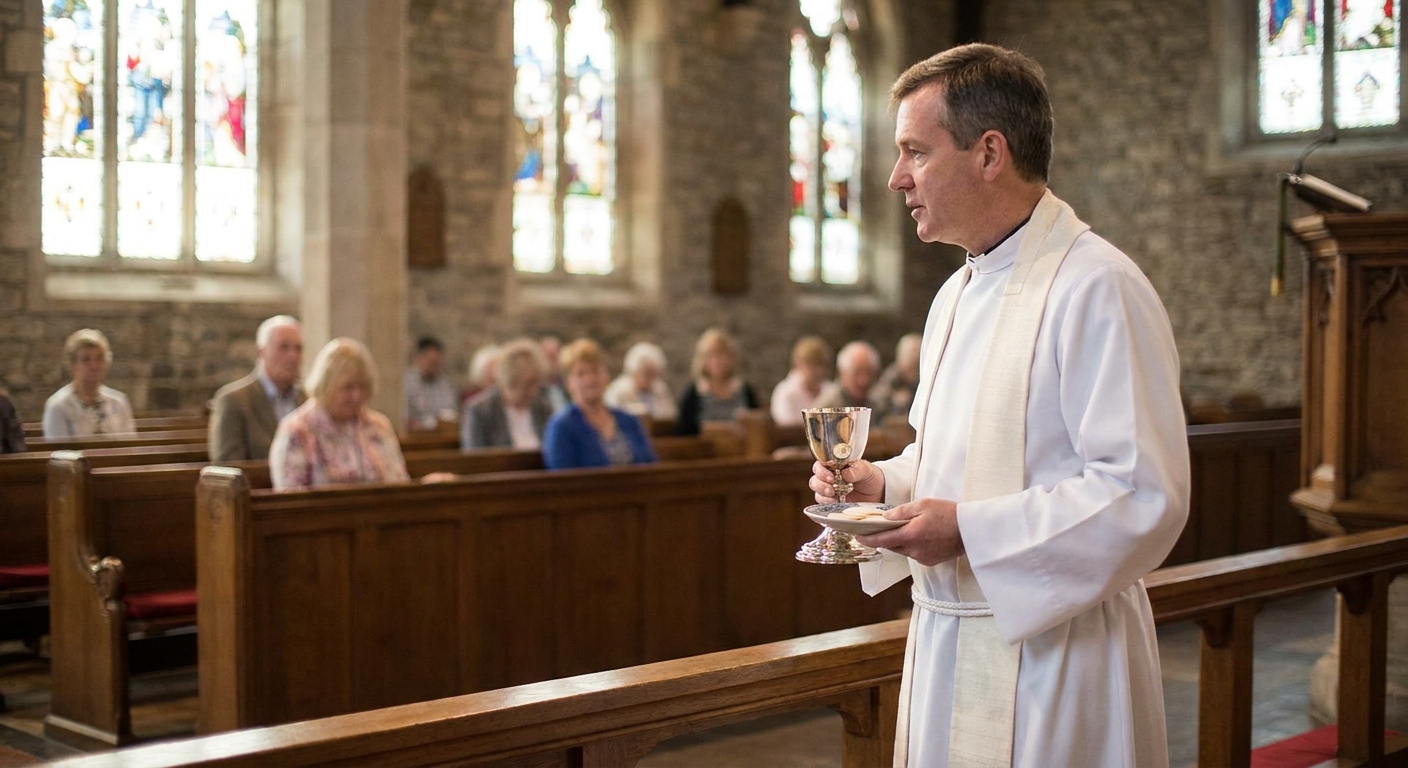
If this sounds intense, it is. Transubstantiation is one reason Catholics treat the consecrated host with such care, reserve it in the tabernacle, and practice Eucharistic adoration. If the Eucharist truly is Christ, then reverence becomes not just polite ritual but a logical response.
Catholic teaching also holds that Christ is present whole and entire under each species, not “partly” in the bread and “partly” in the wine. In other words, receiving only the host is not receiving “half of Jesus.”
Lutheran views
Lutherans also confess a real presence of Christ in the Lord’s Supper, and in many Lutheran traditions the language is very direct: Christ’s body and blood are truly given with the bread and wine.
Where the difference shows up is in how that presence is explained and what kind of philosophical language is used.
Sacramental union
In what is often called sacramental union, Lutherans typically hold that Christ’s body and blood are truly present in, with, and under the bread and wine. The bread remains bread and the wine remains wine, and Christ is truly present and given through them.
So, in contrast with transubstantiation:
- Catholic transubstantiation says the substance of bread and wine becomes Christ.
- Lutheran sacramental union says the bread and wine remain, and Christ’s body and blood are really present and given in the sacrament according to his promise.
Importantly, classical Lutheran theology does not teach “consubstantiation” as an official label, even though people sometimes use that word in casual conversation. Lutheran confessions tend to avoid the substance and accidents framework and put the emphasis on Christ’s words and the sacramental action.
Memorial and Reformed views
Many Christians, especially in parts of Baptist and other free church traditions, speak of Communion primarily as a memorial or remembrance of Christ’s saving work.
The Reformed world is more varied. Many Reformed churches reject transubstantiation, but not all of them are comfortable with “just a memorial” language. A common Reformed emphasis, shaped by Calvin, is a spiritual real presence, where Christ truly gives himself to believers by the Holy Spirit, without a change in the elements’ substance.
Memorial views in brief
In a memorial understanding, the bread and wine (or bread and grape juice) are symbols that point to Jesus’ body and blood. The emphasis is on Christ’s command to remember, and on the spiritual significance of the act for the community.
Compared with transubstantiation:
- Catholic teaching says there is a change in what the elements are.
- Memorial views say the elements remain what they are and function as a sacred sign and proclamation of the gospel.
Some traditions that reject transubstantiation still speak of a meaningful spiritual presence of Christ with believers in Communion. Others focus more exclusively on remembrance and obedience to Christ’s instruction.
Why it matters
Most people do not wake up thinking, “Today I will ponder substance and accidents.” But the doctrine exists because Christians have long wrestled with a pastoral, worship-shaped question: Is Christ giving himself to us here in a real way, or are we only speaking about him?
Transubstantiation is the Catholic way of answering: Christ gives himself truly, objectively, and sacramentally, even though the outward appearances stay the same.
And whether you agree with that answer or not, learning the vocabulary can be a small act of charity. It keeps us from flattening each other’s beliefs into caricatures, and it helps us name the real points of difference with clarity and respect.
Quick FAQ
Do Catholics believe the Eucharist is symbolic?
Catholics believe the Eucharist is a sign, but not only a sign. In Catholic teaching it is a sacrament: a sacred sign that also accomplishes what it signifies. The core claim of transubstantiation is that it becomes Christ’s body and blood, not merely a reminder.
If the appearances stay the same, how can it be a real change?
The doctrine distinguishes between outward properties and deepest reality. A “real change” does not have to be a visible change. Catholics claim the change is at the level of what the bread and wine truly are after consecration.
Is transubstantiation in the Bible?
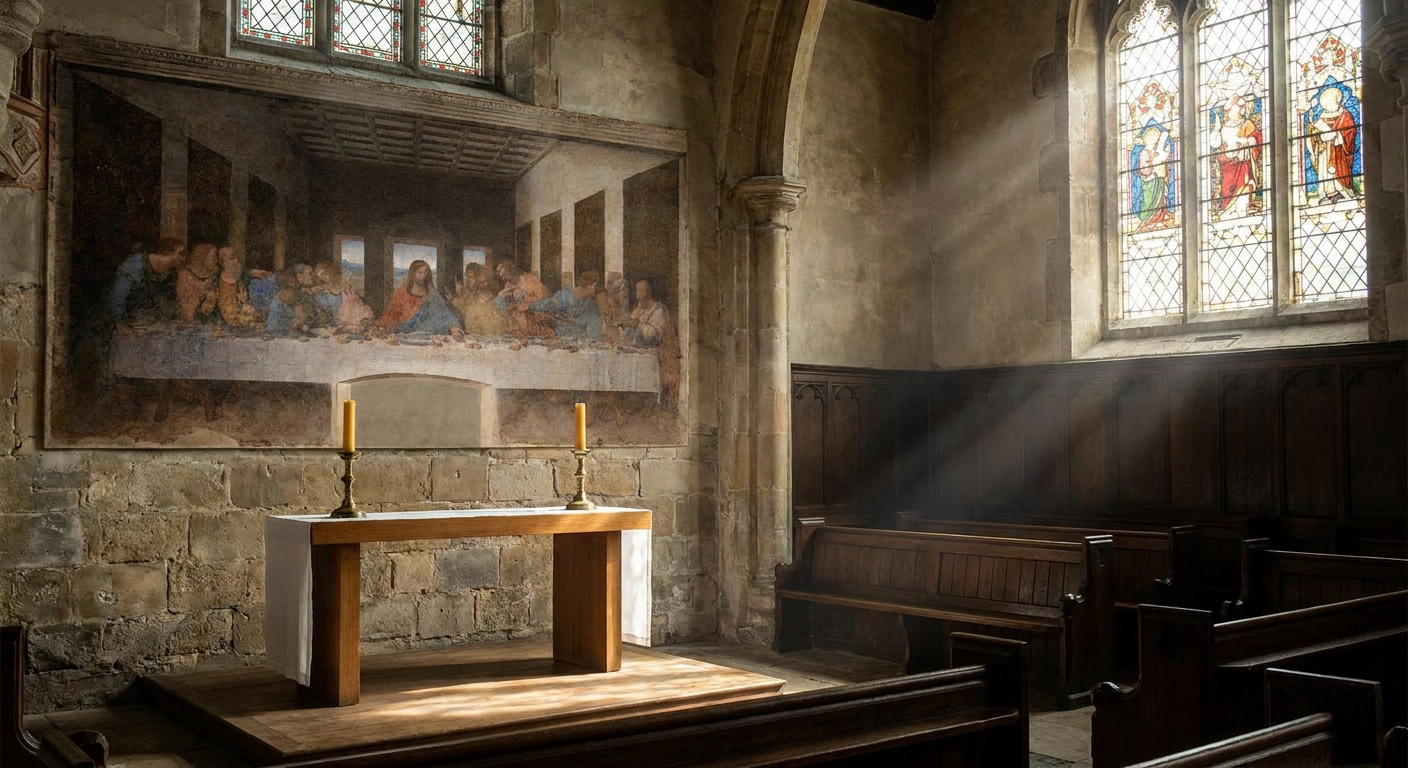
The word itself is not in Scripture. Catholics would say the doctrine is a later term used to faithfully articulate biblical themes, especially Jesus’ words at the Last Supper and the New Testament’s serious language about the Lord’s Supper.
Do all Christians agree on Christ’s presence in Communion?
No. Christians share a common ritual family resemblance in Communion, but differ sharply on what it means. Catholic transubstantiation, Lutheran sacramental union, and memorial views are three of the most commonly discussed positions, with Reformed approaches often emphasizing a spiritual real presence.