When I first tried to understand the Reformation as a young student, I approached it the way many of us approach family conflict. I wanted a simple villain, a simple hero, and a clean timeline. History refused to cooperate. What I found instead was a long, painful struggle over authority, trust, grace, and what counts as “the Church” when Christians disagree.
The Council of Trent sits right at the heart of that struggle. It was not one continuous meeting, but an 18-year span of intermittent sessions that clarified Catholic teaching and launched deep reforms inside Catholic life. If you have ever heard the Protestant “solas” summarized, especially sola scriptura and sola fide, Trent is one of the places where the Catholic Church answered carefully and formally, with its own language and boundaries.
What the Council of Trent was
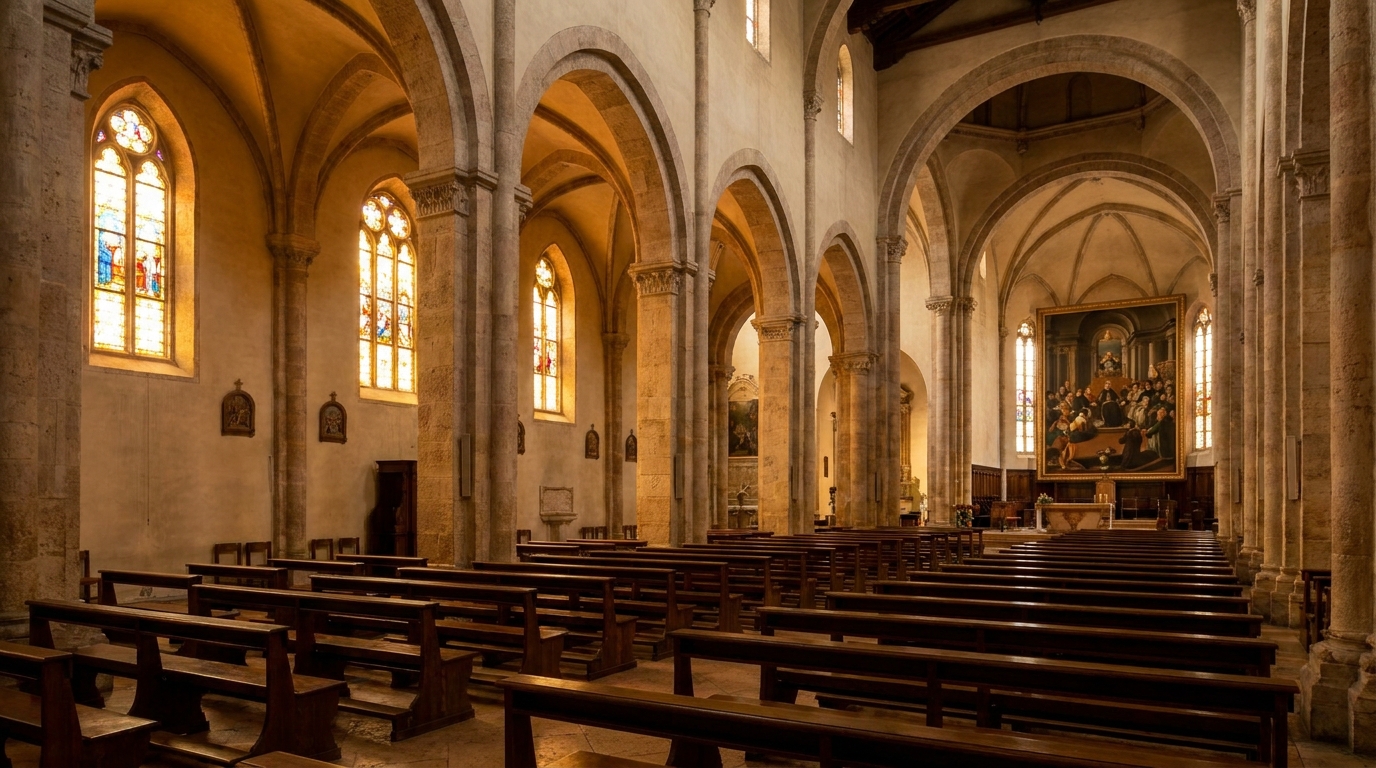
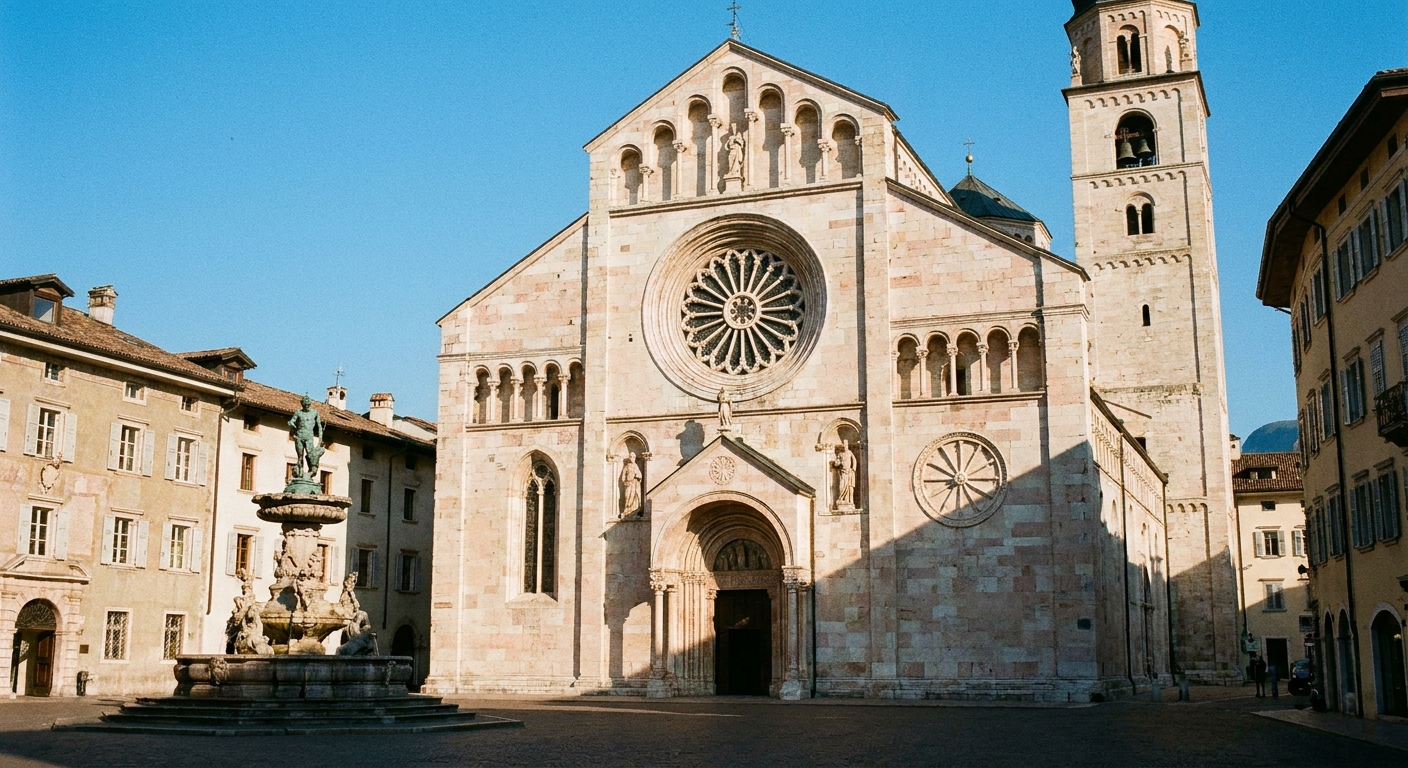
The Council of Trent was an ecumenical council of the Roman Catholic Church held between 1545 and 1563. It met primarily in the city of Trent (Trento) in northern Italy, with some sessions transferred to Bologna, and it produced authoritative decrees on doctrine and discipline.
In plain terms, Trent did two things at once:
- It answered disputed theological questions raised sharply by the Protestant Reformation, especially about authority, salvation, and the sacraments.
- It reformed Catholic practice from the inside, addressing corruption, improving clergy formation, and standardizing pastoral care.
It is often described as the central council of the Catholic Counter-Reformation, though many Catholic historians also call it a council of renewal, because its reforms reshaped everyday parish life for centuries.
Why it met
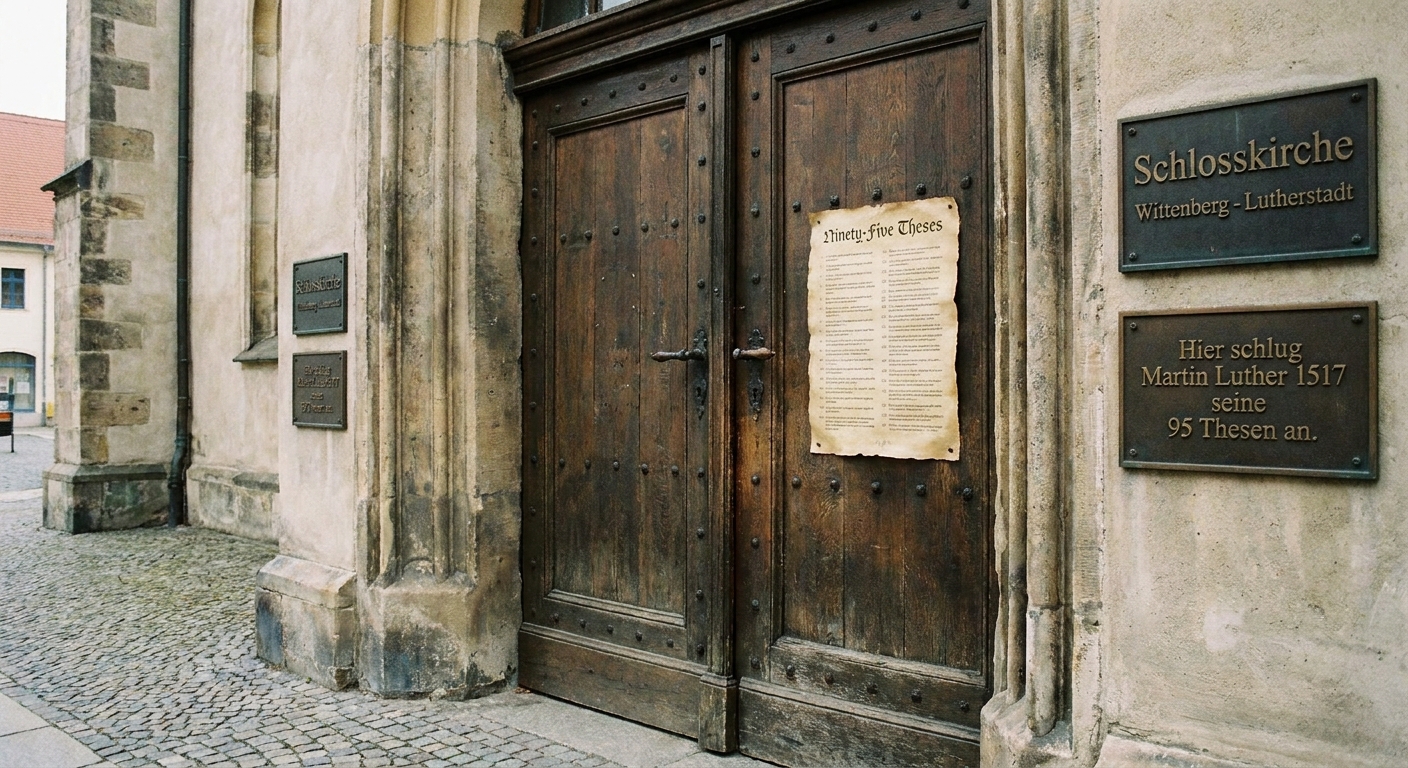
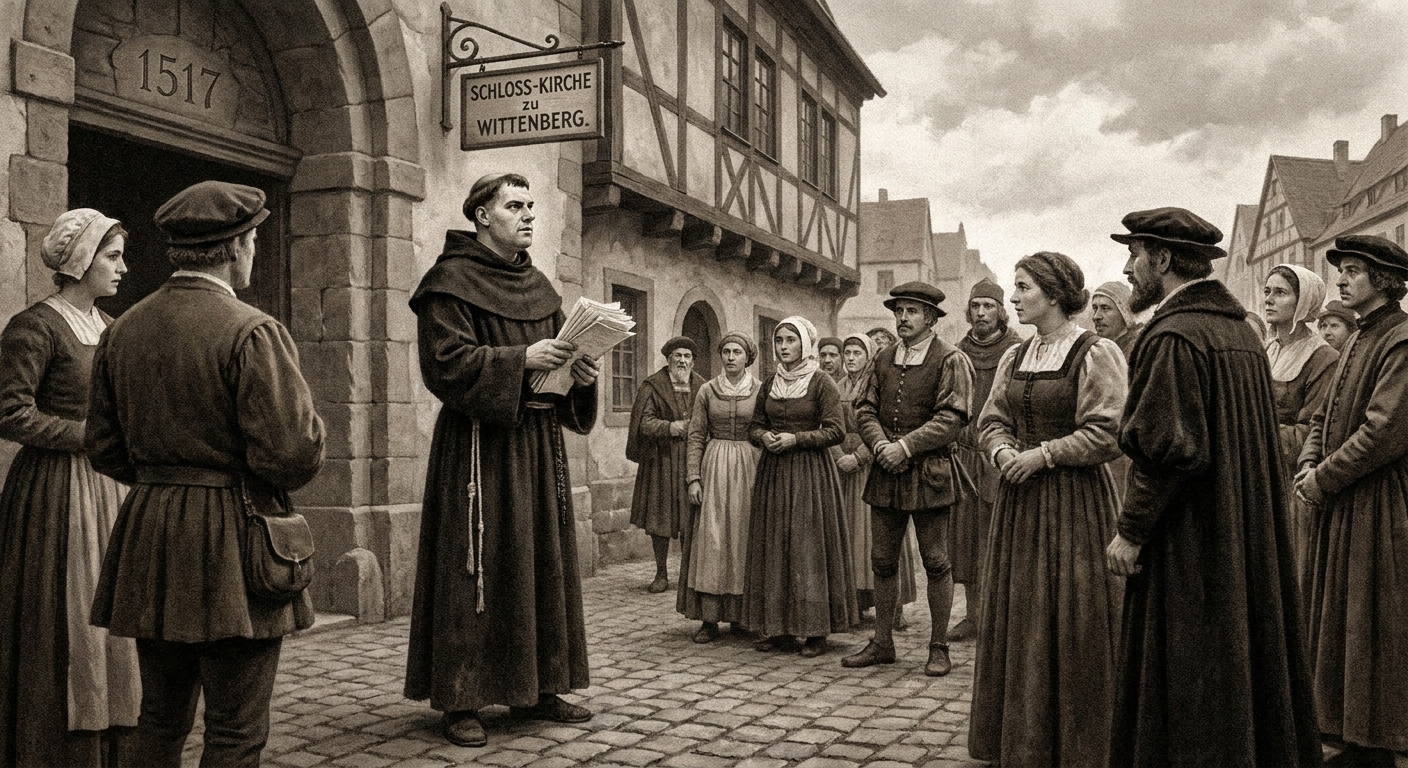
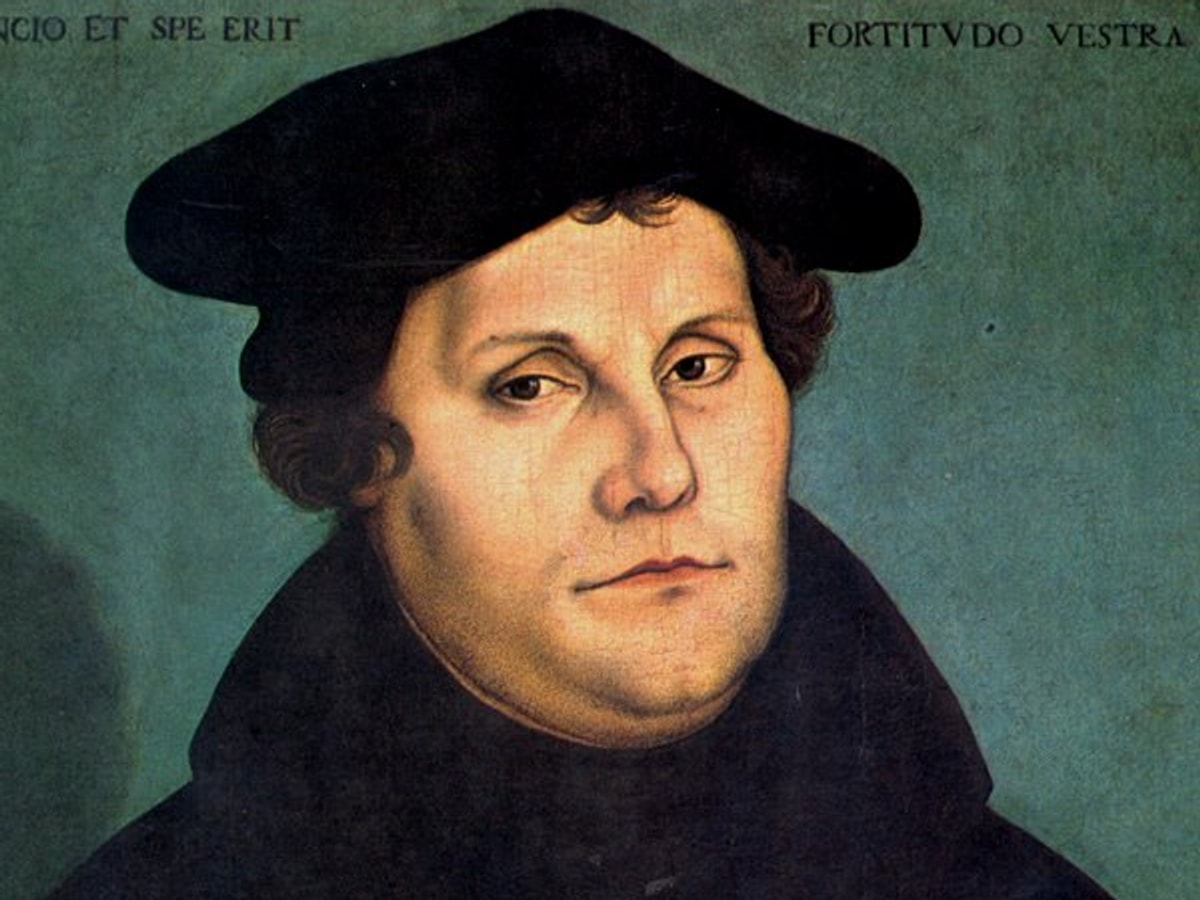
By the early 1500s, Western Christianity was in crisis. Martin Luther’s protests in 1517 quickly grew into a wider debate over indulgences, church authority, the nature of justification, and the number and meaning of the sacraments. Political pressures, local grievances, and spiritual hunger all intensified the conflict.
Meanwhile, many Catholics agreed that internal reform was urgently needed. Bishops were sometimes absent from their dioceses. Clergy education varied widely. Financial abuses and patronage were real. Even people who rejected Protestant conclusions often recognized that the Church had to confront its own failures with honesty.
So Trent was convened to do what councils have historically done in Christianity: define teachings that must be held, correct errors as the Church understood them, and set rules for healthier communal life.
When and where it met
Because of war, politics, outbreaks of disease, and conflicts between rulers and popes, Trent unfolded in three main periods rather than one continuous gathering:
- 1545 to 1547 (Trent, then Bologna): early doctrinal work began. In 1547 the council was transferred to Bologna, influenced by disease fears and political tensions.
- 1551 to 1552 (Trent): further doctrinal debate, including key work on the Eucharist and penance, before another abrupt suspension.
- 1562 to 1563 (Trent): final sessions that completed major sacramental teaching and issued extensive reforms.
If you have ever felt frustrated trying to “summarize Trent,” you are not alone. It is a council stretched across nearly two decades, responding to fast-changing events and deep wounds.
Scripture and authority
One of the central conflicts of the era was the question of authority: Who gets to decide what is true Christian teaching when interpretations collide?
Trent’s decrees on Scripture and tradition are detailed, but the heart of the council’s position can be expressed like this:
- Revelation is received in Scripture and in apostolic tradition, as understood within the Church’s life.
- The Church’s teaching office has a real role in safeguarding and authentically interpreting that deposit of faith.
Trent also addressed questions around the biblical canon in response to disputes about certain books. And in its 1546 decree (Session IV), it declared the Latin Vulgate “authentic” for public reading, disputation, preaching, and teaching in the Church, while also calling for a corrected edition. That word “authentic” mattered. It was about a trusted public standard, not a claim that every manuscript detail was beyond question.
If you come from a “Bible-only” background, this can sound like an added layer between you and God. If you come from a strongly sacramental Catholic background, it can sound like spiritual stability. Either way, it helps to see Trent as trying to answer a real pastoral problem: competing authorities were fracturing communities.
Justification
Justification was arguably the theological nerve center of the Reformation era. Protestants and Catholics often used shared words, such as “grace” and “faith,” but did not always mean the same thing by them.
Trent’s teaching on justification emphasized:
- Justification is initiated by God’s grace, not earned as a human achievement.
- Human response matters in a real way, because grace does not treat the person as a puppet but heals and transforms.
- Justification is not only a legal declaration but includes an interior renewal, a movement into a life reshaped by grace.
In its decrees and canons, Trent rejected formulations it understood to deny that grace truly renews the person or to treat the sacraments as unnecessary as a general principle. The council also emphasized that the sacraments are instruments Christ instituted to give grace, even as Catholic theology commonly adds a pastoral safeguard: God is not trapped inside the sacraments as though he could not act beyond them.
This is the place where many Christian conversations turn tense. My gentle suggestion is to read Trent as a boundary-setting document. It is not trying to be a devotional poem. It is defining what the council believed could not be said without distorting the gospel.
The sacraments
Trent devoted major attention to the sacraments, because the Reformation included serious disputes about how many sacraments there are, what they do, and whether they convey grace or merely symbolize it.
The council affirmed seven sacraments and clarified their meaning and administration: Baptism, Confirmation, the Eucharist, Penance, Anointing of the Sick, Holy Orders, and Matrimony.
The Eucharist and the Mass
Trent reaffirmed the real presence of Christ in the Eucharist and defined the Catholic understanding of transubstantiation as the fitting term for the change that occurs. It also defended the sacrificial character of the Mass against views that reduced the Eucharist to a memorial alone.
Penance and confession
Trent upheld the sacrament of Penance, including sacramental confession and absolution, against claims that denied its sacramental necessity or legitimacy as practiced in the Church.
Holy Orders
The council affirmed an ordained priesthood with real sacramental authority, including the power to consecrate the Eucharist and absolve sins. It also reinforced the responsibilities of bishops as true shepherds, tying doctrine to concrete oversight, visitation, and discipline.
Marriage
Trent addressed marriage both doctrinally and practically. In 1563, the decree known as Tametsi strengthened norms around public form in many places, requiring marriage to be celebrated before the parish priest (or another authorized priest) and witnesses. Part of the aim was protective: reducing clandestine marriages and the exploitation and confusion that could follow.
Reforms in Catholic life
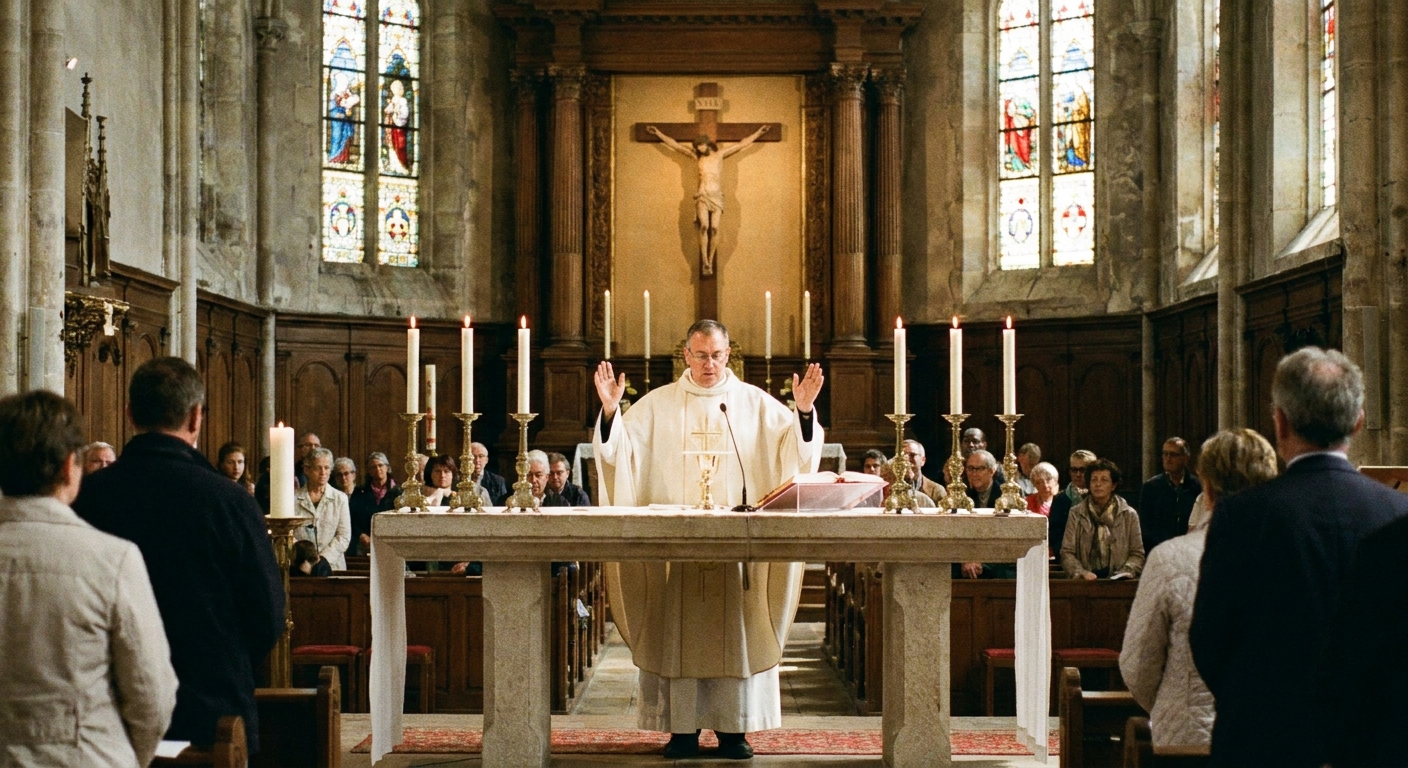
One of the most lasting impacts of Trent is not a single theological phrase, but a reshaping of Catholic infrastructure. Trent demanded that leadership look like leadership, present, accountable, and formed for the work.
Among the council’s most significant reform directions were:
- Bishops were expected to reside in their dioceses and take responsibility for teaching, discipline, and pastoral care.
- Seminaries were mandated to improve the education and spiritual formation of priests.
- Preaching and catechesis were prioritized, aiming for clearer teaching at the parish level.
- Standards for clerical conduct were strengthened, addressing abuses that had scandalized the faithful.
These reforms mattered on the ground. For ordinary believers, they influenced the quality of preaching, the availability of educated clergy, and the spiritual seriousness of parish life.
Purgatory and indulgences
Trent also issued decrees affirming purgatory and addressing indulgences. The council’s concern was both doctrinal clarity and pastoral discipline, especially in response to abuses and confusion that had fueled outrage and division.
Trent not only defended the legitimacy of indulgences as the Church understood them, but also ordered that preaching and granting of indulgences be handled without scandal, explicitly condemning profiteering and “base gain.” Even in a brief summary, that reform note matters: the council was trying to prune a practice that had grown tangled with manipulation.
After Trent
A council is not only what it writes. It is what the Church actually does afterward.
In the decades following Trent, Catholic leaders implemented reforms, strengthened religious education, and clarified liturgical and pastoral norms. Two post-council examples people often associate with Trent are the Roman Catechism (the Catechism of the Council of Trent, issued in 1566) and the standardized Roman Missal promulgated in 1570. These were implementations shaped by Trent’s direction, even when the documents themselves came after the council closed.
For better and for worse, Trent also helped harden confessional boundaries. Catholic and Protestant identities became more distinct, sometimes with less room for ambiguity than earlier generations had known.
Why Trent still matters
Even if you are not Catholic, you may feel Trent’s ripple effects anytime you enter a conversation about Scripture and tradition, faith and works, sacraments, or the authority of the Church. Many modern ecumenical dialogues are, in one way or another, attempts to revisit the questions Trent addressed, but with more humility about how easily Christians talk past each other.
From my porch in coastal Oregon, watching fog lift off the trees like a slow blessing, I often think about how councils form. They are born from conflict, yes, but also from longing. People were aching for trustworthy teaching and for holy leadership. Trent was an attempt, imperfect and human, to answer that longing with structure, clarity, and reform.
Quick FAQ
Was the Council of Trent a response to the Protestant Reformation?
Yes. Trent directly engaged disputes intensified by the Reformation and issued authoritative Catholic teaching on contested doctrines, while also pursuing internal reform.
Did Trent reject “faith alone”?
Trent rejected certain ways of framing justification that the council believed separated saving faith from interior renewal and the life of grace. It insisted justification begins with grace and involves genuine transformation, not only an external declaration.
Did Trent change the Bible?
Trent did not rewrite Scripture, but it did respond to disputes about the biblical canon by affirming the canon as received in Catholic tradition. It also declared the Vulgate “authentic” for public use in the Church while calling for careful correction of the text.
How long did the Council of Trent last?
It ran from 1545 to 1563, meeting in multiple sessions across three main phases due to political and practical interruptions.