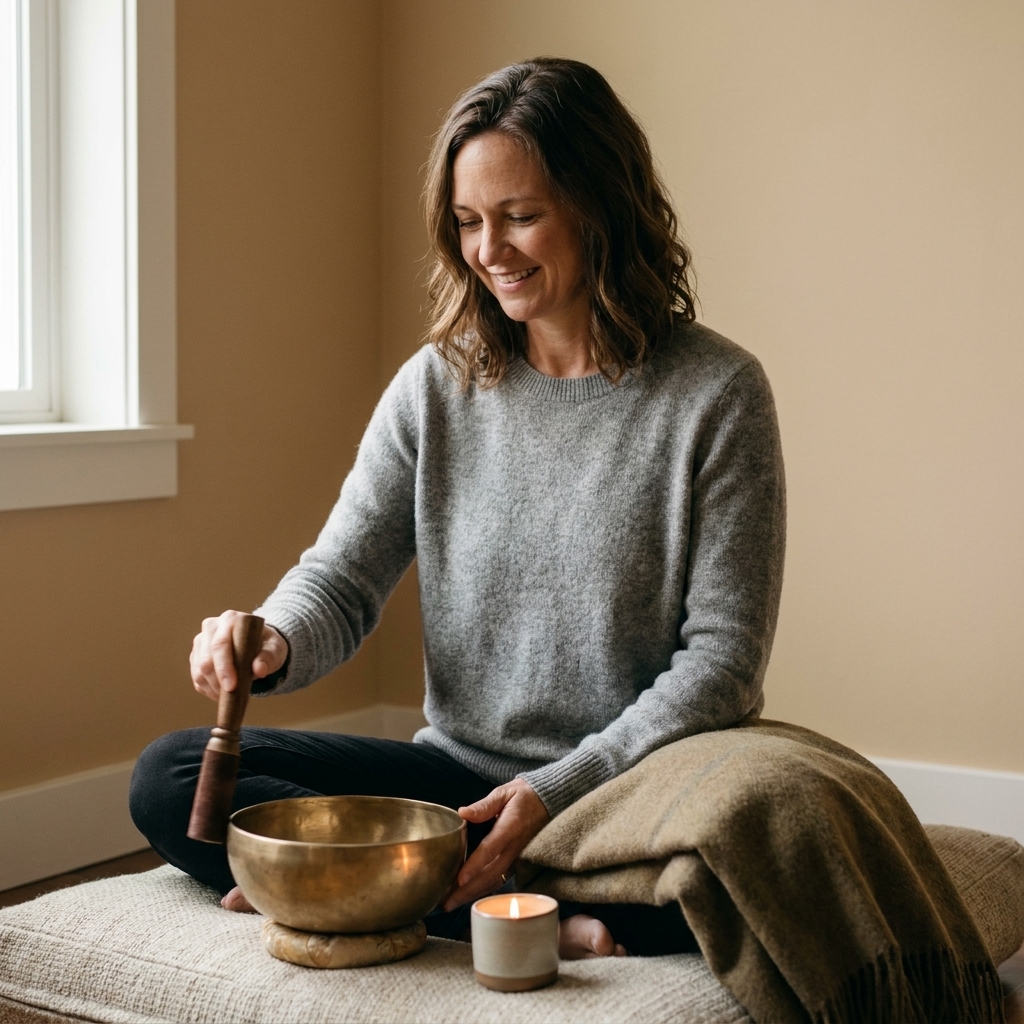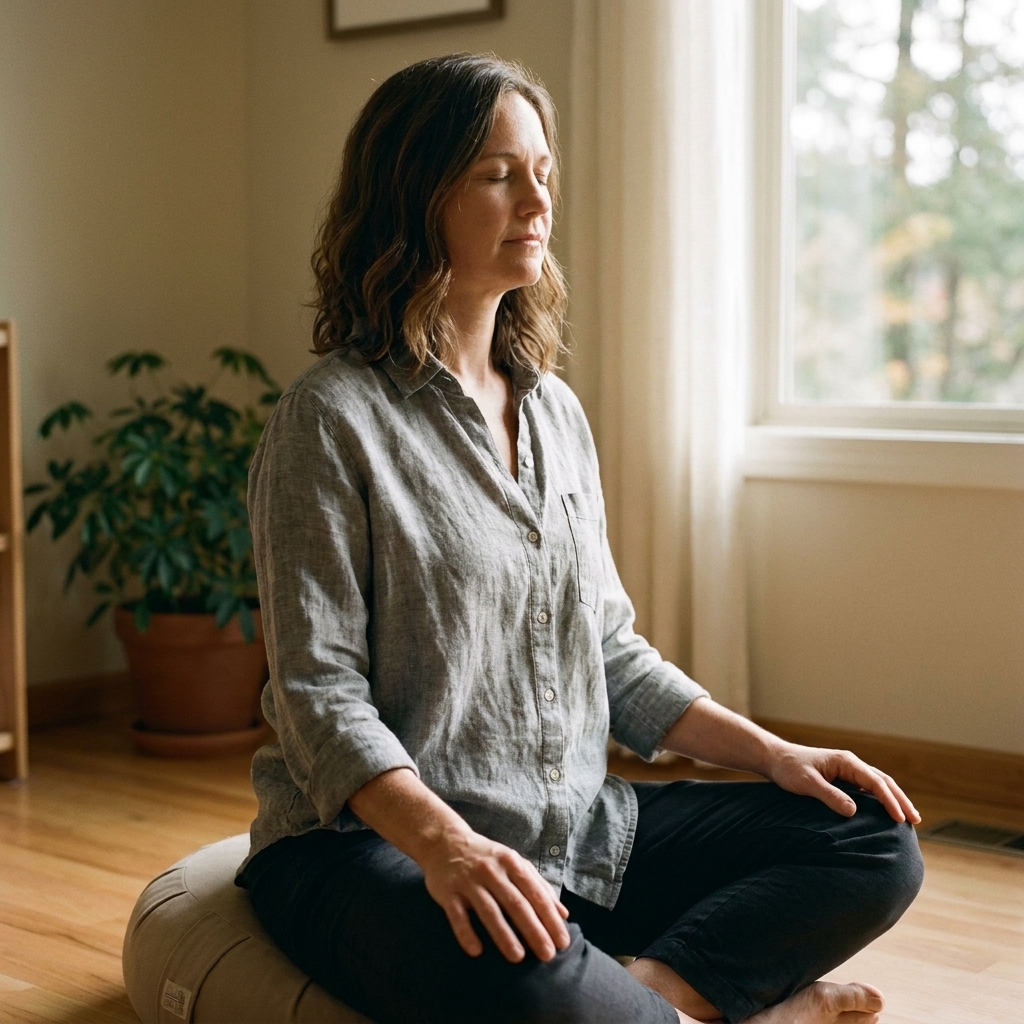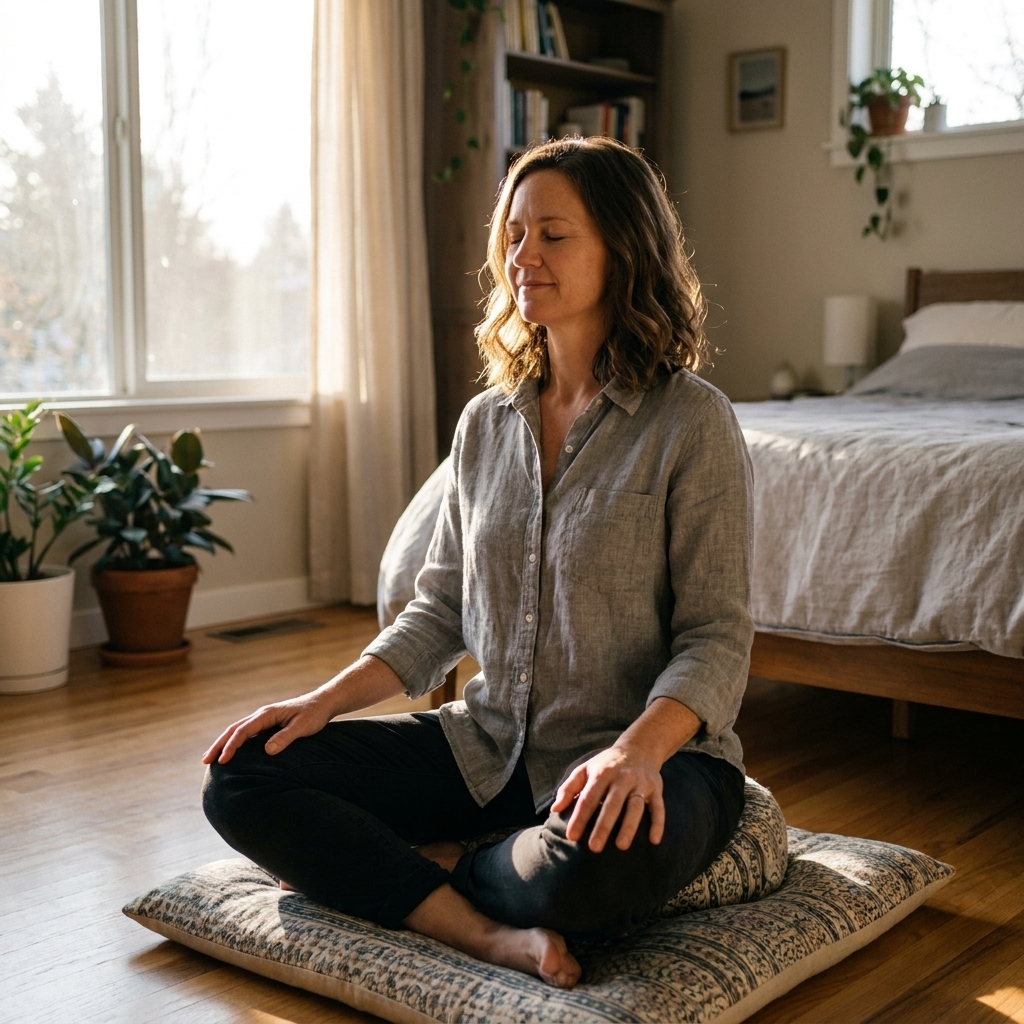
Some mornings, our minds wake up already running. Before coffee, before the news, before the first message pings, there is already a low hum of worry, planning, and unfinished feelings. Chanting is among humanity’s oldest recorded ways of meeting that hum. Across continents and centuries, people have used the voice to steady attention, soften the heart, and remember what matters.
This is not about having a perfect voice or adopting someone else’s religion. Think of mantra and chanting as a form of spiritual breathing. You borrow a few simple syllables, repeat them with care, and let the repetition do what repetition has always done. It reshapes the inner weather, sometimes as simply as an unclenched jaw and a slower breath.
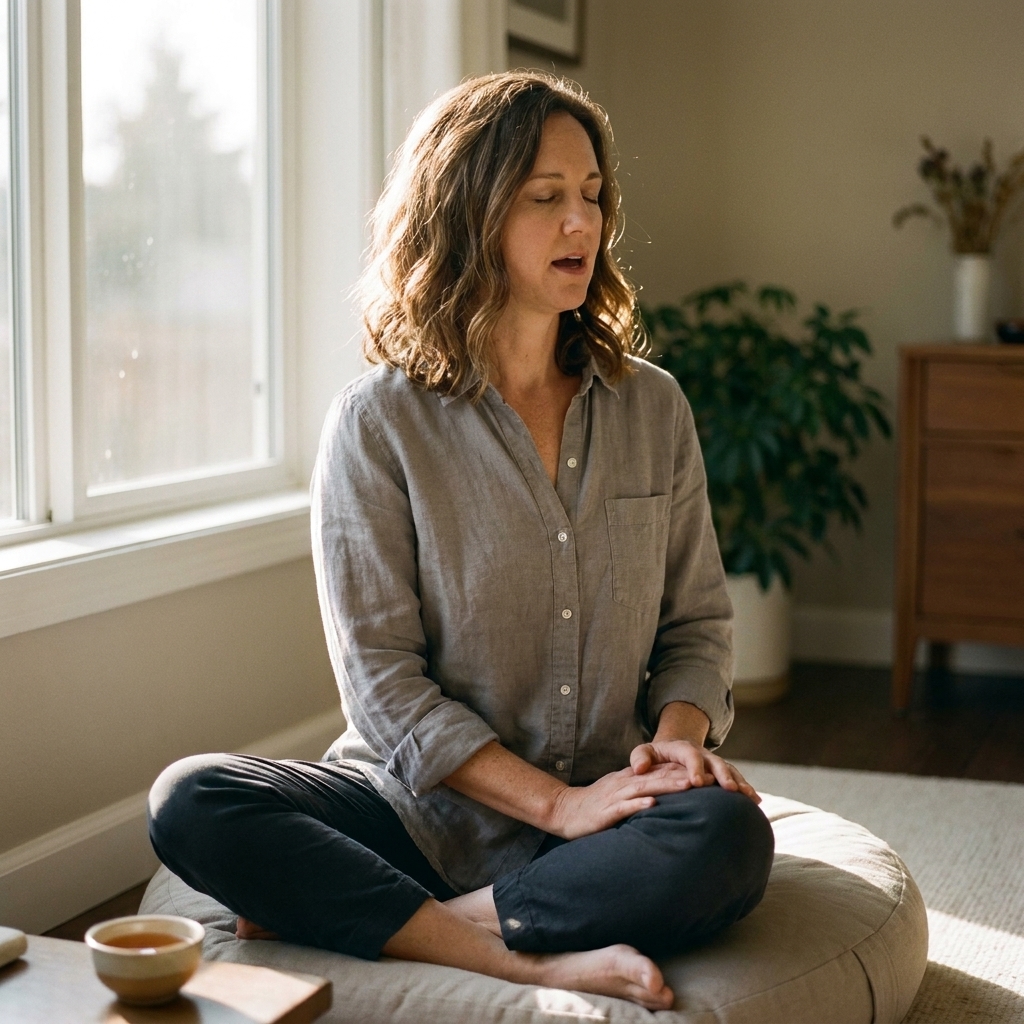
A small note about respect: Many mantras belong to living traditions. When possible, learn pronunciation and context, and approach each practice with humility. Some lineages discourage casual use of certain mantras without a teacher or initiation, so when you are unsure, keep it simple, choose universally oriented phrases, and let your practice be an act of reverence rather than collecting.
How to chant gently
Most vocal practices are safe for beginners, but a mindful approach helps, especially if you have anxiety, trauma history, or voice strain. It also helps if you live with other people or keep early hours.
- Start short. One to three minutes is enough at first. More is not always better.
- Comfort over intensity. Chant at a natural volume. Chanting can be a whisper, especially in shared spaces.
- Breathe normally. Avoid forceful breath holds. Let the phrase ride on an easy exhale.
- Hydrate and soften the throat. If your voice feels scratchy, stop. Try humming or silent repetition instead.
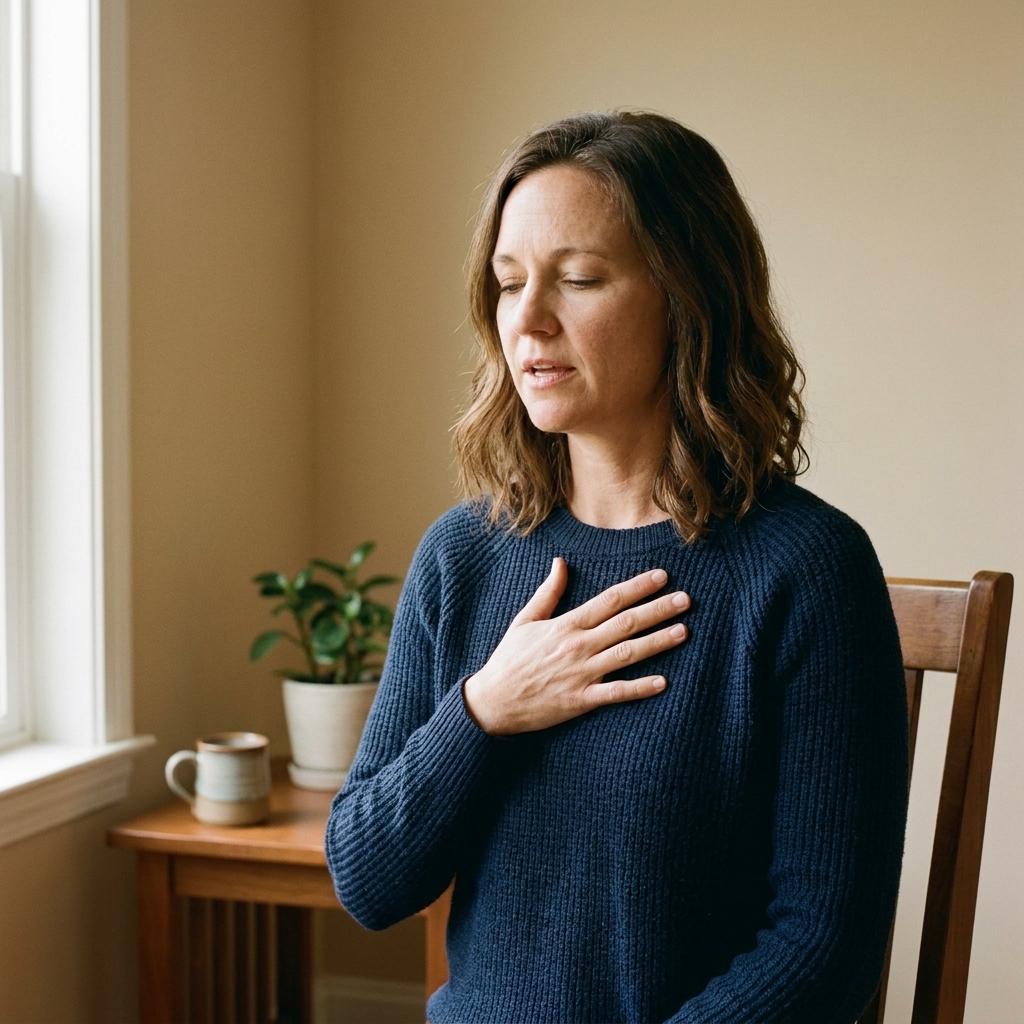
- Watch your nervous system. If chanting makes you dizzy, panicky, or spaced out, pause and return to simple breathing with your hand on your chest.
- Know when to stop. If you feel sharp pain, or if hoarseness lasts more than 24 to 48 hours, take a break and consider checking in with an ENT or a speech-language pathologist.
- Medical considerations. If you have respiratory, cardiovascular, or vocal cord conditions and you want to do longer sessions, consult a clinician who understands breath and voice demands.
A helpful rule from retreat settings is this: you should feel more present when you finish, not less.
1) Vedic mantra japa
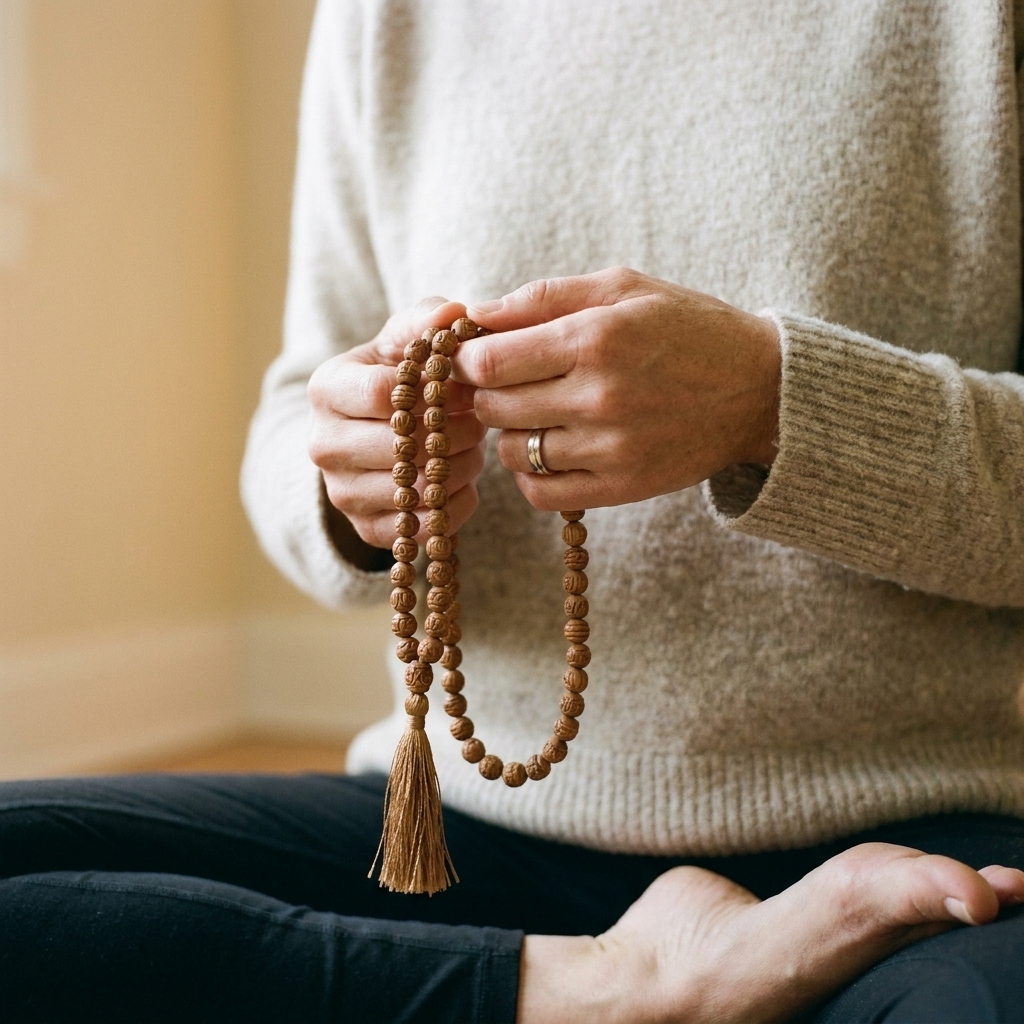
Where it comes from: The use of mantra is ancient in South Asia, rooted in the Vedas and later devotional traditions. Japa means repeating a mantra, often with a mala (prayer beads), not to “achieve” something but to attune the mind to the sacred.
A simple mantra
Om Shanti Shanti Shanti (pronounced: ohm SHAHN-tee SHAHN-tee SHAHN-tee)
Meaning: “Peace, peace, peace.” Traditionally, the threefold peace is offered inwardly, outwardly, and universally.
How to practice (3 to 7 minutes)
- Sit comfortably. Let your spine be tall but not rigid.
- Inhale gently through the nose.
- On the exhale, chant: Om Shanti Shanti Shanti.
- Repeat at an unhurried pace. If you have beads, move one bead per repetition.
- Finish with one minute of silence.
Daily routine idea: Use this as a threshold practice before opening your laptop. Three rounds can change the tone of a whole morning.
2) Metta chanting
Where it comes from: In early Buddhism and many later traditions, metta (loving-kindness) is cultivated through repeated phrases that train the heart toward goodwill. Some communities chant in Pali, others in local languages. The spirit is the same: a steady, compassionate intention.
A simple metta chant
You can speak or chant these lines softly:
- May I be safe.
- May I be healthy.
- May I be peaceful.
- May I live with ease.
Then extend outward:
- May you be safe…
- May we all be peaceful…
How to practice (5 minutes)
- Place a hand on your heart or rest hands on your knees.
- Choose a slow, sing-song cadence that feels natural, like rocking a child.
- Repeat each line three times before moving to the next.
- If emotion arises, keep chanting gently. Let the phrases hold you.
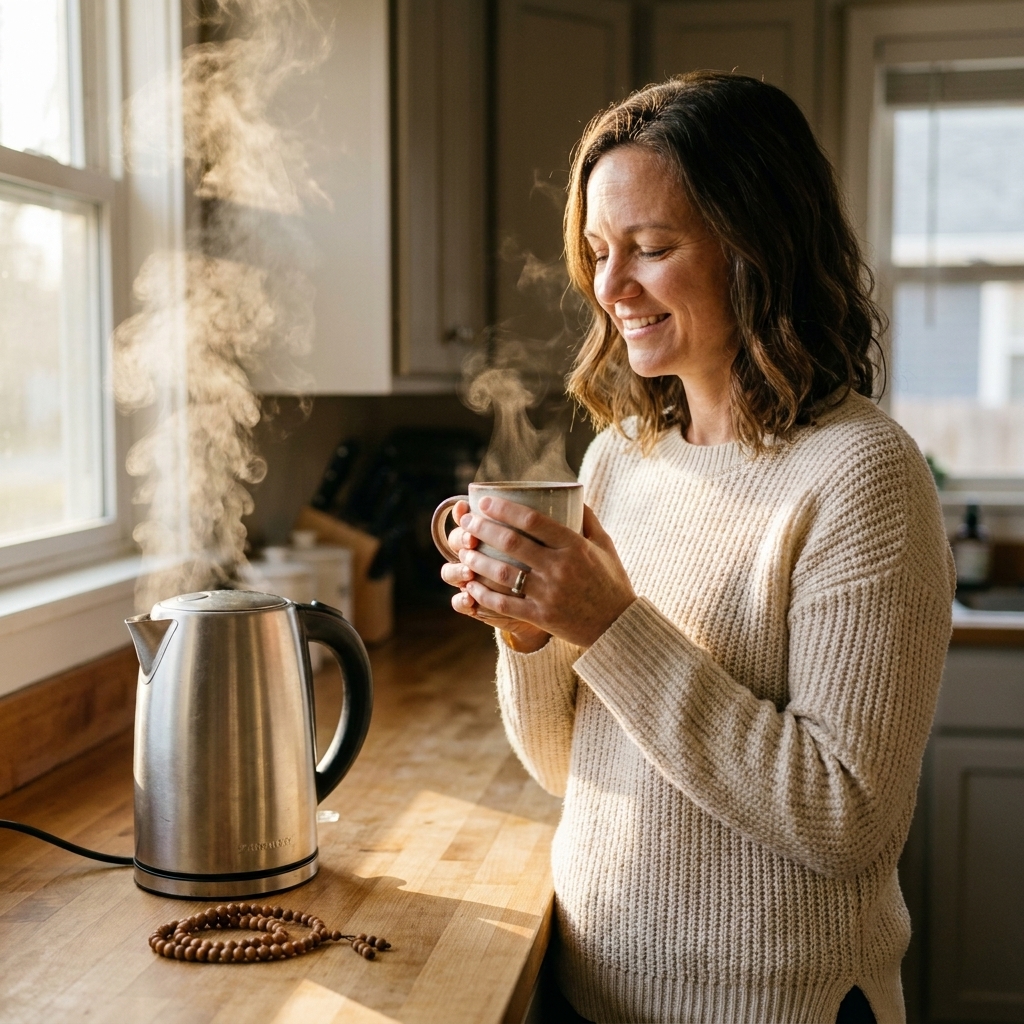
Daily routine idea: Try metta while waiting for the kettle to boil. It is a simple way to turn dead time into heart time.
3) Christian chant prayer
Where it comes from: Gregorian chant crystallized in Western Christian liturgical and monastic life as a way to pray scripture and the Mass with a unified voice. Even if you do not sing in Latin or in a choir, the underlying principle is beautifully simple: let breath and phrase become prayer.
A simple chant line
Kyrie eleison (pronounced: KEE-ree-eh eh-LAY-ee-son)
Meaning: “Lord, have mercy.” The phrase is Greek and is used across multiple Christian rites. For many people it is less a statement of unworthiness and more a cry for tenderness, help, and healing.
How to practice (3 to 10 minutes)
- Sit or stand with an open chest and relaxed jaw.
- On a comfortable note, chant slowly: Kyrie eleison.
- Let the vowels lengthen. Do not push volume. Aim for resonance, not force.
- Pause for one breath between repetitions.
- End with a simple: Amen or a moment of silence.
Daily routine idea: Chant this while walking the dog, matching one phrase to a few steps. The steady rhythm can turn a regular neighborhood walk into a small pilgrimage.

4) Sufi dhikr
Where it comes from: Dhikr means remembrance. In Sufi practice, repeating sacred Names or phrases becomes a way to remember God with the whole body. Dhikr can be silent or vocal, solitary or communal. For daily life, a gentle, steady form is often the most supportive.
A simple phrase
Allah (often repeated softly as a single Name) or Ya Salam (pronounced: yah sah-LAHM)
Meaning: “O Peace.” As-Salām is commonly rendered “The Peace” or “The Source of Peace.”
How to practice (2 to 5 minutes)
- Sit with your right hand resting lightly on your heart if that feels comfortable.
- Inhale naturally.
- On the exhale, repeat softly: Ya Salam.
- Keep the tone private, like a secret you are telling the Divine.
- Close by sitting in stillness for three breaths.
Daily routine idea: Use dhikr as a reset between tasks. One minute before a meeting can change how you enter the room.
Note on tradition: If you are not Muslim, approach dhikr with special humility. Keep it simple, avoid performative use, and consider learning from a reputable teacher or interfaith setting where respectful context is offered.
5) Simple humming
Where it comes from: While specific mantras are tied to particular lineages, humming itself is nearly universal. Monastics hum psalms. Yogis hum seed sounds. Grandparents hum over babies. The body knows how to soothe itself through vibration.
A simple practice
Humming “Om” or simply “Mmm”
If you feel unsure about using Om, a long mmm sound offers similar vibration without cultural specificity.
How to practice (2 minutes)
- Close your lips gently, teeth unclenched.
- Inhale through the nose.
- Exhale with a soft hum, feeling the vibration in the chest, lips, and face.
- Repeat 5 to 10 times.
- Notice whether your shoulders drop on their own.
Daily routine idea: Do this in the car before you start driving, or in the bathroom before social events. It is subtle, grounding, and surprisingly powerful.

Daily routine basics
If you are the kind of person who has tried routines before and felt like you “failed,” let this be forgiving. Chanting can be a thread, not a schedule.
Three simple templates
- The 60-second start: 3 slow breaths, 7 repetitions of your chosen phrase, 10 seconds of silence.
- The commute practice: Repeat a short mantra at red lights or while walking, then return to ordinary attention.
- The evening landing: Two minutes of humming, then one minute with your hand on your heart.
When your mind wanders
Let it wander. Notice it kindly. Return to the next repetition. In every tradition I have studied, the return is the practice.
Common questions
Do I need a specific theology for mantra to work?
No. Some people relate to mantra as prayer, others as meditation, others as nervous system regulation. What matters most is your sincerity and steadiness.
Is it okay to chant silently?
Yes. Silent repetition is a long-standing practice in many paths and can be more accessible in shared living spaces or when you are tired.
How long until I notice a difference?
Sometimes immediately, in the form of a softened jaw or a slower breath. Deeper changes often come from small daily repetition over weeks, not heroic sessions.
Can chanting replace therapy or medical care?
Chanting can be supportive, but it is not a substitute for mental health treatment or medical guidance. If you feel overwhelmed, please seek help and consider mantra as one gentle tool among many.
A closing blessing
Ancient chants were not created for perfect lives. They were created for human lives: noisy, tender, complicated. If you choose one practice from this list and offer it five days in a row, you are joining a quiet lineage of people who learned to meet the day with breath, voice, and care.
May your words become a bridge. May your breath become a refuge. May your routine become a little more sacred than it was yesterday.