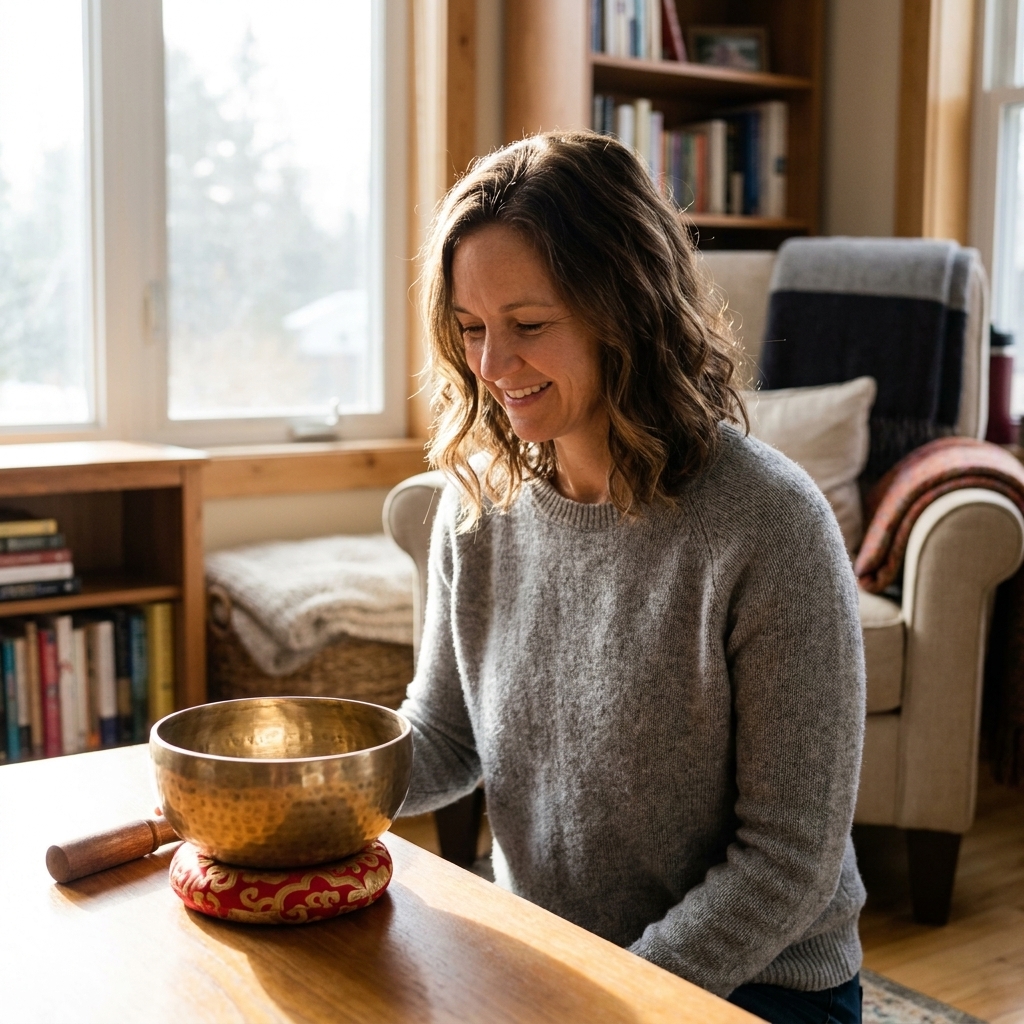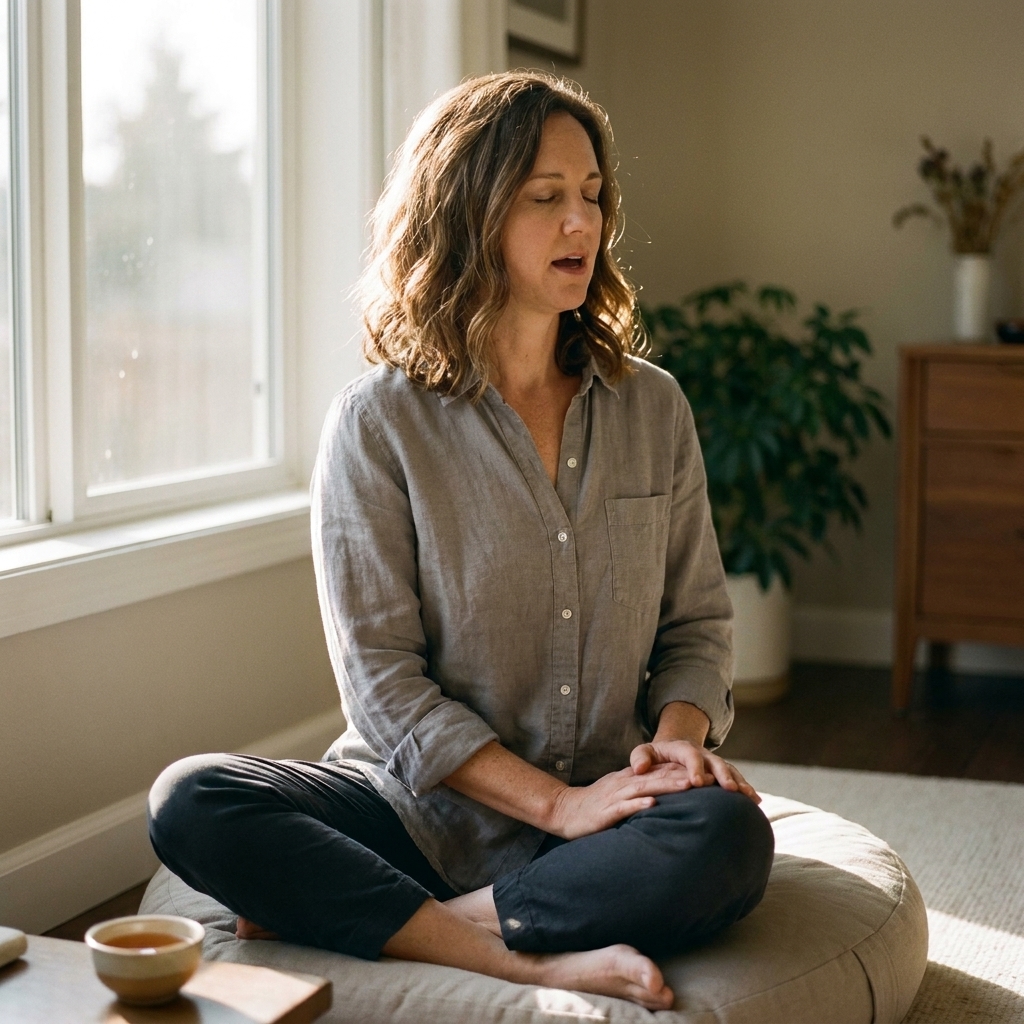
There are days when the mind feels like a browser with too many tabs open. And then there are moments when a single, steady tone seems to gather all that scattered attention and bring it home.
Sound healing, at its best, is less about chasing a mystical experience and more about remembering your own center. Across traditions, people have used sound to pray, to grieve, to celebrate, and to return to what is steady beneath the noise. If you are new to this world, consider this your gentle starting point: clear enough to feel grounded, spacious enough to be your own.
What it is and is not
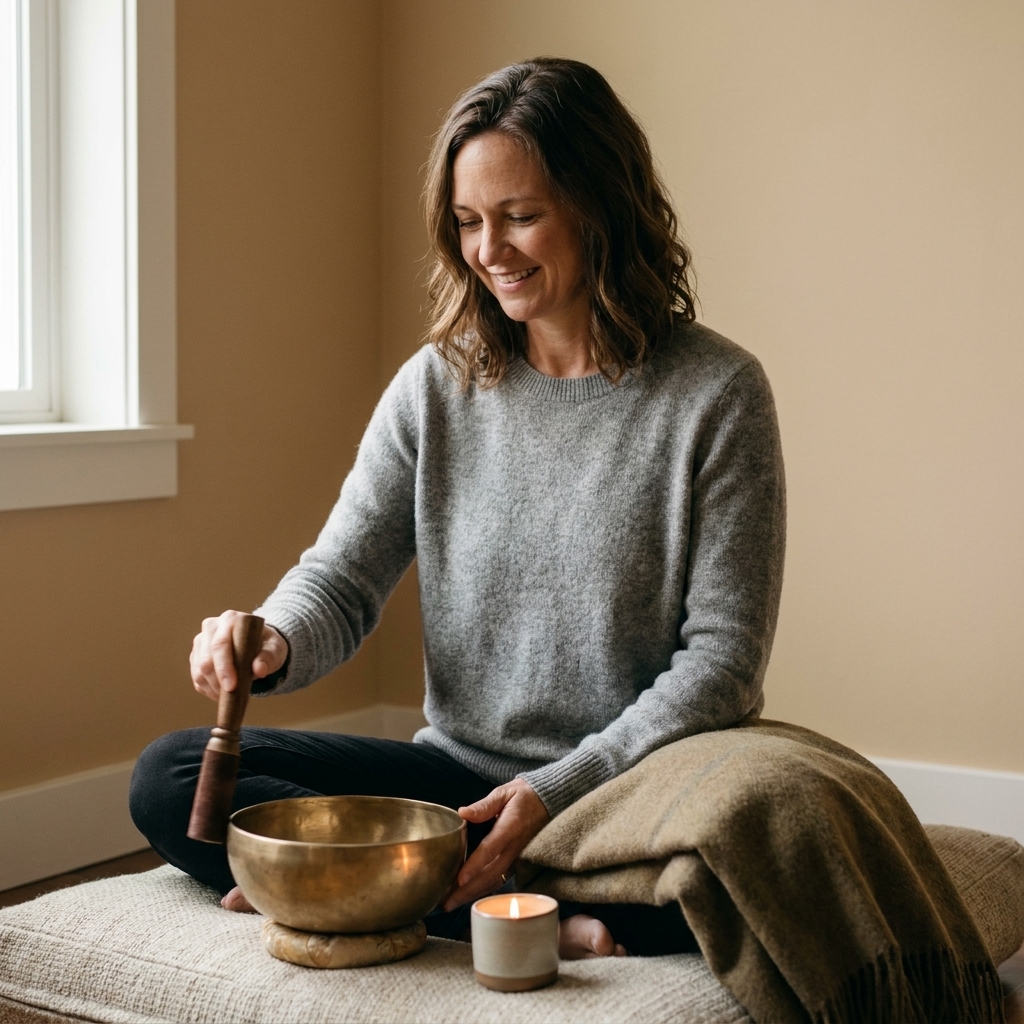
Sound healing is the intentional use of vibration, rhythm, and tone to support relaxation and inner balance. You might encounter it in a yoga class with singing bowls, in a therapy office with tuning forks, or in a faith community through chanting and hymnody.
From a practical standpoint, sound can help the body shift into a calmer state. For many people, slow and steady tones may encourage slower breathing, ease muscle tension, and support a sense of safety in a stressed nervous system. From a spiritual standpoint, sound can become a doorway into contemplation, helping you move from mental chatter into listening presence.
A grounded note on claims
Sound practices can be deeply supportive, but they are not a substitute for medical care, mental health treatment, or emergency support. If you are managing trauma, seizures, severe anxiety, or chronic pain, approach gently and consider working with a qualified practitioner. In spiritual spaces, I often say: let sound be a companion to your healing, not a demand that you “fix” yourself.
One simple way to stay discerning is this: the strongest support for sound practices tends to live in the realm of relaxation, meditation, attention, and stress reduction. Claims about specific tones treating diseases, “detoxing” organs, or guaranteeing outcomes are generally not well supported by rigorous evidence. Keep your practice honest, gentle, and grounded in what you can actually observe in your own body and daily life.
Why it can feel powerful
You do not need to be a physicist to understand why sound moves us. Your body already speaks the language of rhythm. Heartbeat. Breath. Steps on a trail. The hush of waves.
When we introduce a clear, sustained tone, the mind often has something simple to rest on. That simplicity can feel like alignment. Not alignment as perfection, but alignment as coherence: fewer inner arguments, less tension between what you feel and what you are trying to force.
In many traditions, sound is not only something we hear. It is something we inhabit.
You may also hear people talk about specific “healing frequencies” like 432 Hz or 528 Hz. Some individuals find these meaningful and focusing. At the same time, strong health claims tied to particular Hz values are not well established by rigorous research. My encouragement is to treat frequency talk as a poetic pointer rather than a rigid rule. Your body’s response, your breath, and your sense of safety are the most trustworthy guides.
Getting started
If you are unsure where to begin, start here. This works with any method: bowls, forks, or voice.
- Set an intention. One sentence is enough. Try: “May I return to myself with kindness.”
- Choose a short container. Ten minutes is plenty for a beginner. Consistency is more important than intensity.
- Close with integration. Sit in silence for one minute afterward. Notice what changed, even if it is subtle.
This is the heart of spiritual alignment: not the dramatic moment, but the honest check-in.
Singing bowls
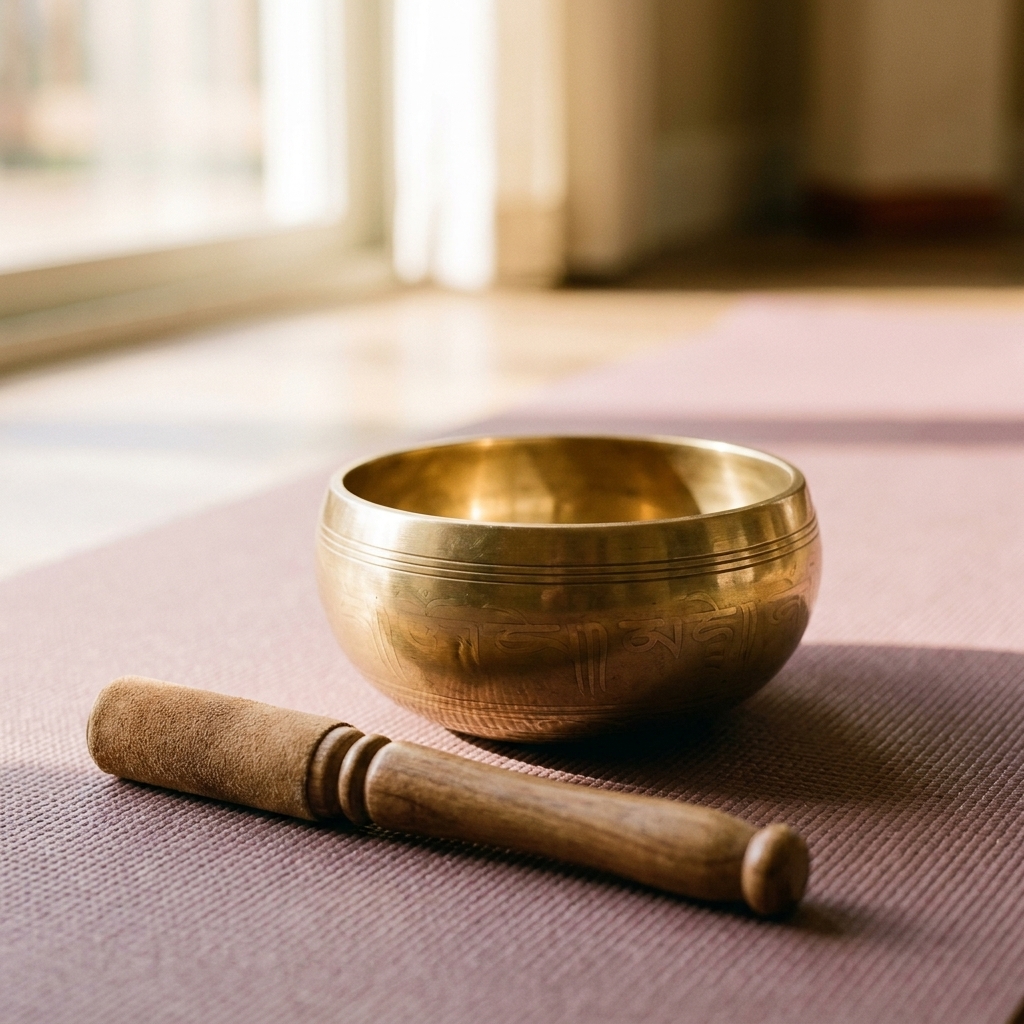
Singing bowls are beloved for good reason. Their sound is layered and forgiving, which makes them welcoming for beginners. They are often associated with Himalayan regions and have been widely popularized in modern wellness and interfaith settings.
How to choose a bowl
- Go by your body’s yes. If you feel calmer when you hear it, that matters more than the sales language.
- Start medium-sized. Very small bowls can be sharp; very large bowls can be loud and intense.
- Notice sustain. A bowl that rings a bit longer can be easier for meditation.
- Source with respect. If cultural lineage matters to you, ask where it was made, who it supports, and whether the seller can speak plainly about origin instead of relying on myths.
A 5-minute bowl practice
- Posture: Sit comfortably, feet grounded or cross-legged, shoulders soft.
- Breath: Inhale for 4, exhale for 6, three times.
- Tone: Strike the bowl gently once. Let the sound fully fade.
- Repeat: Strike again and again for 3 to 5 total strikes, leaving plenty of space between each one.
- Listening: Track the sound like you would track a prayer bead, or like following a single thread, staying with it until it disappears.
- Silence: After your final strike, sit for one full minute and notice your inner atmosphere.
Common beginner mistakes
- Too much force. Loud does not equal healing. Gentle often goes deeper.
- Rushing. Let the sound finish. The fading is part of the medicine.
- Overthinking technique. Your attention and softness matter more than perfect circling with the mallet.
Tuning forks
Tuning forks offer a clean, simple tone that many people experience as focused and clarifying. Some practitioners use them near the ears or on the body in specific ways. For a beginner at home, the safest and simplest approach is to use them in the space around you rather than pressing them into the body.

A gentle practice (no contact)
- Create quiet. Turn off notifications. Lower harsh lighting.
- Activate softly. Tap the fork on a rubber activator or a folded towel, not on hard surfaces.
- Place in space. Hold it 6 to 12 inches from your ears, then slowly move it outward as it fades.
- Pair with breath. Inhale as it begins, exhale as it diminishes.
- Repeat 3 times. Then rest in silence.
When to be cautious
- Migraines or sound sensitivity: Use very gentle volume and short sessions.
- PTSD or panic symptoms: Keep your eyes open and stay oriented to the room. Stop if you feel flooded.
- Seizure history: Approach with extra care and consider professional guidance.
- Tinnitus, hearing loss, or hyperacusis: Keep volume low, avoid bringing sound too close to the ears, and stop if symptoms spike.
- Uncertainty about safe use: Work with a trained sound therapist.
One practical rule that serves almost everyone is simple: keep sound at a comfortable speaking-level volume or lower. If you find yourself bracing, wincing, or holding your breath, it is too much.
Chanting
If bowls and forks feel like “tools,” chanting can feel like coming home. It is one of the oldest and most widespread forms of sound-based spiritual practice. Nearly every tradition has a form of sacred repetition: mantras in Hindu and Buddhist practice, dhikr in Islam, the Jesus Prayer in Christianity, nigunim in Jewish tradition, call-and-response songs in many Indigenous and African diasporic communities.
What they share is not the same theology. It is the same human longing: to be gathered, to remember, to belong to something deeper than the day’s worries.
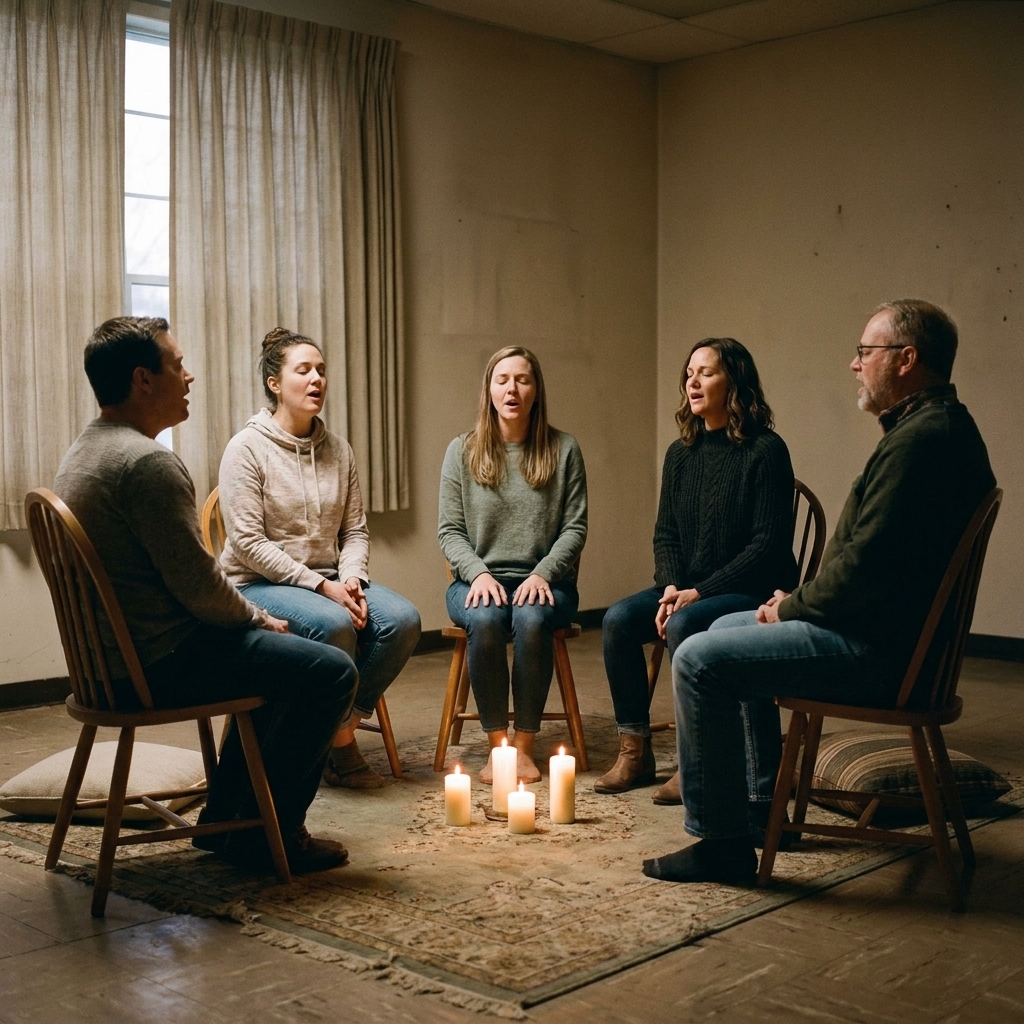
A simple chant practice
Choose something simple and respectful. If a mantra belongs to a tradition that is not yours, approach with humility and learn its meaning. You can also use a phrase aligned with your own faith, or a universal intention.
- Option 1 (universal): “Peace within, peace around.”
- Option 2 (breath prayer): Inhale: “Here.” Exhale: “Now.”
- Option 3 (devotional): A short line from your tradition’s prayers or hymns.
Set a timer for 7 minutes. Begin quieter than you think you need to, and choose a pitch that feels easy in your throat. If you feel self-conscious, let the voice be small and steady, almost like speaking on a gentle melody. Let the repetition become a raft. When your mind wanders, return without scolding yourself. That return is the practice.
A simple home ritual
You do not need a studio, crystals, or a perfectly curated altar. If those items help you focus, lovely. If they make you feel like spirituality is a performance, let them go.
A 10-minute alignment ritual
- Open: Light a candle or simply place a hand on your heart.
- Ground: Feel your feet. Name three things you can see.
- Sound: Use one method: bowl, fork, or voice. Keep it steady and gentle.
- Listen: After the last tone, sit in silence for two minutes.
- Close: Ask, “What is one kind action I can take next?” Write it down.
Spiritual alignment is not only an inner feeling. It becomes real when it turns into compassion, patience, and clear choices.
If you want a practical setup tip: softer rooms can feel kinder on the nervous system. A folded blanket under a bowl, a towel under tuning forks, and moderate volume can make the experience smoother. When in doubt, gentler and shorter is usually wiser.
FAQ
How often should I practice?
For beginners, 2 to 4 times per week for 5 to 15 minutes is plenty. If you feel more anxious afterward, shorten the session and choose softer sounds.
Can it help anxiety and stress?
Many people find it supports relaxation and emotional regulation, especially when paired with slow breathing. If anxiety is severe or persistent, consider sound as one tool alongside professional support.
Do I need 432 Hz or 528 Hz?
No. Some people enjoy working with specific frequencies, but strong health claims about particular Hz values are not firmly supported by rigorous evidence. The most important elements are safety, gentleness, and consistent practice. Choose sounds that help your body soften rather than brace.
Is it okay to use chants from a tradition that is not mine?
It can be, but it deserves care. Learn the meaning, honor the source, and avoid treating sacred words as a trend. When in doubt, use a breath prayer or a simple phrase rooted in your own tradition or values.
What should I feel during a session?
Often it is subtle: slower breath, softer jaw, fewer racing thoughts. Sometimes emotions rise. If something feels overwhelming, stop, place a hand on your body, and orient to the room. Gentle is wise.
Closing reflection
In my own life, sound has been a kind of interfaith meeting place. A temple bell, a church hymn, a whispered mantra, the steady hush of the Pacific outside my window. Different languages, same invitation: listen closely, and return.
If you try one practice this week, let it be simple. One tone. One breath. One honest moment of presence. Alignment is not a grand achievement. It is a quiet remembering.