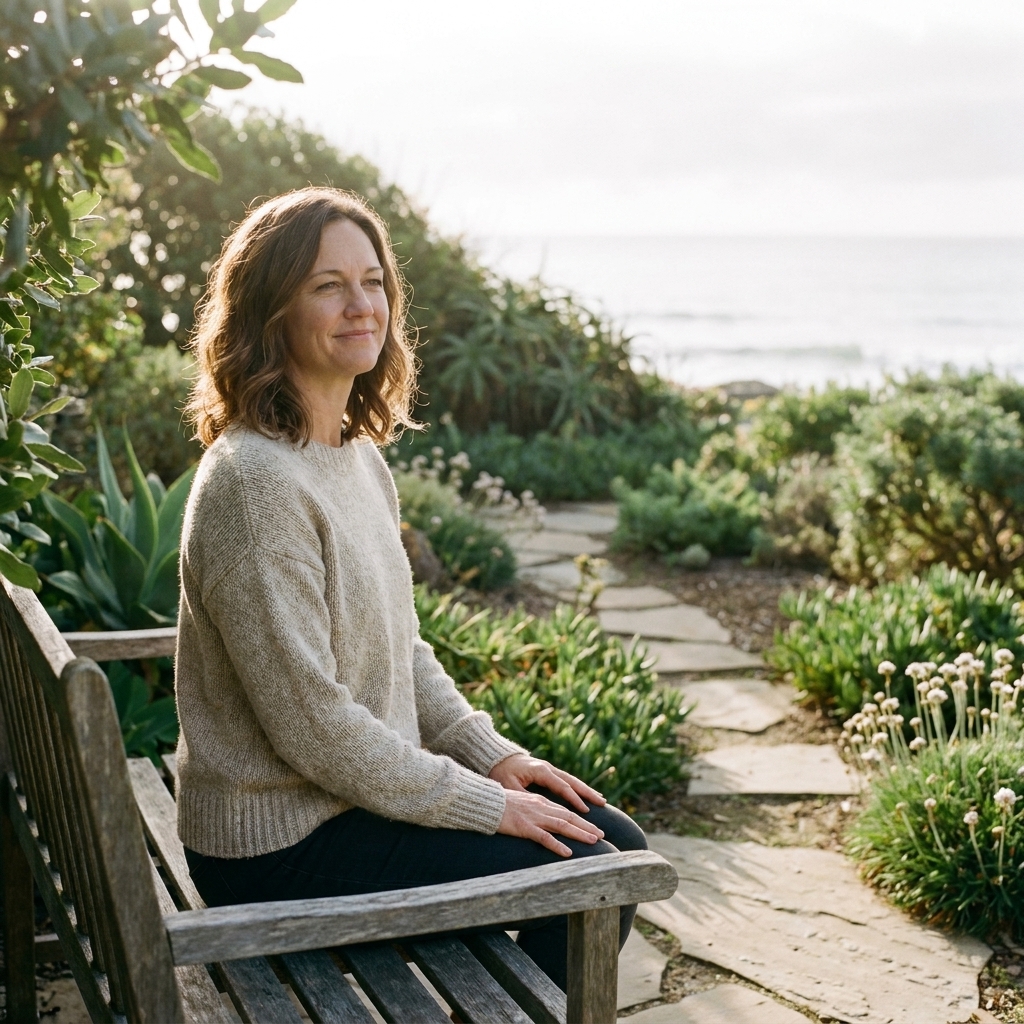
In nearly every spiritual tradition I have studied, the doorway is surprisingly ordinary. It is the next breath.
Breathwork can feel mystical, but it is also profoundly practical. Your breathing patterns are closely linked with your nervous system, your emotions, and the stress responses your body has practiced for years. When we change the breath with care, we do not force an awakening. We make space for what is already quietly waiting to be known.
This guide is rooted in pranayama, the yogic science of breath, and in trauma-informed principles. The aim is not intensity. The aim is steadiness, safety, and a gentle rise in awareness that can be integrated into daily life.
Before you begin
Breathwork and stored stress
Many of us store stress as muscle bracing, shallow breathing, clenched jaws, tight bellies, and a constant low hum of vigilance. Some people describe this as “trapped trauma.” In clinical language, it can look like a nervous system that has learned to stay on guard.
Skillful breathing helps because it works from the bottom up. Longer, slower exhalations often help the body downshift from high alert. A balanced rhythm can steady attention. Breath retentions can build tolerance for sensation for some people, but they can also be activating. They are always optional. Over time, the body can relearn that it can feel without being overwhelmed.
Safety first
- Stop if you feel dizzy, numb, panicky, or dissociated. Return to normal breathing and look around the room, naming five things you can see.
- Avoid breath retention if you are pregnant, have uncontrolled high blood pressure, arrhythmia, a history of seizures, or certain eye conditions (including glaucoma), unless a qualified clinician or teacher has cleared it. Also avoid straining or bearing down during any breath practice.
- If you have a trauma history, keep practices gentle and short at first. More sensation is not always more healing.
- This is spiritual practice, not medical care. If breathing practices bring up intense memories or symptoms, consider working with a trauma-informed therapist or a trusted teacher.
Quick setup
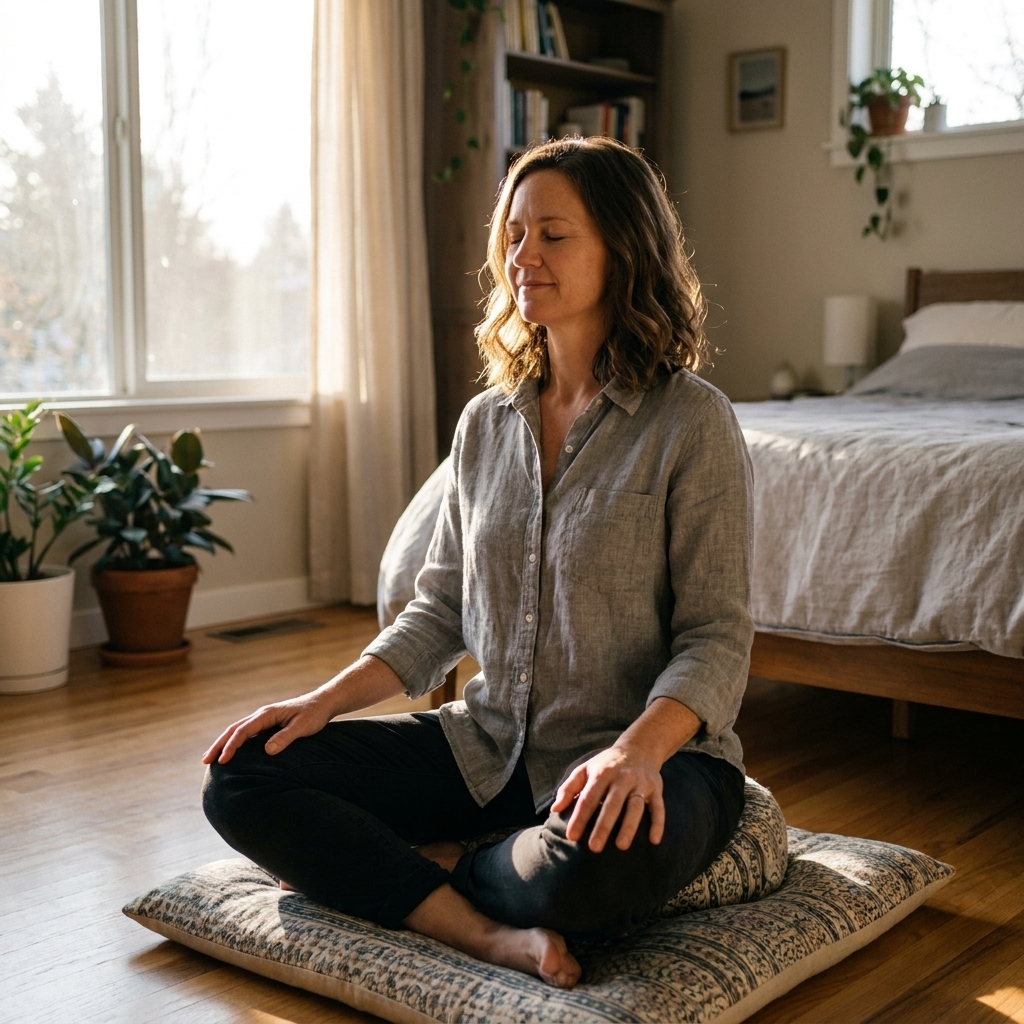
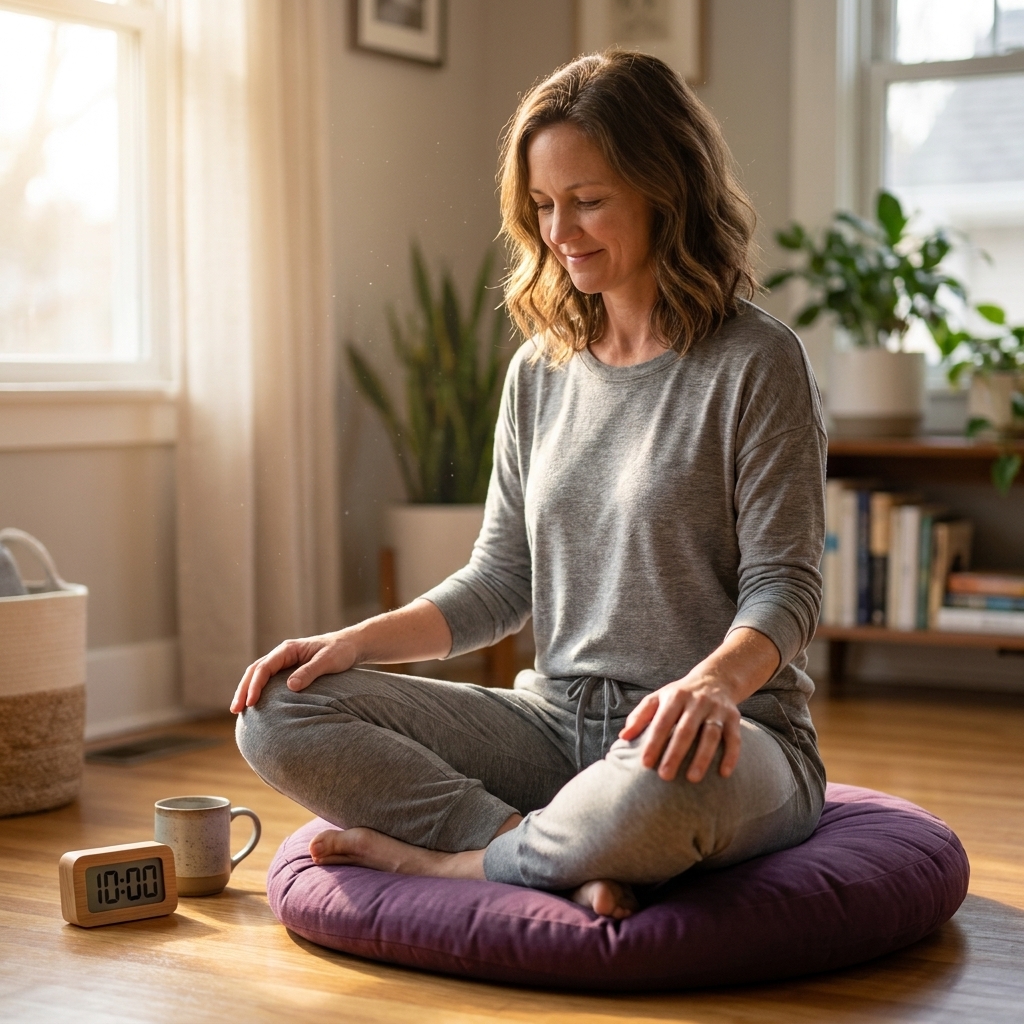
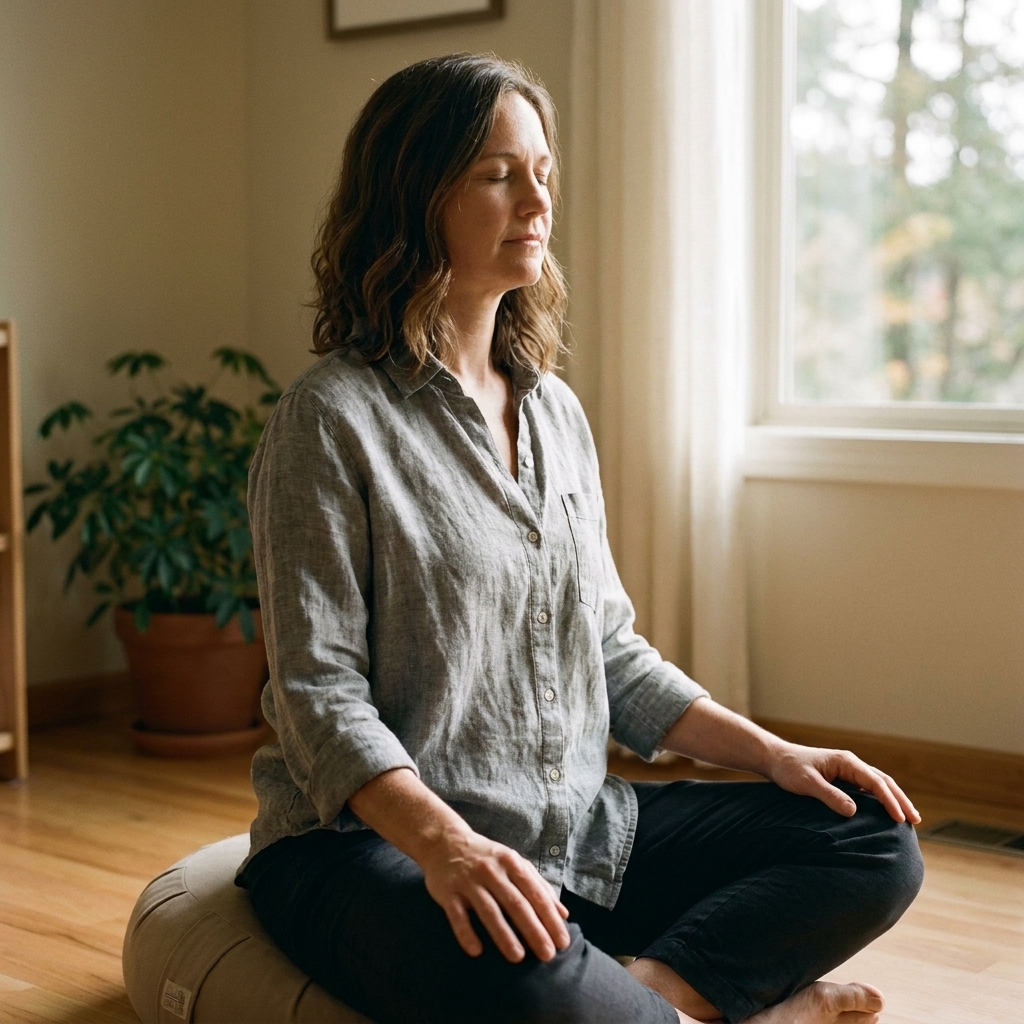
- Sit upright on a chair or cushion. Let your spine be tall without being rigid.
- Relax the jaw and soften the belly.
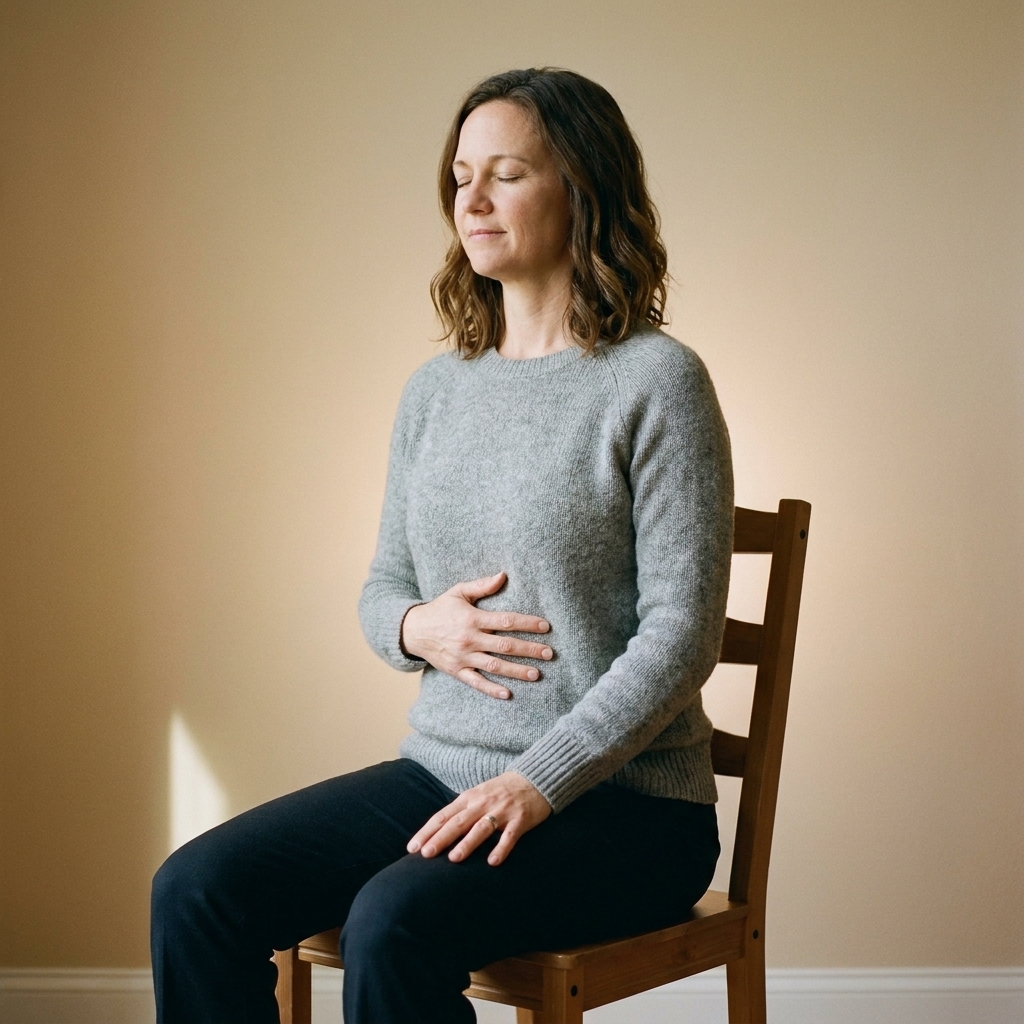
- Place one hand on the chest and one on the lower ribs to feel movement.
- Choose a “home base” phrase for safety, like: Right now, I am here.
Nose or mouth? If your nasal passages are clear, nasal breathing is usually the gentlest place to start. If you have asthma, allergies, or congestion, do not force air through the nose. Breathe in the way that feels steady and unstrained, including through the mouth if needed. If you have asthma, keep the pace slower than you think you need, and stop if you feel tightness or wheezing.
Three-stage pathway
To keep this work grounded, I teach it as a pathway with three stages. You can move through them in one session, or spend weeks with each stage.
- Regulate: calm the nervous system and widen your sense of safety.
- Release: invite held tension to soften without forcing catharsis.
- Refine: sharpen awareness, clarity, and subtle spiritual sensitivity.
Stage 1: Regulate
1) Coherent breathing
This is one of the simplest ways to settle the system. It creates a smooth, even rhythm that many people find immediately grounding.
How to do it
- Inhale through the nose for 5 seconds.
- Exhale through the nose for 5 seconds.
- Continue for 3 to 5 minutes.
Tips
- If 5 seconds feels too long, try 4 and 4.
- Keep the breath quiet and smooth. Think “silk thread,” not “bellows.”
- If you feel anxious, lengthen the exhale slightly: 4 in, 6 out.
Spiritual lens
Even rhythm makes room for attention. Attention, over time, becomes devotion. You are practicing fidelity to the present moment.
2) Extended exhale
If you only learn one technique from this guide, let it be this. A longer exhale is one of the clearest ways to help the body soften.
How to do it
- Inhale through the nose for 4.
- Exhale through pursed lips or the nose for 6 to 8.
- Repeat 10 rounds.
Where it helps
- Before prayer or meditation
- After an argument
- When you feel emotionally “flooded”
- Any time you are tempted to spiritually bypass your feelings
Stage 2: Release
3) Three-part breathing (Dirga)
This practice teaches the body to breathe like it belongs to itself again. Many of us only breathe into the upper chest. Dirga reawakens the belly and ribs, where a great deal of bracing can hide.
How to do it
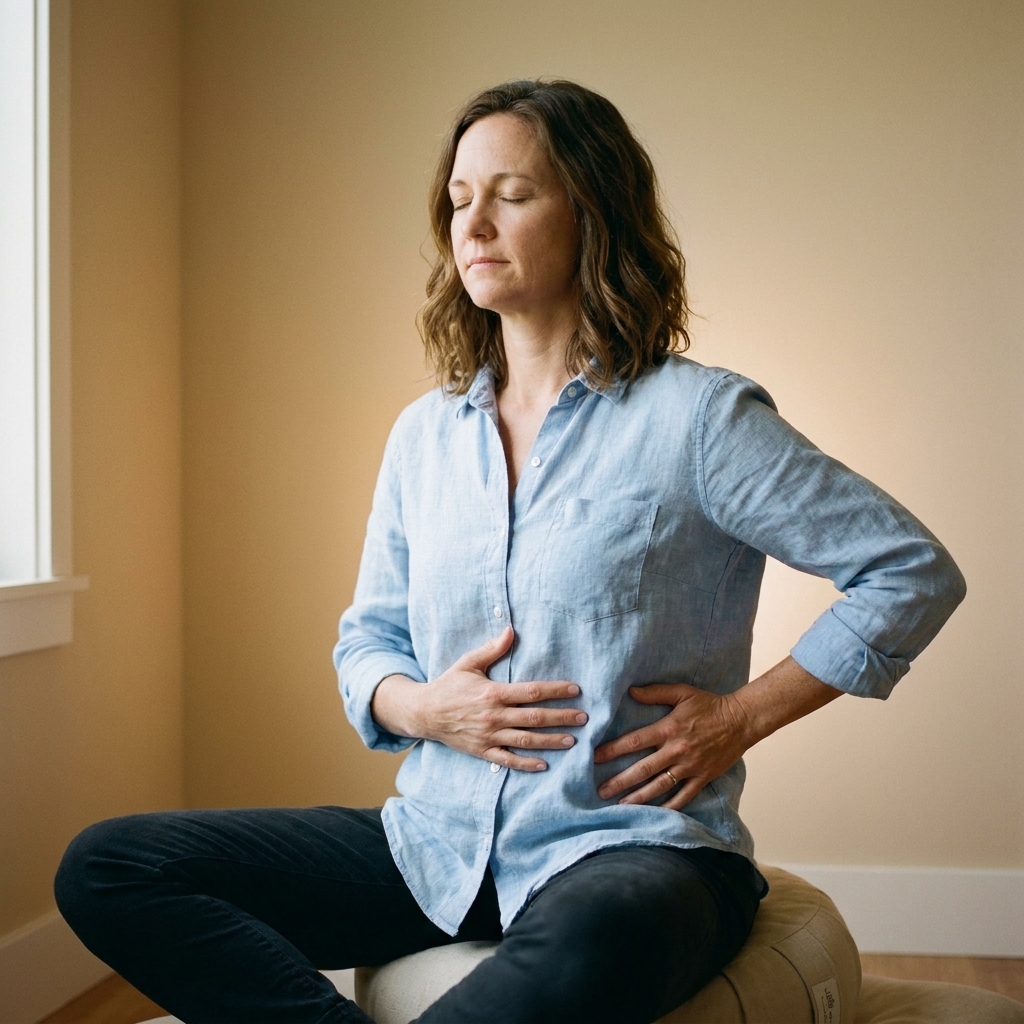
- Low breath: inhale into the belly, letting it gently expand.
- Mid breath: continue inhaling into the side ribs, widening the torso.
- High breath: finish the inhale into the upper chest, lifting the sternum slightly.
- Exhale in reverse: chest softens, ribs narrow, belly releases.
- Repeat for 8 to 12 breaths.
What release can look like
Yawning, tears, a wave of warmth, tingling in the hands, or a sudden sigh. These can be signs of the system unwinding. Tingling can also happen if you are breathing a little more than usual and shifting carbon dioxide levels. If tingling is unpleasant, if you feel lightheaded, or if your breath starts to feel forced, slow down or stop and return to natural breathing.
4) Alternate nostril breathing (Nadi Shodhana)
In yogic language, this practice “cleans the channels.” In modern language, many people experience it as balancing, centering, and quietly clarifying. It can be especially helpful when emotions feel scattered or spiritually noisy.
How to do it
- Use your right hand. Rest the index and middle fingers lightly between the brows, or fold them in.
- Close the right nostril with the right thumb. Inhale through the left for 4.
- Close the left nostril with the ring finger. Exhale through the right for 4.
- Inhale through the right for 4.
- Exhale through the left for 4.
- That is one round. Do 5 to 10 rounds.
Keep it gentle
- Breathe quietly, without sniffing.
- Do not force air through a congested nostril. If you are sick, skip this practice.
When the breath becomes balanced, the mind stops arguing with itself. In that silence, we often recognize what we already knew.
5) Humming bee breath (Bhramari)
Bhramari is a tender practice for people who feel anxious, grief-heavy, or overstimulated. The vibration often feels soothing and can soften the jaw, throat, and belly.
How to do it
- Inhale through the nose.
- Exhale slowly while making a gentle humming sound, like a bee, mouth closed.
- Feel the vibration in the lips, cheeks, and chest.
- Repeat 6 rounds.
Optional
Place your hands over your ears to soften external sound. Keep it comfortable and unforced.
Stage 3: Refine
6) Ujjayi breath
Ujjayi is a classic yogic breath that can turn an ordinary moment into a devotional one. The slight throat constriction creates a soft oceanic sound, which helps anchor attention.
How to do it
- Inhale through the nose.
- Exhale through the nose while gently narrowing the throat, as if fogging a mirror but with the mouth closed.
- Keep the breath smooth and quiet, like distant waves.
- Continue for 2 to 4 minutes.
Spiritual lens
Many people notice a shift from “I am doing a practice” to “I am being practiced by something larger.” That subtle humility is its own kind of awakening.
7) Box breathing
This is not classical pranayama in a traditional lineage, but it pairs well with spiritual work because it strengthens steadiness. It can be useful before hard conversations, grief rituals, or silent meditation.
How to do it
- Inhale for 4.
- Hold for 4.
- Exhale for 4.
- Hold for 4.
- Repeat for 4 rounds, then return to natural breathing.
Make it safer
If the holds feel edgy, reduce them to 2 seconds or skip them entirely and return to coherent breathing. Remember that breath retention can be activating for some people, especially when you are already anxious.
8) Breath and mantra
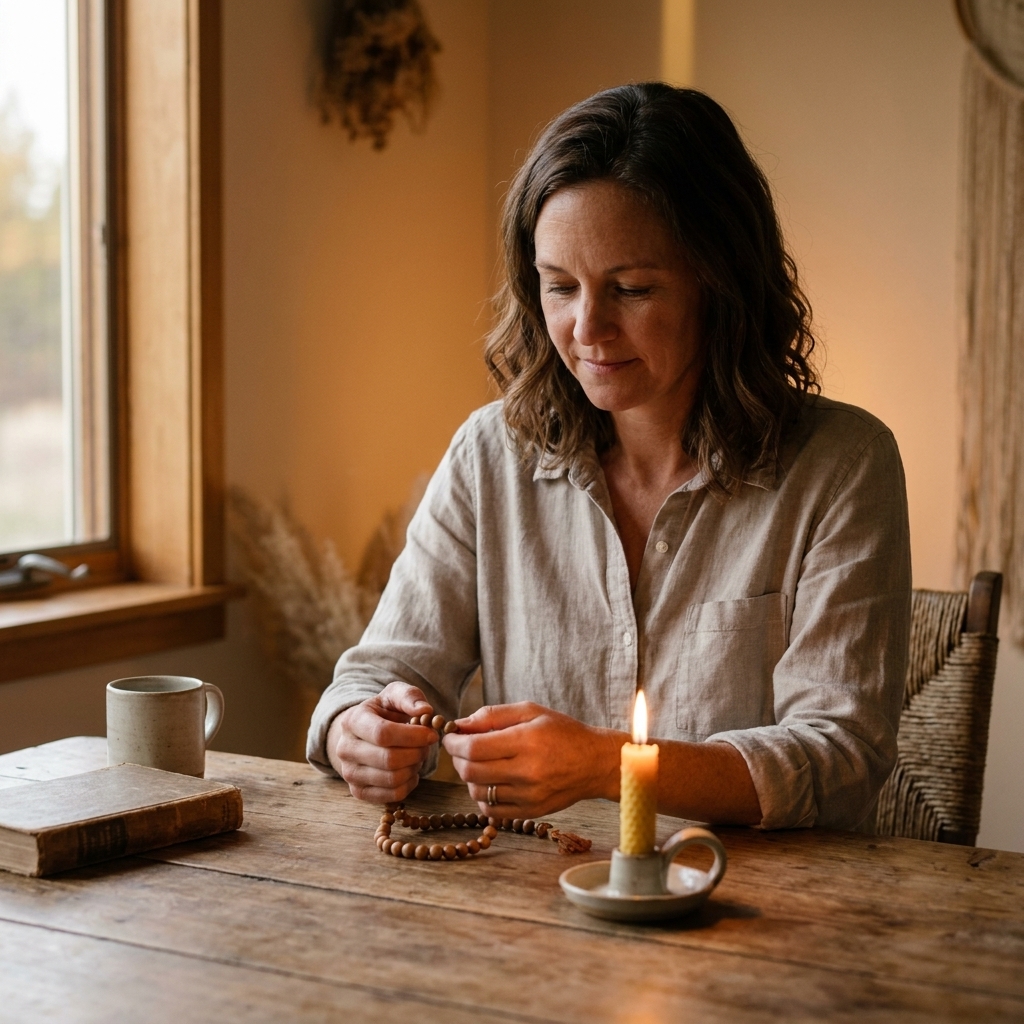
If you come from a devotional tradition, this is a gentle way to let breath become prayer without forcing belief. If you do not, you can use a simple phrase of intention.
How to do it
- Inhale: Here.
- Exhale: Now.
Or, if it resonates with your path:
- Inhale: Peace.
- Exhale: Be with me.
Continue for 3 minutes, letting the words eventually fade into pure sensation.
Simple routines
Morning (7 minutes)
- Coherent breathing, 3 minutes
- Three-part breathing, 2 minutes
- Breath and mantra, 2 minutes
After a hard day (10 minutes)
- Extended exhale, 2 minutes
- Alternate nostril breathing, 5 minutes
- Bhramari, 3 minutes
Before meditation (6 minutes)
- Ujjayi, 2 minutes
- Box breathing, 2 minutes
- Sit in silence, 2 minutes with natural breath
What awakening can feel like
Awakening is often described with fireworks, but in real life it is frequently quieter. You may notice:
- A widening gap between a feeling and your reaction to it
- More compassion for yourself, especially in your tender places
- A sense of being guided by values instead of impulses
- Moments of unity, awe, or sacred presence in ordinary tasks
- Grief that finally has enough space to move
If breathwork stirs strong emotion, consider it a sign of honesty, not failure. The body is not betraying you. It is speaking the truth in a language older than thought.
Red flags
Stop the practice and seek professional support if you notice any of the following:
- Persistent dizziness, fainting, or feeling like you might pass out
- Chest pain, pressure, or a racing heart that does not settle
- Panic that intensifies or does not calm after returning to natural breathing
- Trauma flashbacks, intense dissociation, or feeling unsafe in your body
When in doubt, choose the gentlest option: natural breathing with a slightly longer exhale, feet on the floor, eyes open, orienting to the room.
Common mistakes
- Chasing intensity. Spiritual growth is not measured by how hard you can breathe, but by how well you can return to center.
- Holding the belly tight. A braced abdomen often signals control. Let the breath befriend your softness.
- Skipping integration. After practice, sit for 30 seconds and feel the afterglow. Let your system learn it can come back.
- Using breathwork to avoid feelings. Calm is beautiful, but so is truthful sadness. Let both be sacred.
FAQ
How often should I practice?
Consistency matters more than duration. Start with 5 minutes a day, three to five days a week. Once your body trusts the practices, you can extend sessions gradually.
Can breathwork release stored trauma?
Breathwork can help loosen patterns of bracing and survival energy. Some people experience emotional release. The safest approach is gentle, titrated practice that keeps you within your “window of tolerance.” If intense material surfaces, support from a trauma-informed professional can be life-changing.
Which pranayama is best for anxiety?
Extended exhale, coherent breathing, and Bhramari are often the most soothing. Keep it quiet, slow, and easy. If anxiety spikes, stop the technique and return to natural breathing.
Is tingling or emotion normal?
It can be, especially when you begin. Emotion can be a sign that your system is finally making room. Tingling can also be a cue that you are breathing more than you need, even subtly. If sensations become uncomfortable or disorienting, shorten the session, slow the breath, or stop and return to natural breathing.
When should I not do breathwork?
Avoid strong breathwork when you are sick, sleep deprived, or feeling panicky. Avoid breath retentions if you have medical conditions that make them unsafe, and avoid any practice that includes straining. When in doubt, choose slow natural breathing and a longer exhale, or seek guidance.
A gentle closing
One of my teachers in a small monastery told me something I did not understand until years later: “The breath is not yours.” He did not mean it in a spooky way. He meant that the breath is a shared gift, a steady grace that arrives whether you feel worthy or not.
If you practice these techniques with patience, you may discover that spiritual awakening is less about becoming someone new and more about returning to what has been true beneath the noise. One breath at a time.