In the quiet moments, many of us sense it. A hush in the forest. The steady breath of the ocean. The strange tenderness of looking up at a night sky that does not seem to end. The world can feel charged with presence, as if the ordinary is carrying something more.
Two spiritual philosophies often come up when people try to name that feeling: pantheism and panentheism. Their names look like cousins, and they are. But the difference between them is not a mere technicality. It shapes how a person prays, how they relate to suffering, how they understand miracles, and whether the divine is something we can ever say “more” about than what we can touch and measure.
One gentle note up front: both words cover families of views. There are naturalistic and more devotional forms of pantheism, and there are many kinds of panentheism, including process and mystical approaches. So think of what follows as a clear map, not a fence.
The core question
Both pantheism and panentheism begin with a shared intuition: the divine is not far away. God, Spirit, the Sacred, Ultimate Reality, however you name it, is not only “up there” or reserved for special buildings and holy days.
Where they part ways is in how they answer one central question:
Is God identical to the universe, or does God include the universe while also exceeding it?
That one pivot changes everything.
Pantheism: God is the universe
Pantheism comes from Greek roots meaning “all” (pan) and “god” (theos). In pantheism, God and the universe are the same reality. The cosmos is not a “creation” separate from its Creator. It is divine reality as such.
If you want it in one plain sentence: pantheism says there is no God over and above the universe.
What pantheism tends to emphasize
- Immanence: the sacred is present in all things, not distant.
- Unity: everything belongs to one interconnected whole.
- Reverence for nature: the natural world is not merely a resource, but worthy of awe and care.
- Suspicion of an intervening deity: many pantheists do not imagine God as a separate personal being who steps in from “outside” the system.
Prayer and practice
Because God is not “elsewhere,” pantheist spirituality often feels like attention. Meditation. Ethical living. Wonder. Silence. You might not “ask” God to change the weather. You might instead align yourself with reality, with the deep patterns of nature and the moral weight of interconnectedness.
Some pantheists speak of God in a more personal, poetic way. Others use “God” as a symbolic name for the totality of existence. There is variation, but the core claim remains: God equals the universe.
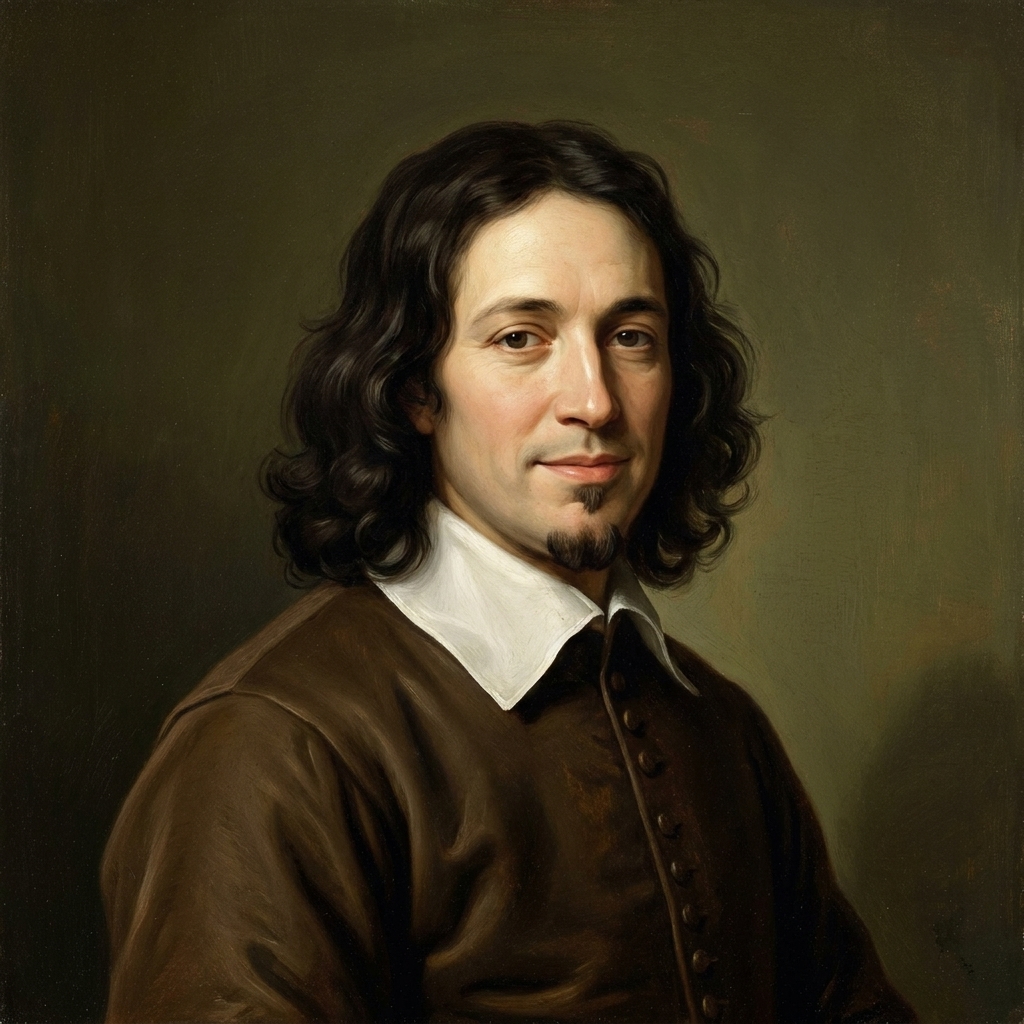
A reference point: Spinoza
Philosopher Baruch Spinoza is frequently associated with pantheistic thought because of his vision of a single substance that can be called “God or Nature.” Scholars do debate how best to label him, and some read his view as closer to panentheism depending on definitions. Still, his work remains a landmark for people drawn to a universe saturated with divinity rather than overseen by a distant ruler.
Panentheism: the world is in God
Panentheism is commonly glossed as “all in God,” from Greek elements meaning “all” (pan) plus “in” (en) plus “god” (theos). Panentheism says: everything exists in God, and yet God is not exhausted by the universe.
It can be tempting to reach for metaphors here. Some panentheists speak of the universe as God’s “expression,” or even God’s “body,” but these are metaphors and not shared by every tradition. The simplest point is this: the world is truly within God, and God is still more than the world.
If you want it in one plain sentence: panentheism says God includes the universe but is not identical to it.
What panentheism tends to emphasize
- Immanence and transcendence: God is intimately present, and also beyond.
- Relationship: God can be approached personally, even while being more than a person.
- Dynamic life: the world matters to God, as something held, known, and participated in.
- Room for mystery: the divine is not reducible to the sum of physical reality.
Prayer and practice
Panentheist prayer often includes both contemplation and conversation. You may sit in silence to sense God’s nearness in your breath and the wind in the trees, and you may also speak honestly to God as One who hears.
In pastoral settings, panentheism can feel emotionally spacious: if God includes the world, then nothing is outside divine concern. And if God exceeds the world, then suffering does not get the final word simply because it is part of nature’s harshness.
A few reference points
If pantheism has Spinoza as a familiar signpost, panentheism has signposts too. Many people meet it through process theology (often associated with Alfred North Whitehead and later thinkers), through Teilhard de Chardin’s sense of creation held within a larger divine depth, or through modern Christian theology that insists on God’s closeness without collapsing God into the world. These streams are not identical, but they rhyme.
Easy way to remember
Here is a gentle memory hook I use when I am teaching retreats:
- Pantheism: God is the world.
- Panentheism: The world is in God.
They sound similar until you sit with the implications. One is a straight equals sign. The other is a kind of sacred nesting.
Why it matters
Most people do not spend their mornings arguing metaphysics. We are trying to get through Tuesdays. So let’s bring these ideas down to the level where the heart actually lives.
1) When you feel awe in nature
Pantheism often experiences awe as recognition: “This is God.” The river, the hawk, the night sky. Not symbols pointing beyond themselves, but the sacred itself.
Panentheism often experiences awe as both recognition and invitation: “God is here, and also more.” Nature becomes a doorway into a Presence that is not limited to nature.
2) When you face suffering
This is where the difference can feel sharp.
In pantheism, suffering is part of the universe, and therefore part of divine reality. Some find this grounding, even honest: life includes death, decay, and pain. The spiritual task becomes learning to live wisely inside that truth, often with deep compassion.
In panentheism, suffering is still within God’s embrace, but God is not identical to suffering. Many panentheists find this offers hope without denial: what hurts is real, and yet the divine is not reducible to what hurts.
3) Ethics and ecology
Both views can motivate strong environmental ethics, but for slightly different reasons.
- Pantheism: harming the earth is, in a sense, harming the divine.
- Panentheism: harming the earth wounds something held in God, beloved by God, and participating in God.
4) Whether God can act
Pantheism often imagines the divine as the lawful, elegant fabric of reality itself. “God acting” may mean the unfolding of nature, not an interruption of it.
Panentheism leaves more room for divine action that is not a crude suspension of physics. Some describe it as God drawing creation toward goodness through conscience, relationship, community, and long moral healing such as reconciliation after harm, recovery from addiction, or a society slowly learning to be less violent.
Where it shows up
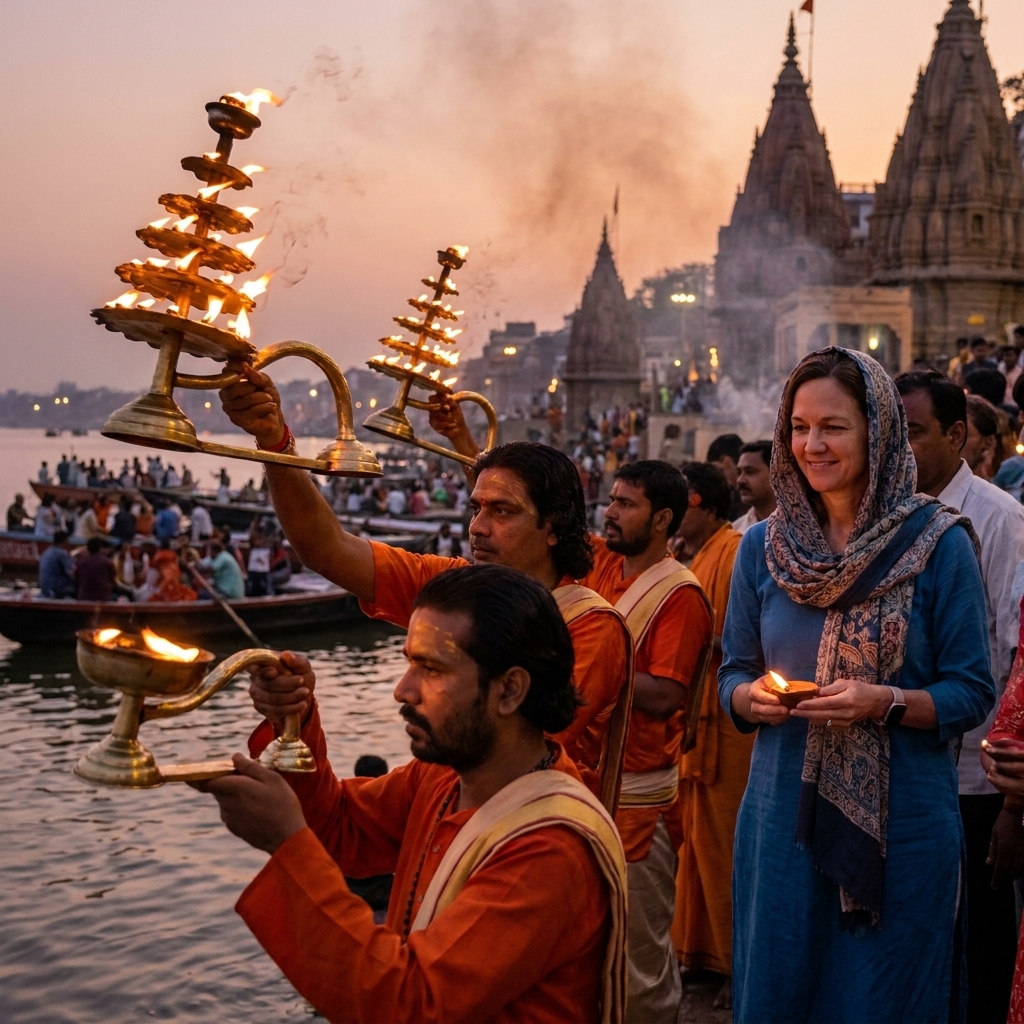
It is tempting to pin each view neatly to one religion, but real spiritual history is messier and more beautiful than tidy labels. You will find pantheistic and panentheistic notes in multiple traditions, sometimes in tension with official doctrines, sometimes celebrated through poetry and mysticism.
Hindu traditions
Some strands of Advaita Vedanta emphasize nonduality so strongly that they can sound pantheistic at first glance: reality is one, and separation is ultimately illusory. Still, many Advaitins would resist “pantheism,” since Brahman is not simply identical to the changing empirical cosmos, and distinctions like maya complicate the picture. Other Hindu philosophies hold a clearer Creator–creation distinction while still affirming that the divine pervades all, which can lean panentheistic depending on interpretation.
Christian mysticism and theology
While classical Christianity is not pantheistic, there are panentheistic currents in modern Christian theology and in mystical language that speaks of God as nearer than breath and sustaining all things from within, without collapsing God into the world.
Sikh and Sufi poetry
Devotional poetry in many traditions can sound panentheistic: the Beloved is everywhere, and yet still the Beloved. In Sufism, for example, writers such as Rumi often speak in a way that feels like Presence saturating the world while still exceeding it. In Sikh scripture and hymnody, God’s nearness in all things is a recurring theme, though the theological framing varies and should not be reduced to a single label.
If you are exploring these ideas, it helps to ask: is the writer collapsing God into the universe, or holding them in intimate relation without making them identical?
Quick orientation
It can also help to locate these views next to more familiar options.
- Theism usually says God is distinct from the world and can act within it, often personally.
- Deism usually says God sets the world in motion but does not remain intimately involved.
- Pantheism says God and the world are identical.
- Panentheism says the world is in God, and God is more than the world.
Common misunderstandings
Pantheism is not “I worship trees”
Pantheism is not about picking one part of nature as a god. It is about the sacredness of the whole. A pantheist might treat trees with reverence not because trees are idols, but because trees participate in the one reality that is divine.
Panentheism is not just theism in disguise
Panentheism does affirm transcendence, but not necessarily in the sense of a distant monarch in the sky. Many panentheists describe God as profoundly intimate, woven into matter, consciousness, and time, while also exceeding all categories.
Neither view automatically rejects science
Both pantheists and panentheists often feel at home with scientific discovery because science can deepen wonder. The difference is interpretive: are the laws of nature themselves divine, or are they expressions within a larger divine life?
Which is right?
I cannot answer that for you, and I would not want to. But I can offer a more helpful question, one I return to in my own practice:
Which view helps you love the world more deeply, and suffer it more honestly, without losing hope?
If pantheism helps you treat every moment as holy, you might be drawn to its clear, uncompromising unity. If panentheism helps you hold both intimacy and mystery, you might find its “in God and more” spacious enough for prayer, grief, and wonder all at once.
Gentle reflection
Try this the next time you are outside, even if it is only on a small porch or beside a single houseplant.
- Breathe slowly and name three things you can see.
- Ask yourself: “Does the sacred feel identical to what I am seeing, or does it feel present in it while also exceeding it?”
- Notice what your heart does with each possibility. Does it soften? Does it resist? Does it exhale?
Often the mind wants to settle the question quickly. The soul is willing to live it.
FAQ
Are pantheism and panentheism the same thing?
No. Pantheism identifies God with the universe. Panentheism says the universe exists within God, but God is more than the universe.
Do pantheists believe in a personal God?
Some speak in personal language as poetry, but many pantheists do not mean “God” as a separate personal being. The emphasis is usually on the divine as the totality of existence.
Is panentheism compatible with prayer?
Yes. Many panentheists pray both contemplatively and relationally, because God is understood as intimately present to the world while also exceeding it.
Does either view require believing in miracles?
Not necessarily. Pantheism often interprets wonder through the sacredness of natural order. Panentheism may allow for divine action without framing it as a simplistic violation of nature’s laws.
A closing thought
When I sit in my garden here on the Oregon coast, I notice how easily the mind turns the divine into a concept. Pantheism and panentheism are concepts too, of course. Useful ones. But their real value is how they reshape our attention.
Whether you feel the sacred as the world itself, or as the world held within a greater Mystery, the invitation is similar: be present, be humble, and let reverence become compassion in motion.