There are days when the mind feels like a browser with too many tabs open. On those days, I reach for sound. Not as entertainment, but as a gentle, vibrational way of returning to myself. A sound bath at home can be as simple as one singing bowl and ten quiet minutes, or as layered as a full ritual with breath, intention, and guided audio.
In many traditions, sound is treated as more than music. It is a vehicle for prayer, a way to mark time, a way to cleanse a space, a way to soothe a nervous system that has been on duty for too long. You do not need to get it “right” to feel its benefits. You just need a safe, soft place to listen.
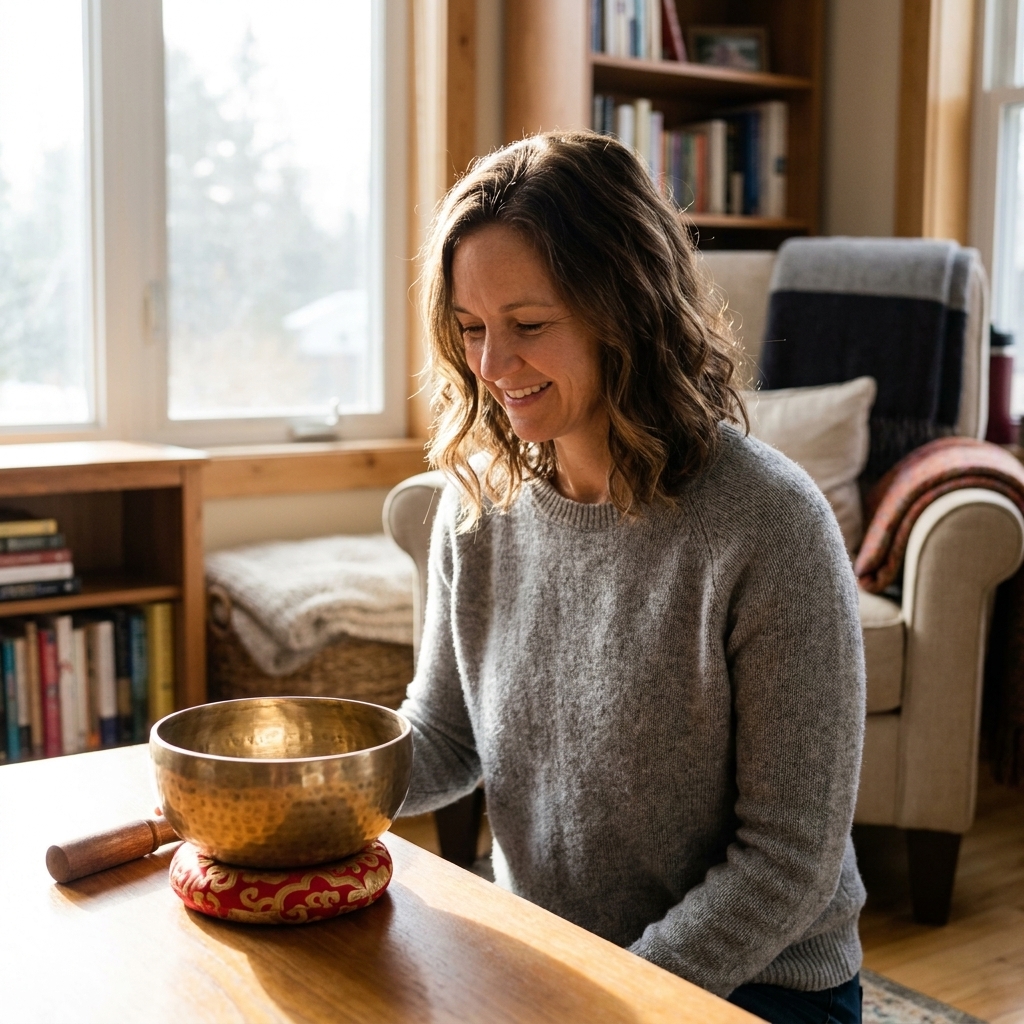
What it is
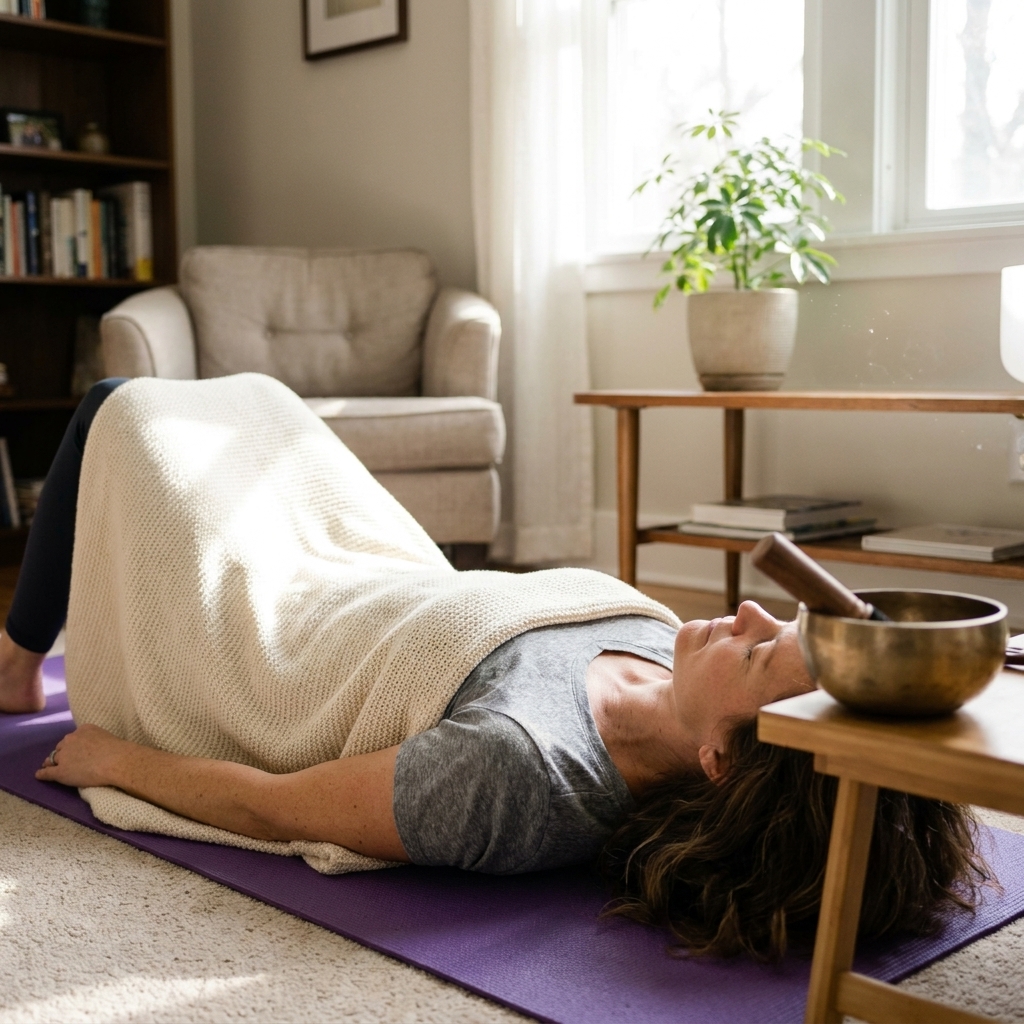
A sound bath is a period of intentional listening, usually with sustained tones and gentle overtones that invite the body to settle. Unlike a concert, the goal is not performance. Unlike a meditation where you “try to empty your mind,” the sound bath gives your attention something kind to hold.
From a spiritual perspective, many people experience sound as cleansing because it changes the feeling-tone of a room and the inner atmosphere of the heart. From a practical perspective, soothing sound may help some people relax and reduce perceived stress. Evidence and experiences vary, and it is not a substitute for medical care.
How it can feel
- A sense of spaciousness in the chest or belly
- Less jaw and shoulder tension
- Emotions rising and passing without a story attached
- A quiet, sleepy drift similar to the edge of dreaming
If you feel nothing dramatic, that is also fine. Sometimes the most profound healing is simply “I could breathe again.”
Set up fast
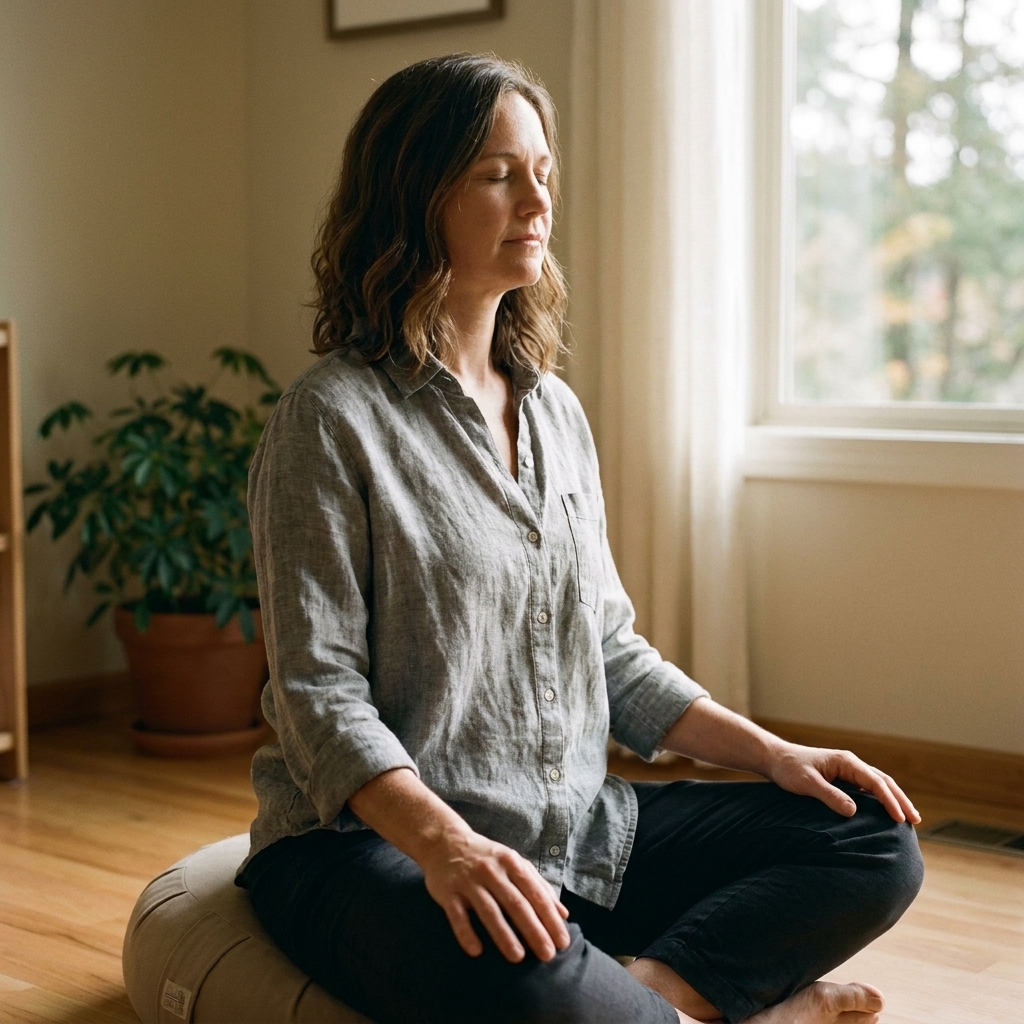
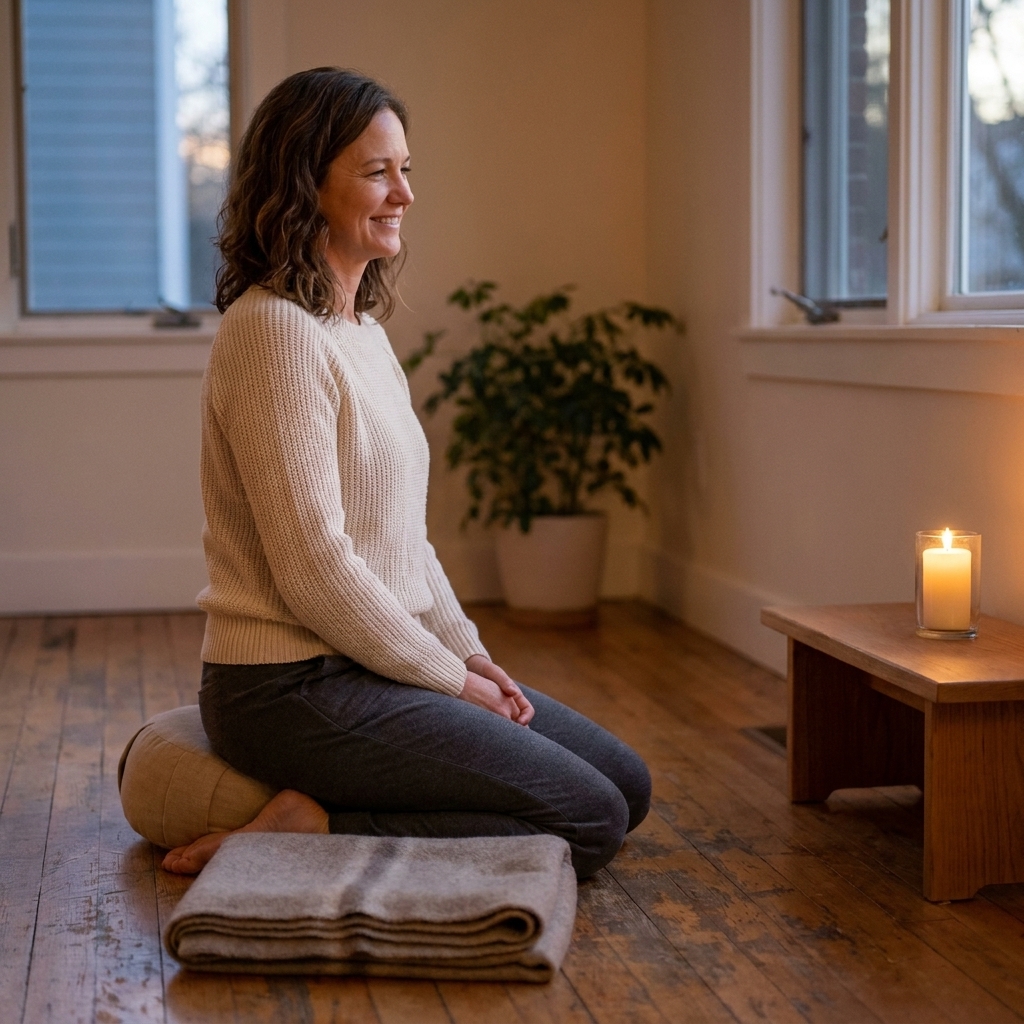
You do not need a dedicated studio. You need a small corner where your body feels safe and your attention can soften.
Quick checklist
- Comfort: a yoga mat, a blanket, a pillow under the knees
- Warmth: a shawl or extra blanket, since relaxation can make you feel cooler
- Light: dim lamps or a candle if it feels safe and supportive
- Sound: your chosen instrument(s) or a speaker for guided audio
- Boundaries: silence notifications, let housemates know you will be unavailable
If you live in an apartment or share walls, a few quiet-friendly tweaks help: place bowls on a cushion to soften impact, keep volume moderate, and consider humming or guided audio at a low level when you need something extra gentle.
One small interfaith-friendly practice I love is a simple threshold moment before you begin.
Place a hand on your heart and quietly name your intention in everyday language: “May my body rest.” “May this home feel peaceful.” “May I be kinder to myself.”
Tools to use
You can begin with one tool and build slowly. The most important “instrument” is your relationship with listening.
Singing bowls
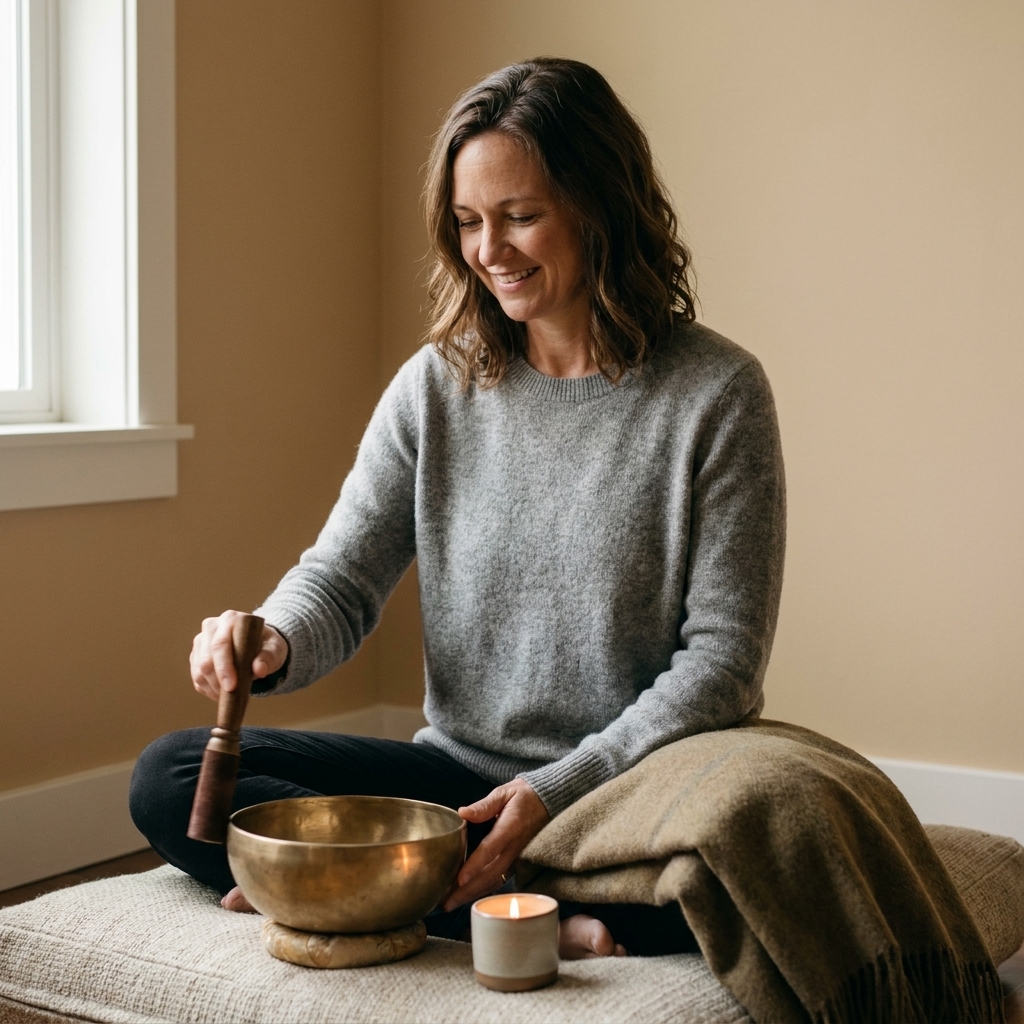
Singing bowls are popular for a reason. They are relatively easy to play, and their sustained tones create a steady sound you can rest your attention on. You will see Himalayan or Tibetan-style metal bowls and crystal bowls. Either can be meaningful. For beginners at home, a small to medium metal bowl is often forgiving and versatile.
- Metal bowls: warm, complex overtones, generally easier to control in a small room
- Crystal bowls: bright, penetrating tones that some people find intense at close range
How to choose: If possible, listen to a recording of the exact bowl you are buying. Choose one that feels comforting rather than impressive. Your nervous system will tell the truth quickly.
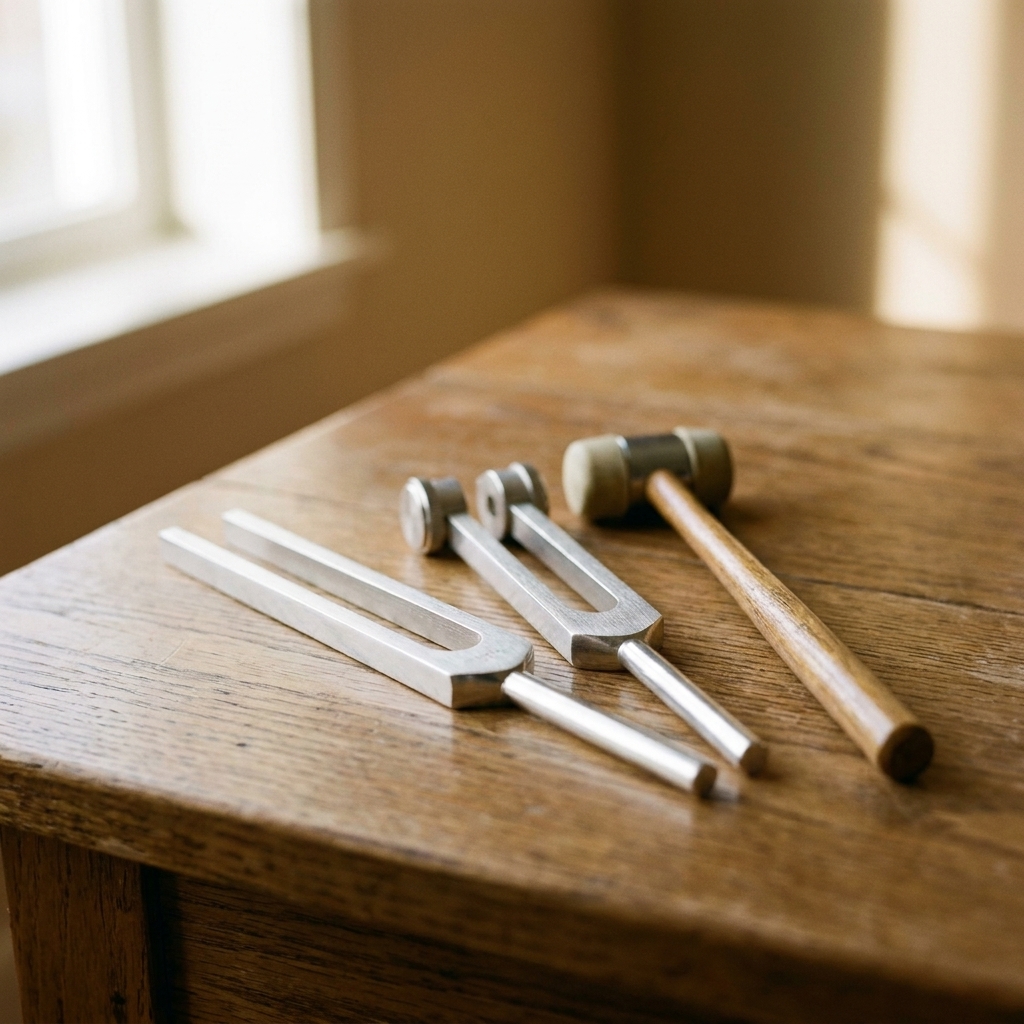
Tuning forks
Tuning forks offer a focused vibration. Some practitioners use them near the ears, around the body, or with very gentle contact on areas like the sternum or joints. If you try contact, use the lightest pressure, avoid sensitive or injured areas, and stop if anything feels unpleasant.
Beginner note: If you are unsure where to use a tuning fork, stay with “in the air” near the ears or trace the space around your head and heart. Let it be subtle.
Guided audio
Guided sound bath recordings can be a beautiful place to start, especially if you feel self-conscious about making sound. Look for recordings that feel steady, not startling. A gentle voice can help you stay oriented if you tend to drift into anxiety.
Tip: Use a speaker rather than headphones if you can. Headphones can be immersive, but speakers tend to feel more like a room-based ritual.
Optional helpers
- Chimes or a small bell: for opening and closing your session
- Rattle or rainstick: for “clearing” corners of a room
- Journal: to note what shifted, even if it was small
Play a bowl
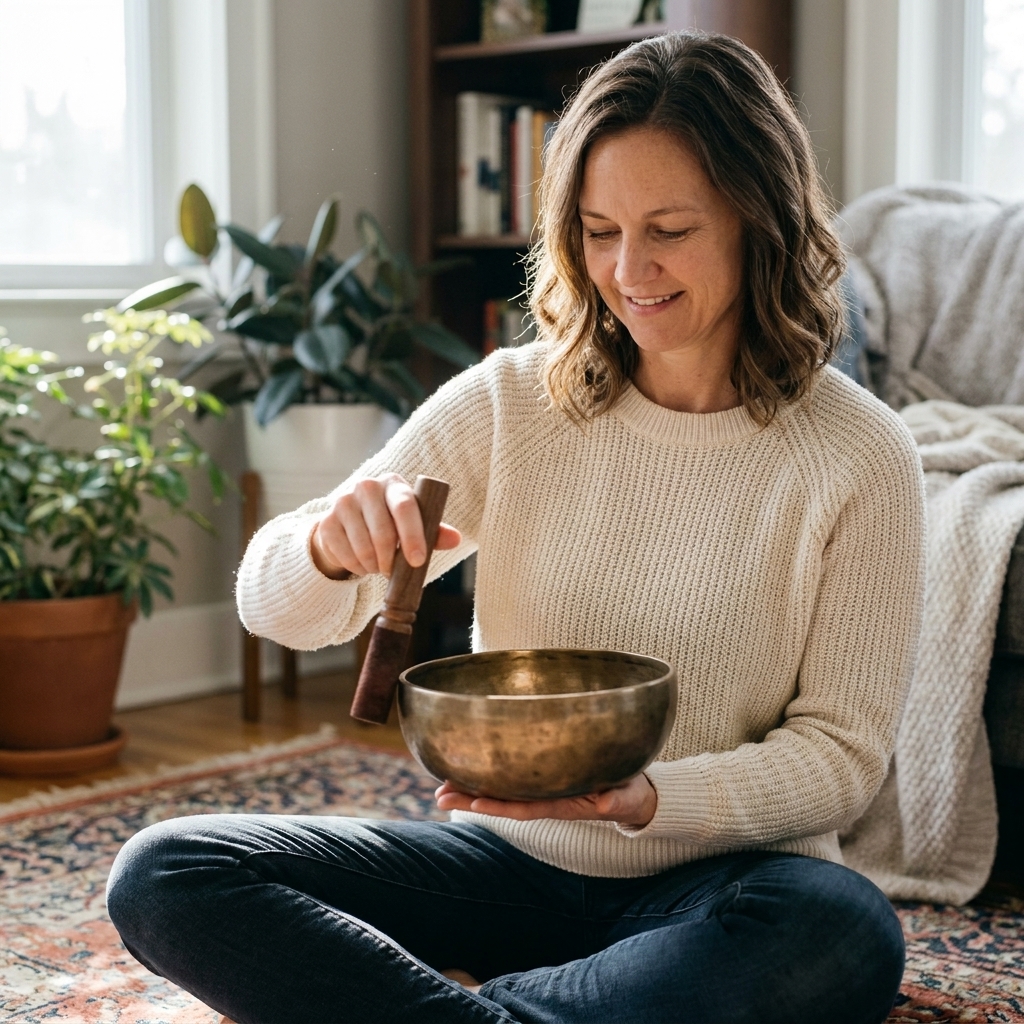
Most people struggle at first because they press too hard or move too fast. Think of it like coaxing a shy animal into the open. Gentle, patient, consistent.
Strike method
- Place the bowl on a cushion or in your open palm.
- Hold the mallet like a pencil, relaxed wrist.
- Tap the side of the bowl once, softly.
- Listen to the full decay. Let it end naturally.
- Repeat every 10 to 20 seconds for a simple pulse.
Rim method
- Start with a soft strike to “wake” the bowl.
- Place the mallet against the rim and begin circling slowly.
- Keep pressure light and steady, like stirring tea.
- If the sound sputters, slow down and lighten your hand.
Common fix: If you hear squeaking, you are usually pressing too hard or moving too quickly. Make the circle smaller and slower.
20-minute routine
If you want a structure that feels both grounded and spiritual, try this. Adapt it freely.
1) Arrival (2 minutes)
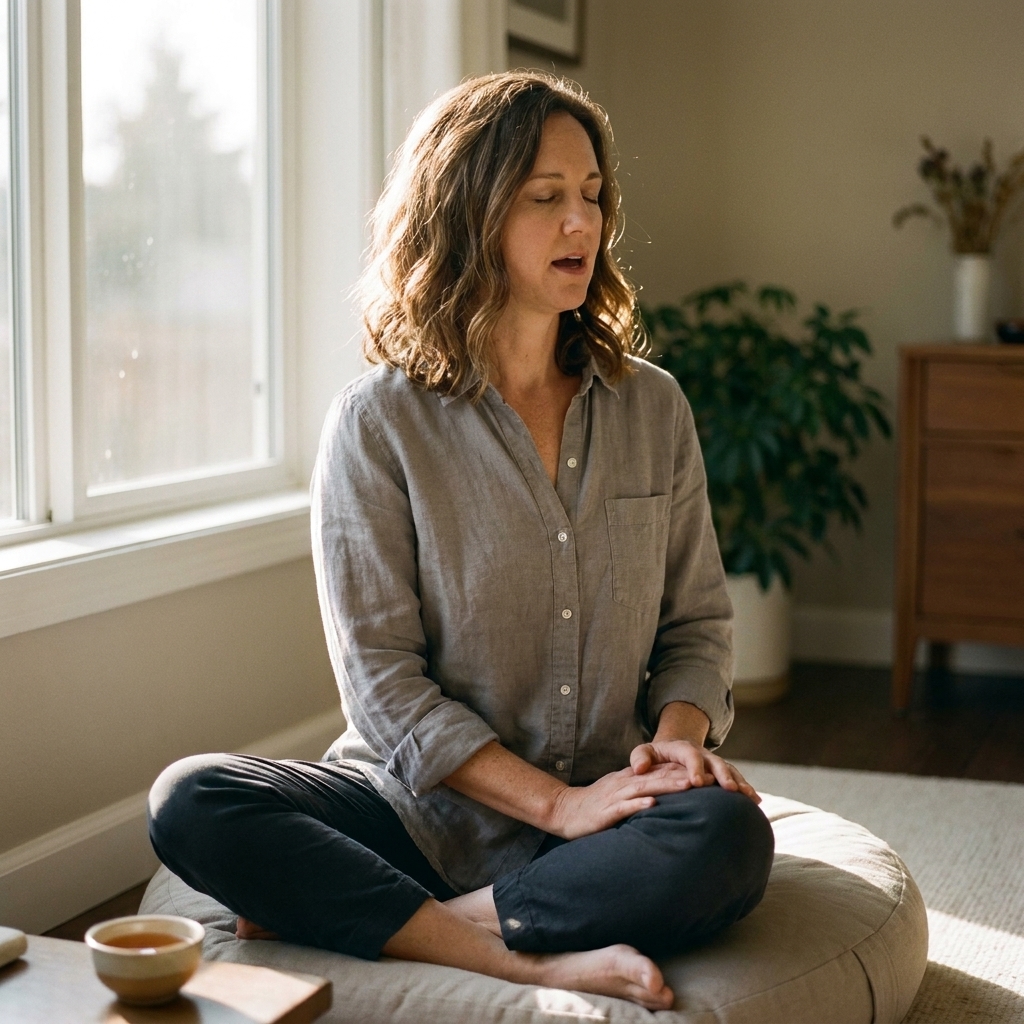
Lie down or sit comfortably. One hand on the belly, one on the heart. Take three slow breaths. On the exhale, silently say, “Here.”
2) Opening tone (1 minute)
Ring a bell, chime, or a single bowl strike. Let it be a doorway.
3) The bath (12 minutes)
Choose one approach:
- With a bowl: strike once, listen, strike again when the sound fades.
- With tuning forks: gently tap the fork with a mallet or activator, then hold it near each ear for a few breaths. After that, “brush” the air around your head and chest.
- With guided audio: press play and give yourself permission to simply receive.
If thoughts come, let them ride on the sound like leaves on a stream.
4) Quiet integration (3 minutes)
Turn off or set down the sound. Stay still. Notice what is different in the room and in your body. This is often where the deepest settling happens.
5) Closing (2 minutes)
One final tone. Then a simple closing phrase that fits your tradition or your temperament: “Thank you.” “Amen.” “Shanti.” “May all beings be at ease.” Or simply, “This is enough.”
Sound cleansing
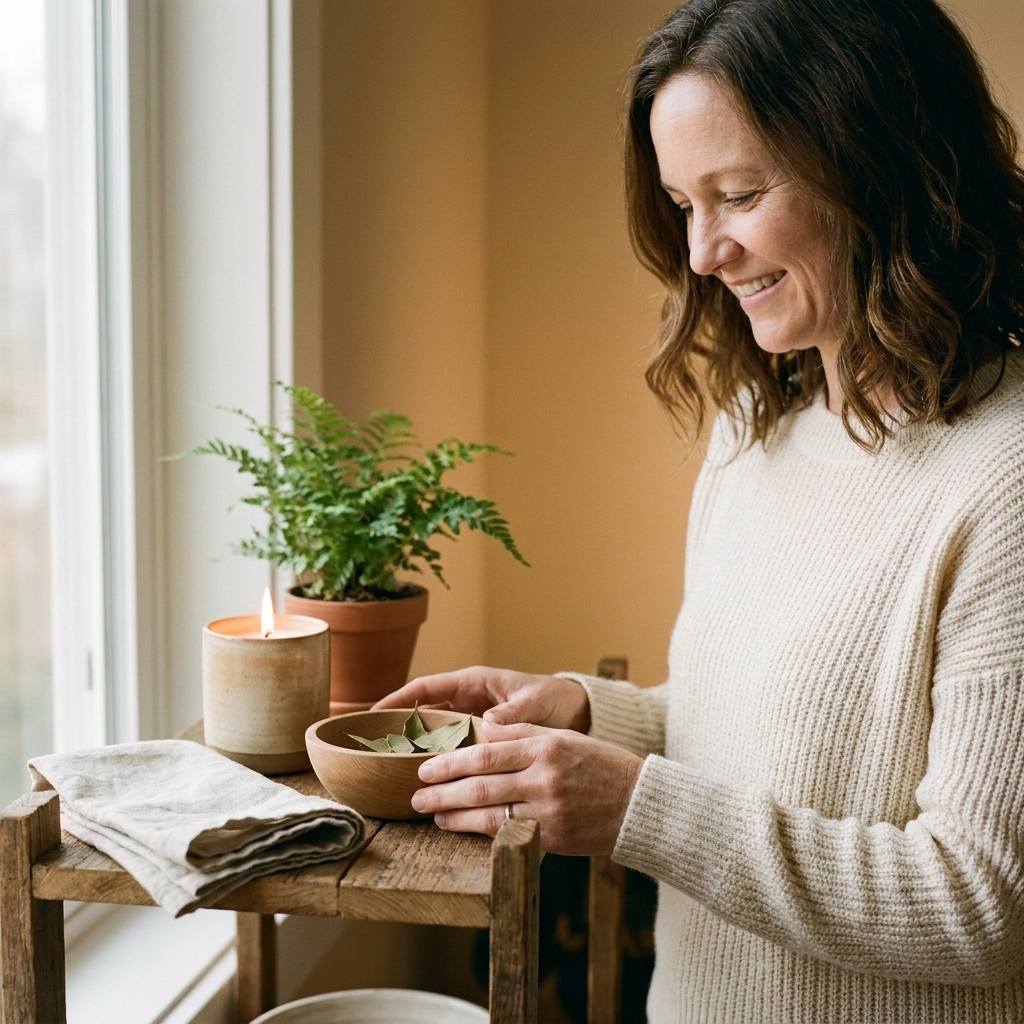
In my multi-faith upbringing, I saw many ways people “clear” a space: incense, psalms, mantras, salt, holy water, bells. Sound cleansing can be approached in the same spirit, not as fear-based banishing, but as a reorientation toward peace.
Room walk (5 minutes)
- Open a window if possible, even a crack.
- Begin at your front door with one clear chime or bowl strike.
- Walk slowly around the room. In corners, ring the bowl once and pause to listen.
- As you return to the door, speak an intention: “May this home be a place of kindness and rest.”
If you prefer a non-verbal approach, let your breath be the prayer. In many contemplative paths, intention carried in silence is still intention.
Safety notes
Sound practices should feel supportive, not overwhelming. A few gentle guardrails can help.
- Volume: keep it moderate. Louder is not “more healing.”
- Timing: if you are prone to sleep issues, try earlier in the evening at first.
- Medical considerations: if you have tinnitus, vertigo, sound sensitivity, or a seizure disorder or other neurological concerns, go slowly and consult a clinician if needed.
- Emotional release: if you feel teary or stirred up, stay grounded. Put a hand on your belly, open your eyes, and name five things you see.
Sound can move emotions. That is not failure. That is information arriving in a kinder language than words.
Aftercare
After a sound bath, you might feel clear, tender, sleepy, or a little groggy. Give yourself a gentle landing.
- Drink water: a small glass is often enough.
- Move slowly: roll to your side before sitting up.
- Note one sentence: “Right now, I feel…” is plenty.
- Know when to stop: if you feel overwhelmed, dizzy, or agitated, lower the volume, open your eyes, and end the session. You can always return another day.
Make it a habit
The sweetest home rituals are the ones you can repeat without effort. If you want sound bathing to become part of your spiritual life, start small and stay faithful to what actually fits your days.
- Two minutes in the morning: one bowl strike, three breaths, one intention.
- Ten minutes after work: guided audio while you lie down and let your shoulders drop.
- Weekly reset: a 20-minute sound bath followed by journaling one sentence: “Today I noticed…”
Over time, your body learns the language of these tones. It begins to recognize, “Oh, we are safe. We can soften now.”
FAQ
Do I need special frequencies like 432 Hz?
You do not need a specific number to benefit. What matters most is that the sound feels steady, pleasant, and not too loud. If a particular tuning comforts you, let that be your guide, but do not let frequency talk steal the simplicity of listening.
How long should a beginner sound bath be?
Start with 10 to 20 minutes. Short sessions done consistently tend to be more nourishing than long sessions you avoid because they feel like homework.
Can I do a sound bath in a chair?
Absolutely. Support your feet on the floor, place a pillow behind your back, and rest your hands on your thighs or belly. Comfort is part of the ritual.
What if I cannot stop thinking?
Then you are human. Let the mind talk and keep returning to one simple anchor: the beginning of the tone, the middle of the tone, and the fading away. That arc is a teacher.
Can I combine this with prayer or scripture?
Yes. Many people open with a brief prayer, verse, or mantra, then allow sound to carry the intention beyond words. Keep it gentle and non-performative, especially if you share a home with others.
Closing blessing
May the sounds you choose be kind. May they help your body remember its own wisdom. May your home, however imperfect, become a small sanctuary where your spirit can unclench and begin again.