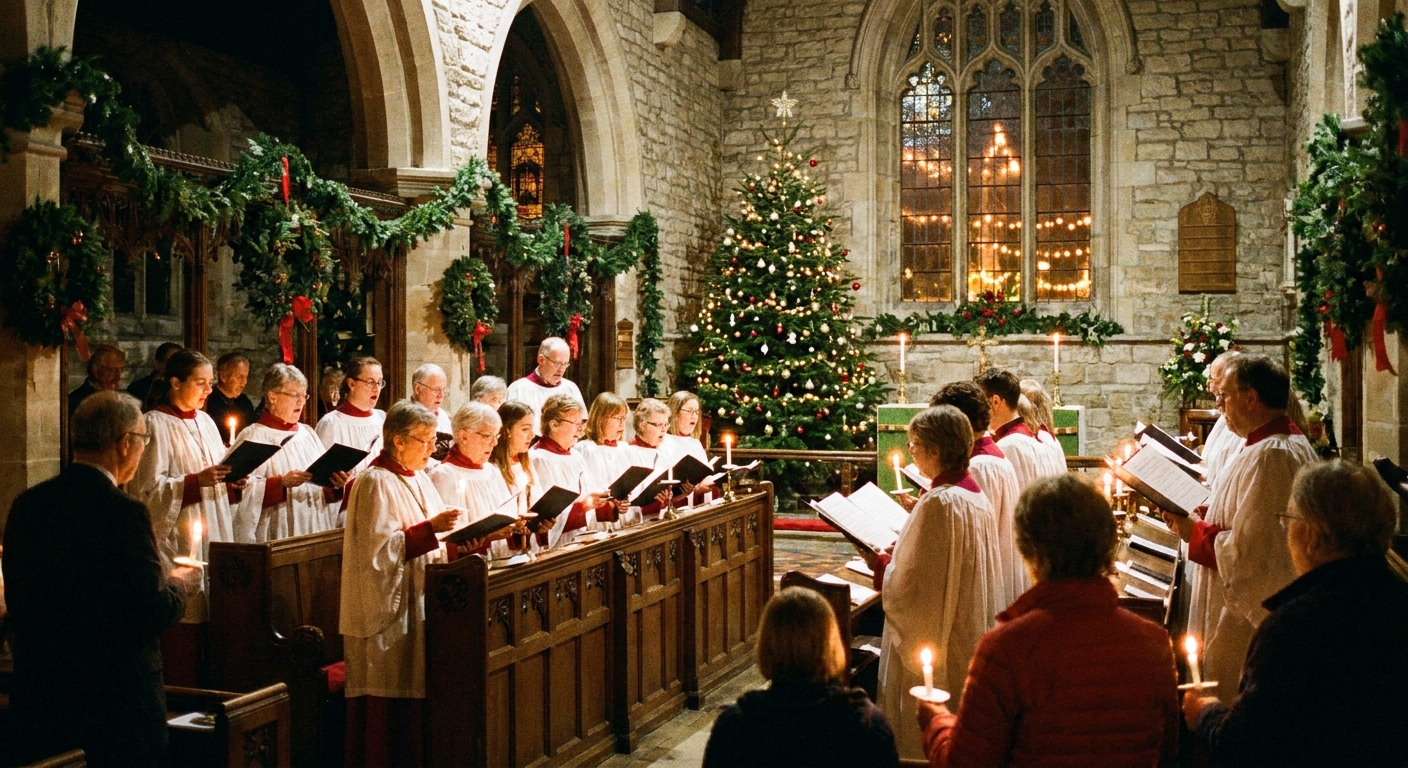
Every December, I hear it in the most ordinary places. Grocery store speakers, candlelit services, school concerts where the children sing with fierce seriousness. O Come, All Ye Faithful has that rare quality of being both grand and intimate. It feels like a door swinging open.
But for a hymn so familiar, its beginnings are surprisingly easy to blur into legend. The clearest story we can tell is not a fairy tale about a medieval saint with a quill. It is a more human journey: a Latin hymn called Adeste Fideles, copied and carried through Catholic networks by an English musician living abroad, then translated into English at a time when public worship was changing quickly in Britain.
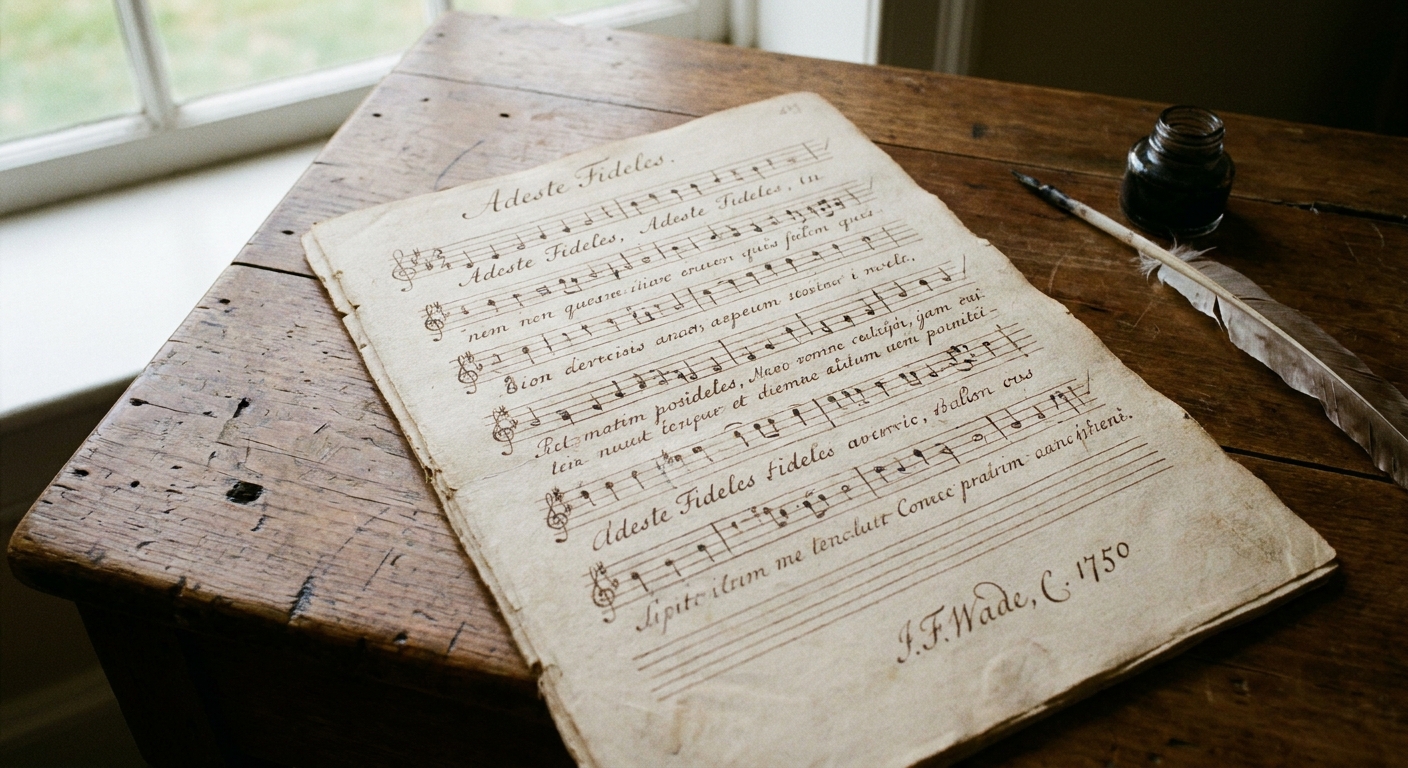
Adeste Fideles
The title Adeste Fideles is often glossed in English as “O come, all ye faithful,” and that is the sense most singers know in their bones. Literally, adeste can mean “be here” or “be present,” and fideles means “the faithful.” It is a call to step closer.
Many Christmas carols begin with atmosphere. This one begins with an invitation. That is part of why it has traveled so well across denominations and cultures. Its message is direct: come and behold.
When people ask, “Is O Come, All Ye Faithful originally Catholic?” the honest answer is that its earliest life is rooted in Latin Catholic devotional practice. But the carol’s later history is ecumenical in the truest sense. It became shared music, adopted and cherished far beyond its first circles.
Who wrote it?
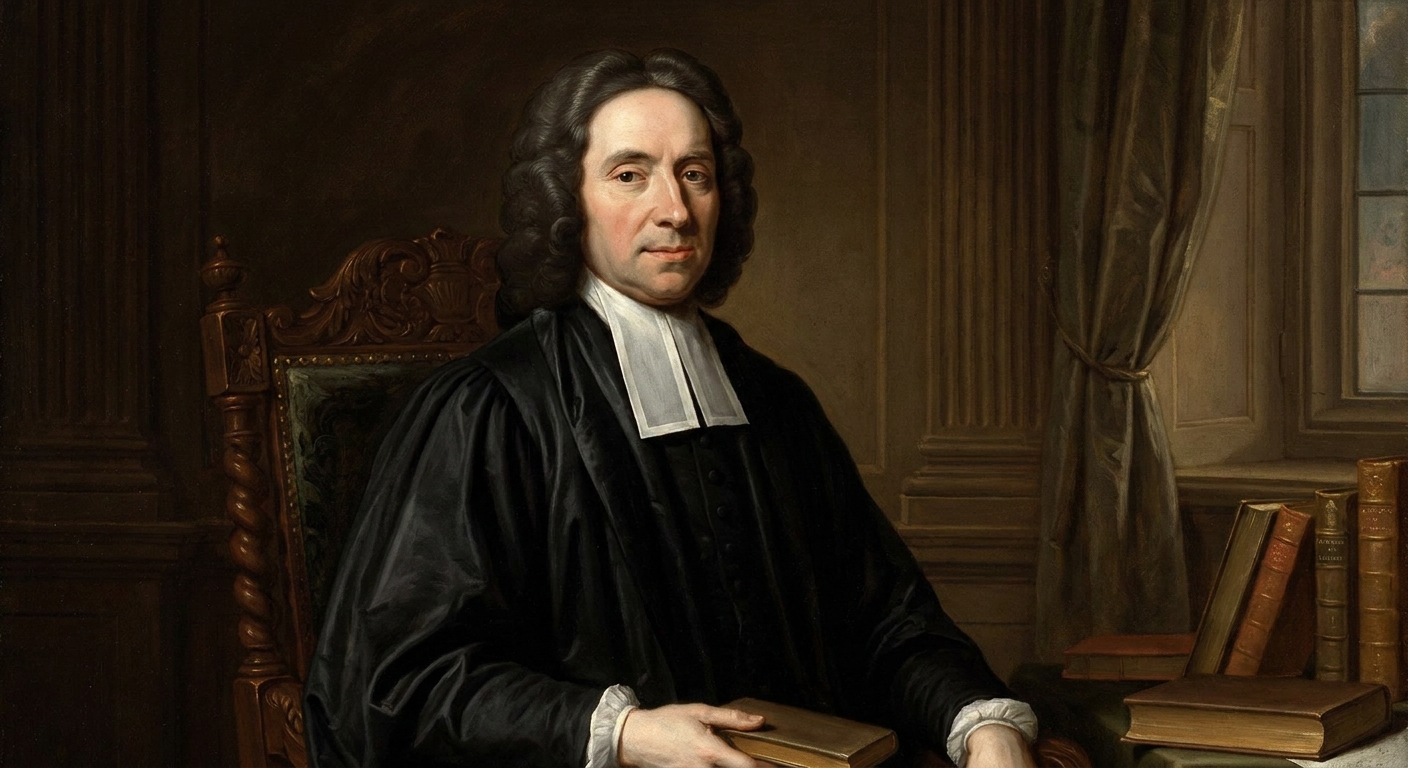
Most modern scholarship treats the hymn as usually attributed to John Francis Wade (1711 to 1786), an English Catholic musician and copyist. You will sometimes see older attributions floating around in Christmas trivia, including a claim that St. Bonaventure wrote it. That medieval attribution is not supported by the earliest sources we actually have for the hymn, and it is best set aside.
Wade and his world
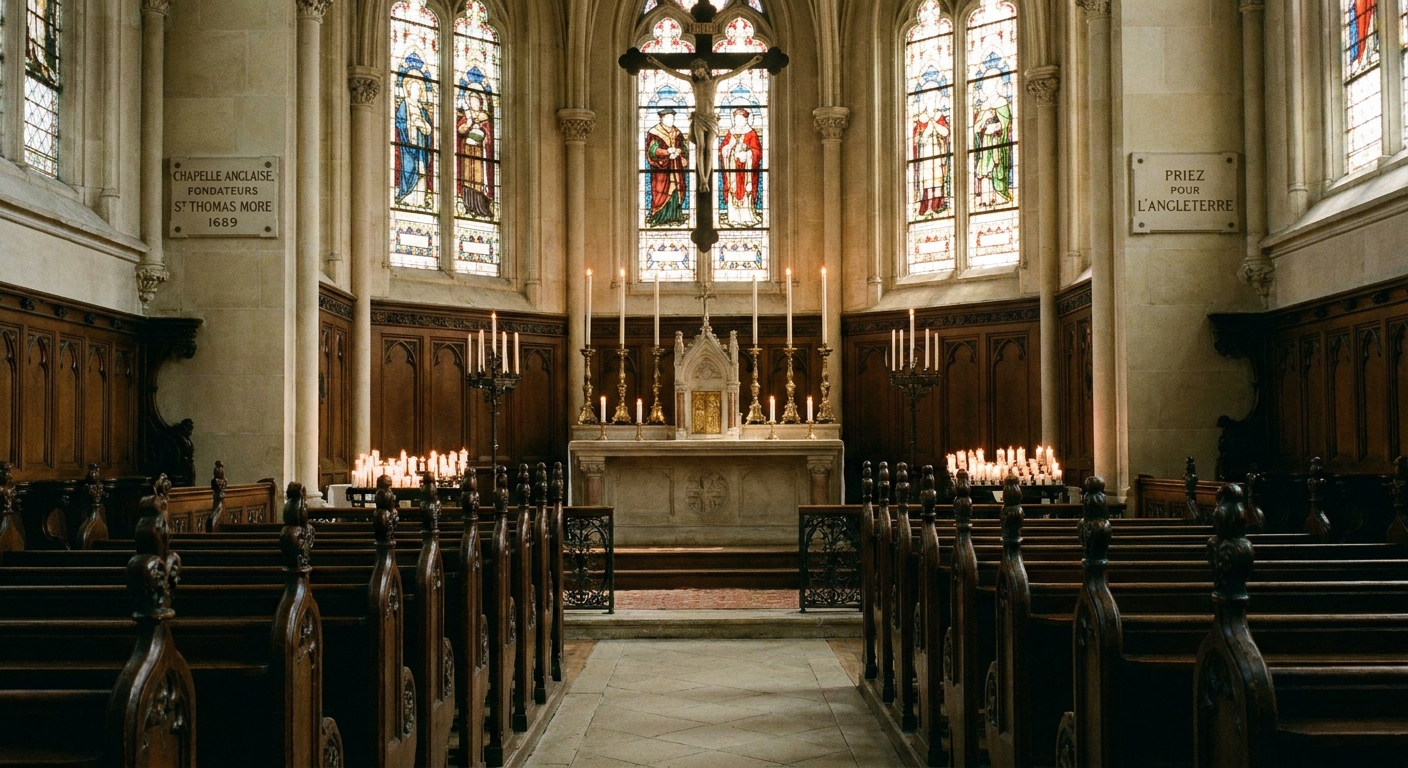
Wade’s story matters because it helps explain how Adeste Fideles survived and spread. He was part of an English Catholic community living under significant legal and social pressure. In the wake of the Jacobite rising of 1745, Wade was living and working in France, associated with English Catholic circles there. In that setting, copying music was not just a trade. It was a kind of caretaking.
Wade is known for producing elegant manuscript copies of liturgical and devotional music. Within those manuscripts, we find early witnesses to Adeste Fideles. Because Wade’s hand appears in some of the earliest surviving sources, and because his manuscripts helped disseminate the hymn, he is often treated as the carol’s author.
It is also worth saying plainly what that attribution can and cannot prove. In 18th-century hymn history, “in Wade’s hand” does not always mean “composed by Wade.” Scholars often distinguish between Wade as a key transmitter and Wade as the definitive composer of both text and tune. The evidence is strongest that he preserved and spread what became the standard form, while some details of origin remain debated.
When was it written?
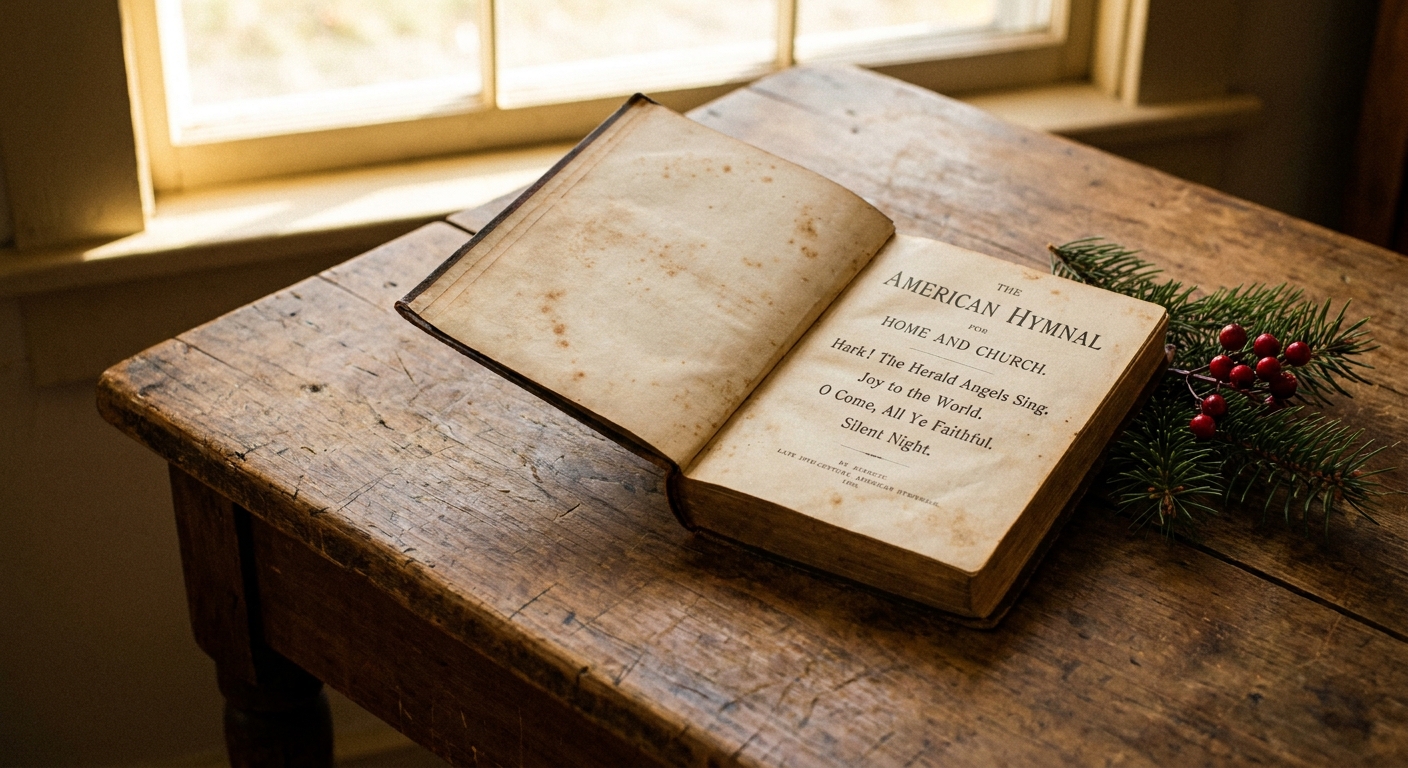
Pinning a single “birth year” to a hymn is rarely possible, especially when a piece circulates in handwritten copies before it becomes widely printed. What we can say with confidence is that Adeste Fideles appears in 18th-century sources connected to Wade, with early manuscript copies often dated to around the 1740s. It seems to have been known and sung before it became a staple of later 19th-century hymnals.
In other words, it is older than many people assume, but not medieval in origin in any responsible sense of the word.
English translation
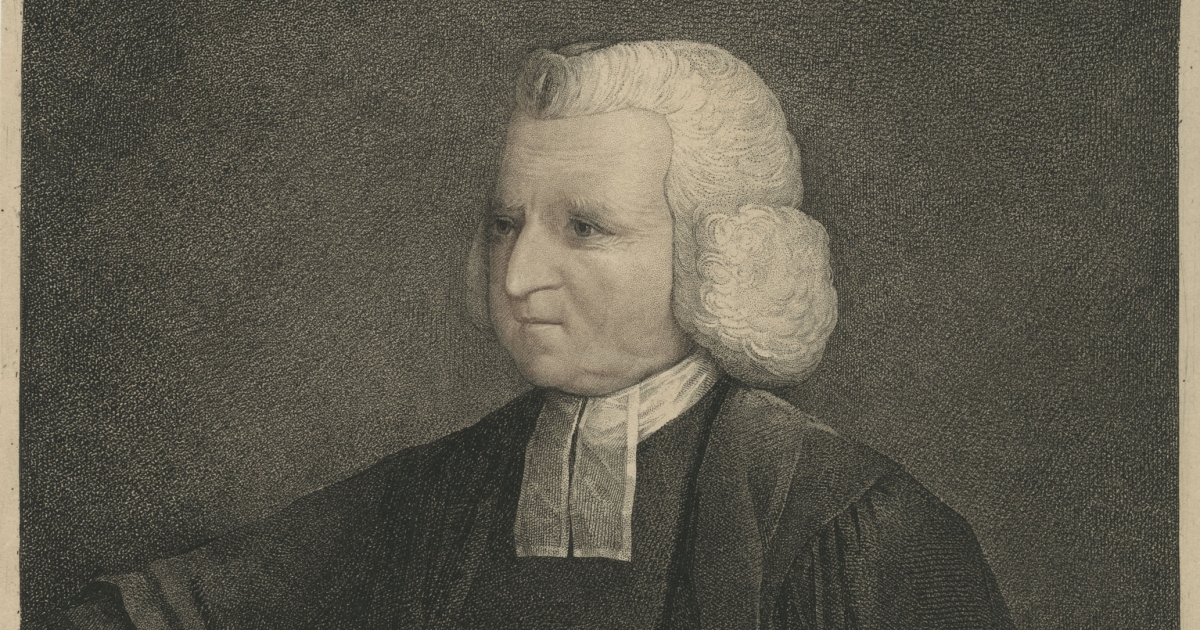
If Wade helps explain the hymn’s early trail, Frederick Oakeley (1802 to 1880) helps explain how it became an English-language Christmas cornerstone.
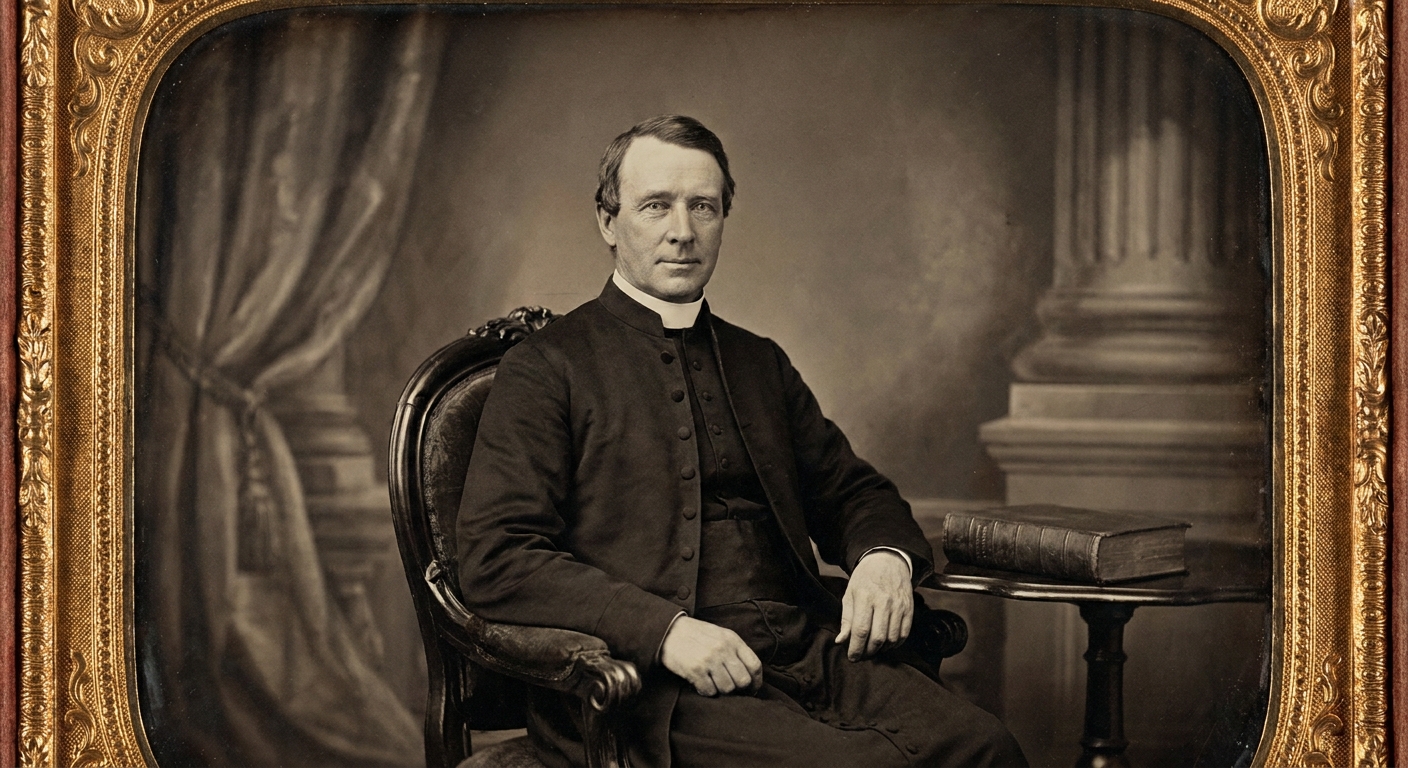
Oakeley was an Anglican priest who later became a Roman Catholic priest. In the 19th century, English church life was full of ferment. Hymn singing in the vernacular was flourishing, and translation became one of the main ways older Latin texts entered the spiritual bloodstream of everyday worship.
Oakeley’s version
Oakeley published a widely used English translation in 1841, later revising it. His opening is the one many of us can sing from memory: “O come, all ye faithful.” His version did not merely translate word for word. It carried over the hymn’s tone, a clear summons followed by widening wonder.
He was not the only translator. Earlier and later English renderings circulated too, and different hymnals include different selections of verses. Still, Oakeley’s translation is the one that most decisively took root in English-speaking worship and helped fix the carol in the public ear.
How it spread
There is a pattern I have noticed in the way beloved hymns travel: they cross borders when they speak in simple verbs. Adeste. Come. Behold. Adore. O Come, All Ye Faithful is built out of that plain grammar, which makes it easy to carry.
Historically, a few forces helped the carol become nearly universal in the English-speaking world, and then beyond it:
- Manuscript to print: Once the hymn moved from copied manuscripts into published collections, its reach expanded dramatically.
- Translation as bridge-building: Singable English versions, especially Oakeley’s, made quick adoption possible.
- Musically centered Christmas worship: In the 18th and 19th centuries, carols and congregational singing grew in prominence, especially in parish settings.
- Flexible verses and arrangement: Different traditions keep or omit stanzas, and the same melody can live in a solo voice, a packed sanctuary, or a full choir and organ.
What the Latin is doing
Even if you never sing the Latin, it can deepen your experience to know what the hymn is asking for. The song is not only narrating the Nativity. It is inviting participation.
One line makes that especially clear: Venite adoremus, “Come, let us adore.” It is not instruction from a distance. It is a shared movement, a congregation turning together.
The movement of the hymn is a gentle insistence: do not stay at a distance from mystery. Come close enough to adore.
That is why the refrain lands so powerfully. “O come, let us adore Him” is a repeated turning of the heart, like a community practicing the same bow of reverence together.
Common questions
Is it the same as Adeste Fideles?
Yes. Adeste Fideles is the Latin hymn from which O Come, All Ye Faithful comes. The English carol is typically sung to the same tune and structure, with translations that descend from the Latin text.
Did St. Bonaventure write it?
That older claim shows up in some places, but it is not supported by the earliest sources associated with the hymn. The more credible attribution in modern references is to John Francis Wade, whose manuscripts preserve and circulated the hymn in the 18th century.
Was Wade definitely the composer?
“Definitely” is a high bar for 18th-century hymn history. Wade’s name is attached because his manuscripts are among the earliest surviving witnesses and because he played a central role in transmitting both text and tune. That is strong evidence of influence, and possibly of authorship, but it is not the same as a signed composition date.
Why do the verses vary?
Different hymnals make different choices. Some include more Latin stanzas, some use later English additions, and some emphasize doctrinal lines such as “God of God, Light of Light” more explicitly. The core invitation stays the same, even when the verse set shifts.
Why does it feel so universally loved?
Partly because it is both theological and practical. It does not demand a lecture before the song can begin. It gives you a doorway word and then a posture: come, and adore.
Singing it again
When I sing O Come, All Ye Faithful now, I try to remember that it is not only a Christmas song. It is a gathered song, shaped by communities that kept showing up with their voices, year after year, even when history felt uncertain.
If you are carrying grief, or loneliness, or a quiet longing you cannot name, you do not have to force cheerfulness to enter this carol. Just take the invitation at face value. Come as you are. Draw near. Let the act of adoring be simple, and let it be enough.