In the garden behind my little coastal home in Oregon, I have a ritual I return to when life feels noisy. I walk the gravel path slowly, and I pay attention to what I did and did not do that day. Not in a self-punishing way. More like taking inventory with God and with my own conscience.
When most of us hear the word “sin,” we picture an action: something said, taken, shouted, clicked, or consumed. But some of the weightiest spiritual failures are quieter than that. They are the moments when love asked something of us, and we simply did not show up. The call was obvious. The good was close. And we let it pass.
Sin of omission, defined
A sin of omission is failing to do a good that you are obliged to do. It is not primarily about doing the wrong thing. It is about not doing the right thing when you should.
Christians often connect this idea to a plainspoken line from Scripture:
“So whoever knows the right thing to do and fails to do it, for him it is sin.” (James 4:17, ESV)
James is not describing vague regret. He is describing moral responsibility. When you know what love, justice, or duty requires, and you freely refuse to act, that refusal matters.
Omission versus commission
It can help to place sins of omission beside sins of commission.
- Sin of commission: doing something you should not do. For example, lying, stealing, gossiping, abusing someone’s trust.
- Sin of omission: not doing something you should do. For example, failing to tell the truth when you have a duty to speak, refusing to help someone you are responsible for, neglecting prayer or worship out of indifference.
Both can harm relationships, including our relationship with God and neighbor. The difference is simply whether the moral failure happens through an act or through a refusal to act.
Everyday examples
Omissions can sound abstract until they take on the texture of everyday life. Here are some concrete examples many of us recognize.
In relationships
- You sense a friend is sliding into depression and choose not to check in because it feels awkward. Even if you are not equipped to counsel them, you can still ask how they are, stay present, and encourage them to get professional help if needed.
- You owe someone an apology, you know you should make it right, and you keep postponing it to protect your pride.
- You witness someone being mocked at work, and you stay silent to avoid becoming a target.
In family life
- You withhold affection or attention from your spouse or children out of resentment.
- You neglect an elderly parent’s needs even though you are able to help and no one else can reasonably step in.
- You allow your home life to be shaped by your phone, your stress, or your habits, and you refuse to make changes you know are needed.
In faith and conscience
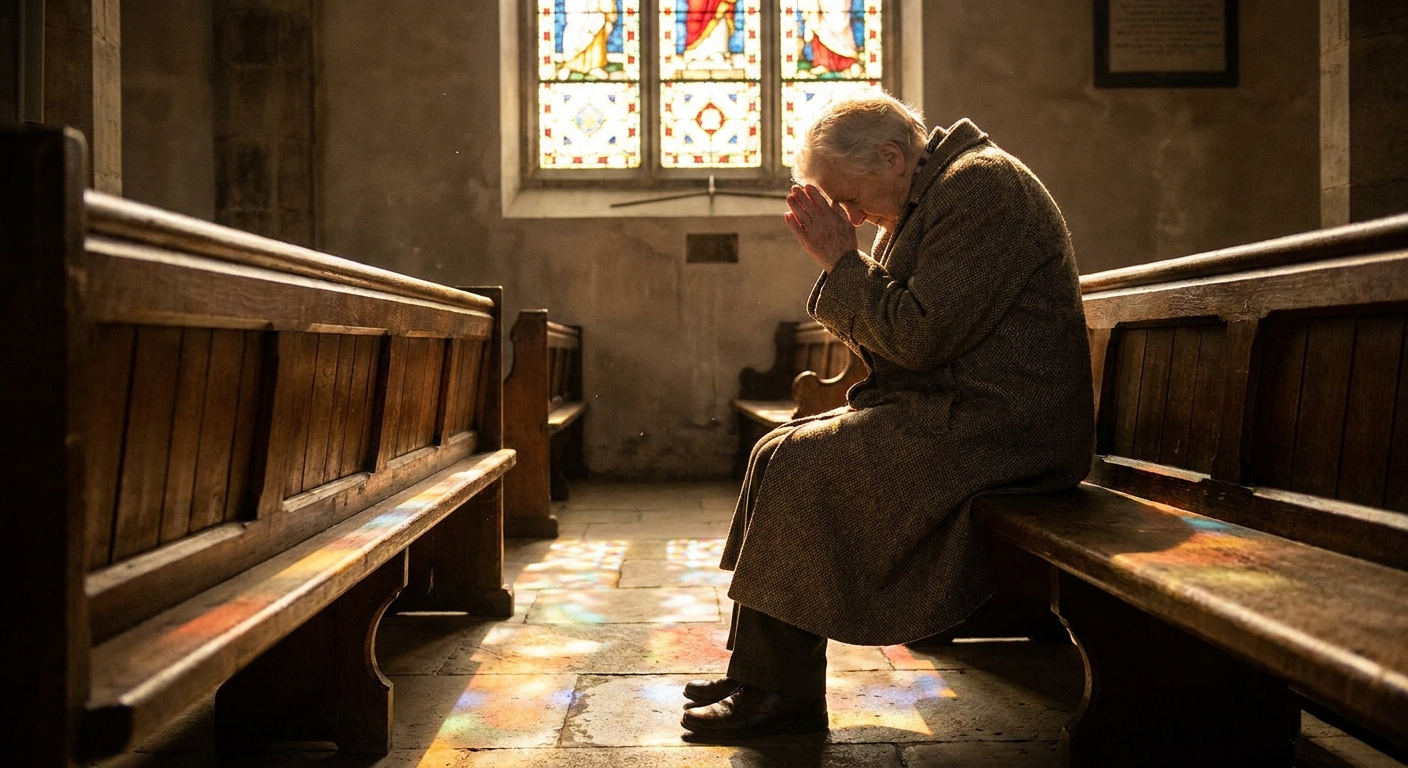
- You avoid prayer for weeks because you feel guilty, and rather than returning to God, you harden into avoidance.
- You skip worship habitually without a serious reason, not from crisis but from apathy.
- You know you should seek reconciliation or spiritual counsel, and you keep choosing isolation.
In justice and compassion
- You have the means to help someone in real need and choose indifference because it might cost you comfort.
- You benefit from a situation that hurts others, and you refuse to question it because it is convenient.
- You refuse to vote, speak, or act on a matter you understand well, simply because it feels tiring.
Not every “I did not do it” is a sin of omission. Sometimes you are limited by time, health, knowledge, safety, or legitimate competing duties. A simple rule of thumb is this: “I could not” is different from “I would not.” Omission becomes sinful when you knowingly and freely refuse a good that you are genuinely obliged to do.
Are omissions always serious?
No. Like sins of commission, omissions vary in gravity. Some are small but real, like repeatedly failing to offer basic kindness. Some can be devastating, like refusing to protect someone vulnerable when you are responsible for their care.
In Catholic moral theology (and traditions influenced by it), the seriousness of a sin is often discussed using conditions like these:
- Grave matter: How serious is the good you failed to do? What was at stake?
- Knowledge: Did you actually understand that you had an obligation?
- Freedom or consent: Did you freely choose not to act, or were you constrained by fear, coercion, mental illness, exhaustion, or lack of ability?
Other Christian traditions may not use the mortal and venial categories in the same way, but they still wrestle with the same core questions of responsibility: what you knew, what you could do, and what you chose.
This is one reason I encourage people not to treat “sin of omission” as a spiritual catch-all for anxiety. Scrupulosity can turn every limitation into self-accusation. Moral responsibility, by contrast, takes reality seriously.
When could an omission be mortal?
In traditions that distinguish mortal and venial sin, an omission can be mortal when it involves grave matter and is done with full knowledge and deliberate consent.
Examples of potentially grave omissions might include:
- Neglecting serious duties of care: A parent knowingly refusing essential care for a child.
- Refusing urgent help when you are the only realistic helper: Ignoring someone in immediate danger when you can act without disproportionate risk.
- Withholding truth or protection in a role of responsibility: A leader covering up abuse, or a professional failing to report serious harm when legally or ethically obligated.
Even here, the details matter. Fear can limit freedom. Trauma can cloud deliberation. Confusion can limit knowledge. That is not a loophole. It is part of honest moral discernment.

Why omissions are easy to miss
Omissions hide in plain sight because they often look like “nothing happened.” No argument. No dramatic decision. Just a quiet turning away.
A few reasons we overlook them:
- They feel safer. It can seem less risky to do nothing than to do the good imperfectly.
- They can be socially rewarded. Staying silent keeps the peace, at least on the surface.
- They often begin as fatigue. Burnout can slowly become indifference if we never return to what restores us.
- They can be disguised as humility. Sometimes we call it “not wanting to impose” when it is really fear of love’s cost.
James 4:17 is piercing because it brings moral clarity to that fog. Knowing matters. Not because God is out to trap you, but because love invites a response once you see what is needed.
A gentle examen
If you want to reflect on sins of omission without spiraling into shame, I suggest three questions. I use them myself, especially when I sense a vague heaviness but cannot name why.
1) What good was in front of me?
Not an imaginary good. The real one that appeared in my day: a conversation, a request, a nudge of conscience, a clear duty.
2) Was it truly my responsibility?
Sometimes the “good” is admirable but not yours to carry alone. Other times, you really are the person who is called to respond.
3) What kept me from doing it?
Fear? Pride? Resentment? Laziness? Or a real limitation like exhaustion, illness, lack of knowledge, or lack of resources?
This third question is where compassion and honesty meet. It helps you confess what is truly sin and also name what needs healing.
What to do next
Realizing you have committed a sin of omission can sting, especially because you cannot redo the moment exactly as it was. But you can still move toward repair and growth.
- Name it plainly. “I knew I should have done X, and I did not.”
- Make amends if possible. Reach out, apologize, offer practical help, correct the silence.
- Choose one concrete next step. Omission thrives on vagueness. Healing thrives on specifics.
- Bring it into prayer. Not as performance, but as honesty. Many of us learn to trust mercy precisely where we failed to love.
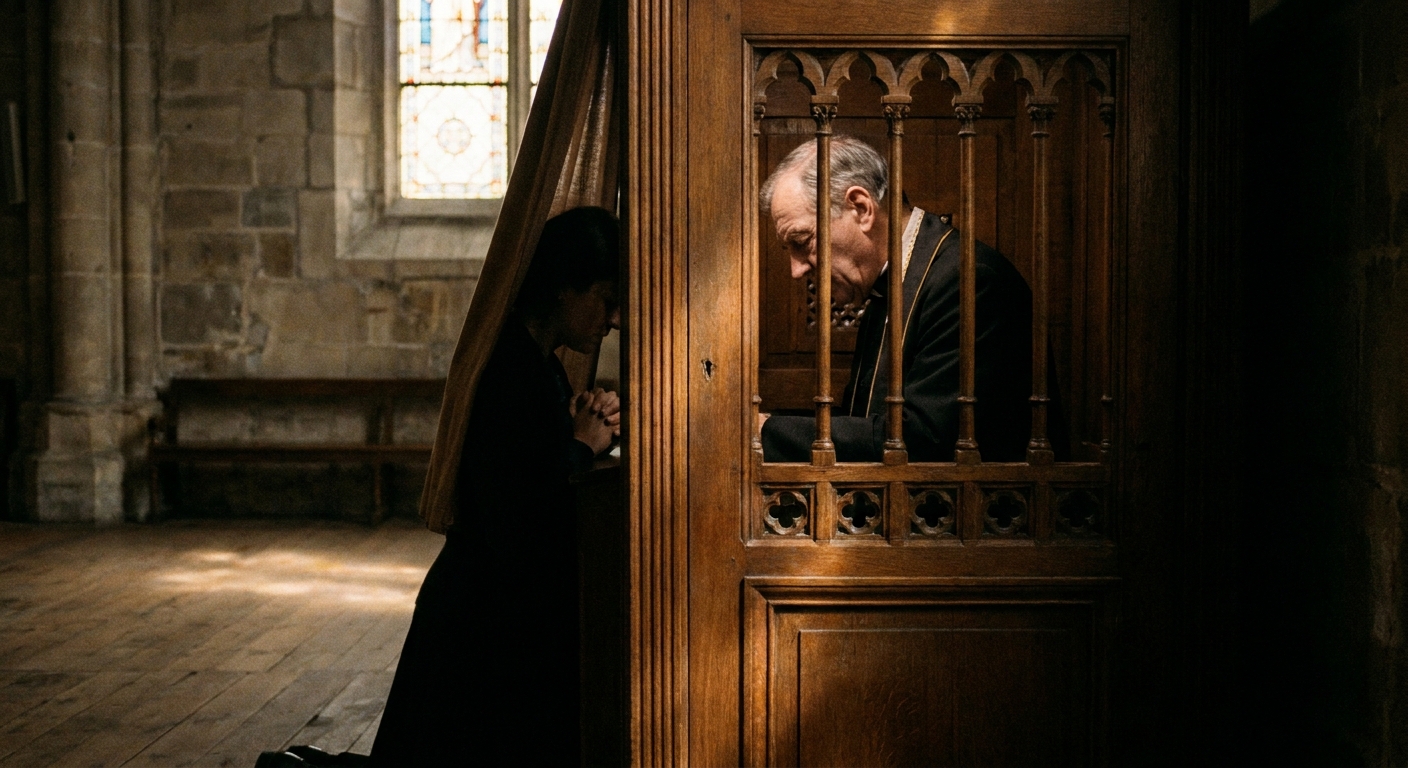
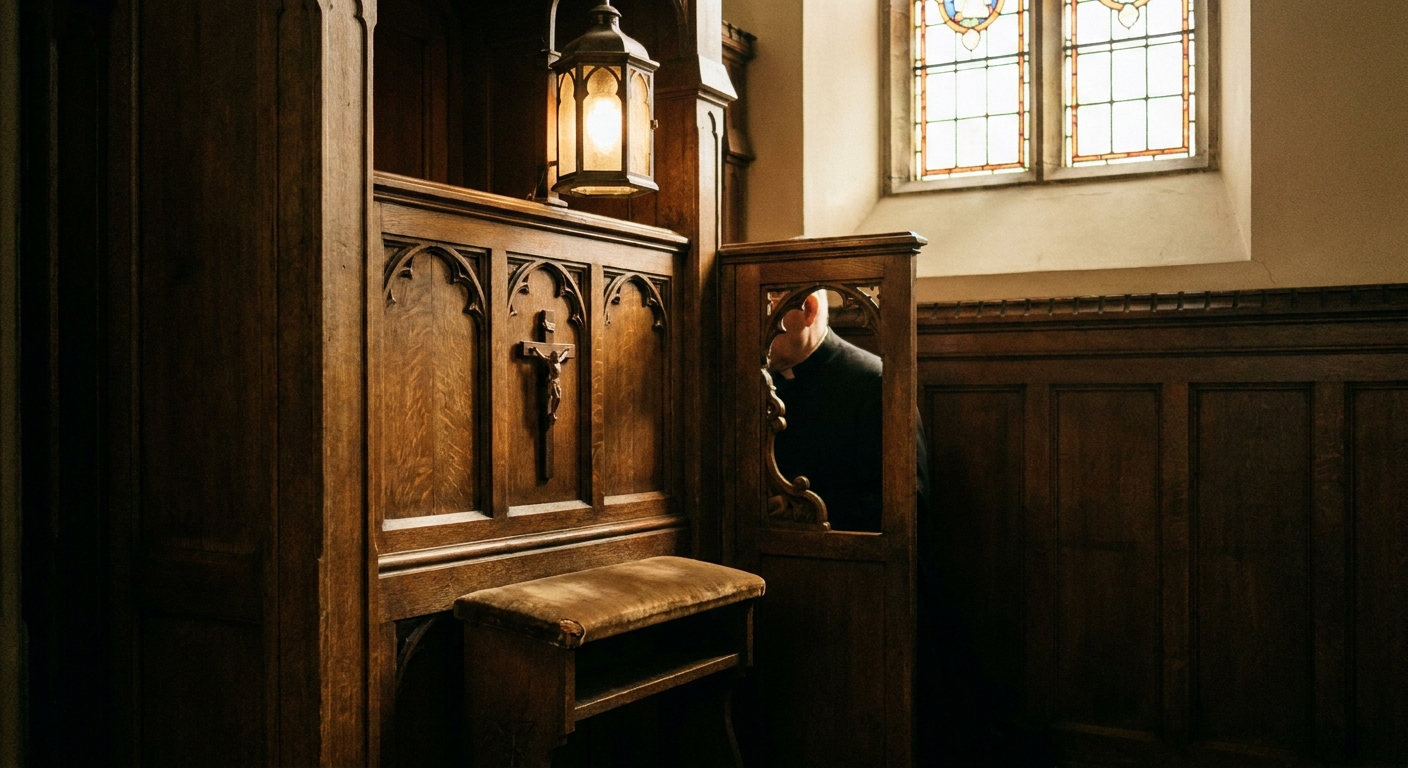
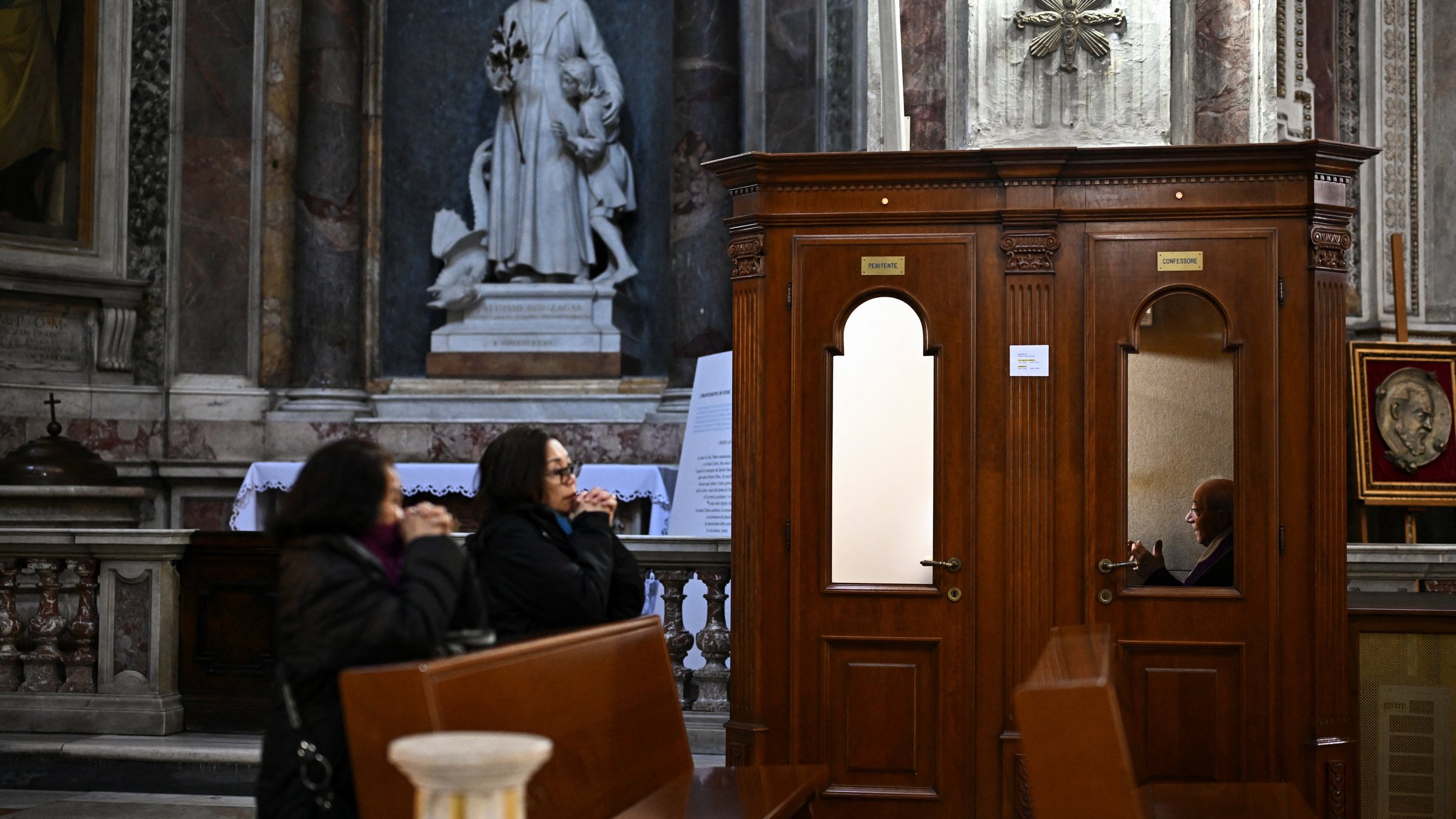
- If you are in a sacramental tradition, seek confession or counsel. Sometimes the most important shift is letting another person help you tell the truth without despair.
The goal is not to become hypervigilant, scanning for every possible good deed. The goal is to become more available to love in the places you truly are responsible.
FAQ
Is forgetting a sin of omission?
Not automatically. Forgetting can reduce or remove culpability, especially if it is genuine and not willful. If the forgetting is rooted in negligence you could reasonably correct, then it can become morally significant over time.
Are there Bible examples besides James 4:17?
Yes. Jesus repeatedly treats love as something we do, not just something we feel. In the parable of the Good Samaritan, the failure is not only violence, it is also passing by (Luke 10:25–37). In the judgment scene of the sheep and the goats, the condemnation is framed in terms of neglected mercy: “I was hungry and you gave me no food” (Matthew 25:31–46).
Can a sin of omission be venial?
Yes. Many omissions involve less serious matter, limited knowledge, or limited freedom. They are still worth confessing and working on, but they do not all carry the same spiritual weight.
What is a simple example?
Knowing you should apologize for a harsh word and choosing not to because you want to “win” is a simple example. Another is seeing someone in need and refusing to help when you easily could, simply because it inconveniences you.