When people say “Buddhism,” they often mean a single, unified tradition. But Buddhism is more like a great river system, fed by many streams that share a common source. Two of the largest streams are Theravada and Mahayana, though that is a simplification: Theravada is one surviving Nikaya school, while Mahayana is a later movement that spread across multiple lineages and cultures. Even so, they hold much in common: reverence for the Buddha, commitment to ethical living, and practices meant to uproot suffering through wisdom and compassion.
Where they differ is in emphasis. Think of it less like a rivalry and more like two time-tested ways of walking toward awakening, shaped by history, culture, and the needs of different communities. If you have ever wondered which is “more original,” which is “more devotional,” or which might fit your temperament, this is for you.
Shared foundations
Before we compare, it helps to name what both paths broadly share. Across Theravada and Mahayana communities, you will frequently encounter these core foundations:
- The Four Noble Truths: suffering exists, it has causes, it can end, and there is a path to its ending.
- The Noble Eightfold Path: a practical framework for ethics, meditation, and wisdom.
- Karma and rebirth: actions shape experience, and life continues in a stream of cause and effect.
- Impermanence (anicca) and non-self (anatta): the insight that everything changes and that the “self” is not a fixed essence.
- Meditation and mindfulness: methods for steadying attention and seeing clearly.
Even when vocabulary shifts, the central concern remains the same: how do we meet life honestly and reduce suffering for ourselves and others?
What the names mean
Theravada: “Teaching of the Elders”
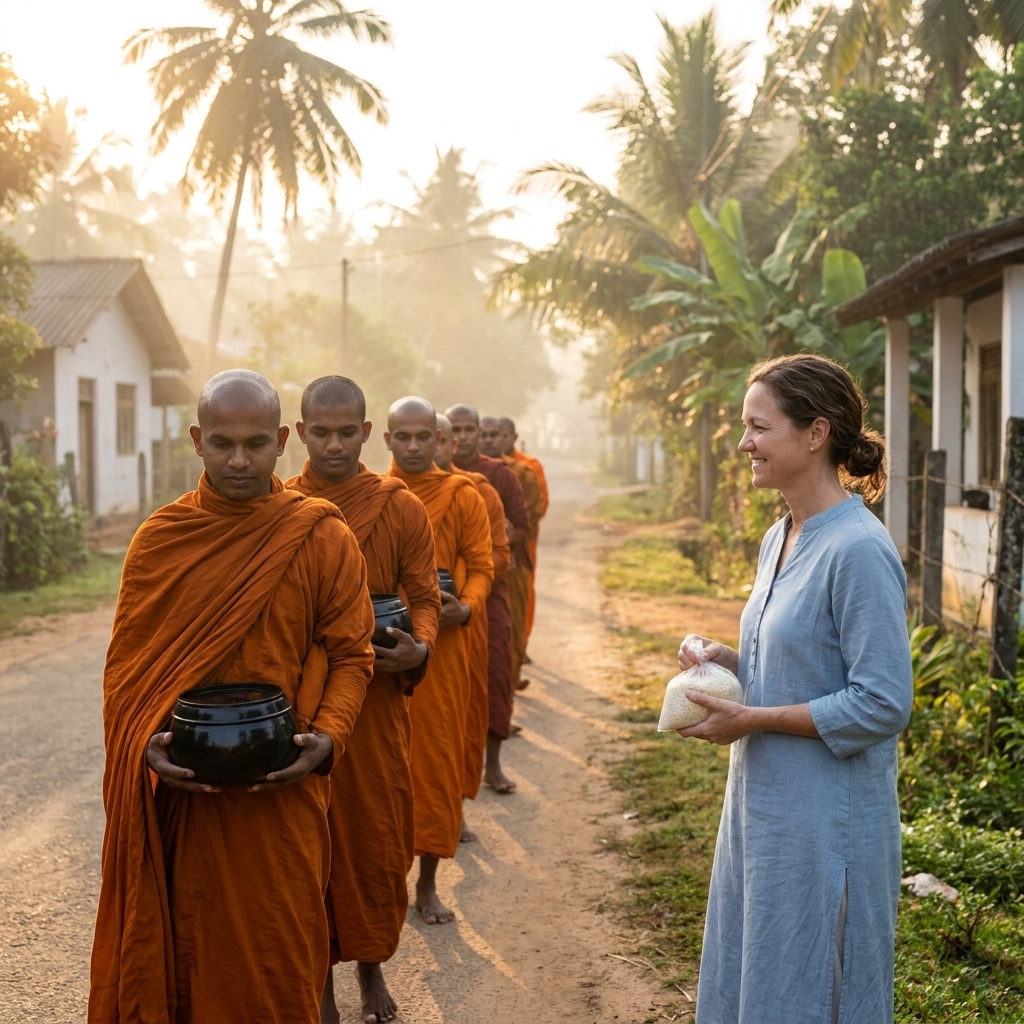
Theravada is often translated as “Teaching of the Elders.” It traces its identity through early Buddhist communities as preserved and transmitted through the Sri Lankan Theravada lineage, which safeguarded a large body of early discourses in the Pali Canon (also called the Tipitaka). In many Theravada settings, monastic life is held up as the clearest environment for deep practice, though lay practice is also vital and richly supported.
Mahayana: “Great Vehicle”
Mahayana means “Great Vehicle,” a term that points to its broad, inclusive vision of awakening. Historically, Mahayana movements developed from roughly the first century BCE/CE onward, offering new texts and interpretive frameworks, often centering compassion and the aspiration to awaken for the sake of all beings. Mahayana Buddhism includes many schools, including Zen, Pure Land, Tiantai, Huayan, and Nichiren, among others.
Spiritual aim
This is one of the most cited differences, and it is easy to misunderstand if we flatten it into stereotypes.
Theravada emphasis: the arahant ideal
Theravada often highlights the ideal of the arahant (Pali: arahant), someone who has fully awakened by uprooting greed, hatred, and delusion. In classical Theravada framing, the arahant is liberated from the cycle of rebirth through direct insight into reality.
To keep this from sounding one-sided: compassion is not an “extra” in Theravada. Many practitioners train deliberately in metta (lovingkindness) and karuna (compassion), often through structured meditation practices and daily acts of generosity.
Mahayana emphasis: the bodhisattva ideal
Mahayana famously centers the bodhisattva, a being committed to awakening in a way that serves all beings. The bodhisattva ideal is not simply “being nice.” It is a disciplined vow shaped by wisdom: compassion rooted in insight into emptiness, interdependence, and the fluid nature of self.
And to balance the picture here as well: Mahayana is not only devotional. Many Mahayana schools emphasize strong discipline and insight practice, from zazen in Zen to shamatha-vipashyana training and graduated path teachings in Tibetan traditions.
One gentle way to hold the difference: Theravada often foregrounds liberation through profound insight, while Mahayana often foregrounds liberation as inseparable from compassionate relationship.
In lived reality, Theravada communities cultivate compassion deeply, and Mahayana communities value disciplined meditation and insight. The ideals are different focal points, not mutually exclusive virtues.
Teachings and flavor
Theravada: early discourses and analysis
Theravada is known for its careful attention to early teachings and for refined psychological and philosophical analysis. Many Theravada lineages emphasize:
- The Pali Canon as central scriptural authority.
- Vipassana (insight) and samatha (calm) meditation methods.
- Abhidhamma traditions in some regions, offering detailed maps of mind and experience.
The tone often feels grounded and practical: observe experience closely, see impermanence directly, and let clinging loosen.
Mahayana: emptiness and compassion
Mahayana includes a wide range of philosophies, and practices can look very different from one school to another. Still, three themes often appear:
- Śūnyatā (emptiness): most associated with Madhyamaka thought, emphasizing that phenomena lack fixed, independent essence and arise interdependently.
- Bodhicitta: the intention to awaken for the benefit of all beings.
- Buddha-nature in some traditions: teachings that point to an innate capacity for awakening.
These ideas can sound abstract on first encounter. In practice, they often show up as a shift in how tightly we hold everything. If nothing is fixed and separate, then change is possible, and compassion becomes less like a performance and more like a natural response.
Texts and authority
Theravada scriptures
Theravada primarily relies on the Pali Canon, including:
- Sutta Pitaka (discourses)
- Vinaya Pitaka (monastic discipline)
- Abhidhamma Pitaka (systematic analyses, especially important in some Theravada contexts)
Commentarial traditions also matter, such as the works associated with Buddhaghosa, which have shaped practice and interpretation for centuries.
Mahayana scriptures
Mahayana traditions draw from many Mahayana sutras alongside earlier teachings. Different schools emphasize different texts, such as:
- Heart Sutra and Diamond Sutra (emptiness teachings)
- Lotus Sutra (skillful means and universal potential)
- Pure Land sutras (devotional and aspiration-based paths)
- Avatamsaka Sutra in some traditions (interpenetration and cosmic vision)
Because Mahayana is broad, authority often rests in a combination of scriptures, lineage teachings, and the lived practices of a particular school.
Where each is practiced
Theravada regions
Theravada is the predominant form of Buddhism in much of:
- Sri Lanka
- Thailand
- Myanmar
- Cambodia
- Laos
Through migration and global meditation movements, Theravada monasteries and retreat centers are now found worldwide. Like any living tradition, it also varies by country and lineage.
Mahayana regions
Mahayana is historically dominant in much of:
- China
- Korea
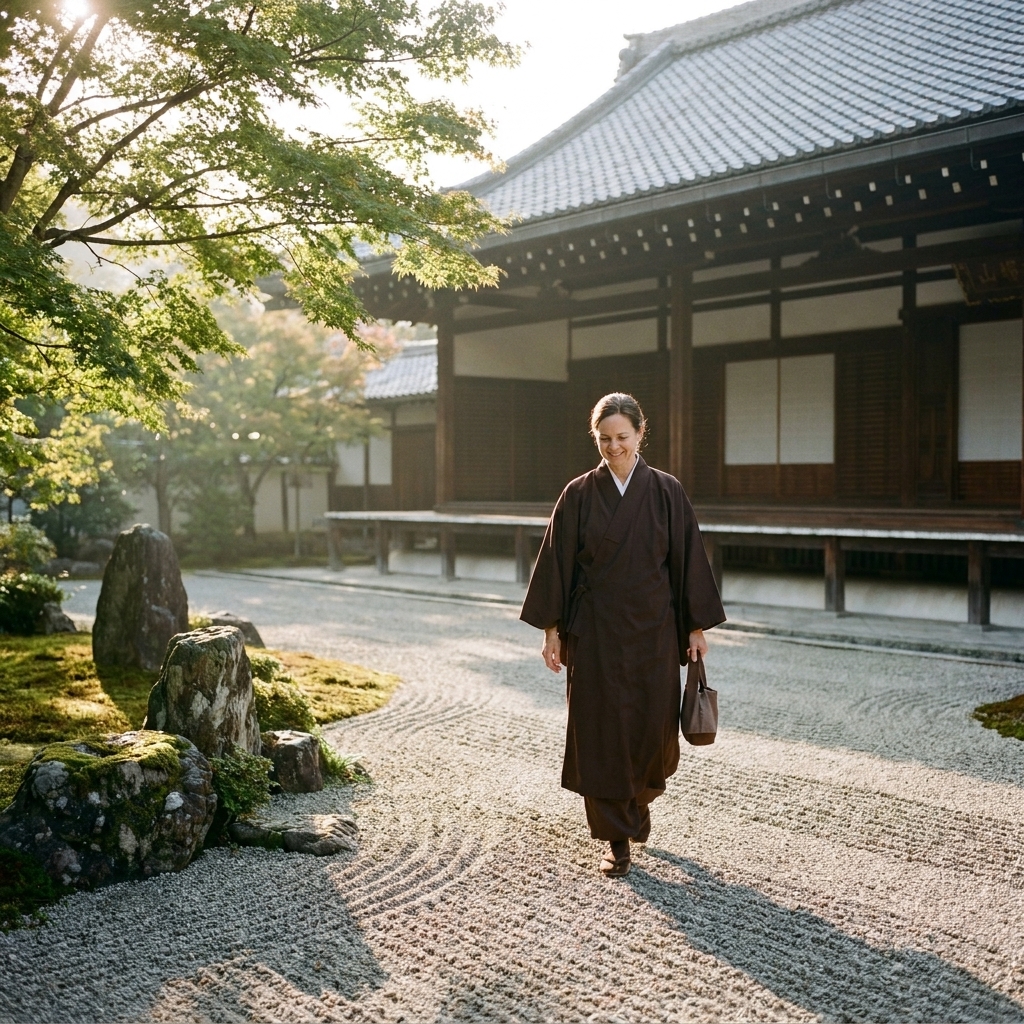
- Japan
- Vietnam
- Taiwan
It is also widespread globally through Zen centers, Pure Land temples, and diverse immigrant communities. Here too, local forms can differ dramatically from place to place and school to school.
Everyday practice
If you walk into a Theravada temple and then into a Mahayana temple, you may notice differences in atmosphere. Some are cultural rather than strictly doctrinal, but they still shape how practice feels.
Theravada practice patterns
- Meditation retreats that prioritize silent insight practice, often in structured schedules.
- Chanting in Pali and devotional acts centered on the Buddha, Dhamma, and Sangha.
- Lay and monastic relationship where supporting the monastic community is a major form of merit-making and practice.
Mahayana practice patterns
- Bodhisattva vows and ethical commitments framed in compassionate service.
- Devotional practices that may include chanting sutras, invoking bodhisattvas, or Pure Land recitation.
- Meditation in some schools, emphasizing direct experience and mind training.
A helpful question is not “Which is more spiritual?” but “Which set of practices helps my heart become steadier, kinder, and more awake?”
Where Vajrayana fits
You might be wondering where Tibetan Buddhism fits. Vajrayana (often associated with Tibetan lineages and also present in parts of Japan) is sometimes described as a branch within Mahayana, because it includes the bodhisattva ideal and Mahayana philosophical frameworks while adding tantric methods and specific ritual technologies. In everyday conversation, people sometimes speak of “three vehicles” (Theravada, Mahayana, Vajrayana). The categories overlap depending on context, and that is okay.

Common mix-ups
“Theravada is selfish and Mahayana is compassionate”
This is a popular caricature, and it is unfair to real practitioners. Theravada ethics, generosity, and lovingkindness practices are profound. Mahayana compassion is not shallow sentiment, but disciplined commitment. Both traditions aim to end suffering. They simply frame the path with different accents.
“Mahayana is less authentic because it has more scriptures”
Historically, Buddhism has always interpreted, transmitted, and adapted. Mahayana communities see their texts as expressions of the Dharma suited to different capacities and eras. Theravada communities emphasize the authority of early collections and among the earliest strata of extant Buddhist texts. Authenticity, in a spiritual sense, is also tested in practice: does it reduce greed, hatred, and delusion?
“Theravada is only for monks”
Monastic discipline is central in many Theravada cultures, yes. But many lay practitioners train seriously in meditation, ethics, and generosity, and some modern Theravada movements have created robust lay-oriented retreat cultures.
Choosing a path
If you are exploring Buddhism personally, it can help to approach this like choosing a trail up a mountain. The mountain is not “owned” by one path. The trail you choose should be safe, steady, and suited to your body and season of life.
Ask yourself
- Do I need a clear, structured meditation framework right now, with strong emphasis on early teachings?
- Am I drawn to the bodhisattva vow and practices that weave awakening and service together?
- Do I resonate with simplicity and silence, or with ritual and devotional warmth, or some blend?
- When I sit with these teachings, do I become more honest and more kind?
And there is a quiet third option many people discover: you can learn respectfully from both without forcing a single label too quickly.
Explore respectfully
If you visit a local temple or center, go gently. Observe first, follow the community’s etiquette, and do not be afraid to ask basic questions. Over time, look for teachers and communities that emphasize ethics, clarity, and care. A credible, grounded community matters more than a perfect label.
FAQ
Is Theravada the same as “Hinayana”?
No. “Hinayana” is an older polemical term meaning “lesser vehicle,” used in some Mahayana critiques, and it is generally considered disrespectful. It is better to say Theravada when you mean Theravada, and to be specific about the tradition you are describing.
Do Theravada and Mahayana honor different Buddhas?
Both honor Shakyamuni Buddha, the historical Buddha. Some Mahayana traditions also venerate celestial Buddhas and bodhisattvas, such as Amitabha or Avalokiteshvara, as supports for practice and compassion. Theravada traditions often place primary emphasis on Shakyamuni and the arahant ideal, while also preserving a rich cosmology that includes other beings and future Buddha traditions such as Metteyya (Maitreya).
Which path is better for beginners?
Whichever puts you in contact with wise teachers, ethical community, and practices you can sustain. A beginner-friendly environment matters more than the label on the door.
Can I practice both?
Many people do, especially in modern Western contexts. The healthiest approach is to practice with clarity and respect: learn the basics of one tradition deeply, avoid mixing practices in confusing ways, and when in doubt, ask a qualified teacher.
Closing reflection
When I think of Theravada and Mahayana, I picture two lamps in the same window. One casts a focused beam that helps you see each step on the path. The other fills the whole room with light, reminding you that no one walks alone.
If you are standing at the threshold of Buddhist practice, you do not have to decide everything at once. Begin where you are. Sit for a few minutes. Tell the truth about what hurts. Practice kindness in one ordinary moment. The path, whichever name you give it, begins there.