When people talk about Judaism, Christianity, and Islam, the conversation can quickly drift toward difference. And yes, the differences matter. But there is another story, quieter and just as true: these faiths are related, like branches grown from a shared root system. They argue at times like siblings do, yet they keep returning to the same ancestral names, the same moral questions, the same longing to know and honor the One.
In interfaith circles , I often see something soften in a room when someone says, simply, “We share Abraham.” It does not erase disagreement. It does something more human. It reminds us that beneath doctrines and headlines are families of stories, prayers, and practices shaped in overlapping languages, with many of the same spiritual ancestors.
Why “Abrahamic” matters
The term Abrahamic religions is a modern umbrella term used in scholarship and public discourse to describe faiths that trace their spiritual lineage to the patriarch Abraham. It is not a perfect label. Each tradition remembers Abraham in its own way and holds different views of covenant, prophecy, and salvation. Still, the term can be helpful because it points to a shared spiritual family tree. (The idea of linking these traditions through Abraham is older than the phrase itself.)
At its simplest, “Abrahamic” highlights three common foundations:
- Monotheism: devotion to one God.
- Revelation: God is not distant, but communicates with humanity.
- Covenant and guidance: human life is meant to be shaped ethically in response to God.
These themes show up again and again in the Torah, the New Testament, and the Qur’an, even when the conclusions differ.
A shared landscape of stories
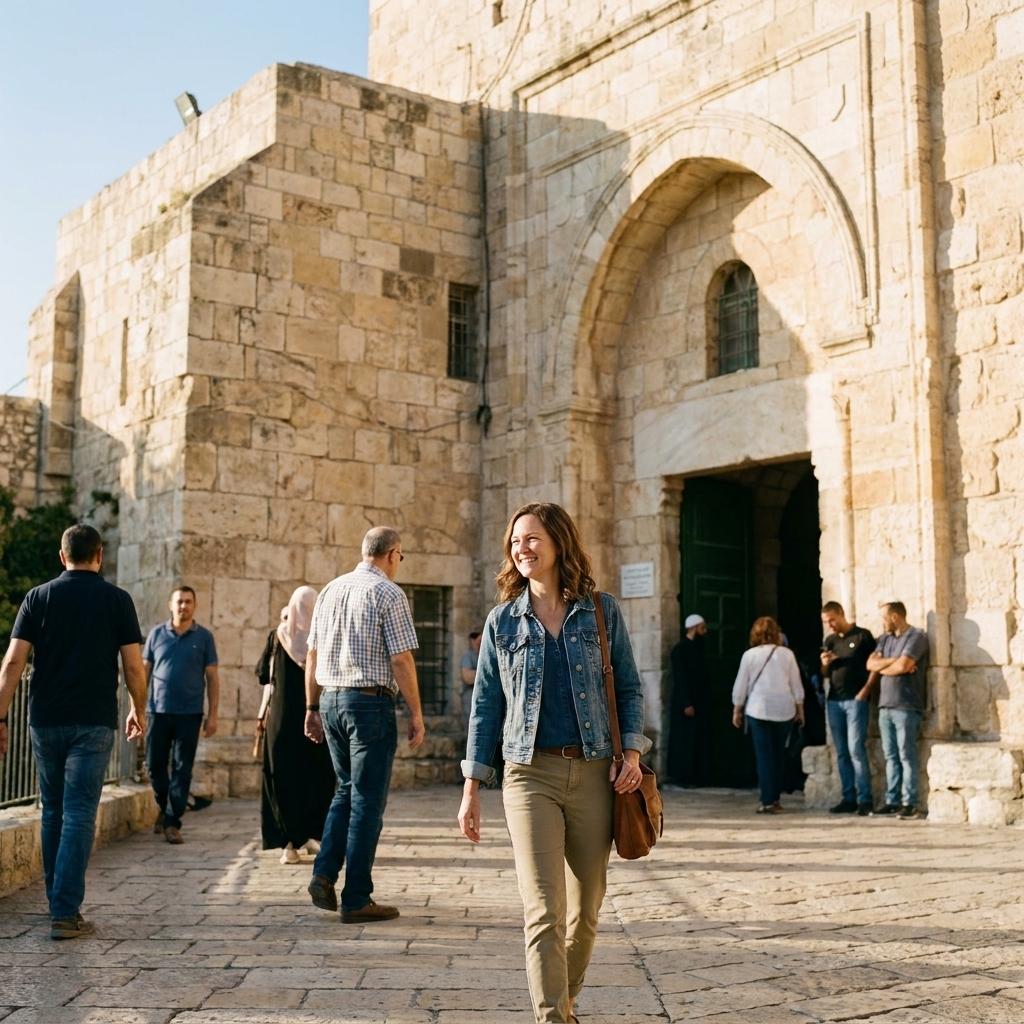
Judaism and Christianity emerged primarily in the ancient Levant, and their foundational narratives unfold across a recognizable landscape: deserts and wells, market towns and pilgrimage routes, empires rising and falling at the margins. Islam arose in the Arabian Peninsula, in conversation with the wider Late Antique world where Jewish and Christian communities and ideas were already present.
Understanding this geography is not trivia. Place shapes prayer. In all three traditions, faith is not merely an idea. It is a lived response in real history: families migrating, communities organizing around law and worship, prophets speaking amid social upheaval, and ordinary people trying to keep a relationship with God alive.
Shared prophets and people
One of the quickest ways to see the shared roots is to notice how often the same figures reappear, sometimes with different emphases and lessons attached.
Abraham and the covenant family
In Jewish tradition, Abraham is the beginning of a covenantal people, called into relationship with God and given promises tied to land, descendants, and blessing. In Christianity, Abraham becomes a model of trust in God, often discussed in relation to faith and righteousness. In Islam, Ibrahim is a devoted monotheist, remembered for his surrender to God and for establishing practices of worship that echo in pilgrimage.
The family line matters, too. Judaism traces covenant through Isaac and Jacob. Islam places strong emphasis on Ibrahim and his son Isma’il, and connects them to sacred history in Mecca. Christianity inherits the Hebrew scriptures and reads Abraham through the lens of Jesus and the expanding community of believers.
Moses, liberation, and law
Moses is central to Judaism as the great prophet of the Exodus and the receiver of Torah. Christianity reveres Moses within the Hebrew scriptures and frequently frames Jesus in conversation with the Law and the Prophets. In Islam, Musa is one of the most frequently mentioned prophets in the Qur’an, often appearing as a mirror for Muhammad’s own challenges: resistance, perseverance, and the moral demand to free the oppressed.
Mary and Jesus
Here the overlap can surprise people. Mary is honored in both Christianity and Islam, and she is a significant figure in the Qur’an. Jesus is the heart of Christian faith as Messiah and Son of God. In Islam, Isa is revered as a prophet and Messiah in a different sense, born of Mary by God’s command, but not understood as divine. Judaism, meanwhile, does not accept Jesus as Messiah, and holds a different view of messianic expectation.
Even when perspectives diverge sharply, the very fact that these names are shared keeps pulling the traditions into conversation.
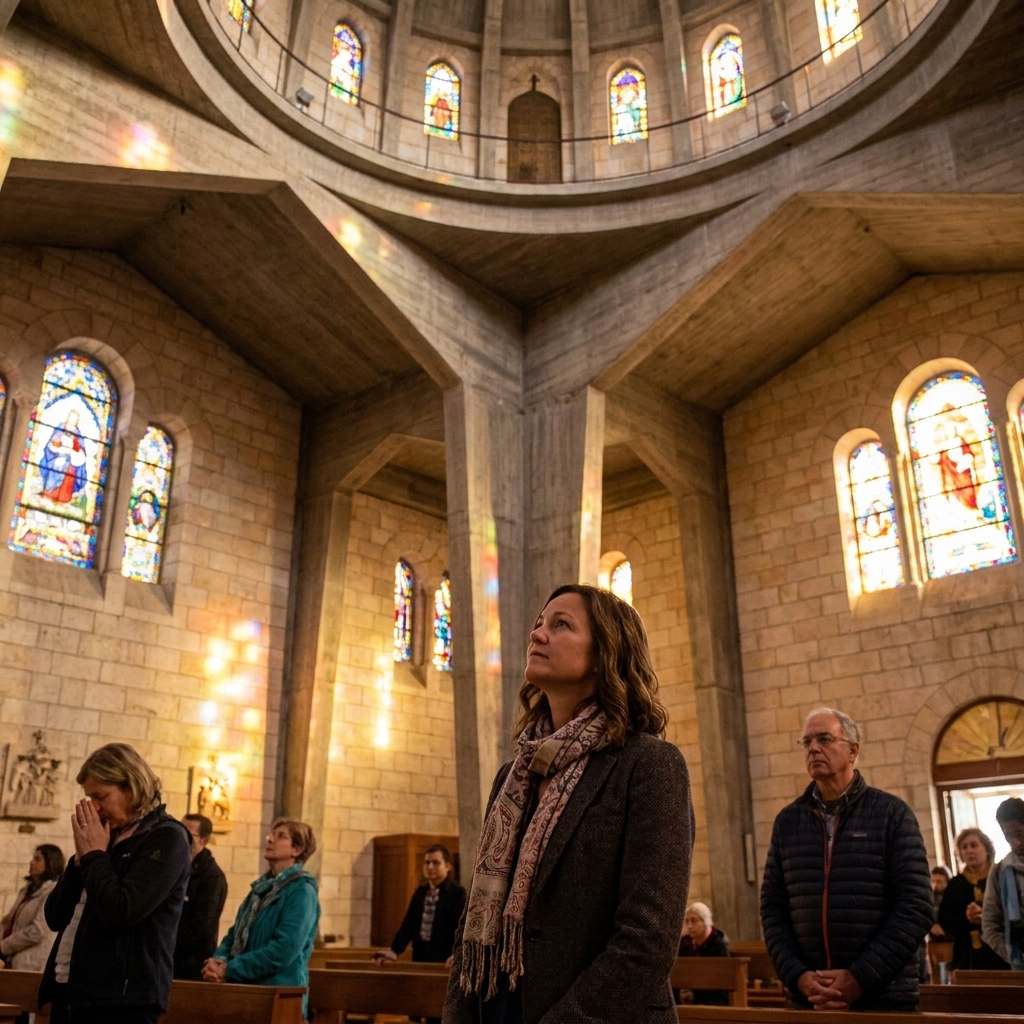
Scriptures in conversation
It can be tempting to treat the three scriptures as separate books on separate shelves. Historically, they are more like texts in conversation across time.
Judaism: Torah and the Hebrew Bible
For Jews, the Torah is foundational, with additional sacred writings and prophetic texts forming the broader Tanakh. Jewish tradition also includes rich interpretive layers, including centuries of rabbinic discussion that explore how divine teaching is lived in daily life.
Christianity: Old and New Testaments
Christians receive the Hebrew scriptures as the Old Testament and read them in light of the life, teachings, death, and resurrection of Jesus. The New Testament includes the Gospels, letters, and early Christian writings that shaped belief and community practices. Christian biblical canons also vary by tradition, with differences among Protestant, Catholic, and Orthodox communities.
Islam: Qur’an and prophetic tradition
Muslims regard the Qur’an as God’s direct revelation to Muhammad. The Qur’an frequently references earlier prophets and communities, affirming continuity while also offering correction and guidance as Islam understands it. Alongside the Qur’an, the hadith literature preserves sayings and actions of the Prophet that inform theology, ethics, and law.
Across all three, scripture is not merely read. It is recited, studied, debated, memorized, and embodied. The relationship to text is devotional, communal, and ethical, not just informational.
One God, many understandings
All three traditions insist, in their own ways, that God is one. But the language and theology surrounding that oneness varies.
Judaism: unity and covenant
Jewish prayer centers God’s oneness with a fierce clarity, expressed in the Shema: “Hear, O Israel: the Lord is our God, the Lord is one.” God is understood as utterly unique, not divided, and intimately involved with the life of a people through covenant.
Christianity: oneness and Trinity
Christianity proclaims one God while also confessing the Trinity: Father, Son, and Holy Spirit. Christians understand this not as three gods, but as one divine life expressed in relational persons. This is often the most significant theological divergence between Christianity and the other two traditions.
Islam: tawhid
Islam emphasizes tawhid, the absolute oneness and incomparability of God. God is merciful and near, yet beyond human likeness. Associating partners with God is viewed as a serious theological error, which shapes how Islam understands Jesus and earlier communities.
When I sit with people across these traditions, I notice that devotion to the One often produces similar fruit: humility, accountability, gratitude, and a steady call to live with integrity.
Shared ethics and real differences
Even with theological differences, Judaism, Christianity, and Islam share many ethical priorities. They each teach that belief is meant to become a way of life.
- Prayer and remembrance: daily rhythms that recenter the heart.
- Charity and care for the vulnerable: giving is not optional, but spiritual training.
- Fasting and self-restraint : practices that cultivate gratitude and compassion.
- Justice: concern for fairness, honesty, and community responsibility.
- Repentance and mercy: a belief that people can return, repair, and begin again.
At the same time, these traditions do not organize moral life in identical ways. Jewish halakhah, Islamic sharia, and Christian moral theology each have distinct methods for reasoning, interpreting scripture, and applying teachings across changing circumstances.
Sometimes the most profound interfaith discovery is not “We believe the same thing,” but “We are being asked to become the same kind of person.”
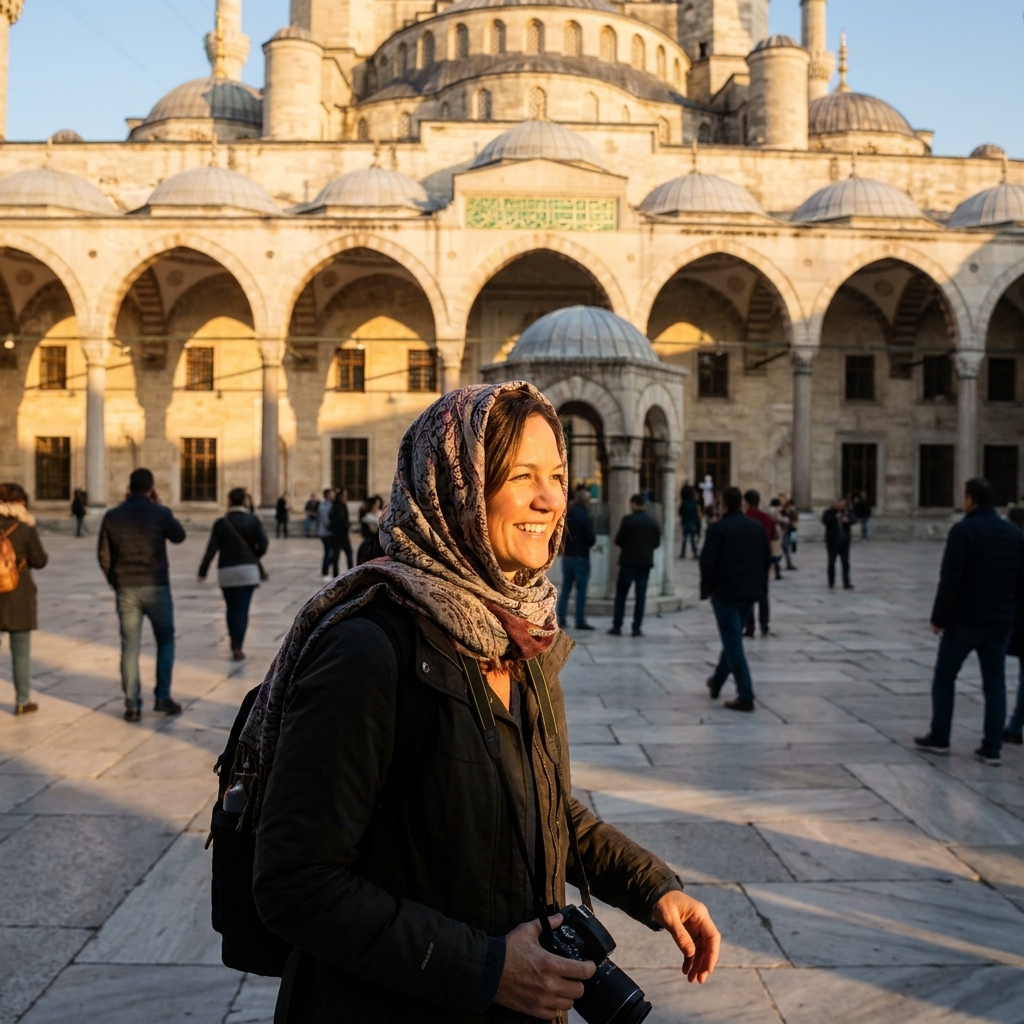
Where history met and split
The three faiths did not develop in isolation. They grew through contact, debate, coexistence, and at times conflict.
Second Temple Judaism and Christianity
Christianity emerged from within the world of Second Temple Judaism. The early Jesus movement debated how Gentiles could belong, how the Law should be practiced, and what it meant to say Jesus was Messiah. Those debates shaped distinct communities over time.
Late antiquity and Islam
Islam arose in a region connected to Jewish and Christian communities, and the Qur’an engages stories and themes that were present across the religious landscape of late antiquity. Early Islamic civilization also became a place where Jews, Christians, and Muslims interacted intellectually, legally, and culturally, with periods of both cooperation and severe tension depending on time and place.
Shared learning
In cities like Baghdad, Cordoba, and Cairo, scholars from all three traditions contributed to theology, philosophy, medicine, and law. Their conversations sometimes took the form of critique, sometimes mutual influence, and often sincere pursuit of truth within their own commitments.
Common misunderstandings
When relationships between traditions feel strained, it is often because people inherit simplified versions of each other’s beliefs. A few gentle clarifications can open space for more honest dialogue.
“They all worship different gods.”
Historically and theologically, all three traditions claim continuity with the God of Abraham. Many scholars and interfaith practitioners argue that the disagreement is often less about which God and more about how God is understood and approached, especially around revelation, Jesus, and divine nature. Others contest that framing, which is one reason it helps to speak carefully and listen closely here.
“They share prophets, so they must teach the same thing.”
Shared names do not guarantee shared interpretations. Each faith frames prophetic stories to illuminate its own covenant, theology, and spiritual aims.
“Interfaith means blending religions.”
Healthy interfaith engagement is not about flattening differences. It is about learning to speak accurately, listen carefully, and treat the other with dignity, even while staying rooted in one’s own tradition.
How to explore shared roots
If you want to learn in a way that honors all three faiths, here are a few grounded practices I return to again and again:
- Start with self-definition. Let Jews define Judaism, Christians define Christianity, Muslims define Islam. Read primary sources and trusted scholars from within each tradition.
- Hold similarity and difference together. “We share Abraham” can coexist with “We do not agree on Jesus.” Both can be true without hostility.
- Learn through lived practice. Visit a synagogue, church, or mosque if invited. Observe respectfully. Ask what a ritual means to the people who love it.
- Practice holy curiosity. Replace “How can you believe that?” with “What does that belief do in your life?”
In my experience, reverence is contagious. When someone speaks from the heart about their devotion, it invites us to become more faithful to our own best values, too.
Note: Depending on how someone defines the category, you may also hear other communities discussed under the “Abrahamic” umbrella, such as the Bahá’í Faith, Samaritanism, and the Druze tradition. The “big three” remain the most common reference point, but the family tree is sometimes drawn more broadly.
FAQ
I have found that a few practical questions come up again and again, especially when people are trying to speak with both honesty and care.
Do Judaism, Christianity, and Islam have the same scriptures?
They have overlapping stories and figures, but not the same scriptures. Judaism centers the Torah and the wider Tanakh. Christianity includes the Old Testament and the New Testament (with some variation in canon across Christian traditions). Islam centers the Qur’an, alongside prophetic tradition, and it references many earlier prophetic narratives.
Who are the main shared prophets?
Abraham, Moses, and many other prophetic figures appear across traditions in different ways. Christianity and Islam both honor Mary and speak extensively about Jesus, though they understand him differently. Each faith also has unique figures and emphases.
What is the biggest theological difference?
There are several, but one of the most significant is how Jesus is understood. Christianity confesses Jesus as divine and central to salvation. Judaism does not accept Jesus as Messiah. Islam honors Jesus as a prophet and Messiah in a distinct sense, while emphasizing God’s absolute oneness.
Why does this shared history matter today?
Because remembering shared roots can reduce fear and caricature. It encourages more accurate understanding, more responsible conversation, and, at its best, a wider compassion that does not require anyone to surrender their convictions.
A closing reflection
When I walk my dogs along the Oregon coast, I sometimes think about how rivers meet the sea. They carry different sediments, different stories of where they have been. Yet they all arrive, in their own way, at the same vast horizon.
Judaism, Christianity, and Islam are not the same river. But they do share sources: prophets who called people back to the One, communities shaped by prayer and law and mercy, and a persistent hope that human life can be aligned with divine goodness. If we can honor both the shared roots and the real differences, we make room for something deeply spiritual: truth spoken clearly, and neighbors treated with care.