When people ask, “Do you believe in a soul?” they often assume there is one universal definition tucked somewhere in the human experience, like a hidden organ of the spirit. But the word soul is a suitcase term. It carries different meanings depending on the tradition, the language, and the story a community tells about what a human being is.
In broad strokes, many Western theological traditions speak about an enduring personal soul that remains “you” across time, accountable before God, and destined for a final state. Many Indian and East Asian traditions are more likely to begin from a different starting question: what exactly is this ‘me’ I keep defending? That shift changes everything, from ethics to meditation to what “afterlife” even means.
That said, the categories “East” and “West” are imperfect. “Western” includes mystical and nondual streams, and “Eastern” includes strong personal-theist traditions with robust teachings about an enduring self. The point here is not to force everything into two boxes, but to offer a clear map without pretending it is the only one.
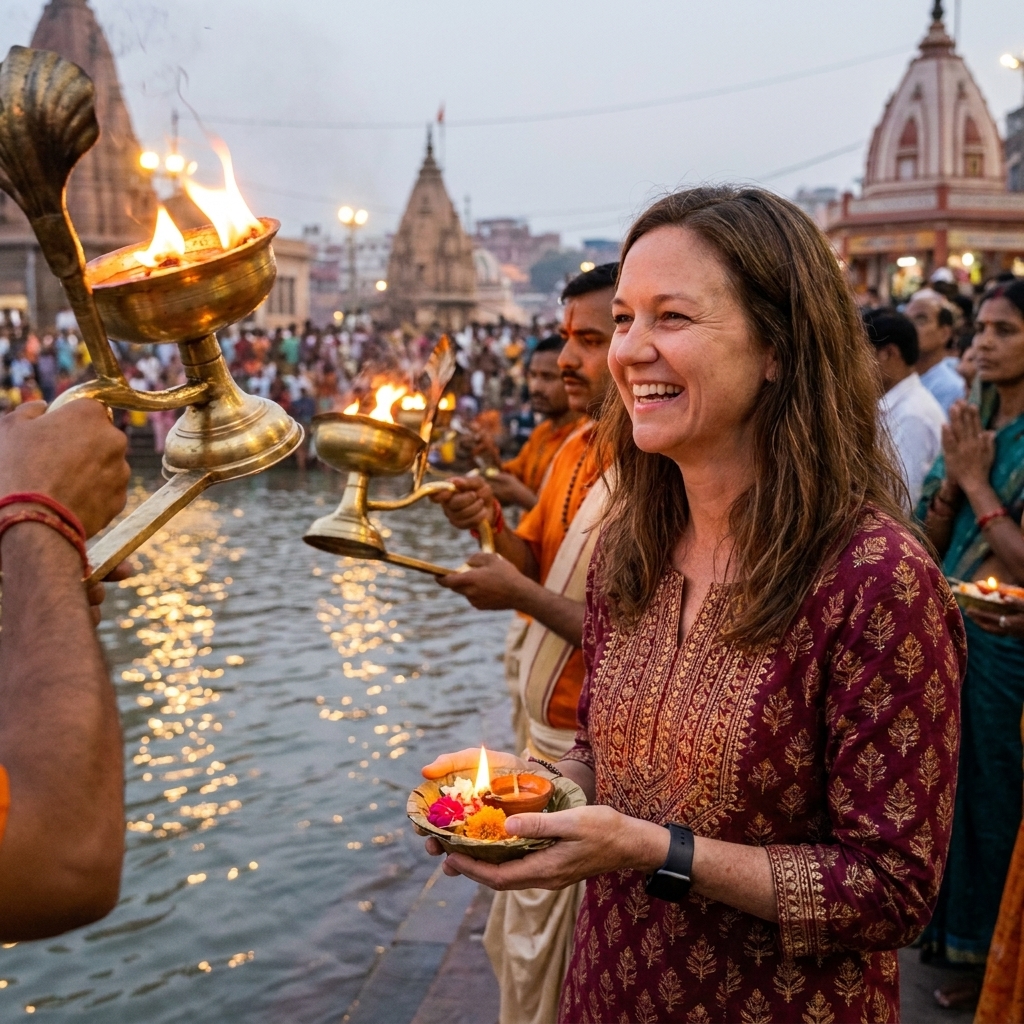
First, the words
We can accidentally mislead ourselves by forcing one tradition’s vocabulary onto another. In English, “soul” can mean an immortal essence, a moral self, the seat of emotions, or simply a poetic way to say “person.”
Likewise, Eastern traditions use a range of concepts that do not map neatly onto the Western “soul.” A few key terms you may encounter:
- Atman (Hindu traditions): the deepest Self, often described as eternal, and in some schools intimately related to ultimate reality (Brahman).
- Anatman (Buddhism): “not-self,” a teaching that what we call a self is not a permanent essence.
- Jiva (many Indian schools): the individual living being, the embodied life stream.
- Consciousness (varies widely): sometimes a moment-to-moment process, sometimes a fundamental reality, depending on the school.
With that humility in place, let us compare the big-picture differences without flattening the diversity within each family of traditions.
Western approaches
What the soul is
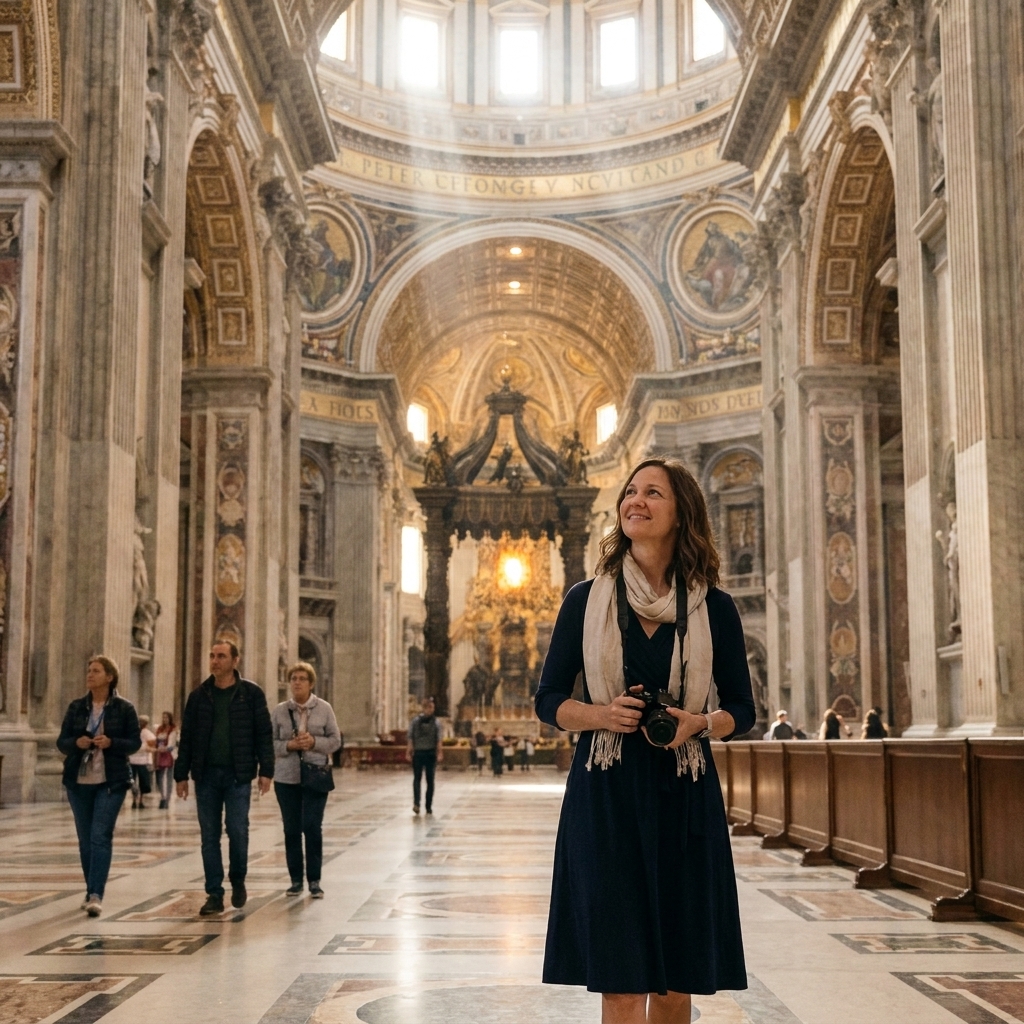
In many Western theological frameworks, the soul is the enduring core of a person. It is not merely a flow of experiences but a stable identity that persists through change. Even when the body dies, the person remains.
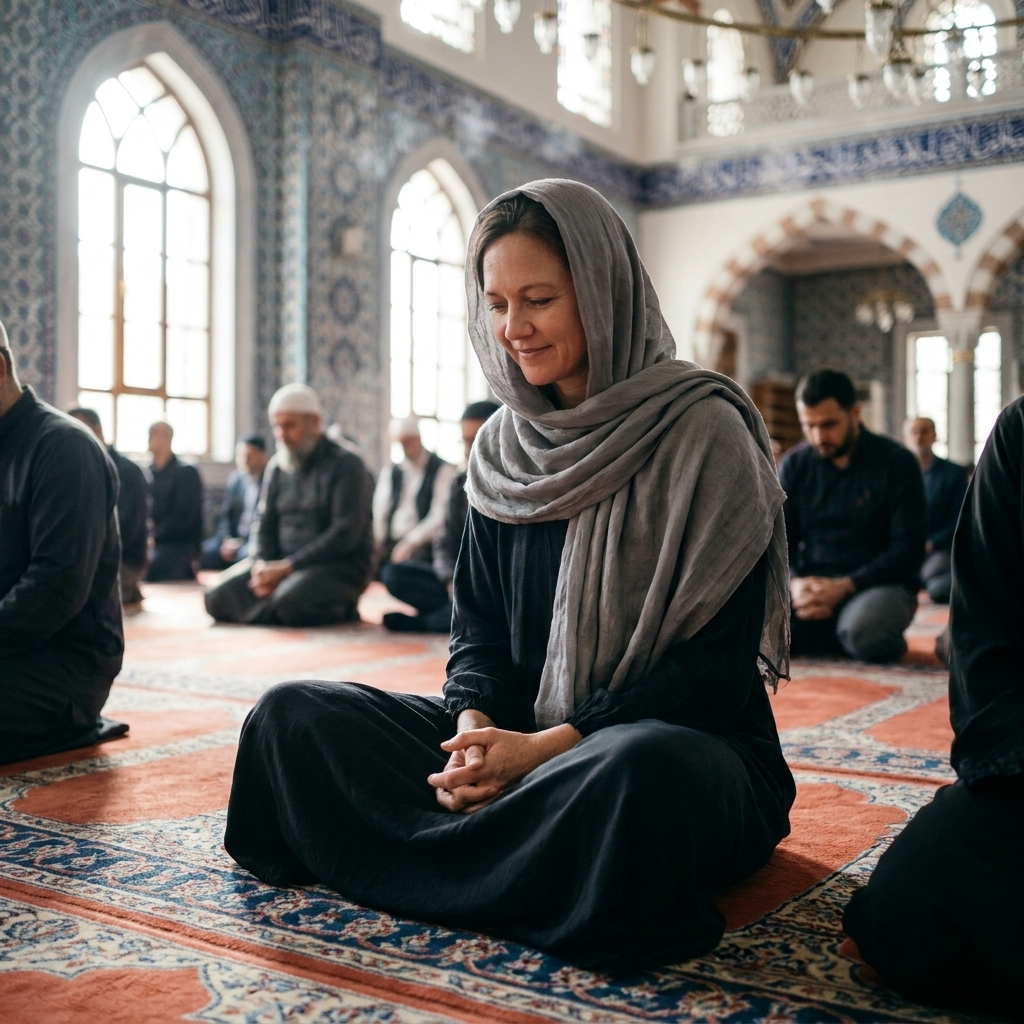
This view is especially familiar in the Abrahamic traditions, though it takes different shapes across Judaism, Christianity, and Islam, and across their many branches. Philosophically, it is often expressed through the idea of a spiritual substance or an immaterial aspect of the human being.
It is worth saying plainly that Judaism contains diverse views. Classical and modern Jewish thought ranges from minimal emphasis on an immortal soul to strong resurrection and embodied eschatology, with many positions in between.
Consciousness and personhood
Western traditions frequently connect the soul with moral agency: the capacity to choose, to love, to repent, to be responsible. Consciousness is not only something you have; it is also part of who you are, tied to a self that can stand before God and neighbor.
Afterlife: linear arcs
While beliefs vary, many Western theological narratives frame the afterlife as moving toward an ultimate resolution: judgment, mercy, resurrection, communion with God, or separation from God. The arc tends to be linear, not cyclical. History has direction, and the person’s story is not endlessly repeated but brought to culmination.
In that framework, the soul matters not as a detachable “ghost,” but as the continuity of the person. Even traditions that emphasize bodily resurrection still speak of a self that is preserved and known.
Hindu perspectives
What the self is
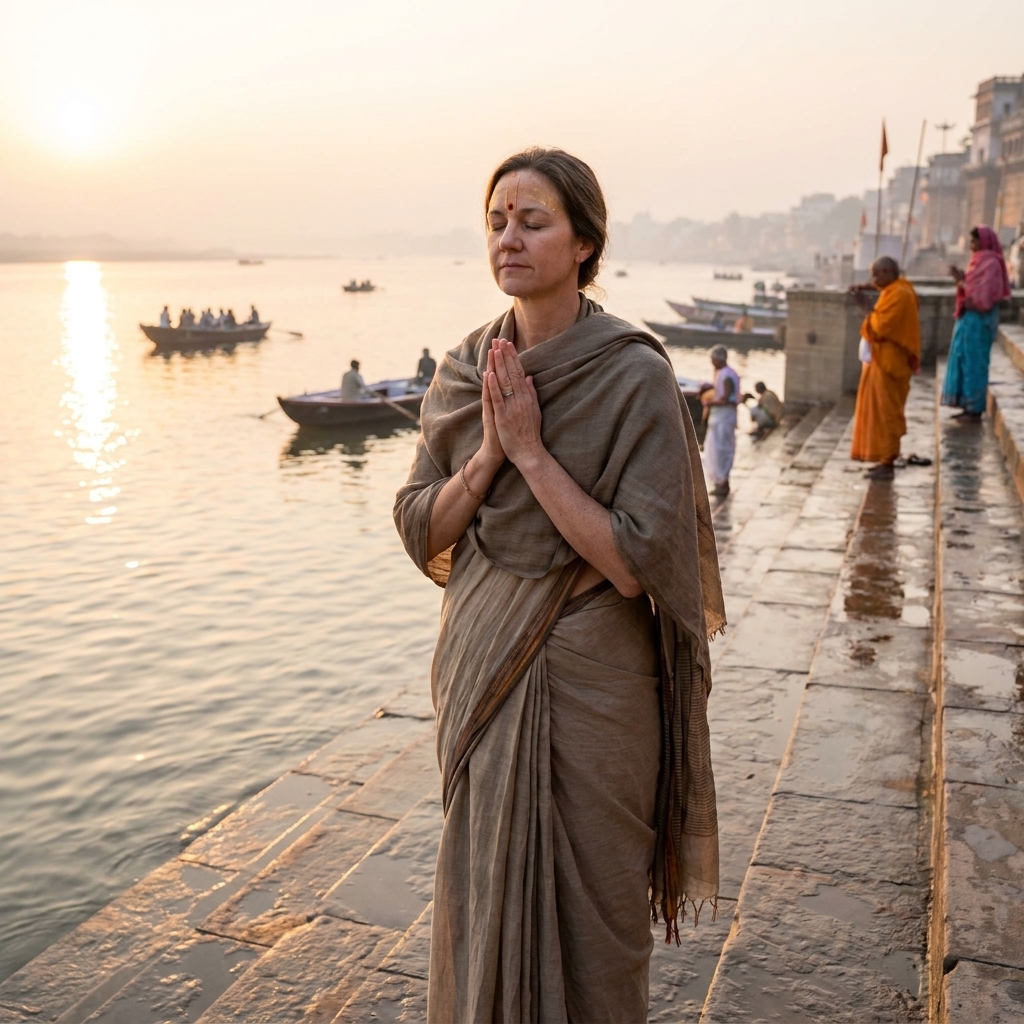
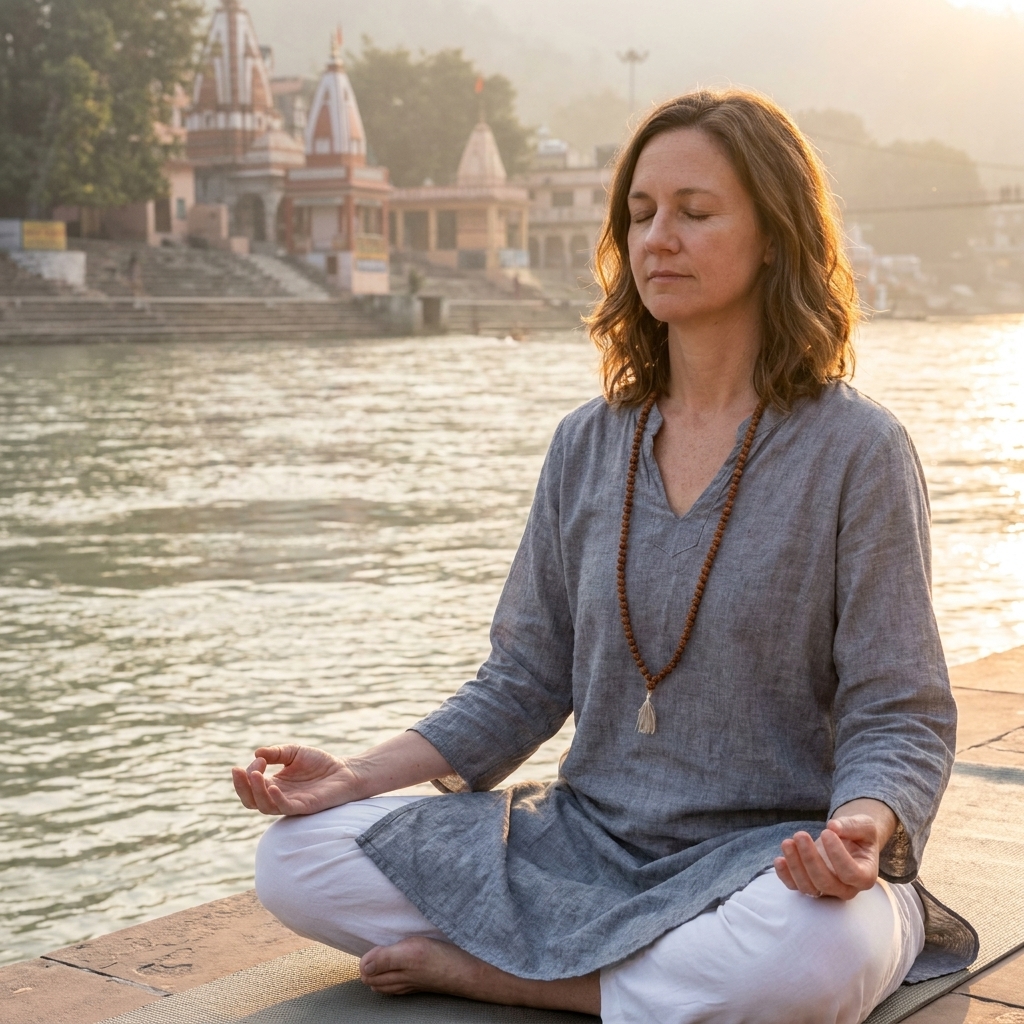
Hindu traditions are beautifully diverse, but many share a core intuition: there is something in us that is deeper than personality, deeper than thought, deeper than fear. This is often called atman, the innermost Self. In nondual schools such as Advaita Vedanta, the most radical claim is that atman is not separate from ultimate reality (Brahman).
Not all Vedanta is Advaita, and not all Hindu philosophy is nondual. Schools such as Vishishtadvaita and Dvaita describe the relationship between self and divine differently, often emphasizing distinction, devotion, and grace while still affirming the soul’s endurance across lifetimes. So the “soul” is not a single Hindu doctrine but a family of views that generally affirm a persistent spiritual reality in the person.
Consciousness as fundamental
In many Hindu schools, consciousness is not merely produced by the brain. It can be understood as a fundamental feature of reality or as the light by which experience is known. Practices like meditation, devotion, and ethical discipline are ways of clarifying that light, not manufacturing it.
Afterlife: samsara and moksha
Rather than one life followed by a final destination, many Hindu traditions speak of samsara, the cycle of birth and death shaped by karma, the moral law of cause and effect. The goal is not just a better rebirth but moksha, liberation from the cycle itself, described variously as union with the divine, dwelling in God’s presence, or awakening to one’s true nature.
It can sound abstract until you realize how practical it is: liberation is not a reward for being “spiritually impressive.” It is the easing of ignorance and grasping, the end of being tossed around by what we cling to.
Buddhist perspectives
Not-self, not nothing
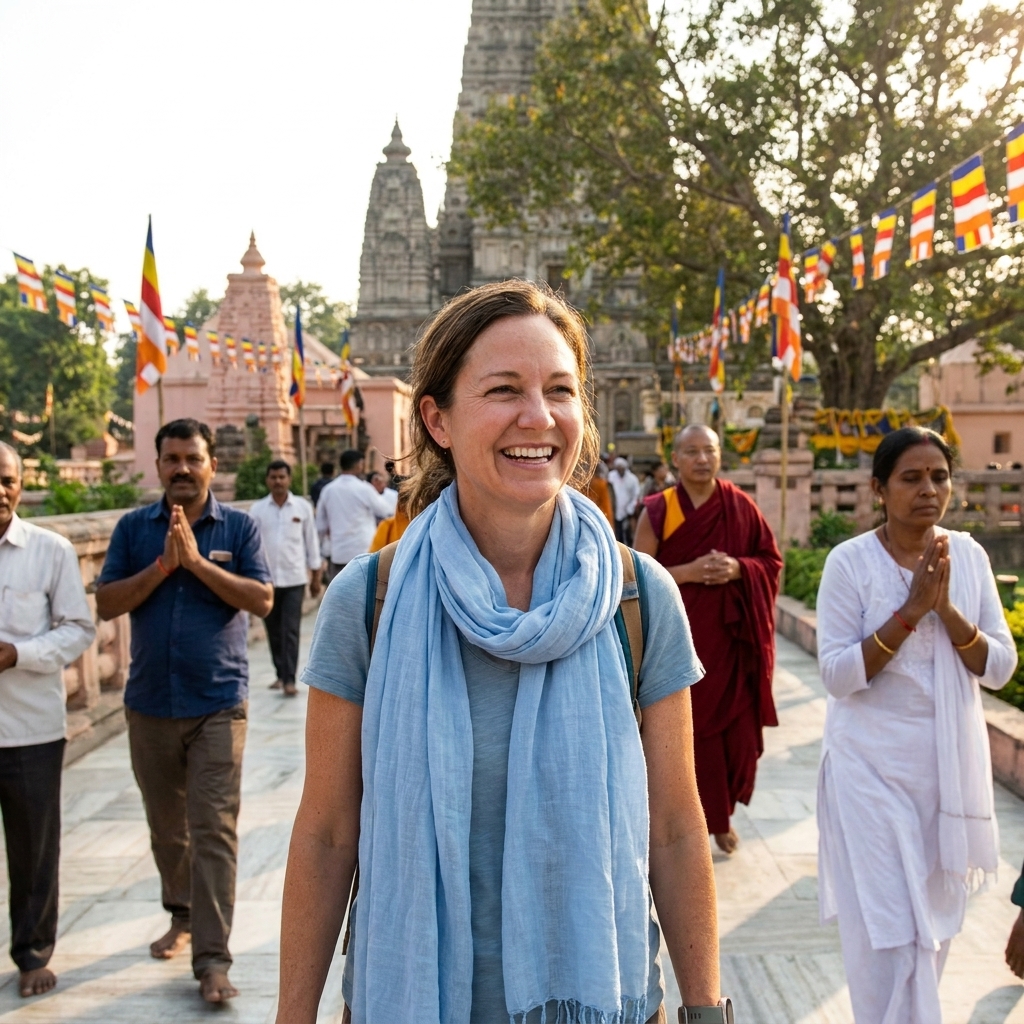
Buddhism is famous for anatman, the teaching of not-self. This is often misunderstood as nihilism. It is not saying you do not exist. It is saying that what you call “I” is not a permanent, independent essence. Instead, the person is a dynamic process made of changing parts: body, sensations, perceptions, mental formations, and consciousness.
If that sounds unsettling, it can be. But it can also be deeply compassionate. If the self is not a fixed thing, then suffering is not a life sentence. Patterns can change. Clinging can soften. Freedom becomes possible.
Consciousness as conditioned
In many Buddhist teachings, consciousness is not an immortal entity but a conditioned process arising in dependence on causes. It is real in the way a flame is real: present, powerful, and not quite the same from moment to moment.
Different Buddhist schools explain the mechanics differently, especially when discussing continuity across lifetimes. Some traditions explore ideas like the storehouse consciousness (alaya-vijnana), while others emphasize rebirth-linking accounts in their own technical language. The central emphasis stays steady: liberation is found by seeing clearly how experience arises and how craving tightens it into suffering.
Afterlife: rebirth without a permanent self
Many forms of Buddhism teach rebirth, but not as a soul migrating like a traveler changing coats. A classic metaphor is one candle lighting another: there is continuity of causal influence, but no unchanging “thing” that transfers.
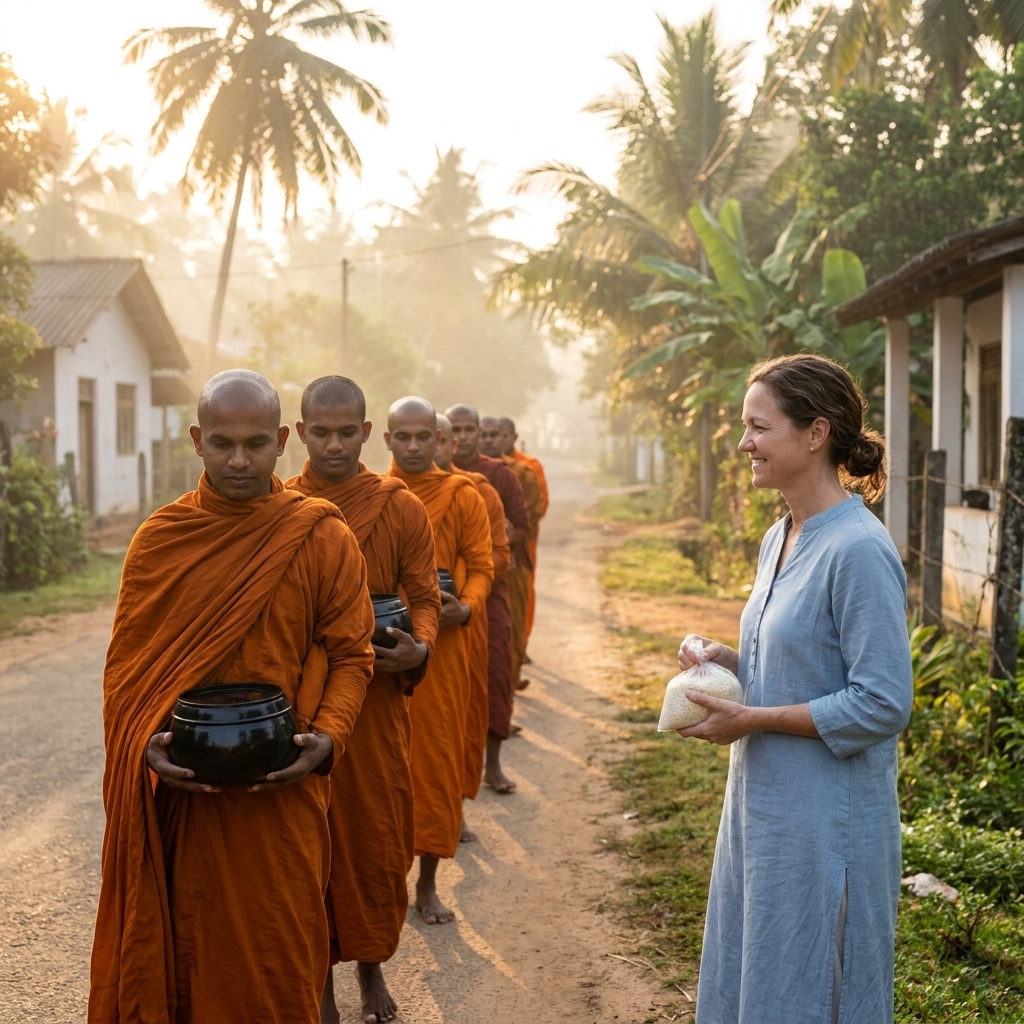
The end goal is nirvana, the cessation of suffering rooted in ignorance and craving. Some traditions describe nirvana in profound, poetic terms, and others emphasize its practical immediacy: less grasping, less fear, more compassion in this very life.
Key differences
1) Essence vs. process
- Many Western traditions: a lasting personal soul that preserves identity.
- Hindu traditions (many schools): an enduring Self (atman) that transmigrates, relates to God, or is understood in relation to Brahman depending on the school.
- Buddhism: no permanent soul; the “person” is a changing stream of causes and conditions.
2) Linear vs. cyclical time
- Many Western traditions: one life, then a final judgment or ultimate state, with history moving toward fulfillment.
- Many Indian and East Asian traditions: cycles of rebirth (samsara), with liberation as the deeper horizon.
3) Salvation and liberation
- Western theological emphasis: often relational and covenantal, oriented toward God’s grace, judgment, and mercy.
- Hindu emphasis: liberation can be devotion, knowledge, disciplined practice, or divine grace, depending on the path.
- Buddhist emphasis: awakening, ethical living, and insight into the nature of suffering and impermanence.
4) What afterlife language does
Many Western narratives highlight ultimate justice and communion with God. Many Indian traditions highlight the transformation of consciousness and freedom from ignorance and clinging. Both ask: How should we live now? They simply answer with different metaphysical grammar.
Where they overlap
Despite big doctrinal differences, there are meeting places where the conversation becomes tender and human.
Ethics matters
Whether you call it sin, karma, or unwholesome action, every tradition recognizes that our choices shape us. The details vary, but the moral insight is shared: what you practice becomes what you perceive.
Compassion as practice
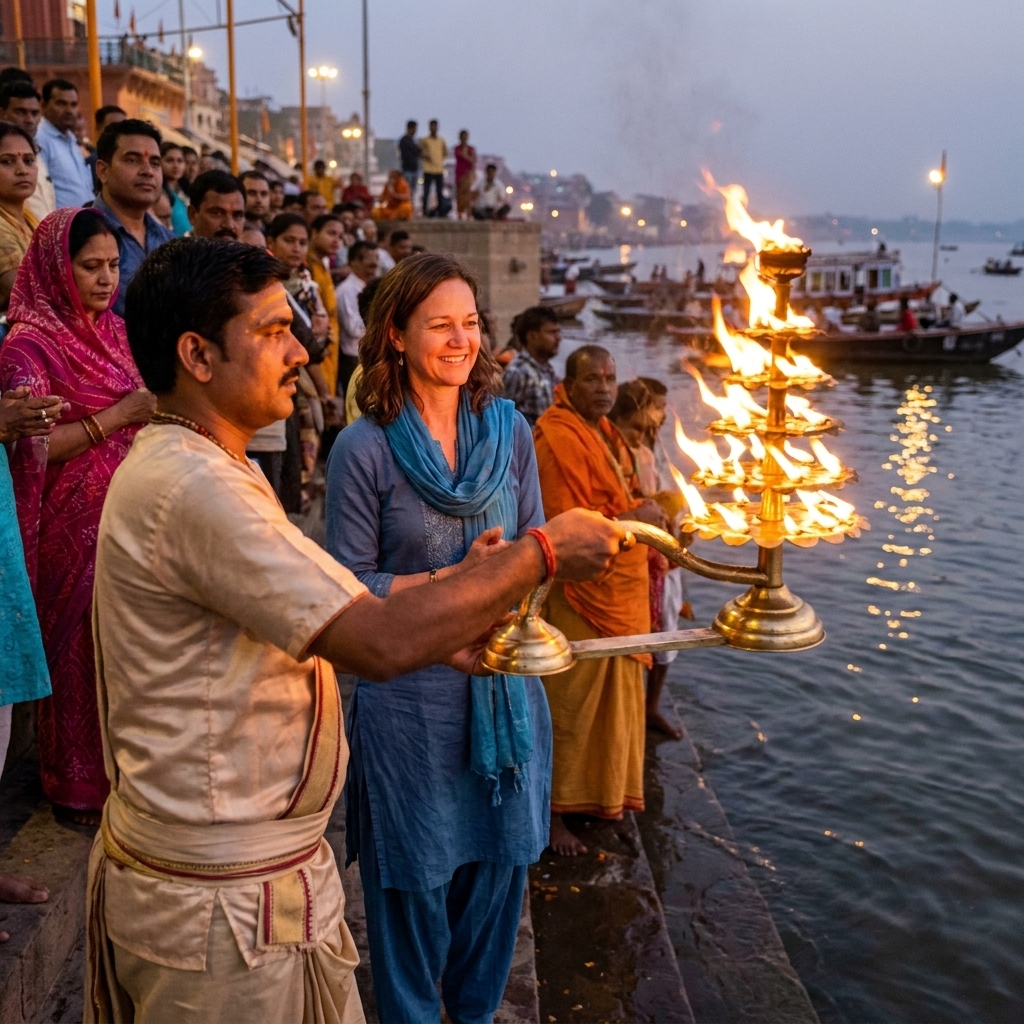
In Christianity, love of neighbor is inseparable from love of God. In Buddhism, compassion is a natural expression of awakening. In Hindu devotion, compassion can be a form of worship. In many streams, cruelty thickens the illusion of separateness. Kindness thins it.
Transformation is possible
One of the quiet gifts of comparing traditions is realizing they all take change seriously. Some call it repentance, some call it purification, some call it awakening. The hope is the same: you are not trapped in your current patterns.
Common questions
Do Buddhists believe in a soul?
Generally, Buddhists do not affirm an eternal, unchanging soul. They do affirm continuity of experience and moral causality, often including rebirth, but without a permanent essence that remains identical over time.
Do Hindus believe in reincarnation?
Many Hindu traditions affirm rebirth (often called reincarnation in popular speech), guided by karma and spiritual development. The ultimate goal is typically liberation (moksha), not endless return.
Do all Western religions agree about the soul?
No. There is wide diversity. Some emphasize immortality of the soul, others emphasize resurrection of the body, and many hold both in creative tension. Even within a single tradition, you will find multiple philosophical models.
Is one view right?
Readers often ask this with a brave honesty, especially when grief or anxiety makes the question urgent. My answer is to notice what each tradition is trying to heal. Some heal fear of meaninglessness by emphasizing personal continuity and divine love. Others heal the suffering of clinging by emphasizing impermanence and nonattachment. Instead of rushing to pick a winner, you might ask: What kind of wisdom is my life asking for right now?
One closing thought
If you grew up with a firm idea of “my soul,” encountering anatman can feel like the floor shifting. If you grew up with teachings on not-self, encountering a personal, enduring soul can feel like a surprising kind of intimacy. Either way, the encounter can be fruitful, if we let it soften us rather than turn us into debate machines.
Sometimes the point is not to solve the mystery of the soul, but to live as if our lives are sacred enough to deserve attention.
Whether your path speaks of salvation, moksha, nirvana, or something unnamed, the daily invitation is remarkably consistent: practice compassion, watch the mind, and choose what makes you more awake to one another.