7 Morning Rituals to Balance Spiritual Energy
Some mornings begin like a bell in a quiet temple. Others begin with a phone alarm, a barking dog, and a brain that is already sprinting. Either way, you still get to choose the quality of energy you bring into the day.
When I say “spiritual energy,” I do not mean anything flashy or mystical that you must manufacture before breakfast. I mean the inner current that carries your attention, your compassion, and your sense of purpose. Balancing it is less like flipping a switch and more like tuning an instrument.

Below are seven practical morning rituals. You can do them all in 10 to 20 minutes, or choose two and let that be enough. The point is not perfection. The point is presence.
1) One conscious breath
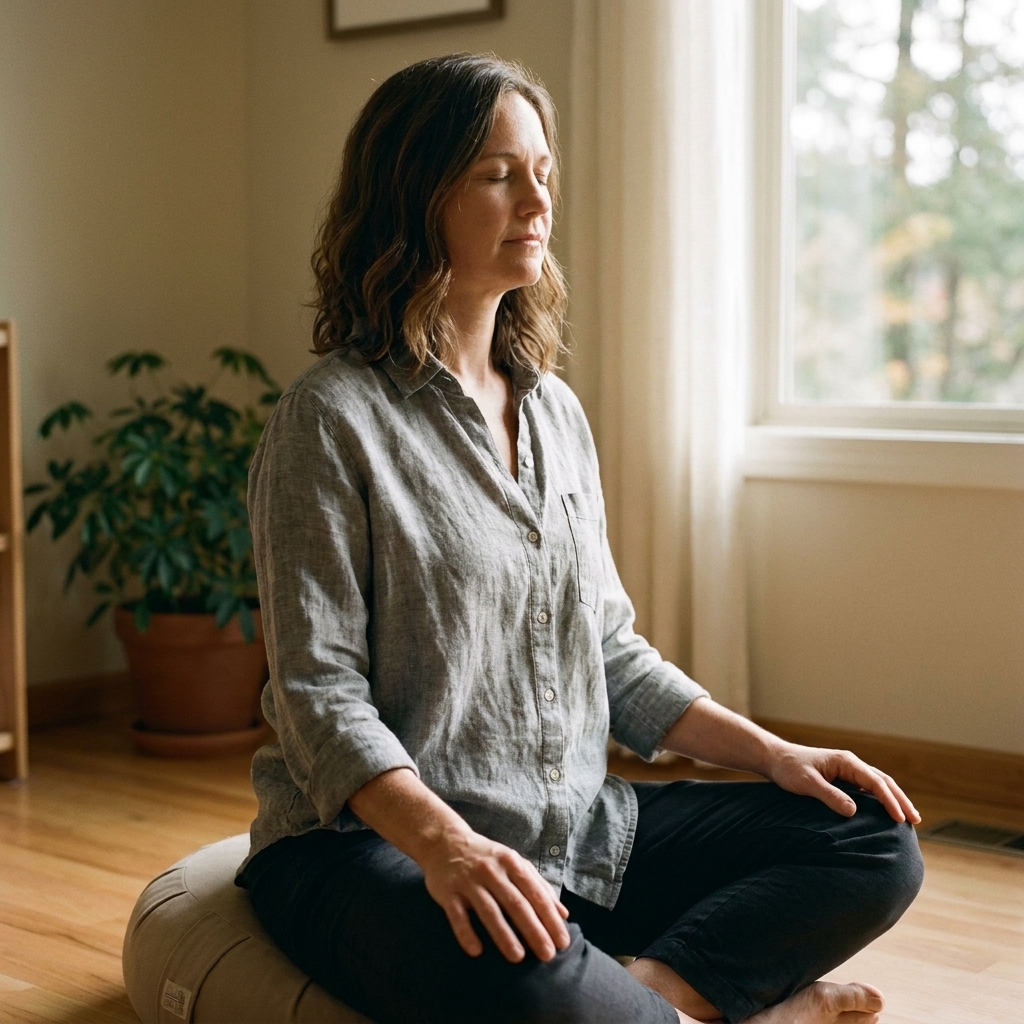
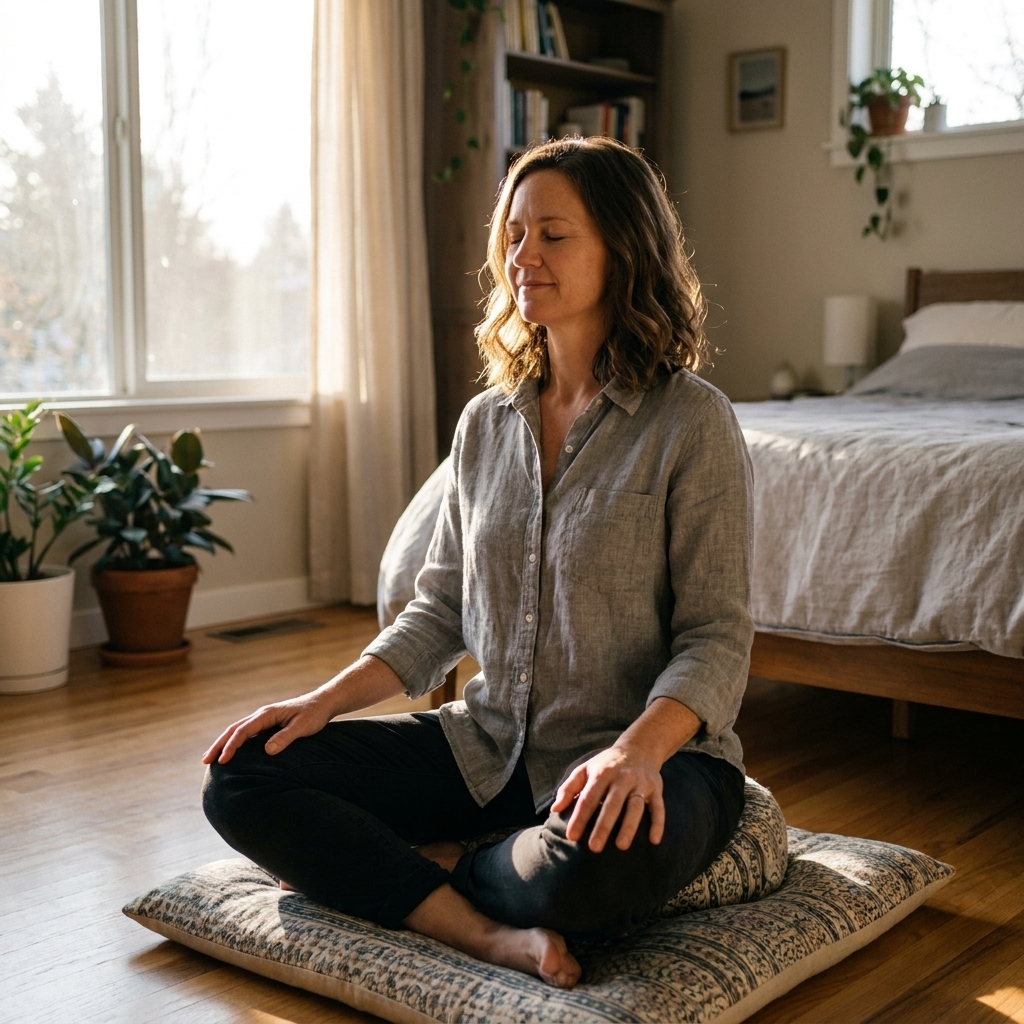
Before you check messages, before you rehearse your to-do list, take one intentional breath. This is the smallest ritual and sometimes the most powerful because it interrupts the trance of urgency.
Try this
- Inhale through the nose for a slow count of four.
- Pause for a gentle count of two.
- Exhale through the nose or softly through the mouth for a count of six, as if you are fogging a mirror very gently.
If you pray, you can pair the exhale with a simple phrase: “Here I am,” “Peace,” “God of my understanding, steady me,” or a single sacred name from your tradition.
One breath is a vote for the life you actually want to live.
2) Ground your body
Many of us try to “think” our way into spiritual balance. But the nervous system often responds best to signals of safety, and grounding can be one of those signals.
Two-minute grounding
- Stand or sit with both feet on the floor.
- Press your feet down as if you are making a clear imprint.
- Name five things you can see, four you can feel, three you can hear, two you can smell, and one you can taste.
This 5-4-3-2-1 practice is commonly used in skills-based therapy settings such as CBT and DBT, and it harmonizes beautifully with older wisdom traditions that emphasize embodiment and attention.

3) Set a small intention
Goals can be beautiful, but they often wake up the part of us that feels behind. An intention is gentler. It is a compass point, not a finish line.
Choose one sentence
- “Today, I move at the speed of care.”
- “Today, I will practice truthful kindness.”
- “Today, I will return to my breath when I feel pulled.”
- “Today, I will do one thing wholeheartedly.”
If you keep a journal, write the intention at the top of the page. If you do not, speak it aloud. Sound gives it weight.
4) Simple breathwork
Breathwork does not need to be intense to be effective. The aim in the morning is to create steadiness and clarity, not to overwhelm your system.
Balanced breathing (about three minutes)
- Inhale for a count of four.
- Exhale for a count of four.
- Repeat for 12 rounds.
If you are prone to anxiety, keep the breath smooth and comfortable. If you feel lightheaded, dizzy, or uneasy, return to normal breathing and pause. If you have a respiratory or cardiac condition, are pregnant, or have a history of panic symptoms, consider checking with a clinician before doing counted breath practices.
Optional spiritual layer: On the inhale, receive. On the exhale, release. Many traditions hold this truth in different language.
5) Devotional movement
Movement can be one of the quickest ways to change your mood and shift the body out of stuckness. It is also one of the most overlooked spiritual practices, especially if we think devotion must be still and silent.
Choose your motion
- Three gentle stretches with slow breathing.
- Sun salutations or a short yoga flow.
- A mindful walk to the mailbox with your phone left inside.
- One song and let your body move freely while coffee brews.
Offer the movement as a quiet “yes” to being alive. If you are tired, let it be tiny. A single forward fold counts. A shoulder roll counts. And then notice one concrete thing: your feet on the floor, air in your lungs, warmth in your hands.
If you need a seated option: try slow neck circles, shoulder rolls, ankle circles, or place one hand on your heart and one on your belly and sway gently for three breaths.

6) Bless your first sip
For many of us, the first sip of the day is coffee, tea, water with lemon, or a simple glass of water. Turning that sip into a blessing brings the sacred into the ordinary, which is where most of life actually happens.
A simple blessing
Hold the mug or glass with both hands and say, silently or aloud:
“May what I take in today bring clarity. May what I give out today bring kindness.”
Then choose one boundary that protects your energy. Start small:
- No news for the first 10 minutes.
- No email until you have eaten.
- One app stays closed until after you have showered.
Spiritual energy leaks fastest through unexamined access. Boundaries are not a rejection of the world. They are a way of meeting it with integrity.
7) Close with a line
Morning rituals land best when they have an ending. Otherwise, the mind keeps reaching for what is next. A closing phrase acts like tying a knot in a thread so the practice stays with you.
Choose one
- Prayer: “Guide my steps and soften my heart.”
- Mantra: “I am here. I am willing.”
- Dedication: “May any goodness from this morning ripple outward.”
If you come from a particular faith, use the words that are already in your bones. If you do not, let your closing be simple gratitude. Either way, you are aligning your inner life with your outer day.
A 10-minute flow
If you want a ready-made rhythm, here is a gentle one:
- 1 minute: one conscious breath, then a few more slow breaths
- 2 minutes: grounding through the senses
- 1 minute: set one intention
- 3 minutes: balanced breathing
- 2 minutes: devotional movement
- 1 minute: bless your first sip and speak a closing line
If you have closer to 20 minutes, lengthen the movement, add a few journal lines, or sit in silence after your closing phrase. And if all you have is 30 seconds, take the breath and the blessing. That is still a spiritual life. That is still a morning well met.

Pick your two
If you want a simpler start, choose two rituals based on what your morning feels like:
- If you wake up anxious: grounding + blessing your first sip (then add breathwork if it feels supportive).
- If you wake up sluggish: devotional movement + intention (then add one conscious breath to seal it).
- If you wake up scattered: one conscious breath + a boundary (then close with one line).
Small, consistent practices tend to outlast big, perfect plans.
Gentle FAQ
What does it mean to “balance spiritual energy”?
It means bringing your attention, emotions, and body into a steadier relationship so you can act from your values instead of from reactivity. In many traditions this is described as alignment, right intention, or returning to center.
Do I need to believe in anything specific for these to work?
No. These practices are interfaith-friendly and also supportive for people who are spiritual-but-not-religious. If you do have a faith tradition, you can weave in your own prayers and sacred language.
What if mornings are chaotic in my house?
Choose micro rituals. One breath at the sink. One intention while putting on shoes. One blessing over your coffee in the car. Consistency matters more than calm.
Can I do these even if I feel numb or disconnected?
Yes, and that is often when they help most. Start with grounding and gentle breath. Spiritual connection is not always a feeling. Sometimes it is a practice of showing up.
If you try one of these tomorrow, let it be uncomplicated. Begin where you are, with what you have, and let the morning meet you halfway.